متلازمة النفق الرسغي العلاج في الهند - التكاليف 2026


تمت مراجعة المقالة طبيا من قبل
فهد مولود
ما هي تكلفة متلازمة النفق الرسغي إجراءات التشخيص والعلاج في الهند؟ اعرف الآن
| الهند | تركيا | إسبانيا | |
|---|---|---|---|
| جراحة إعادة بناء اليد | ≈ $3,800 | من $11,700 | ≈ $4,800 |
مزاياك وضماناتك مع Bookimed
أسعار مباشرة
Bookimed لا يضيف رسوماً إضافية على أسعار علاج متلازمة النفق الرسغي. الأسعار مأخوذة من قوائم الأسعار الرسمية للعيادات. تدفع مباشرة في العيادة مقابل علاجك عند وصولك إلى البلد.
عيادات وأطباء معتمدون فقط
Bookimed ملتزم بسلامتك. نحن نعمل فقط مع المؤسسات الطبية التي تحافظ على معايير دولية عالية في علاج متلازمة النفق الرسغي ولديها التراخيص اللازمة لخدمة المرضى الدوليين في جميع أنحاء العالم.
مساعدة مجانية على مدار الساعة
Bookimed يقدم مساعدة خبراء مجانية. منسق طبي شخصي يدعمك قبل وأثناء وبعد العلاج، ويحل أي مشاكل. لن تكون وحيداً أبداً في رحلة علاج متلازمة النفق الرسغي.

منسقك الطبي الشخصي في Bookimed
- يدعمك في كل مرحلة
- المساعدة في اختيار العيادة الطبية المناسبة والطبيب المناسب
- يضمن الوصول السريع والمريح إلى المعلومات
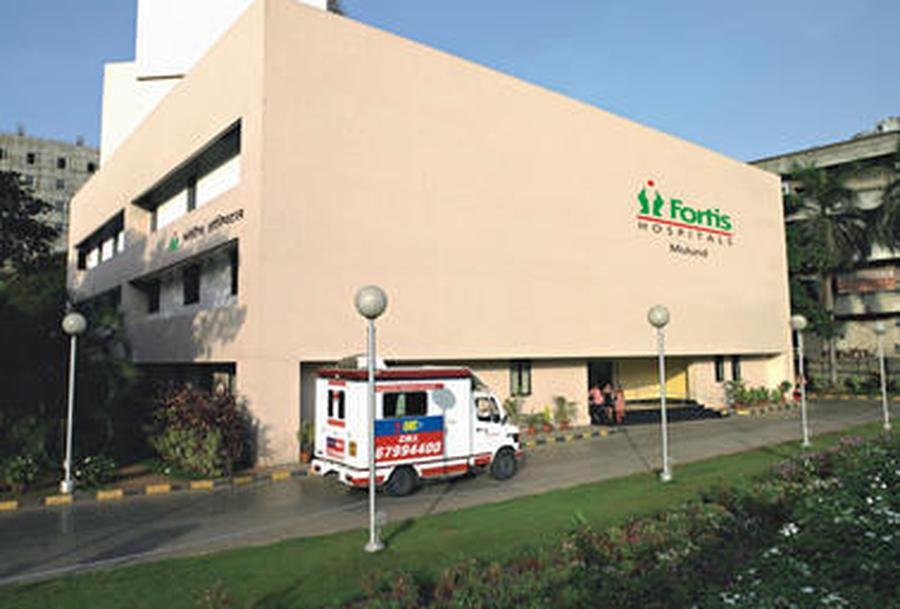
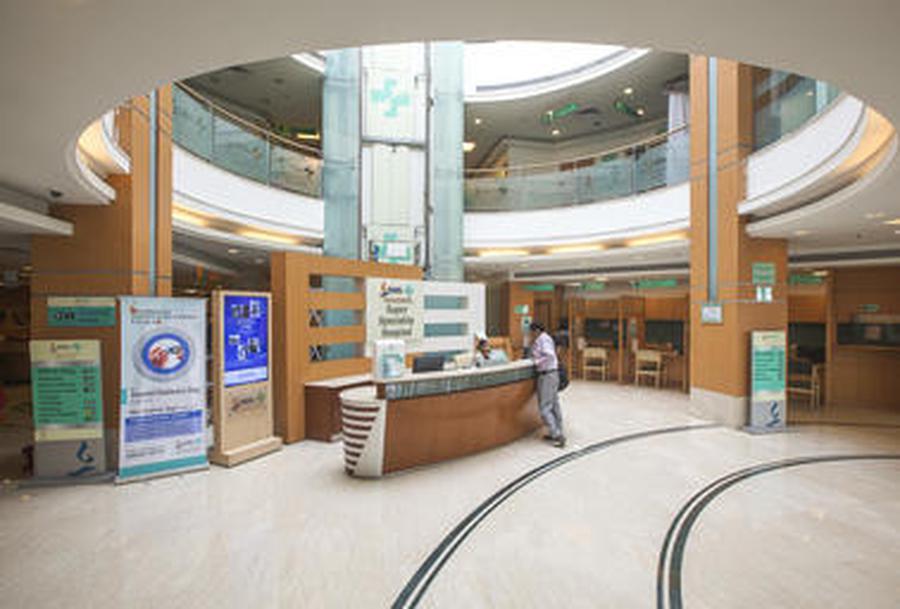
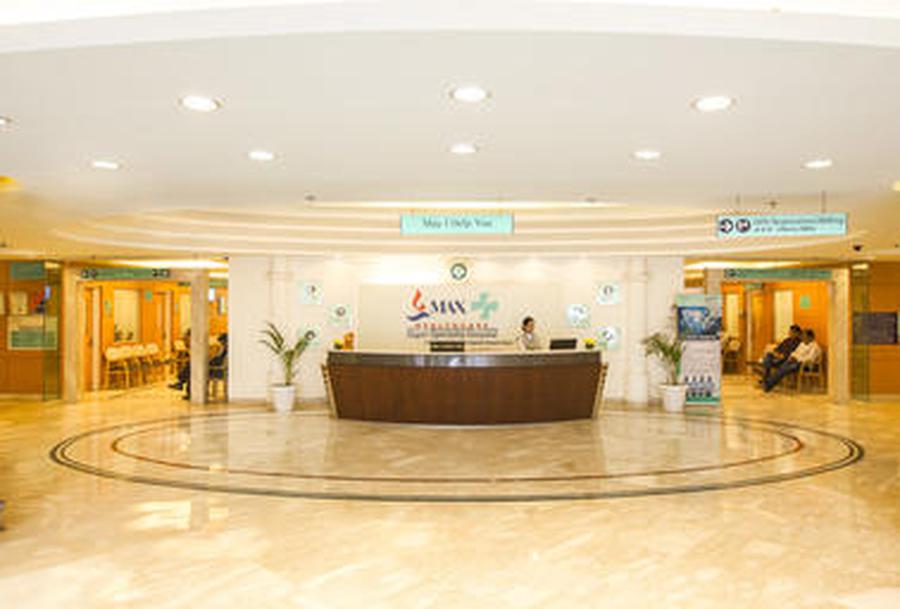
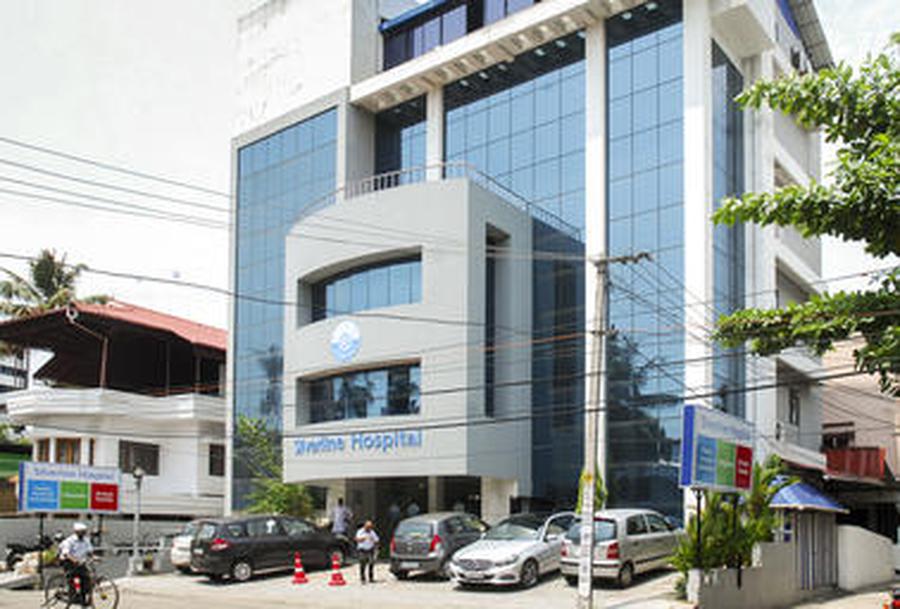
اكتشف أفضل متلازمة النفق الرسغي العيادات في الهند: 18 خيارات معتمدة والأسعار






مشاركة المحتوى
قصص فيديو من مرضى Bookimed
 Anna Leonova
أسئلة متكررة حول علاج متلازمة النفق الرسغي في الهند
ما هو معدل نجاح جراحة النفق الرسغي في الهند؟
تتراوح معدلات نجاح جراحة النفق الرسغي في الهند بين 85% و95%. تبلغ العيادات الهندية عن مستويات عالية من رضا المرضى. وتتماشى النتائج مع المعايير العالمية لإجراءات تخفيف ضغط العصب. يشعر المرضى بالراحة من آلام الليل والتنميل في غضون 3 أيام. يحدث التعافي الكامل عادةً في غضون 4 إلى 6 أسابيع.
- النجاح الجراحي: تبلغ التقنيات التنظيرية عن معدل رضا للمرضى بنسبة 94%.
- تسكين الألم: يعاني حوالي 60% من المرضى من تخفيف فوري للأعراض الشديدة.
- معدل التكرار: يظل التكرار على المدى الطويل منخفضًا، حيث يؤثر فقط على 1% إلى 5% من الحالات.
- وقت التعافي: عادةً ما تستعيد قوة القبضة ووظيفة اليد في غضون 6 أسابيع.
- التئام الأعصاب: قد تتطلب الحالات الشديدة 12 شهرًا للتجدد الحسي الكامل.
رؤية خبير Bookimed: تظهر البيانات أن المراكز الهندية مثل مستشفى أبولو إندرابراستا وفورتيس إسكورتس تحتفظ باعتمادات متعددة مثل JCI وNABH. غالبًا ما تشير هذه الاعتمادات المزدوجة إلى بروتوكولات جراحية موحدة. بالنسبة لجراحة النفق الرسغي، فإن اختيار المرافق المعتمدة من JCI في دلهي أو مومباي يضمن معدات جراحية مجهرية عالية الجودة لتخفيف ضغط العصب.
إجماع المرضى: يؤكد المرضى أن النجاح يبدو كفوز عندما يتوقف ألم الليل بسرعة. ومع ذلك، يلاحظ الكثيرون أن الألم في شق راحة اليد يستمر لفترة أطول من المتوقع. يوصون بالجراحة المبكرة، لأن الانتظار لفترة طويلة جدًا قد يحد من التعافي الحسي الكامل.
ما هي خيارات العلاج غير الجراحي المتاحة لمتلازمة النفق الرسغي في الهند؟
تشمل العلاجات غير الجراحية لمتلازمة النفق الرسغي في الهند استخدام جبائر المعصم، وتمارين انزلاق العصب، وحقن الكورتيكوستيرويد. تقدم العديد من المرافق المعتمدة من قبل اللجنة الدولية المشتركة (JCI) في دلهي ومومباي تقنية تحلل الماء الموجه بالموجات فوق الصوتية المتقدمة. تهدف هذه الأساليب المحافظة إلى تخفيف الضغط عن العصب المتوسط واستعادة الوظيفة دون تدخل جراحي.
- الدعم الميكانيكي: استخدام جبائر المعصم المحايدة في الليل لمنع انضغاط العصب أثناء النوم.
- العلاج الطبيعي: يقدم المتخصصون تمارين انزلاق العصب والأوتار لتحسين الحركة والدورة الدموية.
- الحقن المتقدمة: تستهدف تقنية تحلل الماء الموجه بالموجات فوق الصوتية وعلاجات البلازما الغنية بالصفائح الدموية (PRP) الالتهاب الموضعي مباشرة.
- الموجات فوق الصوتية العلاجية: تعمل الموجات الصوتية عالية التردد على تقليل تورم الأنسجة في الحالات السريرية الخفيفة إلى المتوسطة.
رؤية خبير Bookimed: بينما يبدأ العديد من المرضى بالأدوية الأساسية، توفر المرافق الموجودة في الهند مثل Fortis Escorts و Apollo Indraprastha نجاحات غير جراحية أكثر ديمومة من خلال أقسام الأعصاب متعددة التخصصات. تشير البيانات إلى أن اختيار المستشفيات المعتمدة من قبل NABH أو JCI يضمن وصولاً أفضل إلى الموجات فوق الصوتية عالية الدقة لإجراءات تحلل الماء الدقيقة. غالبًا ما توفر هذه التقنية جسراً للمرضى الذين يرغبون في تجنب الجراحة تماماً.
إجماع المرضى: يؤكد المرضى أن استخدام الجبيرة الليلية هو أسهل خطوة أولى للحصول على الراحة. ويشي
ما هي التقنيات الجراحية المستخدمة لتحرير النفق الرسغي في الهند؟
يقوم الجراحون في الهند بإجراء عملية تحرير النفق الرسغي باستخدام التقنيات التقليدية المفتوحة، والمفتوحة المصغرة، والمنظارية. كما توفر المرافق الحديثة تقنية التحرير الموجهة بالموجات فوق الصوتية لتعافٍ أسرع. تهدف جميع الطرق إلى قطع الرباط الرسغي المستعرض لتخفيف الضغط عن العصب المتوسط. تستخدم معظم الإجراءات التخدير الموضعي للتحقق الفوري من الحركة.
- التحرير المفتوح: شق قياسي بطول 3-5 سم في راحة اليد يسمح بالرؤية المباشرة للعصب.
- تقنية الفتح المصغر: شق دقيق بطول 1-2 سم يقلل من الندبات مع الحفاظ على السلامة.
- التحرير بالمنظار: دخول عبر بوابة طفيفة التوغل للعودة السريعة إلى العمل والكتابة.
- الموجهة بالموجات فوق الصوتية: أحدث طريقة عبر ثقب باستخدام التصوير في الوقت الفعلي لإزالة ضغط الرباط بسرعة.
رؤية خبير Bookimed: بينما يبحث الكثيرون عن أصغر شق، ركز على اعتماد المنشأة بدلاً من ذلك. تحمل المراكز الكبرى مثل مستشفى SevenHills ومستشفى Apollo Indraprastha الأختام الذهبية للجنة الدولية المشتركة (JCI). توفر هذه المراكز المعتمدة من JCI في دلهي ومومباي غالبًا فرق جراحة يد متخصصة قد لا تتوفر في العيادات متعددة التخصصات الأخرى. اختيار مركز حاصل على حالة المجلس الوطني لاعتماد المستشفيات ومقدمي الرعاية الصحية (NABH) يضمن بروتوكولات سلامة موحدة لهذه الإجراءات التي تتم في العيادات الخارجية.
إجماع المرضى: غالبًا ما يعطي المرضى الأولوية لخيارات العيادات الخارجية والتخدير الموضعي لضمان العودة السريعة إلى المنزل. يشير الكثيرون إلى أن خبرة الج
ما الذي يمكنني توقعه أثناء التعافي بعد جراحة النفق الرسغي في الهند؟
يستغرق التعافي بعد جراحة النفق الرسغي في الهند عادةً من أسبوعين إلى 6 أسابيع للأنشطة الخفيفة. يعود معظم المرضى إلى العمل المكتبي في غضون 14 يومًا. تعود قوة القبضة الكاملة عادةً خلال فترة تتراوح من 3 إلى 12 شهرًا. يتم إجراء العمليات في مرافق معتمدة من قبل اللجنة الدولية المشتركة (JCI) في دلهي ومومباي.
- العناية الفورية: ارفع اليد فوق مستوى القلب لمدة 72 ساعة لتقليل التورم.
- العناية بالجرح: حافظ على الضمادات الجراحية جافة حتى إزالة الغرز، والتي تتم عادةً بعد 10-14 يومًا.
- قيود النشاط: تجنب رفع الأشياء الثقيلة أو القبض المتكرر لمدة لا تقل عن 4 إلى 6 أسابيع.
- تخفيف الأعراض: غالبًا ما يتحسن التنميل الليلي بسرعة بمجرد تخفيف الضغط عن العصب المتوسط.
رؤية خبير Bookimed: غالبًا ما يغفل المرضى أن المراكز الرائدة في الهند، مثل مستشفى SevenHills ومستشفى Apollo Indraprastha، حاصلة على اعتماد مزدوج من JCI وNABH. يضمن هذا الاعتماد المزدوج معايير سلامة عالية لجراحات اليد الخارجية. يوفر اختيار العيادات في دلهي أو مومباي إمكانية الوصول إلى جراحين يعالجون المرضى الدوليين بانتظام.
إجماع المرضى: يلاحظ الكثيرون أنه على الرغم من أن وخز الليل يتلاشى بسرعة، إلا أن منطقة راحة اليد تظل حساسة لأسابيع. من المهم تجنب فتح البرطمانات أو حمل الحقائب الثقيلة في وقت مبكر جدًا لمنع حدوث تهيج.