كيس الدماغ العلاج في كوريا الجنوبية - التكاليف 2026


تمت مراجعة المقالة طبيا من قبل
فهد مولود
ما هي تكلفة كيس الدماغ إجراءات التشخيص والعلاج في كوريا الجنوبية؟ اعرف الآن
من $500
تكاليف علاج كيس الدماغ النموذجية في جمهورية كوريا
- استشارة جراح أعصاب: من $53
- تصوير الدماغ بالرنين المغناطيسي مع التباين: من $500
- استشارة طبيب أعصاب: من $55
- تخطيط كهربية الدماغ أثناء النوم (Sleep EEG): من $930
- استشارة طبيب عيون: $70 – $150
- إزالة ورم الدماغ: من $19,000
- جاما نايف: من $10,000
رؤية خبراء Bookimed: بالنسبة للحالات المعقدة التي تتطلب دقة عالية، توفر المراكز المعتمدة من اللجنة الدولية المشتركة (JCI) في سيول أفضل قيمة. يُعد مستشفى جامعة سيول الوطنية (SNUH) خيارًا أول للعمليات الجراحية عالية الخطورة، وهو المرفق الرئيسي لرئيس كوريا الجنوبية. يجب على المرضى الذين يبحثون عن بروتوكولات السلامة الرقمية التفكير في مستشفى جامعة سيول الوطنية بوندانغ (SNUBH)، حيث يستخدمون نظام BESTcare لتقليل الأخطاء الطبية أثناء جراحة الأعصاب. مستشفى جانجنام سيفيرانس مثالي لأولئك الذين يحتاجون إلى رعاية متعددة التخصصات، بما في ذلك التنسيق بين جراحة الأعصاب وطب الأعصاب.
| كوريا الجنوبية | تركيا | إسبانيا | |
|---|---|---|---|
| جراحة ورم في المخ | من $22,500 | من $15,500 | من $23,000 |
| إزالة ورم في المخ | من $19,000 | من $12,000 | من $21,500 |
| Gamma Knife جاما نايف | من $10,000 | من $5,500 | من $24,900 |
مزاياك وضماناتك مع Bookimed
أسعار مباشرة
Bookimed لا يضيف رسوماً إضافية على أسعار علاج كيس الدماغ. الأسعار مأخوذة من قوائم الأسعار الرسمية للعيادات. تدفع مباشرة في العيادة مقابل علاجك عند وصولك إلى البلد.
عيادات وأطباء معتمدون فقط
Bookimed ملتزم بسلامتك. نحن نعمل فقط مع المؤسسات الطبية التي تحافظ على معايير دولية عالية في علاج كيس الدماغ ولديها التراخيص اللازمة لخدمة المرضى الدوليين في جميع أنحاء العالم.
مساعدة مجانية على مدار الساعة
Bookimed يقدم مساعدة خبراء مجانية. منسق طبي شخصي يدعمك قبل وأثناء وبعد العلاج، ويحل أي مشاكل. لن تكون وحيداً أبداً في رحلة علاج كيس الدماغ.

منسقك الطبي الشخصي في Bookimed
- يدعمك في كل مرحلة
- المساعدة في اختيار العيادة الطبية المناسبة والطبيب المناسب
- يضمن الوصول السريع والمريح إلى المعلومات
اكتشف أفضل كيس الدماغ العيادات في كوريا الجنوبية: 8 خيارات معتمدة والأسعار











احصلوا على تقييم طبي لـ كيس الدماغ في كوريا الجنوبية: استشيروا أطباء ذوي خبرة الآن
عرض جميع الأطباء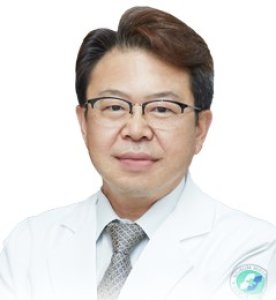
Han Yeongmin
الدكتور هان يونغمين جرّاح أعصاب (MD، PhD). يشغل منصب المدير الطبي ومدير مركز جراحة الأعصاب في مستشفى سانت ماري في إنتشيون. يعالج أمراض الأوعية الدموية الدماغية واضطرابات الأعصاب الطرفية، ويختص أيضًا بأورام الدماغ وجراحة قاعدة الجمجمة. تشمل الحالات السكتة الدماغية والنزف الدماغي والاحتشاء الدماغي ومرض مويا مويا. يجري إجراءات PEN وPNP وSNB. ويقدّم أيضًا الاستئصال المجهري والتنظيري للقرص، واستبدال القرص الصناعي، واندماج العمود الفقري طفيف التوغل/MIS-TLIF، ورأب الفقرة.
نال درجتي الطب والدك
مشاركة المحتوى
قصص فيديو من مرضى Bookimed
 Anna Leonova
أسئلة متكررة حول علاج كيس الدماغ في كوريا الجنوبية
ما هي أفضل المستشفيات في كوريا الجنوبية لعلاج كيسات الدماغ؟
تشمل المستشفيات الكورية الجنوبية الرائدة لعلاج كيسات الدماغ مستشفى جامعة سيول الوطنية ومستشفى سيفيرانس. تتخصص هذه المراكز المعتمدة من قبل اللجنة الدولية المشتركة (JCI) في الجراحة المجهرية وجراحة غاما نايف الإشعاعية. تستخدم المرافق في سيول فرقاً متعددة التخصصات. وهي تجري آلاف العمليات الجراحية العصبية سنوياً بدقة وأمان عاليين.
- الخبرة الجراحية: يجري مستشفى جامعة سيول الوطنية أكثر من 1300 جراحة دماغ سنوياً باستخدام إدارة متعددة التخصصات.
- الابتكار الرقمي: يستخدم مستشفى جامعة سيول الوطنية في بوندانغ أنظمة BESTcare الرقمية لجراحة الأعصاب عالية الدقة.
- الحجم والنطاق: يعالج مستشفى سيفيرانس 1.6 مليون مريض خارجي سنوياً مع وحدات جراحة أعصاب مخصصة.
- خيارات طفيفة التوغل: يركز مركز إيهوا الطبي الجامعي للنساء على عمليات الشق الصغير والجماليات.
رؤية خبير Bookimed: يعد حجم المرضى مؤشراً موثوقاً للخبرة في كوريا الجنوبية. يجري مركز أسان الطبي أكثر من 65000 عملية سنوياً. يرتبط هذا الحجم الهائل غالباً بكفاءة أعلى في حالات جراحة الأعصاب المعقدة. عادة ما تقدم المستشفيات التي تخدم أكثر من 10000 مريض يومياً معدات متخصصة أكثر قوة مثل غاما نايف.
إجماع المرضى: يؤكد المرضى على اختيار المستشفيات الجامعية الكبرى بدلاً من العيادات العامة للحالات الدماغية المعقدة. ويشيرون إلى أنه من الضروري إحضار التصوير الأصلي على أقراص مضغوطة لتجنب الاختبارات الزائدة.
ما هي التقنيات الحديثة المستخدمة لإزالة كيسات الدماغ في كوريا؟
يستخدم جراحو الأعصاب في كوريا الجنوبية التنظير العصبي والملاحة العصبية لإزالة كيسات الدماغ بدقة عالية. تعمل هذه التقنيات طفيفة التوغل على تقصير فترات التعافي مع الحفاظ على معدل فعالية يصل إلى 95%. تدمج المراكز المتخصصة في سيول التصوير بالرنين المغناطيسي أثناء الجراحة لضمان إزالة آمنة ودقيقة للآفات الكيسية المعقدة.
- تثقيب التنظير العصبي: يستخدم الجراحون منظارًا رقيقًا لتصريف أو إزالة الكيسات العميقة.
- التوجيه بالملاحة العصبية: تتعقب أنظمة تشبه نظام تحديد المواقع العالمي (GPS) الأدوات في الوقت الفعلي لحماية أنسجة الدماغ الحساسة.
- جراحة التنظير عبر الأنف: يتم الوصول إلى الكيسات الموجودة في قاعدة الدماغ عبر الأنف دون الحاجة إلى شقوق جراحية.
- الجراحة الإشعاعية التجسيمية: تعالج أنظمة سكين غاما (Gamma Knife) كيسات معينة بشكل غير جراحي باستخدام حزم إشعاعية مركزة.
رؤية خبير Bookimed: في حين أن المراكز الكبرى مثل مركز آسان الطبي ومستشفى سيفيرانس تجري آلاف العمليات سنويًا، فإن أعلى مؤشر للجودة هو الرقمنة. كان مستشفى جامعة سيول الوطنية في بوندانغ أول مستشفى رقمي بنسبة 100% في البلاد. تدعم هذه البنية التحتية نظام BESTcare. تمنع هذه التكنولوجيا بنشاط الأخطاء الطبية أثناء جراحات الأعصاب المعقدة مثل استئصال الكيسات.
إجماع المرضى: يشير المرضى إلى أن نوع الكيس وموقعه المحددين يحددان اختيار الجراحة أكثر من العلامة التجارية للمستشفى. ويؤكدون أن الخيارات التنظيرية مفضلة لسرعة الشفاء وتقليل الندبات إلى الحد الأدنى.
هل يوفر الأطباء الكوريون إعادة تأهيل شاملة بعد جراحة الدماغ؟
يوفر الأطباء الكوريون إعادة تأهيل متخصصة بعد جراحة الدماغ من خلال فرق متعددة التخصصات في مراكز معتمدة من قبل اللجنة الدولية المشتركة (JCI). تقدم مرافق مثل مستشفى سيفيرانس ومستشفى جامعة سيول الوطنية بوندانغ (SNUBH) بروتوكولات مخصصة. تشمل هذه العلاج الطبيعي والمهني وعلاج النطق لتحسين الحالة الوظيفية بعد الإجراءات العصبية.
- فرق متعددة التخصصات: يقوم جراحو الأعصاب وأطباء الأعصاب والمعالجون بتنسيق الرعاية في مراكز متخصصة.
- التقييم الوظيفي: يستخدم الأطباء مؤشر بارثيل الكوري المعدل لقياس تقدم التعافي.
- التكنولوجيا المتقدمة: تدمج المستشفيات الرقمية مثل SNUBH أنظمة إلكترونية لتتبع التعافي.
- المرافق المعتمدة: تمتلك المؤسسات الكبرى شهادات JCI أو KOIHA أو GHA لضمان السلامة.
رؤية خبير Bookimed: على الرغم من أن كوريا الجنوبية تحتل مرتبة عالية عالميًا، إلا أن القدرة على إعادة التأهيل الداخلي طويل الأمد تختلف بشكل كبير. يدرج مستشفى سيفيرانس صراحةً إعادة التأهيل كتخصص أساسي. قد تركز العيادات الأصغر فقط على المرحلة الجراحية. يجب على المرضى إعطاء الأولوية للمستشفيات التي لديها أقسام إعادة تأهيل مخصصة لتجنب ترتيب خدمات خارجية لاحقًا.
إجماع المرضى: يشير المرضى إلى أنه على الرغم من أن الرعاية الجراحية عالية الجودة وتعتمد على البروتوكولات، إلا أن إعادة التأهيل ليست تلقائية دائمًا. من المهم طلب خطة تعافي مكتوبة في وقت مبكر لضمان جاهزية العلاج الطبيعي بعد الخروج من المستشفى.
كم من الوقت أحتاج للبقاء في كوريا لعلاج كيس الدماغ؟
عادةً ما يبقى المرضى في كوريا الجنوبية لمدة تتراوح بين 10 إلى 14 يوماً لعلاج كيس الدماغ. تتطلب عمليات حج القحف القياسية من 7 إلى 10 ليالٍ في المستشفى للمراقبة. قد تقلل الإجراءات الأقل توغلاً مثل الجراحة الإشعاعية بـ "سكين غاما" من مدة الإقامة الإجمالية بشكل كبير. عادةً ما يقوم الجراحون بإزالة الغرز بعد 7 إلى 10 أيام من الجراحة.
- دخول المستشفى: يتطلب الاستئصال الجراحي القياسي من 7 إلى 10 أيام من المراقبة داخل المستشفى.
- خيارات طفيفة التوغل: غالباً ما تسمح علاجات "سكين غاما" أو "سايبر نايف" بإقامة أقصر.
- إزالة الغرز: يقوم الجراحون عادةً بإزالة الدبابيس أو الغرز بعد 7 إلى 10 أيام من الإجراء.
- تصريح السفر: عادةً ما يكون المرضى مستقرين بما يكفي للرحلات الجوية الدولية في غضون 2 إلى 4 أسابيع.
رؤية خبير Bookimed: تعمل الأنظمة الطبية الرقمية في كوريا، مثل نظام BESTcare في مستشفى جامعة سيول الوطنية بوندانغ، على تسريع إجراءات ما قبل الجراحة. تظهر بياناتنا أن مستشفيات مثل مركز أسون الطبي تدير أكثر من 65,000 عملية سنوياً. هذا الحجم الكبير يعني غالباً جدولة أسرع لاختبارات التصوير بالرنين المغناطيسي وتخطيط كهربية الدماغ الضرورية.
إجماع المرضى: يشير المرضى إلى أن مدة الإقامة تختلف اختلافاً كبيراً اعتماداً على نوع الكيس والتورم بعد العملية مباشرة. يؤكد الكثيرون على عدم حجز رحلات العودة حتى يؤكد الجراح استقرار الحالة بعد مراجعة التصوير النهائية.
هل سأتمكن من التواصل مع الأطباء باللغة الإنجليزية؟
توفر المستشفيات الكبرى في كوريا الجنوبية دعمًا مهنيًا باللغة الإنجليزية للمرضى الدوليين الذين يعانون من كيسات الدماغ. توظف المراكز المعتمدة من قبل اللجنة الدولية المشتركة (JCI) في سيول أطباء ثنائيي اللغة ومنسقين دوليين متخصصين. تستخدم مرافق مثل مستشفى سيفيرانس (Severance Hospital) ومركز أسان الطبي (Asan Medical Center) مترجمين فوريين محترفين لضمان تواصل واضح أثناء الاستشارات العصبية والعمليات الجراحية المعقدة.
- مترجمون فوريون محترفون: يسهل المترجمون الطبيون المعتمدون المناقشات العصبية المعقدة والتخطيط الجراحي.
- طلاقة الأطباء: يتحدث معظم جراحي الأعصاب في المستشفيات الجامعية الإنجليزية الوظيفية لتقديم الشروحات الطبية.
- معايير الاعتماد: تحافظ المرافق المعتمدة من JCI على بروتوكولات صارمة لتواصل وسلامة المرضى الدوليين.
- طاقم الدعم: تساعد الأقسام الدولية في تلخيص التاريخ الطبي والأوراق الإدارية.
رؤية خبير Bookimed: يعتمد نجاح التواصل على نوع المستشفى وليس المدينة فقط. تظهر البيانات أن المراكز التابعة للجامعات مثل مستشفى جامعة سيول الوطنية ومستشفى سيفيرانس تعالج أكثر من 1,500,000 مريض سنويًا. تمتلك هذه المراكز ذات الحجم الكبير أقسامًا دولية منظمة. وهذا يجعلها أكثر موثوقية للدعم باللغة الإنجليزية من العيادات الخاصة الصغيرة.
إجماع المرضى: يشير المرضى إلى أنه بينما يتواصل الأطباء جيدًا باللغة الإنجليزية، قد تكون طلاقة الممرضات محدودة. من المفيد إحضار ملخص مكتوب للأعراض وطرح أسئلة قصيرة ومباشرة حول مخاطر الجراحة ومدى إلحاحها.