كيس الدماغ العلاج في ليتوانيا - التكاليف 2026


تمت مراجعة المقالة طبيا من قبل
فهد مولود
ما هي تكلفة كيس الدماغ إجراءات التشخيص والعلاج في ليتوانيا؟ اعرف الآن
| تركيا | إسبانيا | |
|---|---|---|
| جراحة ورم في المخ | من $15,500 | من $23,000 |
| إزالة ورم في المخ | من $12,000 | من $21,500 |
| Gamma Knife جاما نايف | من $5,500 | من $24,900 |
مزاياك وضماناتك مع Bookimed
أسعار مباشرة
Bookimed لا يضيف رسوماً إضافية على أسعار علاج كيس الدماغ. الأسعار مأخوذة من قوائم الأسعار الرسمية للعيادات. تدفع مباشرة في العيادة مقابل علاجك عند وصولك إلى البلد.
عيادات وأطباء معتمدون فقط
Bookimed ملتزم بسلامتك. نحن نعمل فقط مع المؤسسات الطبية التي تحافظ على معايير دولية عالية في علاج كيس الدماغ ولديها التراخيص اللازمة لخدمة المرضى الدوليين في جميع أنحاء العالم.
مساعدة مجانية على مدار الساعة
Bookimed يقدم مساعدة خبراء مجانية. منسق طبي شخصي يدعمك قبل وأثناء وبعد العلاج، ويحل أي مشاكل. لن تكون وحيداً أبداً في رحلة علاج كيس الدماغ.

منسقك الطبي الشخصي في Bookimed
- يدعمك في كل مرحلة
- المساعدة في اختيار العيادة الطبية المناسبة والطبيب المناسب
- يضمن الوصول السريع والمريح إلى المعلومات
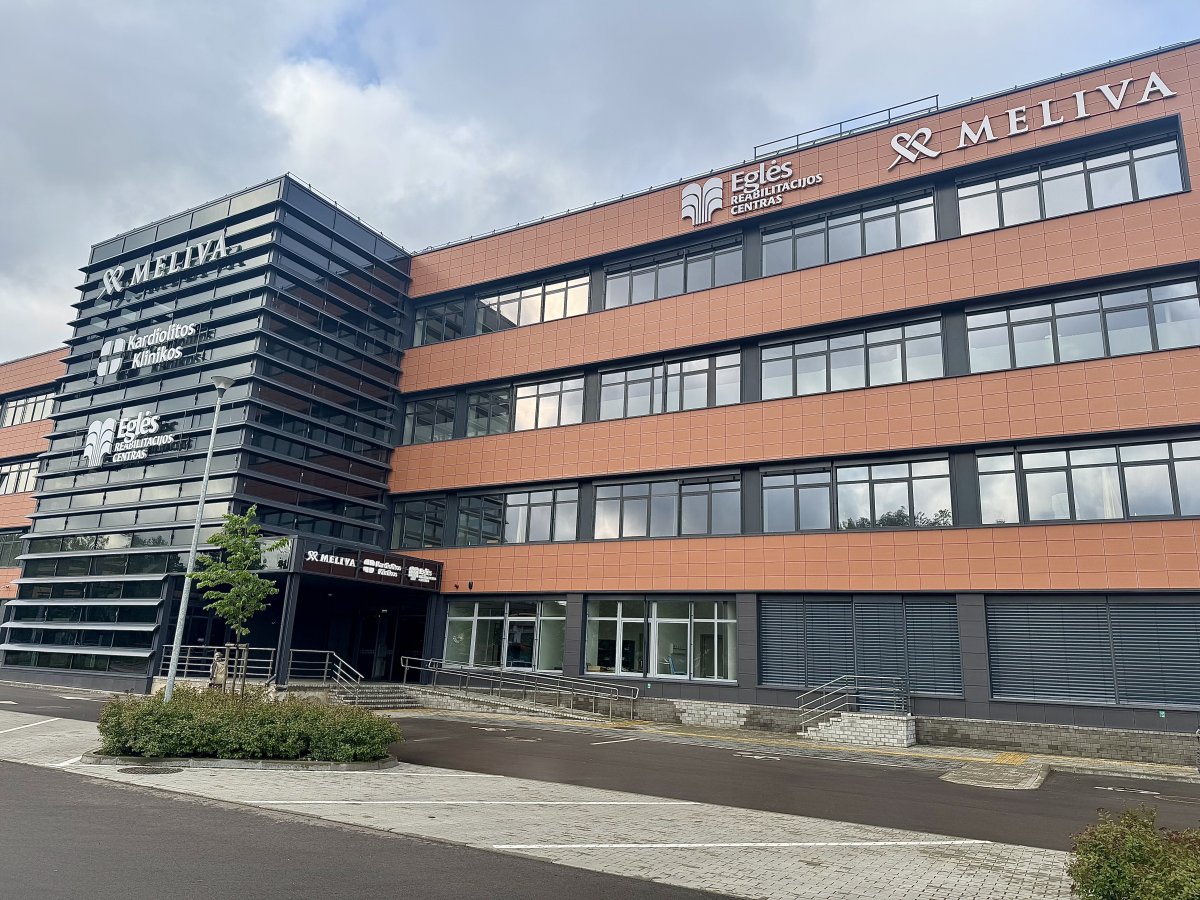
اكتشف أفضل كيس الدماغ العيادات في ليتوانيا: 2 خيارات معتمدة والأسعار


مشاركة المحتوى
قصص فيديو من مرضى Bookimed
 Anna Leonova
أسئلة متكررة حول علاج كيس الدماغ في ليتوانيا
هل تتطلب جميع كيسات الدماغ جراحة فورية؟
معظم كيسات الدماغ لا تتطلب جراحة فورية. تظل العديد منها حميدة وبدون أعراض طوال حياة المريض. يوصي الفريق الطبي عادةً بالمراقبة عبر التصوير بالرنين المغناطيسي أو الأشعة المقطعية الدورية للكيسات المستقرة. الجراحة ضرورية فقط إذا نمت الكيسة أو ضغطت على أنسجة المخ.
- الانتظار اليقظ: يراقب أطباء الأعصاب الكيسات الصغيرة والمستقرة من خلال التصوير المنتظم دون تدخل جراحي.
- المحفزات العرضية: يتم النظر في الجراحة في حالات الصداع المستمر، أو النوبات، أو التغيرات المفاجئة في الرؤية.
- انسداد السوائل: تتطلب الانسدادات التي تسبب استسقاء الرأس تصريفاً عاجلاً لمنع تراكم الضغط الخطير.
- جراحة طفيفة التوغل: يسمح التنظير الداخلي للجراحين بتصريف السوائل باستخدام شقوق صغيرة وكاميرات.
- نوع الكيسة: نادراً ما تحتاج الكيسات العنكبوتية والصنوبرية إلى علاج ما لم تسبب عجزاً عصبياً.
رؤية خبير Bookimed: غالباً ما يشير حجم المرضى إلى مكان تركز الخبرة الجراحية العصبية المعقدة. في فيلنيوس، يخدم مستشفى ميليفا كارديوليتا 298,000 مريض سنوياً ويحمل اعتماد JCI. يشير هذا التدفق العالي للمرضى عبر 33 قسماً إلى بنية تحتية قوية للتعامل مع المراقبة الروتينية وحالات الطوارئ الجراحية النادرة.
إجماع المرضى: يلاحظ المرضى أن تقارير الأشعة قد تبدو مقلقة، لكن استشارات المتخصصين غالباً ما توفر وجهات نظر أكثر توازناً. يؤكد الكثيرون أن الأطباء يركزون على ما إذا كانت الأعراض تؤثر على الحياة اليومية قبل اقتراح أي إجراء جراحي.
ما هي التقنيات الجراحية المستخدمة في ليتوانيا لعلاج كيس الدماغ؟
يعالج جراحو الأعصاب الليتوانيون أكياس الدماغ باستخدام التثقيب العصبي التنظيري، وبضع القحف المجهري، والتحويل الكيسي البريتوني. تستخدم مرافق مثل مستشفى ميليفا كارديوليتا معايير معتمدة من JCI وتكنولوجيا الملاحة العصبية. تهدف هذه الطرق إلى تصريف السوائل، أو إزالة كبسولات الكيس، أو تجاوز الانسدادات لتخفيف الضغط داخل الجمجمة بأمان.
- التثقيب العصبي التنظيري: تصريف طفيف التوغل عبر ثقب 8 مم باستخدام كاميرات الألياف الضوئية.
- بضع القحف المجهري: استئصال مباشر للأكياس المعقدة باستخدام مجاهر جراحية عالية الطاقة للتصوير.
- التحويل الكيسي البريتوني: نظام تصريف دائم يحول السائل الكيسي إلى البطن عبر صمامات منظمة للضغط.
- تكنولوجيا الملاحة العصبية: التوجيه المحوسب في الوقت الفعلي يعزز الدقة أثناء الإجراءات الدقيقة داخل الجمجمة.
رؤية خبير Bookimed: توفر ليتوانيا تركيزاً عالياً من الخبرة المتخصصة داخل قطاع رعاية صحية خاص مدمج. يوظف مستشفى ميليفا كارديوليتا وحده أكثر من 500 طبيب ويدير 33 قسماً متميزاً. يسمح هذا الدمج لجراحي الأعصاب بالتعاون الوثيق مع أخصائيي التشخيص وإعادة التأهيل في نفس المبنى. غالباً ما يبسط هذا النهج المتكامل الانتقال من التدخل الجراحي إلى التعافي العصبي.
إجماع المرضى: يلاحظ المرضى أنه على الرغم من أن الخيارات التنظيرية توفر تعافياً أسرع، إلا أن بعض الحالات المعقدة تتطلب جراحة مفتوحة للحصول على نتائج نهائية. يؤكد الكثيرون على أهمية مناقشة مخاطر التكرار على المدى الطويل وصيانة التحويلة مع جراحهم قبل اتخاذ القرار.
ما هي مدة التعافي النموذجية بعد جراحة كيس الدماغ في ليتوانيا؟
يستغرق التعافي بعد جراحة كيس الدماغ في ليتوانيا من 4 إلى 12 أسبوعًا لمعظم المرضى. عادة ما تستمر الإقامة في المستشفى من 2 إلى 5 أيام تحت المراقبة العصبية. قد تقلل الإجراءات طفيفة التوغل مثل ثقب الغشاء بالمنظار من وقت الشفاء الأولي إلى أسبوعين أو 4 أسابيع.
- الإقامة في المستشفى: يبقى المرضى تحت الرعاية السريرية لمدة 2 إلى 5 أيام بعد الجراحة.
- التئام الجروح: عادة ما يقوم الجراحون بإزالة الغرز أو الدبابيس بحلول الأسبوع الثالث.
- العودة للعمل: غالبًا ما يعود الموظفون المكتبيون إلى مهامهم في غضون 4 إلى 6 أسابيع.
- العمل البدني: يتطلب العمل اليدوي أو تشغيل الآلات راحة لمدة تتراوح بين شهرين إلى 3 أشهر.
- التعافي الكامل: يستغرق التكيف العصبي الكامل حوالي 3 إلى 6 أشهر.
رؤية خبير Bookimed: تؤكد عيادات مثل المركز الطبي للتشخيص والعلاج في فيلنيوس على بروتوكولات التعافي المتكاملة. تعمل أقسامهم الـ 53 المتخصصة على تبسيط الانتقال من جراحة الأعصاب إلى إعادة التأهيل عالية الجودة. هذا النهج متعدد التخصصات حيوي لأن الشفاء البدني غالبًا ما يسبق الاستعادة المعرفية. اختيار منشأة بها إعادة تأهيل في الموقع يضمن بقاء جدول التعافي الخاص بك متوقعًا ومدعومًا.
إجماع المرضى: يشير العديد من المرضى إلى أن التعب يمثل تحديًا أكبر من الألم الجسدي بعد الجراحة. يقترحون ترتيب مساعدة منزلية لمدة أسبوعين والتخطيط لعودة تدريجية للغاية لاستخدام الشاشات.
ما هي المعايير السريرية التي تلتزم بها مراكز جراحة الأعصاب الليتوانية؟
تتبع مراكز جراحة الأعصاب الليتوانية المعايير السريرية للاتحاد الأوروبي وبروتوكولات السلامة الدولية. تحافظ مرافق مثل مستشفى Meliva Kardiolita ومركز التشخيص والعلاج الطبي على اعتماد اللجنة الدولية المشتركة (JCI). تلتزم هذه المراكز بإرشادات الجمعية الأوروبية لجراحي الأعصاب لإدارة كيسات الدماغ.
- اعتماد السلامة: تحمل المراكز الخاصة الرائدة شهادات الختم الذهبي للجنة الدولية المشتركة (JCI).
- التكامل مع الاتحاد الأوروبي: يتبع تدريب المتخصصين معايير الكفاءة للاتحاد الأوروبي للأطباء المتخصصين (UEMS).
- الرعاية القائمة على الأدلة: يستخدم الجراحون بروتوكولات مؤسسة إصابات الدماغ وبروتوكولات الأورام العصبية الدولية للحالات المعقدة.
- مراقبة النتائج: تتتبع السجلات الوطنية مثل StrokeLT الأداء مقابل 53 مؤشرًا رئيسيًا دوليًا.
رؤية خبير Bookimed: بينما تعالج المستشفيات الكبرى 298,000 مريض سنويًا، تؤكد أقسام جراحة الأعصاب فيها على الإدارة التحفظية. تظهر البيانات نمطًا حيث يؤجل المتخصصون الليتوانيون غالبًا الجراحة للكيسات المستقرة. إنهم يعطون الأولوية للمراقبة طويلة المدى عبر التصوير بالرنين المغناطيسي بدلاً من التدخل الفوري. يتماشى هذا النهج الحذر مع أعلى معايير أوروبا الغربية لتجنب الإجراءات غير الضرورية.
إجماع المرضى: يلاحظ المرضى أن الجراحين يركزون على ارتباط الأعراض بدلاً من مجرد نتائج التصوير. يقدر الكثيرون المناقشات الشفافة المتعلقة بمخاطر الجراحة مقابل فوائد المراقبة البسيطة.
هل يعتبر التوصية الشفهية (بين المرضى) أمراً مجدياً للسياح الطبيين الناطقين بالإنجليزية؟
تخلق التوصية الشفهية مسار تواصل مجدٍ للسياح الطبيين الناطقين بالإنجليزية في ليتوانيا. تعطي المستشفيات الخاصة الكبرى في فيلنيوس الأولوية لإتقان اللغة الإنجليزية بين الجراحين ومديري الحالات الدوليين. تمتلك مرافق مثل مستشفى ميليفا كارديوليتا ومركز التشخيص والعلاج الطبي اعتماد اللجنة الدولية المشتركة (JCI). وهذا يضمن معايير صارمة لتواصل المرضى.
- كفاءة الموظفين: توظف المستشفيات الخاصة متخصصين وجراحين أصغر سناً يتحدثون الإنجليزية بطلاقة عادةً.
- معايير الاعتماد: يجب أن تحافظ مرافق اللجنة الدولية المشتركة (JCI) على بروتوكولات واضحة للتواصل بين المريض ومقدم الخدمة.
- التركيبة السكانية للمرضى: تخدم العيادات في فيلنيوس العديد من المرضى من المملكة المتحدة وأيرلندا وأستراليا.
- الدعم الإداري: تدير الأقسام الدولية المخصصة جدولة المواعيد وتنسيق الفحوصات والترجمات الطبية.
رؤية خبير Bookimed: تشير بيانات حجم المرضى إلى أن ليتوانيا تعمل كمركز متخصص للأوروبيين الغربيين. يفيد مركز التشخيص والعلاج الطبي بأن مريضاً واحداً من بين كل 10 مرضى يأتي من الخارج. تجبر هذه النسبة العالية العيادات على توحيد الوثائق باللغة الإنجليزية. بالنسبة لجراحات الدماغ المعقدة، ابحث عن مرافق حاصلة على شهادات Temos أو اللجنة الدولية المشتركة (JCI). توفر هذه العيادات عادةً تعليمات الخروج وخطط الأدوية باللغة الإنجليزية كبروتوكول قياسي.
إجماع المرضى: يشير المرضى إلى أن اختبار التواصل في وقت مبكر هو أفضل فحص للسلامة. يوصون بإرسال نتائج التصوير بالرنين المغناطيسي التفص