العودة إلى الصفحة الرئيسية
820К+ مريضًا حصلوا على المساعدة منذ عام 2014
50 دول
1,500 عيادات
6K+ تقييمات
3K+ طبيب مؤهل

ما هي تكلفة إصابة وتر أخيل إجراءات التشخيص والعلاج في كوريا الجنوبية؟ اعرف الآن

السعر يقدم بعد الطلب

مزاياك وضماناتك مع Bookimed

أسعار مباشرة

Bookimed لا يضيف رسوماً إضافية على أسعار علاج إصابة وتر أخيل. الأسعار مأخوذة من قوائم الأسعار الرسمية للعيادات. تدفع مباشرة في العيادة مقابل علاجك عند وصولك إلى البلد.

عيادات وأطباء معتمدون فقط

Bookimed ملتزم بسلامتك. نحن نعمل فقط مع المؤسسات الطبية التي تحافظ على معايير دولية عالية في علاج إصابة وتر أخيل ولديها التراخيص اللازمة لخدمة المرضى الدوليين في جميع أنحاء العالم.

مساعدة مجانية على مدار الساعة

Bookimed يقدم مساعدة خبراء مجانية. منسق طبي شخصي يدعمك قبل وأثناء وبعد العلاج، ويحل أي مشاكل. لن تكون وحيداً أبداً في رحلة علاج إصابة وتر أخيل.

لماذا نحن؟

منسقك الطبي الشخصي في Bookimed

  • يدعمك في كل مرحلة
  • المساعدة في اختيار العيادة الطبية المناسبة والطبيب المناسب
  • يضمن الوصول السريع والمريح إلى المعلومات

اكتشف أفضل إصابة وتر أخيل العيادات في كوريا الجنوبية: 4 خيارات معتمدة والأسعار

تم تصنيف العيادات بواسطة نظام Bookimed الذكي، باستخدام تحليل علوم البيانات عبر 5 معايير رئيسية.
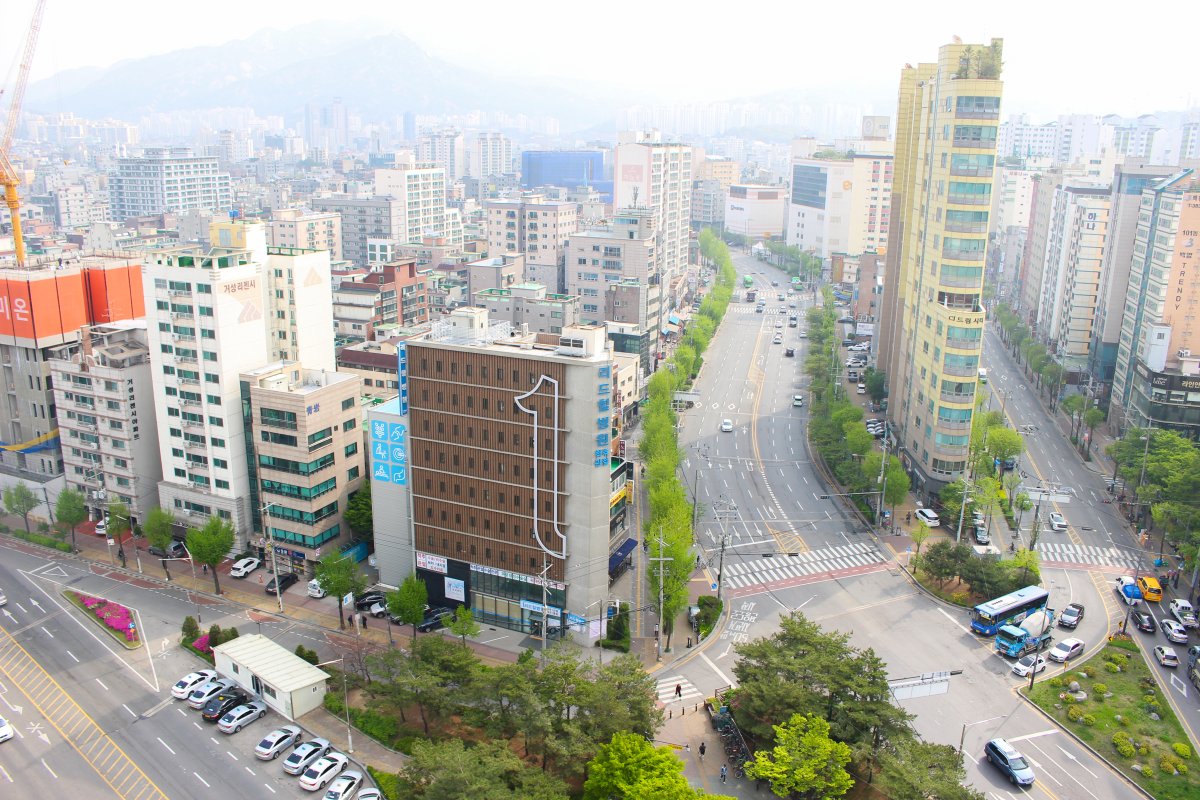
عيادة العمود الفقري والمفاصل Leadheal
Asan Medical Center
Gangnam Severance Hospital
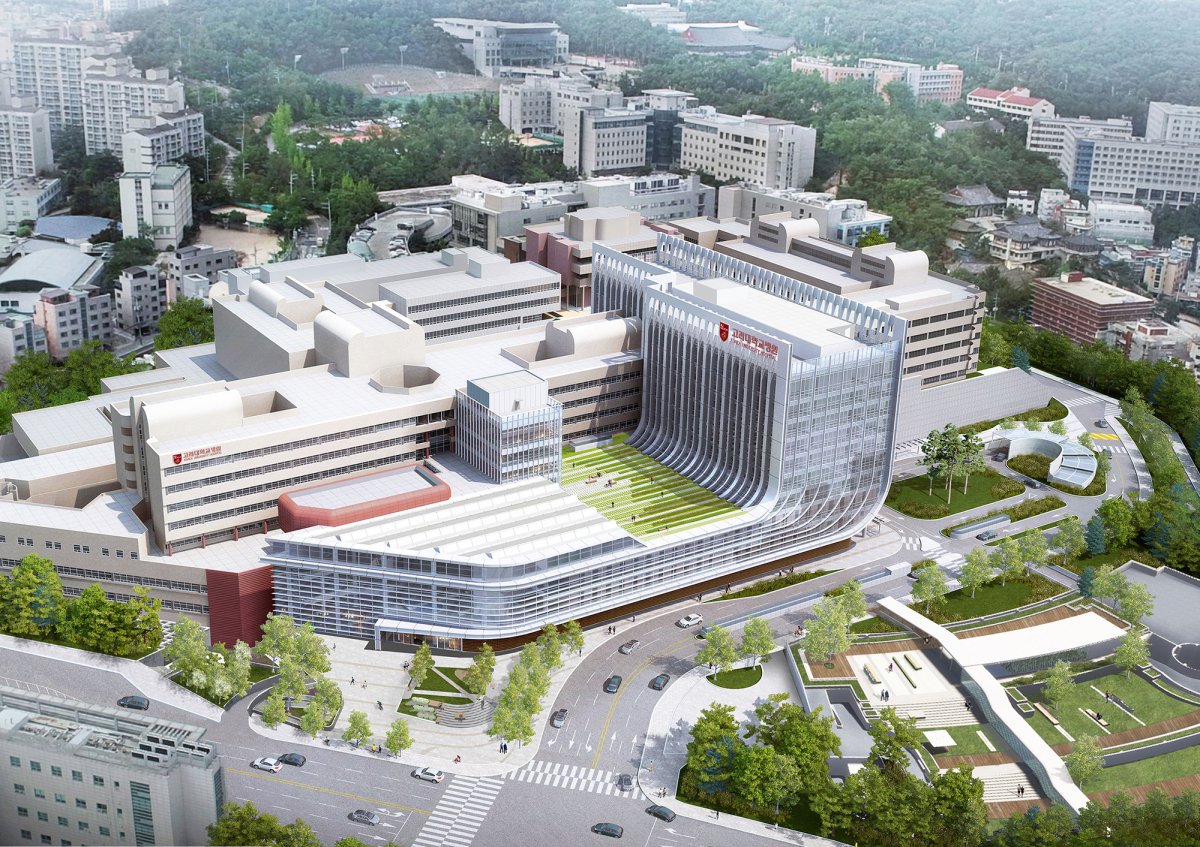
Korea University Anam Hospital

احصلوا على تقييم طبي لـ إصابة وتر أخيل في كوريا الجنوبية: استشيروا أطباء ذوي خبرة الآن

عرض جميع الأطباء
يؤكد

Ahn Tae Hoon

44سنة خبره ١٦ سنة

يتخصص الدكتور آهن تاي هون في التدخلات القلبية الوعائية مع تدريب واسع النطاق في معهد مونتريال للقلب وأدوار قيادية في الجمعيات الكورية لأمراض القلب.

  • دكتوراه في الطب من كلية الطب بجامعة كوريا
  • مدير سابق لمركز القلب والأوعية الدموية في مركز جاشون الطبي بجامعة جيل
  • رئيس الجمعية الكورية لطب القلب التداخلي
  • تلقي تدريب سريري في كندا لتعزيز خبرته الدولية
يؤكد

Yang Young Joon

28سنة خبره ١٦ سنة

متخصص في الإصابات الرياضية وجراحة المناظير - مدير مركز العظام في مستشفى نايون مع خبرة واسعة في أمراض القدم والكاحل.

  • جراح عظام معتمد مع تدريب زمالة من مستشفى سانت بول
  • عضو دائم في الجمعية الكورية للركبة والجمعية الكورية للكتف
  • التعامل مع الحالات المعقدة بما في ذلك القدم السكري وإصابات الصدمات
  • خبرة في تقنيات المناظير طفيفة التوغل
يؤكد

Woo Kyung Kwak

9سنة خبره ١٦ سنة

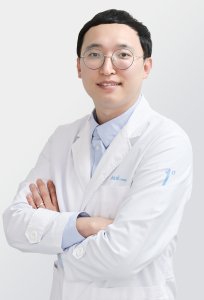
الدكتور وو كيونغ كواك جرّاح عظام يختص بجراحات القدم والكاحل طفيفة التوغل (MICA لعلاج إبهام القدم الأروح). يعالج أيضًا إصابات الرياضيين ويُجري الاستبدال الكلي لمفصل الركبة، إضافةً إلى التنظير المفصلي المتقدّم للكتف والركبة.

حصل على درجتي الطب (MD) والماجستير (MS) من جامعة تشونّام الوطنية، وأكمل زمالة في مستشفى جامعة تشونّام الوطنية. شغل منصب رئيس قسم جراحة العظام في مستشفى القوات المسلحة بدايجون، وكان عضوًا رفيعًا في لجنة التحقيق الطبي بوزارة الدفاع الوطني.

هو عضو عامل في الجمعيات الكورية لجراحة العظام والتنظير المفصلي والركبة والقدم والكاحل والطب الرياضي والكسور، وعضو مدى الحياة في الجمعية الكورية للكتف والمرفق. يعمل محكّمًا لمجلات سبرينغر نيتشر. وقد أتم تدريب آرثريكس المتقدّم، ودورة AO Trauma، وشهادة علاج TPI، ودبلوم فيفا في طب كرة القدم.

يؤكد

Jang Hyo Kim

36سنة خبره ١٦ سنة

الدكتور جانغ هيو كيم جرّاح عظام يركّز على الحفاظ على المفاصل وإعادة البناء المعقّدة. يختص بمناظير المفاصل للكتف والركبة والكاحل والمرفق والمعصم. يُجري استبدال مفاصل الكتف والركبة والكاحل والمرفق والورك. يشمل عمله في العمود الفقري تثبيت ودمج الفقرات العنقية والقطنية. كما يُجري استئصال القرص، واستئصال الصفيحة الفقرية، وترميم الأعصاب، ورأب الفقرة. وتشمل ممارسته علاج الكسور وإصلاح العضلات والأربطة.

هو أستاذ منتسب في جامعة كيونغ هي، ويشغل منصب مدير مركز المفاصل في مستشفى فيري غود. وشغل سابقًا منصب رئيس أو مدير في مستشفيات يونغغوانغ جنرال، سونغجونغ سارانغ، سيووري–ديجون، سيول وِلفير، وذا بارون. وكان عضوًا استشاريًا في مجلس تعويضات عمال غوانغجو–جونام. وهو عضو عامل في الجمعية الكورية لجراحة العظام (KOA) والجمعيات الكورية لمناظير المفاصل والركبة وطب الرياضة والورك والألم والسمنة. يحمل اعتماد علاج TPI. أتمّ زمالة إليزاروف في كورغان، روسيا، كما أكمل تدريبًا في مناظير الكتف.

مشاركة المحتوى

Twitter XLinkedinFacebookWhatsAppEmail
أحصل على الرابط

قصص فيديو من مرضى Bookimed

Dayana
جمعت بين إجازتي في أنطاليا والفحص الطبي.
إجراء: فحص صحة الإناث (انظر فحص النساء)
Igor
كان رائعاً! التنقلات والإقامة والعلاج - كل شيء مشمول.
إجراء: زرع الأسنان
مستشفى: WestDent Clinic
Marina
قام Bookimed بكل شيء من أجلي. لم أضطر للقلق بشأن أي شيء.
إجراء: فحص صحة الإناث (انظر فحص النساء)
مستشفى: Severance Hospital
محدث: 03/18/2026
تأليف
Anna Leonova
Anna Leonova
رئيس فريق تسويق المحتوى
محررة طبية معتمدة لديها خبرة تزيد عن 10 سنوات، طوّرت محتوى Bookimed الموثوق، مدعومة بماجستير في علم اللغة ومقابلات مع خبراء طبيين من جميع أنحاء العالم.
تمت المراجعة من قبل المستشار الطبي في Bookimed
فهد مولود
محرر طبي وعالم بيانات
طبيب عام. حاصل على 4 جوائز علمية. خدم في غرب آسيا. رئيس الفريق الطبي الناطق بالعربية سابقا ومسؤول عن معالجة البيانات ودقة المحتوى الطبي حاليا.
فهد مولود Linkedin
قد تحتوي هذه الصفحة على معلومات تتعلق بمختلف الحالات الطبية والعلاجات وخدمات الرعاية الصحية المتوفرة في بلدان مختلفة. يرجى العلم أن المحتوى مقدم لأغراض إعلامية فقط ولا ينبغي تفسيره على أنه نصيحة أو إرشادات طبية. يرجى استشارة طبيبك أو أخصائي طبي مؤهل قبل البدء أو تغيير العلاج الطبي.

أسئلة متكررة حول علاج إصابة وتر أخيل في كوريا الجنوبية

هذه الأسئلة الشائعة مأخوذة من مرضى حقيقيين يبحثون عن رعاية طبية عبر Bookimed. يتم تقديم الإجابات من قبل منسقين طبيين ذوي خبرة وممثلين موثوقين من العيادات.

Is surgery always required for an Achilles rupture in Korea?

Surgery is not always required for an Achilles rupture in Korea. Specialized orthopedic centers offer both surgical and conservative paths. Doctors select treatments based on gap size, activity level, and timing. Non-surgical options use immediate immobilization and advanced rehabilitation to ensure natural tendon healing.

  • Gap size: Surgery is often recommended if the gap exceeds 10 mm on MRI.
  • Activity level: Athletes typically choose surgery for faster return to sports and lower re-rupture.
  • Treatment timing: Starting immobilization within 48 hours is vital for successful non-surgical recovery.
  • Global standards: JCI-accredited hospitals in Seoul follow evidence-based protocols for personalized injury management.

Bookimed Expert Insight: Korea's orthopedic landscape uniquely segments by volume and specialty. Leadheal Hospital manages over 44,000 patients annually with a focus on minimally invasive techniques. Meanwhile, academic centers like Asan Medical Center handle the most complex cases. For an Achilles injury, look for surgeons like Dr. Woo Kyung Kwak who hold a FIFA Diploma in Football Medicine. These specialists often provide sports-specific recovery plans that a general orthopedic surgeon might not offer.

Patient Consensus: Patients often feel relieved when offered conservative treatment instead of immediate surgery. They note that high-quality rehabilitation and correct foot positioning in a specialized boot are the most critical factors for a successful recovery.

What is the rehabilitation process like after surgery in Korea?

Rehabilitation in Korea is highly structured and tech-forward. It features daily 4–6 hour therapy sessions within JCI-accredited facilities. Tailored plans prioritize early mobilization and specialized gait simulation. Most orthopedic programs follow strict 12-week timelines to ensure patients return to full sports activity safely.

  • Intensive therapy: Patients undergo multiple daily sessions involving physiotherapy and occupational therapy.
  • Advanced technology: Recovery often utilizes oxygen chambers and robot-assisted devices for faster healing.
  • Specialized expertise: Surgeons like Dr. Woo Kyung Kwak design programs focused on sports recovery.
  • Structured timeline: Programs transition from immobilization to advanced exercises over 6 to 12 weeks.

Bookimed Expert Insight: Data shows that top Seoul clinics like Leadheal Hospital handle over 44,000 patients annually. This high volume allows specialists to refine personalized protocols for complex foot and ankle injuries. Choosing a facility with JCI or KOIHA accreditation ensures adherence to rigorous international safety and rehabilitation standards.

Patient Consensus: Patients emphasize that rehabilitation determines long-term calf strength and balance more than the surgery itself. Most noted that while range of motion returns early, swelling and stiffness can linger for months.

What is the success rate of surgery for a torn Achilles tendon in Korea?

Surgeons in South Korea report success rates between 85% and 90% for Achilles tendon surgery. Operative repair maintains a 96.5% success rate against re-rupture in the region. Clinical outcomes focus on restoring full mobility and returning patients to sports within 6 to 9 months.

  • Surgical prevalence: South Korea maintains a high 61% surgical rate for acute tendon ruptures.
  • Specialist credentials: Surgeons like Dr. Seong Hyun Kim hold over 30 years of orthopedic experience.
  • Advanced materials: Fixation often involves bioresorbable scaffolds or FiberTape for enhanced structural durability.
  • Clinical volume: Institutions like Leadheal Hospital treat approximately 44,000 orthopedic and spinal patients annually.

Bookimed Expert Insight: South Korea’s surgical success is driven by high procedural volume and specialized centers like Leadheal Hospital in Seoul. This high frequency allows surgeons to refine minimally invasive techniques. Doctors often hold multiple memberships in societies like the Korean Foot and Ankle Society to maintain strict standards.

Patient Consensus: Patients note that while surgery is efficient, the recovery involves significant calf weakness and swelling. Most emphasize that success depends on following strict weight-bearing protocols during the early weeks.

How long do I have to wear a cast or boot after Achilles treatment?

After Achilles tendon treatment in South Korea, you typically wear a cast or walking boot for 6 to 12 weeks. Initial recovery involves 2 to 4 weeks of immobilization. This is followed by 4 to 8 weeks in a functional walking boot.

  • Phase 1: Wear a cast or splint for 2–4 weeks to maintain plantar flexion.
  • Phase 2: Transition to a walking boot with heel wedges for 4–8 weeks.
  • Adjustment protocol: Surgeons gradually remove heel wedges every 2 weeks to reach a neutral position.
  • Weight bearing: Most patients begin partial weight bearing in a boot around week 4.

Bookimed Expert Insight: Leading Korean orthopedic surgeons like Dr. Seong Hyun Kim often utilize early functional rehabilitation protocols within JCI-accredited facilities. Data shows that clinics like Leadheal Hospital manage over 44,000 orthopedic cases annually. This high volume allows surgeons to customize immobilization periods based on repair strength. This often results in patients transitioning to boots earlier than the traditional 6-week cast standard.

Patient Consensus: Patients note the most challenging stage is transitioning from heel wedges to flat shoes. They emphasize that removing the boot does not mean immediate recovery, as stiffness and swelling remain common during rehabilitation.

Can I return to soccer or running after Achilles treatment?

Patients can return to soccer and running after Achilles treatment in South Korea. Return to sport typically begins around 24 weeks after surgery. Success depends on reaching strength milestones and completing progressive rehabilitation. Recovery timelines vary based on injury severity and chosen treatment protocols.

  • Recovery timeline: Sport-specific training often starts 6 months following a surgical repair.
  • Running transition: Straight-line running precedes pivoting or sudden movements required for soccer.
  • Functional criteria: Surgeons evaluate single-leg hop tests and calf raise symmetry before clearance.
  • Medical credentials: Specialists like Dr. Woo Kyung Kwak hold FIFA Diplomas in Football Medicine.

Bookimed Expert Insight: South Korean sports medicine clinics provide an advantage for athletes through specialized certifications. For example, Dr. Woo Kyung Kwak at Leadheal Hospital holds a FIFA Diploma in Football Medicine. This specific training ensures rehabilitation protocols align with professional soccer demands. Patients should prioritize doctors with sports-specific diplomas rather than general orthopedic surgeons for better functional outcomes.

Patient Consensus: Patients note that feeling pain-free does not mean the tendon is ready for soccer. Many find that calf strength and explosive power take much longer to return than basic walking ability.

Are advanced treatments like robotic surgery or stem cell therapy available in Korea?

Republic of Korea offers advanced robotic surgery and stem cell therapy for various medical conditions. Top-tier medical centers in Seoul incorporate AI-driven systems and regenerative techniques. These technologies are available at JCI-accredited facilities. Expert surgeons like Dr. Seong Hyun Kim specialize in stem cell applications.

  • Robotic systems: Asan Medical Center performs over 65,000 annual operations using advanced robotic technology.
  • Regenerative medicine: Autologous stem cell therapy is available for orthopedic and chronic health conditions.
  • Clinical credentials: Korea University Anam Hospital pioneered world-first robotic techniques in oncology and reconstruction.
  • Specialist expertise: Dr. Woo Kyung Kwak holds a FIFA Diploma in specialized football sports medicine.

Bookimed Expert Insight: While robotic surgery is a major highlight in Seoul, its use is more common for complex oncological or reconstructive cases than for Achilles tendon repair. For sports injuries, specialized expertise often outweighs technology. For example, Leadheal Hospital manages over 44,000 annual cases by focusing on tailored, minimally invasive orthopedic plans rather than just robotic labels.

Patient Consensus: Patients note that rehabilitative quality is just as important as the initial procedure. Many emphasize verifying the specific type of regenerative treatment before proceeding with expensive experimental options.

What should I know about brace adherence in Korean clinics?

Brace adherence in Korean clinics follows structured, protocol-driven timelines to ensure proper Achilles tendon healing. Specialist surgeons emphasize constant wear and strict weight-bearing rules. Most clinics utilize high-tech diagnostics like digital imaging at JCI-accredited facilities in Seoul to monitor tendon tension during recovery.

  • Protocol enforcement: Clinics prioritize strict compliance over negotiation to prevent early treatment setbacks.
  • Expert oversight: Surgeons like Dr. Seong Hyun Kim offer 30+ years of orthopedic expertise.
  • Advanced diagnostics: Facilities like Asan Medical Center use digital imaging for precise recovery tracking.
  • Tailored planning: Leadheal Hospital provides individualized rehabilitation plans for over 44,000 yearly patients.

Bookimed Expert Insight: Korean orthopedic centers often integrate specialized fellowship-trained directors, such as Dr. Jang Hyo Kim who studied external fixation in Russia. This high level of specialization means adherence protocols are exceptionally rigid compared to other regions. Patients should select clinics like Leadheal Hospital or Korea University Anam Hospital where large volumes—up to 1,300,000+ patients annually—ensure surgeons have seen every possible recovery variation.

Patient Consensus: Patients note that the hardest part is resisting the urge to walk without the brace once they feel better. Consistency matters most, as even brief periods without the brace during sleep or at home can negatively impact the final results.

احصل على استشارة مجانية

حدد أفضل طريقة للاتصال بك