إصابة وتر أخيل العلاج في بولندا - التكاليف 2026


تمت مراجعة المقالة طبيا من قبل
فهد مولود
ما هي تكلفة إصابة وتر أخيل إجراءات التشخيص والعلاج في بولندا؟ اعرف الآن
مزاياك وضماناتك مع Bookimed
أسعار مباشرة
Bookimed لا يضيف رسوماً إضافية على أسعار علاج إصابة وتر أخيل. الأسعار مأخوذة من قوائم الأسعار الرسمية للعيادات. تدفع مباشرة في العيادة مقابل علاجك عند وصولك إلى البلد.
عيادات وأطباء معتمدون فقط
Bookimed ملتزم بسلامتك. نحن نعمل فقط مع المؤسسات الطبية التي تحافظ على معايير دولية عالية في علاج إصابة وتر أخيل ولديها التراخيص اللازمة لخدمة المرضى الدوليين في جميع أنحاء العالم.
مساعدة مجانية على مدار الساعة
Bookimed يقدم مساعدة خبراء مجانية. منسق طبي شخصي يدعمك قبل وأثناء وبعد العلاج، ويحل أي مشاكل. لن تكون وحيداً أبداً في رحلة علاج إصابة وتر أخيل.

منسقك الطبي الشخصي في Bookimed
- يدعمك في كل مرحلة
- المساعدة في اختيار العيادة الطبية المناسبة والطبيب المناسب
- يضمن الوصول السريع والمريح إلى المعلومات
اكتشف أفضل إصابة وتر أخيل العيادات في بولندا: 9 خيارات معتمدة والأسعار

University Hospital in Krakow


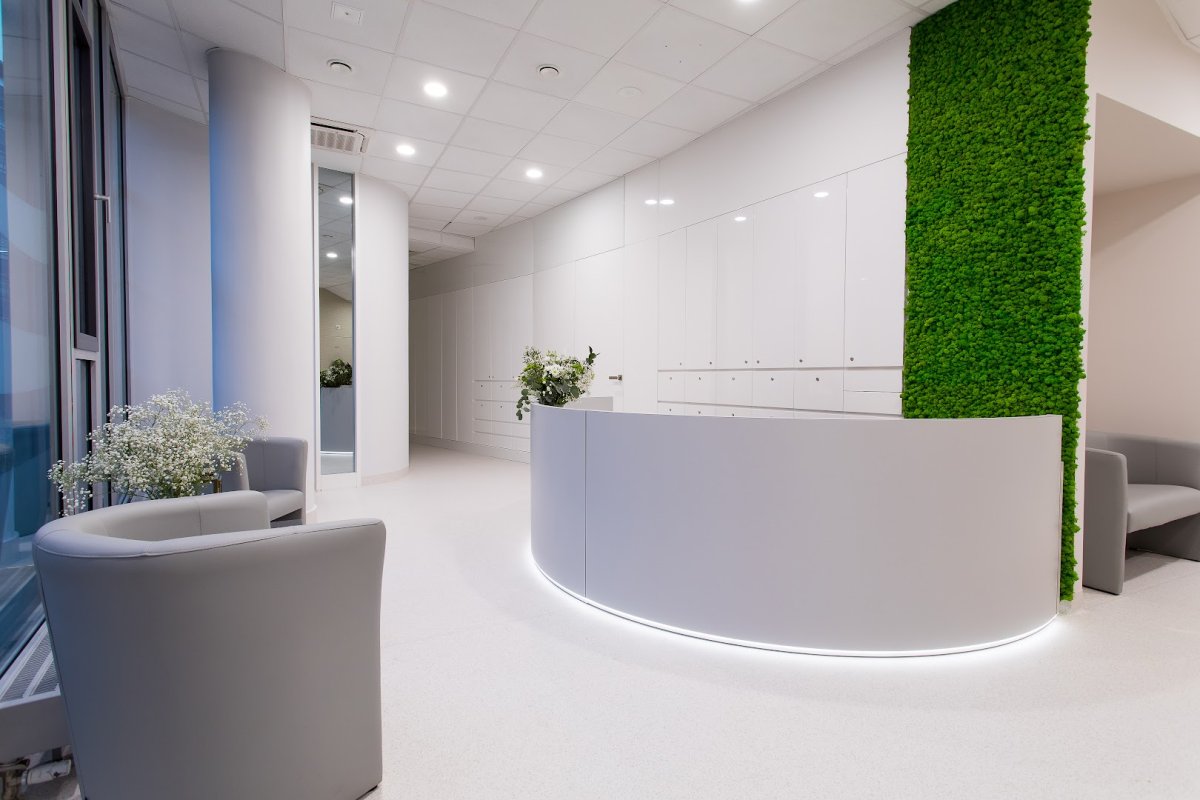
Medi Horizon Clinic
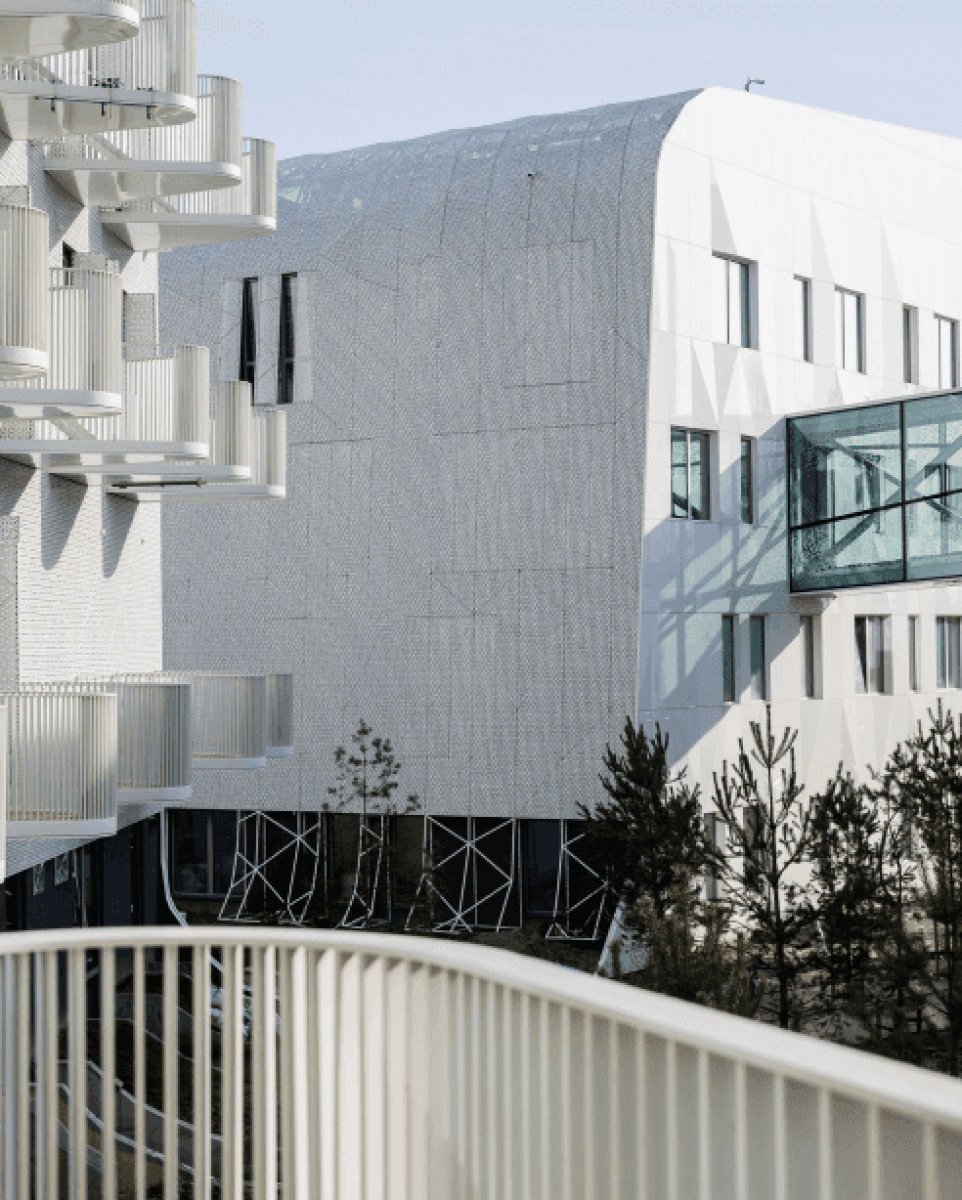

Rmed Kopernika
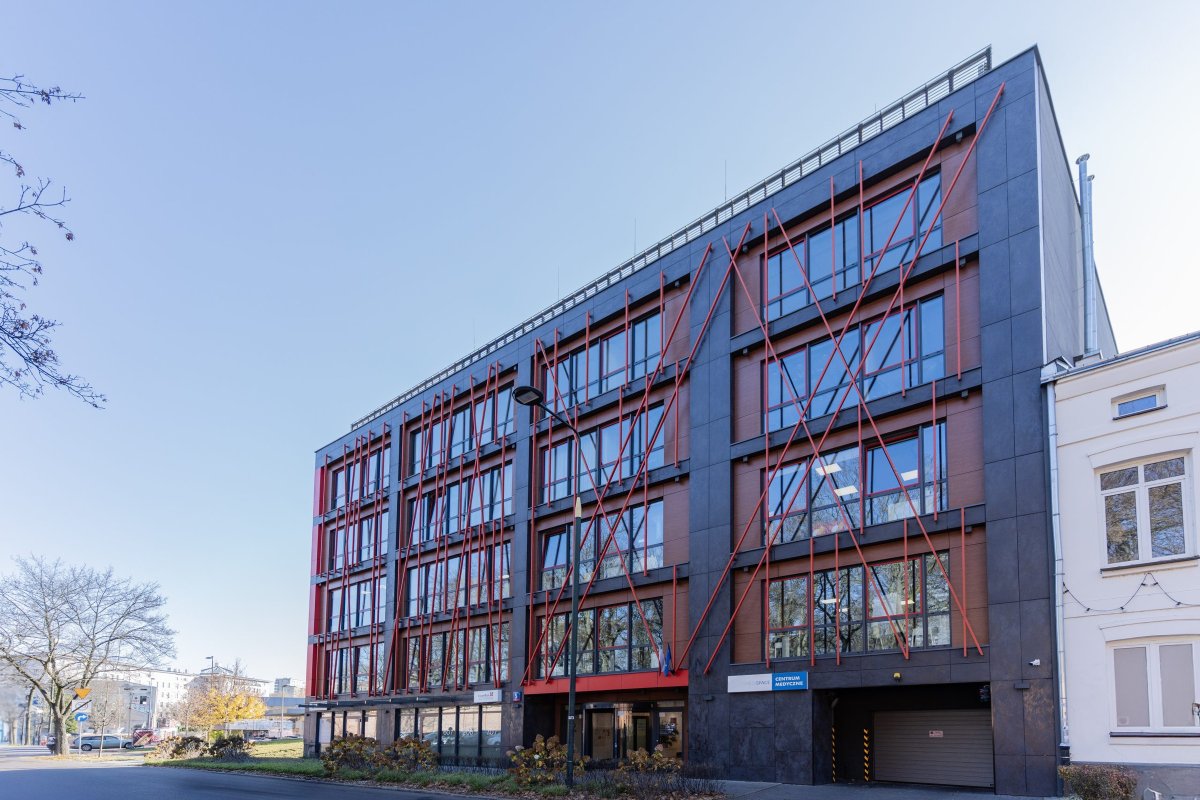
MediSpace (Centrum Medyczne MediSpace)
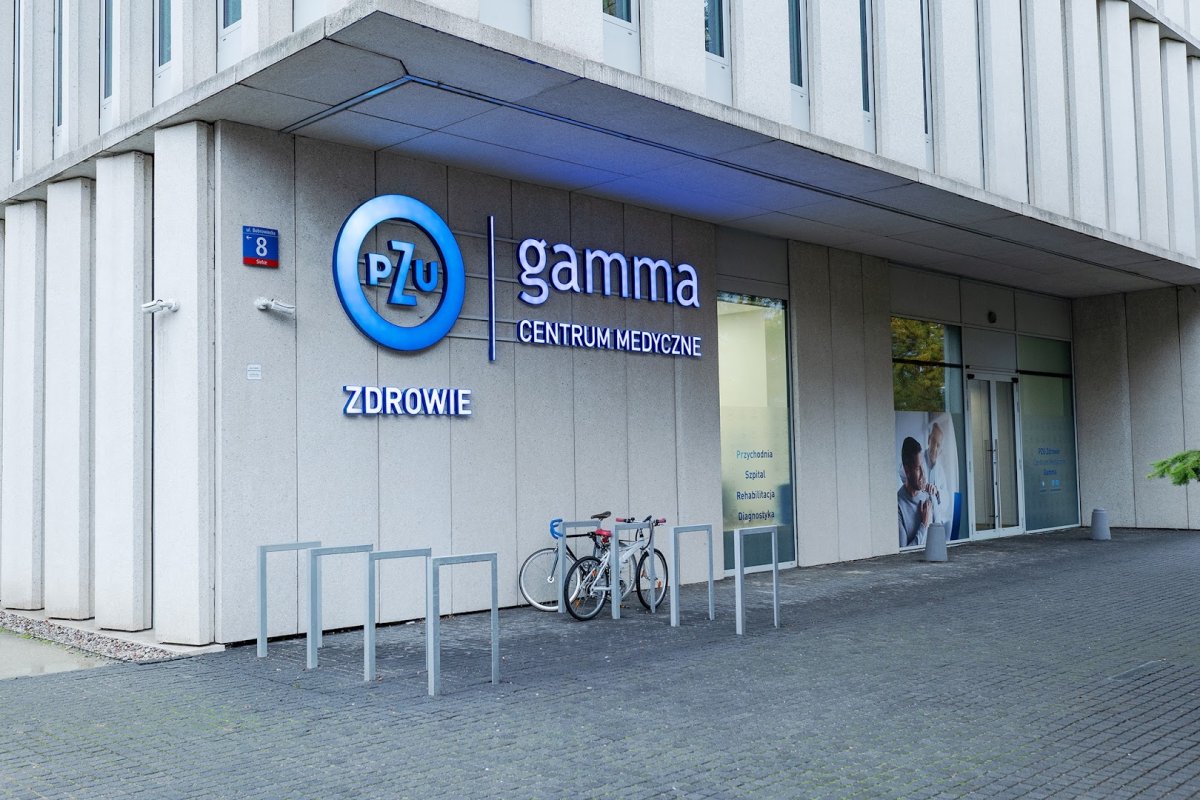
Centrum Medyczne Gamma
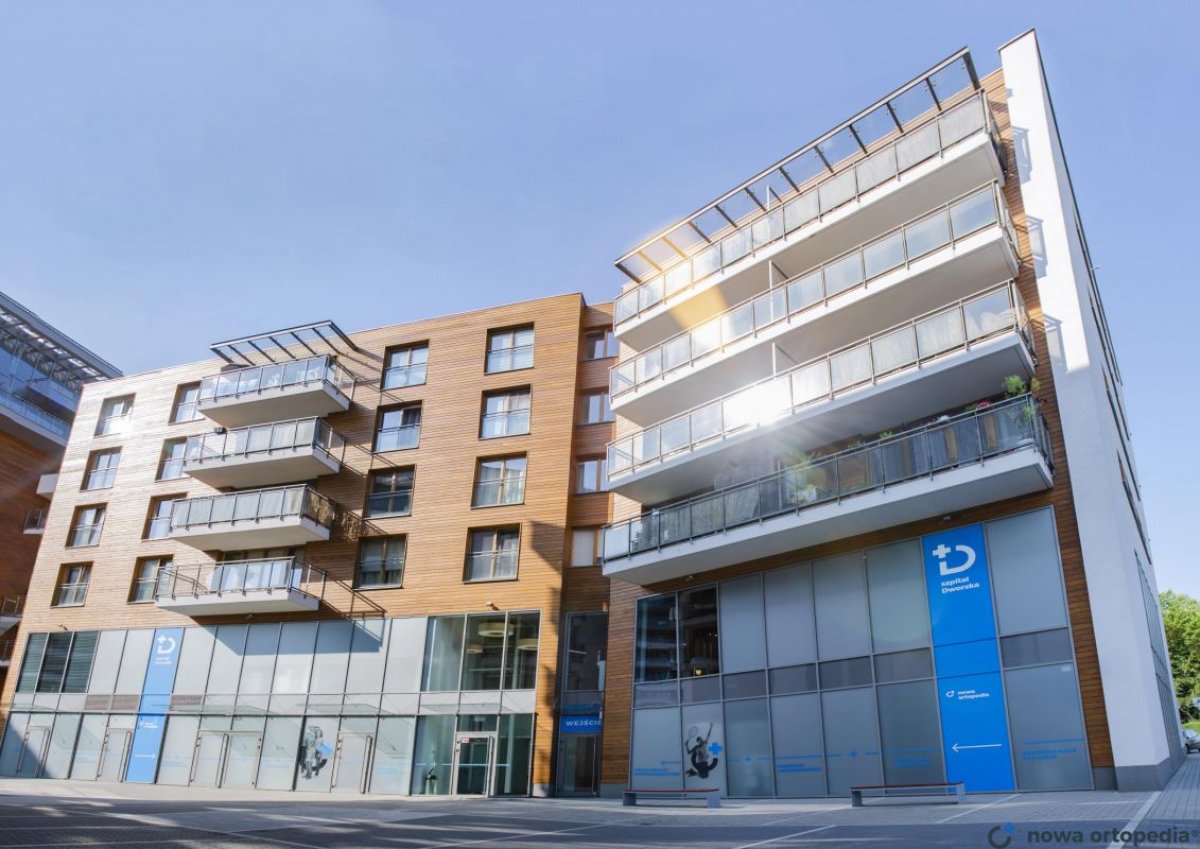
Nowa Ortopedia
احصل على تقييم طبي لـ في بولندا. استشر الآن 7 أطباء ذوي الخبرة.
عرض جميع الأطباء
Janusz Kurek
الدكتور يانوش كورك جرّاح عظام متخصص في تنظير المفاصل، جراحة الإصابات والرضوض، وإصابات الرياضة. تخرّج في الأكاديمية الطبية العسكرية في وارسو عام 1986. اكتسب خبرته في مستشفى بييلانسكي، ومستشفى تشيرنياكوفسكي، والمركز الطبي الأمريكي. أجرى عمليات لسنوات طويلة في مركز ATTIS الطبي. وهو متعاون كذلك مع Medicover وLuxmed.
لديه خبرة واسعة في تنظير المفاصل وعلاجات البلازما الغنية بالصفائح (PRP). يعالج إصابات واضطرابات الركبة والكاحل والكتف، بما في ذلك حالات فرط الاستخدام، والحالات التنكسية، وما بع

Ireneusz Babiak
يتخصص الدكتور بابياك في العلاجات الجراحية لالتهابات المفاصل والعظام، ويتمتع بخبرة واسعة في استبدال مفصل الورك والركبة في مستشفى كارولينا.
- خبير في العلاج الجراحي لالتهابات مفاصل الأطراف الصناعية
- يجري جراحات مراجعة معقدة لاستبدال المفاصل
- عضو في الجمعية الأوروبية لالتهابات العظام والمفاصل
- محاضر في جراحة المراجعة وهشاشة العظام
Mikolaj Wrobel
متخصص في إصابات وتر العرقوب باستخدام تقنيات الروبوت المتقدمة والطباعة ثلاثية الأبعاد لتحقيق نتائج جراحية دقيقة.
- إجراء جراحات تنظير المفاصل وإصلاح الأوتار
- خبير في إعادة بناء الأربطة والغضاريف
- دمج الروبوتات لتعزيز الدقة الجراحية
- علاج المرضى من سن 7 سنوات فما فوق
Damian Zaborowski
مشاركة المحتوى
قصص فيديو من مرضى Bookimed
 Anna Leonova
أسئلة متكررة حول علاج إصابة وتر أخيل في بولندا
ما هي العيادات الأعلى تقييماً لجراحة العظام في بولندا لمشاكل وتر العرقوب؟
تشمل العيادات الأعلى تقييماً لمشاكل وتر العرقوب في بولندا مستشفى كارولينا في وارسو والمستشفى الجامعي في كراكوف. تستخدم هذه المراكز تصويراً متقدماً وعلاجات تجديدية. يتخصص جراحون مثل الدكتور ميكولاي روبل في إصلاحات الأوتار المعقدة. غالباً ما تلتزم المرافق الرائدة بمعايير FIFA أو JCI للطب الرياضي.
- خبرة متخصصة: مستشفى كارولينا هو مركز معتمد من FIFA للطب الرياضي.
- حجم كبير من المرضى: يخدم المستشفى الجامعي في كراكوف 455,000 مريض كل عام.
- تكنولوجيا حديثة: يستخدم الجراحون الطباعة ثلاثية الأبعاد والمساعدة الروبوتية لإعادة بناء العظام.
- تشخيص متكامل: تقدم أفضل المرافق تشخيصاً موجهاً بالموجات فوق الصوتية واستشارات عظام في نفس اليوم.
رؤية خبير Bookimed: تظهر البيانات أن بولندا تحتل المرتبة الثانية عالمياً في طلبات جراحة العظام على منصتنا. تحافظ المراكز ذات الحجم الكبير مثل المستشفى الجامعي في كراكوف على تقييم 5.0/5.0 على الرغم من علاج أكثر من 450,000 مريض سنوياً. يشير هذا إلى أن الشراكات الكبيرة بين القطاع العام والجامعات في بولندا توفر توازناً فريداً بين الخبرة السريرية الهائلة ورضا المرضى العالي.
إجماع المرضى: يؤكد المرضى على أهمية العثور على جراحين متخصصين في الإصابات الرياضية تحديداً بدلاً من جراحة العظام العامة. ويشيرون إلى أن تنسيق بروتوكولات إعادة التأهيل قبل الجراحة أمر حيوي للعودة بشكل أسرع إلى النشاط.
ما هي التقنيات الجراحية التي يستخدمها جراحو العظام البولنديون لتمزق وتر العرقوب (أخيل)؟
يستخدم جراحو العظام البولنديون ثلاث تقنيات رئيسية لتمزق وتر العرقوب: الإصلاح المفتوح التقليدي، والإصلاح عن طريق الجلد طفيف التوغل، وإعادة البناء التعزيزي. يعتمد الاختيار على توقيت الإصابة، ومسافة الفجوة، ونشاط المريض. تدمج العديد من المراكز الروبوتات والطباعة ثلاثية الأبعاد لتعزيز الدقة الجراحية والتعافي الوظيفي.
- الإصلاح المفتوح: شق تقليدي بطول 6-8 سم للتمزقات المعقدة أو الحادة المتأخرة.
- الإصلاح عن طريق الجلد: شقوق طفيفة التوغل بطول 1-2 سم تقلل من مضاعفات التئام الجروح.
- التعزيز: نقل العضلة الأخمصية أو وتر قابضة الإبهام الطويلة للفجوات المزمنة.
- الأجهزة المتقدمة: تسمح أنظمة SpeedBridge الخالية من العقد بإعادة تأهيل قوية ومبكرة للتحميل على القدم.
رؤية خبير Bookimed: بينما يركز الكثيرون على حجم الشق، فإن اختيار العيادة في مدن مثل وارسو أو كراكوف غالبًا ما يحدد التكنولوجيا المستخدمة. يدمج الجراحون المتخصصون مثل الدكتور ميكولاي وروبل في مستشفى كارولينا أدوات متقدمة مثل الروبوتات في إصلاحات الجهاز العضلي الهيكلي. غالبًا ما يضاهي هذا المستوى من العمق التقني في المراكز البولندية الخاصة المرافق الأكاديمية العامة أو يتجاوزها.
إجماع المرضى: يشير المرضى إلى أنه على الرغم من أن الإصلاحات المفتوحة المصغرة توفر ندوبًا أصغر، فإن المهارة الجراحية حيوية لتجنب تهيج العصب الربلي. يتفق معظمهم على أن اتباع بروتوكول إعادة التأهيل الصارم لمدة 12 أسبوعًا أكثر أهمية للنجاح من نوع الجراحة المحدد.
ما الذي يتم تضمينه عادةً في باقة العلاج التقويمي البولندية لجراحة وتر العرقوب؟
عادةً ما تجمع باقات جراحة العظام البولندية لجراحة وتر العرقوب بين الإجراء الجراحي والتخدير وإقامة من ليلة إلى ليلتين في المستشفى. غالبًا ما تتضمن هذه الباقات تشخيصات ما قبل الجراحة مثل التصوير بالرنين المغناطيسي أو الموجات فوق الصوتية والرعاية الفورية بعد الجراحة. توفر العيادات المتخصصة في وارسو وكراكوف منسقًا يتحدث الإنجليزية للمرضى الدوليين.
- تشخيصات ما قبل الجراحة: تشمل تقييم الجراح، وتحاليل الدم، وتصوير الرنين المغناطيسي أو الموجات فوق الصوتية المطلوب.
- المكونات الجراحية: تغطي أتعاب الجراح، والتخدير، واستخدام غرفة العمليات، وخيوط الجراحة عالية القوة.
- خدمات المرضى الداخليين: توفر رعاية تمريضية، و3 وجبات يوميًا، وإقامة لمدة ليلة أو ليلتين في جناح خاص.
- مستلزمات ما بعد الجراحة: تشمل العناية الأولية بالجروح، وأدوية الألم، وحقن الوقاية من تجلط الأوردة العميقة (DVT).
رؤية خبير Bookimed: بولندا هي مركز ذو حجم كبير لجراحة العظام. وتحتل المرتبة الثانية عالميًا من حيث الطلبات في شبكة Bookimed. تدير المرافق الكبيرة مثل المستشفى الجامعي في كراكوف أكثر من 450,000 مريض سنويًا. غالبًا ما يؤدي هذا الحجم الكبير إلى باقات أفضل تنظيمًا تتضمن معدات تقنية محددة وخيارات الجراحة بمساعدة الروبوت.
إجماع المرضى: يشير المرضى إلى أنه على الرغم من أن الجراحة عادة ما تكون مجمعة، إلا أن إعادة التأهيل طويلة الأمد غالبًا ما تكون تكلفة منفصلة. يؤكد الكثيرون على ضرورة التحقق مما إذا كان الحذاء التقويمي والعكازات مشمولين أم يتطلبان رسومًا إضافية.<
كيف يبدو الجدول الزمني لإعادة التأهيل بعد جراحة وتر العرقوب؟
تستغرق إعادة التأهيل بعد جراحة وتر العرقوب عادةً من 6 إلى 12 شهرًا للتعافي الكامل. تعطي البروتوكولات الحديثة الأولوية للحركة الخاضعة للرقابة في وقت مبكر داخل حذاء مشي متخصص. يصل المرضى عادةً إلى التحميل الكامل للوزن بحلول الأسبوع 12. يعود معظمهم إلى الرياضات عالية التأثير بين الشهرين 6 و 12.
- المرحلة 1 الحماية: تتطلب الأسابيع 0-2 عدم تحميل الوزن والرفع في جبيرة.
- الانتقال إلى الحذاء: تتضمن الأسابيع 2-6 تحميل الوزن التدريجي مع أسافين كعب قابلة للتعديل.
- إعادة تدريب المشي: تركز الأسابيع 6-12 على المشي بشكل مستقل ورفع الكعب بكلتا الساقين.
- إعادة بناء العضلات: تعطي الأشهر 3-6 الأولوية لتقوية عضلة الساق المكثفة وتمارين القلب منخفضة التأثير.
رؤية خبير Bookimed: أصبحت بولندا مركزًا عالي الحجم لرعاية العظام. يعالج المستشفى الجامعي في كراكوف أكثر من 450,000 مريض سنويًا. يضمن هذا النطاق الهائل احتفاظ الفرق الجراحية بكفاءة عالية في إصلاحات الأوتار المعقدة والمساعدة الروبوتية. يستخدم الجراحون المتخصصون مثل الدكتور ميكولاي وروبيل في مستشفى كارولينا الطباعة ثلاثية الأبعاد لإعادة البناء الدقيق. يستفيد المرضى من هذه الخبرة المركزة من خلال بروتوكولات تعافي منظمة للغاية تعتمد على المعالم الرئيسية.
إجماع المرضى: يؤكد المرضى أن التعافي يبدو كرحلتين منفصلتين: شفاء الوتر ثم إعادة بناء عضلة الساق. يلاحظ الكثيرون أن تيبس الصباح وضمور عضلة الساق المرئي غالبًا ما يستمران لفترة طويلة بعد المشي بشكل طبيعي.
هل تتوفر علاجات غير جراحية (تحفظية) لإصابات وتر العرقوب في بولندا؟
تتوفر العلاجات غير الجراحية لإصابات وتر العرقوب على نطاق واسع في بولندا. تستخدم العيادات بروتوكولات حديثة مثل العلاج الحركي، والعلاج بالموجات التصادمية الشعاعية، والحقن الموجه بالموجات فوق الصوتية. توفر مرافق مثل مستشفى كارولينا في وارسو رعاية متخصصة لتلف الأوتار دون تدخل جراحي فوري.
- بروتوكولات العلاج الطبيعي: تستخدم المراكز المتخصصة خطط تمارين لا مركزية منظمة للتعافي الميكانيكي الحيوي.
- الحقن التجديدية: يطبق الأطباء البلازما الغنية بالصفائح الدموية (PRP) والكولاجين لتحفيز الشفاء.
- التثبيت الوظيفي: تستخدم العيادات أحذية تقويم العظام مع جداول زمنية للتحميل المبكر لمنع الضمور.
- التشخيص المتقدم: يستخدم متخصصون مثل الدكتور ميكولاي وروبيل الموجات فوق الصوتية الديناميكية لمراقبة الشفاء.
رؤية خبير Bookimed: صعدت بولندا إلى المرتبة الثانية عالمياً في طلباتنا الطبية. هذا الارتفاع مدفوع بمؤسسات واسعة النطاق مثل مستشفى جامعة كراكوف. تسد هذه المراكز الفجوة بين الطب الرياضي والبحث الأكاديمي. وهي تعالج أكثر من 450,000 مريض سنوياً، مما يضمن خبرة عالية في إدارة الأوتار التحفظية.
إجماع المرضى: يشير المرضى إلى أن الرعاية التحفظية تتطلب جهداً ذهنياً وصبراً شديداً. ويؤكدون أنه على الرغم من أن الألم غالباً ما يختفي بسرعة، فإن اتباع خطة تحميل منظمة أمر ضروري لمنع تكرار الإصابة.
كم من الوقت يجب أن يبقى المريض الدولي في بولندا بعد جراحة وتر العرقوب؟
يجب على المرضى الدوليين البقاء في بولندا لمدة 10 إلى 14 يومًا بعد جراحة وتر العرقوب. تسمح هذه الفترة بالالتئام الأولي للجرح وإزالة الغرز الضرورية. يطلب معظم الجراحين تقييمًا للمتابعة قبل السماح للمريض بأي سفر جوي متوسط أو طويل المدى.
- الإقامة في المستشفى: تشمل معظم عيادات العظام البولندية من ليلة إلى ليلتين من الرعاية الداخلية.
- إزالة الغرز: يقوم الجراحون عادةً بإزالة الغرز الجراحية أو الدبابيس بين اليومين 10 و 14.
- مراقبة الجرح: يضمن البقاء داخل البلاد استجابة طبية فورية في حالة حدوث أي مضاعفات في الشق الجراحي.
- سلامة الطيران: يلزم ما لا يقل عن 14 يومًا لتقليل مخاطر الإصابة بتجلط الأوردة العميقة قبل الطيران.
- التعافي الممتد: غالبًا ما يبقى المرضى من 4 إلى 6 أسابيع للحصول على علاج طبيعي خاضع للإشراف في المرحلة المبكرة.
رؤية خبير Bookimed: بينما يختار الكثيرون مراكز أكبر مثل مستشفى الجامعة في كراكوف، غالبًا ما يستخدم الجراحون المتخصصون أدوات متقدمة. يستخدم الدكتور ميكولاي وروبيل في مستشفى كارولينا الطباعة ثلاثية الأبعاد والروبوتات لإجراء عمليات إعادة بناء معقدة. غالبًا ما يمكن لهذه الدقة تبسيط التعبئة المبكرة مقارنة بالطرق الجراحية التقليدية.
إجماع المرضى: يؤكد المرضى أن التخطيط اللوجستي يمثل تحديًا أكبر من الجراحة نفسها. يوصون بترتيب النقل مع رفع الساق وإيجاد فندق يسهل الوصول فيه إلى الحمام.
ما مدى جودة جراحة الأعصاب في بولندا؟
تُقدم جراحة الأعصاب في بولندا رعاية عالية الجودة في مرافق معتمدة من قبل اللجنة الدولية المشتركة (JCI) والمنظمة الدولية للمعايير (ISO). يلتزم جراحو الأعصاب البولنديون بمعايير تدريب صارمة معتمدة من قبل الاتحاد الأوروبي. وقد أكمل العديد منهم زمالات في الولايات المتحدة أو ألمانيا. وتتوفر التقنيات المتقدمة، مثل جهاز سايبر نايف وجهاز جاما نايف والأنظمة الروبوتية، على نطاق واسع في المراكز الخاصة.
- المؤهلات التخصصية: غالباً ما يكون الأطباء أعضاء في الرابطة الأوروبية لجمعيات جراحة الأعصاب.
- التقنيات المتقدمة: تستخدم العيادات أنظمة CyberKnife والموجات فوق الصوتية المركزة الموجهة بالرنين المغناطيسي لعلاج الدماغ غير الجراحي.
- الحجم السريري: تعالج المراكز الرائدة مثل مستشفى الجامعة في كراكوف أكثر من 455000 مريض سنوياً.
- جراحون ذوو خبرة: أجرى الدكتور ماسيج بوجكو من مستشفى كارولينا أكثر من 2500 عملية جراحية بمفرده.
رأي خبراء بوكيمد: تُظهر البيانات وجود علاقة وثيقة بين تخصص العيادة وأصول مرضاها. تعالج عيادة KCM أكثر من 700 مريض دولي سنويًا، وهي متخصصة في جراحة العمود الفقري طفيفة التوغل. يُمكّنها هذا الحجم من العمل من تقديم باقات خدمات متخصصة، تشمل غالبًا حواجز تشخيصية وزرعات محددة،
ما هي مؤهلات جراحي الأعصاب البولنديين؟
يُعدّ جراحو الأعصاب البولنديون متخصصين ذوي كفاءة عالية، إذ أتموا ما لا يقل عن 13 عامًا من التدريب الطبي المكثف. يشمل ذلك ست سنوات من الدراسة في كلية الطب، و13 شهرًا من التدريب العملي، وست سنوات من الإقامة. ويجب عليهم اجتياز امتحان التخصص الحكومي (PES)، وغالبًا ما يحصلون على شهادة من الجمعية الأوروبية لجمعيات جراحة الأعصاب (EANS).
- التعليم: يتلقى الأطباء تعليمهم الطبي (الطب) بعد 6 سنوات من الدراسة في الجامعة.
- التخصص: تشمل الإقامة 6 سنوات من التدريب المعياري في جراحة الأعصاب السريرية وعلم الأشعة العصبية.
- حجم العمليات الجراحية: غالبًا ما يقوم الأطباء المقيمون بإجراء أكثر من 1000 عملية جراحية، وهو ما يتجاوز متوسط حجم التدريب في المناطق الأخرى.
- الشهادات: العديد من المتخصصين أعضاء في منظمة AO Spine أو الجمعية البولندية لجراحة العمود الفقري.
رأي خبراء بوكيميد: تشير البيانات إلى أن جراحي الأعصاب البولنديين غالبًا ما يتخصصون في تقنيات بالغة التخصص، مثل نظام ApiFix أو نظام SED-YESS لتنظير الفقرات القطنية. ويجمع أخصائيون مثل الدكتور ستانيسواف كويك من عيادة KCM بين أبحاث ما بعد الدكتوراه والممارسة الجراحية النشطة. هذا المزيج من المعرفة الأكاديمية المتعمقة والخبرة الجراحية الوا
ما هي أفضل عيادات جراحة الأعصاب في بولندا؟
من بين أفضل عيادات جراحة الأعصاب في بولندا مستشفى كارولينا، وعيادة KCM، ومراكز أكاديمية رائدة مثل مستشفى جامعة كراكوف. تقدم هذه المؤسسات علاجات متطورة لأمراض العمود الفقري والدماغ، مطابقة لمعايير الجودة ISO، وتضم أخصائيين أعضاء في منظمات دولية مثل AO Spine.
- مستشفى كارولينا: مركز التميز الطبي التابع للفيفا، والمتخصص في جراحات العمود الفقري المعقدة ذات التدخل الجراحي المحدود.
- عيادة KCM: معترف بها دوليًا لجودة إجراءات تنظير العمود الفقري، وتخدم أكثر من 700 مريض دولي سنويًا.
- مستشفى جامعة كراكوف: مركز متعدد التخصصات كبير يقوم بإجراء أكثر من 800 عملية جراحية عصبية سنوياً منذ عام 1788.
- لوكسميد: مركز طبي خاص مرموق في وارسو متخصص في جراحة العمود الفقري المتقدمة للمرضى الدوليين.
رأي خبراء بوكيمد: بينما يتجه الكثيرون إلى أكبر المستشفيات، تُظهر البيانات أن عيادات مثل مستشفى كارولينا تُقدم كفاءة أعلى في العمليات الجراحية الاختيارية. فمع وجود أكثر من 40 طبيباً متخصصاً في هذه المنشأة التي تضم 30 سريراً، تكون نسبة الأطباء إلى المرضى أعلى بكثير مما هي عليه في المراكز الجامعية الحكومية. وهذا يعني رعاية ما بعد الجراحة أكثر عناية، وجدولة أسرع بكثير لإجراءات مثل علاج الانزلاق الغضروفي
ما هي أكثر العمليات الجراحية العصبية شيوعاً في بولندا؟
في بولندا، يركز طب جراحة الأعصاب بشكل أساسي على جراحات العمود الفقري واستئصال أورام الدماغ. وتُجري المستشفيات بشكل متكرر عمليات استئصال القرص المجهرية، ودمج الفقرات، وتحفيز الدماغ العميق. وتستخدم مراكز مثل مستشفى كارولينا وعيادة كي سي إم تقنيات طفيفة التوغل لعلاج الانزلاق الغضروفي، وإصابات العمود الفقري، والاضطرابات العصبية المعقدة.
- جراحة العمود الفقري: يعتبر استئصال القرص واستئصال الصفيحة الفقرية من العلاجات الشائعة لانزلاق القرص.
- علم الأورام العصبية: يقوم الأخصائيون بإجراء عمليات جراحية لإزالة أورام الدماغ باستخدام معدات حديثة مثل تقنية سايبر نايف.
- جراحة الأعصاب الوظيفية: يستخدم التحفيز العميق للدماغ (DBS) على نطاق واسع لعلاج اضطرابات الحركة.
- التقنيات طفيفة التوغل: يستخدم الجراحون تقنيات التنظير الداخلي لتخفيف الضغط عن العمود الفقري وعلاج أورام الغدة النخامية.
رأي خبراء بوكيميد: أصبحت بولندا مركزًا متخصصًا في تثبيت العمود الفقري. تتعاون عيادات مثل مستشفى كارولينا مع الفرق الرياضية الوطنية، مما يعكس خبرتها العالية في علاج إصابات العمود الفقري المعقدة. تُظهر بياناتنا أن هذه المؤسسات غالبًا ما تُدمج إعادة التأهيل مباشرةً في العلاج الجراحي. هذا الدمج يقلل من خطر الم