العودة إلى الصفحة الرئيسية
820К+ مريضًا حصلوا على المساعدة منذ عام 2014
50 دول
1,500 عيادات
6K+ تقييمات
3K+ طبيب مؤهل

ما هي تكلفة الطب الصيني التقليدي في كوريا الجنوبية؟ اكتشف الآن

Traditional Chinese medicine in South Korea typically costs from _price_from_ to _price_to_. The final price depends on the complexity of the herbal prescriptions, the number of acupuncture sessions required, and whether specialized therapies like moxibustion are included. Patients from the US can often find savings of 40-60% on these integrated treatments.

Typical Traditional Chinese Medicine Costs in South Korea

  • Diagnostics using Traditional Chinese medicine methods: السعر عند الطلب
  • Traditional chinese medicine methods: السعر عند الطلب

Most specialized centers are located in Seoul, particularly in the Gangnam and Myeong-dong districts. While Seoul offers the widest range of international services, clinics in other major hubs like Busan may offer slightly lower rates for standard sessions. Consult with a specialist to get accurate pricing for your specific health needs.

مزاياك وضماناتك مع Bookimed

أسعار مباشرة

Bookimed لا يضيف رسوماً إضافية على أسعار علاج الطب الصيني التقليدي. الأسعار مأخوذة من قوائم الأسعار الرسمية للعيادات. تدفع مباشرة في العيادة مقابل علاجك عند وصولك إلى البلد.

عيادات وأطباء معتمدون فقط

Bookimed ملتزم بسلامتك. نحن نعمل فقط مع المؤسسات الطبية التي تحافظ على معايير دولية عالية في علاج الطب الصيني التقليدي ولديها التراخيص اللازمة لخدمة المرضى الدوليين في جميع أنحاء العالم.

مساعدة مجانية على مدار الساعة

Bookimed يقدم مساعدة خبراء مجانية. منسق طبي شخصي يدعمك قبل وأثناء وبعد العلاج، ويحل أي مشاكل. لن تكون وحيداً أبداً في رحلة علاج الطب الصيني التقليدي.

لماذا نحن؟

منسقك الطبي الشخصي في Bookimed

  • يدعمك في كل مرحلة
  • المساعدة في اختيار العيادة الطبية المناسبة والطبيب المناسب
  • يضمن الوصول السريع والمريح إلى المعلومات

اكتشف أفضل عيادات الطب الصيني التقليدي: 3 خيارات معتمدة والأسعار
تم تصنيف العيادات بواسطة نظام Bookimed الذكي، باستخدام تحليل علوم البيانات عبر 5 معايير رئيسية.
Bobath Memorial Hospital
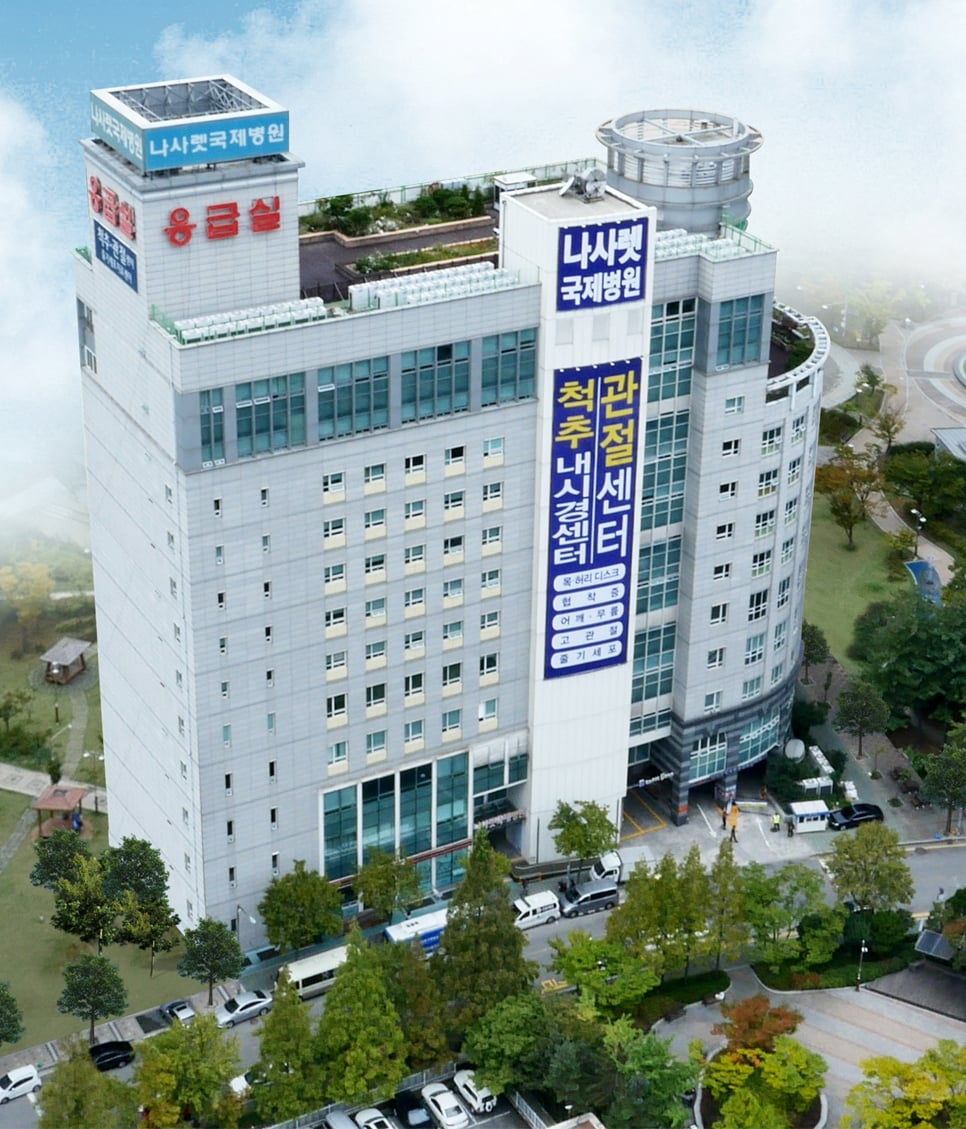
Nasaret International Hospital

أفضل مراكز الطب الصيني التقليدي في كوريا الجنوبية

  • Jaseng Hospital of Korean Medicine, كوريا الجنوبية
  • Bobath Memorial Hospital, كوريا الجنوبية
  • Nasaret International Hospital, كوريا الجنوبية

مشاركة المحتوى

Twitter XLinkedinFacebookWhatsAppEmail
أحصل على الرابط

قصص فيديو من مرضى Bookimed

Dayana
جمعت بين إجازتي في أنطاليا والفحص الطبي.
إجراء: فحص صحة الإناث (انظر فحص النساء)
Igor
كان رائعاً! التنقلات والإقامة والعلاج - كل شيء مشمول.
إجراء: زرع الأسنان
مستشفى: WestDent Clinic
Marina
قام Bookimed بكل شيء من أجلي. لم أضطر للقلق بشأن أي شيء.
إجراء: فحص صحة الإناث (انظر فحص النساء)
مستشفى: Severance Hospital
محدث: 05/27/2022
تأليف
Anna Leonova
Anna Leonova
رئيس فريق تسويق المحتوى
محررة طبية معتمدة لديها خبرة تزيد عن 10 سنوات، طوّرت محتوى Bookimed الموثوق، مدعومة بماجستير في علم اللغة ومقابلات مع خبراء طبيين من جميع أنحاء العالم.
تمت المراجعة من قبل المستشار الطبي في Bookimed
فهد مولود
محرر طبي وعالم بيانات
طبيب عام. حاصل على 4 جوائز علمية. خدم في غرب آسيا. رئيس الفريق الطبي الناطق بالعربية سابقا ومسؤول عن معالجة البيانات ودقة المحتوى الطبي حاليا.
فهد مولود Linkedin
قد تحتوي هذه الصفحة على معلومات تتعلق بمختلف الحالات الطبية والعلاجات وخدمات الرعاية الصحية المتوفرة في بلدان مختلفة. يرجى العلم أن المحتوى مقدم لأغراض إعلامية فقط ولا ينبغي تفسيره على أنه نصيحة أو إرشادات طبية. يرجى استشارة طبيبك أو أخصائي طبي مؤهل قبل البدء أو تغيير العلاج الطبي.

أسئلة متكررة حول الطب الصيني التقليدي في كوريا الجنوبية

هذه الأسئلة الشائعة مأخوذة من مرضى حقيقيين يبحثون عن رعاية طبية عبر Bookimed. يتم تقديم الإجابات من قبل منسقين طبيين ذوي خبرة وممثلين موثوقين من العيادات.

ما هو الطب الكوري التقليدي، وهل هو نفسه الطب الصيني التقليدي؟

الطب الكوري التقليدي، أو الهانبان، هو نظام علاجي شامل فريد يركز على بنية الجسم وتوازنه. ورغم أنه يشترك في جذور تاريخية مع الطب الصيني التقليدي، إلا أن الطب الكوري التقليدي يستخدم أساليب تشخيصية متخصصة، مثل تصنيف ساسانغ. كما أنه يولي أهمية قصوى للوصفات العشبية المصممة خصيصًا لكل مريض وتقنيات الوخز بالإبر الأربع المتخصصة.

  • النهج الدستوري: يصنف الطب الصيني التقليدي المرضى إلى 4 أنواع ساسانغ لتخصيص العلاج الفردي.
  • تقنية الوخز بالإبر: تعمل تقنية سا-آم على موازنة طاقة تشي باستخدام 4 إبر فقط توضع على الأطراف.
  • الطب العشبي: يستخدم الأطباء النباتات الكورية المحلية، والتي غالباً ما تعتبر ألطف من الأدوية الصينية.
  • التكامل السريري: في نظام الرعاية الصحية في كوريا الجنوبية، يتم دمج الطب الصيني التقليدي بشكل كامل مع الطب الغربي.

رأي خبراء بوكيمد: تُظهر بيانات من مراكز رئيسية مثل مستشفى ناصاري الدولي أن الطب الصيني التقليدي يُدمج غالبًا مع التشخيصات الحديثة. يعالج هذا المستشفى 438,000 مريض سنويًا باتباع نهج شامل. يستخدم أخصائيون مثل الدكتور بيونغ ها مون من عيادات في سيول هذه الأساليب التقليدية تحديدًا لاستعادة وظائف الدماغ بشكل مكثف وإعادة تأهيل مرضى السكتة الدماغية. يشير هذا إلى أن الطب الصيني التقليدي في كوريا قد تطور من مجرد أداة بسيطة للصحة العامة إلى أداة متخصصة للغاية في إعادة التأهيل.

آراء المرضى: يلاحظ المرضى أن العلاجات العشبية الكورية ألطف على البشرة، وغالبًا ما تكون مفضلة لصحة الجلد وتسكين الآلام المزمنة. ويؤكدون أنه على الرغم من وجود تداخل بين النظامين، إلا أن تركيبات الطب الصيني التقليدي مصممة خصيصًا لتناسب وظائف الجسم المحلية، مما يقلل من خطر الآثار الجانبية.

ما هي المؤهلات التي يجب أن يمتلكها الأطباء الكوريون؟

يجب على أطباء الطب الكوري إكمال ست سنوات من الدراسة في كلية معتمدة للطب الكوري. تشمل هذه السنوات سنتين من التدريب ما قبل الجامعي وأربع سنوات من التدريب المهني. ويتعين على الخريجين اجتياز امتحان الترخيص الوطني في الطب الكوري التقليدي. ويصدر الترخيص الطبي النهائي من قبل وزير الصحة والرعاية الاجتماعية.

  • المتطلبات التعليمية: إكمال أكثر من 5500 ساعة من التدريب، بما في ذلك علم التشريح وعلم الأمراض.
  • الترخيص الإلزامي: اجتياز امتحان الترخيص الوطني الصعب لممارسة الطب الكوري التقليدي.
  • التسجيل السنوي: إكمال 8 ساعات من التعليم المستمر الإلزامي للحفاظ على الوضع المهني.
  • التخصص: سنة تدريبية واحدة وثلاث سنوات إقامة في مستشفيات تعليمية متخصصة.

رأي خبراء بوكيمد: غالبًا ما يحمل كبار الأخصائيين الكوريين شهادات دولية، مما يُمكّنهم من الجمع بين الطب الشرقي والغربي. على سبيل المثال، يتمتع الدكتور بيونغ ها مون من مستشفى ناصاري الدولي بخبرة تزيد عن 30 عامًا، وهو مدرب معتمد في تقنية "بالانس تيبينغ". يُعدّ هذا التخصص المزدوج شائعًا في المراكز الرئيسية في إنتشون وسيول، والتي تُعالج أكثر من 438,000 مريض سنويًا.

رأي المرضى: يلاحظ المرضى أن مستوى التدريب الذي يقدمه الأطباء يضاهي مستوى كليات الطب الغربية. وينصح الكثيرون بالتحقق من وجود مؤهلات مزدوجة أو انتساب الأطباء إلى جامعات معينة عند طلب رعاية طبية شاملة للحالات الخطيرة.

هل من الآمن الجمع بين الطب التقليدي والطب الغربي؟

يُكمّل الطب الصيني التقليدي العلاج الغربي بأمان باستخدام بروتوكولات تكاملية. ويمنع هذا التنسيق مخاطر مثل التفاعلات الدوائية العشبية أو تأخر التشخيص. وتجمع العديد من المؤسسات الطبية الكورية بين الطب العشبي والتشخيص الغربي. ويساعد هذا النهج الشامل بفعالية في علاج الألم المزمن والإرهاق العصبي وإعادة التأهيل بعد السكتة الدماغية.

  • دمج أساليب التشخيص: لتحسين الدقة، تستخدم العيادات فحص الموجات فوق الصوتية للجهاز العضلي الهيكلي جنبًا إلى جنب مع الأساليب التقليدية.
  • الخبرة: يتمتع أخصائيون مثل الدكتور بيون ها مون بخبرة تزيد عن 30 عامًا.
  • الرعاية العصبية: يعالج الأخصائيون اضطرابات الدماغ بهدف تصحيح الاختلالات المعرفية واستعادة الوظائف المعرفية.
  • بروتوكولات السلامة: يوصي المتخصصون في الرعاية الصحية بشدة بالإفصاح عن جميع المكملات العشبية التي تتناولها لتجنب خطر ترقق الدم.

رأي خبراء بوكيمد: تعالج مستشفيات الطب التكاملي الكورية الرائدة، مثل مستشفى نازار الدولي، أكثر من 438 ألف مريض سنويًا. وهي تُدمج بنجاح التقنيات الغربية، مثل التنظير الداخلي للكشف عن السرطان، مع الطب العشبي التقليدي. يُظهر هذا الكمّ الهائل من العمل أن الأدوية العشبية الموحدة والخاضعة لرقابة المستشفيات أكثر موثوقية من نظيراتها المُسوّقة بشكل خاص.

آراء المرضى: أفاد المرضى بأن الجمع بين الوخز بالإبر والعلاج الطبيعي فعال في تخفيف آلام الظهر. مع ذلك، يحذرون من أن حتى الأعشاب الشائعة مثل الجنسنغ أو جذر عرق السوس قد تتفاعل مع مميعات الدم وتبطئ عملية الشفاء.

هل يغطي التأمين الطبي للسفر العلاج؟

نادراً ما يغطي التأمين الصحي القياسي العلاج الروتيني بالأدوية الصينية التقليدية في كوريا الجنوبية للسياح الطبيين. وتصنف معظم خطط التأمين في الولايات المتحدة أو الاتحاد الأوروبي هذه العلاجات على أنها روتينية أو تجريبية في الخارج. وعادةً ما يدفع المرضى تكاليف التشخيص والإجراءات في المراكز الكورية المتخصصة من جيبهم الخاص.

  • قيود التأمين: لا تغطي خطط التأمين المحلية وبرنامج الرعاية الطبية (Medicare) الرعاية الطبية غير الطارئة خارج بلد إقامتك.
  • متطلبات الدفع: تتطلب العيادات الكورية عموماً الدفع الكامل مقدماً قبل بدء أي علاج تقليدي.
  • تغطية متخصصة: يغطي التأمين الطبي للسفر المضاعفات، ولكنه لا يشمل عادةً تكلفة العلاج الأساسي.
  • تكلفة التشخيص: تتراوح تكاليف التشخيص التقليدي الأساسي من السعر عند الطلب إلى السعر عند الطلب بدون تأمين.

رأي خبراء بوكيمد: تعالج المؤسسات الطبية الكبيرة، مثل مستشفى الناصرة الدولي، أكثر من 438,000 مريض سنويًا. غالبًا ما تضم هذه المراكز الكبيرة أقسامًا دولية متخصصة. ورغم أنها لا تقبل وثائق التأمين الأجنبية مباشرةً، إلا أنها توفر معلومات ترميزية مفصلة باللغة الإنجليزية. هذه الوثائق ضرورية لمحاولات استرداد تكاليف التأمين المحلي لاحقًا.

ملاحظات المرضى: يشير المرضى إلى أن حتى خطط التأمين الشاملة غالباً ما ترفض تغطية الحجامة أو الكي. ينصح معظم المسافرين بإحضار مبلغ كافٍ لتغطية دورة علاجية كاملة، بالإضافة إلى مبلغ احتياطي للطوارئ. قبل الوصول، من المهم التأكد من وجود طاقم عمل يتحدث الإنجليزية لتجنب أي مشاكل في الدفع.

ما هي الأمراض التي تُعالج في أغلب الأحيان بالطرق التقليدية؟

في جمهورية كوريا، تُستخدم أساليب العلاج التقليدية على نطاق واسع لعلاج الآلام المزمنة، والاضطرابات العصبية، ومشاكل الجهاز الهضمي. وتتخصص العيادات في الوخز بالإبر، والعلاج اليدوي (تشون)، والطب العشبي. وتهدف هذه العلاجات إلى معالجة اضطرابات الجهاز العضلي الهيكلي، وإعادة التأهيل بعد السكتة الدماغية، وحالات الدوار المعقدة التي لا يوفر فيها الطب التقليدي سوى راحة محدودة.

  • علاج الألم: يستخدم الوخز بالإبر والكي لعلاج آلام الظهر والرقبة والمفاصل المزمنة.
  • الرعاية العصبية: يقدم أخصائيون مثل الدكتور بيونغ ها مون علاجاً متخصصاً لاضطرابات الدماغ.
  • إعادة التأهيل: يعزز العلاج اليدوي بتقنية تشونا والوخز الدوائي التعافي بعد السكتات الدماغية أو الإصابات الرياضية.
  • التشخيص الشامل: علم الحركة التطبيقي والتثبيت لتحسين التوازن يساعد في حالات الدوار المزمن واضطرابات التوازن.

رأي خبراء بوكيمد: في كوريا، يبدأ علاج الأمراض المزمنة عادةً بتشخيص شامل. يستخدم الطبيبان إيون سانغ كو ووو جيونغ تشوي التصوير بالموجات فوق الصوتية للجهاز العضلي الهيكلي بالتزامن مع قياس النبض التقليدي. يساعد هذا المزيج على تحديد السبب الكامن وراء الألم بسرعة أكبر من الطرق التقليدية وحدها، مما يغني في كثير من الأحيان عن الحاجة إلى الجراحة.

ملاحظات المرضى: يشير المرضى إلى أن الطب التقليدي علاج شائع للصداع والإرهاق. ويلجأ الكثيرون إلى المقويات العشبية والوخز بالإبر كخطوة أولى، نظراً لسهولة توفر هذه الخدمات وعدم حاجتها إلى تحويل من المستشفى.

ما هي أنواع العلاجات التي تُقدم عادةً في عيادات الطب الكوري؟

تقدم عيادات الطب الكوري، أو ما يُعرف باسم "هانويون"، علاجات شخصية غير جراحية تهدف إلى تحقيق التوازن في طاقة الجسم الداخلية. تشمل أساليب العلاج الرئيسية الوخز بالإبر، والطب العشبي، والعلاج اليدوي "تشون". تُعالج هذه الأساليب بفعالية آلام العضلات والعظام، ومشاكل الجهاز الهضمي، والاضطرابات العصبية في مرافق مثل مستشفى "جاسينغ" للطب الكوري.

  • الوخز بالإبر: تعمل الإبر الدقيقة للغاية على تحفيز نقاط الوخز بالإبر، مما يحسن الدورة الدموية ويخفف الألم المزمن.
  • العلاج بالأعشاب: تعمل المغليات أو الأقراص الطبيعية المطورة خصيصاً على تقوية جهاز المناعة وعلاج الأمراض الداخلية.
  • العلاج بتقنية تشونا: تعمل المعالجة اليدوية على محاذاة المفاصل والعضلات، على غرار الرعاية التقليدية بتقويم العمود الفقري.
  • الكي: حرق نبات الشيح المجفف على الجلد يدفئ الأعضاء ويحفز تدفق الطاقة الحيوية.
  • العلاج بالوخز الدوائي: تجمع هذه التقنية بين استخدام المستخلصات النباتية والوخز بالإبر عن طريق حقن الأدوية في نقاط محددة.

رأي خبراء بوكيميد: يدمج كبار الأطباء الكوريين بشكل متزايد التشخيصات الحديثة مع العلاج التقليدي. يتمتع الدكتور بيونغ ها مون بخبرة تزيد عن 30 عامًا، وقد أجرى أكثر من 200,000 عملية جراحية. يستخدم التصوير بالموجات فوق الصوتية للجهاز العضلي الهيكلي لتحديد استراتيجيات العلاج التقليدية. يُستخدم هذا النهج القائم على البيانات على نطاق واسع في عيادات سيول، حيث يوفر نتائج أكثر دقة لاستعادة وظائف الدماغ والجهاز العصبي المعقدة.

آراء المرضى: أفاد المرضى بفعالية الوخز بالإبر العالية في التخفيف الفوري لآلام الرقبة والظهر المزمنة. وينصحون بالتأكد من وجود طاقم يتحدث الإنجليزية، ودمج العلاج مع أنواع الشاي العشبي المُعدّة خصيصاً لتحسين التعافي على المدى الطويل.

هل توجد أي عيادات في سيول لديها موظفون ومترجمون للمرضى الدوليين؟

تقدم عيادات سيول دعماً شاملاً للمرضى الدوليين الراغبين في تلقي الطب الصيني التقليدي. وتضم المؤسسات الطبية الكبيرة، مثل مستشفى جاسينغ للطب الكوري، مراكز دولية متخصصة. وتوظف هذه المراكز منسقين متعددي اللغات للمساعدة في حجز المواعيد، وتوفير الترجمة الفورية، ومعالجة المدفوعات لضمان تقديم خدمة سلسة.

  • منسقون ذوو معرفة باللغات الإنجليزية والروسية والعربية: يقدم فريق متخصص خدمات الترجمة إلى الإنجليزية والروسية والعربية.
  • الدعم اللغوي: يقدم المترجمون المساعدة أثناء جلسات الوخز بالإبر، واستشارات الطب العشبي، والتشخيص.
  • المساعدة في التسجيل: تتم معالجة الاستبيانات والوثائق التي تحتوي على التاريخ الطبي في مكاتب متخصصة.
  • نطاق خدمات المستشفيات: المراكز الكبيرة مثل مستشفى نصاري الدولي تخدم 438000 مريض سنوياً.

رأي خبراء بوكيمد: غالبًا ما توظف العيادات ذات الأعداد الكبيرة من المرضى أطباءً حاصلين على شهادات دولية متخصصة. الدكتور بيونغ ها مون والدكتور كيو هيون كيم حاصلان على شهادة أمريكية في التصوير بالموجات فوق الصوتية للجهاز العضلي الهيكلي. هذه الخبرة الغربية في التشخيص تُساعدهما على شرح علاجات الطب الصيني التقليدي للمرضى الدوليين بشكلٍ أوضح. اختيار أطباء حاصلين على هذه الشهادات يضمن في الغالب تواصلًا أفضل وخطط علاج أكثر دقة.

آراء المرضى: يشير المرضى إلى أن المستشفيات الجامعية توفر مترجمين فوريين أكثر كفاءة. وينصحون باستخدام تطبيق باباجو للعيادات الصغيرة. يلزم الحصول على موافقة مسبقة عبر البريد الإلكتروني لتأكيد توفير خدمة الترجمة الفورية في موعد استشارة محدد.

What is Hanyak (Korean herbal medicine)?

Hanyak is a traditional Korean herbal medicine that restores body balance. This is achieved by prescribing natural formulas from plants and fungi. Licensed practitioners known as hanuisa customise these remedies to a patient's specific body type. Treatments often address chronic fatigue, digestion, and hormone regulation using GMP-regulated diagnostics.

  • Technique variety: Doctors use pharmacopuncture, Sasang constitutional medicine, and balancing herbal formulas.
  • Diagnostic methods: Specialists like Dr Kyu Hyeon Kim use musculoskeletal ultrasound for precise assessments.
  • Clinical scope: Major facilities like Nasaret International Hospital treat 430,000+ patients annually using integrative care.
  • Traditional forms: Remedies include tangyak liquid decoctions alongside modern pills, powders, and granules.

Bookimed Expert Insight: Korean medicine in Seoul often integrates Western diagnostics with traditional physics. Specialists like Dr Eun Sang Ko hold American certifications in applied kinesiology. They also practise traditional methods. This combination allows clinics to treat dizziness and balance disorders. They use scientific data and herbal expertise simultaneously.

Patient Consensus: Patients note that hanyak is often a bitter liquid. It is served as a preventative measure for immunity. Many find success by following strict dietary rules. These rules are tailored to their diagnosed body type in the Republic of Korea.

What conditions are best treated by Traditional Korean Medicine in South Korea?

Traditional Korean Medicine in South Korea effectively treats musculoskeletal disorders, chronic pain, and functional illnesses. High-density techniques include Chuna manual therapy for spine misalignment and pharmacopuncture for joint inflammation. Dedicated centres like Jaseng Hospital of Korean Medicine provide comprehensive inpatient and outpatient care. They treat complex disc issues.

  • Spine care: Chuna manual therapy corrects cervical and jaw joint imbalances for long-term relief.
  • Neurological recovery: Specialists like Dr Byung Ha Moon treat post-stroke rehabilitation and cognitive fatigue.
  • Dizziness management: Dr Eun Sang Ko manages complex balance disorders unresponsive to conventional treatments.
  • Functional issues: Herbal medicine and acupuncture resolve digestive distress, chronic fatigue, and stress.

Bookimed Expert Insight: South Korean clinics increasingly use dual-certified specialists to bridge the gap between tradition and science. Dr Woo Jung Choi and Dr Byung Ha Moon are certified in musculoskeletal ultrasound (RMSK). This allows doctors to use imaging to guide herbal injections. It provides more precise treatment for joint pain than standard acupuncture alone.

Patient Consensus: Patients in South Korea find acupuncture and Chuna therapy provide relief for back pain. This relief lasts longer than standard painkillers. Those with chronic dizziness or stress-related stomach aches also report significant improvements. This happens even when conventional tests show no abnormalities.

Are Traditional Korean Medicine treatments in South Korea safe and regulated?

Traditional Korean Medicine (TKM) is safe and highly regulated within South Korea's national healthcare system. Practitioners must graduate from accredited medical universities and pass national exams to earn a licence. The government formally recognises and integrates these therapies alongside Western medical treatments in hospitals.

  • Hospital standards: Jaseng Hospital of Korean Medicine provides full inpatient and outpatient services.
  • Clinical volume: Nasaret International Hospital treats over 430,000 patients annually across 24 medical departments.
  • Specialist credentials: Dr Byung Ha Moon has performed over 200,000 procedures during 30+ years.
  • International standards: Doctors like Kyu Hyeon Kim hold US-certified musculoskeletal ultrasound (RMSK) credentials.

Bookimed Expert Insight: South Korea's regulatory strength lies in a pattern of dual qualifications. Many leading specialists hold memberships in both internal medicine societies and traditional acupuncture boards. This includes doctors at Seoul-based clinics. This means traditional treatments are delivered with a deep understanding of modern anatomy. They also rely on diagnostic imaging.

Patient Consensus: Patients find TKM effective for chronic pain, stress, and orthopaedic issues like joint pain. They note that licensed clinics, called Haniwons, use physical therapy equipment similar to Western centres. This makes the experience feel professional and familiar.

Where can I find a Korean Medicine clinic in South Korea?

Patients find Korean medicine clinics, known as Haniwon, throughout South Korea. They are primarily in Seoul, Incheon, and Bundang. These facilities specialise in acupuncture, cupping, and Chuna manual therapy. Facilities such as Jaseng Hospital of Korean Medicine in Seoul provide full inpatient and outpatient services. They handle complex cases.

  • Specialised hospitals: Jaseng Hospital of Korean Medicine offers comprehensive traditional care in Seoul.
  • Integrated centres: Nasaret International Hospital in Incheon combines traditional methods with modern cardiology.
  • Expert practitioners: Dr Byung Ha Moon brings 30+ years of experience in brain rehabilitation.
  • Diverse diagnostics: Evaluations using traditional methods cost from السعر عند الطلب to السعر عند الطلب.

Bookimed Expert Insight: Small neighbourhood clinics are common. However, a full-scale hospital like Jaseng Hospital of Korean Medicine gives access to inpatient care. This is vital for patients requiring intensive rehab or multiple daily treatments. Larger facilities in Incheon and Seoul often combine traditional techniques with modern medical imaging. This can include ultrasound, leading to more accurate diagnosis.

Patient Consensus: Patients find that using local maps to search for Haniwon reveals clinics in every neighbourhood. They note that many modern practitioners provide Western-style specialities for joint pain. They also offer authentic herbal medicine in South Korea.

What is the difference between Traditional Korean Medicine (TKM) and Traditional Chinese Medicine (TCM) in South Korea?

Traditional Korean Medicine (TKM) differs from Traditional Chinese Medicine (TCM). It focuses on individual body types known as Sasang Constitutional Medicine. While TCM addresses specific diseases, TKM treats the whole person. This approach is based on four unique physical constitutions. South Korean clinics combine this heritage with modern diagnostics like musculoskeletal ultrasound.

  • Constitutional focus: TKM classifies patients into four body types to tailor herbal prescriptions and treatments.
  • Clinical setting: Practitioners work in specialised clinics called Hanuiwon. These often focus on musculoskeletal and joint pain.
  • Modern integration: Doctors like Dr Byung Ha Moon use TKM. They treat neurological cases and post-stroke rehabilitation.
  • Diagnostic range: Clinics such as Nasaret International Hospital combine traditional methods with modern screenings. These are Western medical tests.

Bookimed Expert Insight: Nasaret International Hospital in Incheon operates as a hybrid facility. It serves 438,000 patients annually. It merges traditional methods with a 24-department general hospital structure. This setup allows patients to receive TKM acupuncture. It also offers oncology or gastric screenings, all in one location. This integration is a hallmark of the South Korean medical system.

Patient Consensus: Patients find that TKM clinics in South Korea often feel like modern outpatient centres. They appreciate the earthy scent of traditional herbal prescriptions. They also note that treatments like acupuncture are excellent for managing pain. This includes persistent muscle or orthopaedic pain.

What should I expect during a Traditional Korean Medicine diagnosis in South Korea?

Traditional Korean Medicine diagnosis in South Korea involves a holistic assessment called the Four Diagnostic Methods. Practitioners evaluate patients' health through physical observation, listening, detailed questioning, and pulse reading. This process identifies internal imbalances rather than just treating immediate symptoms.

  • Observation methods: Doctors examine skin tone, gait, and tongue coating to assess organ health.
  • Pulse assessment: Practitioners check pulses on both wrists to determine patients' internal energy state.
  • Personalised inquiry: Consultations cover diet, sleep, and stress to identify specific lifestyle imbalances.
  • Modern diagnostics: Facilities such as Jaseng Hospital use digital pulse analysis and musculoskeletal ultrasound.

Bookimed Expert Insight: While many associate this field with ancient rituals, South Korean hospitals often integrate Western technology. Doctors like Dr Byung Ha Moon have performed 200,000 operations and taught at U.S. Air Force Medical Centres. This means patients can find specialists who combine traditional pulse reading with modern methods. These include brain function treatments or musculoskeletal sonography for more precise results.

Patient Consensus: Patients note that doctors ask deep questions about digestion and lifestyle to create custom herbal packets. In South Korea, patients can expect practitioners to focus on chronic issues. These include fatigue or nerve pain that Western methods might miss.

What are the common treatment modalities used in Traditional Korean Medicine in South Korea?

Traditional Korean Medicine in South Korea uses acupuncture, Chuna manual therapy, and herbal medicine. These aim to restore bodily balance. These modalities treat musculoskeletal pain, digestive issues, and neurological disorders. Major facilities combine these ancient practices with modern diagnostic imaging. Examples include Nasaret International Hospital and Jaseng Hospital of Korean Medicine.

  • Acupuncture techniques: Practitioners use needles to stimulate nerve cells and improve circulation.
  • Chuna manual therapy: Doctors perform structural alignment to treat spinal discs and arthritis.
  • Herbal medicine (Han-yak): Certified formulas address internal imbalances and specific symptoms.
  • Pharmacopuncture: Specialists inject herbal extracts into acupoints for faster, targeted results.

Bookimed Expert Insight: South Korea integrates traditional medicine into the formal hospital system. Facilities like Jaseng Hospital of Korean Medicine operate as full hospitals with inpatient beds. This allows patients to receive intensive rehab and imaging alongside acupuncture. It offers a level of medical oversight rarely found in smaller street-side clinics.

Patient Consensus: Patients note that Chuna therapy is a distinctively Korean way to fix back pain. They often find it more effective than standard massage. Many prefer visiting specialised hospitals. There, younger doctors apply specialised training and modern diagnostic tools to traditional care.

Does Traditional Korean Medicine in South Korea work alongside Western medicine?

Traditional Korean Medicine integrates with Western practices through a dual healthcare system. Licensed doctors in both fields often collaborate on treatment plans. Hospitals combine modern diagnostics like CT scans with traditional therapies. This approach is common in pain management, rehabilitation, and cancer care.

  • Integrated facilities: Nasaret International Hospital combines 24 departments including cardiology and cancer care.
  • Certified specialists: Experts like Dr Kyu Hyeon Kim hold certifications in integrative oncology.
  • Modern diagnostics: Practitioners use musculoskeletal ultrasound (RMSK) alongside traditional pulse and tongue assessments.
  • Specialised therapies: Clinics offer Chuna manual therapy and pharmacopuncture to support standard spinal care.

Bookimed Expert Insight: Clinics with high international patient volumes often bridge the gap between systems for better outcomes. Doctors like Dr Byung Ha Moon have 30+ years of experience. They have worked in U.S. military medical centres. This helps them align traditional Korean therapies with Western protocols for post-stroke and neurological recovery.

Patient Consensus: Patients in South Korea use Western medicine for acute surgery or infections. They use traditional methods for recovery. They often visit TKM clinics for chronic neck or back pain relief. This usually happens after clear Western diagnostic results.

Where can I find Traditional Korean Medicine treatment as a foreigner in South Korea?

Foreigners find Traditional Korean Medicine (TKM), or Hanbang, at specialised hospitals and English-friendly clinics in Seoul, Incheon, and Busan. Facilities like Jaseng Hospital of Korean Medicine provide comprehensive inpatient and outpatient services. These centres often combine traditional herbal medicine with modern diagnostics.

  • Hospital accessibility: Jaseng Hospital of Korean Medicine in Seoul provides full hospital-based services.
  • Diverse diagnostics: Typical diagnostic costs range from السعر عند الطلب to السعر عند الطلب.
  • Staff language: Bobath Memorial Hospital employs medical staff who speak English fluently.
  • Treatment range: Traditional methods cost between السعر عند الطلب and السعر عند الطلب here.
  • Strategic partnerships: Nasaret International Hospital in Incheon served as an official Asian Games partner.

Bookimed Expert Insight: Many local clinics cater mainly to residents. Hospitals that partner with international events tend to have better infrastructure for foreigners. Nasaret International Hospital and Bobath Memorial Hospital are standout examples. Choosing these larger facilities gives access to English-speaking staff and smoother administrative processes. Smaller residential clinics cannot always offer this.

Patient Consensus: Patients note that clinics near major Seoul landmarks often have staff who can translate. They suggest checking for an earthy herbal smell as a sign of authenticity. They also advise verifying needle sterilisation before starting acupuncture treatments in Korea.

احصل على استشارة مجانية

حدد أفضل طريقة للاتصال بك