| الهند | تركيا | إسبانيا | |
| طرق الطب الصيني التقليدي | من $750 | من $250 | من $200 |
Bookimed لا يضيف رسوماً إضافية على أسعار علاج الطب الصيني التقليدي. الأسعار مأخوذة من قوائم الأسعار الرسمية للعيادات. تدفع مباشرة في العيادة مقابل علاجك عند وصولك إلى البلد.
Bookimed ملتزم بسلامتك. نحن نعمل فقط مع المؤسسات الطبية التي تحافظ على معايير دولية عالية في علاج الطب الصيني التقليدي ولديها التراخيص اللازمة لخدمة المرضى الدوليين في جميع أنحاء العالم.
Bookimed يقدم مساعدة خبراء مجانية. منسق طبي شخصي يدعمك قبل وأثناء وبعد العلاج، ويحل أي مشاكل. لن تكون وحيداً أبداً في رحلة علاج الطب الصيني التقليدي.
في الهند، يفتقر الطب الصيني التقليدي إلى هيكل طبي وطني مركزي. ويُعدّ الوخز بالإبر المكون الوحيد المعترف به رسميًا من قِبل نظام الرعاية الصحية المستقل. غالبًا ما يحصل الممارسون على ترخيص مع شهادة بكالوريوس في العلاج الطبيعي وعلوم اليوغا. أما معظم ممارسات الطب الصيني التقليدي الأخرى فتبقى غير خاضعة للتنظيم.
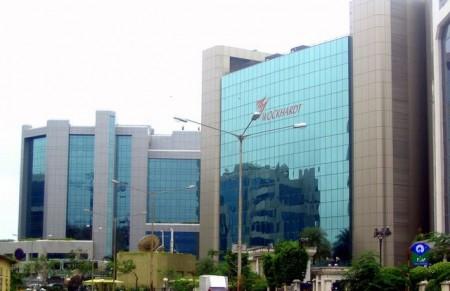
رأي خبراء بوكيمد: في الهند، يخلط المرضى غالبًا بين الوخز بالإبر وممارسة الطب الصيني التقليدي بشكل كامل. تقدم مستشفيات مثل مستشفى ووكهارت علاجًا شاملًا ضمن إطار تنظيمي. عادةً ما يحمل الممارسون المرخصون شهادة بكالوريوس في الطب الطبيعي واليوجا، بدلًا من شهادات تخصصية في الطب الصيني التقليدي. تأكد دائمًا من تسجيل الممارس لدى الحكومة في نظام الرعاية الصحية قبل بدء العلاج في أي منشأة طبية هندية. هذا يضمن استيفاء الممارس لمعايير السلامة والجودة الوطنية.
ملاحظات المرضى: يشير المرضى إلى أن الأعشاب المستخدمة في الطب الصيني التقليدي قد تحتوي أحيانًا على معادن ثقيلة. ويوصون بفحص أي مكملات غذائية مستوردة في مختبرات معتمدة من قبل المجلس الوطني لاعتماد المختبرات الطبية (NABL). وينصح الكثيرون باختيار أنظمة علاجية منظمة، مثل الأيورفيدا أو الطب اليوناني، للحصول على فوائد مماثلة مع حماية قانونية أفضل. وقد حذر أحد المرضى من أنه في حالة حدوث مضاعفات متعلقة بالطب الصيني التقليدي، لا يوجد سبيل للحصول على استشارة طبية.
يُعدّ الطب الصيني التقليدي في الهند علاجًا فعالًا للآلام الحادة والمشاكل الصحية في غضون 7-10 أيام. ويشعر المرضى بتحسن سريع في حالات الصداع النصفي وآلام الظهر واضطراب الرحلات الجوية الطويلة. ويُعتبر الوخز بالإبر والحجامة من أكثر العلاجات شيوعًا في المراكز المتخصصة، مثل مستشفى ووكهارت في مومباي.
يقول خبراء بوكيمد: غالبًا ما يحقق المرضى نتائج أفضل باختيار عيادات في مدن رئيسية مثل مومباي. توفر مرافق مثل مستشفى ووكهارت بيئة طبية أكثر تنظيمًا من المنتجعات الصحية السياحية. ويضمن العدد الكبير من المرضى في هذه المدن أن يتمتع الأطباء بخبرة واسعة في علاج مجموعة متنوعة من الحالات.
آراء المرضى: أفاد المسافرون بأن الوخز بالإبر يخفف بشكل ملحوظ وسريع من تيبس الرقبة ويخفف من أعراض اضطراب الرحلات الجوية الطويلة. وينصح الكثيرون بالتحقق من مؤهلات الأطباء في مومباي أو غوا لضمان حصولهم على رعاية طبية عالية الجودة.
ينطوي العلاج بالإبر الصينية والطب العشبي الصيني في الهند على مخاطر مثل ظهور كدمات في موضع الحقن، والإغماء، والإرهاق. ومن المضاعفات النادرة ولكن الخطيرة انهيار الرئة أو تلف الأعصاب نتيجةً لتقنية غير سليمة. ينبغي على المرضى التحقق من مؤهلات ممارسيهم عبر بوابة AYUSH الإلكترونية لضمان السلامة والالتزام ببروتوكولات التعقيم عند استخدام الإبر ذات الاستخدام الواحد.
رأي خبراء بوكيمد: غالبًا ما يكون تنظيم الطب الصيني التقليدي في الهند غير متسق بين الولايات. ففي ولاية تاميل نادو، لا يُسمح بممارسة الوخز بالإبر إلا للأطباء المؤهلين، بينما في مناطق أخرى، قد يُسمح لمعلمي اليوغا بممارسته. لذا، يُنصح المرضى باختيار العيادات التي توفر عبوات محكمة الإغلاق مع إبر معقمة للاستخدام لمرة واحدة قبل كل جلسة لتجنب انتقال العدوى.
رأي المرضى: يؤكد المرضى على أهمية التحقق بدقة من مصادر العلاجات العشبية، إذ أن بعض الخلطات المباعة في الأسواق المحلية قد تسبب اليرقان أو ردود فعل تحسسية. وينصح الكثيرون بوضع خطة طوارئ محلية وتأمين سفر يغطي تحديدًا المضاعفات الناجمة عن العلاجات البديلة.
تستغرق دورات الطب الصيني التقليدي في الهند عادةً من 14 إلى 28 يومًا. وينصح الأطباء بالبقاء في العيادة لمدة تتراوح بين 3 و7 أيام بعد آخر جلسة علاجية. تتيح هذه الفترة مراقبة استجابة المريض للأدوية وتعديل الوصفة الطبية، كما تضمن استقرار الحالة الصحية قبل السفر لمسافات طويلة.
رأي خبراء بوكيمد: تُظهر بياناتنا أن المرافق الطبية في مومباي، مثل مستشفى ووكهارت، تُختار غالبًا لبنيتها التحتية الطبية المتكاملة. ينبغي على المرضى الذين يبحثون عن علاجات بديلة في المراكز الطبية الهندية الكبرى إعطاء الأولوية للعيادات التي تُقدم خدمة المتابعة الطبية بالأعشاب في الموقع. هذا يُجنّبهم مشكلة تعديل الوصفات الطبية في اللحظة الأخيرة قبل السفر.
ملاحظات المرضى: لاحظ العديد من المرضى أن البرامج العلاجية التي تستغرق 10 أيام قصيرة جدًا، ويوصون ببرامج لا تقل مدتها عن 14 يومًا. ويقترحون إضافة أيام إضافية لمراقبة استجابة الجهاز الهضمي للتركيبات العشبية الجديدة.
يعتمد التعافي على شدة العلاج. تستقر حالة المرضى عادةً خلال 24-48 ساعة، ويستأنف معظمهم أنشطتهم فورًا. قد يعاني البعض من إرهاق خفيف أو أعراض انسحاب السموم. تتطلب البرامج المكثفة فترة راحة من 3 إلى 5 أيام قبل السفر، مما يسمح للجسم بامتصاص المواد العلاجية.
رأي خبراء بوكيمد: تركز عيادات مثل مستشفى ووكهارت على تقديم خدمات عالية الجودة ورعاية طبية متخصصة. تُظهر بياناتنا أن رضا المرضى يزداد عند ترتيب المتابعة عن بُعد قبل مغادرة العيادة. لذا، احرص دائمًا على طلب معلومات الاتصال الخاصة بطبيبك قبل مغادرة المنشأة الطبية، لضمان استمرارية الرعاية بعد عودتك إلى المنزل.
آراء المرضى: أفاد المسافرون بأن شرب كميات وافرة من الماء يقي من الصداع بعد العلاج. وينصح الكثيرون بتدوين الأعراض في مفكرة خاصة لاستخدامها في الاستشارات الطبية عن بُعد.
تُعدّ مومباي ودلهي من أهم المراكز الطبية في الهند التي تُقدّم علاجات قائمة على الأدلة العلمية. وتضمّ هاتان المدينتان مؤسسات طبية معتمدة من اللجنة الدولية المشتركة (JCI)، مثل مستشفى ووكهارت. وتُدمج هذه المؤسسات الوخز بالإبر في برامجها الطبية الأساسية، مع توفير الدعم باللغة الإنجليزية. وغالبًا ما يجمع الأطباء بين الأساليب الصينية التقليدية والتشخيصات الحديثة، مما يضمن سلامة المرضى الدوليين.
رأي خبراء بوكيمد: على الرغم من أن العديد من العيادات المحلية تقدم العلاجات التقليدية، إلا أنه ينبغي على المرضى الأجانب إعطاء الأولوية للمستشفيات الكبيرة. فالمستشفيات مثل مستشفى ووكهارت تحافظ على معايير سلامة أعلى من تلك التي يطبقها الأطباء المستقلون. وتساهم هذه المؤسسات في سد الفجوة بين الأساليب التقليدية والبروتوكولات الطبية المعتمدة، مما يوفر بيئة أكثر موثوقية لمن اعتادوا على المعايير الغربية.
ملاحظات المرضى: يشير المرضى إلى أنه من السهل العثور على أطباء يتحدثون الإنجليزية بطلاقة في المدن الكبيرة. وغالبًا ما ينصحون بالتحقق مما إذا كان الطبيب قد خضع لتدريب متخصص في الصين قبل بدء العلاج.
Traditional Chinese Medicine (TCM) balances Yin-Yang and Qi energy through meridians. Ayurveda focuses on three Doshas — Vata, Pitta, and Kapha — to restore health. TCM uses acupuncture and Gua Sha to clear blockages. Ayurveda prioritises detoxification through Panchakarma and herbal oils.
Bookimed Expert Insight: India offers a unique crossover where traditional Indian clinics increasingly integrate TCM methods alongside Ayurveda. While TCM costs in India range from _price_from_ to _price_to_, patients benefit from practitioners who understand both energy systems. This dual expertise often leads to more precise pulse and tongue assessments for chronic issues.
Patient Consensus: Patients find both systems effective for chronic inflammation and hormonal issues like PCOS. Many note that India-based practitioners provide highly specific dietary plans. These plans feel more personalised than Western prescriptions.
Traditional Chinese Medicine (TCM) in India is safe when used for chronic conditions. Trained specialists manage treatment to avoid risks like heavy metal contamination. Safety depends on using regulated products. It is most effective when combined with Western medicine for long-term health management.
Bookimed Expert Insight: TCM methods in India range from _price_from_ to _price_to_. Patients often visit multidisciplinary centres like Wockhardt Hospital in Mumbai. These clinics provide Western diagnostics alongside alternative therapies. This setup allows doctors to monitor treatment and prevent herbal interactions with conventional drugs.
Patient Consensus: Patients find TCM very effective for persistent issues like eczema or fatigue. They note that disclosing herbal use to GPs is vital for avoiding interactions. Many find that commercial packaging in India is more reliable than loose herbs.
Qualified acupuncturists in India work under a national framework. This framework is set by the National Commission for Allied and Healthcare Professions (NCAHP) Act. Stricter regulations in states like Tamil Nadu and Karnataka mean only registered specialists practise. Leading multi-specialty centres and dedicated clinics manage complex cases through traditional Chinese medicine methods.
Bookimed Expert Insight: India has many individual practitioners. However, selecting a specialist within a large hospital system offers distinct advantages. Facilities like Wockhardt Hospital in Mumbai provide integrated support. These major centres house diagnostic equipment, including CT and MRI scanners. This equipment helps identify underlying issues before acupuncture starts.
Patient Consensus: Patients in India find it essential to check a practitioner's training lineage and registration. They note that experienced specialists offer much safer treatment than those only trained in dry needling.
Tai chi and qigong are effective for long-term health within Indian integrative medicine. These low-impact mind-body exercises use breath control and muscle relaxation. They improve cardiovascular health, balance, and chronic pain management. Regular practice supports physical and mental well-being across all ages and fitness levels.
Bookimed Expert Insight: Indian clinics often integrate these practices into recovery programs for chronic conditions. TCM methods in India range from _price_from_ to _price_to_. Patients should choose tai chi for complex sequences. Qigong is ideal for simpler exercises targeting specific issues like spinal health. Consistent daily practice is more important than the specific style chosen.
Patient Consensus: Patients note that these exercises feel like moving meditation and help manage muscle pain effectively. Many appreciate that the deep breathing and relaxation techniques work well alongside traditional Indian health practices. In India, better physical results come from instructors focusing on movement efficiency, not spiritual claims.
Traditional Chinese Medicine (TCM) and Ayurveda in India differ fundamentally. These differences include their energy frameworks and diagnostic methods. TCM focuses on balancing Qi and the harmony between Yin and Yang through meridians. Ayurveda balances three doshas known as Vata, Pitta, and Kapha. This helps align the body with nature.
Bookimed Expert Insight: Indian clinics like Wockhardt Hospital integrate diagnostics like CT and MRI alongside traditional approaches. This allows patients to verify internal progress with scans. They can also use TCM methods for chronic recovery. Mixing high-tech imaging with traditional therapy provides a balanced, evidence-based recovery plan.
Patient Consensus: Patients note that TCM and Ayurveda classify common foods like spinach or honey differently. Many find TCM resources easier to find in English. This makes it simpler to follow after returning to Australia.
Traditional Chinese Medicine (TCM) in India focuses on acupuncture, acupressure, and Tui Na massage. These methods aim to relieve pain. Specialists use them to treat migraines and musculoskeletal issues. Practitioners often integrate these techniques with Indian holistic care. This helps balance energy flow and improve patient mobility.
Bookimed Expert Insight: India has a high concentration of hospitals focused on Western surgery, such as Wockhardt Hospital. TCM remains a niche service found in private clinics. Patients should note that Indian herbal medicine is dominated by Ayurveda rather than Chinese formulas. Physical therapies like acupuncture are the more accessible TCM option. This is especially true in cities like Mumbai or Delhi.
Patient Consensus: In major Indian cities, patients find TCM methods effective for specific issues. These include endometriosis or chronic pain. They note it is important to verify practitioner credentials. This confirms the treatment follows Chinese principles rather than Ayurveda.
Chinese herbal medicine in India treats complex chronic conditions by restoring internal energy balance. It is very effective for digestive disorders, respiratory ailments, and hormonal imbalances. Specialists use tailored formulas to address endometriosis, irritable bowel syndrome, and persistent insomnia. Standard Western treatments may offer limited relief for these conditions.
Bookimed Expert Insight: Indian centres often integrate Chinese herbal medicine with systemic diagnostics like MRI or CT scans. Wockhardt Hospital in Mumbai, for instance, uses modern technologies alongside specialist care. This combination allows precise monitoring while herbal formulas treat the underlying constitution rather than just symptoms.
Patient Consensus: Patients in India report significant relief from chronic fatigue and digestive issues like SIBO. They note that consistent treatment resolves deep-rooted problems like hay fever and insomnia when other methods fail.
Traditional Chinese Medicine (TCM) consultations involve a holistic assessment to identify energy imbalances. Practitioners evaluate physical and emotional health through specific diagnostic methods. These include pulse reading, tongue observation, and detailed history taking. This process helps create a personalised treatment plan for the whole body.
Bookimed Expert Insight: TCM methods in India often combine traditional herbal medicine and modern diagnostics. They bridge the gap between the two. Hospitals like Wockhardt Hospital in Mumbai or Rajkot provide extensive infrastructure. This includes on-site imaging and emergency care. This environment allows for integrated monitoring while specialists apply traditional pulse and tongue diagnostics.
Patient Consensus: Patients note that practitioners ask extensive questions about lifestyle and emotions. These help them understand the complete picture. The detailed pulse and tongue checks provide a sense of thoroughness. This is rarely seen in symptom-focused Western appointments.
Tai chi is an essential pillar of Traditional Chinese Medicine (TCM). It functions as a moving meditation. Practitioners use it to balance energy and improve circulation. India provides this within holistic health centres. Programs typically cost _price_from_ to _price_to_.
Bookimed Expert Insight: While many view tai chi as just exercise, Indian wellness centres often combine it with homeopathic support. Dr A Amin in Kolkata treats neuro-spinal and chronic conditions. This suggests patients in India often integrate tai chi with broader systemic treatments. It is for more complex health issues.
Patient Consensus: Patients note tai chi helps with balance and anxiety. Those with chronic fatigue felt better after 28 days of regular practice. Results improve when paired with rest and a skilled instructor who understands body mechanics. It works well as a lifestyle therapy alongside traditional herbs.

