العودة إلى الصفحة الرئيسية
820К+ مريضًا حصلوا على المساعدة منذ عام 2014
50 دول
1,500 عيادات
6K+ تقييمات
3K+ طبيب مؤهل

ما هي تكلفة المخدرات وإدمان الكحول في كوريا الجنوبية؟ اكتشف الآن

Narcology and alcoholism treatment in South Korea typically costs from $7,500 to $19,500. The total price depends on the duration of the inpatient stay, the specific detoxification protocols required, and the intensity of psychosocial rehabilitation programs. Patients choosing South Korea can expect 30-50% savings compared to the United States.

Typical Narcology and Alcoholism Costs in South Korea

  • Alcohol abuse examination: $200 – $400
  • Complex diagnostics in drug addiction: $600 – $1,200
  • Consultation with a drug therapist: $100 – $200
  • Treatment of drug addiction: $7,500 – $19,500

Specialized recovery centers are primarily located in Seoul, Incheon, and Daegu. While Seoul houses the largest medical complexes, facilities in neighboring Gyeonggi Province may offer more competitive rates. Consult with a specialist to get accurate pricing for your specific recovery needs.

كوريا الجنوبيةتركياإسبانيا
علاج إدمان المخدراتمن $7,500من $3,000من $4,500
تم التحقق من البيانات بواسطة Bookimed اعتبارًا من July 2026، استنادًا إلى طلبات المرضى والعروض الرسمية من 4 عيادة حول العالم. تستند التكاليف المتوسطة إلى الفواتير الحقيقية (2025–2026) ويتم تحديثها شهريًا. قد تختلف الأسعار الفعلية.

مزاياك وضماناتك مع Bookimed

أسعار مباشرة

Bookimed لا يضيف رسوماً إضافية على أسعار علاج المخدرات وإدمان الكحول. الأسعار مأخوذة من قوائم الأسعار الرسمية للعيادات. تدفع مباشرة في العيادة مقابل علاجك عند وصولك إلى البلد.

عيادات وأطباء معتمدون فقط

Bookimed ملتزم بسلامتك. نحن نعمل فقط مع المؤسسات الطبية التي تحافظ على معايير دولية عالية في علاج المخدرات وإدمان الكحول ولديها التراخيص اللازمة لخدمة المرضى الدوليين في جميع أنحاء العالم.

مساعدة مجانية على مدار الساعة

Bookimed يقدم مساعدة خبراء مجانية. منسق طبي شخصي يدعمك قبل وأثناء وبعد العلاج، ويحل أي مشاكل. لن تكون وحيداً أبداً في رحلة علاج المخدرات وإدمان الكحول.

لماذا نحن؟

منسقك الطبي الشخصي في Bookimed

  • يدعمك في كل مرحلة
  • المساعدة في اختيار العيادة الطبية المناسبة والطبيب المناسب
  • يضمن الوصول السريع والمريح إلى المعلومات

اكتشف أفضل عيادات المخدرات وإدمان الكحول: 4 خيارات معتمدة والأسعار

تم تصنيف العيادات بواسطة نظام Bookimed الذكي، باستخدام تحليل علوم البيانات عبر 5 معايير رئيسية.
Gangnam Severance Hospital
Bobath Memorial Hospital
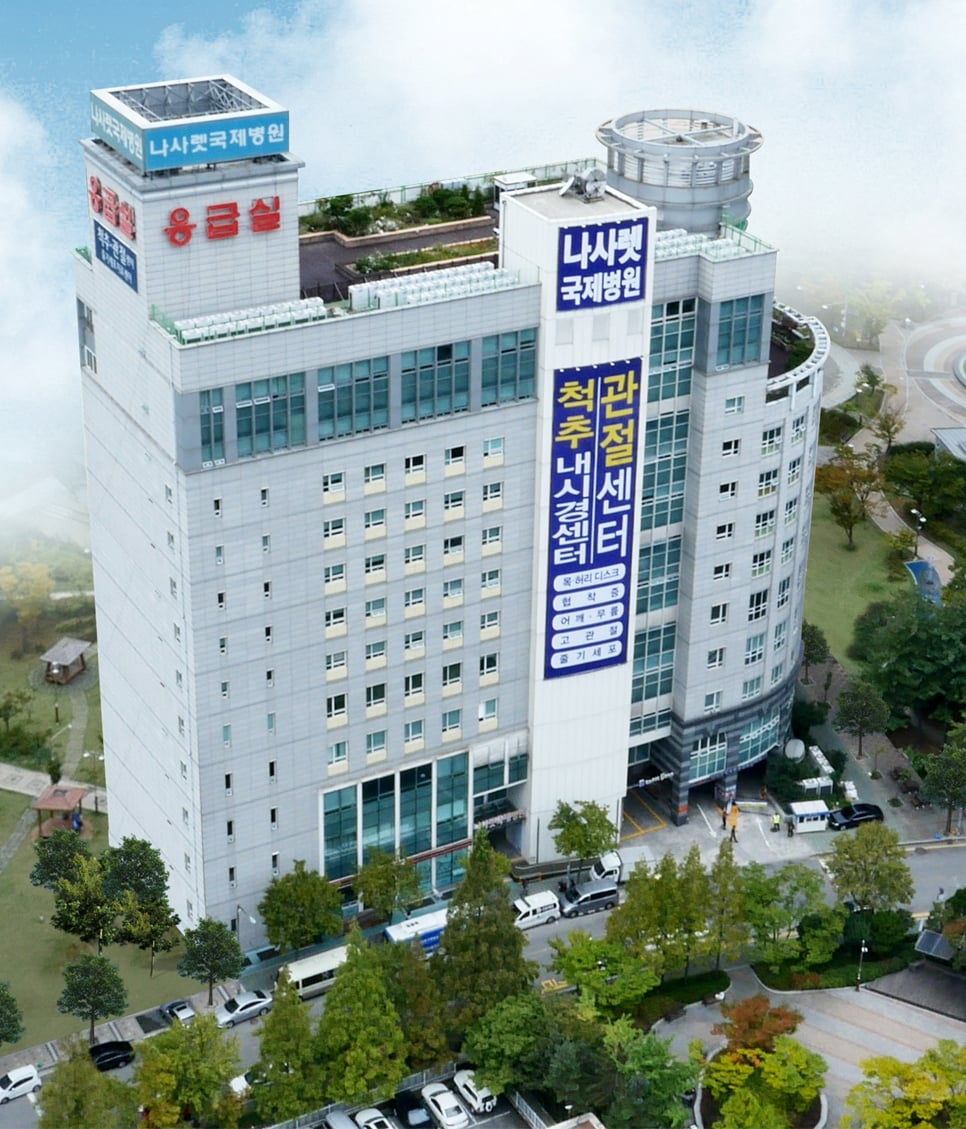
Nasaret International Hospital

أفضل مراكز المخدرات وإدمان الكحول في كوريا الجنوبية

  • Gangnam Severance Hospital, كوريا الجنوبية
  • Jaseng Hospital of Korean Medicine, كوريا الجنوبية
  • Bobath Memorial Hospital, كوريا الجنوبية
  • Nasaret International Hospital, كوريا الجنوبية

مواد ذات صلة

مشاركة المحتوى

Twitter XLinkedinFacebookWhatsAppEmail
أحصل على الرابط

قصص فيديو من مرضى Bookimed

Dayana
جمعت بين إجازتي في أنطاليا والفحص الطبي.
إجراء: فحص صحة الإناث (انظر فحص النساء)
Igor
كان رائعاً! التنقلات والإقامة والعلاج - كل شيء مشمول.
إجراء: زرع الأسنان
مستشفى: WestDent Clinic
Marina
قام Bookimed بكل شيء من أجلي. لم أضطر للقلق بشأن أي شيء.
إجراء: فحص صحة الإناث (انظر فحص النساء)
مستشفى: Severance Hospital
محدث: 05/27/2022
تأليف
Anna Leonova
Anna Leonova
رئيس فريق تسويق المحتوى
محررة طبية معتمدة لديها خبرة تزيد عن 10 سنوات، طوّرت محتوى Bookimed الموثوق، مدعومة بماجستير في علم اللغة ومقابلات مع خبراء طبيين من جميع أنحاء العالم.
تمت المراجعة من قبل المستشار الطبي في Bookimed
فهد مولود
محرر طبي وعالم بيانات
طبيب عام. حاصل على 4 جوائز علمية. خدم في غرب آسيا. رئيس الفريق الطبي الناطق بالعربية سابقا ومسؤول عن معالجة البيانات ودقة المحتوى الطبي حاليا.
فهد مولود Linkedin
قد تحتوي هذه الصفحة على معلومات تتعلق بمختلف الحالات الطبية والعلاجات وخدمات الرعاية الصحية المتوفرة في بلدان مختلفة. يرجى العلم أن المحتوى مقدم لأغراض إعلامية فقط ولا ينبغي تفسيره على أنه نصيحة أو إرشادات طبية. يرجى استشارة طبيبك أو أخصائي طبي مؤهل قبل البدء أو تغيير العلاج الطبي.

أسئلة متكررة حول المخدرات وإدمان الكحول في كوريا الجنوبية

هذه الأسئلة الشائعة مأخوذة من مرضى حقيقيين يبحثون عن رعاية طبية عبر Bookimed. يتم تقديم الإجابات من قبل منسقين طبيين ذوي خبرة وممثلين موثوقين من العيادات.

أين يمكنني العثور على علاج متخصص للكحول في كوريا الجنوبية؟

العلاج المتخصص لإدمان الكحول في كوريا الجنوبية متاح من خلال أقسام الأعصاب النفسية المخصصة والعيادات الدولية في المستشفيات الكبرى. توفر المرافق في سيول وإنتشون فحوصات للإدمان على الكحول وتشخيصات معقدة. تجمع هذه المراكز بين البروتوكولات الطبية الغربية والرعاية المكثفة للمرضى الداخليين لعلاج الإدمان والتعافي على المدى الطويل.

  • التشخيصات المتاحة: تتراوح فحوصات الإدمان على الكحول من $200 إلى $400.
  • الخبرة السريرية: يحمل مستشفى جانجنام سيفيرانس في سيول اعتمادا مرموقاً من اللجنة الدولية المشتركة.
  • المراكز ذات الحجم الكبير: يعالج مستشفى نازاريت الدولي في إنتشون أكثر من 438,000 مريض سنوياً.
  • رعاية متعددة التخصصات: يتضمن العلاج معالجين دوائيين، تشخيصات معقدة، واستشارات خاصة في الأعصاب النفسية.

رأي خبراء بوكيميد: غالبًا ما يختبئ العلاج العالي الجودة للكحول في كوريا الجنوبية تحت تصنيف التشخيصات المعقدة أو عيادات التوتر. تستخدم المراكز الكبرى مثل مستشفى جانجنام سيفيرانس أقسامها الـ39 المتخصصة لإدارة الانسحاب والقضايا الصحية الكامنة. ينبغي للمرضى البحث عن مستشفيات تحمل اعتماد اللجنة الدولية المشتركة لضمان الدعم الناطق بالإنجليزية ومعايير السلامة العالمية.

إجماع المرضى: تركز العديد من البرامج المحلية بشدة على الأدوية بدلاً من العلاج بالكلام. غالباً ما يلاحظ المرضى أن العيادات الخاصة توفر المزيد من الخصوصية، بينما تقدم المجموعات المجتمعية في مناطق مثل إتايوان الدعم الأطول أمداً والأكثر استمرارية.

هل توجد مجموعات دعم ناطقة باللغة الإنجليزية للمغتربين في كوريا؟

يمكن للمغتربين في كوريا الجنوبية الوصول إلى مجموعات دعم ناطقة بالإنجليزية عبر شبكات خاصة وعيادات دولية ومراكز تديرها الحكومة. توفر خدمات الصحة النفسية المتخصصة والمجتمعات التي يقودها الأقران في سيول موارد للإرشاد وعلاج الإدمان. تعمل العديد من المجموعات في منطقتي إيتايون وجانجنام لخدمة المجتمع الدولي.

  • الإرشاد المهني: يقدم مركز سيول للإرشاد علاجًا ناطقًا بالإنجليزية مع علماء نفس مرخصين من الولايات المتحدة.
  • الموارد الحكومية: يقدم مركز سيول العالمي إرشادًا متعدد اللغات ونصائح قانونية.
  • دعم الأقران: تقدم مجموعات فيسبوك الخاصة مثل "Safe Space Connection" دعمًا نفسيًا للصحة النفسية حسب النوع الاجتماعي.
  • الإشراف الطبي: توفر المرافق المعتمدة من JCI مثل مستشفى جانجنام سيفيرانس تشخيصات متقدمة واستشارات طبية.

خبرة Bookimed: بينما يلجأ الكثيرون إلى الشبكات الكبيرة، تحتفظ العيادات المتخصصة الصغيرة في سيول غالبًا بقوائم الإحالة الأكثر دقة لاجتماعات AA الخاصة الناطقة بالإنجليزية. من المحتمل أن تكون المستشفيات ذات الحجم الكبير من المرضى الدوليين، مثل مستشفى ناساريت الدولي الذي يخدم 438,000 مريض سنويًا، على دراية بمواقع مجموعات دعم اللغات الإنجليزية. غالبًا ما تكون مسارات الإحالة الداخلية هذه أكثر موثوقية من القوائم العامة التي قد لا يتم تحديثها بانتظام.

إجماع المرضى: يلاحظ المرضى أن الشفاهية في مجموعات وسائل التواصل الاجتماعي المحلية هي الطريقة الأساسية للعثور على اجتماعات نشطة. يعتمد الكثيرون على المجتمعات الدولية عبر الإنترنت عندما لا تتوفر الخيارات المحلية أو للحفاظ على الخصوصية داخل دائرة المغتربين الصغيرة.

ما هي الأدوية المستخدمة في كوريا لعلاج إدمان الكحول المزمن؟

يعتمد علاج الإدمان المزمن على الكحول في جمهورية كوريا على استخدام الكامبروسيت والنالتريكسون كأدوية رئيسية للحفاظ على الامتناع. كما تستخدم العيادات الكورية ديسلفيرام للعلاج بالنفور وتوبيراميت لإدارة الرغبة في استخدامه خارج وصفة طبية. غالبًا ما يتم دمج هذه التدخلات الدوائية مع العلاجات التقليدية مثل الوخز بالإبر في المرافق المتخصصة.

  • الكامبروسيت (كامبرال): يستخدم بعد إزالة السموم لتثبيت كيمياء الدماغ والحفاظ على الامتناع على المدى الطويل.
  • النالتريكسون: يحجب مستقبلات الأفيون لتقليل الرغبة في الشرب.
  • الديسلفيرام (أنتابوس): يتسبب في ردود فعل جسمانية حساسة تجاه الكحول، ويعمل كرادع سلوكي قوي.
  • توبيراميت: يُوصف في العيادات الخاصة لإدارة الرغبات وأعراض القلق المرتبطة بها.

رؤية خبراء بوكيميد: يمكن للمرضى الباحثين عن العلاج في سيول العثور على تكامل فريد بين علم الصيدلة الغربي والطب التقليدي. عيادات مثل مستشفى ناصرت الدولي، التي تخدم أكثر من 438,000 مريض سنويًا، تقوم غالباً بدمج أدوية إزالة السموم القياسية مع تشخيصات متخصصة. يساعد هذا النهج المزدوج في تحسين التزام المرضى بالأدوية مقارنة بالبرامج التي تركز فقط على التدخلات الدوائية.

إجماع المرضى: يلاحظ المرضى أن العلاج بالديسلفيرام قوي من الناحية الجسدية ولكنه فعال لأولئك الذين لديهم دافع عالي. ينصح الكثيرون باختيار العيادات في سيول أو بوسان للتأكد من توضيح الأعراض الجانبية للأدوية وتغطية التأمين بوضوح باللغة الإنجليزية.

كم عدد مراكز علاج الإدمان على المخدرات المتخصصة الموجودة في كوريا؟

تضم جمهورية كوريا 17 مركزًا متخصصًا لإعادة تأهيل الإدمان تُعرف بمراكز توجيذر ون ستيب. كما تعين الحكومة 31 مستشفى رئيسيًا لعلاج إدمان المخدرات. وقد زادت التوسعات الأخيرة من توفر مراكز إعادة التأهيل من 6 منشآت فقط في بداية عام 2023.

  • مراكز إعادة التأهيل: تركز 17 منشأة متخصصة على الدعم النفسي والإعادة الاجتماعية.
  • شبكة المستشفيات: توفر 31 مركزًا طبيًا معينًا إزالة السموم سريريًا والعناية المركزة.
  • التركيز الإقليمي: تمركز معظم موارد الإدمان المتخصصة في سيول وبوسان.
  • أوقات الانتظار: غالبًا ما تتضمن علاجات الإدمان الداخلي قوائم انتظار تمتد حتى 3 أشهر.

رأي خبير من بوكيميد: بينما يتم تصنيف 31 مستشفى رسميًا للعلاج، يفتقر العديد منها إلى الموظفين المتخصصين النشطين. يجد المرضى غالبًا رعاية أكثر موثوقية في المنشآت المعتمدة من JCI مثل مستشفى جانجنام سيفرانس. يحتفظ هذا المركز بـ39 قسمًا لإدارة الاحتياجات الطبية المعقدة أثناء التعافي.

إجماع المرضى: يلاحظ المرضى أن المرافق المخصصة محدودة مقارنة بالدول المجاورة. يقترح العديد من الأفراد التحقق من الخط الساخن للمركز الوطني للصحة العقلية للحصول على أحدث المعلومات المتوفرة.

هل يمكنني إحضار المخدرات بوصفة طبية إلى كوريا لعلاجي؟

يمكنك جلب الأدوية المخدرة المقررة إلى كوريا الجنوبية للعلاج الشخصي فقط بموافقة مسبقة. يجب عليك الحصول على تصريح من وزارة سلامة الغذاء والدواء (MFDS) قبل الوصول. وصفة الطبيب وحدها لا تكفي وقد تؤدي إلى مصادرة الأدوية أو غرامات قانونية.

  • الإطار الزمني للتصريح: قدم طلبك عبر الإنترنت قبل 10 إلى 14 يوم عمل على الأقل من موعد رحلتك المقررة.
  • المستندات المطلوبة: يجب تقديم صفحة تعريف جواز السفر، وتذاكر الطيران، وخطاب طبيب حديث باللغة الإنجليزية.
  • حدود الإمداد: لا يمكن للمسافرين إحضار أكثر من إمداد لمدة 90 يوما من أي مادة طبية خاضعة للرقابة.
  • العناصر المحظورة: الأدوية المشتقة من الماريجوانا وزيت CBD محظورة بشكل صارم حتى مع وصفة طبية رسمية.

رأي خبير Bookimed: في حين أن المرضى غالبًا ما يركزون على حد الـ90 يومًا، فإن أولئك الذين يزورون سيول للرعاية الممتدة غالبًا ما يستخدمون العيادات المحلية للتجديد. يمكن للمستشفيات مثل جانجنام سيفيرانس أو ناساريت إنترناشونال التنسيق مع طبيبك في بلدك لوصف المخدرات المكافئة محليًا. هذه الطريقة تتجنب خطر المصادرة الجمركية العالية للإمدادات طويلة الأجل.

إجماع المرضى: يؤكد المرضى على حمل جميع الأدوية في حقيبة اليد بدلاً من الحقائب المسجلة لتجنب أي مشاكل عند قناة الجمارك الحمراء. يوصي الكثيرون بترجمة المستندات إلى اللغة الكورية لتفادي أي سوء فهم مع موظفي المطار أثناء عملية التوضيح.

Can I find English-speaking addiction specialists in Seoul?

English-speaking addiction specialists are available at major Seoul hospitals and private psychiatric clinics. International clinics in centres like Gangnam Severance Hospital offer JCI-accredited care. These facilities provide drug addiction treatment and alcohol abuse examinations using English-speaking staff or dedicated interpreters.

  • Specialist consultations: Initial drug therapist assessments cost $100 to $200.
  • Hospital accreditation: Leading Seoul centres like Gangnam Severance Hospital hold JCI and KOIHA credentials.
  • Interpreter services: Many hospitals provide free interpreters for bills above specific cost thresholds.
  • Diagnostic options: Complex addiction diagnostics generally range from $600 to $1,200.

Bookimed Expert Insight: While many dedicated international addiction wings closed recently, individual English-speaking doctors remain active. JCI-accredited hospitals in Seoul are the most reliable option for Australians. These centres often bundle airport transfers with treatment. This simplifies travel logistics for international patients.

Patient Consensus: Patients find that booking in advance is essential as university hospitals often have three-month waitlists. Most note that outpatient psychiatric support is accessible. However, checking the legality of prescription medications before arriving in the Republic of Korea is vital.

Is it possible to receive outpatient treatment for alcoholism in South Korea, or is hospitalisation required?

Patients can receive outpatient treatment for alcoholism in South Korea without mandatory hospitalisation. Doctors use the Korean Patient Placement Criteria (KPPC) to assess withdrawal risks and addiction severity. Stable patients often receive medication for cravings and withdrawal symptoms through intensive outpatient programs in Seoul or Incheon.

  • Treatment options: Medical detox, counselling, and medication for cravings are available as outpatient services.
  • Clinical assessment: Doctors perform an alcohol abuse examination to determine if inpatient care is necessary.
  • Specialist facilities: Dedicated centres like Jaseng Hospital of Korean Medicine provide full outpatient infrastructure.
  • Language support: International clinics at major hospitals offer fluent English-speaking staff or free interpreter services.

Bookimed Expert Insight: While general hospitals like Gangnam Severance Hospital hold JCI accreditation, patients seeking outpatient care should check if the clinic includes interpreters. Our data shows that facilities with high international billing often bundle free translation. This is crucial for alcoholism treatment where clear communication with a drug therapist is vital during consultations.

Patient Consensus: Patients note that initial assessments are thorough and outpatient care is the standard for stable cases. Many found the availability of medication for cravings and English-speaking support made the process manageable without staying in hospital.

What kind of alcohol addiction treatments are available in Korea?

Alcohol addiction treatment in Republic of Korea centres on medical detox, medication, and psychosocial support. Patients access specialised psychiatric units and general hospitals for inpatient or outpatient care. Accredited facilities like Gangnam Severance Hospital provide high-standard diagnostics and treatment supervised by therapists.

  • Detoxification protocols: Clinicians use benzodiazepines and vitamins to manage withdrawal symptoms safely.
  • Medication therapy: Doctors prescribe naltrexone or acamprosate to reduce cravings and maintain sobriety.
  • Complex diagnostics: Comprehensive assessments identifying addiction patterns cost between $600 and $1,200.
  • Inpatient rehabilitation: Personalised programs in Seoul often range from _price_from_ to _price_to_.

Bookimed Expert Insight: Large general hospitals in Seoul often have wait times exceeding three months for addiction consultations. Patients should consider JCI-accredited facilities like Gangnam Severance Hospital or specialised centres that offer free interpreter services. These hubs provide faster access to drug therapists. They help Australian patients communicate clearly during intensive treatment phases.

Patient Consensus: Patients find that combining medication with psychological support helps navigate Korea's intense drinking culture and social pressure. Many recommend using hospitals with dedicated international centres to bypass long wait times and secure appointments within weeks.

How does Korean culture impact treatment for alcohol addiction?

Korean culture impacts alcohol treatment through deep-seated social norms. These norms view heavy drinking as an essential tool for professional networking. Social stigma often prevents 98% of people with dependency from seeking care. Specialist clinics in Seoul now offer intensive psychiatric support to counter these intense pressures.

  • Social lubricant: Alcohol enables emotional release and bonding in a hierarchical society.
  • Mandatory drinking: Workplaces often expect attendance at drinking sessions to maintain career prospects.
  • Limited help-seeking: Only 1.9% of people with alcohol dependence receive professional counselling or treatment.
  • Gender-specific care: Women face unique social pressures, increasing the need for tailored medical support.

Bookimed Expert Insight: The medical landscape in Seoul is shifting toward private, high-privacy clinics. This shift helps bypass the intense social stigma. General hospitals like Gangnam Severance focus on physical diagnostics. In contrast, specialised addiction centres increasingly integrate psychiatric care with traditional herbal medicine. This hybrid approach helps patients manage withdrawal symptoms while staying culturally connected to their recovery process.

Patient Consensus: Patients report that staying sober in Korea is a constant battle. This is because refusing a drink is often seen as rude. Recovery is smoother when moving away from traditional work circles. There, drinking is considered a mandatory social ritual.

Are there alcohol support groups or AA meetings in Korea?

Alcoholics Anonymous (AA) and other support groups are active in the Republic of Korea. In-person English-speaking meetings occur regularly in central Seoul. Many international residents also use global Zoom sessions. Korean-language groups and hospital-based narcology programmes provide additional professional and peer-based assistance across the country.

  • Seoul meetings: In-person gatherings occur at the International Lutheran Church (ILC) in Hannam-dong.
  • Military access: US bases often host sober support groups for those with base access.
  • Digital support: Zoom meetings cover various time zones for those outside major metro areas.
  • Local assistance: The Foreigner Help Center at 1435 provides guidance on finding local resources.

Bookimed Expert Insight: While AA provides peer support, severe dependency requires medical oversight. Major Seoul facilities such as Gangnam Severance Hospital hold JCI accreditation. They offer specialised narcology diagnostics starting from $200. Choosing a hospital with JCI or KOIHA certification means the facility meets rigorous safety standards. These standards are for intensive detox protocols.

Patient Consensus: Patients note that public drinking is common in Korea. However, English-speaking AA meetings provide a vital community. They recommend verifying meeting times online before visiting physical locations in Seoul.

Where can I find professional help for alcohol addiction in South Korea?

Professional alcohol addiction help in South Korea is available at accredited general hospitals. Gangnam Severance Hospital in Seoul is one such facility. These facilities provide detox, medical stabilisation, and psychosocial support. Programs often integrate psychiatric consultation with modern diagnostic tools. PET-CT and MRI are used to assess physiological impact.

  • Clinical diagnostics: Comprehensive examinations range from $200 to $600 for addiction assessments.
  • Accredited facilities: Gangnam Severance Hospital holds JCI accreditation and was named a World's Best Hospital.
  • Specialist access: Consultation with a drug therapist typically costs between $100 and $200.
  • Communication support: International centres provide free interpreter services and English-fluent medical staff for clear communication.

Bookimed Expert Insight: South Korean hospitals often pair traditional Western psychiatric care with diagnostic technology. Clinics like Gangnam Severance use high-end imaging to identify neurological changes from alcohol abuse. This data-driven approach allows doctors to tailor medication more accurately than standard rehab centres. Choosing a JCI-accredited general hospital provides access to 30+ departments for managing withdrawal-related complications.

Patient Consensus: Patients note that South Korea has a heavy drinking culture. This makes seeking professional clinical help essential for sobriety. Many recommend confirming English availability early. This is because international support centres at major hospitals provide the most reliable assistance.

How does traditional Korean medicine treat alcoholism?

Traditional Korean medicine treats alcoholism with herbal extracts and acupuncture to reduce cravings and protect the liver. Modern clinics in Seoul and Incheon often combine these ancient techniques with Western psychiatric support and detox protocols. Common treatments include Korean Red Ginseng to lower inflammation and herbal formulas to manage withdrawal.

  • Herbal therapy: Korean Red Ginseng reduces addictive responses and helps protect the liver from damage.
  • Acupuncture points: Specialists target specific points to strengthen the digestive system and dampen alcohol cravings.
  • Detoxification support: Natural extracts like Chunggan help the liver recover and clear toxins from the body.
  • Integrated care: Facilities such as Nasaret International Hospital combine traditional methods with modern gastroenterology services.

Bookimed Expert Insight: Traditional methods help with cravings. Korean healthcare excels by integrating these with Western standards. JCI-accredited centres like Gangnam Severance Hospital offer the safety of high-tech diagnostics alongside holistic recovery. This combined approach lets patients receive medical detox while using traditional herbs to support long-term brain health and liver function.

Patient Consensus: Patients find that English-speaking staff in Bundang and Seoul make recovery easier. Professional medical supervision is still essential for safety. Many note that traditional remedies work best when paired with community support and modern pharmaceuticals to manage withdrawal symptoms.

What is the role of Alcoholics Anonymous (AA) in South Korean treatment?

Alcoholics Anonymous plays a vital role in South Korea. It serves as a long-term support network following clinical detoxification. It fills the gap between intensive medical intervention and sustained sobriety. Peer support groups provide a necessary social framework for maintaining abstinence in a high-consumption culture.

  • Integrated aftercare: Groups support recovery after initial withdrawal management and professional psychotherapy.
  • Clinical synergy: Research indicates outcomes improve by 66% when combined with professional treatment.
  • Regional presence: Established groups operate in major hubs including Seoul, Kwang-Ju, and Incheon.
  • Cultural adaptation: Members choose between traditional Twelve-Step spiritual growth and newer secular approaches.

Bookimed Expert Insight: AA is a global standard. However, it is not the primary treatment modality in South Korea. Clinics such as Gangnam Severance Hospital offer JCI-accredited diagnostics that prioritise medical stabilisation first. For Australians, these clinical settings often provide a more familiar medical pathway than local peer groups. These local groups may have language barriers.

Patient Consensus: Patients find the alcohol-heavy social culture in South Korea challenging. They often seek English-speaking meetings in major cities. Alternatively, they use digital groups from Australia. These groups help bridge the language gap and maintain their sobriety while abroad.

How do Korean clinics treat alcohol withdrawal?

South Korean clinics treat alcohol withdrawal through medically supervised detoxification using benzodiazepine therapy to manage acute symptoms. Centres provide inpatient and outpatient care. Treatment protocols include intensive vitamin B infusions and nutritional support. Clinical staff use naltrexone or acamprosate for long-term maintenance and craving management.

  • Detoxification protocols: Clinicians use benzodiazepines to prevent seizures and reduce severe anxiety during acute withdrawal.
  • Nutritional support: Programs include high-dose vitamin therapy to restore nutrients depleted by chronic alcohol use.
  • Clinical assessment: Doctors perform complex diagnostics to determine if inpatient detox or outpatient care is required.
  • Maintenance therapy: Specialists prescribe acamprosate or naltrexone to support long-term sobriety and reduce relapse risks.

Bookimed Expert Insight: Specialised centres in South Korea often manage cases faster than large general hospitals. Wait times at those facilities can reach three months. Clinics like Gangnam Severance Hospital provide JCI-accredited care. Some clinics even offer free interpreter services for higher-value treatments. This ensures Australian patients navigate complex medical consultations without language barriers.

Patient Consensus: Patients note that professional medical detox is essential because stopping abruptly is dangerous. They find that combining medication with exercise and nutritional support helps. This combination supports long-term recovery in the Republic of Korea.

احصل على استشارة مجانية

حدد أفضل طريقة للاتصال بك