Bookimed لا يضيف رسوماً إضافية على أسعار علاج المخدرات وإدمان الكحول. الأسعار مأخوذة من قوائم الأسعار الرسمية للعيادات. تدفع مباشرة في العيادة مقابل علاجك عند وصولك إلى البلد.
Bookimed ملتزم بسلامتك. نحن نعمل فقط مع المؤسسات الطبية التي تحافظ على معايير دولية عالية في علاج المخدرات وإدمان الكحول ولديها التراخيص اللازمة لخدمة المرضى الدوليين في جميع أنحاء العالم.
Bookimed يقدم مساعدة خبراء مجانية. منسق طبي شخصي يدعمك قبل وأثناء وبعد العلاج، ويحل أي مشاكل. لن تكون وحيداً أبداً في رحلة علاج المخدرات وإدمان الكحول.
كتب بواسطة Kateryna Zamkovska
العلاج المهني ضروري عندما يؤدي تعاطي الكحول إلى إعاقة الأداء اليومي أو الصحة البدنية. تشمل المؤشرات الرئيسية عدم القدرة على التحكم في الشرب على الرغم من محاولات عديدة. العلامات الطبية مثل الرعشة أو القلق أو النوبات أثناء الامتناع هي حالات طوارئ. تتطلب هذه الأعراض تدخلاً طبياً تحت الإشراف في مرافق معتمدة.
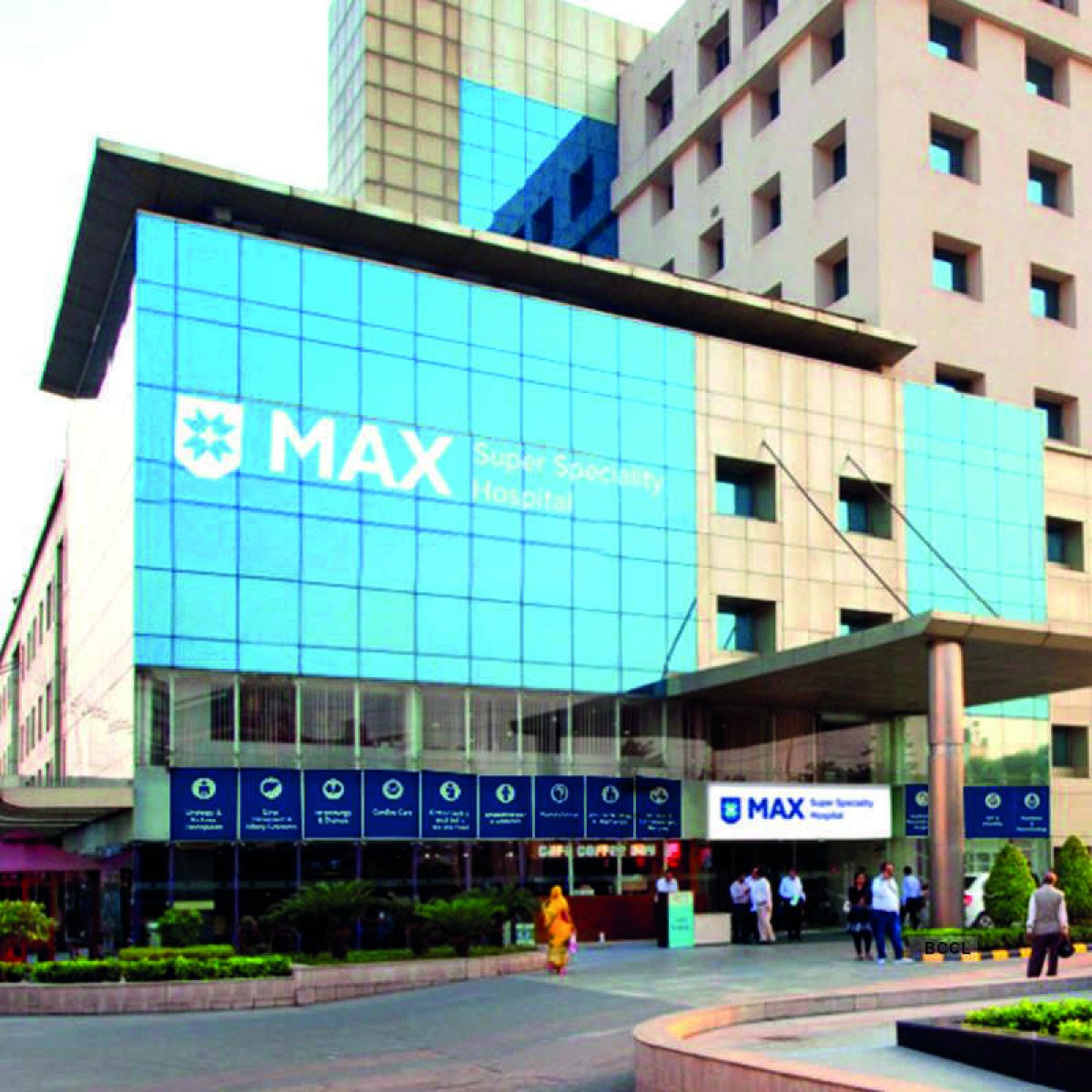
رؤية خبير Bookimed: في الهند، تستخدم عيادات مثل Max Vaishali اعتمادات NABH و NABL للحفاظ على السلامة. غالباً ما توفر المرافق ذات القدرة العالية رعاية متكاملة للاضطرابات النفسية إلى جانب إزالة السموم الجسدية. هذا النهج متعدد التخصصات حيوي لأن القلق الكامن غالباً ما يدفع إلى تعاطي الكحول المزمن. اختيار مركز به خبراء متخصصون يضمن علاج الإدمان وأسبابه الجذرية.
إجماع المرضى: غالباً ما يشعر المرضى أن الاعتراف بأنهم لا يستطيعون التوقف بمفردهم هو الخطوة الأكثر صدقاً. ويؤكدون أن الإشراف الطبي أكثر أماناً من إزالة السموم في المنزل لأنه يمنع المضاعفات الجسدية الخطيرة.
يمكن للزوار الطبيين في الهند الوصول إلى علاج شامل لاضطراب تعاطي الكحول من خلال المستشفيات الخاصة المعتمدة ومراكز إعادة التأهيل المتخصصة. تشمل الخيارات القياسية إزالة السموم في المستشفى، والعلاج السلوكي المعرفي، وبرامج الخطوات الاثنتي عشرة. توفر مرافق مثل Max Vaishali في غازي آباد رعاية متعددة التخصصات. كما تدمج بعض المراكز ممارسات الأيورفيدا التقليدية واليوغا.
رؤية خبير Bookimed: ترتبط مؤشرات الجودة للمرضى الدوليين في الهند بالمراكز متعددة التخصصات ذات القدرة العالية. تعمل مرافق مثل Max Vaishali بأكثر من 370 سريرًا وأكثر من 250 خبيرًا. يسمح هذا النطاق لهذه المراكز بإدارة المضاعفات الجسدية لإدمان الكحول جنبًا إلى جنب مع الرعاية النفسية. عادةً ما يضمن اختيار المواقع المعتمدة من NABH وجود موظفين يتحدثون الإنجليزية ومعايير سلامة أعلى للمسافرين لأغراض طبية.
إجماع المرضى: يلاحظ المرضى أن الجمع بين إزالة السموم الطبية والعافية الهندية التقليدية مثل الأيورفيدا يساعدهم على البقاء في العلاج لفترة أطول. ويؤكدون على الالتزام بالمراكز الحضرية المعتمدة في مومباي أو جوا لتجنب المرافق الريفية غير المنظمة.
الاستشفاء لعلاج الكحول في الهند ليس إلزاميًا دائمًا. غالبًا ما يختار المرضى الذين يعانون من إدمان خفيف إلى متوسط الرعاية الخارجية. يشمل ذلك الاستشارة والأدوية وإزالة السموم في المنزل. تتطلب الحالات الشديدة التي تنطوي على مخاطر انسحاب عالية مثل النوبات إشرافًا طبيًا داخليًا من أجل السلامة.
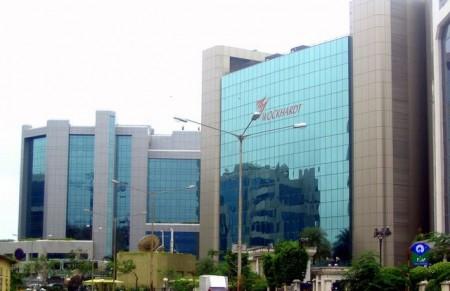
رؤية خبير Bookimed: غالبًا ما ترتبط مؤشرات الجودة في طب الإدمان الهندي بالموقع الجغرافي ونوع المنشأة. توفر المستشفيات الخاصة مثل مستشفى Wockhardt في مومباي نماذج رعاية مرنة. تظهر بياناتنا أن المرافق في المدن الكبرى توفر دعمًا خارجيًا أكثر قوة. وهذا يسمح للمرضى الدوليين بتلقي علاج مكثف دون الحاجة إلى الاستشفاء بدوام كامل.
إجماع المرضى: يؤكد المرضى الذين لديهم تاريخ طويل من الشرب الثقيل أن الإقامة في المستشفى أنقذتهم أثناء الانسحاب الخطير. أولئك الذين لديهم عادات أخف وجدوا النجاح باستخدام أدوية العيادات الخارجية ومجموعات الدعم أثناء البقاء في المنزل.
تستخدم المراكز الطبية الهندية عادةً البنزوديازيبينات مثل الكلورديازيبوكسيد والديازيبام لإدارة أعراض الانسحاب الحاد للكحول. تتضمن الوقاية من الانتكاس على المدى الطويل استخدام الديسلفيرام، والنالتريكسون، والأكامبروسيت. تعطي المراكز المعتمدة مثل ماكس فايشالي الأولوية للإدارة الخاضعة للإشراف لضمان سلامة المرضى وتحسين نتائج الرصانة على المدى الطويل.
رؤية خبير Bookimed: اختيار منشأة حاصلة على اعتماد NABH، مثل ماكس فايشالي، يضمن غالبًا وصولًا أكثر اتساقًا إلى بروتوكولات متقدمة للوقاية من الانتكاس. بينما تركز المستشفيات الحكومية على إزالة السموم الأساسية، تقدم هذه المراكز الخاصة المعتمدة مراقبة أكثر تكرارًا للكبد وجرعات مخصصة من النالتريكسون. يؤدي هذا النهج المتكامل عادةً إلى تعافٍ أكثر استدامة من مجرد إدارة أعراض الانسحاب الحادة.
إجماع المرضى: يشير المرضى إلى أن البقاء على المسار الصحيح يتطلب مراقبة صارمة للكبد عند تناول أدوية تقليل الرغبة مثل النالتريكسون. يؤكد الكثيرون أن الجمع بين هذه الأدوية والعلاج أو مجموعات الدعم هو ما يحدث فرقًا حقيقيًا في الرصانة على المدى الطويل.
تحقق من مركز إعادة تأهيل مدمني الكحول في الهند من خلال التأكد من ترخيصه بموجب قانون الرعاية الصحية العقلية لعام 2017. تعتمد الشرعية على شهادة المجلس الوطني لاعتماد المستشفيات (NABH). يجب أن يحمل الطاقم السريري تسجيلات اللجنة الطبية الوطنية (NMC). يجب أن يكون مستشارو إعادة التأهيل مسجلين لدى مجلس إعادة التأهيل في الهند (RCI).
رؤية خبير Bookimed: تظهر بياناتنا أن المستشفيات الهندية الأعلى تصنيفاً غالباً ما تدمج رعاية الإدمان ضمن بيئات متعددة التخصصات. تمتلك مرافق مثل Max Vaishali أكثر من 250 طبيباً في الموقع عبر تخصصات مختلفة. وهذا يضمن دعماً طبياً فورياً لمضاعفات الانسحاب التي لا يمكن لمراكز إعادة التأهيل الأصغر والمعزولة توفيرها. يوفر اختيار برنامج قائم على المستشفى شبكة أمان أعلى لحالات إزالة السموم المعقدة.
إجماع المرضى: يشير المرضى إلى أنه من الضروري زيارة المرافق دون سابق إنذار للتحقق من النظافة الفعلية. ويحذرون من أن بعض المراكز تستخدم الإفراط في الأدوية أو العزل بدلاً من العلاج الذي وعدت به.
Alcohol withdrawal symptoms range from mild anxiety and shaking to life-threatening seizures and delirium tremens. Symptoms usually peak between 3–7 days after the last drink. Home detox in India is only safe for mild cases. It requires strict medical supervision from specialists.
Bookimed Expert Insight: Indian wellness centres offer physician-guided programs for 7–21 days. One example is AUM Integrated Medicine & Wellness Centre. These programs combine internal medicine with metabolic support. This integrative approach often helps manage stress recovery more effectively than basic clinical detox alone.
Patient Consensus: Patients note that heavy drinkers must avoid quitting cold turkey due to seizure risks. Many found that staying hydrated with broth and avoiding sugary foods helped. This eased the physical strain.
The first step to treat alcoholism in India is accepting the addiction and consulting a psychiatrist. Doctors prescribe anti-addiction medications to reduce cravings and make alcohol physically unpleasant. This medical approach often comes first. Then patients move to a residential de-addiction centre or intensive rehab program.
Bookimed Expert Insight: Our data shows that Indian clinics like Max Vaishali focus on integrated care. These hospitals hold NABH accreditation. This signals a higher standard of safety for medical detox. Choosing a multi-speciality hospital over a small rehab centre provides access to critical care beds. This matters if complications arise during withdrawal.
Patient Consensus: Patients note that medical intervention works better than willpower alone. Many found success by involving family early. The family helped manage finances and prevent relapses during the first month of treatment in India.
Reputable rehabilitation centres in India are primarily found in major cities like Mumbai and Pune. Facilities such as Wockhardt Hospital provide clinical de-addiction services. Accredited centres follow standards set by the National Accreditation Board for Hospitals and Healthcare Providers (NABH).
Bookimed Expert Insight: India offers a unique blend of modern internal medicine and traditional wellness concepts. Patients can find physicians like Dr Prayag Pandya who use integrative healing ecosystems. These programmes combine western diagnostics with oxygen-based therapies and mind-body restoration for holistic recovery.
Patient Consensus: Patients note that verifying the availability of medications like Naltrexone or Acamprosate is essential. Experience shows that choosing centres in Tier 1 cities means better access to evidence-based care.
Indian medical centres treat alcoholism using a combination of methods. These include medical detoxification, psychiatric therapy, and integrative wellness programmes. Facilities like Max Vaishali and Wockhardt Hospital provide clinical environments for supervised withdrawal. Specialised centres, however, focus on medication-assisted treatment using evidence-based drugs like acamprosate and disulfiram.
Bookimed Expert Insight: Indian clinics show a strong trend towards structured recovery timelines rather than open-ended stays. Programmes at AUM Integrated Medicine are specifically tiered into 7, 14, or 21-day cycles. This allows international patients to plan their travel precisely around intensive recovery phases.
Patient Consensus: Patients note that choosing large hospitals with psychiatric departments is safer than small local hubs. They emphasise that success in India depends on facilities that combine modern medication with trauma therapy.
Alcoholism treatment in India typically requires 30 to 90 days for residential rehab. Acute medical detox usually lasts 3 to 7 days to manage withdrawal symptoms. Full psychological stabilisation and long-term sobriety maintenance often need ongoing support. This support lasts for 6 to 12 months after discharge.
Bookimed Expert Insight: Indian clinics such as Max Vaishali hold NABH accreditation, which mirrors high Australian clinical standards. This means high-dependency care is available for patients during the critical first week of detox. These facilities often combine intensive medical monitoring with long-term lifestyle guidance for better outcomes.
Patient Consensus: Patients note that initial detox is the shortest phase. However, the following weeks focus on mental health. Support after returning to Australia is essential for keeping results permanent.
India offers specialised alcohol recovery through integrated rehabilitation centres for addicts and private psychiatric wards. Entirely women-only centres are rare. However, major facilities in Delhi and Pune provide secure female-specific wings. These wings come with dedicated clinical support and counselling staff. Medical supervision often involves NABH-accredited hospitals to manage detoxification safely.
Bookimed Expert Insight: Clinics that combine modern medicine with functional approaches offer more holistic recovery paths. This includes those overseen by Dr Prayag Pandya. These models integrate nutrition and lifestyle medicine into traditional detox. This often improves long-term outcomes for international patients. Patients should focus on facilities with NABL-accredited labs for accurate metabolic monitoring during withdrawal.
Patient Consensus: Patients note that verifying daily schedules and staff credentials beforehand is essential. This step supports a positive experience in India. Many find free, women-specific support groups extremely helpful for aftercare. Such groups operate in cities like Pune.
Helping a family member start rehab in India requires gentle, non-confrontational motivational interviewing. Avoid forced treatment or physical punishment. Denial is a medical part of dependence. Medication-assisted treatment (MAT) and physician-led integrative care can reduce cravings. These methods often build a patient's own desire to change.
Bookimed Expert Insight: India offers structured lifestyle transformation programs ranging from 7 to 21 days. Centres like AUM Integrated Medicine & Wellness Centre focus on metabolic health and stress recovery. This holistic focus often feels less clinical and more like a wellness retreat. It can be a softer entry point for relatives who resist traditional rehab settings.
Patient Consensus: Patients note that successful recovery in India often involves family presence during detox. They suggest avoiding unregulated facilities and focusing on cognitive therapies like CBT or EMDR. Many find that combining medical support with local SMART Recovery or AA meetings gives the best long-term results.