جراحة تصحيح تشوه العظام في بولندا — احصل على 3 عيادات مطابقة مع التكاليف


تمت مراجعة المقالة طبيا من قبل
فهد مولود
ما هي تكلفة جراحة تصحيح تشوه العظام في بولندا؟ اكتشف الآن
تتراوح تكلفة جراحة تصحيح تشوهات العظام في بولندا عادةً بين $3,800 و $7,000. يعتمد السعر على العظم المصاب، ومدى تعقيد التشوه، والأدوات التعويضية المستخدمة. تشمل الباقات الأساسية في المستشفيات البولندية التصوير التشخيصي، والمعدات الجراحية، والتخدير، وإقامة قصيرة بالمستشفى.
- جراحة قطع العظم: تكلفتها من السعر عند الطلب إلى السعر عند الطلب لإعادة ضبط استقامة العظام جراحياً.
- إجراءات Lapidus ثلاثية الأبعاد: غالباً ما تكون تكلفتها أعلى من عمليات تصحيح إبهام القدم الأروح نظراً لاستخدام معدات متخصصة.
- الاختلافات الإقليمية: قد ترتفع التكاليف في وارسو بنسبة 10-15% مقارنةً بمدن أصغر مثل جيشوف.
- الترميمات المعقدة: تتطلب جراحات العيوب الخلقية في الأطراف ميزانيات أكبر لأنها تتم على مراحل متعددة.
رأي خبراء Bookimed: تجمع بولندا بين معايير الطب الرياضي المتقدمة والرعاية الخاصة ذات التكلفة الميسرة. فعلى سبيل المثال، يُعد مستشفى كارولينا في وارسو مركزاً طبياً معتمداً من FIFA. يضمن هذا دقة جراحية فائقة في عمليات العظام. يتيح اختيار المنشآت الحاصلة على شهادة JCI أو ISO في مدن مثل جيشوف أو وارسو الحصول على رعاية بمستوى 5 نجوم. وغالباً ما تكون هذه الخدمات المتطورة أقل تكلفة من إجراءات العظام الأساسية في أوروبا الغربية.
المزايا الرئيسية
لماذا تختار بولندا لجراحة تصحيح تشوهات العظام؟
- عيادات معتمدة: تحتضن بولندا عيادات معتمدة من قبل وزارة الصحة البولندية. كما أنها معترف بها من قبل المنظمات الصحية الدولية، مما يضمن معايير عالية للرعاية.
- أحدث التقنيات: تُستخدم على نطاق واسع طرق مثل تقنية إليزاروف وإطار تايلور المكاني. بالإضافة إلى ذلك، تُستخدم أجهزة مبتكرة مثل نظام إطالة الأطراف الداخلي بريسايس.
- معدلات نجاح عالية: أظهرت جراحات تصحيح تشوهات العظام في بولندا معدل فعالية يصل إلى 85% في معالجة تفاوت طول الأطراف والتشوهات الأخرى.
- جراحون خبراء: يقوم كبار جراحي العظام في بولندا، والعديد منهم حاصلون على شهادات من المجلس الأوروبي لجراحة العظام والكسور (EBOT)، بإجراء أكثر من 500 حالة ناجحة كل عام.
احصل على حلول متقدمة لجراحة تصحيح تشوهات العظام في عيادات موثوقة من $3,800.
| بولندا | تركيا | إسبانيا | |
|---|---|---|---|
| جراحة تصحيح تشوه العظام | ≈ $3,800 | من $6,400 | من $22,400 |
مزاياك وضماناتك مع Bookimed
أسعار مباشرة
Bookimed لا يضيف رسوماً إضافية على أسعار جراحة تصحيح تشوه العظام. الأسعار مأخوذة من قوائم الأسعار الرسمية للعيادات. تدفع مباشرة في العيادة مقابل جراحة تصحيح تشوه العظام عند وصولك.
عيادات وأطباء معتمدون فقط
Bookimed ملتزم بسلامتك. نحن نعمل فقط مع المؤسسات الطبية التي تحافظ على معايير دولية عالية في جراحة تصحيح تشوه العظام ولديها التراخيص اللازمة لخدمة المرضى الدوليين في جميع أنحاء العالم.
مساعدة مجانية على مدار الساعة
Bookimed يقدم مساعدة خبراء مجانية. منسق طبي شخصي يدعمك قبل وأثناء وبعد العلاج، ويحل أي مشاكل. لن تكون وحيداً أبداً في رحلة جراحة تصحيح تشوه العظام.

منسقك الطبي الشخصي في Bookimed
- يدعمك في كل مرحلة
- المساعدة في اختيار العيادة الطبية المناسبة والطبيب المناسب
- يضمن الوصول السريع والمريح إلى المعلومات
اكتشف أفضل جراحة تصحيح تشوه العظام العيادات في بولندا: 4 خيارات معتمدة والأسعار



Medi Horizon Clinic
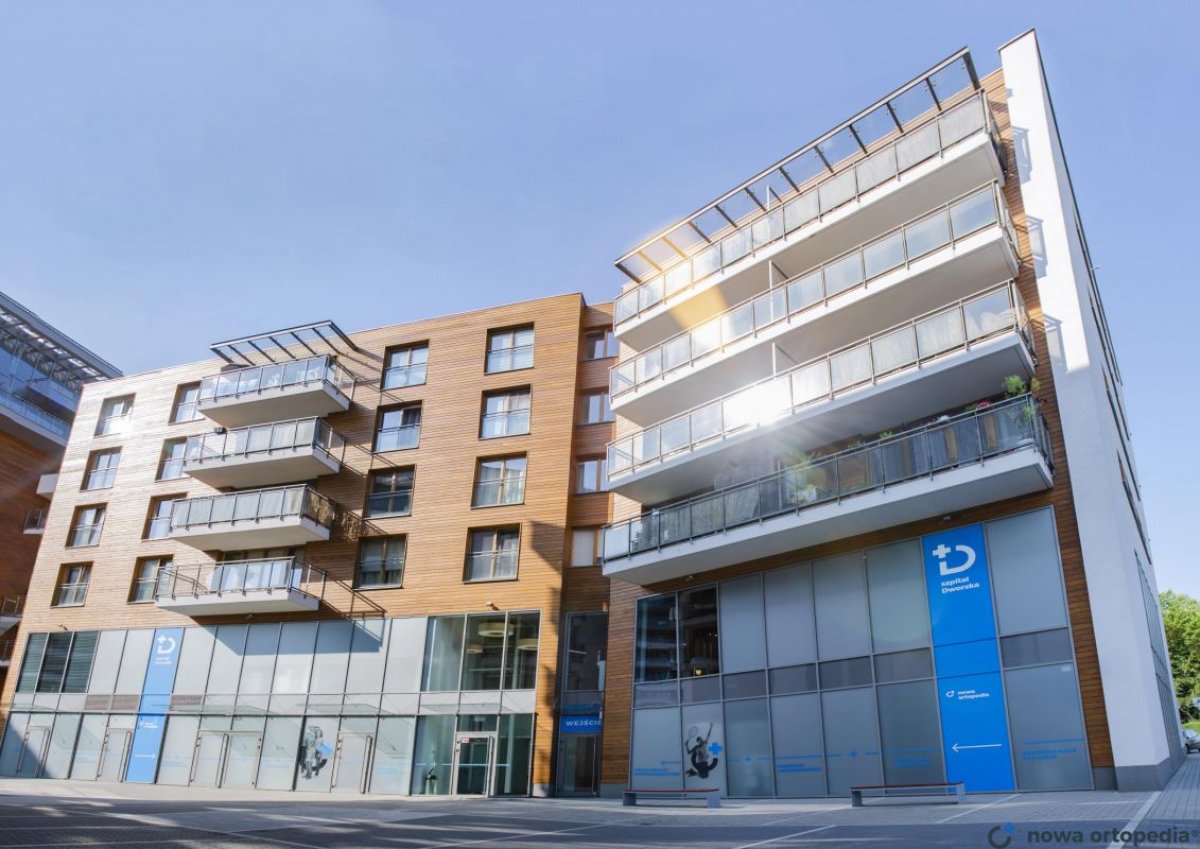
Nowa Ortopedia
نظرة عامة على جراحة تصحيح تشوه العظام في بولندا
- العلاج الجراحي لكسر الساعد - من $2,000
تقوم هذه العملية بإعادة تنظيم العظام المكسورة في الذراع ، باستخدام ألواح أو قضبان أو براغي ، مما يوفر تعافيًا أسرع وأكثر راحة.
- علاج كسور العظام - من $1,000
يقوم هذا الإجراء بإصلاح العظام المكسورة ، من خلال الجبيرة أو الجراحة أو الجر ، مما يعزز التعافي السريع واستعادة القدرة على الحركة.
- جراحة تصحيح تشوه العظام - من $3,800
يصحح الإجراء أشكال العظام غير المنتظمة ، ويحسن الوظيفة البدنية ويقلل الانزعاج من خلال التعديلات الجراحية الدقيقة.
اليوم 1
- الوصول إلى المستشفى.
- تسجيل الوصول واستكمال الأوراق اللازمة.
- قابل الجراح للاستشارة قبل العملية.
اليوم الثاني
- اخضع لاختبارات ما قبل الجراحة ، مثل الأشعة السينية واختبارات الدم.
- قابل طبيب التخدير لمناقشة خيارات التخدير.
يوم 3
- تحدث جراحة تصحيح تشوه العظام.
- التخدير تدار.
- تستغرق الجراحة حوالي 2-4 ساعات.
اليوم الرابع
- نقاهة ما بعد الجراحة في المستشفى.
- المراقبة المنتظمة من قبل الطاقم الطبي للمضاعفات.
يوم 5
- الخروج من المستشفى إذا كانت الشفاء مرضية.
- التعليمات المعطاة للرعاية المنزلية والأدوية.
الأسبوع 1-2
- فترة التعافي الأولية في المنزل.
- مواعيد المتابعة المنتظمة مع الجراح.
الأسبوع 3-6
- ابدأ العلاج الطبيعي لاستعادة الحركة.
- العودة تدريجيًا إلى الأنشطة الخفيفة.
الأسبوع 7-12
- العودة إلى العمل حسب طبيعة الوظيفة.
- استمر في العلاج الطبيعي حسب الحاجة.
الشهر 6
- الفحص النهائي للتأكد من تصحيح العظام بنجاح.
- ناقش أي مخاوف أو مشاكل طويلة الأمد مع الجراح.
يرجى ملاحظة أن الجدول الزمني للتعافي لكل مريض سيختلف بناءً على الظروف الصحية الفردية ومدى تعقيد الجراحة. استشر جراحك دائمًا للحصول على مشورة شخصية.
- إيداع Bookimed: 200 دولار أو 200 يورو.
- وديعة العيادة: ادفع نسبة محددة مقدمًا.
احصل على تقييم طبي لـ جراحة تصحيح تشوه العظام في بولندا: اختر أخصائيك من بين الأفضل في هذا المجال
عرض جميع الأطباء
Anna Szymaniak-Osipowicz
Aleksander Ropielewski
Mateusz Dawidziuk
المراجعات
جميع المراجعات
مشاركة المحتوى
قصص فيديو من مرضى Bookimed
 Anna Leonova
أسئلة متكررة حول جراحة تصحيح تشوه العظام في بولندا
هل جراحة تصحيح تشوهات العظام في بولندا آمنة؟
تعد جراحة تصحيح تشوهات العظام في بولندا آمنة وتلتزم بمعايير الرعاية الصحية الصارمة للاتحاد الأوروبي. يتم دعم معدلات النجاح العالية التي تتراوح بين 85-90% من خلال مرافق معتمدة من قبل اللجنة الدولية المشتركة (JCI) ومراكز معتمدة من قبل الفيفا. يستخدم الجراحون البولنديون تقنيات متقدمة مثل النمذجة ثلاثية الأبعاد وغرسات من الدرجة الأولى من علامات تجارية عالمية مثل Stryker وSynthes.
- الامتثال التنظيمي: يجب أن تلبي المرافق بروتوكولات السلامة الصارمة للاتحاد الأوروبي ومعايير المركز البولندي لمراقبة الجودة.
- شهادات النخبة: العيادات الرائدة مثل مستشفى كارولينا حاصلة على شهادة مركز الفيفا الطبي للتميز في جراحة العظام.
- الخبرة المتخصصة: عادةً ما يحمل الجراحون شهادات من الجمعية البولندية لجراحة العظام والرضوض مع عقود من الخبرة.
- التكنولوجيا المتقدمة: تستخدم المراكز التثبيت النخاعي الداخلي وقطع العظم المخطط له ثلاثي الأبعاد للتصحيح والمحاذاة الدقيقة.
رؤية خبير Bookimed: تقدم بولندا توازناً نادراً بين الطب الرياضي المتطور وسلامة جراحة العظام بتكاليف أقل. يعمل مستشفى كارولينا، على سبيل المثال، كشريك للجنة الأولمبية البولندية. تضمن هذه الرقابة المؤسسية رفيعة المستوى بروتوكولات سلامة غالباً ما تتجاوز تلك الموجودة في العيادات الخاصة القياسية في مراكز السياحة العلاجية الأخرى.
إجماع المرضى: يقدر المرضى الدقة السريرية في وارسو لكنهم يؤكدون على أهمية فحص الجراحين من خلال الجمعية البولندية لجراحة العظام. يوصي الكثيرون بتأكيد جميع التفاصيل ال
ما هي مؤهلات الجراحين البولنديين الذين يجرون عمليات تصحيح تشوهات العظام؟
يخضع جراحو العظام البولنديون المتخصصون في تصحيح تشوهات العظام لمسار تدريبي إلزامي مدته 13 عاماً. يشمل ذلك درجة الطب لمدة 6 سنوات، وفترة تدريب لمدة 13 شهراً، وإقامة لمدة 6 سنوات في جراحة العظام والرضوض. يحمل معظم الخبراء زمالات دولية إضافية وشهادات في تقنيات متخصصة لإعادة بناء الأطراف.
- امتحان التخصص: يجب على الجراحين اجتياز الامتحان الطبي الوطني النهائي (LEK) وامتحان التخصص الحكومي.
- المكانة الأكاديمية: غالباً ما يحمل كبار الخبراء درجة الدكتوراه (dr n. med.) مما يشير إلى بحث سريري مهم.
- التدريب الدولي: يكمل كبار المتخصصين بشكل متكرر زمالات في ألمانيا أو الولايات المتحدة لإطالة الأطراف.
- العضويات المهنية: ابحث عن الانتماءات إلى مؤسسة AO أو الجمعية الأوروبية لصدمات الرياضة.
رؤية خبير Bookimed: تظهر البيانات من المراكز البولندية الرائدة مثل مستشفى كارولينا تركيزاً كبيراً على تصحيح العظام المتعلق بالرياضة. تعمل هذه العيادات كشركاء رسميين للجان الأولمبية وفرق الاتحاد الأوروبي لكرة القدم (UEFA). عند تقييم المؤهلات، أعط الأولوية للجراحين في المرافق الحاصلة على حالة مركز التميز الطبي للفيفا. غالباً ما تشير هذه التسمية إلى حجم جراحي أعلى وإمكانية الوصول إلى تكنولوجيا تشخيصية متقدمة مقارنة بالمستشفيات العامة القياسية.
إجماع المرضى: يوصي المرضى بالتحقق من الخبرة المحددة مع طريقة إليزاروف أو مسامير الإطالة الداخلية بدلاً من الألقاب الأكاديمية. الخبرة في ما لا يقل عن 100 حالة مماثلة هي إشارة الثقة الأساسية للمرضى الدوليين الذين ي
ما هي النتائج التي يمكنني توقعها بعد التصحيح؟
يؤدي تصحيح تشوهات العظام في بولندا إلى استعادة محاذاة الأطراف، وتحسين وظيفة المفاصل، وتقليل الألم بشكل كبير. يستعيد المرضى عادةً مشيتهم الطبيعية في غضون 5 إلى 12 شهرًا. يحقق معظمهم استقرارًا هيكليًا كاملاً بعد التئام العظام، مما يسمح غالبًا بالعودة إلى الرياضة والأنشطة عالية التأثير.
- التعافي الوظيفي: يمشي المرضى عادةً دون عرج بين 5 و 12 شهرًا بعد الجراحة.
- المحاذاة التجميلية: يتم تحقيق الاستقامة المرئية وتماثل الأطراف عادةً بحلول الشهر الثاني عشر.
- التئام العظام: يظهر إعادة التشكيل في الأشعة السينية حوالي الشهر الرابع، وغالبًا ما يكون مصحوبًا بآلام مؤقتة.
- العلاج الطبيعي: التأهيل الفوري ضروري لمنع التيبس وضمان حركة المفاصل على المدى الطويل.
رؤية خبير Bookimed: تجذب بولندا مرضى العظام لأن عيادات مثل مستشفى كارولينا تعمل كمراكز طبية متميزة تابعة للفيفا. هذا الخلفية عالية الأداء تعني أن بروتوكولات التعافي الخاصة بهم غالبًا ما تكون أكثر كثافة من المستشفيات العادية. تظهر البيانات أنه بينما تبدأ جراحة قطع العظم الأساسية من السعر عند الطلب، تعطي هذه المراكز المتخصصة الأولوية لتقنيات التحميل المبكر لتسريع التئام العظام.
إجماع المرضى: توقع مرحلة مؤقتة تبدو فيها العضلات أصغر قبل أن تصبح أقوى. على الرغم من أن النتائج الكاملة تستغرق ما يصل إلى 18 شهرًا، إلا أن معظمهم يشعرون بالقدرة الوظيفية في وقت أبكر بكثير إذا اتبعوا بروتوكولات صارمة للبروتين وفيتامين د.
كم تستغرق فترة العلاج والتعافي بالكامل؟
يتطلب تصحيح تشوهات العظام في بولندا عادةً من 12 إلى 24 شهرًا للتعافي الكامل. تستمر المرحلة النشطة باستخدام المثبتات الخارجية أو المسامير الداخلية من 3 إلى 6 أشهر. غالبًا ما يعود المرضى إلى ممارسة الرياضة في غضون 18 شهرًا في مرافق مثل مركز التميز الطبي التابع للفيفا في وارسو.
- العلاج النشط: تستمر مرحلة التشتيت بمعدل 1 ملم يوميًا لعدة أشهر.
- مؤسسة المستشفى: يعمل مركز كارولينا الطبي كشريك طبي للجنة الأولمبية البولندية.
- المساعدة على المشي: يستخدم المرضى عادةً أدوات مساعدة على المشي لمدة 9 إلى 12 شهرًا بعد الجراحة.
- إجازة العمل: خطط لقضاء 3 إلى 6 أشهر بعيدًا عن الواجبات المهنية للشفاء.
رؤية خبير Bookimed: تقدم بولندا مستوى سريريًا عاليًا مع 86 مركزًا متخصصًا في جراحة العظام. تخدم العيادات مثل مستشفى كارولينا أكثر من 4000 مريض سنويًا باستخدام مسامير Precice الداخلية المتقدمة. غالبًا ما تعمل هذه التقنية على تقصير المرحلة النشطة إلى شهرين مقارنة بالإطارات الخارجية. عادةً ما يؤدي اختيار الطرق الداخلية إلى تقليل الصيانة اليومية وتحسين مستويات الراحة الأولية أثناء التثبيت.
إجماع المرضى: توقع التزامًا طويل الأمد حيث يستغرق الشفاء البدني غالبًا ما يصل إلى عامين. يعد بدء العلاج الطبيعي في اليوم الأول أمرًا حيويًا لمنع تأخيرات التعافي الكبيرة.
هل أنا مرشح جيد لهذا الإجراء؟
المرشحون الجيدون لتصحيح تشوهات العظام في بولندا هم البالغون الذين تتراوح أعمارهم بين 18 و40 عاماً ممن لديهم مشاكل هيكلية موثقة سواء كانت خلقية أو ناتجة عن صدمات. يجب أن يكون المرضى المثاليون من غير المدخنين، ولديهم مؤشر كتلة جسم أقل من 30، ولا يعانون من حالات أيضية كامنة مثل هشاشة العظام لضمان تجدد العظام بشكل مثالي.
- الضرورة الطبية: يعطي الجراحون الأولوية للمرضى الذين يعانون من ضعف وظيفي بدلاً من المخاوف التجميلية البحتة.
- الحالة الصحية: استقرار نسبة السكر في الدم وعدم وجود عدوى نشطة مطلوبان للشفاء الآمن.
- عادات نمط الحياة: يجب على المرضى الالتزام بالإقلاع عن التدخين قبل 3 أشهر من الجراحة.
- اللياقة البدنية: مؤشر كتلة الجسم الأقل من 30 يقلل الضغط على المثبتات ومواقع الجراحة.
- الاستعداد النفسي: يجب على المرشحين اجتياز التقييمات النفسية للتعامل مع فترات التعافي الصارمة التي تتراوح من 6 إلى 12 شهراً.
رؤية خبراء Bookimed: بينما يسعى الكثيرون للحصول على تصحيح العظام عالمياً، تحافظ المراكز البولندية الرائدة مثل مستشفى كارولينا على معدلات قبول أعلى لحالات الصدمات نظراً لوضعها كمركز طبي متميز تابع للفيفا. إذا كنت تسافر من أجل عمل ما بعد الصدمة، فغالباً ما يتمتع الجراحون البولنديون بخبرة أكبر في إعادة المحاذاة المعقدة مقارنة بعيادات العظام العامة في أماكن أخرى.
إجماع المرضى: توقع أن تكون مرحلة التعافي متطلبة بدنياً لأن الألم غالباً ما يتجاوز التوقعات الأولية. يؤكد المرضى أن وجود نظام دعم محلي أو مترجم
ما الذي تتضمنه باقة الجراحة النموذجية في بولندا؟
تتضمن باقات الجراحة في بولندا لتصحيح تشوهات العظام عادةً الإجراء، ورسوم الجراحة، والتخدير، وإقامة في المستشفى لمدة 5-7 أيام. تغطي هذه الباقات غالبًا الأدوية الأساسية أثناء الإقامة في المستشفى وصورة أشعة سينية واحدة للمتابعة لضمان وضع الأجهزة بشكل صحيح قبل الخروج.
- التصوير التشخيصي: تحاليل الدم قبل الجراحة، وتخطيط القلب، والأشعة السينية ذات الصلة هي إدراجات قياسية.
- الفريق الجراحي: تغطي الباقات الرسوم المهنية للجراح الرئيسي، وطبيب التخدير، وطاقم التمريض.
- التعافي في المستشفى: توقع قضاء 1-3 ليالٍ في غرف خاصة مع مراقبة طبية على مدار الساعة طوال أيام الأسبوع.
- مستلزمات المستشفى: يتم تضمين الوجبات الروتينية، ومواد غرفة العمليات المعقمة، والمضادات الحيوية الأساسية.
رؤية خبير Bookimed: على الرغم من أن مستشفى كارولينا يخدم أكثر من 4000 مريض سنويًا بمعايير أولمبية، إلا أن باقاتهم الأساسية غالبًا ما تستثني إعادة التأهيل. تظهر بياناتنا أن تصحيح العظام المتخصص يخلق فجوة تكلفة بنسبة 20%-30% بين عروض الأسعار الجراحية الأساسية واحتياجات التعافي الكامل. تأكد دائمًا مما إذا كانت إزالة الأجهزة الضرورية مدرجة في الباقة أو يتم محاسبتها كجراحة ثانية منفصلة.
إجماع المرضى: يؤكد المرضى على أهمية تخصيص ميزانية إضافية للعلاج الطبيعي الخارجي والإقامة في الفنادق بعد الخروج من المستشفى. يوصي الكثيرون بالحصول على قائمة مفصلة مكتوبة لضمان تغطية الأدوية وسياسات المراجعة بالكامل.
كم من الوقت يجب أن أخطط للبقاء في بولندا؟
يجب على المرضى التخطيط للبقاء في بولندا لمدة تتراوح بين 21 إلى 42 يومًا لإجراء جراحة تشوه العظام. يغطي هذا الجدول الزمني الاختبارات التشخيصية قبل الجراحة ومرحلة التعافي الأولية الحرجة. عادةً ما يتطلب الجراحون في مرافق مثل مستشفى كارولينا من 2 إلى 3 أسابيع قبل السماح للمرضى بالسفر دوليًا.
- الإقامة في المستشفى: توقع من 3 إلى 7 أيام من الرعاية الداخلية للمراقبة وإدارة الألم.
- التعافي السريري: خطط لمدة 14 إلى 21 يومًا في بولندا قبل المتابعة الرئيسية الأولى.
- فترة الحركة: خصص الأسبوعين الأولين لالتئام الجروح الأولي والعلاج الطبيعي الأساسي.
- تصريح السفر: عادةً ما يوافق الجراحون على السفر جوًا فقط بعد انخفاض خطر الإصابة بجلطات الدم بشكل كبير.
رؤية خبير Bookimed: تظهر البيانات السريرية من مراكز التميز مثل مستشفى كارولينا أن العلاج الطبيعي المحلي أمر حيوي. يجد العديد من المرضى أن البقاء بالقرب من عيادات وارسو لمدة 7 أيام إضافية يحسن النتائج. يسمح هذا بإجراء تعديلات متكررة على الأجهزة التقويمية والوصول الفوري إلى كبار الجراحين.
إجماع المرضى: يوصي معظم المسافرين بحجز إقامة لمدة 6 أسابيع في شقة Airbnb في الطابق الأرضي لتسهيل استخدام العكازات. ويقترحون إضافة أسبوع واحد كفترة احتياطية لخطط السفر للسماح بأي تورم بعد الجراحة أو تأخيرات طفيفة في الجمارك.
ما مدى جودة جراحة الأعصاب في بولندا؟
تُقدم جراحة الأعصاب في بولندا رعاية عالية الجودة في مرافق معتمدة من قبل اللجنة الدولية المشتركة (JCI) والمنظمة الدولية للمعايير (ISO). يلتزم جراحو الأعصاب البولنديون بمعايير تدريب صارمة معتمدة من قبل الاتحاد الأوروبي. وقد أكمل العديد منهم زمالات في الولايات المتحدة أو ألمانيا. وتتوفر التقنيات المتقدمة، مثل جهاز سايبر نايف وجهاز جاما نايف والأنظمة الروبوتية، على نطاق واسع في المراكز الخاصة.
- المؤهلات التخصصية: غالباً ما يكون الأطباء أعضاء في الرابطة الأوروبية لجمعيات جراحة الأعصاب.
- التقنيات المتقدمة: تستخدم العيادات أنظمة CyberKnife والموجات فوق الصوتية المركزة الموجهة بالرنين المغناطيسي لعلاج الدماغ غير الجراحي.
- الحجم السريري: تعالج المراكز الرائدة مثل مستشفى الجامعة في كراكوف أكثر من 455000 مريض سنوياً.
- جراحون ذوو خبرة: أجرى الدكتور ماسيج بوجكو من مستشفى كارولينا أكثر من 2500 عملية جراحية بمفرده.
رأي خبراء بوكيمد: تُظهر البيانات وجود علاقة وثيقة بين تخصص العيادة وأصول مرضاها. تعالج عيادة KCM أكثر من 700 مريض دولي سنويًا، وهي متخصصة في جراحة العمود الفقري طفيفة التوغل. يُمكّنها هذا الحجم من العمل من تقديم باقات خدمات متخصصة، تشمل غالبًا حواجز تشخيصية وزرعات محددة،
ما هي مؤهلات جراحي الأعصاب البولنديين؟
يُعدّ جراحو الأعصاب البولنديون متخصصين ذوي كفاءة عالية، إذ أتموا ما لا يقل عن 13 عامًا من التدريب الطبي المكثف. يشمل ذلك ست سنوات من الدراسة في كلية الطب، و13 شهرًا من التدريب العملي، وست سنوات من الإقامة. ويجب عليهم اجتياز امتحان التخصص الحكومي (PES)، وغالبًا ما يحصلون على شهادة من الجمعية الأوروبية لجمعيات جراحة الأعصاب (EANS).
- التعليم: يتلقى الأطباء تعليمهم الطبي (الطب) بعد 6 سنوات من الدراسة في الجامعة.
- التخصص: تشمل الإقامة 6 سنوات من التدريب المعياري في جراحة الأعصاب السريرية وعلم الأشعة العصبية.
- حجم العمليات الجراحية: غالبًا ما يقوم الأطباء المقيمون بإجراء أكثر من 1000 عملية جراحية، وهو ما يتجاوز متوسط حجم التدريب في المناطق الأخرى.
- الشهادات: العديد من المتخصصين أعضاء في منظمة AO Spine أو الجمعية البولندية لجراحة العمود الفقري.
رأي خبراء بوكيميد: تشير البيانات إلى أن جراحي الأعصاب البولنديين غالبًا ما يتخصصون في تقنيات بالغة التخصص، مثل نظام ApiFix أو نظام SED-YESS لتنظير الفقرات القطنية. ويجمع أخصائيون مثل الدكتور ستانيسواف كويك من عيادة KCM بين أبحاث ما بعد الدكتوراه والممارسة الجراحية النشطة. هذا المزيج من المعرفة الأكاديمية المتعمقة والخبرة الجراحية الوا
ما هي أفضل عيادات جراحة الأعصاب في بولندا؟
من بين أفضل عيادات جراحة الأعصاب في بولندا مستشفى كارولينا، وعيادة KCM، ومراكز أكاديمية رائدة مثل مستشفى جامعة كراكوف. تقدم هذه المؤسسات علاجات متطورة لأمراض العمود الفقري والدماغ، مطابقة لمعايير الجودة ISO، وتضم أخصائيين أعضاء في منظمات دولية مثل AO Spine.
- مستشفى كارولينا: مركز التميز الطبي التابع للفيفا، والمتخصص في جراحات العمود الفقري المعقدة ذات التدخل الجراحي المحدود.
- عيادة KCM: معترف بها دوليًا لجودة إجراءات تنظير العمود الفقري، وتخدم أكثر من 700 مريض دولي سنويًا.
- مستشفى جامعة كراكوف: مركز متعدد التخصصات كبير يقوم بإجراء أكثر من 800 عملية جراحية عصبية سنوياً منذ عام 1788.
- لوكسميد: مركز طبي خاص مرموق في وارسو متخصص في جراحة العمود الفقري المتقدمة للمرضى الدوليين.
رأي خبراء بوكيمد: بينما يتجه الكثيرون إلى أكبر المستشفيات، تُظهر البيانات أن عيادات مثل مستشفى كارولينا تُقدم كفاءة أعلى في العمليات الجراحية الاختيارية. فمع وجود أكثر من 40 طبيباً متخصصاً في هذه المنشأة التي تضم 30 سريراً، تكون نسبة الأطباء إلى المرضى أعلى بكثير مما هي عليه في المراكز الجامعية الحكومية. وهذا يعني رعاية ما بعد الجراحة أكثر عناية، وجدولة أسرع بكثير لإجراءات مثل علاج الانزلاق الغضروفي