علاج تثدي الرجل في بولندا — احصل على 3 عيادات مختارة خصيصاً لك


تمت مراجعة المقالة طبيا من قبل
فهد مولود
كيف نعمل؟
ما هي تكلفة تثدي الرجل إجراءات التشخيص والعلاج في بولندا؟ اعرف الآن
| بولندا | تركيا | إسبانيا | |
|---|---|---|---|
| جراحة التثدي | من $2,400 | من $2,300 | من $3,200 |
اكتشف أفضل تثدي الرجل العيادات في بولندا: 9 خيارات معتمدة والأسعار



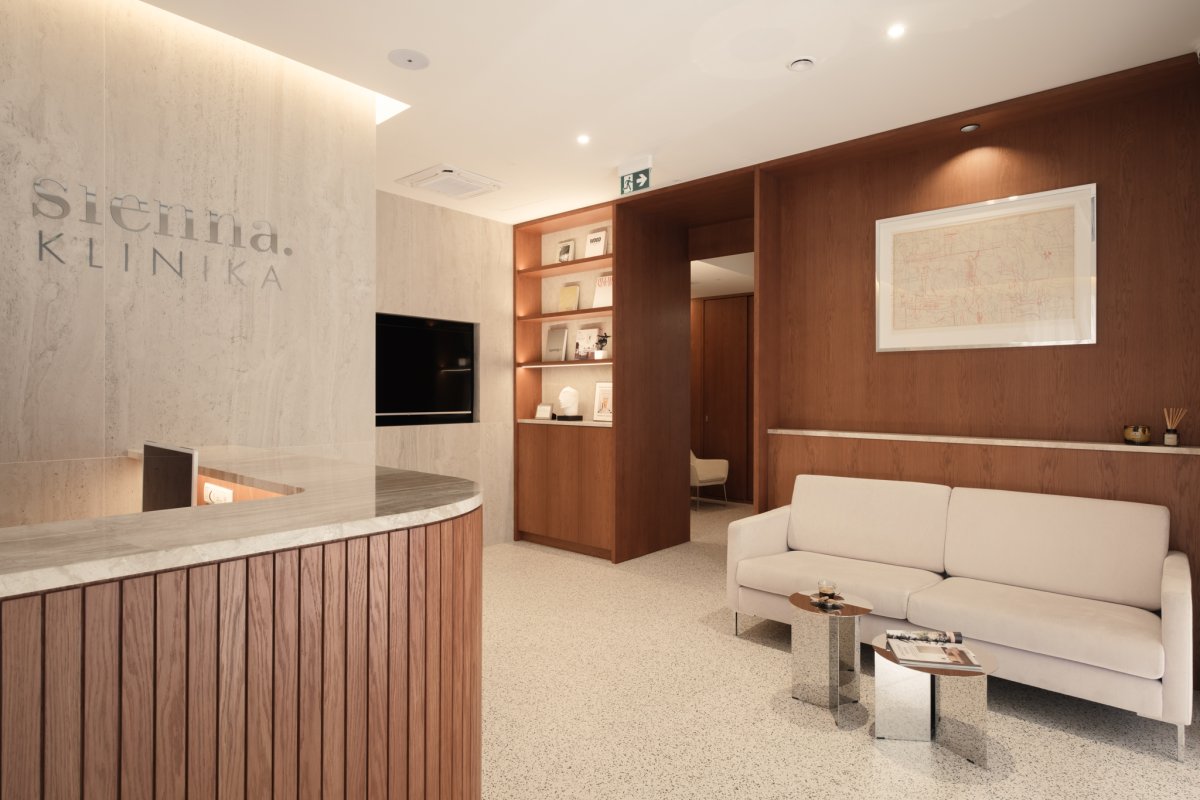
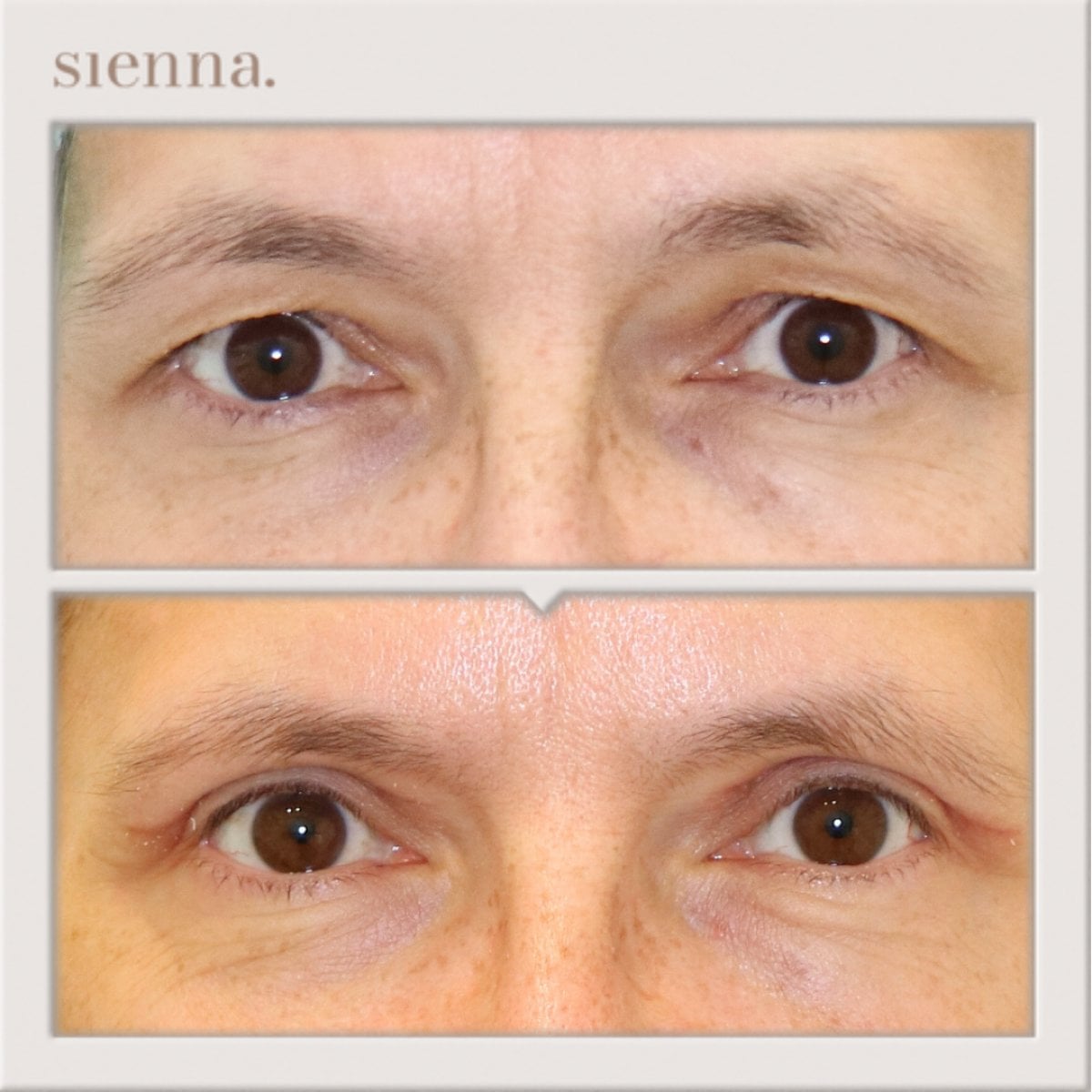
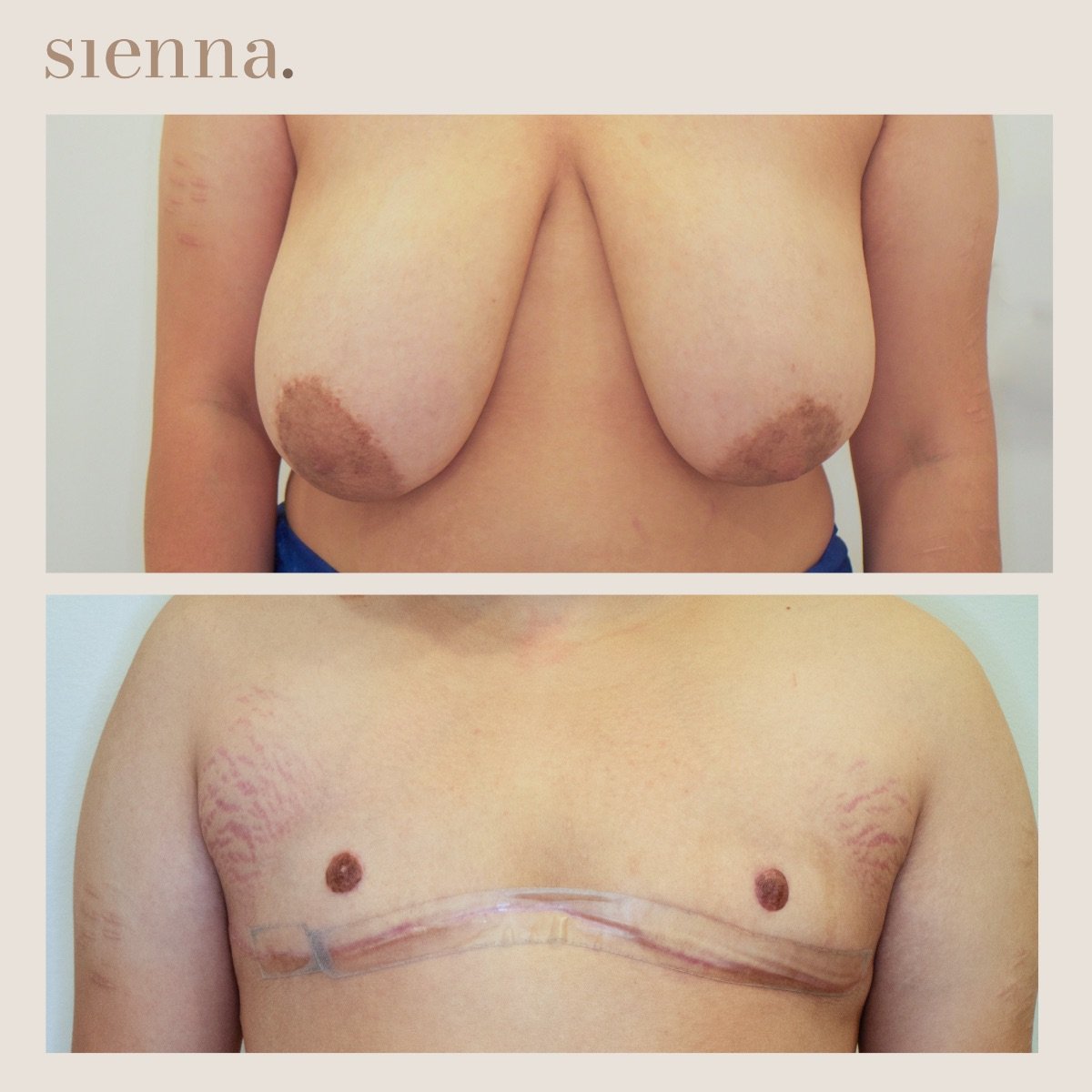
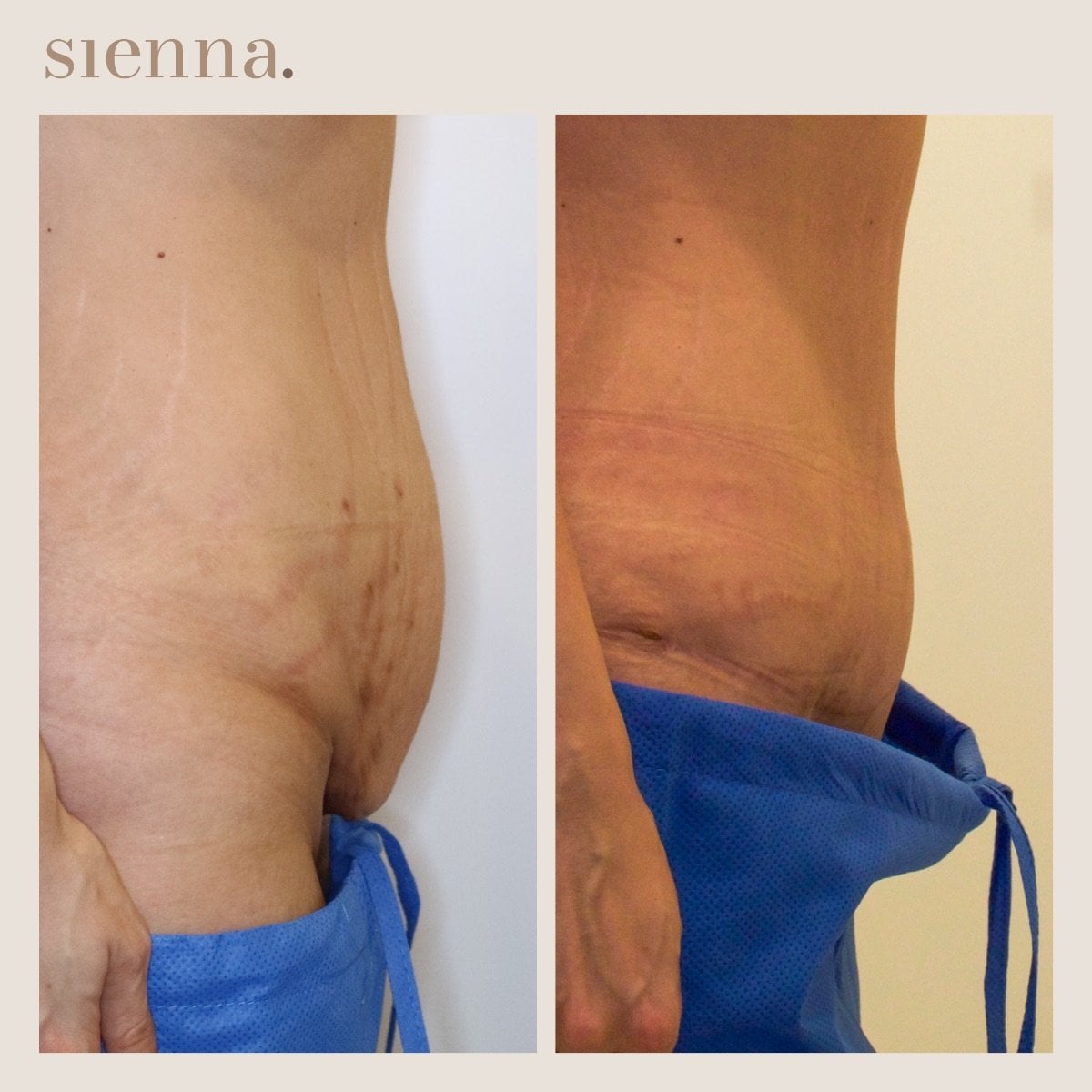
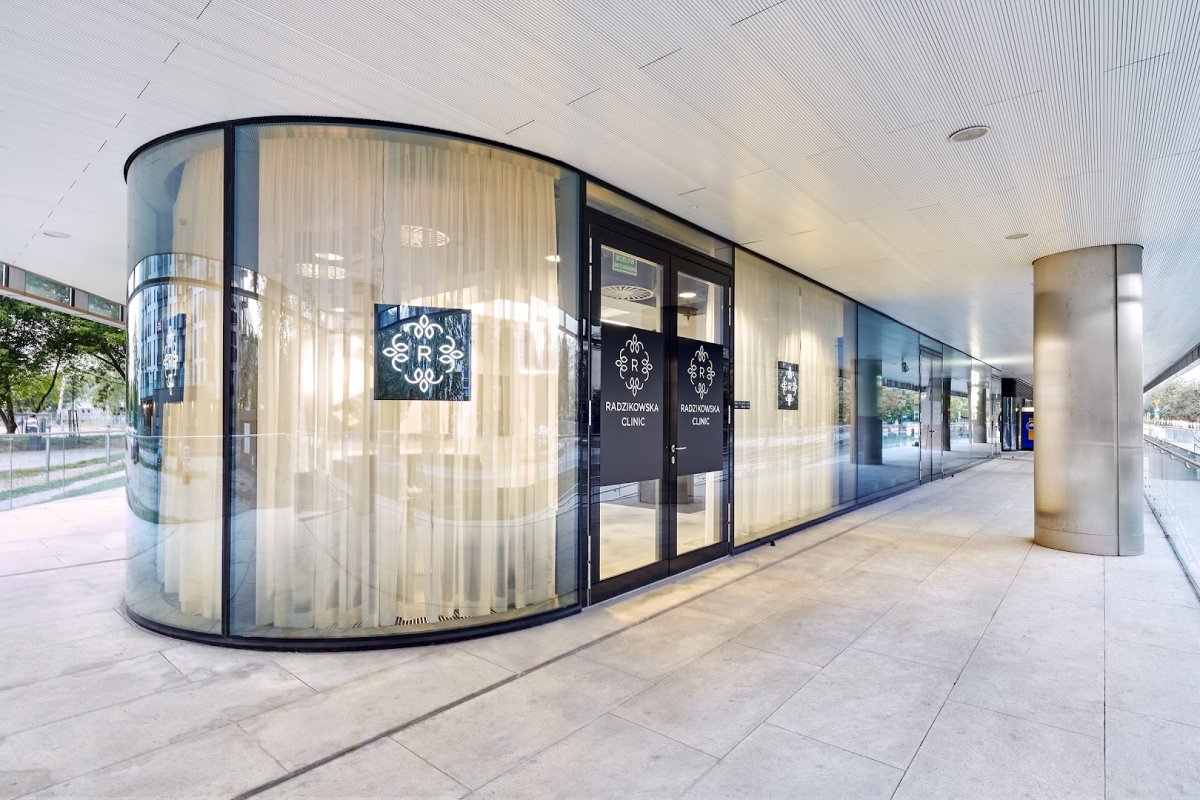
عيادة Radzikowska لجراحة التجميل

University Hospital in Krakow
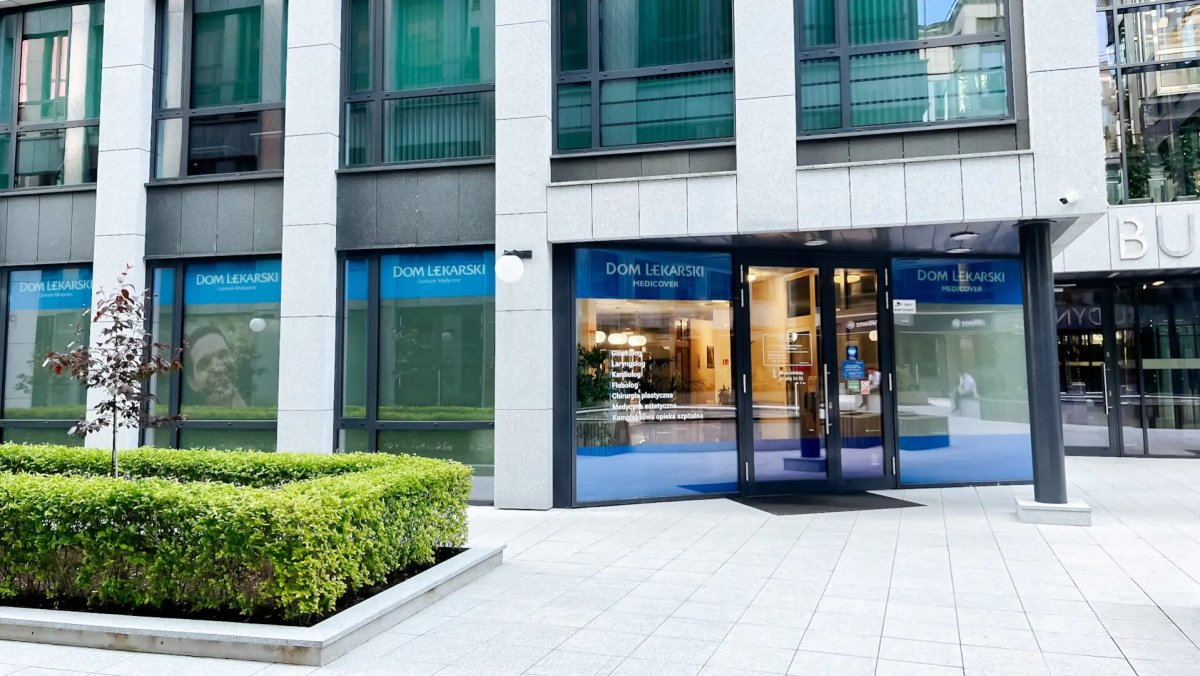
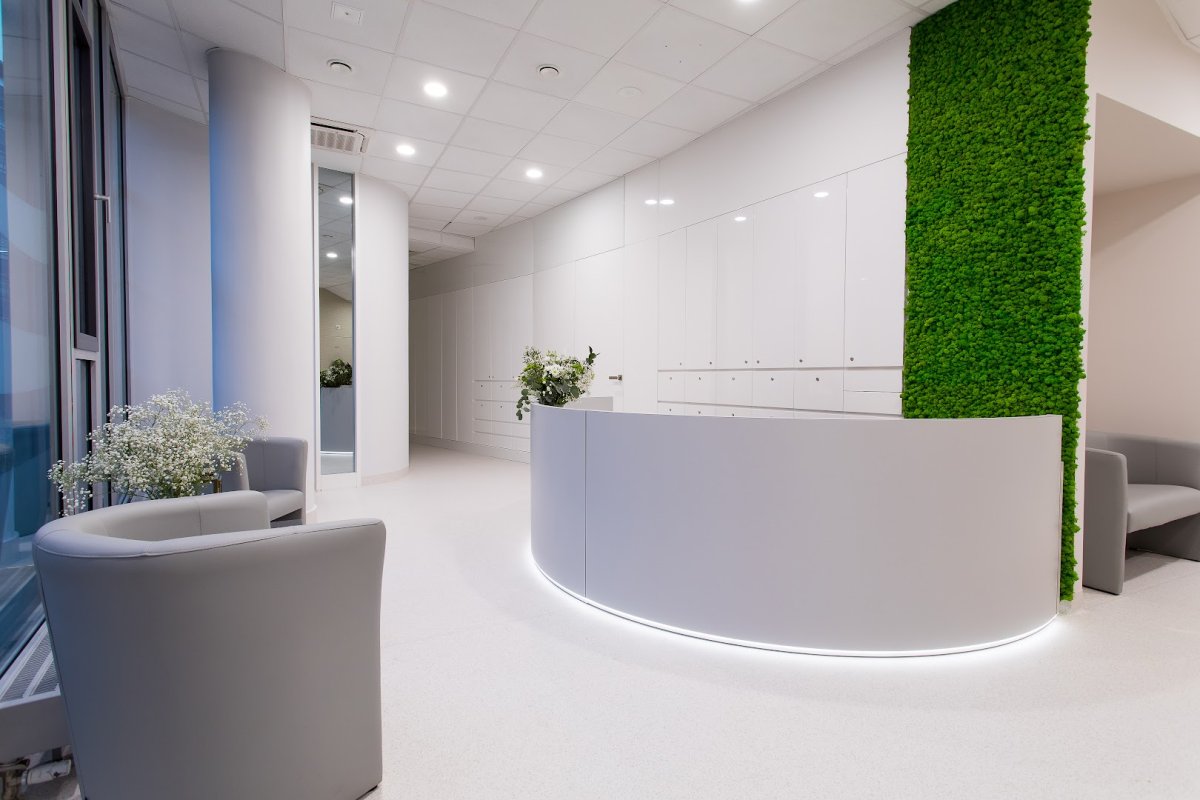
Medi Horizon Clinic
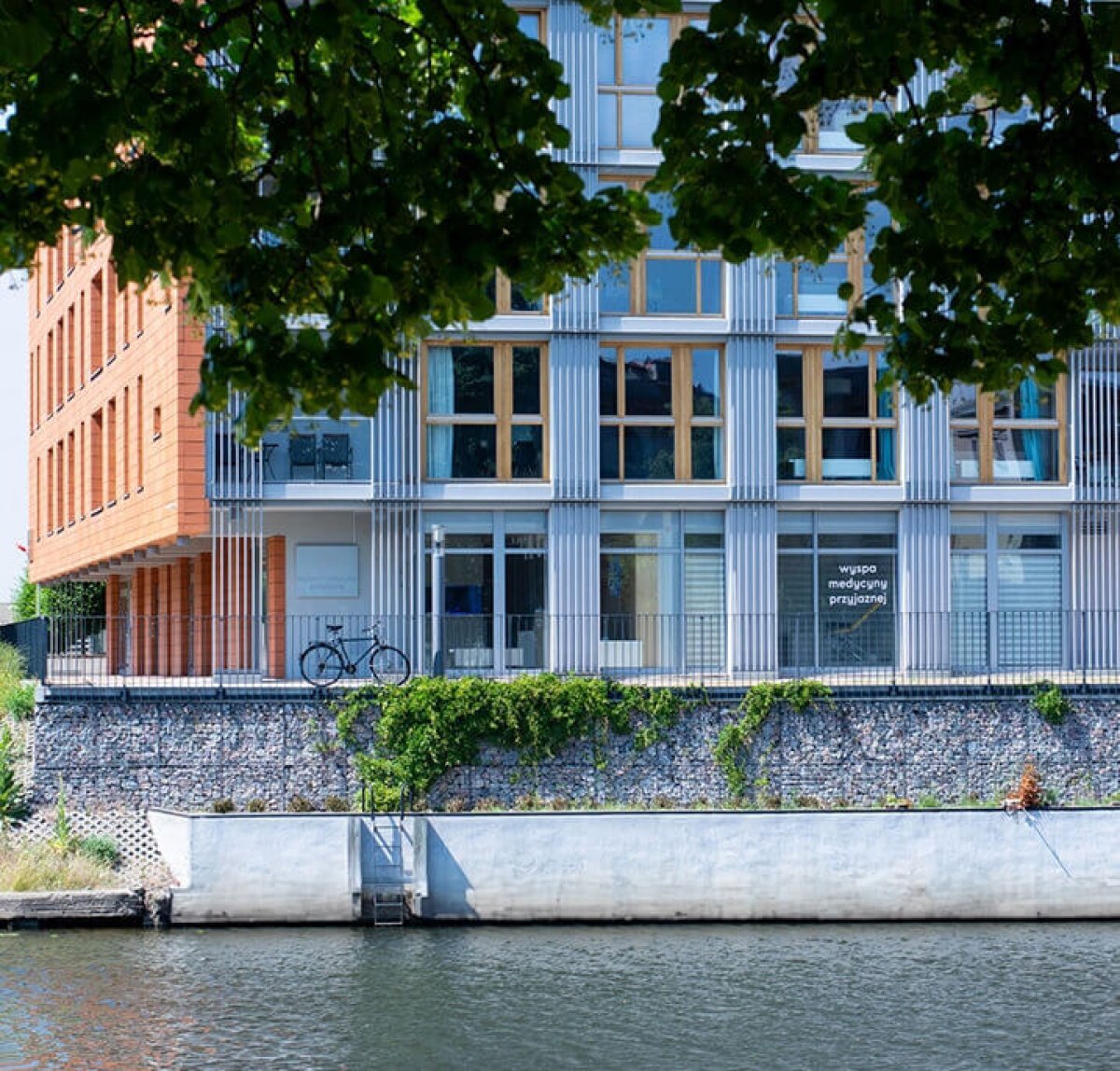
Wyspa Medycyny Przyjaznej Clinic
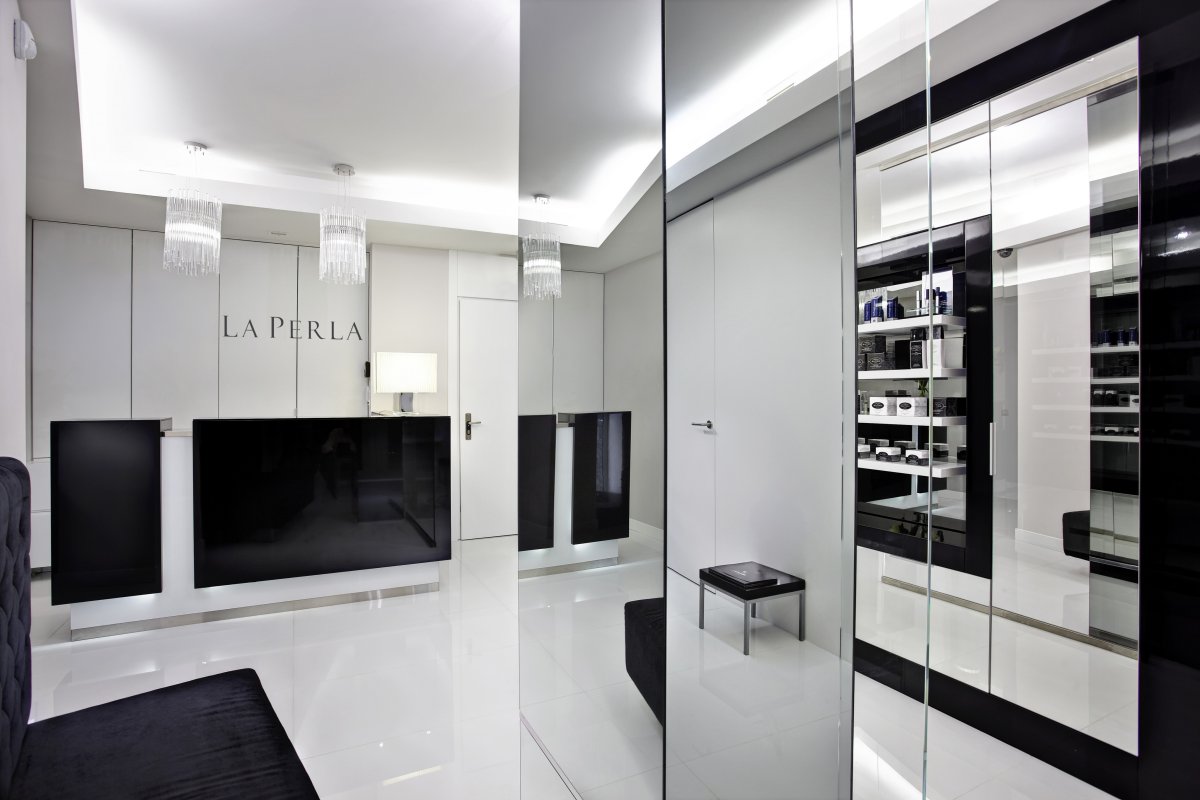
عيادة Klinika La Perla
احصل على تقييم طبي لـ في بولندا. استشر الآن 11 أطباء ذوي الخبرة.
عرض جميع الأطباء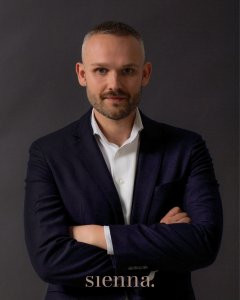
Antoni Krajewski
تخرّج الدكتور أنطوني كرايفسكي من جامعة لودز الطبية. أكمل تخصّصه في قسم الجراحة العامة وجراحة الأوعية الدموية وجراحة الأورام بمستشفى مييندزيلسكي التخصصي في وارسو، ولا يزال يزاول عمله هناك.
يشمل عمله الجراحة العامة وطب وجراحة التجميل، ويطوّر مهاراته عبر برامج تدريب دولية وندوات علمية.
يشارك خبرته كمدرّب في طب التجميل، وبالتعاون مع مركز لوكسمد للتعليم الطبي يقدّم دورات في تقنية زراعة الشعر FUE.
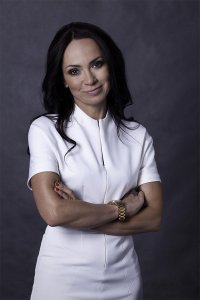
Elzbieta Radzikowska-buchner
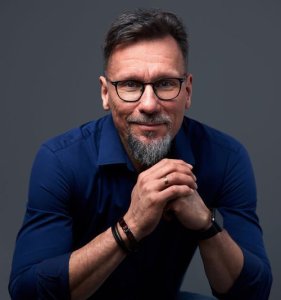
Rafal Kuzlik
Rafał Kuźlik، حاصل على درجتي الطب والدكتوراه، اختصاصي أمراض النساء والتوليد. يحظى باعتراف واسع في الجراحة النسائية التجميلية والترميمية والوظيفية. يُقسم عمله بين وارسو ودبي. لديه خبرة تتجاوز 30 عامًا في الطب وأكثر من 25 عامًا من الممارسة السريرية. شغل منصب رئيس قسم أمراض النساء والتوليد في مستشفى EMC سانت آن بين 2012 و2020. وهو عضو هيئة تدريس في الجامعة الطبية في وارسو. أكمل تدريبًا في جراحة الثدي في Helios Klinikum بألمانيا من 2003 إلى 2010.
هو مبتكر تقنيات One Cut وLinear Z وDouble O
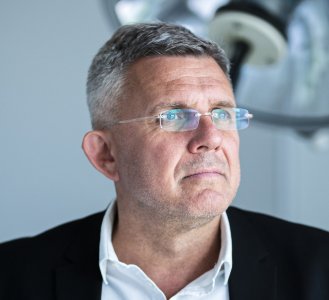
Piotr Ciszewski
مشاركة المحتوى
قصص فيديو من مرضى Bookimed
 Anna Leonova
أسئلة متكررة حول علاج تثدي الرجل في بولندا
هل جراحة التثدي آمنة في بولندا؟
تعد جراحة التثدي في بولندا آمنة وتتبع لوائح الرعاية الصحية الصارمة للاتحاد الأوروبي. تمتلك العديد من المرافق شهادات ISO لضمان جودة موثوقة. توظف العيادات المتخصصة جراحين مثل الدكتورة أدريانا نوفاك في عيادة سيينا. يحافظ هؤلاء الخبراء على معدلات نجاح عالية باستخدام بروتوكولات متقدمة للعناية بالجروح.
- خبرة متخصصة: غالبًا ما يتخصص الجراحون في تقنيات الجراحة العامة والأورام والتجميل.
- بنية تحتية حديثة: تدير عيادة KCM 2500 مريض سنويًا باستخدام معدات تشخيص حديثة.
- معايير الاتحاد الأوروبي: تتبع المرافق بروتوكولات سلامة صارمة للتخدير ومكافحة العدوى.
- متابعة شاملة: تشمل الباقات عمومًا مشدات ضاغطة وأدوية لتعافي أكثر أمانًا.
- فحص الهرمونات: تستخدم العيادات اختبارات الدم لعمل ملف هرموني قبل التدخل الجراحي.
رؤية خبير Bookimed: صعدت بولندا إلى المراكز الخمسة الأولى عالميًا في الطلبات الطبية. تخدم المراكز الكبيرة مثل مستشفى جامعة كراكوف أكثر من 450,000 مريض سنويًا. يضمن هذا الحجم الهائل حفاظ الفرق الطبية البولندية على كفاءة عالية. عند اختيار عيادة، تحقق من العضويات المحددة مثل الجمعية البولندية لإدارة الجروح. تشير هذه الشهادة إلى التركيز على تقليل الندبات وتسريع التعافي.
إجماع المرضى: يلاحظ المرضى أن الجراحين البولنديين غالبًا ما يستخدمون شقوقًا أصغر للحصول على نتائج أقل وضوحًا. يشعر الكثيرون بالأمان هنا أكثر من المراكز الأخرى بسبب التواصل الواضح باللغة الإنجليزية وسهولة رعاية المتابعة.
ما الذي يتم تضمينه عادةً في باقة علاج التثدي الشاملة في بولندا؟
تغطي باقات علاج التثدي الشاملة في بولندا عادةً الإجراء الجراحي، والتخدير، والمستلزمات الأساسية لما بعد الجراحة. تتضمن معظم الخطط مشد ضغط طبي، والأدوية المطلوبة، وزيارات المتابعة. كما تقوم المراكز المتخصصة مثل عيادة سيينا (Sienna Clinic) بدمج بروتوكولات متقدمة للعناية بالجروح لتحسين النتائج الجراحية وسرعة التعافي.
- الأساسيات الطبية: تشمل الإجراء الجراحي، والتخدير، والأدوية السريرية اللازمة.
- معدات التعافي: مشد ضغط طبي متخصص هو المعيار لتحديد شكل الصدر.
- رعاية ما بعد الجراحة: تغطي الباقات مجموعات ضمادات الجروح وفحوصات متابعة متعددة.
- الاختبارات التشخيصية: غالبًا ما تكون ملفات تعريف الهرمونات وتعداد الدم مطلوبة قبل الجراحة.
- الإقامة السريرية: يتم توفير المراقبة، على الرغم من أن العديد من المرضى يحتاجون إلى إقامة محلية لمدة 7 أيام.
رؤية خبير Bookimed: في حين أن العديد من الباقات البولندية شاملة، غالبًا ما يتم استبعاد العناصر اللوجستية مثل إقامات الفنادق وتوصيلات المطار من الأسعار القياسية. على سبيل المثال، تركز الباقات في عيادة سيينا في وارسو بشكل كبير على التعافي السريري، بما في ذلك العناية المتقدمة بالجروح، لكنها تترك الإقامة للمريض. تحقق دائمًا مما إذا كان السعر المدرج يشمل هذه الإضافات لتجنب تكاليف السفر المحلية غير المتوقعة.
إجماع المرضى: يؤكد المرضى على الحاجة إلى وضع ميزانية للعناصر الإضافية مثل اختبارات الهرمونات أو مساعدات التعافي المتخصصة التي لا يتم إدراجها دائمًا في عروض الأسعار الأسا
كم من الوقت يجب أن أبقى في بولندا بعد جراحة التثدي؟
يجب على المرضى التخطيط للبقاء في بولندا لمدة 7 إلى 14 يوماً بعد جراحة التثدي. يضمن هذا الإطار الزمني التئام الجروح بشكل آمن وإكمال زيارات المتابعة الأساسية. عادة ما يتطلب الجراحون إقامة محلية لا تقل عن 3 إلى 5 ليالٍ اعتماداً على تعقيد التقنية.
- إقامة إزالة الغدد: تشير البروتوكولات السريرية إلى إقامة لا تقل عن 2-3 ليالٍ بعد الجراحة.
- التعافي من شفط الدهون: تتطلب إزالة الغدد والدهون مجتمعة عادةً إقامة لمدة 4-5 ليالٍ.
- العناية بالجروح: تستخدم عيادة سيينا (Sienna Clinic) بروتوكولات متقدمة تتطلب فحوصات متخصصة في غضون 7 أيام.
- قيود الطيران: تعتبر الرحلات القصيرة آمنة بشكل عام بعد 7-10 أيام مع الحصول على تصريح جراحي.
رؤية خبير Bookimed: في حين أن الباقات الأساسية في وارسو قد تكلف حوالي 15,000 زلوتي بولندي، إلا أنها غالباً ما تستثني الإقامة. توصي عيادة سيينا بإقامة كاملة في الفندق لمدة 7 أيام لتتوافق مع بروتوكولات العناية بالجروح الخاصة بهم. قد يكون اختيار عيادة مثل عيادة KCM في جيلينيا غورا مفيداً للمرضى الدوليين. إنهم متخصصون في الرعاية متعددة الجنسيات ويقدمون برامج مخصصة تبسط الخدمات اللوجستية المحلية خلال الأسبوع الأول.
إجماع المرضى: يشير المرضى إلى أنه من الضروري البقاء لمدة 10 أيام على الأقل لتجنب مخاطر السفر مثل التورم أو الجلطات. يقترحون حزم ملابس فضفاضة وحجز فندق قريب جداً من العيادة لتوفير الراحة.
كيف يبدو الجدول الزمني للتعافي؟
يسمح التعافي بعد جراحة التثدي في بولندا عادةً بالعودة إلى العمل المكتبي في غضون 7 إلى 14 يومًا. يستأنف المرضى عادةً الأنشطة الخفيفة بعد أسبوعين. يتطلب المجهود البدني الكامل ورفع الأثقال من 4 إلى 8 أسابيع. تستقر النتائج النهائية لتحديد محيط الصدر عادةً في غضون 3 إلى 6 أشهر.
- الشفاء الأولي: يصل معظم التورم والكدمات إلى ذروته بين اليوم الثالث واليوم الخامس بعد الجراحة.
- علاج الضغط: ارتداء مشد ضاغط متخصص إلزامي خلال الأسابيع الأربعة إلى الثمانية الأولى.
- القيود البدنية: يجب على المرضى تجنب رفع أشياء تزيد عن 5 كجم خلال الشهر الأول من التعافي.
- استئناف النشاط: تُستأنف تمارين القلب عادةً حوالي الأسبوع الرابع. يتطلب تدريب الأثقال ما يصل إلى 8 أسابيع.
رؤية خبير Bookimed: تُظهر بيانات التعافي العملية أن اختيار عيادات مثل Sienna Clinic في وارسو يوفر ميزة من خلال بروتوكولات متقدمة للعناية بالجروح. تشمل باقاتهم بشكل خاص مشدًا ضاغطًا وأدوية ما بعد الجراحة. هذه الإضافات بالغة الأهمية لأن الضغط المناسب يمكن أن يقلل التورم الأولي بنسبة تصل إلى 50% خلال الشهر الأول.
إجماع المرضى: يؤكد المرضى على أهمية التخطيط لأخذ إجازة لمدة أسبوعين من العمل والبقاء بالقرب من العيادة خلال الأسبوع الأول. ويشيرون إلى أن الصدر قد يبدو غير متساوٍ مؤقتًا خلال الشهر الثاني قبل استقرار النتائج النهائية.
هل ستكون هناك ندبات مرئية بعد الجراحة؟
تؤدي جراحة التثدي في بولندا إلى ندبات طفيفة حيث يضع الجراحون الشقوق بشكل استراتيجي على طول الحواف الطبيعية للهالة. تضمن التقنيات عالية الدقة مثل الشقوق حول الهالة وثقوب شفط الدهون بحجم 1 سم تلاشي العلامات بشكل كبير في غضون 6 إلى 12 شهرًا لمعظم المرضى.
- موضع الشق: يستخدم الجراحون عادةً حواف الهالة أو ثنيات الجلد الطبيعية لإخفاء العلامات.
- ثقوب شفط الدهون: عادةً ما تختفي الفتحات الصغيرة بحجم 1 سم لإزالة الدهون تمامًا بعد الشفاء.
- استئصال الغدة: قد تتطلب الحالات الشديدة ندبات نصف دائرية أو على شكل مصاصة تحت الهالة.
- تكنولوجيا الإغلاق: غالبًا ما يستخدم المتخصصون البولنديون مثل الدكتورة أدريانا نوفاك غرزًا قابلة للذوبان للحصول على بشرة أكثر نعومة.
رؤية خبير Bookimed: تُظهر البيانات من عيادة Sienna تركيزًا بنسبة 100% على بروتوكولات العناية المتقدمة بالجروح لتحسين النتائج الجراحية. في حين أن التقنيات القياسية فعالة، فإن اختيار عيادة توفر مشدات ضاغطة وأدوية محددة بعد الجراحة، بقيمة تقريبية تبلغ 15,000 زلوتي بولندي، يعد عامل تمييز أساسي لجودة الندبات على المدى الطويل في وارسو.
إجماع المرضى: يلاحظ المرضى أن الندبات حول الهالة تصبح بالكاد مرئية بعد عام. يوصي الكثيرون باستخدام هلام السيليكون أو زيت Bio-Oil بدءًا من أسبوعين بعد الجراحة لضمان التلاشي الأمثل.
هل يمكن أن ينمو التثدي مرة أخرى بعد العملية؟
نتائج جراحة التثدي دائمة بشكل عام لما يقرب من 88% إلى 90% من المرضى. التكرار نادر ولكنه ممكن إذا بقيت أنسجة غدية متبقية وتعرضت لتحفيز هرموني. يمكن أن تؤدي زيادة الوزن الكبيرة أو بعض الأدوية أيضًا إلى تراكم أنسجة دهنية جديدة في الصدر.
- الأنسجة المتبقية: يترك الجراحون الحد الأدنى من الأنسجة للحفاظ على التضاريس الطبيعية، والتي قد تتضخم لاحقًا.
- التحولات الهرمونية: يمكن لاختلال توازن الإستروجين أو التستوستيرون إعادة تحفيز أي خلايا غدية متبقية.
- تقلب الوزن: يمكن أن تحاكي زيادة الدهون الكبيرة التكرار، وهي حالة تسمى التثدي الكاذب.
- المحفزات الخارجية: استخدام المنشطات أو أدوية معينة يمكن أن يثير نموًا جديدًا.
رؤية خبير Bookimed: تعطي العيادات البولندية عالية الجودة مثل عيادة Sienna الأولوية للنتائج طويلة المدى باستخدام بروتوكولات متقدمة للعناية بالجروح. تشمل باقاتهم، التي يبلغ سعرها حوالي 15,000 زلوتي بولندي، مشدات ضغط متخصصة وزيارات متابعة. يعد هذا الدعم الهيكلي حيويًا لأن الضغط المناسب خلال مرحلة الشفاء المبكرة يساعد في منع تراكم الأنسجة الندبية التي غالبًا ما يخطئ المرضى في اعتبارها نموًا جديدًا.
إجماع المرضى: يشير المرضى إلى أنه من المهم تأكيد الإزالة الكاملة من خلال تقرير علم الأمراض بعد الإجراء. كما يسلط الكثيرون الضوء على أن الانتفاخ المبكر عادة ما يكون مجرد تورم مؤقت وليس تكرارًا حقيقيًا.
ما مدى جودة جراحة الأعصاب في بولندا؟
تُقدم جراحة الأعصاب في بولندا رعاية عالية الجودة في مرافق معتمدة من قبل اللجنة الدولية المشتركة (JCI) والمنظمة الدولية للمعايير (ISO). يلتزم جراحو الأعصاب البولنديون بمعايير تدريب صارمة معتمدة من قبل الاتحاد الأوروبي. وقد أكمل العديد منهم زمالات في الولايات المتحدة أو ألمانيا. وتتوفر التقنيات المتقدمة، مثل جهاز سايبر نايف وجهاز جاما نايف والأنظمة الروبوتية، على نطاق واسع في المراكز الخاصة.
- المؤهلات التخصصية: غالباً ما يكون الأطباء أعضاء في الرابطة الأوروبية لجمعيات جراحة الأعصاب.
- التقنيات المتقدمة: تستخدم العيادات أنظمة CyberKnife والموجات فوق الصوتية المركزة الموجهة بالرنين المغناطيسي لعلاج الدماغ غير الجراحي.
- الحجم السريري: تعالج المراكز الرائدة مثل مستشفى الجامعة في كراكوف أكثر من 455000 مريض سنوياً.
- جراحون ذوو خبرة: أجرى الدكتور ماسيج بوجكو من مستشفى كارولينا أكثر من 2500 عملية جراحية بمفرده.
رأي خبراء بوكيمد: تُظهر البيانات وجود علاقة وثيقة بين تخصص العيادة وأصول مرضاها. تعالج عيادة KCM أكثر من 700 مريض دولي سنويًا، وهي متخصصة في جراحة العمود الفقري طفيفة التوغل. يُمكّنها هذا الحجم من العمل من تقديم باقات خدمات متخصصة، تشمل غالبًا حواجز تشخيصية وزرعات محددة،
ما هي مؤهلات جراحي الأعصاب البولنديين؟
يُعدّ جراحو الأعصاب البولنديون متخصصين ذوي كفاءة عالية، إذ أتموا ما لا يقل عن 13 عامًا من التدريب الطبي المكثف. يشمل ذلك ست سنوات من الدراسة في كلية الطب، و13 شهرًا من التدريب العملي، وست سنوات من الإقامة. ويجب عليهم اجتياز امتحان التخصص الحكومي (PES)، وغالبًا ما يحصلون على شهادة من الجمعية الأوروبية لجمعيات جراحة الأعصاب (EANS).
- التعليم: يتلقى الأطباء تعليمهم الطبي (الطب) بعد 6 سنوات من الدراسة في الجامعة.
- التخصص: تشمل الإقامة 6 سنوات من التدريب المعياري في جراحة الأعصاب السريرية وعلم الأشعة العصبية.
- حجم العمليات الجراحية: غالبًا ما يقوم الأطباء المقيمون بإجراء أكثر من 1000 عملية جراحية، وهو ما يتجاوز متوسط حجم التدريب في المناطق الأخرى.
- الشهادات: العديد من المتخصصين أعضاء في منظمة AO Spine أو الجمعية البولندية لجراحة العمود الفقري.
رأي خبراء بوكيميد: تشير البيانات إلى أن جراحي الأعصاب البولنديين غالبًا ما يتخصصون في تقنيات بالغة التخصص، مثل نظام ApiFix أو نظام SED-YESS لتنظير الفقرات القطنية. ويجمع أخصائيون مثل الدكتور ستانيسواف كويك من عيادة KCM بين أبحاث ما بعد الدكتوراه والممارسة الجراحية النشطة. هذا المزيج من المعرفة الأكاديمية المتعمقة والخبرة الجراحية الوا
ما هي أفضل عيادات جراحة الأعصاب في بولندا؟
من بين أفضل عيادات جراحة الأعصاب في بولندا مستشفى كارولينا، وعيادة KCM، ومراكز أكاديمية رائدة مثل مستشفى جامعة كراكوف. تقدم هذه المؤسسات علاجات متطورة لأمراض العمود الفقري والدماغ، مطابقة لمعايير الجودة ISO، وتضم أخصائيين أعضاء في منظمات دولية مثل AO Spine.
- مستشفى كارولينا: مركز التميز الطبي التابع للفيفا، والمتخصص في جراحات العمود الفقري المعقدة ذات التدخل الجراحي المحدود.
- عيادة KCM: معترف بها دوليًا لجودة إجراءات تنظير العمود الفقري، وتخدم أكثر من 700 مريض دولي سنويًا.
- مستشفى جامعة كراكوف: مركز متعدد التخصصات كبير يقوم بإجراء أكثر من 800 عملية جراحية عصبية سنوياً منذ عام 1788.
- لوكسميد: مركز طبي خاص مرموق في وارسو متخصص في جراحة العمود الفقري المتقدمة للمرضى الدوليين.
رأي خبراء بوكيمد: بينما يتجه الكثيرون إلى أكبر المستشفيات، تُظهر البيانات أن عيادات مثل مستشفى كارولينا تُقدم كفاءة أعلى في العمليات الجراحية الاختيارية. فمع وجود أكثر من 40 طبيباً متخصصاً في هذه المنشأة التي تضم 30 سريراً، تكون نسبة الأطباء إلى المرضى أعلى بكثير مما هي عليه في المراكز الجامعية الحكومية. وهذا يعني رعاية ما بعد الجراحة أكثر عناية، وجدولة أسرع بكثير لإجراءات مثل علاج الانزلاق الغضروفي
ما هي أكثر العمليات الجراحية العصبية شيوعاً في بولندا؟
في بولندا، يركز طب جراحة الأعصاب بشكل أساسي على جراحات العمود الفقري واستئصال أورام الدماغ. وتُجري المستشفيات بشكل متكرر عمليات استئصال القرص المجهرية، ودمج الفقرات، وتحفيز الدماغ العميق. وتستخدم مراكز مثل مستشفى كارولينا وعيادة كي سي إم تقنيات طفيفة التوغل لعلاج الانزلاق الغضروفي، وإصابات العمود الفقري، والاضطرابات العصبية المعقدة.
- جراحة العمود الفقري: يعتبر استئصال القرص واستئصال الصفيحة الفقرية من العلاجات الشائعة لانزلاق القرص.
- علم الأورام العصبية: يقوم الأخصائيون بإجراء عمليات جراحية لإزالة أورام الدماغ باستخدام معدات حديثة مثل تقنية سايبر نايف.
- جراحة الأعصاب الوظيفية: يستخدم التحفيز العميق للدماغ (DBS) على نطاق واسع لعلاج اضطرابات الحركة.
- التقنيات طفيفة التوغل: يستخدم الجراحون تقنيات التنظير الداخلي لتخفيف الضغط عن العمود الفقري وعلاج أورام الغدة النخامية.
رأي خبراء بوكيميد: أصبحت بولندا مركزًا متخصصًا في تثبيت العمود الفقري. تتعاون عيادات مثل مستشفى كارولينا مع الفرق الرياضية الوطنية، مما يعكس خبرتها العالية في علاج إصابات العمود الفقري المعقدة. تُظهر بياناتنا أن هذه المؤسسات غالبًا ما تُدمج إعادة التأهيل مباشرةً في العلاج الجراحي. هذا الدمج يقلل من خطر الم