تثدي الرجل العلاج في إيطاليا - التكاليف 2026


تمت مراجعة المقالة طبيا من قبل
فهد مولود
ما هي تكلفة تثدي الرجل إجراءات التشخيص والعلاج في إيطاليا؟ اعرف الآن
مزاياك وضماناتك مع Bookimed
أسعار مباشرة
Bookimed لا يضيف رسوماً إضافية على أسعار علاج تثدي الرجل. الأسعار مأخوذة من قوائم الأسعار الرسمية للعيادات. تدفع مباشرة في العيادة مقابل علاجك عند وصولك إلى البلد.
عيادات وأطباء معتمدون فقط
Bookimed ملتزم بسلامتك. نحن نعمل فقط مع المؤسسات الطبية التي تحافظ على معايير دولية عالية في علاج تثدي الرجل ولديها التراخيص اللازمة لخدمة المرضى الدوليين في جميع أنحاء العالم.
مساعدة مجانية على مدار الساعة
Bookimed يقدم مساعدة خبراء مجانية. منسق طبي شخصي يدعمك قبل وأثناء وبعد العلاج، ويحل أي مشاكل. لن تكون وحيداً أبداً في رحلة علاج تثدي الرجل.

منسقك الطبي الشخصي في Bookimed
- يدعمك في كل مرحلة
- المساعدة في اختيار العيادة الطبية المناسبة والطبيب المناسب
- يضمن الوصول السريع والمريح إلى المعلومات
اكتشف أفضل تثدي الرجل العيادات في إيطاليا: 5 خيارات معتمدة والأسعار




La Madonnina Clinic

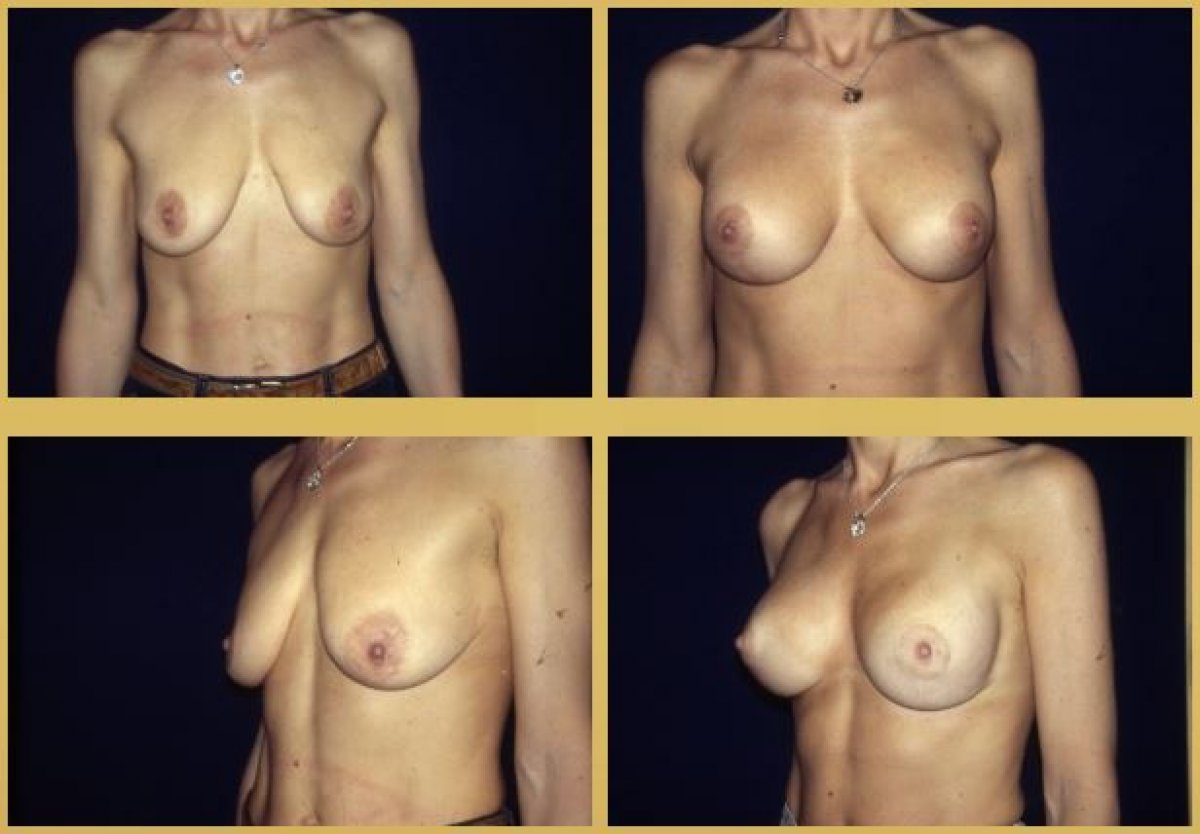


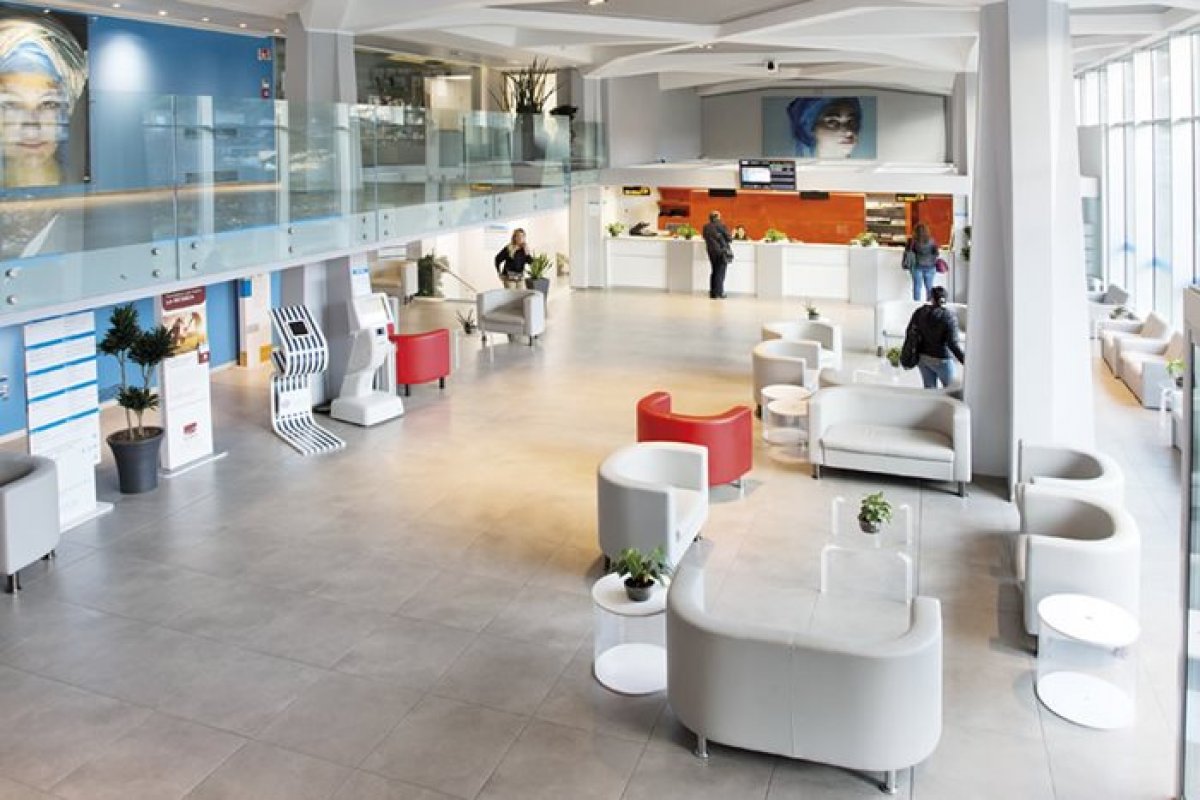



Ruesch Clinic
احصلوا على تقييم طبي لـ تثدي الرجل في إيطاليا: استشيروا أطباء ذوي خبرة الآن
عرض جميع الأطباء
Egle Muti
تتخصص البروفيسورة إيجل موتي في جراحة الثدي، مع التركيز على إعادة البناء بعد استئصال الثدي وعلاج الثدي الأنبوبي. وهي أستاذة في جامعة سان لويجي غونزاغا الطبية.
- متخصصة في الجراحة التجميلية والترميمية والتجميلية
- عضو في مجموعات دراسة FONCAM و SICPRE
- متحدثة مدعوة في مؤتمرات دولية
- مدرسة سابقة في جامعة بروكسل الحرة
مشاركة المحتوى
قصص فيديو من مرضى Bookimed
 Anna Leonova
أسئلة متكررة حول علاج تثدي الرجل في إيطاليا
هل جراحة التثدي مغطاة من قبل الخدمة الصحية الوطنية الإيطالية (SSN)؟
تغطي الخدمة الصحية الوطنية الإيطالية (SSN) جراحة التثدي فقط لأسباب طبية موثقة. تنطبق التغطية على النمو الغدي الحقيقي الناجم عن اختلالات هرمونية أو مخاطر ورمية. الإجراءات التجميلية للأنسجة الدهنية، المعروفة باسم التثدي الكاذب، مستبعدة عمومًا من النظام العام.
- الضرورة الطبية: يجب على المرضى إثبات وجود أمراض في الأنسجة الغدية أو ألم وظيفي شديد للحصول على التغطية.
- إحالة الأخصائي: يجب أن يقدم الممارس العام إحالة إلى طبيب الغدد الصماء أو جراح.
- الاختبارات التشخيصية: يجب أن يؤكد التصوير بالموجات فوق الصوتية أو تصوير الثدي بالأشعة وجود أنسجة غدية فوق الدهون.
- فترة الانتظار: غالبًا ما تواجه الحالات العامة المعتمدة قوائم انتظار جراحية تتراوح من 6 إلى 18 شهرًا.
رؤية خبير Bookimed: يجري مستشفى سان رافاييل في ميلانو أكثر من 52,000 عملية سنويًا ويحمل حالة IRCCS من وزارة الصحة. يضمن هذا الحجم الكبير من الإجراءات المتخصصة عادةً مسارات تشخيصية أكثر قوة للحالات المعقدة. غالبًا ما توفر مراكز الأبحاث الكبيرة ملفات تعريف هرمونية أكثر دقة من العيادات الإقليمية الأصغر.
إجماع المرضى: يشير المرضى إلى أن الحصول على الموافقة يتطلب غالبًا توثيقًا مستمرًا للانزعاج الجسدي. يجد الكثيرون أن البدء بتقييم طبيب الغدد الصماء يحسن بشكل كبير من فرص نجاح مطالبة الصحة العامة.
كيف أعرف ما إذا كنت أعاني من التثدي الحقيقي أم التثدي الكاذب، وهل يختلف العلاج؟
يتضمن التثدي الحقيقي أنسجة غدية كثيفة تحت الحلمة. يتكون التثدي الكاذب من رواسب دهنية ناعمة موزعة عبر الصدر. يتطلب التمييز بينهما فحصاً جسدياً من قبل متخصص. غالباً ما يكون التثدي الحقيقي صلباً أو مطاطياً عند اللمس. أما التثدي الكاذب فيكون ناعماً مثل الدهون في أجزاء أخرى من الجسم.
- قوام الغدة: يشبه التثدي الحقيقي وجود كتلة صلبة خلف الهالة.
- قوام الدهون: التثدي الكاذب يكون طرياً ويفتقر إلى وجود غدة صلبة تحت الجلد.
- جراحة الاستئصال: تتطلب الأنسجة الغدية إزالة جراحية لأن التمارين الرياضية لا يمكنها حرقها.
- نهج شفط الدهون: غالباً ما يستجيب التثدي الكاذب لشفط الدهون أو فقدان الوزن وتغييرات نمط الحياة.
رؤية خبير Bookimed: تركز العيادات الإيطالية مثل San Raffaele و Ospedale Santa Maria بشكل كبير على دقة التشخيص قبل الجراحة. تظهر بياناتنا أن المرافق الرائدة تجمع بين الجراحة التجميلية وأبحاث الغدد الصماء لاستبعاد الأسباب الهرمونية. على سبيل المثال، حصل San Raffaele على اعتماد IRCCS لجمعه بين البحث والرعاية السريرية. يضمن هذا النهج المزدوج أنك لا تعالج العرض الجسدي فحسب، بل تعالج أولاً أي اختلالات هرمونية كامنة.
إجماع المرضى: يحذر المرضى من استخدام اختبارات القرص في المنزل لأنها غالباً ما تكون غير دقيقة. ويؤكدون أن الفحص اليدوي فقط من قبل جراح متخصص يمكنه تأكيد ما إذا كانت حالتك دهوناً خالصة أو مزيجاً غدياً.
كم تستغرق فترة التعافي، ومتى يمكنني العودة إلى العمل وممارسة الرياضة؟
يستغرق التعافي بعد علاج التثدي في إيطاليا عمومًا من 6 إلى 12 أسبوعًا لإعادة تشكيل الأنسجة بالكامل. يعود معظم المرضى إلى العمل المكتبي في غضون 3 إلى 7 أيام. يُنصح بالمشي الخفيف بعد 48 ساعة. تتطلب التمارين الشاقة فترة انتظار مدتها 6 أسابيع لضمان الحصول على أفضل النتائج.
- العمل المكتبي: العودة في غضون 3-7 أيام حسب مدى الإجراء.
- العمل اليدوي: خطط لأخذ إجازة لمدة 1-2 أسبوع للوظائف التي تتطلب مجهودًا بدنيًا.
- التمارين الخفيفة: ابدأ بالمشي اللطيف أو ركوب الدراجة الثابتة بعد 3 أسابيع.
- تمارين الصدر: تجنب رفع الأثقال أو تدريبات المقاومة لمدة 6-8 أسابيع.
رؤية خبراء Bookimed: تشير البيانات الواردة من العيادات الإيطالية مثل سان رافاييل ولا مادونينا إلى أن سرعة التعافي تعتمد غالبًا على التقنية الجراحية المستخدمة. عادةً ما تسمح إجراءات شفط الدهون فقط بالعودة إلى العمل في غضون 2-4 أيام فقط. الحالات التي تتضمن استئصال الغدد تتطلب عادةً أسبوعًا كاملاً من الراحة للسيطرة على التورم الأولي. يمكنك توقع أن تتراوح تكاليف هذه الإجراءات في إيطاليا بين 4000 دولار و7000 دولار.
إجماع المرضى: يؤكد المرضى أن ارتداء ملابس الضغط على مدار الساعة طوال أيام الأسبوع خلال الشهر الأول أمر ضروري لتقليل التورم. يشير الكثيرون إلى أن حساسية الحلمة المستمرة أمر شائع وقد يؤخر تمارين الصالة الرياضية الخاصة بالصدر لعدة أشهر.
ما هي العيادات الأكثر شهرة في إيطاليا لجراحة التثدي؟
توفر إيطاليا مراكز مرموقة لجراحة التثدي في ميلانو وروما وتورينو. تشمل أفضل المرافق مستشفى سان رافاييل، الذي يجري أكثر من 52,000 عملية سنوياً، وعيادة لا مادونينا. يقدم جراحون مثل البروفيسورة إيجل موتي في سانتا كاترينا دا سيينا جراحة ثدي متخصصة باستخدام تكنولوجيا حديثة.
- مستشفى سان رافاييل: مستشفى بحثي معتمد من IRCCS في ميلانو يجري أكثر من 52,000 عملية سنوياً.
- عيادة لا مادونينا: مرفق متميز في ميلانو يعالج عملاء رفيعي المستوى ضمن أكبر مجموعة طبية في إيطاليا.
- قيادة جراحية خبيرة: البروفيسورة إيجل موتي في تورينو متخصصة في جراحة إعادة بناء الثدي المعقدة.
- تكنولوجيا جراحية متقدمة: تستخدم عيادة رويش في نابولي نظام دافنشي إكس آي الروبوتي.
رؤية خبير Bookimed: غالباً ما تفصل العيادات الإيطالية بين الرعاية الطبية العامة والتميز التجميلي. يخدم سان رافاييل أكثر من 300,000 مريض ويحمل حالة بحثية من IRCCS للحالات المعقدة. في الوقت نفسه، تركز لا مادونينا على رعاية البوتيك المتميزة لحوالي 3,800 مريض. يعتمد اختيار المركز على ما إذا كنت تقدر البنية التحتية البحثية الضخمة أو الضيافة الشخصية الراقية.
إجماع المرضى: يشير المرضى إلى أن عيادات ميلانو وروما توفر عادةً موظفين يتحدثون الإنجليزية. ويؤكدون على أهمية توظيف جراحي تجميل معتمدين وطلب إجراء فحص بالموجات فوق الصوتية قبل الجراحة لتحديد أنواع الأنسجة بشكل صحيح.
ما هي المعلومات الأساسية التي يجب أن أطلبها أثناء الاستشارة الجراحية؟
أثناء استشارة علاج التثدي في إيطاليا، اطلب تفاصيل حول التقنيات الجراحية ومؤهلات الجراح. تأكد مما إذا كان الإجراء يتضمن استئصال الأنسجة الغدية أو شفط الدهون فقط. تحقق من اعتمادات المنشأة مثل IRCCS أو JCI. اطلب إجراء فحص دم للملف الهرموني لتحديد الأسباب الكامنة قبل الجراحة.
- التقنية الجراحية: وضح ما إذا كان استئصال الغدد مشمولاً لمنع تكرار الحالة بنسبة 20% إلى 30%.
- خبرة الجراح: تحقق من العضوية في منظمات مثل مجموعة دراسة SICPRE لجراحة الثدي.
- معايير المنشأة: اختر المستشفيات الحاصلة على اعتماد IRCCS أو اعتراف Newsweek للبحوث السريرية.
- الرعاية بعد الجراحة: اسأل عن مدة ارتداء مشد الضغط والجدول الزمني للتخلص النهائي من التورم.
رؤية خبير Bookimed: بينما تقدم إيطاليا مستشفيات بحثية مرموقة مثل سان رافاييل التي تخدم 300,000 مريض سنوياً، غالباً ما يجد مرضى التثدي رعاية شخصية أفضل في وحدات جراحة التجميل المتخصصة. يركز متخصصون مثل البروفيسورة الدكتورة إيجل موتي في سانتا كاترينا دا سيينا بشكل خاص على إعادة بناء الثدي. غالباً ما تؤدي درجة التخصص هذه في العيادات الصغيرة إلى نتائج جمالية أكثر دقة من أقسام الجراحة العامة.
إجماع المرضى: يؤكد المرضى على أهمية طلب سياسة المراجعة مسبقاً لأن التعديلات الطفيفة شائعة. من الضروري رؤية صور الندبات لمرضى سابقين لفهم نمط الشفاء النموذجي للشقوق حول الهالة.
ما هي التقنيات الجراحية المتاحة في إيطاليا، وكيف يتم اختيارها؟
يختار الجراحون الإيطاليون تقنيات علاج التثدي بناءً على نتائج الموجات فوق الصوتية وتصوير الثدي بالأشعة السينية للتمييز بين الأنسجة الدهنية والغدية. تشمل الخيارات شفط الدهون بتقنية Vaser لعلاج التثدي الكاذب الدهني، والاستئصال الجراحي للغدة لحالات التثدي الغدي الحقيقي. يتلقى معظم المرضى مزيجاً من كليهما للحصول على أفضل تحديد لشكل الصدر.
- التصوير التشخيصي: تقيّم الموجات فوق الصوتية أو تصوير الثدي بالأشعة السينية كثافة الأنسجة لتحديد النهج الجراحي الدقيق.
- استئصال الغدة: تسمح الشقوق حول الهالة بالإزالة الكاملة للأنسجة الغدية الصلبة.
- شفط الدهون بتقنية Vaser: تعمل التكنولوجيا المساعدة بالموجات فوق الصوتية على تفتيت الدهون مع شد الجلد بأقل قدر من الندبات.
- معايير الاختيار: يعطي الجراحون الإيطاليون الأولوية للمبادئ التوجيهية السريرية وتكوين الأنسجة أثناء التخطيط قبل الجراحة.
رؤية خبير Bookimed: غالباً ما تدمج العيادات الإيطالية الأبحاث المتخصصة في الممارسة السريرية. يجري مستشفى سان رافاييل في ميلانو أكثر من 52,000 عملية سنوياً، مما يؤكد على الخبرة العالية. في مراكز مثل سانتا كاترينا دا سيينا، يمكن للمرضى العثور على متخصصين مثل البروفيسورة إيجل موتي التي تجمع بين الجراحة التجميلية والأورام السريرية. هذا التخصص المتقاطع المحدد قيم لضمان فحص كتل الصدر بشكل صحيح قبل الإزالة التجميلية.
إجماع المرضى: يشير المرضى إلى أنه من المهم التحقق من إدراج استئصال الغدة في الخطة. ويفيدون بأن اختيار شفط الدهون وحده غالباً ما يؤدي إلى تكرار الح