عيادة التجميل والجراحة التجميلية Elite Clinic
بولندا, وارسو


تمت مراجعة المقالة طبيا من قبل
فهد مولود
تعكس تكلفة علاج الثعلبة في بولندا التحول من الرعاية الطبية المستمرة إلى الترميم الجراحي المتقدم. من $55. تعتمد النفقات الإجمالية على عدد البصيلات والتقنية المختارة. عادةً ما يحقق المرضى وفورات تتراوح بين 40-60% مقارنة بالولايات المتحدة. تشمل الوجهات الرئيسية لهذه الإجراءات وارسو، وكراكوف، وبييلسكو-بياوا.
تكاليف علاج الثعلبة النموذجية في بولندا
رؤية خبراء Bookimed: بالنسبة لحالات الترقق الشديد، يوفر الترميم الجراحي القيمة الأكثر ديمومة. يستخدم مركز San-Medical لزراعة الشعر تقنيات الاقتطاف (FUE) لزراعة 3000 بصيلة في جلسة واحدة دون ندبات. يفضل المرضى الدوليون من المملكة المتحدة وألمانيا العيادات المعتمدة من قبل الجمعية الدولية لجراحة استعادة الشعر (ISHRS) نظراً لمعاييرها السريرية العالية. إذا كان تساقط الشعر هرمونياً، ابدأ بالمراكز متعددة التخصصات مثل المستشفى الجامعي في كراكوف، الذي يعالج 455,000 مريض سنوياً عبر 103 أقسام متخصصة.
| بولندا | تركيا | إسبانيا | |
|---|---|---|---|
| زرع اللحية | من $1,700 | من $1,300 | من $2,900 |
| زرع الشعر بتقنية FUE | من $3,500 | من $1,500 | من $2,800 |
| زرع الشعر بتقنية DHI | ≈ $2,600 | من $1,800 | من $3,500 |
| زراعة الشعر بالخلايا الجذعية | من $3,300 | من $5,100 | ≈ $3,800 |
| زراعة الشعر | من $2,300 | من $1,500 | من $3,400 |
Bookimed لا يضيف رسوماً إضافية على أسعار علاج الثعلبة. الأسعار مأخوذة من قوائم الأسعار الرسمية للعيادات. تدفع مباشرة في العيادة مقابل علاجك عند وصولك إلى البلد.
Bookimed ملتزم بسلامتك. نحن نعمل فقط مع المؤسسات الطبية التي تحافظ على معايير دولية عالية في علاج الثعلبة ولديها التراخيص اللازمة لخدمة المرضى الدوليين في جميع أنحاء العالم.
Bookimed يقدم مساعدة خبراء مجانية. منسق طبي شخصي يدعمك قبل وأثناء وبعد العلاج، ويحل أي مشاكل. لن تكون وحيداً أبداً في رحلة علاج الثعلبة.

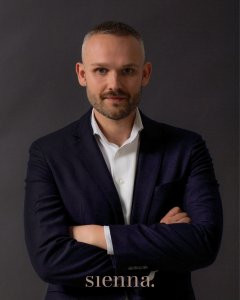
تخرّج الدكتور أنطوني كرايفسكي من جامعة لودز الطبية. أكمل تخصّصه في قسم الجراحة العامة وجراحة الأوعية الدموية وجراحة الأورام بمستشفى مييندزيلسكي التخصصي في وارسو، ولا يزال يزاول عمله هناك.
يشمل عمله الجراحة العامة وطب وجراحة التجميل، ويطوّر مهاراته عبر برامج تدريب دولية وندوات علمية.
يشارك خبرته كمدرّب في طب التجميل، وبالتعاون مع مركز لوكسمد للتعليم الطبي يقدّم دورات في تقنية زراعة الشعر FUE.
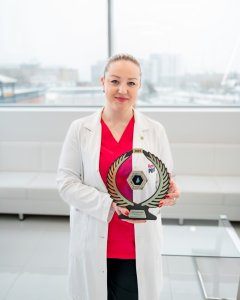
الدكتورة ماريانا ميسلوفيتش طبيبة جلدية وأخصائية أمراض الشعر وخبيرة زراعة شعر، بخبرة تتجاوز 9 سنوات في استعادة الشعر. أسست العيادة وتشغل منصب الطبيبة الرئيسية. تُدرّب فريق الزراعة على أساليبها وتلتزم بالمعايير الطبية الأوروبية. وهي عضو في الجمعية الأوروبية لأبحاث الشعر وتحمل ترخيصاً طبياً بولندياً سارياً.
أجرت الدكتورة ماريانا عدة آلاف من عمليات زراعة الشعر، وتركّز على نتائج طبيعية وغير ملحوظة. صمّمت كل خطوة في العملية. تستخدم تقنية Micro FUE أدوات فائقة الصِغَر لتقليل الأذى النسيجي. وت
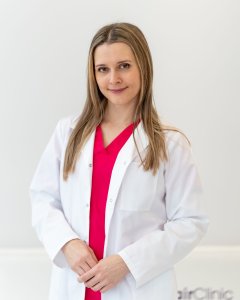
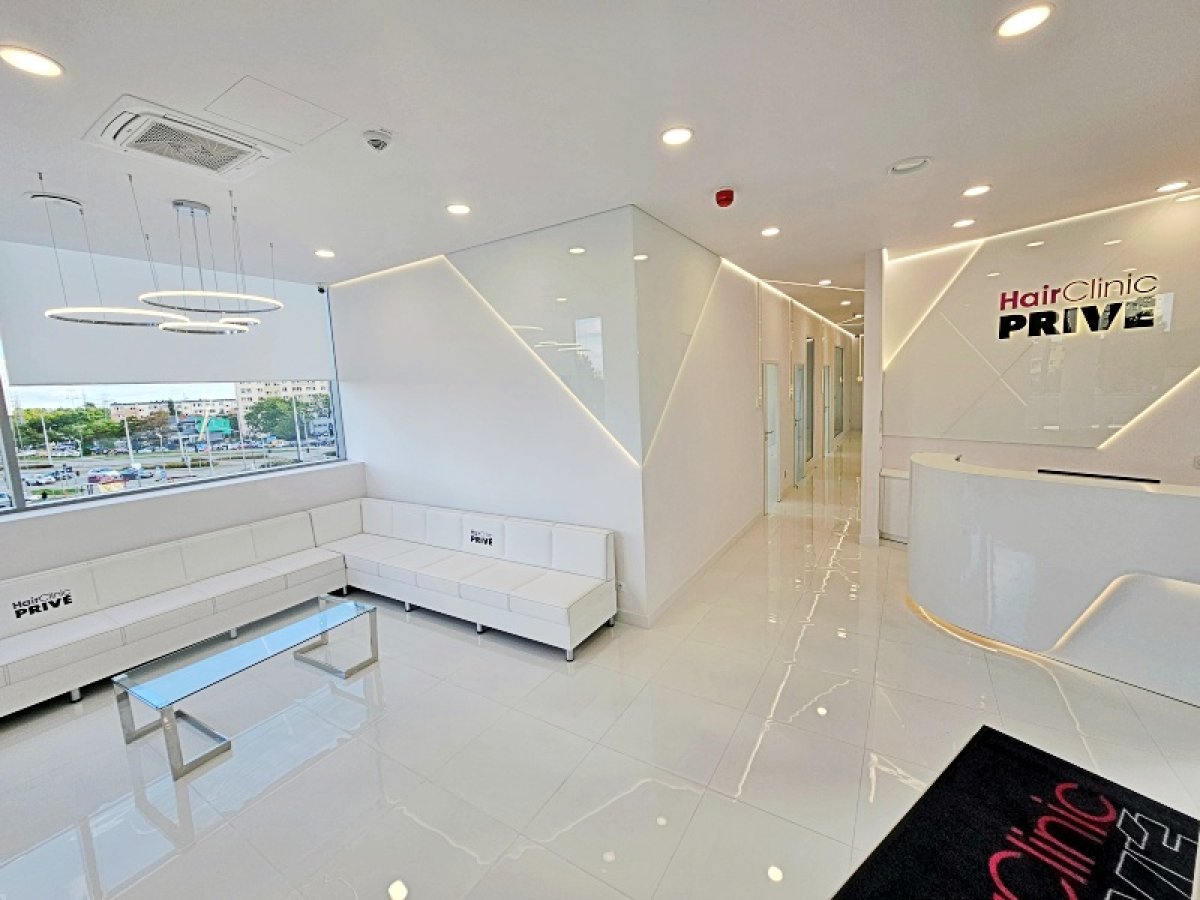
الدكتورة ماريا زابلافا هي أخصائية زراعة شعر في عيادة Hair Clinic PRIVÉ في غدانسك. تدمج خلفيتها في التخدير لإجراء عمليات استعادة شعر غير مؤلمة. تركز على تصميم خط شعر طبيعي وكثافة شعر مثالية. يضمن تدريبها الطبي معايير سلامة عالية خلال كل جلسة جراحية.


كتب بواسطة Mariia Mytrofankina

كتب بواسطة Anna Leonova

كتب بواسطة Anna Leonova
 Anna Leonova
تقدم العيادات البولندية علاجات متطورة غير جراحية للثعلبة، تشمل العلاجات التجديدية وتقنيات الليزر. يمكن للمرضى الاستفادة من العلاج بالبلازما، والعلاج بالخلايا الجذعية، والميزوثيرابي المتخصص لتحفيز بصيلات الشعر. تُعد هذه الإجراءات بديلاً فعالاً لتساقط الشعر في مراحله المبكرة، دون الحاجة إلى فترة نقاهة طويلة كما هو الحال في عمليات زراعة الشعر التقليدية.
رأي خبراء بوكيمد: بينما يلجأ الكثيرون إلى عمليات زراعة الأعضاء، تعالج المراكز متعددة التخصصات في بولندا، مثل مستشفى جامعة كراكوف، أكثر من 455 ألف مريض سنويًا. يتيح هذا العدد الكبير من العلاجات لأطباء مثل الدكتور بيوتر راك تطوير تقنيات الجراحة المجهرية والتجديدية. بالنسبة للمرضى الذين يعانون من ترقق الجلد المنتشر،
اختر عيادة بولندية مرموقة لعلاج داء الثعلبة، وذلك بالتحقق من عضويتها في الجمعية الدولية لجراحة ترميم الشعر (ISHRS) وتسجيلها لدى وزارة الصحة. اختر المراكز التي تستخدم فحص الشعر بالمجهر واختبارات الدم الهرمونية للتشخيص. اختر المراكز التي تقدم تقنيات FUE أو DHI المتقدمة لضمان نتائج طبيعية واستعادة الشعر دون ندوب.
رأي خبراء بوكيمد: تُظهر البيانات فرقًا واضحًا بين المستشفيات الكبيرة متعددة التخصصات ومراكز زراعة الشعر المتخصصة. يعالج مستشفى جامعة كراكوف 455,000 مريض سنويًا، ويقدم تشخيصًا شاملًا ودقيقًا. في المقابل، تركز مراكز متخصصة مثل مركز سان-ميديكال لزراعة الشعر حصريًا على تقنية اقتطاف وحدة البصيلات (FUE)، حيث تُجري ما يصل إلى 3,000 عملية زرع في جلسة واحدة للمرضى
تُقدم جراحة الأعصاب في بولندا رعاية عالية الجودة في مرافق معتمدة من قبل اللجنة الدولية المشتركة (JCI) والمنظمة الدولية للمعايير (ISO). يلتزم جراحو الأعصاب البولنديون بمعايير تدريب صارمة معتمدة من قبل الاتحاد الأوروبي. وقد أكمل العديد منهم زمالات في الولايات المتحدة أو ألمانيا. وتتوفر التقنيات المتقدمة، مثل جهاز سايبر نايف وجهاز جاما نايف والأنظمة الروبوتية، على نطاق واسع في المراكز الخاصة.
رأي خبراء بوكيمد: تُظهر البيانات وجود علاقة وثيقة بين تخصص العيادة وأصول مرضاها. تعالج عيادة KCM أكثر من 700 مريض دولي سنويًا، وهي متخصصة في جراحة العمود الفقري طفيفة التوغل. يُمكّنها هذا الحجم من العمل من تقديم باقات خدمات متخصصة، تشمل غالبًا حواجز تشخيصية وزرعات محددة،
يُعدّ جراحو الأعصاب البولنديون متخصصين ذوي كفاءة عالية، إذ أتموا ما لا يقل عن 13 عامًا من التدريب الطبي المكثف. يشمل ذلك ست سنوات من الدراسة في كلية الطب، و13 شهرًا من التدريب العملي، وست سنوات من الإقامة. ويجب عليهم اجتياز امتحان التخصص الحكومي (PES)، وغالبًا ما يحصلون على شهادة من الجمعية الأوروبية لجمعيات جراحة الأعصاب (EANS).
رأي خبراء بوكيميد: تشير البيانات إلى أن جراحي الأعصاب البولنديين غالبًا ما يتخصصون في تقنيات بالغة التخصص، مثل نظام ApiFix أو نظام SED-YESS لتنظير الفقرات القطنية. ويجمع أخصائيون مثل الدكتور ستانيسواف كويك من عيادة KCM بين أبحاث ما بعد الدكتوراه والممارسة الجراحية النشطة. هذا المزيج من المعرفة الأكاديمية المتعمقة والخبرة الجراحية الوا
من بين أفضل عيادات جراحة الأعصاب في بولندا مستشفى كارولينا، وعيادة KCM، ومراكز أكاديمية رائدة مثل مستشفى جامعة كراكوف. تقدم هذه المؤسسات علاجات متطورة لأمراض العمود الفقري والدماغ، مطابقة لمعايير الجودة ISO، وتضم أخصائيين أعضاء في منظمات دولية مثل AO Spine.
رأي خبراء بوكيمد: بينما يتجه الكثيرون إلى أكبر المستشفيات، تُظهر البيانات أن عيادات مثل مستشفى كارولينا تُقدم كفاءة أعلى في العمليات الجراحية الاختيارية. فمع وجود أكثر من 40 طبيباً متخصصاً في هذه المنشأة التي تضم 30 سريراً، تكون نسبة الأطباء إلى المرضى أعلى بكثير مما هي عليه في المراكز الجامعية الحكومية. وهذا يعني رعاية ما بعد الجراحة أكثر عناية، وجدولة أسرع بكثير لإجراءات مثل علاج الانزلاق الغضروفي
في بولندا، يركز طب جراحة الأعصاب بشكل أساسي على جراحات العمود الفقري واستئصال أورام الدماغ. وتُجري المستشفيات بشكل متكرر عمليات استئصال القرص المجهرية، ودمج الفقرات، وتحفيز الدماغ العميق. وتستخدم مراكز مثل مستشفى كارولينا وعيادة كي سي إم تقنيات طفيفة التوغل لعلاج الانزلاق الغضروفي، وإصابات العمود الفقري، والاضطرابات العصبية المعقدة.
رأي خبراء بوكيميد: أصبحت بولندا مركزًا متخصصًا في تثبيت العمود الفقري. تتعاون عيادات مثل مستشفى كارولينا مع الفرق الرياضية الوطنية، مما يعكس خبرتها العالية في علاج إصابات العمود الفقري المعقدة. تُظهر بياناتنا أن هذه المؤسسات غالبًا ما تُدمج إعادة التأهيل مباشرةً في العلاج الجراحي. هذا الدمج يقلل من خطر الم
تتوفر خدمات إعادة التأهيل العصبي على نطاق واسع في بولندا من خلال مراكز متخصصة ومستشفيات متعددة التخصصات. وتشمل هذه البرامج التعافي بعد السكتة الدماغية، وإصابات الحبل الشوكي، والأمراض التنكسية. وتقدم مؤسسات مثل مستشفى كارولينا في وارسو وعيادة KCM علاجًا تحت إشراف طبي. وتتضمن معظم برامج جراحة الأعصاب تقييمًا أوليًا لإعادة التأهيل بعد العملية.
رأي خبراء بوكيمد: تشير البيانات إلى أن العيادات التي تستقبل أعدادًا كبيرة من المرضى الدوليين، مثل عيادة KCM، غالبًا ما تُدرج إعادة التأهيل الأساسية ضمن برامجها الجراحية. تُعد هذه ميزة هامة، إذ قد يكون تنسيق إعادة التأهيل العصبي بشكل مستقل في بولندا أمرًا صعبًا. يضمن اختيار عيادة تضم أخصائي إعادة تأهيل متواجدًا فيها بدء التعافي في غضون 24 ساعة بعد الجراحة، وهو
من أبرز جراحي الأعصاب البولنديين الدكتور يوري كسينيوك والدكتور ماتشي بويكو من مستشفى كارولينسكا في وارسو. يتخصص هذان الطبيبان في جراحة العمود الفقري طفيفة التوغل وتقنيات التنظير الداخلي. وهما حاصلان على شهادات دولية وعضوان في الجمعية البولندية لجراحة العمود الفقري ومنظمة يوروسباين.
رأي خبراء بوكيمد: تُظهر البيانات وجود تركيز عالٍ من الأخصائيين ذوي الكفاءة العالية في وارسو. فمستشفى كارولينا وحده يوظف أكثر من 40 أخصائيًا حاصلين على شهادات مزدوجة في جراحة الأعصاب وجراحة العظام. هذا النهج متعدد التخصصات نادر، ويتيح علاجًا أكثر دقة للحالات المعقدة التي تشمل الأعصاب والعظام معًا.
هل يستطيع المرضى الأجانب الحصول على الرعاية الطبية بسهولة؟
يُمكن للمرضى الدوليين الحصول على رعاية جراحية عصبية مُيسّرة في بولندا من خلال مراكز خاصة مُتخصصة في وارسو وجيلينيا غورا. تُتيح هذه المراكز الوصول المُباشر إلى أحدث الإجراءات الجراحية، مثل جراحة سايبر نايف وجراحة العمود الفقري بالمنظار. تُسهّل المستشفيات المُعتمدة من قِبل اللجنة الدولية المشتركة (JCI) والمنظمة الدولية للمعايير (ISO) الإجراءات على المرضى الدوليين من خلال توفير خدمات تنسيق ودعم لغوي مُخصصة.
رأي خبراء بوكيميد: تتمتع مراكز جراحة الأعصاب الخاصة في بولندا بميزة مزدوجة: تدفق كبير للمرضى وخبرة متخصصة. فعلى سبيل المثال، يعالج مستشفى جامعة كراكوف أكثر من 450 ألف مريض
تقدم عيادات جراحة الأعصاب البولندية دعماً شاملاً للمسافرين الدوليين، بدءاً من إجراءات التأشيرة وصولاً إلى التنسيق اللوجستي الاحترافي. غالباً ما توفر العيادات المتخصصة في جراحة العمود الفقري والدماغ خدمات النقل من وإلى المطار وترتيبات الإقامة. كما توظف العديد من المراكز كوادر متعددة اللغات، مما يساعد على تخطي حواجز اللغة للمرضى القادمين من أوروبا وأمريكا الشمالية ومناطق أخرى.
رأي خبراء بوكيمد: تُظهر البيانات أن العيادات التي تستقبل أعدادًا كبيرة من المرضى الدوليين، مثل عيادة كي سي إم التي تعالج أكثر من 700 أجنبي سنويًا، غالبًا ما تُقدم باقات شاملة لتسهيل السفر. تُقدم هذه المراكز عادةً باقات شاملة لإجراءات مثل استئصال الصفيحة الفقرية أو جراحة القرص. يُساعد اختيار هذه