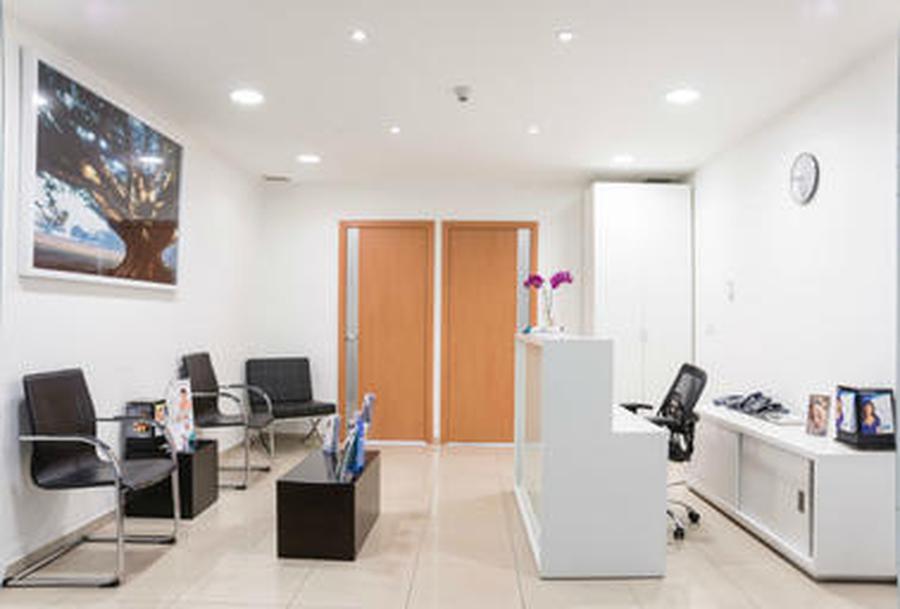
Hospital de la Familia
المكسيك, ميكسيكالي
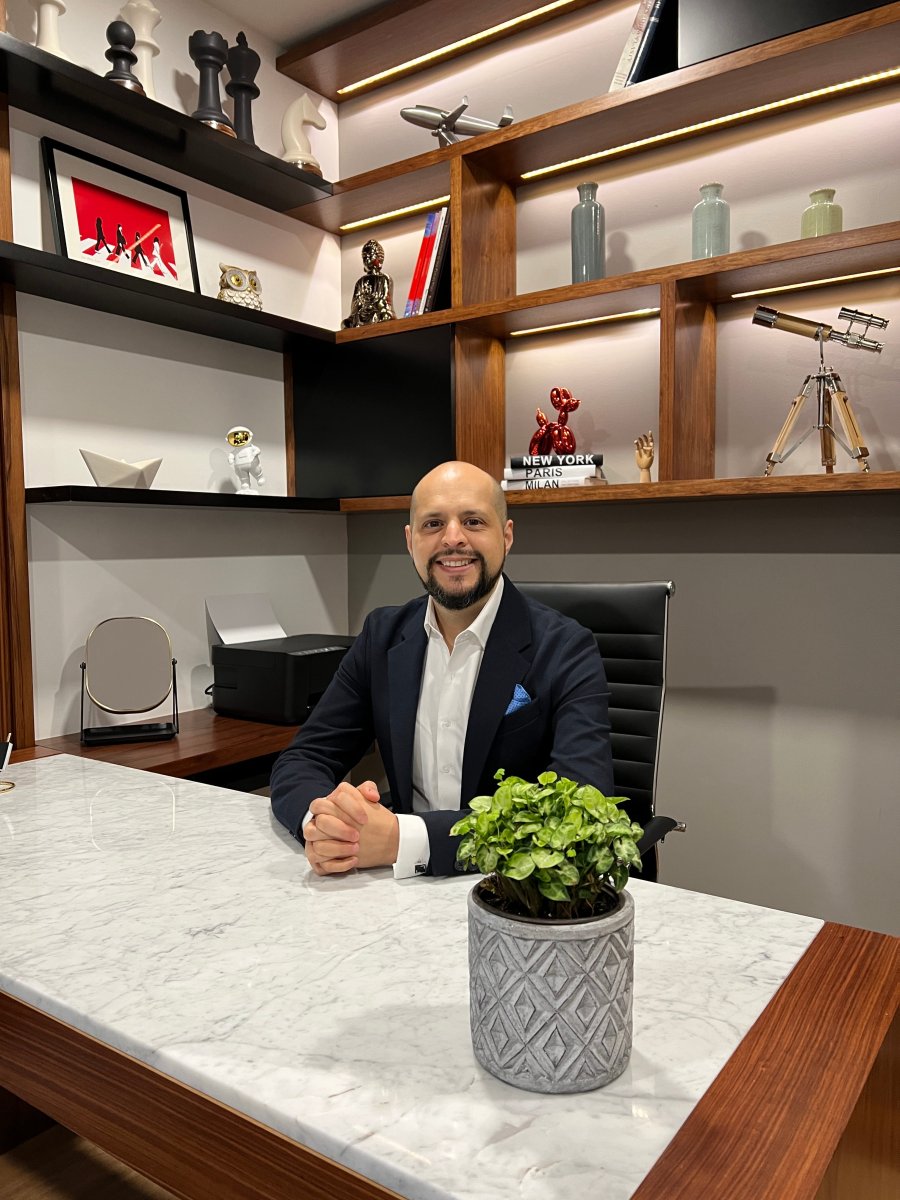
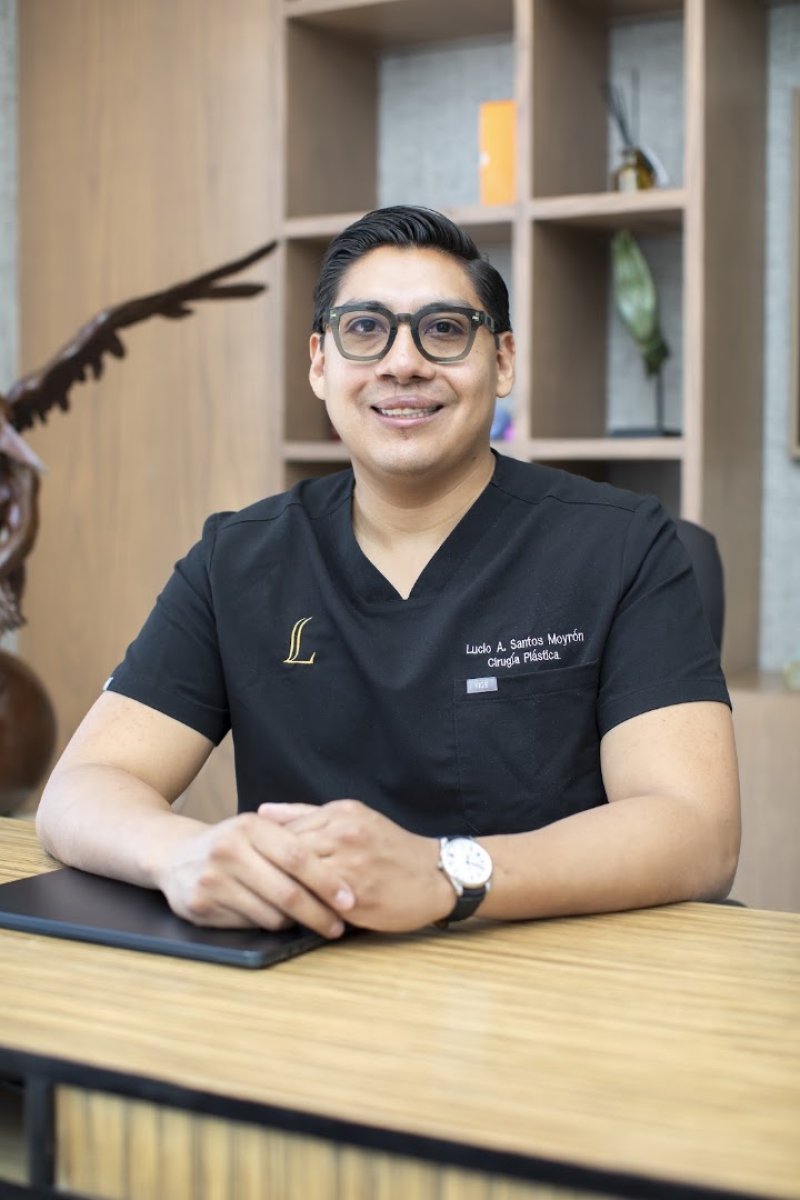
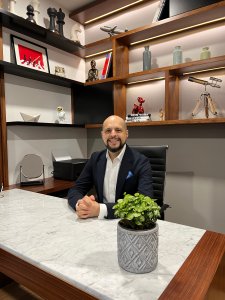
Joaquin Ayala Del Muro
33سنة خبره ١٦ سنة

العيادة معتمدة من قبل : 



تمت مراجعة المقالة طبيا من قبل
فهد مولود
تتراوح تكلفة جراحة الجفن العلوي والسفلي في المكسيك عادةً بين $2,000 و $4,500. يعتمد السعر النهائي على التقنية الجراحية، مثل إعادة توزيع الدهون، ونوع التخدير، وموقع العيادة. تشمل العروض عادةً أتعاب الجراح، وتكاليف المنشأة، والاستشارات قبل العملية. تشمل المراكز الطبية الكبرى تيخوانا، وجوادالاخارا، ومكسيكو سيتي، وكانكون.
رأي خبراء Bookimed: يضمن اختيار العيادات الحاصلة على شهادات دولية في الجراحة التجميلية معايير جودة عالية بأسعار تنافسية. على سبيل المثال، تحمل عيادة ماروكين أند ساندوفال للجراحة التجميلية اعتمادات ISAPS و ASPS. تعالج العيادة 300 مريض سنوياً باستخدام تقنيات الموجات فوق الصوتية المتخصصة. وفي ميكسيكالي، يقدم مستشفى دي لا فاميليا رعاية قريبة من الحدود مع جراحين معتمدين مثل خواكين أيالا ديل مورو. يتمتع دكتور أيالا بخبرة تمتد لـ 32 عاماً. توفر هذه العيادات خبرة متميزة دون تكاليف إضافية كما هو الحال في المملكة العربية السعودية.
| المكسيك | تركيا | تايلاند | |
|---|---|---|---|
| جراحة الجفن العلوي والسفلي | من $2,000 | من $1,900 | من $2,900 |


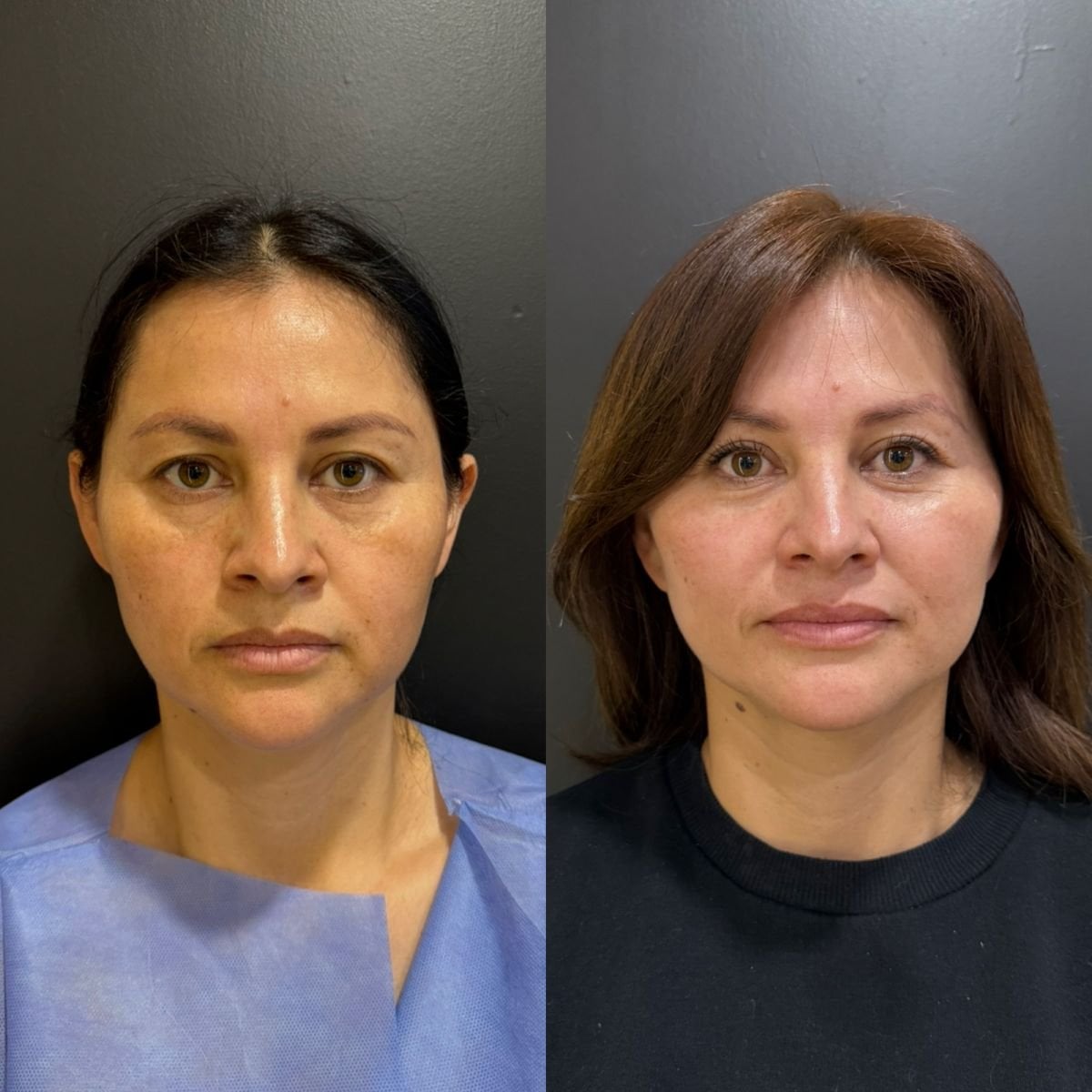
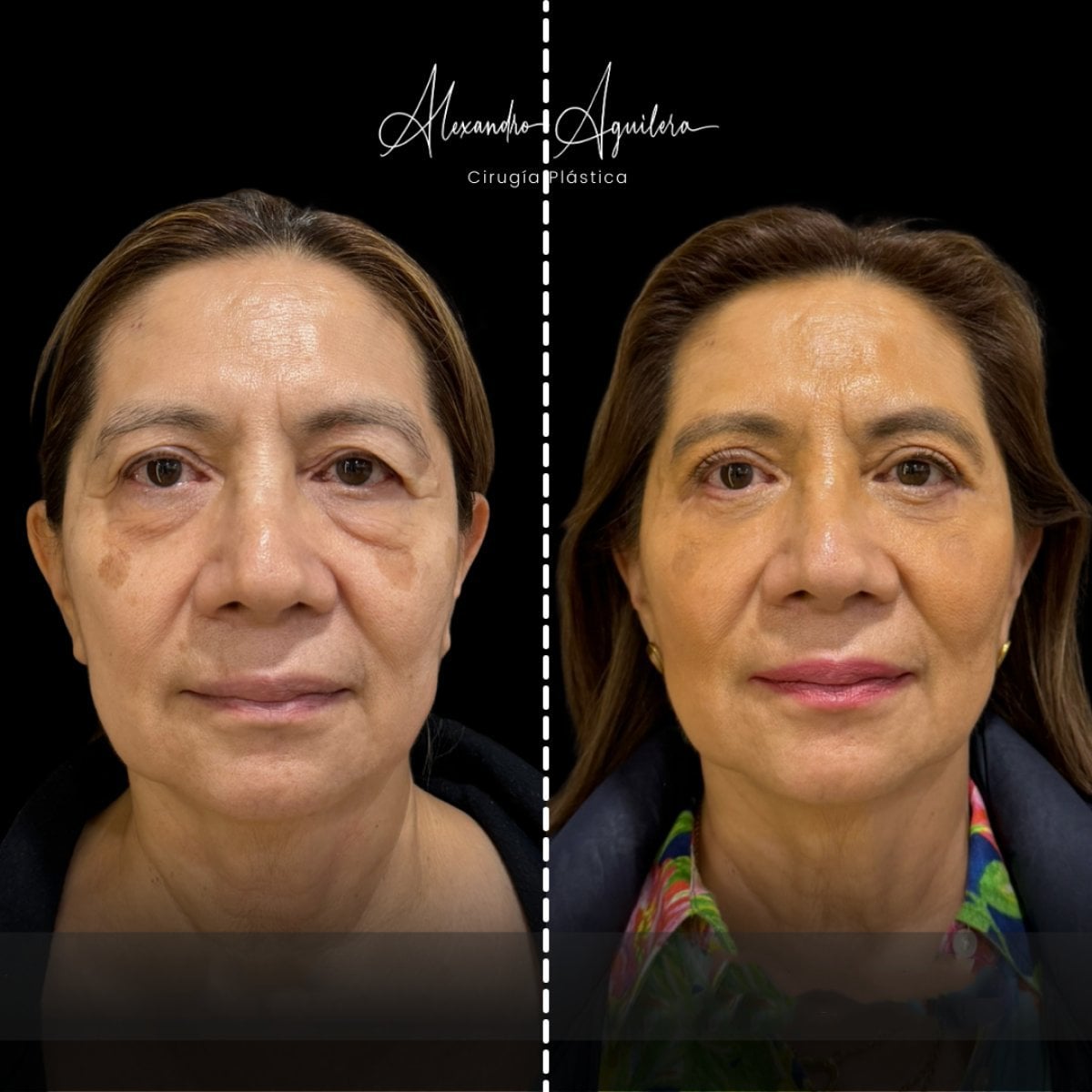
تساعد العملية على إنعاش العيون المتعبة عن طريق إزالة الجلد الزائد أو الدهون ، مما يخلق مظهرًا أكثر شبابًا وأكثر يقظة.
الإجراء يرفع الجفون المتدلية ، ويعزز الرؤية والجمال. يتضمن إزالة الجلد الزائد والأنسجة الدهنية والعضلات.
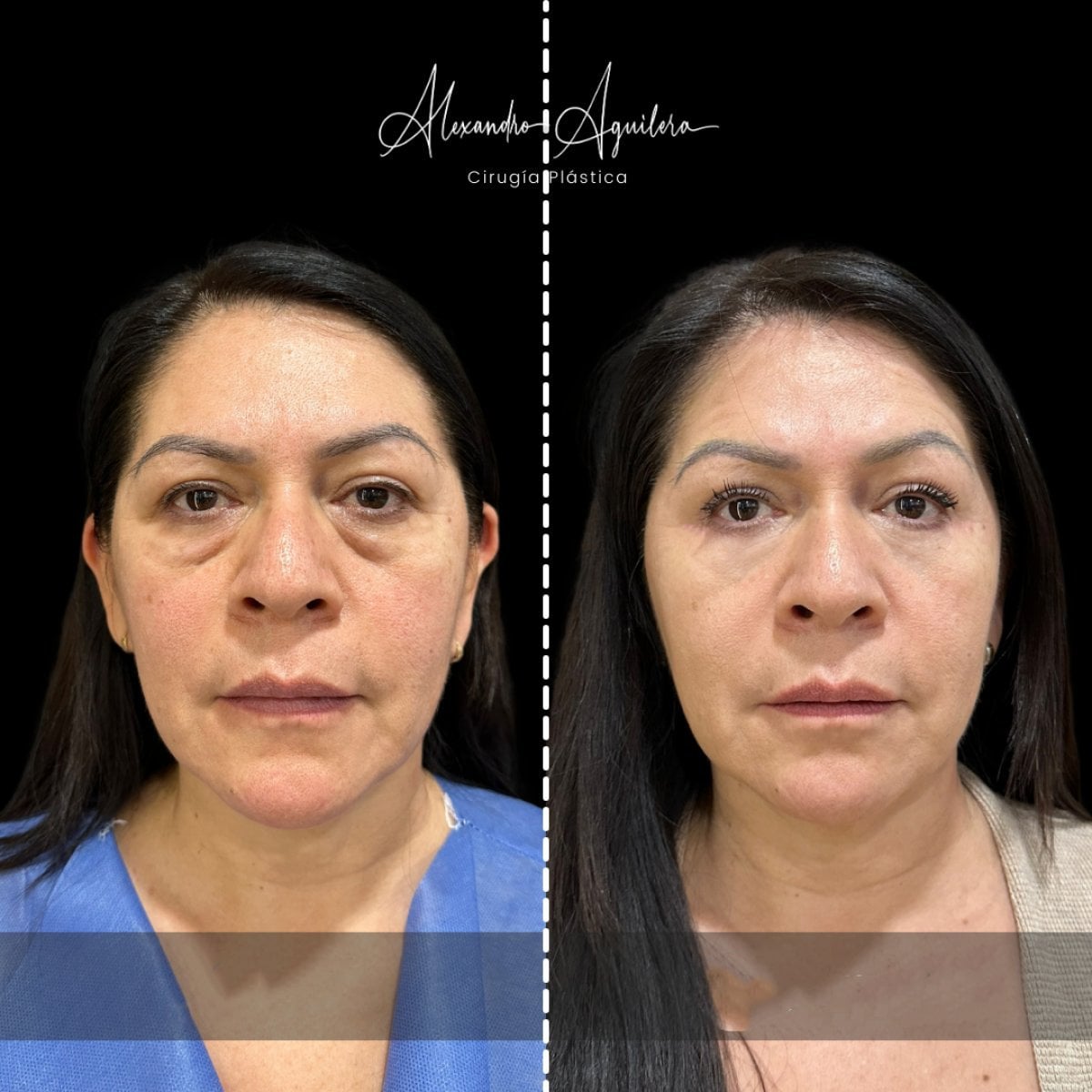
تعمل هذه العملية على تصحيح الترهلات أو الجلد الزائد تحت العين عن طريق إزالة الدهون أو إعادة تموضعها وتحسين المظهر.
هذا العلاج يصلح الجلد المترهل حول العينين ، وينعش المظهر ، ويمكن أن يحسن الرؤية عن طريق إزالة الأنسجة الزائدة.
تعمل هذه الجراحة على تحسين مظهر العين من خلال تشكيل تجعد ، وتنشيط المظهر وتحسين الرؤية.
يعمل هذا الإجراء على تصحيح ترهل الجفون وتحسين المظهر والرؤية عن طريق إزالة الجلد الزائد والدهون.
هذا الإجراء يصحح تدلي الجفون لتحسين الرؤية والمظهر ، بمشاركة جراح ماهر يزيل الجلد الزائد.
هذا الإجراء يصحح تدلي الجفون مما يؤدي إلى تحسين الرؤية والمظهر باستخدام طريقة جراحية آمنة وسريعة.
اليوم الأول - الوصول
اليوم 2 - ما قبل العملية
اليوم الثالث - الجراحة
اليوم 4-5 - بعد العملية
الأسبوع 1-2 - إعادة التأهيل
الأسبوع 3-4
الأسبوع 4-6
ملحوظة: قد يختلف الجدول الزمني للشفاء لكل مريض بناءً على الظروف الصحية الفردية ومدى تعقيد الجراحة.

الطبيب هو جراح تجميل حائز على جوائز ومتخصص في إجراءات الوجه والجسم. معتمد من قبل المجلس المكسيكي لجراحة التجميل والترميم، يُعترف بالطبيب كواحد من أفضل الجراحين في مكسيكو سيتي، ومعروف بشكل خاص بخبرته في شفط الدهون، وتجميل الأنف، وجراحات رفع المؤخرة البرازيلية (BBL).<\/p>
يمارس حاليًا في مركز سالوتاريس الطبي، يحمل الطبيب درجة في الطب العام من جامعة فرانسيسكو ماروكين، وتخصصًا في الجراحة العامة من جامعة سان كارلوس في غواتيمالا، وتخصصًا في جراحة التجميل والترميم من معهد جراحة الترميم ف
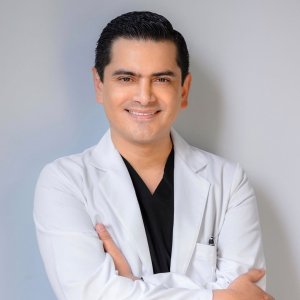
الدكتور فير كرافيوتو جرّاح تجميل وترميم معتمد، مقره في إنترلوماس، مدينة مكسيكو. يركّز على جراحات الجزء العلوي من الوجه وجراحات الثدي. تشمل إجراءاته الأساسية تصغير الجبهة، شد الحاجب، شد الوجه، تجميل الأنف، وتكبير الثدي.
يعتمد منهجية Premiere لتناغم ملامح الوجه، التي تمزج بين التخطيط الفردي والتحليل الشامل للوجه بزاوية 360°، وتهدف إلى نتائج طبيعية ومتوازنة. ويحصل المرضى الدوليون على دعم يمتد من الاستشارة الافتراضية حتى رعاية ما بعد الجراحة المنظَّمة في مدينة مكسيكو.
الاعتمادات: شه
يتمتع الدكتور أغيليرا بتخصص متقدم في جراحة اليد وشلل الوجه - وهي خبرة نادرة لإجراءات الجفون الدقيقة.
جراح تجميل معتمد بخبرة _doctor_8999_ عاماً – الدكتور أيالا متخصص في عمليات الوجه، بما في ذلك جراحات الجفون، ويتمتع بسجل حافل وخالٍ من الأخطاء.



 Anna Leonova
إجراء جراحي لتحسين كل من الجفون العلوية والسفلية، ومعالجة الجفون المتدلية وأكياس تحت العين.
A surgeon needs about 12 to 14 years of training before Mexico's plastic-surgery board will certify them. You have already compared clinics in Mexico and what they charge. The questions that follow are about staying safe and planning your trip – the surgeon, your eyes, recovery, and the flight home.
To confirm your surgeon is a trained plastic surgeon, ask the clinic for the documents by name. Board certification in plastic and reconstructive surgery is separate from a general medical license and comes only after specialist training.
Mexico issues both licenses as cédulas through the Secretaría de Educación Pública, and lists them in the public Registro Nacional de Profesionistas.
Ask the clinic for these numbers before you travel. In our experience coordinating patients to Mexico, a clinic can provide these on request.
Before you travel, it is worth confirming:
Mexico's national plastic-surgery board, CMCPER, certifies plastic surgeons and renews that certification every five years. Confirming the date is current tells you the surgeon has kept up the standard. For example, among Bookimed's Mexican partner surgeons, Dr. Israel Villalobos Blasquez holds CMCPER board certification No. 2227.
CMCPER only certifies a surgeon who has finished the full path:
Every certificate carries a number, and the council keeps a public register of them. A number nobody can find is an answer in itself. Ask the clinic for the number and the renewal date, not just for an assurance that the surgeon is certified.
The clinic also needs a valid health permit from Mexico's federal health regulator, COFEPRIS. This permit covers safety and hygiene standards for surgery. For example, Marroquín & Sandoval Plastic Surgery Clinic in Guadalajara holds a COFEPRIS health-services permit. A large social-media following says nothing about a surgeon's training. A Bookimed coordinator can confirm these credentials for you before you travel.
Before eyelid surgery, also called blepharoplasty, a few eye checks tell the surgeon how much tissue is safe to remove. They also show whether to wait. The American Academy of Ophthalmology lists the checks that confirm your eye health and tear function are ready.
A tear test, called the Schirmer test, measures how much your eyes water. Above about 15 mm is normal. Below about 10 mm points to dry eyes, so the surgeon removes less tissue to keep them comfortable.
The surgeon also checks the lower-lid tone with two gentle pull tests. A loose lid may need a small supporting stitch to hold its shape as it heals. Surgeons call this stitch a canthopexy. If your eyes are set forward of your cheekbone, the surgeon anchors the lower lid. Anchoring it this way lowers the chance of the lid pulling downward.
If you have had laser eye surgery (LASIK), your tear function needs time to recover. The surgeon confirms it has recovered before planning eyelid surgery. A surgeon may also postpone surgery for a short time in some situations. These include:
Blood-thinning medicines and some supplements, such as fish oil and vitamin E, can increase bruising. Surgeons usually advise pausing them for about two weeks before and after surgery. Your surgeon will confirm what to stop and when.
Lower eyelid surgery can be done through a cut just under the lashes or through the inside of the lid. The choice affects whether there is a visible scar and how the lower lid settles afterward.
Here is how the two approaches compare on the things patients ask about most:
| Approach | Where the cut is | Visible scar | Effect on the lid muscle | Best suited for |
|---|---|---|---|---|
| Under-lash (subciliary) | Just below the lower lashes | A fine scar under the lashes | Passes through the lid muscle | When some loose skin needs removing |
| Inside-the-lid (transconjunctival) | On the inner surface of the lid | No visible scar | Leaves the lid muscle intact | Puffiness or fat with little loose skin |
When only a little loose skin needs trimming, the surgeon can use a conservative skin-pinch, without lifting a muscle flap.
The inside-the-lid approach is less likely to pull the lower lid downward, because it leaves the lid muscle intact. Ask your surgeon which approach suits your anatomy and why.
A muscle-preserving technique has a long track record. In one surgeon's ten-year experience of 700 lower eyelids, it corrected loose lids without the lid pulling out of position.
Most people who have eyelid surgery recover smoothly and are glad they did it. In a follow-up survey after 344 upper-eyelid surgeries under local anesthetic, 96% said they would have the surgery again. About 94% reported no problems at six months.
Some swelling and bruising in the first days is expected and eases over the following weeks. It's a normal part of healing, and simple supportive care is usually all that's needed.
Eyelid surgery is done in facilities with urgent eye care available. In the rare event of bleeding behind the eye, the team can treat it immediately to protect your sight. The warning signs are sudden pain and a firm, swollen eye.
Most swelling and bruising settle over the first weeks. You can plan time off work and your flight home around a realistic timeline. Here is the usual pattern after lower-eyelid surgery.
| What to expect | Week 1 | Week 2 | Around week 6 | Around week 12 |
|---|---|---|---|---|
| Swelling and bruising | Most visible | Dropping noticeably | Largely gone | Settled |
| Comfortable being seen in public | Only some feel ready | Many feel comfortable | Comfortable | Comfortable |
| Dry-eye feeling | Eased with drops | Easing | Mostly settled | Settled with lubrication |
Temporary numbness of the upper lid and lashes is also normal, and it fades as the nerves recover.
In one study of inside-the-lid surgery, swelling and bruising had largely settled by around six weeks. Any dry-eye feeling eased with lubricating drops.
You can usually fly home within about two weeks. A few simple steps keep your eyes comfortable on the plane. It helps to understand why the timing matters before you fix your return date.
The NHS counts recent surgery and any journey over four hours among the things that raise the chance of a blood clot. Dry cabin air adds dehydration on top. To lower the risk on a longer flight, choose an aisle seat and drink water. Move your calves about once an hour.
As a general guide, surgeons suggest waiting:
A combined upper-and-lower procedure often means a longer flight home, so plan for the longer end of these windows.
Pack preservative-free lubricating drops and ointment for the dry cabin air. Wear UV sunglasses to shield fresh incisions from light and drafts. Ask for help with heavy bags rather than lifting them into overhead lockers, which strains healing tissue.
Your regular travel or health insurance will usually not cover a complication treated after you get home. It's worth arranging dedicated coverage before you travel.
Treating a complication at home can be expensive, which is why this coverage is worth having.
Needing it is uncommon. In one series of 344 upper-eyelid operations, one patient needed a further operation under general anesthetic. Another 18 needed a minor correction under local anesthetic. If something does come up once you are home, your Bookimed coordinator can put you back in touch with the clinic.
تعتبر جراحة الجفن في المكسيك آمنة عند إجرائها من قبل جراحين معتمدين من قبل المجلس المكسيكي للجراحة التجميلية (CMCPER). تستخدم العيادات عالية المستوى في مكسيكو سيتي وغوادالاخارا معايير السلامة الدولية، بما في ذلك بروتوكولات JCI وISO، لضمان سلامة المرضى ونتائجهم.
رؤية خبير Bookimed: في حين يركز العديد من الباحثين على المدن الحدودية بسبب القرب، تظهر بياناتنا أن العيادات في مكسيكو سيتي وغوادالاخارا غالبًا ما توفر قدرة جراحية أعلى. يحافظ مستشفى Innovare في زابوبان على 10 غرف جراحية مخصصة ودار نقاهة فاخرة، مما يوفر مستوى من المراقبة بعد العملية الجراحية نادرًا ما يوجد في العيادات الحدودية الأصغر.
إجماع المرضى: يؤكد المرضى أن جودة الجراح تهم أكثر من الوجهة. يوصي المسافرون الناجحون بالبقاء لمدة لا تقل عن 5 إلى 7 أيام للمتابعة الأولية ووجود طبيب محلي في المنزل للرعاية طويلة الأمد.
تعتبر المكسيك آمنة لإجراء جراحة تجميل الجفون عند اختيار جراحين معتمدين من قبل المجلس المكسيكي للجراحة التجميلية والترميمية (CMCPER). تحافظ مرافق مثل معهد خوسيه كورتيس ومستشفى دي لا فاميليا على معايير عالية من خلال اعتمادات CSG و JCI، مما يضمن سلامة المرضى وجودة الجراحة.
رؤية خبير Bookimed: بينما يسعى الكثيرون للحصول على تكاليف منخفضة، فإن المسار الأكثر أماناً في المكسيك يتضمن اختيار جراحين لديهم حجم كبير من الإجراءات. أجرى الدكتور أليخاندرو أغيليرا أكثر من 3000 عملية جراحية، ويُصنف الدكتور خوسيه كورتيس باستمرار كأخصائي بارز. غالباً ما يقدم هؤلاء الخبراء ذوو الحجم الكبير نتائج أكثر قابلية للتنبؤ من الجراحين العامين.
إجماع المرضى: يؤكد المرضى أن النجاح يعتمد على التحقق من حجم جراحات الجفون بدلاً من مجرد شهادات المجلس. وغالباً ما يحذرون من أن جراحة تجميل الجفون السفلية تتطلب مهارة تقنية أكبر لتجنب المشاكل الوظيفية مثل جفاف العين أو تراجع الجفن.
جميع المحتوى الطبي في هذه الصفحة أعده مؤلفون من ذوي المؤهلات الطبية المتخصصة وتمت مراجعته من قبل أطباء معتمدين في المجال ذي الصلة. تمت مراجعة المحتوى الطبي من قبل فهد مولود، محرر طبي وعالم بيانات.
آخر تحديث: 10/24/2026.
جميع البيانات المقدمة هي لأغراض إعلامية عامة فقط وقد لا تعكس النتائج أو التجارب الفردية.