استبدال مفصل الكتف في المكسيك — احصل على 3 عيادات مطابقة مع التكاليف


تمت مراجعة المقالة طبيا من قبل
فهد مولود
ما هي تكلفة استبدال مفصل الكتف في المكسيك؟ اكتشف الآن
تتراوح تكلفة عملية استبدال الكتف في المكسيك عادة بين $15,500 و $23,000. يعتمد السعر النهائي على نوع المفصل الصناعي، واعتماد العيادة، والتقنية الجراحية المستخدمة. تشمل هذه التكاليف عادةً أتعاب الجراح، والإقامة في المستشفى، والأطراف الصناعية القياسية.
- جراحة ترميم الكفة المدورة: سعرها بين من $8,800 لعلاج تمزق الأوتار.
- عملية بانكارت: بين $5,500 و $8,800 لعلاج عدم استقرار الكتف وخلعه.
- العلاج التحفظي: بين من $4,000 للإدارة غير الجراحية للخلع المتكرر.
- التفاوت الإقليمي: قد تزيد تكلفة الباقات في تيخوانا ومكسيكالي بنسبة 20% عما هي عليه في غوادالاخارا.
رأي خبراء Bookimed: يوفر اختيار المدن الحدودية مثل مكسيكالي توازناً استراتيجياً بين التكلفة والراحة. تمتلك مستشفيات مثل مستشفى دي لا فاميليا اعتماد CSG من المجلس الصحي العام. يضمن هذا نتائج جراحية عالية الجودة، ورعاية معيارية للمرضى الدوليين. يفضل الكثيرون هذه الوجهات للوصول إلى متخصصين تدربوا في الولايات المتحدة مثل خوان ميغيل غونزاليس سانشيز في غوادالاخارا.
المزايا الرئيسية
| المكسيك | تركيا | إسبانيا | |
|---|---|---|---|
| استبدال مفصل الكتف | ≈ $15,500 | من $7,000 | من $18,500 |
| جراحة إصلاح تمزق الكفة المدورة | من $8,800 | من $3,600 | من $17,000 |
| العلاج المحافظ للخلع المعتاد للكتف | من $4,000 | ≈ $450 | ≈ $900 |
| إصلاح Bankart | ≈ $5,500 | من $6,000 | ≈ $5,200 |
مزاياك وضماناتك مع Bookimed
أسعار مباشرة
Bookimed لا يضيف رسوماً إضافية على أسعار استبدال مفصل الكتف. الأسعار مأخوذة من قوائم الأسعار الرسمية للعيادات. تدفع مباشرة في العيادة مقابل استبدال مفصل الكتف عند وصولك.
عيادات وأطباء معتمدون فقط
Bookimed ملتزم بسلامتك. نحن نعمل فقط مع المؤسسات الطبية التي تحافظ على معايير دولية عالية في استبدال مفصل الكتف ولديها التراخيص اللازمة لخدمة المرضى الدوليين في جميع أنحاء العالم.
مساعدة مجانية على مدار الساعة
Bookimed يقدم مساعدة خبراء مجانية. منسق طبي شخصي يدعمك قبل وأثناء وبعد العلاج، ويحل أي مشاكل. لن تكون وحيداً أبداً في رحلة استبدال مفصل الكتف.

منسقك الطبي الشخصي في Bookimed
- يدعمك في كل مرحلة
- المساعدة في اختيار العيادة الطبية المناسبة والطبيب المناسب
- يضمن الوصول السريع والمريح إلى المعلومات
اكتشف أفضل استبدال مفصل الكتف العيادات في المكسيك: 2 خيارات معتمدة والأسعار


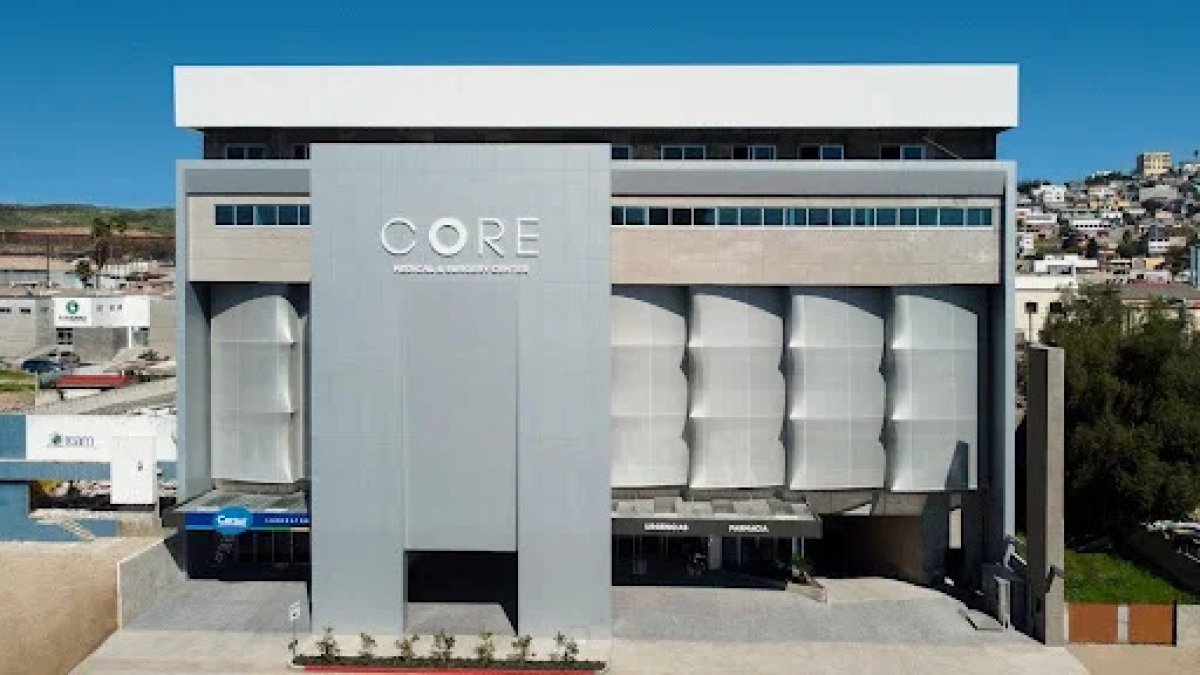
Advance Health Medical Center
نظرة عامة على استبدال مفصل الكتف في المكسيك
- جراحة إصلاح تمزق الكفة المدورة - من $8,800
يعمل هذا الإجراء على إصلاح أوتار الكتف التالفة وتحسين الحركة وتخفيف الألم عن طريق التدخل الجراحي منخفض الخطورة.
- استبدال مفصل الكتف - من $15,500
تتضمن هذه الجراحة استبدال أجزاء الكتف البالية بمكونات صناعية لتخفيف الألم وتحسين الوظيفة.
- العلاج المحافظ للخلع المعتاد للكتف - من $4,000
يهدف هذا العلاج إلى تثبيت الكتف باستخدام تمارين لتقوية العضلات دون الحاجة إلى جراحة.
- إصلاح Bankart - من $5,500
يعالج هذا الإجراء عدم استقرار الكتف عن طريق إصلاح الأربطة الممزقة لشد المفصل ، مما يقلل من مخاطر الخلع.
اليوم الأول: الوصول وما قبل العملية
- الوصول إلى المطار.
- الانتقال إلى الفندق.
- التشاور مع أخصائي جراحة العظام.
- التحاليل والفحوصات الطبية الأولية.
- مناقشة الإجراء والمخاطر وخطة التعافي.
اليوم الثاني: استبدال مفصل الكتف
- الانتقال من الفندق إلى العيادة.
- التحضير للجراحة بما في ذلك التخدير.
- جراحة استبدال الكتف (المدة: 2-3 ساعات).
- مراقبة ما بعد العملية في غرفة الإنعاش.
اليوم 3-7: بعد العملية والإقامة في المستشفى
- رعاية ما بعد الجراحة في المستشفى.
- الفحوصات المنتظمة من قبل الطاقم الطبي.
- بدء العلاج الطبيعي لاستعادة حركة الكتف.
- العودة إلى الفندق في نهاية الإقامة في المستشفى.
الأسبوع 1-6: إعادة التأهيل
- استمرار العلاج الطبيعي في المنزل.
- زيادة تدريجية في نشاط الكتف.
- استشارات المتابعة الدورية مع جراح العظام.
الأسبوع 6-12: العودة إلى الأنشطة العادية
- العودة التدريجية إلى العمل والأنشطة اليومية.
- استمرار العلاج الطبيعي حسب الحاجة.
- الشفاء التام والنتيجة النهائية مرئية.
يرجى ملاحظة ما يلي: قد يختلف الجدول الزمني للشفاء لكل مريض بناءً على الظروف الصحية الفردية والتقدم.
- إيداع Bookimed: 200 دولار أو 200 يورو.
- وديعة العيادة: ادفع نسبة محددة مقدمًا.
احصل على تقييم طبي لـ استبدال مفصل الكتف في المكسيك: اختر أخصائيك من بين الأفضل في هذا المجال
عرض جميع الأطباء
Juan Bustamante
الطبيب هو جراح عظام متميز يتمتع بأكثر من 35 عامًا من الخبرة، متخصص في جراحة العظام، وعلم الإصابات، وطب الرياضة. كان عضوًا نشطًا في العديد من الجمعيات المهنية، بما في ذلك جمعية جراحة العظام، والجمعية اللاتينية الأمريكية لجراحة العظام والإصابات، والأكاديمية الأمريكية لجراحي العظام. بدأت رحلته الأكاديمية في جامعة المكسيك المستقلة، تلتها تدريب متخصص في جراحة العظام وطب الرياضة في كل من المكسيك والولايات المتحدة. تعكس منشوراته العلمية مساهماته الكبيرة في المجال الطبي.<\/p>
المراجعات
جميع المراجعاتمشاركة المحتوى
قصص فيديو من مرضى Bookimed
 Anna Leonova
أسئلة متكررة حول استبدال مفصل الكتف في المكسيك
هل من الآمن إجراء جراحة استبدال الكتف في المكسيك؟
يعد استبدال الكتف في المكسيك آمناً عند إجرائه من قبل جراحين معتمدين من قبل المجلس المكسيكي لجراحة العظام (CMOT). تستخدم المرافق عالية المستوى في مدن مثل غوادالاخارا ومكسيكالي غرسات معتمدة من إدارة الغذاء والدواء (FDA) وتحافظ على بروتوكولات السلامة التي تحقق معدلات نجاح تبلغ حوالي 90٪.
- شهادة الخبراء: غالباً ما يكون الجراحون أعضاء في الأكاديمية الأمريكية لجراحي العظام (AAOS).
- اعتماد المستشفى: تحافظ أفضل المستشفيات على شهادات CSG أو JCI لمعايير التعقيم الصارمة.
- جودة الغرسات: تستخدم العيادات ذات السمعة الطيبة نفس الأطراف الصناعية ذات الدرجة الجراحية الموجودة في الولايات المتحدة.
- إقامة السلامة: يوصي الجراحون بالبقاء لمدة 7-10 أيام بعد العملية لإدارة مخاطر الجلطات الدموية المحتملة.
رؤية خبير Bookimed: تُظهر البيانات وجود فجوة في الجودة بين عيادات الحدود والمراكز الراقية مثل غوادالاخارا أو مونتيري. توفر مرافق مثل مستشفى دي لا فاميليا في مكسيكالي سلامة على طراز البوتيك بالقرب من الحدود. ومع ذلك، يجب على المرضى الذين يبحثون عن جراحة متقدمة بمساعدة الروبوت التوجه إلى مونتيري للحصول على معايير تطابق المراكز الطبية الأمريكية الكبرى.
إجماع المرضى: يشيد العديد من المرضى بالمعدات عالية التقنية والرعاية اليقظة في المراكز الرئيسية. يحذر البعض من التكلفة طويلة الأجل للمراجعات إذا تم إجراء العمليات على عجل في العيادات السياحية ذات الحجم الكبير.
كيف يمكنني التحقق من مؤهلات جراح العظام المكسيكي؟
للتحقق من جراح العظام المكسيكي، تأكد من حصوله على ترخيصين حكوميين رئيسيين (Cédulas Profesionales) للطب العام وتخصص جراحة العظام. تأكد من احتفاظه بشهادة نشطة من المجلس المكسيكي لجراحة العظام والرضوض (CMOT) وأنه يتمتع بامتيازات في المرافق الجراحية المعتمدة.
- التراخيص الحكومية: ابحث في السجل الوطني للمهنيين (SEP) عن كل من التراخيص الطبية وتراخيص التخصص.
- شهادة المجلس: تحقق من الحالة النشطة من خلال سجل CMOT أو بوابة الرقابة CONACEM.
- امتيازات المستشفى: تأكد من أن الجراح لديه حقوق إجراء العمليات في المستشفيات المعتمدة من قبل CSG مثل مستشفى دي لا فاميليا (Hospital de la Familia).
- التسجيل الصحي: تأكد من أن العيادة الجراحية تعرض ترخيصاً صحياً سارياً صادراً عن COFEPRIS.
رؤية خبير Bookimed: بينما يركز الكثيرون على أرقام التراخيص، فإن الانتماء للمستشفى هو أقوى مرشح ثانوي. تخضع مرافق مثل مستشفى دي لا فاميليا في مكسيكالي لاعتماد CSG، والذي يتضمن تدقيقاً صارماً لجميع الجراحين العاملين. اختيار جراح في مستشفى ذي تصنيف أعلى يضمن غالباً أنه قد اجتاز بالفعل بروتوكولات السلامة المؤسسية ومراجعة الأقران.
إجماع المرضى: يوصي المرضى بطلب الاسم القانوني الكامل للجراح للتحقق من قاعدة بيانات SEP مباشرة. يقترح الكثيرون السؤال تحديداً عن العلامة التجارية لزرعة الكتف، مثل Zimmer أو Stryker، للتأكد من أن الطبيب يستخدم أجهزة معترف بها دولياً.
ما هي أنواع إجراءات استبدال الكتف المتاحة في المكسيك؟
تقدم المكسيك عمليات استبدال الكتف الكاملة والعكسية والجزئية المتقدمة التي يجريها جراحو العظام المعتمدون. تستخدم العيادات غرسات معتمدة من إدارة الغذاء والدواء (FDA) من علامات تجارية مثل Zimmer Biomet وExactech. تتوفر هذه الإجراءات على نطاق واسع في المراكز الطبية بما في ذلك تيخوانا وميكسيكالي وغوادالاخارا لعلاج هشاشة العظام أو تمزق الكفة المدورة.
- الاستبدال الكامل التشريحي: يستبدل الكرة والمقبس عندما تظل أوتار الكفة المدورة سليمة تمامًا.
- تقويم مفصل الكتف العكسي: يستخدم العضلة الدالية لتحريك الذراع بعد تمزق الكفة الشديد.
- استبدال الكتف الجزئي: يعالج الضرر الموضعي عن طريق استبدال مكون رأس العضد (الكرة) فقط.
- جراحة مراجعة الكتف: إصلاح أو استبدال الغرسات الفاشلة باستخدام مكونات مخصصة مطبوعة ثلاثية الأبعاد للدقة.
رؤية خبير Bookimed: في حين أن المرافق الرائدة مثل مستشفى دي لا فاميليا حاصلة على اعتماد CSG، فإن الميزة الحقيقية هي شفافية الغرسات. يستخدم كبار الجراحين المكسيكيين الآن مكونات مخصصة مطبوعة ثلاثية الأبعاد لحالات المراجعة المعقدة. توفر هذه التقنية تطابقًا تشريحيًا يتجاوز خيارات الغرسات القياسية الجاهزة. تأكد دائمًا من أن جراحك يستخدم علامات تجارية دولية مثل Zimmer Biomet لضمان المتانة على المدى الطويل.
إجماع المرضى: يقدر المرضى أوقات الانتظار الأقصر بشكل ملحوظ مقارنة بكندا والمملكة المتحدة. يؤكد الكثيرون على أهمية طلب بروتوكولات إعادة التأهيل بعد الجراحة باللغة الإنجليزية لضمان عملية تعافي سلسة.
كيف يبدو الجدول الزمني للتعافي والعلاج الطبيعي؟
يتبع التعافي من استبدال الكتف في المكسيك جدولاً زمنياً منظماً يتراوح من 6 إلى 12 شهراً. يبدأ العلاج الطبيعي في غضون 24 ساعة لمنع التيبس. يحقق المرضى عموماً حركة شبه كاملة بحلول الشهر الثالث، بينما يتطلب الاندماج العظمي الكامل والقوة للأنشطة الشاقة عادةً من 6 إلى 9 أشهر من إعادة التأهيل.
- مرحلة التعافي المبكر: تركز الأيام الـ 14 الأولى على إدارة الألم وحركات البندول اللطيفة.
- فترة التثبيت: استخدام الحمالة إلزامي لمدة 4 إلى 6 أسابيع لحماية الشفاء.
- العلاج النشط: تبدأ تمارين المقاومة التدريجية ونطاق الحركة النشط حوالي الأسبوع السادس.
- العودة إلى النشاط: يستأنف معظم المرضى القيادة في الأسبوع السادس والعمل المكتبي بحلول الشهر الثالث.
رؤية خبير Bookimed: بينما تؤخر البروتوكولات الأمريكية غالباً العلاج الطبيعي المكثف، تبدأ مراكز العظام المكسيكية مثل مستشفى دي لا فاميليا (Hospital de la Familia) غالباً بالحركة السلبية في اليوم الأول بعد الجراحة. هذا التحريك المبكر هو استجابة استراتيجية لنموذج السياحة العلاجية. فهو يضمن وصول المرضى الدوليين إلى حركة أساسية مستقرة قبل السفر إلى الوطن، مما يقلل بشكل كبير من خطر الإصابة بتيبس الكتف بعد الجراحة.
إجماع المرضى: يجد العديد من المرضى أن الألم يصل إلى ذروته حوالي الأسبوع الثالث، لكنهم يؤكدون أن تخطي العلاج الطبيعي يؤدي إلى تيبس دائم. يوصون بوضع الثلج 5 مرات يومياً والانضمام إلى مجموعات دعم متخصصة لإدارة قلق التعافي المبكر.
ما هو معدل النجاح النموذجي والعمر الافتراضي للغرسة؟
تُظهر عمليات استبدال الكتف الحديثة معدلات نجاح عالية، حيث يعمل ما يقرب من 90% إلى 95% من الغرسات بفعالية بعد 20 عاماً. تدوم معظم الأطراف الاصطناعية المعاصرة ما بين 15 و25 عاماً. يتم تعريف النجاح في المقام الأول من خلال تخفيف الألم بشكل كبير واستعادة القدرة على الحركة للأنشطة اليومية في المرافق المكسيكية المعتمدة من قبل اللجنة الدولية المشتركة (JCI).
- العمر الافتراضي التشريحي: يبلغ متوسط عمر غرسات الكتف الكلية القياسية 15 إلى 20 عاماً للمرضى النشطين.
- العمر الافتراضي العكسي: تدوم غرسات الكتف العكسية عادةً من 10 إلى 15 عاماً لدى المرضى الأكبر سناً.
- معدلات المراجعة: يبلغ متوسط احتياجات المراجعة لعامة السكان 10% إلى 15% عند علامة 10 سنوات.
- عوامل النجاح: تعمل كثافة العظام الصحية وإدارة نسبة السكر في الدم على تعزيز استقرار الغرسة على المدى الطويل بشكل كبير.
رؤية خبير Bookimed: تُظهر بيانات المرضى أن خبرة الجراح في معدلات المراجعة أكثر أهمية من العلامة التجارية للغرسة نفسها. في المكسيك، تستخدم عيادات مثل Hospital de la Familia معايير معتمدة من CSG لضمان نتائج عالية الجودة. في حين أن 95% من المرضى يبلغون عن تخفيف ممتاز للألم، فإن 65% فقط يستعيدون نطاق الحركة الكامل. يضمن اختيار متخصص مثل الدكتور خوان ميغيل غونزاليس سانشيز في غوادالاخارا التركيز على الاختيار المناسب للمريض، وهو المحرك الرئيسي لطول عمر الغرسة.
إجماع المرضى: غالباً ما يسلط المرضى الضوء على تخفيف الألم الفوري باعتباره الفائدة الأكثر تغييراً للحياة. ومع ذلك، ين
كم من الوقت يجب أن أبقى في المكسيك بعد الجراحة؟
عادةً ما يبقى المرضى الذين يخضعون لجراحة استبدال الكتف في المكسيك من 10 إلى 14 يومًا قبل العودة إلى ديارهم. تسمح هذه الفترة الزمنية للجراحين بمراقبة تجلط الدم، والتحكم في التورم، وإكمال العلاج الطبيعي الأولي. وهذا يضمن وصول المرضى إلى مراحل التعافي الحرجة والحصول على تصريح رسمي بالسفر جوًا.
- استقرار المفصل: يتحقق الجراحون من استقرار الغرسة ويبحثون عن علامات العدوى المبكرة قبل السفر.
- الوقاية من تجلط الأوردة العميقة (DVT): البقاء لمدة أسبوعين يغطي فترة الخطر الأعلى للإصابة بتجلط الأوردة العميقة.
- العلاج الطبيعي: تتطلب معظم العيادات البدء بتمارين الحركة الأساسية الموجهة خلال الأسبوع الأول.
- إدارة الغرز: يقوم الجراحون عادةً بإزالة الدبابيس أو الغرز غير القابلة للامتصاص بعد 10 إلى 12 يومًا.
رؤية خبير Bookimed: تُظهر بيانات التنسيق أن مرافق مثل مستشفى دي لا فاميليا (Hospital de la Familia) في مكسيكالي تستفيد من قربها من الحدود. غالبًا ما يختار المرضى هذه المواقع لأنهم يستطيعون الانتقال إلى العلاج الطبيعي في الولايات المتحدة بسرعة أكبر. ومع ذلك، حتى بالنسبة للمسافات القصيرة، يفرض الجراحون إقامة لا تقل عن 7 أيام لمراقبة أنابيب التصريف.
إجماع المرضى: يوصي العديد من المرضى بالبقاء لمدة 10 أيام على الأقل لتجنب الانزعاج الشديد الناتج عن الرحلات الجوية الطويلة. ويؤكدون على أهمية حجز جلسات العلاج الطبيعي في المكسيك ليشعروا بالثقة قبل السفر إلى المنزل.
هل يتحدث الطاقم الطبي في المستشفيات المكسيكية اللغة الإنجليزية؟
يتحدث الطاقم الطبي في المستشفيات الخاصة المكسيكية الإنجليزية بطلاقة في كثير من الأحيان، وخاصة الجراحين وكبار الإداريين. تظل الكفاءة في أعلى مستوياتها في مراكز السياحة العلاجية مثل تيخوانا ومكسيكالي. يحمل العديد من المتخصصين شهادات أمريكية أو أكملوا زمالات في الولايات المتحدة أو أوروبا أو كندا.
- طلاقة الأطباء: يقرأ معظم المتخصصين الأدبيات الطبية باللغة الإنجليزية ويتواصلون بطلاقة.
- طاقم الدعم: غالبًا ما تكون مهارات الممرضين والفنيين في اللغة الإنجليزية أكثر محدودية من الأطباء.
- المراكز الإقليمية: تعطي المرافق في تيخوانا وكانكون وغوادالاخارا الأولوية لفرق تنسيق المرضى ثنائية اللغة.
- أنواع المستشفيات: تحافظ المستشفيات الخاصة مثل مستشفى دي لا فاميليا على معايير أعلى في اللغة الإنجليزية.
رؤية خبير Bookimed: على الرغم من أن الأطباء يظهرون كفاءة عالية، إلا أن فجوات التواصل تظهر غالبًا أثناء الرعاية بعد الجراحة أو العلاج الطبيعي. تشير البيانات إلى اختيار العيادات الحاصلة على اعتماد CSG من المجلس العام للصحة في المكسيك. توفر هذه المرافق عادةً منسقين ثنائيي اللغة مخصصين لسد الفجوة اللغوية بين المرضى وطاقم التمريض.
إجماع المرضى: يجد الكثيرون أنه على الرغم من سهولة فهم الجراحين، إلا أن تعليمات ما بعد الجراحة تتطلب تطبيقات ترجمة. يوصي المرضى ذوو الخبرة بترتيب مترجم مستشفى مسبقًا أو إحضار كتاب عبارات طبية ثنائي اللغة لجلسات إعادة التأهيل.