جراحة إصلاح تمزق الكفة المدورة في المكسيك: 2 عيادتين


تمت مراجعة المقالة طبيا من قبل
فهد مولود
ما هي تكلفة جراحة إصلاح تمزق الكفة المدورة في المكسيك؟ اكتشف الآن
من $8,800. يعتمد السعر النهائي على الأسلوب الجراحي، كالجراحة بالمنظار أو الجراحة المفتوحة، وموقع المدينة. تشمل التكاليف الأساسية عادةً المستلزمات الجراحية، والتخدير، وليلة في المستشفى، والاستشارات الأولية للمتابعة.
- الأسلوب الجراحي: غالباً ما تكون تكلفة الجراحات بالمنظار طفيفة التوغل أعلى من الجراحات المفتوحة التقليدية.
- الموقع الجغرافي: تختلف الأسعار في مراكز رئيسية مثل تيخوانا أو مكسيكو سيتي بنسبة 15-20 %.
- اعتماد المنشأة: قد تفرض المستشفيات الحاصلة على اعتماد JCI أو CSG رسوماً أعلى قليلاً لضمان سلامة أكبر.
- مستوى التعقيد: تؤدي الحالات التي تتطلب دعامات عظمية متعددة أو ترقيعاً واسعاً للأوتار إلى زيادة التكلفة الإجمالية.
رأي خبراء Bookimed: يوفر اختيار عيادة مثل هوسبيتال دي لا فاميليا ميزة لوجستية فريدة. تقع العيادة في مكسيكالي على مقربة من حدود كاليكسيكو في كاليفورنيا. يقلل هذا الموقع من تكاليف السفر للمرضى الأمريكيين مع الحفاظ على جودة الرعاية. تحمل المنشأة اعتماد CSG من المجلس الصحي العام في المكسيك. يضمن ذلك معايير سلامة عالية مقابل جزء بسيط من تكاليف عيادات سان دييغو.
| المكسيك | تركيا | إسبانيا | |
|---|---|---|---|
| جراحة إصلاح تمزق الكفة المدورة | من $8,800 | من $3,600 | من $17,000 |
مزاياك وضماناتك مع Bookimed
أسعار مباشرة
Bookimed لا يضيف رسوماً إضافية على أسعار جراحة إصلاح تمزق الكفة المدورة. الأسعار مأخوذة من قوائم الأسعار الرسمية للعيادات. تدفع مباشرة في العيادة مقابل جراحة إصلاح تمزق الكفة المدورة عند وصولك.
عيادات وأطباء معتمدون فقط
Bookimed ملتزم بسلامتك. نحن نعمل فقط مع المؤسسات الطبية التي تحافظ على معايير دولية عالية في جراحة إصلاح تمزق الكفة المدورة ولديها التراخيص اللازمة لخدمة المرضى الدوليين في جميع أنحاء العالم.
مساعدة مجانية على مدار الساعة
Bookimed يقدم مساعدة خبراء مجانية. منسق طبي شخصي يدعمك قبل وأثناء وبعد العلاج، ويحل أي مشاكل. لن تكون وحيداً أبداً في رحلة جراحة إصلاح تمزق الكفة المدورة.

منسقك الطبي الشخصي في Bookimed
- يدعمك في كل مرحلة
- المساعدة في اختيار العيادة الطبية المناسبة والطبيب المناسب
- يضمن الوصول السريع والمريح إلى المعلومات
اكتشف أفضل جراحة إصلاح تمزق الكفة المدورة العيادات في المكسيك: 2 خيارات معتمدة والأسعار



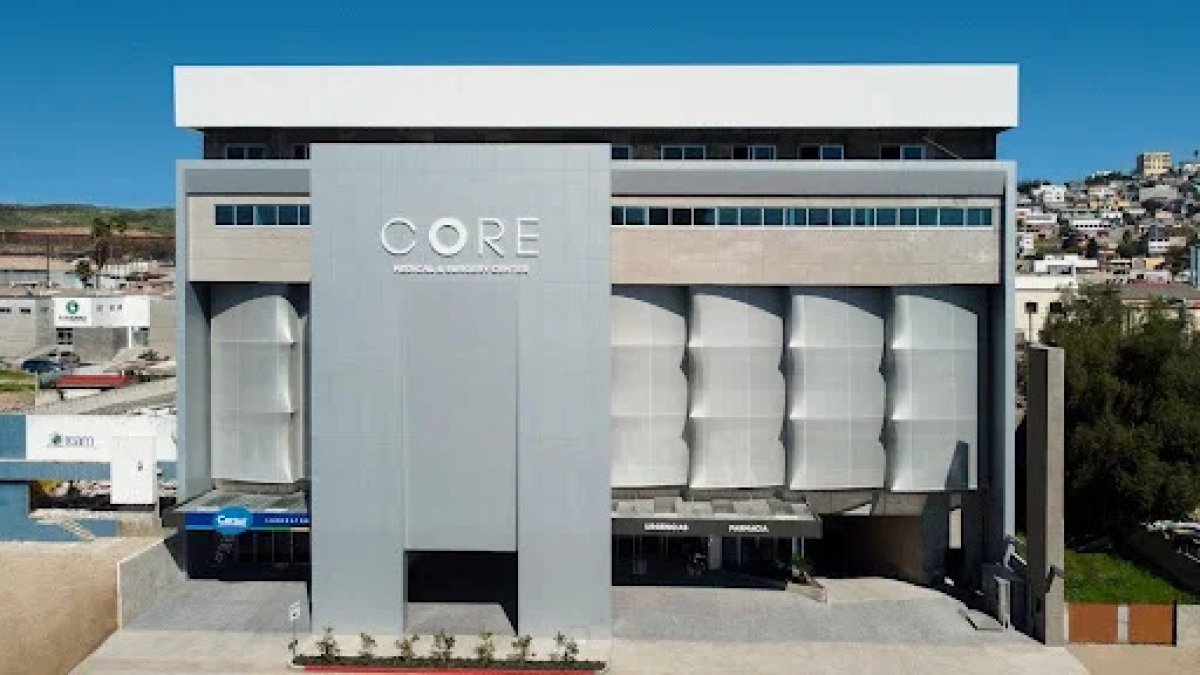
Advance Health Medical Center
نظرة عامة على جراحة إصلاح تمزق الكفة المدورة في المكسيك
- جراحة إصلاح تمزق الكفة المدورة - من $8,800
يعمل هذا الإجراء على إصلاح أوتار الكتف التالفة وتحسين الحركة وتخفيف الألم عن طريق التدخل الجراحي منخفض الخطورة.
- استبدال مفصل الكتف - من $15,500
تتضمن هذه الجراحة استبدال أجزاء الكتف البالية بمكونات صناعية لتخفيف الألم وتحسين الوظيفة.
- العلاج المحافظ للخلع المعتاد للكتف - من $4,000
يهدف هذا العلاج إلى تثبيت الكتف باستخدام تمارين لتقوية العضلات دون الحاجة إلى جراحة.
- إصلاح Bankart - من $5,500
يعالج هذا الإجراء عدم استقرار الكتف عن طريق إصلاح الأربطة الممزقة لشد المفصل ، مما يقلل من مخاطر الخلع.
اليوم الأول - الوصول
- الوصول إلى البلاد.
- التسجيل في الإقامة (غير مشمول).
اليوم 2 - ما قبل العملية
- التشاور مع جراح العظام.
- الفحوصات الطبية بما في ذلك الأشعة السينية والتصوير بالرنين المغناطيسي.
- الفحص البدني ومراجعة التاريخ الطبي.
اليوم الثالث - الجراحة
- القبول في العيادة.
- التحضير للجراحة ، بما في ذلك التخدير.
- إجراء جراحة إصلاح الكفة المدورة (2-3 ساعات).
- نقل إلى غرفة الإنعاش بعد الجراحة.
يوم 4 إلى 7 - بعد العملية
- ابق في العيادة للمراقبة.
- إدارة الألم والعناية بالجروح.
- الخروج من العيادة.
الأسبوع 1-2 - إعادة التأهيل
- ابدأ تمارين نطاق الحركة اللطيفة.
- ارتدِ حبال للراحة والدعم.
الأسبوع 3-6 - إعادة التأهيل
- ابدأ تمارين القوة تحت إشراف أخصائي العلاج الطبيعي.
- العودة التدريجية إلى الأنشطة اليومية الخفيفة.
الأسبوع السابع وما بعده - إعادة التأهيل
- العودة إلى العمل (حسب نوع الوظيفة).
- العودة التدريجية لممارسة الرياضة والأنشطة الشاقة.
- تظهر النتيجة النهائية بعد عدة أشهر.
يرجى ملاحظة أن الجدول الزمني للتعافي لكل مريض قد يختلف بناءً على الظروف الفردية.
- إيداع Bookimed: 200 دولار أو 200 يورو.
- وديعة العيادة: ادفع نسبة محددة مقدمًا.
احصل على تقييم طبي لـ جراحة إصلاح تمزق الكفة المدورة في المكسيك: اختر أخصائيك من بين الأفضل في هذا المجال
عرض جميع الأطباء
Juan Bustamante
الطبيب هو جراح عظام متميز يتمتع بأكثر من 35 عامًا من الخبرة، متخصص في جراحة العظام، وعلم الإصابات، وطب الرياضة. كان عضوًا نشطًا في العديد من الجمعيات المهنية، بما في ذلك جمعية جراحة العظام، والجمعية اللاتينية الأمريكية لجراحة العظام والإصابات، والأكاديمية الأمريكية لجراحي العظام. بدأت رحلته الأكاديمية في جامعة المكسيك المستقلة، تلتها تدريب متخصص في جراحة العظام وطب الرياضة في كل من المكسيك والولايات المتحدة. تعكس منشوراته العلمية مساهماته الكبيرة في المجال الطبي.<\/p>
المراجعات
جميع المراجعاتمشاركة المحتوى
قصص فيديو من مرضى Bookimed
 Anna Leonova
أسئلة متكررة حول جراحة إصلاح تمزق الكفة المدورة في المكسيك
هل جراحو العظام والمستشفيات في المكسيك آمنون ومؤهلون؟
يعد جراحو العظام والمستشفيات في المكسيك آمنين ومؤهلين إذا اخترت متخصصين معتمدين من قبل المجلس المكسيكي لجراحة العظام والرضوض (CMOT). تحافظ المستشفيات الخاصة الرائدة على اعتماد JCI أو شهادة CSG، مما يضمن مطابقة بروتوكولات السلامة السريرية للمعايير الموجودة في الولايات المتحدة.
- اعتماد الجراح: يجب أن يحمل الجراحون المعتمدون أوراق اعتماد نشطة من المجلس المكسيكي لجراحة العظام والرضوض (CMOT).
- معايير المستشفى: تتمتع المرافق الخاصة من الدرجة الأولى باعتماد JCI أو شهادة CSG من المجلس الصحي المكسيكي.
- الانتماءات الدولية: غالبًا ما يحتفظ المتخصصون النخبة بعضوية في الأكاديمية الأمريكية لجراحي العظام (AAOS).
- استخدام التكنولوجيا: تستخدم العيادات المتطورة غرسات معتمدة من إدارة الغذاء والدواء (FDA) وأدوات جراحية بالمنظار لإجراء إصلاحات دقيقة.
رؤية خبير Bookimed: يظهر تحليل البيانات السريرية أن اختيار الموقع يؤثر على البنية التحتية للسلامة. توفر مستشفيات مثل مستشفى دي لا فاميليا (Hospital de la Familia) في مكسيكالي بيئات جراحية معتمدة من CSG على مسافة قريبة من الحدود الأمريكية. هذا القرب يبسط الخدمات اللوجستية بعد الجراحة، بينما توفر العيادة غرفًا خاصة على طراز البوتيك تعزز الإشراف على التعافي مقارنة بالمرافق العامة الكبيرة.
إجماع المرضى: يؤكد المرضى أن المستشفيات الخاصة في المكسيك توفر مستويات عالية من النظافة والمعدات الحديثة. وينصحون بالتأكد من حجم عمليات إصلاح الكفة المدورة التي يجريها الجراح وترتيب العلاج الطبيعي المحلي قبل ا
ما هي التقنيات الجراحية المستخدمة في المكسيك لإصلاح الكفة المدورة؟
يستخدم جراحو العظام في المكسيك بشكل أساسي الإصلاح بالمنظار، وهي تقنية طفيفة التوغل تتضمن شقوقًا صغيرة وكاميرات متخصصة. بالنسبة للتمزقات المعقدة أو الكبيرة، يقدم المتخصصون إصلاحات مفتوحة مصغرة أو مفتوحة تقليدية. قد يخضع بعض المرضى الذين يعانون من تمزقات هائلة والتهاب المفاصل لعملية استبدال مفصل الكتف العكسي لاستعادة الوظيفة.
- الإصلاح بالمنظار: يستخدم الجراحون شقوقًا صغيرة بحجم 1 سم وكاميرات لإعادة ربط الأوتار بالمراسي.
- تقنية مفتوحة مصغرة: تجمع بين تنظير المفصل وشق بطول 3-5 سم للرؤية المباشرة للتمزقات الكبيرة.
- الإصلاح المفتوح التقليدي: الأفضل لعمليات إعادة البناء المعقدة أو الحالات التي تتطلب نهج نقل الوتر المباشر.
- استبدال الكتف العكسي: يتجاوز الكفات التالفة عن طريق تبديل تشريح الكرة والمقبس من أجل الحركة.
رؤية خبير Bookimed: في حين أن الإصلاح بالمنظار هو المعيار الذهبي، تستخدم العديد من العيادات المكسيكية ذات الحجم الكبير مثل مستشفى دي لا فاميليا مرافق معتمدة من CSG للتعامل مع عمليات إعادة البناء المفتوحة المعقدة. تظهر بياناتنا أن المراكز الكبرى بالقرب من الحدود غالبًا ما تستخدم نفس أنظمة مرساة الخياطة الموجودة في المستشفيات الأمريكية. يضمن هذا الاتساق في الأجهزة توافقًا عاليًا للمرضى الذين يحتاجون إلى علاج طبيعي للمتابعة عند عودتهم إلى الوطن.
إجماع المرضى: يؤكد المرضى أن التحقق من طريقة التثبيت المحددة (مثل المراسي مزدوجة الصف) أمر حيوي قبل السفر. يتفق معظمهم على أنه على الرغم من كفاءة الجراحة، فإن العمل الحقيقي ي
ما هي نسبة نجاح جراحة إصلاح الكفة المدورة في المكسيك؟
تتراوح معدلات نجاح إصلاح الكفة المدورة في المكسيك من 80% إلى 90% للتمزقات الصغيرة إلى المتوسطة. تتماشى النتائج مع المعايير الدولية عند إجرائها في مرافق معتمدة من قبل المجلس الصحي العام (CSG). يتم تعريف النجاح السريري من خلال تخفيف الألم واستعادة حركة الكتف.
- النهج الجراحي: يقلل الإصلاح بالمنظار من خطر العدوى إلى 2% إلى 4% باستخدام مثبتات الخيوط الجراحية الحديثة.
- مؤهلات الجراح: يحمل كبار المتخصصين شهادة البورد من المجلس المكسيكي لجراحة العظام وتدريب الزمالة الدولي.
- الجدول الزمني للتعافي: يعتمد النجاح الوظيفي بشكل كبير على 4 إلى 6 أشهر من العلاج الطبيعي المنظم بعد الجراحة.
- الإقامة في المستشفى: يطلب معظم الجراحين فترة انتظار من 7 إلى 10 أيام قبل أن يتمكن المرضى من السفر إلى الوطن بأمان.
رؤية خبير Bookimed: يؤثر القرب من الحدود بشكل كبير على استمرارية الرعاية. تقع عيادات مثل مستشفى دي لا فاميليا (Hospital de la Familia) في مكسيكالي على بعد خطوات من حدود كاليفورنيا. وهذا يسمح للمرضى بالعبور بسهولة للمتابعة الأولية. اختيار العيادات في المدن الحدودية يبسط فترة المراقبة الإلزامية بعد الجراحة للمرضى من أمريكا الشمالية.
إجماع المرضى: يعتمد النجاح على الالتزام بإعادة التأهيل بدلاً من موقع الجراحة. يبلغ العديد من المرضى عن تخفيف ممتاز للألم، لكنهم يؤكدون أن استعادة القوة الكاملة تتطلب شهوراً من العلاج الطبيعي المخصص.
كيف يبدو الجدول الزمني للتعافي بعد جراحة إصلاح الكفة المدورة؟
يستغرق التعافي من جراحة الكفة المدورة في المكسيك عادةً من 6 إلى 12 شهرًا لاستعادة الوظيفة الكاملة. يستخدم المرضى حمالة إبعاد (abduction sling) خلال الأسابيع الستة الأولى لحماية الطعم. يركز الشفاء الأولي على الحركة السلبية، يليها التقوية والعلاج الطبيعي المتقدم.
- التثبيت بالحمالة: ارتدِ حمالة الإبعاد على مدار الساعة طوال أيام الأسبوع لمدة 4 إلى 6 أسابيع لمنع التمزق مرة أخرى.
- العلاج الطبيعي الأولي: ابدأ بنطاق الحركة السلبي في غضون أسبوع إلى أسبوعين مع معالج.
- الحركة النشطة: ابدأ بتحريك الذراع بشكل مستقل بعد الأسبوع السادس بمجرد إزالة الحمالة.
- مرحلة التقوية: أدخل أحزمة المقاومة والأوزان الخفيفة بين الشهر الثالث والشهر السادس.
- النشاط الكامل: العودة إلى الرياضات التي تتطلب رفع الذراع فوق الرأس أو العمل اليدوي الشاق بعد 9 إلى 12 شهرًا من الجراحة.
رؤية خبير Bookimed: بينما تقدم عيادات مثل Hospital de la Familia رعاية عالية الجودة ومعتمدة من CSG، يعتمد النجاح على إعادة التأهيل بعد السفر. تُظهر بياناتنا أن المرضى الذين يرتبون للعلاج الطبيعي في المنزل قبل المغادرة إلى المكسيك يتعافون بشكل أسرع. يعد نقل البروتوكول الجراحي إلى معالج محلي أمرًا حيويًا لشفاء الوتر بالعظم على المدى الطويل.
إجماع المرضى: يجد العديد من المرضى أن النوم بشكل مريح هو التحدي الأصعب خلال الأسابيع القليلة الأولى. يؤكد معظمهم أن العملية أبطأ مما كان متوقعًا، لكن اتباع بروتوكول إعادة التأهيل بدقة يمنع القلق من الإصابة مرة أخرى.
كم من الوقت أحتاج للبقاء في المكسيك بعد الجراحة قبل أن أتمكن من السفر إلى المنزل؟
يجب على معظم المرضى البقاء في المكسيك لمدة 7 إلى 14 يوماً بعد جراحة إصلاح الكفة المدورة. تسمح هذه الفترة للجراحين بمراقبة الشفاء الأولي، وإدارة الألم بعد الجراحة، وإجراء أول تغيير للضمادة. تتطلب الإجراءات العظمية تثبيتاً لمنع تجلط الأوردة العميقة والتورم الناجم عن الارتفاع أثناء الرحلات الجوية.
- فترة السفر: خطط لمدة 14 يوماً إذا كنت تسافر لمسافات طويلة أو بعد إصلاحات الأنسجة المعقدة.
- التعافي الأولي: ابقَ لمدة 72 ساعة على الأقل حتى في حالات الإصلاحات بالمنظار البسيطة لضمان الاستقرار.
- مرحلة ما بعد الجراحة: احضر فحص الشق الأول وتعديل الأدوية قبل مغادرة البلاد.
- التصريح الطبي: احصل على شهادة اللياقة للطيران (Fit to Fly) وحمالة الكتف قبل مغادرة العيادة.
- بروتوكولات السلامة: رتب للحصول على مساعدة الكرسي المتحرك في المطار لتجنب رفع الأمتعة الثقيلة بالذراع التي أجريت لها الجراحة.
رؤية خبير Bookimed: بينما يعتقد الكثيرون أن الجراحة هي الجزء الصعب، غالباً ما تكون رحلة العودة هي نقطة الألم الحقيقية. تقع عيادات مثل مستشفى دي لا فاميليا (Hospital de la Familia) في مكسيكالي مباشرة على حدود الولايات المتحدة. يسمح هذا الموقع للعديد من المرضى بالقيادة إلى المنزل بدلاً من الطيران، مما يتجاوز ضغط الارتفاع ومتاعب أمن المطار تماماً.
إجماع المرضى: يؤكد المرضى أن السفر بالطائرة مع حمالة ذراع أمر مرهق جسدياً وينصحون بإضافة أيام إضافية إلى جدولك الزمني. يذكرون غالباً أن المغادرة قبل الفحص الأول بعد الجراحة يمكن أن
هل هناك أي مزايا لوجستية لاختيار مدن حدودية معينة؟
يوفر اختيار مدن حدودية معينة مثل مكسيكالي لإصلاح الكفة المدورة مزايا لوجستية مثل تقليل وقت السفر بعد التخدير والقرب المباشر من الولايات المتحدة. تقع مرافق مثل مستشفى دي لا فاميليا على بعد خطوات من حدود كاليكسيكو، مما يقلل من الإجهاد البدني ويسهل عودة المرضى الدوليين.
- القرب من الحدود: المستشفيات التي تقع على مسافة قريبة من المعابر تلغي الحاجة إلى رحلات السيارة الطويلة والمتعرجة بعد الجراحة.
- البنية التحتية الطبية: توفر المراكز المخصصة أنظمة مبسطة للمختبرات قبل الجراحة والوصول الفوري للصيدلية.
- النقل المناسب للحمالات: توفر مدن معينة وصولاً سهلاً إلى خدمات النقل التشاركي لتقليل المشي أثناء ارتداء الحمالات المقيدة للحركة.
- شهادات السلامة: تتبع أفضل المرافق الحدودية معايير اعتماد CSG من المجلس الصحي العام في المكسيك.
رؤية خبير Bookimed: الفائدة الأكثر أهمية هي الطبيعة البوتيكية للعيادات الحدودية مثل مستشفى دي لا فاميليا. مع 32 غرفة خاصة فقط، تعطي هذه المرافق الأولوية للتنسيق السريع بعد الجراحة. تضمن هذه البيئة حصولك على اهتمام شخصي لتغيير الضمادات وإدارة الألم، وهو أمر غالباً ما يفتقر إليه في مستشفيات المدن الكبيرة.
إجماع المرضى: يؤكد المرضى أن تقليل السفر بعد التخدير أمر بالغ الأهمية للراحة. إنهم يفضلون المدن الحدودية حيث تقلل راحة الانتقال من المطار إلى العيادة من الوقت المستغرق في السيارة وتعمل على استقرار مرحلة التعافي المبكرة.