جراحة متلازمة النفق الرسغي في المكسيك — احصل على 3 عيادات مطابقة مع التكاليف


تمت مراجعة المقالة طبيا من قبل
فهد مولود
ما هي تكلفة جراحة متلازمة النفق الرسغي في المكسيك؟ اكتشف الآن
تتراوح تكلفة جراحة متلازمة النفق الرسغي في المكسيك عادةً بين $1,500 و $2,000. يعتمد السعر الإجمالي على التقنية الجراحية، سواء كانت جراحة مفتوحة أو بالمنظار، وعلى موقع المدينة. تشمل التكلفة القياسية عادةً أتعاب الجراح، والتخدير الموضعي، والمواد الجراحية، واستشارات المتابعة.
- تحرير النفق بالمنظار: تزيد التكلفة عادة بنسبة 20-30% بسبب الحاجة إلى معدات طبية متخصصة.
- ميزة مدن الحدود: قد تبدأ باقات الأسعار في تيخوانا أو ميكسيكالي بمبالغ أعلى لكنها غالباً تتضمن تنقلات خاصة.
- مواقع استراتيجية: تشمل المراكز الطبية الرئيسية تيخوانا، وميكسيكالي، ومونتيري، وغوادالاخارا، ومدينة المكسيك.
- مستوى المنشأة: غالباً ما تفرض شبكات المستشفيات الكبرى رسوماً أعلى من العيادات التخصصية الصغيرة لنفس الإجراء.
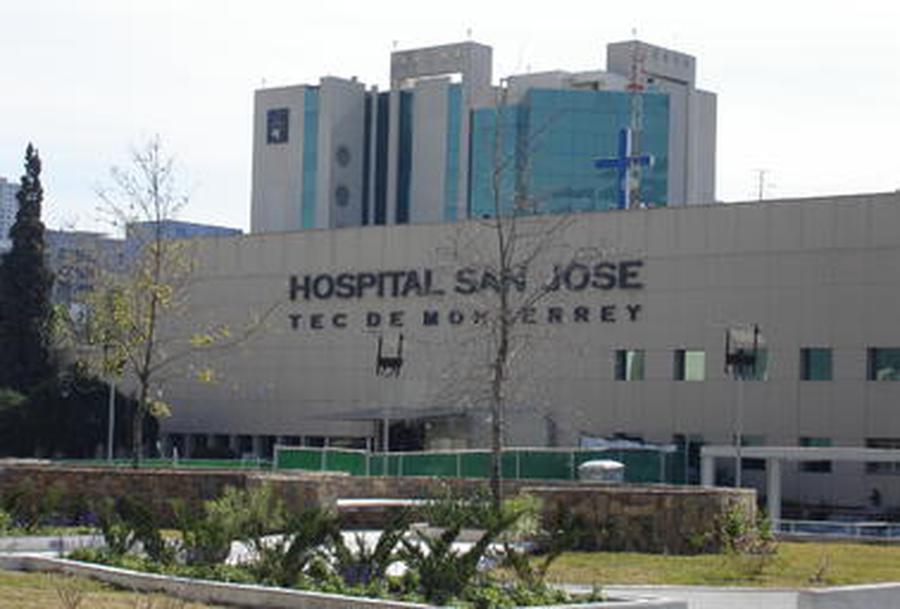
رأي خبراء Bookimed: يوفر اختيار العيادات الحدودية ميزة لوجستية كبيرة للمرضى القادمين من أمريكا الشمالية. يُعد مستشفى دي لا فاميليا في ميكسيكالي منشأة متخصصة تقع على بعد خطوات من حدود كاليفورنيا. للحالات المعقدة، يتميز مستشفى سان خوسيه تكنولوجيكو دي مونتيري باعتماد JCI، مما يضمن معايير جودة دولية. تقدم مراكز مرموقة مثل مستشفى أنجيليس تيخوانا تنسيقاً متكاملاً للمسافرين عبر أقسام مخصصة للمرضى الدوليين.
المزايا الرئيسية
| المكسيك | تركيا | إسبانيا | |
|---|---|---|---|
| جراحة متلازمة النفق الرسغي | من $1,500 | من $4,000 | من $3,000 |
مزاياك وضماناتك مع Bookimed
أسعار مباشرة
Bookimed لا يضيف رسوماً إضافية على أسعار جراحة متلازمة النفق الرسغي. الأسعار مأخوذة من قوائم الأسعار الرسمية للعيادات. تدفع مباشرة في العيادة مقابل جراحة متلازمة النفق الرسغي عند وصولك.
عيادات وأطباء معتمدون فقط
Bookimed ملتزم بسلامتك. نحن نعمل فقط مع المؤسسات الطبية التي تحافظ على معايير دولية عالية في جراحة متلازمة النفق الرسغي ولديها التراخيص اللازمة لخدمة المرضى الدوليين في جميع أنحاء العالم.
مساعدة مجانية على مدار الساعة
Bookimed يقدم مساعدة خبراء مجانية. منسق طبي شخصي يدعمك قبل وأثناء وبعد العلاج، ويحل أي مشاكل. لن تكون وحيداً أبداً في رحلة جراحة متلازمة النفق الرسغي.

منسقك الطبي الشخصي في Bookimed
- يدعمك في كل مرحلة
- المساعدة في اختيار العيادة الطبية المناسبة والطبيب المناسب
- يضمن الوصول السريع والمريح إلى المعلومات
اكتشف أفضل جراحة متلازمة النفق الرسغي العيادات في المكسيك: 12 خيارات معتمدة والأسعار


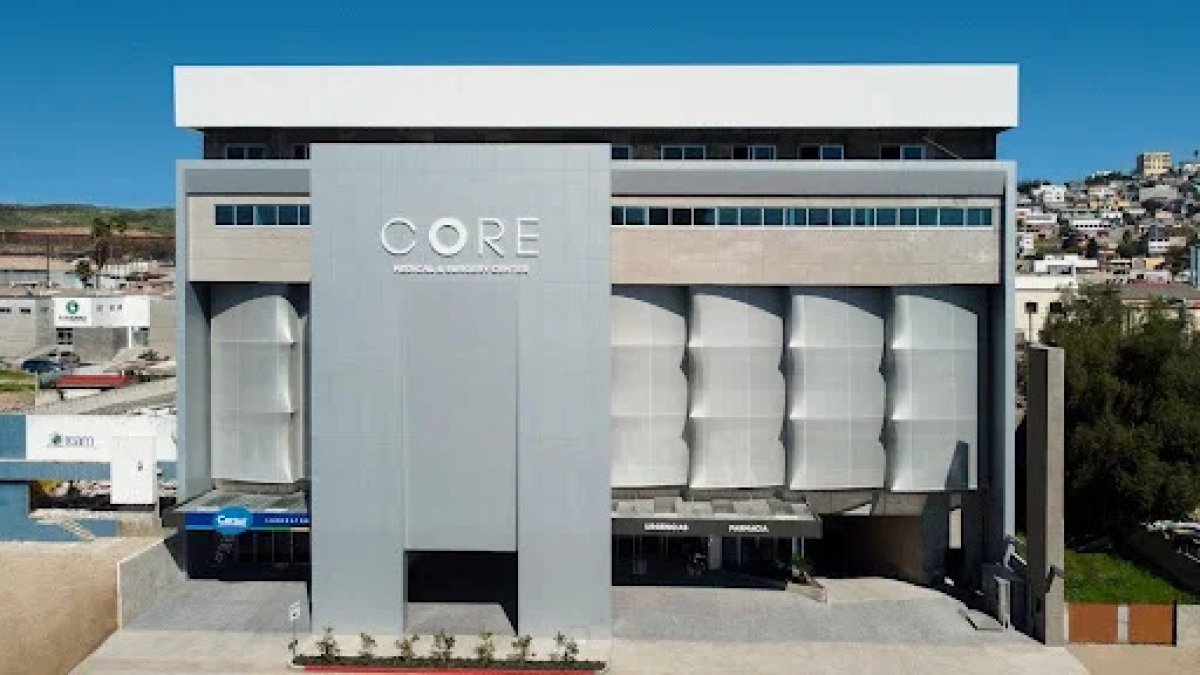
Advance Health Medical Center
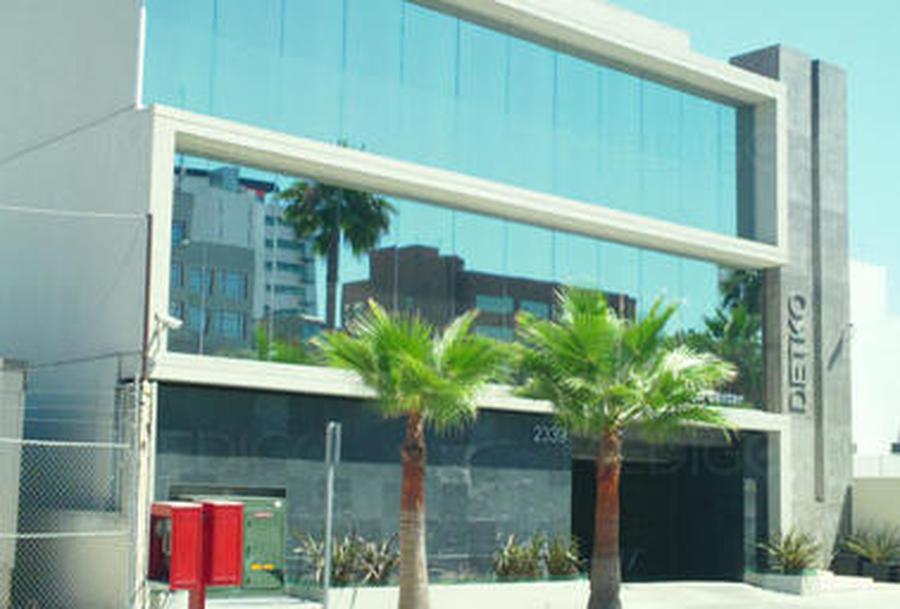
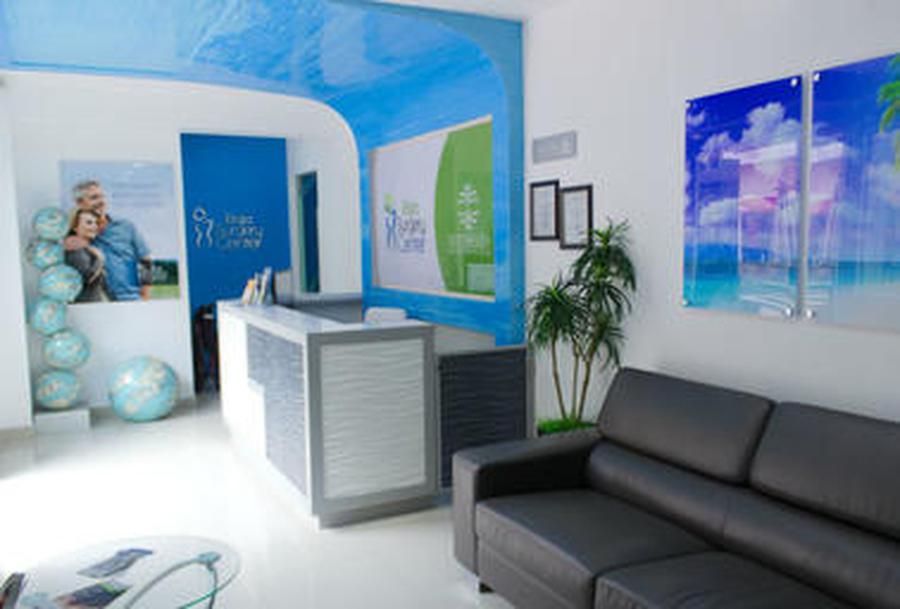
Baja Hand Clinic

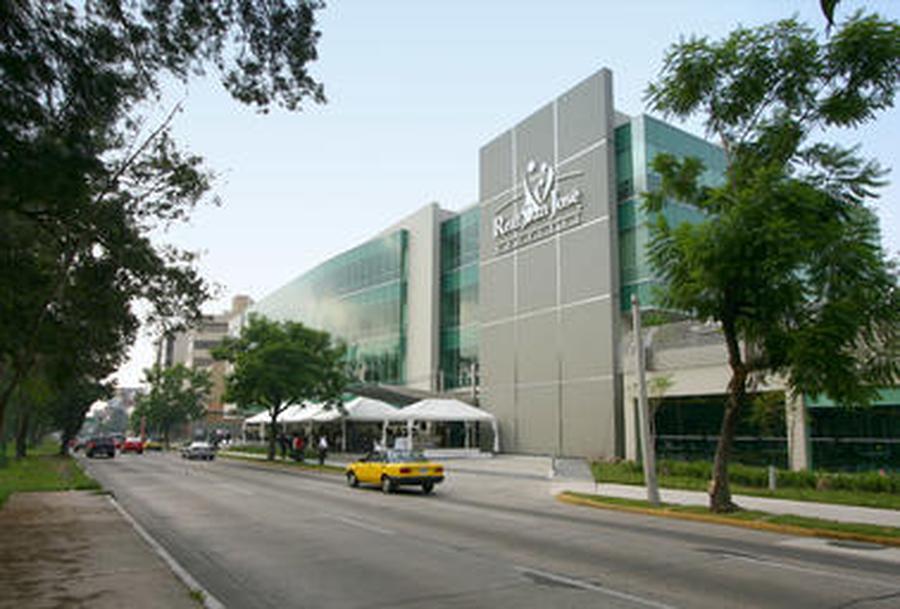
Hospital Zambrano Hellion




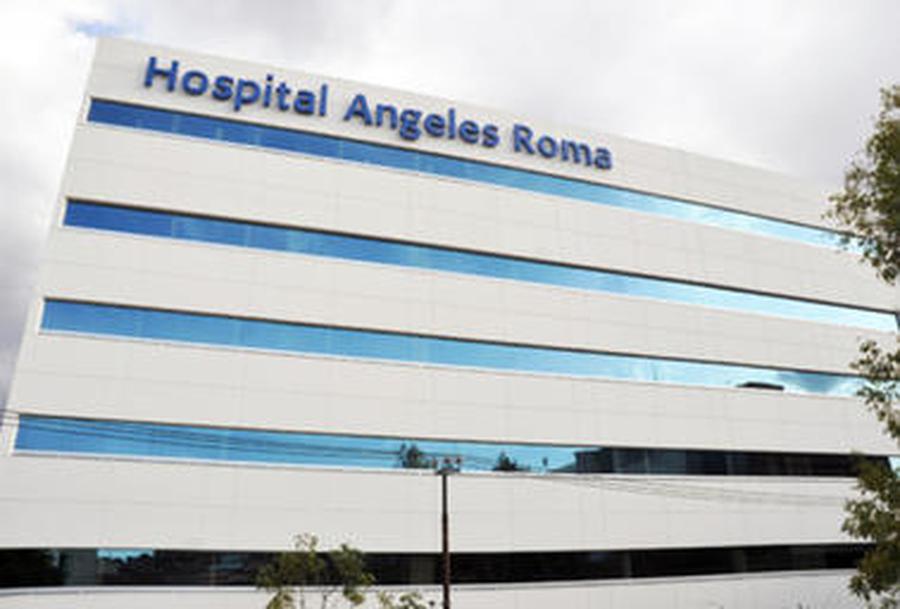
Ortopedia DF
نظرة عامة على جراحة متلازمة النفق الرسغي في المكسيك
- جراحة متلازمة النفق الرسغي - من $1,500
يخفف هذا العلاج من آلام اليد عن طريق قطع الرباط الذي يضغط على العصب المتوسط ، مما يحسن وظائف اليد.
اليوم الأول - الوصول
- نقل الشخصيات المهمة من المطار إلى المستشفى.
- قم بتسجيل الوصول إلى مكان إقامتك المرتب مسبقًا.
اليوم 2 - ما قبل العملية
- استشارة طبيب أعصاب متخصص.
- إجراء الفحوصات الطبية اللازمة (فحص الدم ، مخطط كهربية العضل).
اليوم الثالث - يوم الجراحة
- التحضير للجراحة (الصيام وتنقية الرسغ).
- جراحة النفق الرسغي تحت التخدير الموضعي.
- تستغرق العملية حوالي ساعة واحدة.
- مراقبة ما بعد الجراحة في غرفة الإنعاش.
اليوم 4 - بعد العملية
- نزع الضمادات وفحص منطقة الجراحة.
- الخروج من المستشفى.
- نقل إلى الفندق لمزيد من التعافي.
الأسبوع الأول - إعادة التأهيل
- تمارين اليد الخفيفة لمنع تصلبها.
- مسكنات الألم العادية كما هو موصوف.
الأسبوع الثاني - إعادة التأهيل
- إزالة الغرز بواسطة مقدم رعاية صحية محلي.
- العودة التدريجية إلى الأنشطة اليومية.
الأسبوع الثالث - إعادة التأهيل
- العودة إلى العمل ، حسب نوع وظيفتك.
- بدء العلاج الطبيعي إذا نصح الطبيب بذلك.
الأسبوع السادس - إعادة التأهيل
- العودة إلى الأنشطة الرياضية.
- عادة ، تظهر النتائج النهائية بحلول هذا الوقت.
يرجى ملاحظة أن كل حالة فردية وقد تختلف. اتبع دائمًا نصيحة طبيبك.
- إيداع Bookimed: 200 دولار أو 200 يورو.
- وديعة العيادة: ادفع نسبة محددة مقدمًا.
احصل على تقييم طبي لـ جراحة متلازمة النفق الرسغي في المكسيك: اختر أخصائيك من بين الأفضل في هذا المجال
عرض جميع الأطباء
Fernando Franco Cravioto
الدكتور فير كرافيوتو جرّاح تجميل وترميم معتمد، مقره في إنترلوماس، مدينة مكسيكو. يركّز على جراحات الجزء العلوي من الوجه وجراحات الثدي. تشمل إجراءاته الأساسية تصغير الجبهة، شد الحاجب، شد الوجه، تجميل الأنف، وتكبير الثدي.
يعتمد منهجية Premiere لتناغم ملامح الوجه، التي تمزج بين التخطيط الفردي والتحليل الشامل للوجه بزاوية 360°، وتهدف إلى نتائج طبيعية ومتوازنة. ويحصل المرضى الدوليون على دعم يمتد من الاستشارة الافتراضية حتى رعاية ما بعد الجراحة المنظَّمة في مدينة مكسيكو.
الاعتمادات: شه

Juan Bustamante
الطبيب هو جراح عظام متميز يتمتع بأكثر من 35 عامًا من الخبرة، متخصص في جراحة العظام، وعلم الإصابات، وطب الرياضة. كان عضوًا نشطًا في العديد من الجمعيات المهنية، بما في ذلك جمعية جراحة العظام، والجمعية اللاتينية الأمريكية لجراحة العظام والإصابات، والأكاديمية الأمريكية لجراحي العظام. بدأت رحلته الأكاديمية في جامعة المكسيك المستقلة، تلتها تدريب متخصص في جراحة العظام وطب الرياضة في كل من المكسيك والولايات المتحدة. تعكس منشوراته العلمية مساهماته الكبيرة في المجال الطبي.<\/p>
مشاركة المحتوى
قصص فيديو من مرضى Bookimed
 Anna Leonova
أسئلة متكررة حول جراحة متلازمة النفق الرسغي في المكسيك
هل جراحة النفق الرسغي في المكسيك آمنة؟
تعد جراحة النفق الرسغي في المكسيك آمنة عند إجرائها من قبل متخصصين معتمدين في مرافق معتمدة. يحافظ هذا الإجراء الروتيني الذي يستغرق من 10 إلى 30 دقيقة في العيادات الخارجية على سجل أمان عالٍ. يعتمد النجاح على اختيار جراحين معتمدين من قبل المجلس المكسيكي لجراحة العظام والرضوض (CMOT).
- مؤهلات الجراح: ابحث عن متخصصين حاصلين على شهادات من المجلس المكسيكي للجراحة التجميلية (CMCPER) أو CMOT.
- اعتماد المرفق: تأكد من وجود شهادات JCI أو CSG أو ISO 9001 لضمان معايير أمان عالية.
- حجم الإجراءات: تخدم المراكز الكبرى مثل تيخوانا وميكسيكالي ومونتيري آلاف المرضى الدوليين سنويًا.
- بروتوكولات الأمان: تستخدم العيادات الحديثة التخدير الموضعي والتقنيات التنظيرية لتقليل المخاطر الجراحية.
رؤية خبير Bookimed: بينما يبحث الكثيرون عن أقل سعر، توجد أعلى قيمة أمان في عيادات الحدود في ميكسيكالي وتيخوانا. على سبيل المثال، يحتفظ مستشفى دي لا فاميليا (Hospital de la Familia) باعتماد CSG ويقع على بعد خطوات من حدود كاليفورنيا. يسمح هذا القرب للمرضى الأمريكيين بتنسيق رعاية المتابعة الإلزامية لمدة 10 أيام بسهولة مع أطبائهم الأساسيين المحليين.
إجماع المرضى: يؤكد المرضى أن النجاح يعتمد على الحصول على تشخيص واضح قبل السفر. ويقترحون إعطاء الأولوية للجراحين الذين يقدمون فحوصات شاملة قبل الجراحة وقيودًا مفصلة على النشاط بعد الجراحة.
كيف يبدو الجدول الزمني للتعافي بعد جراحة تحرير النفق الرسغي؟
يتضمن التعافي من جراحة تحرير النفق الرسغي التئام الجرح الأولي لمدة 10 إلى 14 يوماً، مع عودة الاستخدام الوظيفي لليد في غضون 4 إلى 6 أسابيع. في حين أن الأعراض مثل وخز الليل غالباً ما تختفي على الفور، فإن استعادة قوة القبضة الكاملة تستغرق عادةً من 3 إلى 12 شهراً اعتماداً على التقنية الجراحية المستخدمة.
- التئام الشق: يتم إزالة الغرز غير القابلة للامتصاص بعد 10 إلى 14 يوماً من الإجراء الجراحي.
- قيود النشاط: يجب على المرضى تجنب رفع أكثر من 2 رطل (حوالي 1 كجم) خلال الأسبوع الأول.
- العودة للعمل: غالباً ما يعود الموظفون المكتبيون في غضون أسبوع إلى أسبوعين بعد الجراحة.
- القوة الكاملة: تُستأنف الأعمال اليدوية والأنشطة الرياضية الشاقة عادةً بعد 6 إلى 12 أسبوعاً.
رؤية خبير Bookimed: تُظهر البيانات من المراكز المكسيكية مثل عيادة باجا لليد (Baja Hand Clinic) أن الجراحة بالمنظار تسرع بشكل كبير العودة إلى العمل المكتبي. بينما تتطلب الجراحة المفتوحة من أسبوع إلى أسبوعين من التوقف عن العمل، غالباً ما يستأنف مرضى المنظار الكتابة الخفيفة على الفور تقريباً. هذا التعافي الأولي الأقصر يجعل النهج بالمنظار خياراً عالي القيمة للمرضى الدوليين ذوي فترات السفر المحدودة.
إجماع المرضى: يلاحظ العديد من المرضى أنه على الرغم من اختفاء ألم الأعصاب بسرعة، إلا أن راحة اليد تظل حساسة لعدة أسابيع. يوصي المرضى بالاستعداد للعيش بيد واحدة خلال الأيام الثلاثة الأولى لإدارة الخرق الأولي والتورم بفعالية.
ما هي التقنيات الجراحية التي تقدمها العيادات المكسيكية لتحرير النفق الرسغي؟
توفر العيادات المكسيكية تقنيتين جراحيتين أساسيتين لتحرير النفق الرسغي: التحرير المفتوح التقليدي والتحرير بالمنظار طفيف التوغل. تهدف كلتا الطريقتين إلى تخفيف الضغط عن العصب المتوسط عن طريق قطع الرباط الرسغي المستعرض، وغالبًا ما يتم ذلك داخل مرافق معتمدة من JCI أو CSG في مراكز مثل تيخوانا ومكسيكالي.
- التحرير المفتوح: يستخدم الجراحون شقًا بطول 5 سم لرؤية مباشرة للرباط الرسغي.
- التحرير بالمنظار: تعمل الكاميرات الصغيرة والشقوق التي يبلغ طولها 1.2 سم على تقليل الندبات وتسريع التعافي العام.
- التخدير الموضعي: تستخدم معظم الإجراءات تخديرًا موضعيًا، مما يسمح للمرضى بالبقاء مستيقظين طوال الوقت.
- الرعاية الخارجية: تستغرق العمليات الجراحية عادةً من 15 إلى 30 دقيقة مع فترة خروج لمدة 24 ساعة.
رؤية خبير Bookimed: على الرغم من تسويق جراحة المنظار لسرعة التعافي، يظل التحرير المفتوح هو المعيار الذهبي الجراحي في المكسيك. غالبًا ما يتم تفضيل هذه التقنية لضغط العصب الشديد لأنها توفر للجراحين رؤية مباشرة بنسبة 100%. غالبًا ما تستخدم العيادات المتميزة في مكسيكالي وتيخوانا الموجات فوق الصوتية عالية الدقة قبل الجراحة للتأكد من النهج الذي يناسب مستوى تلف العصب الخاص بك.
إجماع المرضى: يؤكد المرضى على أهمية التأكد مما إذا كانت التقنية منظارية حقًا أم مجرد شق مفتوح صغير. يوصي الكثيرون بالتحقق من حجم العمليات الشهري للجراح لضمان نتائج متسقة باستخدام أدوات طفيفة التوغل.
كم من الوقت أحتاج للبقاء في المكسيك بعد جراحة النفق الرسغي؟
يحتاج المرضى عادةً إلى البقاء في المكسيك لمدة تتراوح بين 3 إلى 14 يومًا اعتمادًا على التقنية الجراحية. تسمح الإجراءات بالمنظار مع غرز قابلة للذوبان بإقامة أقصر تتراوح من 3 إلى 5 أيام. تتطلب جراحات التحرير المفتوحة التقليدية التي تتطلب إزالة الغرز فعليًا عمومًا من 10 إلى 14 يومًا للتعافي الآمن.
- التعافي بالمنظار: توقع إقامة من 3 إلى 5 أيام للتقنيات طفيفة التوغل ذات الشقوق الأصغر.
- التحرير المفتوح: خطط لمدة 10 إلى 14 يومًا لاستيعاب إزالة الغرز اللازمة في العيادة.
- سلامة السفر: تجنب الطيران لمدة 4 إلى 5 أيام لمنع التورم الناتج عن ضغط المقصورة.
- القيود البدنية: تتطلب قيود رفع الأثقال مساعدة في المطار أو مرافق للتعامل مع الأمتعة الثقيلة.
رؤية خبير Bookimed: بينما تقدم عيادات مثل مركز باجا للجراحة في لوس ألغودونيس إجراءات في نفس اليوم، غالبًا ما يتجاهل المرضى فجوة التعافي بين كونهم مستقرين طبيًا وجاهزين للسفر. تظهر البيانات أن المرافق المعتمدة من JCI في مونتيري وميكسيكالي تعطي الأولوية لنافذة مراقبة مدتها 48 ساعة لضمان استقرار الجرح. البقاء بالقرب من الحدود في مدن مثل تيخوانا أو ميكسيكالي يبسط السفر البري إذا كنت تفضل تجنب التورم الناجم عن الطيران تمامًا.
إجماع المرضى: يؤكد المرضى على أهمية البقاء حتى تغيير الضمادة الأول للتأكد من نظافة الشق. يجد الكثيرون أن مهام السفر البسيطة مثل التعامل مع جوازات السفر أو الهواتف صعبة بشكل مدهش مع ألم اليد بعد الجراحة.
ما الذي يتم تضمينه عادةً في باقة السياحة العلاجية المكسيكية لجراحة النفق الرسغي؟
تتضمن باقات السياحة العلاجية المكسيكية لجراحة النفق الرسغي عادةً أتعاب الجراح، والتخدير الموضعي، وتكاليف المنشأة، والعمل المخبري قبل الجراحة. غالبًا ما توفر هذه الباقات الشاملة تنسيقًا ثنائي اللغة ونقلًا بريًا بين المطار والعيادة، خاصة للمنشآت الواقعة بالقرب من حدود الولايات المتحدة في تيخوانا أو ميكسيكالي.
- الأتعاب الجراحية: تغطي أخصائيي العظام أو جراحي الأعصاب المعتمدين الذين يقومون بإجراء عمليات التحرير المفتوحة أو بالمنظار.
- التشخيص السريري: يشمل الاستشارات الأولية وتحاليل الدم الأساسية أو دراسات الأعصاب قبل الجراحة.
- معدات ما بعد الجراحة: تتضمن الباقات عمومًا مستلزمات التعافي مثل جبائر المعصم، والضمادات، والأدوية.
- دعم الخدمات اللوجستية: يقوم منسقون متخصصون يتحدثون الإنجليزية بإدارة الجدولة والنقل الخاص للمرضى الدوليين.
رؤية خبير Bookimed: بينما تبدأ الباقات الأساسية من $1,500، غالبًا ما توفر الخيارات الأعلى قيمة أكبر من خلال تضمين معدات تنظير متخصصة. تستفيد عيادات مثل مستشفى دي لا فاميليا ومستشفى أنجيليس تيخوانا من قربها من الحدود لتقديم تجارب خارجية سلسة في نفس اليوم مما يقلل بشكل كبير من ضغوط السفر.
إجماع المرضى: يقدر المرضى سرعة الجدولة وغالبًا ما يجدون أن راحة السفر لا تقل أهمية عن التقنية الجراحية. يوصي معظمهم بالحصول على تأكيد كتابي للمشمولات لضمان تغطية رسوم التخدير والمنشأة بالكامل مقدمًا.
ما هي أفضل الوجهات في المكسيك لجراحة النفق الرسغي؟
تعد تيخوانا وميكسيكالي ومونتيري وغوادالاخارا الوجهات المكسيكية الأولى لجراحة النفق الرسغي. تتميز هذه المدن بمراكز تقويم العظام المتقدمة وأخصائيي اليد المعتمدين.
- القرب من الحدود: توفر تيخوانا وميكسيكالي سهولة الوصول للمرضى المسافرين من كاليفورنيا أو أريزونا.
- معايير المستشفيات: تضم مونتيري مرافق معتمدة من قبل اللجنة الدولية المشتركة (JCI) مثل مستشفى سان خوسيه تكنولوجيكو دي مونتيري.
- الخبرة المتخصصة: غالبًا ما تضم عيادات غوادالاخارا جراحين معتمدين من قبل المجلس المكسيكي للجراحة التجميلية.
- البنية التحتية المتقدمة: توفر مدينة مكسيكو أوسع شبكة من مستشفيات الجراحة للرعاية الثالثية.
رؤية خبير Bookimed: بينما يعطي العديد من المرضى الأولوية للقرب في تيخوانا، توفر ميكسيكالي في الواقع تركيزًا عاليًا من المرافق المعتمدة من قبل CSG. يحمل كل من مستشفى دي لا فاميليا ومستشفى هيسبانو أميريكانو هذه الشهادة المرموقة من المجلس العام للصحة المكسيكي. غالبًا ما يطابق معيار السلامة الوطني هذا المعايير الدولية مع الحفاظ على مستويات أسعار أكثر تنافسية من المراكز الحضرية الكبرى.
إجماع المرضى: يؤكد المسافرون أنه على الرغم من أن وخز الليل قد يهدأ بسرعة، إلا أن التعافي الكامل لقوة اليد يستغرق عدة أشهر. يوصي معظمهم بترتيب الخدمات اللوجستية بعد الجراحة، بما في ذلك المساعدة في المهام
كيف يتم التعامل مع المتابعة عن بعد بعد العودة إلى المنزل؟
تعتمد المتابعة عن بعد بعد جراحة متلازمة النفق الرسغي في المكسيك على أدوات الاتصال الرقمي مثل واتساب والبريد الإلكتروني للمراقبة عن بعد. يقوم المرضى بإرسال صور الجروح وتحديثات الأعراض إلى جراحيهم أثناء الانتقال من الرعاية الفورية بعد الجراحة في المكسيك إلى التعافي طويل الأمد في المنزل.
- المراقبة الرقمية: يستخدم الجراحون واتساب أو مكالمات الفيديو لمراجعة صور الشق الجراحي ومستويات التورم.
- المتابعات السريرية: تعطي العديد من العيادات المكسيكية الأولوية للتحديثات غير الرسمية القائمة على الرسائل لتتبع الأعراض الروتينية بعد الجراحة.
- انتقال الرعاية: غالبًا ما يحتاج المرضى إلى طبيب محلي للتدخلات الجسدية مثل إزالة الغرز في المرحلة المتأخرة.
- احتياجات التوثيق: توفر العيادات ملاحظات جراحية مكتوبة وقوائم بالأدوية لضمان الاستمرارية مع الأطباء المحليين.
رؤية خبير Bookimed: غالبًا ما تحدث فجوات في التنسيق عندما يعتمد المرضى على رسائل البريد الإلكتروني العامة للعيادة لطرح أسئلة التعافي. في مرافق مثل مستشفى أنجيليس تيخوانا، يؤدي وجود شخص اتصال مباشر للفريق الجراحي إلى تحسين أوقات الاستجابة. قبل مغادرة المكسيك، تأكد مما إذا كان جراحك يقدم ردودًا في نفس اليوم، حيث يتبع معظم الدعم عن بعد ساعات العمل المكسيكية القياسية.
إجماع المرضى: أفاد المرضى أنه على الرغم من أن الجراحين يظلون متاحين لتقديم المشورة، فإن أنجح حالات التعافي تتضمن تأمين طبيب محلي لإجراء فحوصات جسدية قبل السفر إلى المنزل. يساعد الوصول إلى إجابات سريعة عبر الرسائل في إدارة