إعادة بناء الرباط الصليبي الأمامي في المكسيك — احصل على 3 عيادات مطابقة مع التكاليف


تمت مراجعة المقالة طبيا من قبل
فهد مولود
ما هي تكلفة إعادة بناء الرباط الصليبي الأمامي في المكسيك؟ اكتشف الآن
تتراوح تكلفة جراحة ترميم الرباط الصليبي الأمامي في المكسيك بين $6,500 و $9,800. تعتمد الأسعار على نوع الطعم المستخدم، وخبرة الجراح، وموقع المدينة. تشمل معظم الباقات المكسيكية أجور الجراحة، والإقامة بالمستشفى، والأدوية.
- اختيار الطعم: عادة ما يكون استخدام أنسجة المريض (طعم ذاتي) أقل تكلفة من الأنسجة المانحة (طعم خيفي).
- موقع المدينة: تشمل المراكز الطبية الرئيسية تيجوانا، ومونتيري، وغوادالاخارا، ومكسيكالي، ومدينة مكسيكو.
- أسعار المراكز الطبية: تزيد تكلفة الباقات في كانكون بنسبة 15-20% عن أسعارها في مدن شمال المكسيك.
- جراحة وتر العرقوب: تبلغ تكلفة إجراءات ترميم الأوتار ذات الصلة ما بين $3,800 إلى $6,000.
رأي خبراء Bookimed: يوفر اختيار عيادة في مكسيكالي أو تيجوانا ميزة لوجستية كبيرة للمرضى القادمين من الولايات المتحدة. يقع مستشفى ديل لا فاميليا بالقرب من الحدود ويحمل اعتماد CSG. أما للباحثين عن أرقى المعايير، تضم مونتيري منشآت مثل مستشفى سان خوسيه المعتمد من JCI. تضمن هذه الاعتمادات جودة الرعاية مع الحفاظ على التوفير الملحوظ في التكاليف الذي تشتهر به المكسيك.
المزايا الرئيسية
| المكسيك | تركيا | إسبانيا | |
|---|---|---|---|
| إعادة بناء الرباط الصليبي الأمامي | ≈ $6,500 | من $5,100 | من $9,600 |
| تقويم مفاصل الأوتار | ≈ $3,800 | من $2,000 | من $16,800 |
مزاياك وضماناتك مع Bookimed
أسعار مباشرة
Bookimed لا يضيف رسوماً إضافية على أسعار إعادة بناء الرباط الصليبي الأمامي. الأسعار مأخوذة من قوائم الأسعار الرسمية للعيادات. تدفع مباشرة في العيادة مقابل إعادة بناء الرباط الصليبي الأمامي عند وصولك.
عيادات وأطباء معتمدون فقط
Bookimed ملتزم بسلامتك. نحن نعمل فقط مع المؤسسات الطبية التي تحافظ على معايير دولية عالية في إعادة بناء الرباط الصليبي الأمامي ولديها التراخيص اللازمة لخدمة المرضى الدوليين في جميع أنحاء العالم.
مساعدة مجانية على مدار الساعة
Bookimed يقدم مساعدة خبراء مجانية. منسق طبي شخصي يدعمك قبل وأثناء وبعد العلاج، ويحل أي مشاكل. لن تكون وحيداً أبداً في رحلة إعادة بناء الرباط الصليبي الأمامي.

منسقك الطبي الشخصي في Bookimed
- يدعمك في كل مرحلة
- المساعدة في اختيار العيادة الطبية المناسبة والطبيب المناسب
- يضمن الوصول السريع والمريح إلى المعلومات
اكتشف أفضل إعادة بناء الرباط الصليبي الأمامي العيادات في المكسيك: 7 خيارات معتمدة والأسعار



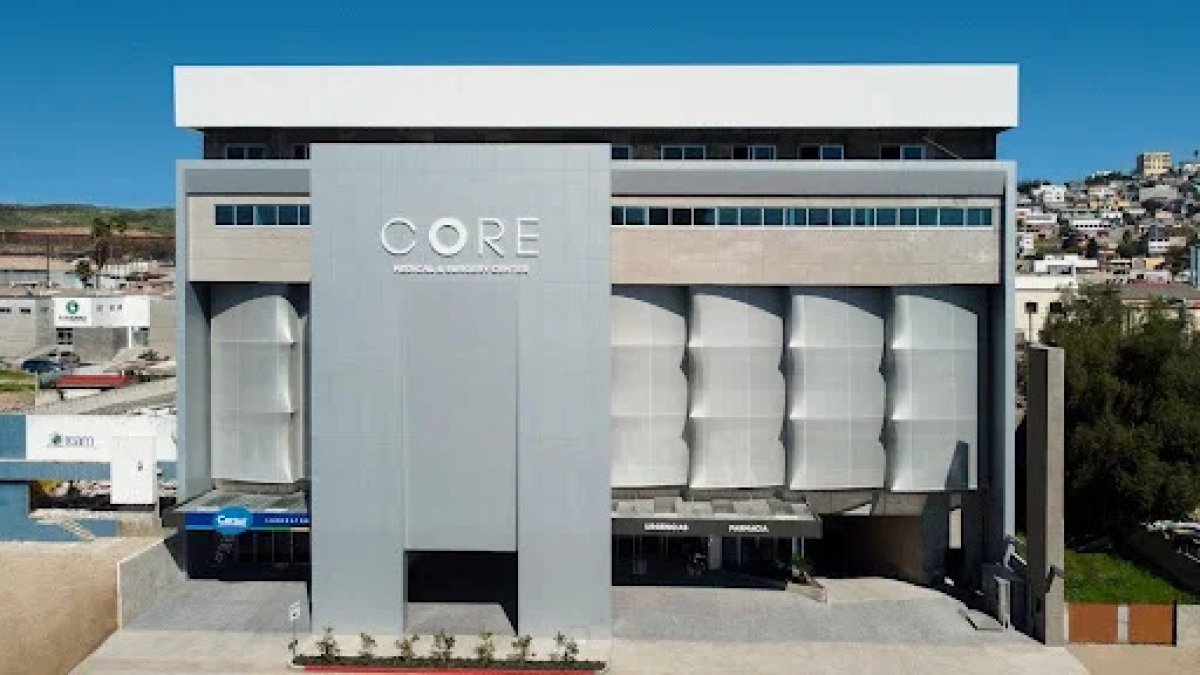
Advance Health Medical Center

Hospital Zambrano Hellion


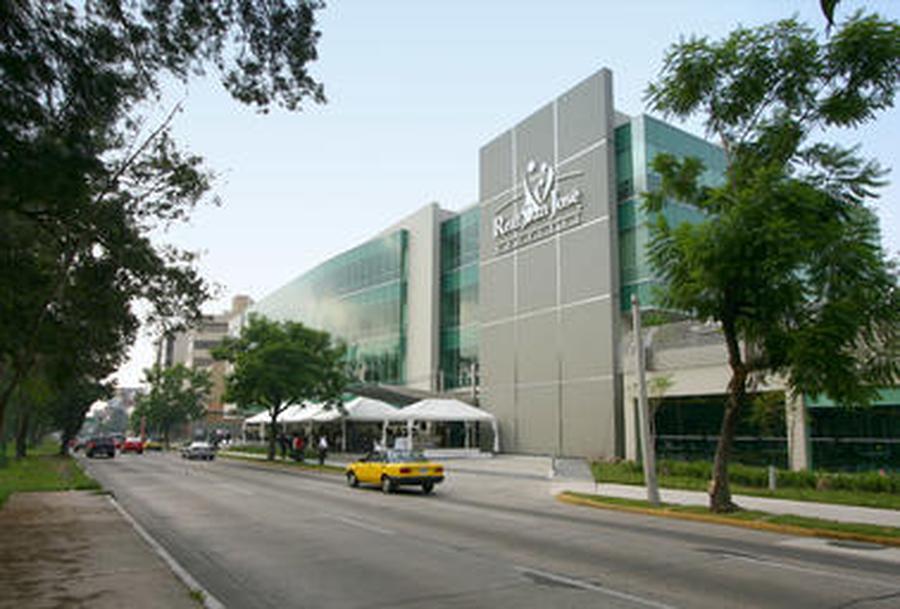
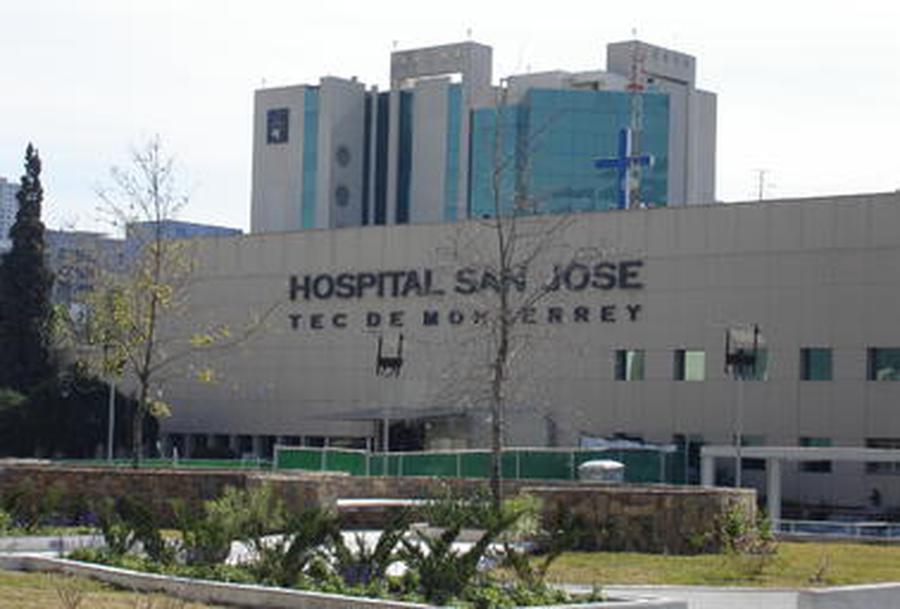

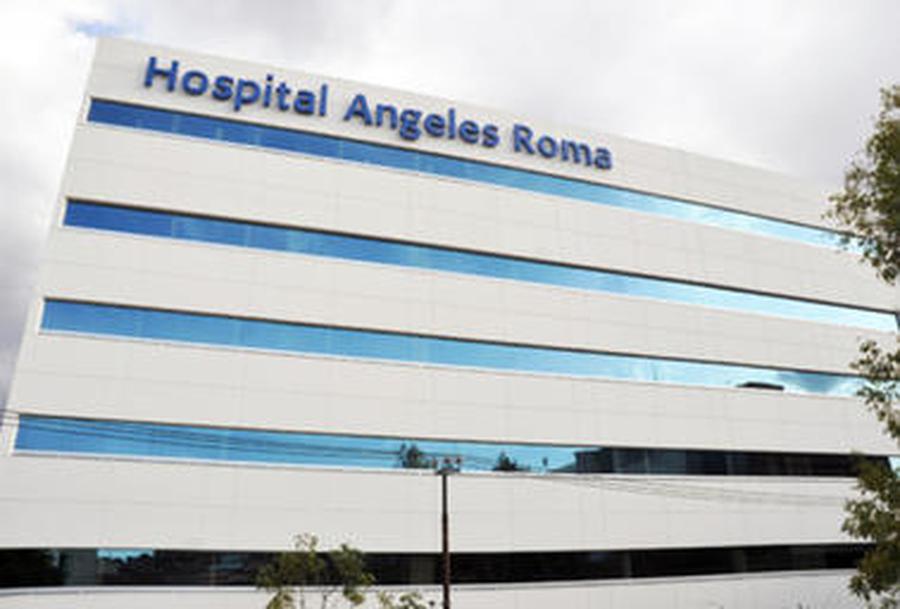
Ortopedia DF
نظرة عامة على إعادة بناء الرباط الصليبي الأمامي في المكسيك
- إعادة بناء الرباط الصليبي الأمامي - من $6,500
يقوم الإجراء بإصلاح رباط الركبة الممزق لاستعادة الاستقرار ، ويتضمن استبداله بطعم ، مما يعزز أداء الركبة بشكل أفضل.
- تقويم مفاصل الأوتار - من $3,800
تعيد هذه الجراحة وظيفة وتر العرقوب التالف ، بما في ذلك إصلاح الأوتار والتطعيم في بعض الأحيان ، مما يحسن الحركة.
اليوم الأول - الوصول
- قم بالوصول إلى البلد واستقر في مكان إقامتك.
- استعد للاستشارة الأولية مع الطبيب.
اليوم 2 - ما قبل العملية
- قابل جراح العظام للتشاور.
- اخضع للفحوصات الطبية اللازمة مثل التصوير بالرنين المغناطيسي والأشعة السينية.
- قابل طبيب التخدير لمناقشة نوع التخدير.
اليوم الثالث - ترميم الرباط الصليبي الأمامي
- الوصول إلى العيادة لإجراء الجراحة.
- تستغرق العملية حوالي ساعة إلى ساعتين تحت تأثير التخدير العام.
- بعد الجراحة ، سيتم نقلك إلى الجناح العام للشفاء.
اليوم 4 - بعد العملية
- البقاء في العيادة للملاحظة وإدارة الألم.
- ابدأ العلاج الطبيعي الخفيف تحت الإشراف.
الأسبوع الأول إلى الأسبوع السادس - إعادة التأهيل
- استمر في العلاج الطبيعي لاستعادة مرونة الركبة.
- استخدم العكازات أو دعامة الركبة للدعم.
من الأسبوع السابع إلى الأسبوع الثاني عشر
- زيادة النشاط البدني تدريجيًا.
- العودة إلى العمل ، حسب طبيعة عملك.
من الأسبوع 13 إلى الأسبوع 24
- استئناف الأنشطة الرياضية بشكل تدريجي تحت الإشراف.
- استمر في العلاج الطبيعي لتقوية العضلات.
الأسبوع 25 وما بعده
- انظر النتائج النهائية لإعادة الإعمار.
- استأنف جميع الأنشطة العادية بشكل كامل.
يرجى ملاحظة أن عملية الشفاء لكل مريض فردية وقد تختلف.
ماذا يحب المرضى:
- يكلف. تتراوح تكلفة ترميم الرباط الصليبي الأمامي في المكسيك من 4000 دولار إلى 6000 دولار. هذا السعر أقل بكثير مقارنة بمتوسط تكلفة نفس الإجراء في الولايات المتحدة ، والذي يبلغ حوالي 20000 دولار.
- احتراف الأطباء. يقدر المرضى المستوى العالي من الاحتراف الذي أظهره الأطباء المكسيكيون. غالبًا ما يحمل هؤلاء الجراحون شهادات دولية وهم أعضاء في منظمات طبية مرموقة.
- مستوى الخدمة. غالبًا ما يتم الإشادة بمستوى الخدمة في المستشفيات المكسيكية. يتمتع المرضى بالموظفين اليقظين والمرافق الحديثة والرعاية الشاملة بعد الجراحة.
- فعالية إعادة بناء الرباط الصليبي الأمامي. أبلغ العديد من المرضى عن نتائج ناجحة من جراحاتهم. تستخدم التقنيات الحديثة بشكل شائع ، مما يؤدي إلى تحسين أوقات الشفاء.
- الخدمات اللوجستية. يقدر المرضى سهولة السفر إلى المكسيك. تقدم العديد من المرافق الطبية المساعدة في ترتيبات السفر والإقامة.
ما لا يحبه المرضى:
- حاجز اللغة. يعاني بعض المرضى من حاجز اللغة. قد لا يتقن جميع الموظفين اللغة الإنجليزية ، مما يؤدي إلى صعوبات في الاتصال.
- متابعة الرعاية. ذكر المرضى مخاوف بشأن جودة رعاية المتابعة. يشعر البعض أنه يمكن أن يكون أقل شمولاً مما هو عليه في بلدانهم الأصلية.
- تغطية التأمين. يمكن أن تكون التغطية التأمينية تحديا. لا تغطي العديد من شركات التأمين الأجنبية الإجراءات التي تتم في المكسيك.
- إيداع Bookimed: 200 دولار أو 200 يورو.
- وديعة العيادة: ادفع نسبة محددة مقدمًا.
احصل على تقييم طبي لـ إعادة بناء الرباط الصليبي الأمامي في المكسيك: اختر أخصائيك من بين الأفضل في هذا المجال
عرض جميع الأطباء
Juan Bustamante
الطبيب هو جراح عظام متميز يتمتع بأكثر من 35 عامًا من الخبرة، متخصص في جراحة العظام، وعلم الإصابات، وطب الرياضة. كان عضوًا نشطًا في العديد من الجمعيات المهنية، بما في ذلك جمعية جراحة العظام، والجمعية اللاتينية الأمريكية لجراحة العظام والإصابات، والأكاديمية الأمريكية لجراحي العظام. بدأت رحلته الأكاديمية في جامعة المكسيك المستقلة، تلتها تدريب متخصص في جراحة العظام وطب الرياضة في كل من المكسيك والولايات المتحدة. تعكس منشوراته العلمية مساهماته الكبيرة في المجال الطبي.<\/p>
المراجعات
جميع المراجعاتمشاركة المحتوى
قصص فيديو من مرضى Bookimed
 Anna Leonova
أسئلة متكررة حول إعادة بناء الرباط الصليبي الأمامي في المكسيك
هل جراحو العظام في المكسيك مؤهلون لإجراء عمليات إعادة بناء الرباط الصليبي الأمامي (ACL)؟
يتمتع جراحو العظام في المكسيك بمؤهلات عالية لإجراء عمليات إعادة بناء الرباط الصليبي الأمامي، حيث يحمل الكثير منهم شهادة البورد من المجلس المكسيكي لجراحة العظام والرضوض. غالبًا ما يمتلك كبار المتخصصين زمالات دولية من الولايات المتحدة أو أوروبا ويعملون في مرافق معتمدة من قبل CSG أو اللجنة الدولية المشتركة (JCI).
- شهادة البورد: يجب على الممارسين اجتياز اختبارات صارمة من قبل المجلس المكسيكي لجراحة العظام والرضوض.
- التدريب الدولي: ينتمي العديد من الجراحين إلى الأكاديمية الأمريكية لجراحي العظام لضمان المعايير العالمية.
- التكنولوجيا الحديثة: تستخدم مرافق مثل مستشفى ريال سان خوسيه تقنيات تنظير المفاصل والغرسات المعتمدة من إدارة الغذاء والدواء الأمريكية (FDA).
- معدلات النجاح: تبلغ العيادات الرائدة عن معدلات نجاح تتراوح بين 85% إلى 95% مع مخاطر منخفضة للإصابة بالعدوى.
رؤية خبير Bookimed: بينما تضم شبكتنا 150 عيادة في المكسيك، فإن التخصص هو مؤشر الجودة الأساسي. تظهر البيانات أن مراكز التخصص الواحد مثل Ortopedia DF في مكسيكو سيتي غالبًا ما توفر خبرة أكثر تركيزًا لأربطة الركبة مقارنة بالمستشفيات العامة. اختيار جراح لديه حجم كبير من الإجراءات يضمن وضعًا أفضل للطعم واستقرارًا على المدى الطويل.
إجماع المرضى: يؤكد المرضى أن مهارة الجراح في وضع النفق أمر حيوي. يوصون بتأكيد خطط إعادة التأهيل بعد الجراحة قبل السفر، حيث أن الالتزام بالعلاج الطبيعي لا يقل أهمية عن الجراحة نفسها.
ما مدى أمان إجراء جراحة الرباط الصليبي الأمامي (ACL) في المكسيك؟
تعتبر جراحة الرباط الصليبي الأمامي في المكسيك آمنة عند إجرائها في المستشفيات الخاصة التي تحافظ على اعتماد دولي من JCI أو CSG. تستخدم هذه المرافق تكنولوجيا تنظير المفاصل المعتمدة من إدارة الغذاء والدواء الأمريكية (FDA) وتوظف جراحين معتمدين من قبل المجلس المكسيكي لجراحة العظام والرضوض (CMOT) لضمان معدلات نجاح جراحية عالية.
- معايير الاعتماد: المراكز رفيعة المستوى مثل مستشفى سان خوسيه تكنولوجيكو دي مونتيري حاصلة على اعتماد JCI.
- السلامة التنظيمية: تتبع المستشفيات الخاصة لوائح COFEPRIS، وهي المكافئ المكسيكي لمعايير FDA.
- خبرة الجراح: يكمل العديد من المتخصصين زمالات متقدمة في جراحة العظام في الولايات المتحدة أو أوروبا.
- معدلات النجاح: تبلغ الفرق ذات السمعة الطيبة عن معدلات نجاح تتراوح بين 85% إلى 95% باستخدام طرق تنظير المفاصل.
رؤية خبير Bookimed: بينما يركز الكثيرون على الجراحة، فإن عامل الأمان الحقيقي في المكسيك هو الجدول الزمني للتعافي. تُظهر بيانات Bookimed أن المرافق الرائدة مثل مستشفى دي لا فاميليا تخدم غالبًا أكثر من 230 مريضًا دوليًا، ومع ذلك تأتي أفضل النتائج من أولئك الذين يبقون محليًا لمدة 10 إلى 14 يومًا. هذه الفترة حيوية لتقليل مخاطر الإصابة بتجلط الأوردة العميقة قبل السفر جوًا.
إجماع المرضى: يؤكد المرضى أن التحقق من التدريب التخصصي الدقيق للجراح أكثر أهمية من موقع العيادة. غالبًا ما يوصون بتأمين معالج فيزيائي في الوطن قبل السفر لضمان إعادة تأهيل سلسة بعد العودة.
ما هو الجدول الزمني للتعافي البدني الكامل؟
يستغرق التعافي البدني الكامل بعد إعادة بناء الرباط الصليبي الأمامي (ACL) في المكسيك عمومًا من 9 إلى 12 شهرًا للعودة إلى الرياضات التنافسية. بينما يستأنف المرضى غالبًا المشي والعمل المكتبي الخفيف في غضون أسبوعين إلى 4 أسابيع، يتطلب الاندماج البيولوجي للطعم واستعادة القوة نهجًا يعتمد على مراحل طويلة الأمد.
- المرحلة الأولية: تركز على التحكم في التورم ونطاق الحركة الأساسي خلال الأسبوعين الأول والثاني.
- مرحلة التنقل: يمشي معظم المرضى بشكل طبيعي ويستأنفون القيادة بحلول الأسبوع الثامن إذا كانوا لا يشعرون بالألم.
- نشاط التأثير: يبدأ الجري عادةً بين الشهر الثالث والسادس بمجرد استقرار قوة العضلات.
- نضج الطعم: تستمر مرحلة إعادة تشكيل الجسم لمدة تصل إلى عامين لتحقيق أقصى قدر من المتانة.
رؤية خبير Bookimed: غالبًا ما ترتبط مؤشرات الجودة في المكسيك بالانتماءات المؤسسية. على سبيل المثال، يحمل مستشفى سان خوسيه تيكنولوجيكو دي مونتيري (Hospital San Jose Tecnologico de Monterrey) اعتماد JCI، مما يضمن معايير السلامة الدولية. يجب على المرضى إعطاء الأولوية للعيادات مثل Ortopedia DF التي تتخصص حصريًا في جراحة العظام، حيث توفر المراكز ذات الحجم الكبير غالبًا بروتوكولات علاج طبيعي بعد الجراحة أكثر تنظيماً، وهي ضرورية لنتائج ناجحة على المدى الطويل.
إجماع المرضى: يجد العديد من المرضى أنه على الرغم من شعورهم بأنهم طبيعيون تقريبًا بحلول الشهر السادس، فإن تحقيق الثقة العقلية للحركات الالتوائية أو الهبوط يتطلب وقتًا أطول بكثير. يؤكد المرضى أن إعطا
ما هي التقنيات الجراحية المستخدمة لإعادة بناء الرباط الصليبي الأمامي (ACL) في المكسيك؟
يستخدم جراحو العظام في المكسيك بشكل أساسي تنظير المفاصل طفيف التوغل لإعادة بناء الرباط الصليبي الأمامي. تشمل التقنيات الشائعة إعادة البناء التشريحي أحادي الحزمة ونهج المدخل الأمامي الإنسي. يختار الجراحون بين الطعوم الذاتية للأوتار المأبضية، أو طعوم العظام والأوتار الرضفية، أو الطعوم الخيفية بناءً على مستوى نشاط المريض.
- تقنية التنظير المفصلي: يستخدم الجراحون شقوقًا صغيرة وكاميرات لتقليل صدمة الأنسجة.
- اختيار الطعم: تعتبر الطعوم الذاتية للأوتار المأبضية الخيار القياسي لـ 76% من الجراحين المكسيكيين.
- التثبيت الفخذي: توفر أنظمة التعليق القشري تثبيتًا أوليًا للطعم في النفق الفخذي.
- التثبيت الظنبوبي: يستخدم 81.2% من الجراحين براغي بيولوجية مركبة لضمان التكامل العظمي الطبيعي.
رؤية خبير Bookimed: تركز مراكز العظام المكسيكية مثل مستشفى دي لا فاميليا على التوضع التشريحي للنفق. هذه التقنية المحددة تحاكي وضع الرباط الأصلي بشكل أفضل من الطرق القديمة. تظهر بياناتنا أن الجراحين في مكسيكالي وتيخوانا يستخدمون هذا غالبًا لتحسين الاستقرار. إنه يساعد الرياضيين على العودة إلى ممارسة الرياضة بشكل أسرع مع معدلات فشل أقل للطعوم. تقدم العديد من العيادات أيضًا تحسينات بيولوجية باستخدام عوامل النمو لتسريع الشفاء.
إجماع المرضى: يقدر المرضى كيفية شرح الجراحين لفوائد أنواع الطعوم المختلفة لنمط حياتهم. يشعر معظمهم بالاطمئنان بسبب الانتقال السريع من الجراحة إلى العلاج الطبيعي في العيادات المكسيكية.
كم من الوقت يجب أن أبقى في المكسيك بعد الإجراء؟
تتطلب بروتوكولات التعافي النموذجية لإعادة بناء الرباط الصليبي الأمامي (ACL) في المكسيك إقامة تتراوح من 7 إلى 14 يومًا قبل السفر جوًا. تسمح هذه الفترة للجراحين بمراقبة الشفاء الأولي، وإدارة التورم بعد الجراحة، والتأكد من قدرة المريض على الحركة بأمان لتقليل مخاطر الإصابة بتجلط الأوردة العميقة أثناء رحلة العودة.
- مدة الإقامة في المستشفى: يقضي معظم المرضى ليلة واحدة في مرافق معتمدة من اللجنة الدولية المشتركة (JCI) للمراقبة الفورية.
- التصريح السريري: يحتاج الجراحون من 5 إلى 7 أيام لفحص الجروح وتعديلات دعامة الركبة.
- سلامة السفر: تساعد الإقامات الطويلة في منع المضاعفات الناتجة عن ضغط المقصورة أثناء رحلات العودة إلى الوطن.
- بدء إعادة التأهيل: تبدأ جلسات العلاج الطبيعي الأولية عادةً قبل المغادرة لتوجيه التعافي المبكر.
رؤية خبير Bookimed: تُظهر بيانات التنسيق أن اختيار عيادات مثل مستشفى دي لا فاميليا (Hospital de la Familia) في مكسيكالي يوفر ميزة فريدة. فموقعه على بعد خطوات فقط من حدود كاليفورنيا يسمح للمرضى بتجنب السفر الجوي تمامًا. وهذا يلغي مخاطر ضغط المقصورة ويبسط لوجستيات السفر مع وجود دعامة ركبة مقفلة.
إجماع المرضى: على الرغم من السماح للبعض بالمغادرة في غضون 5 أيام، يقترح الكثيرون البقاء لمدة أسبوعين. ويؤكدون أن التنقل في المطارات مع وجود تورم أصعب بكثير من الجراحة نفسها.
متى يمكنني العودة إلى المنزل بالطائرة بعد جراحة الركبة؟
يمكن للمرضى عادةً السفر جواً بعد 2 إلى 4 أسابيع من جراحة إعادة بناء الرباط الصليبي الأمامي في المكسيك، بشرط الحصول على تصريح طبي. الشاغل الرئيسي هو تجلط الأوردة العميقة، والذي يخففه الجراحون من خلال معالم محددة مثل تحقيق ثني الركبة بزاوية 90 درجة وإدارة التورم بعد الجراحة بفعالية قبل السفر.
- الإطار الزمني للسفر: يوصي معظم الجراحين بالانتظار من 14 إلى 28 يوماً للرحلات الدولية.
- معايير السلامة: يجب أن تكون قادراً على الجلوس بشكل مستقيم وثني الركبة طوال مدة الرحلة.
- الوقاية من الجلطات: استخدم جوارب ضاغطة طبية وقم بتحريك الكاحل كل ساعة أثناء الرحلة.
- شهادات العيادات: المرافق الرائدة مثل مستشفى دي لا فاميليا (Hospital de la Familia) حاصلة على اعتماد CSG للسلامة.
رؤية خبير Bookimed: اختيار عيادة بالقرب من الحدود، مثل مستشفى دي لا فاميليا في ميكسيكالي، يسمح للمرضى الأمريكيين باختيار النقل البري إلى كاليكسيكو بدلاً من الطيران. هذا يلغي مشاكل ضغط المقصورة ويسمح بفترات راحة أكثر تكراراً للحركة، مما يقلل بشكل كبير من خطر حدوث جلطات دموية بعد الجراحة مقارنة برحلة طيران مدتها 5 ساعات.
إجماع المرضى: أفاد العديد من المسافرين أن ضغط المقصورة يزيد بشكل كبير من تورم الركبة وعدم الراحة. وينصحون بشدة بحجز مقعد بجانب الممر للسماح بالمشي المنتظم والتمدد كل 30 دقيقة أثناء الرحلة إلى المنزل.
هل أحتاج إلى تأشيرة خاصة للسفر إلى المكسيك لإجراء عملية جراحية؟
لا يحتاج معظم المسافرين من الولايات المتحدة وكندا والمملكة المتحدة إلى تأشيرة طبية خاصة لإجراء عملية جراحية في المكسيك. يمكنك عادةً الدخول بتصريح زائر قياسي، مما يسمح بتلقي العلاج الطبي لمدة تصل إلى 180 يومًا باستخدام جواز سفر ساري المفعول.
- تصريح الدخول: استخدم تصريح الزائر القياسي (FMM) للأنشطة غير المأجورة بما في ذلك الجراحة.
- مدة الإقامة: يمنح مسؤولو الهجرة عادةً ما يصل إلى 180 يومًا للتعافي والرعاية.
- متطلبات جواز السفر: جوازات السفر السارية مطلوبة للسفر الجوي عبر الحدود المكسيكية.
- الإثبات السريري: احمل نسخًا مطبوعة من تأكيدات المواعيد وخطابًا من الجراح لتسهيل عبور الحدود.
رؤية خبير Bookimed: تقع عيادات مثل مستشفى دي لا فاميليا (Hospital de la Familia) في ميكسيكالي خصيصًا للمسافرين عبر الحدود من كاليفورنيا. يسمح هذا القرب للمرضى بإدارة زيارات المتابعة دون الحاجة إلى إقامات طويلة الأمد. تظهر بياناتنا أن اختيار العيادات الحاصلة على اعتماد المجلس الصحي العام في المكسيك (CSG) يضمن استيفاء المرافق لمعايير السلامة الدولية على الرغم من انخفاض التكاليف.
إجماع المرضى: يجد المسافرون أن مسؤولي الحدود يركزون على حالة الدخول أكثر من التفاصيل الطبية. ينصح معظمهم بالحصول على خطاب من الجراح في وقت مبكر لتبرير حمل أدوية التعافي الموصوفة عند العودة إلى الوطن.