علاج تضخم البروستاتا الحميد (BPH) في المكسيك: 3 مستشفيات


تمت مراجعة المقالة طبيا من قبل
فهد مولود
ما هي تكلفة تضخم البروستاتا الحميد (BPH) إجراءات التشخيص والعلاج في المكسيك؟ اعرف الآن
Benign prostatic hyperplasia (BPH) treatment cost in Mexico typically begins with a PSA test ranging from $10 to $40, followed by surgical interventions such as transurethral incision of the prostate (TUIP) which runs from $3,200 to $5,300. Total expenses depend on the chosen technology and hospital tier. Patients generally save 60% to 70% compared to United States prices. Top cities for urological care include Mexicali, Tijuana, and Mexico City.
Typical Benign Prostatic Hyperplasia (BPH) Treatment Costs in Mexico
- PSA test: $10 – $40
- Consultation with a urologist: من $100
- Transrectal ultrasound (TRUS): $140 – $280
- Urodynamics: $280 – $480
- Transurethral incision of the prostate (TUIP): $3,200 – $5,300
- Robotic da Vinci prostatectomy: $17,500 – $25,500
- Vaporization with GreenLight Laser: $4,200 – $6,300
- Transurethral microwave therapy (TUMT): $2,800 – $4,500
- Transurethral water vapour ablation: $2,000 – $3,200
- Da Vinci prostatic adenomectomy: $11,500 – $16,000
Bookimed Expert Insight: Patients seeking convenience should prioritize border clinics. Hospital de la Familia is just 200 yards from the US border. Dr. Alejandro Lira provides specialized TUIP and prostatectomy at this CSG-accredited facility. For regenerative approaches, Dream Body Clinic offers mesenchymal stem cell therapy. This is ideal for patients from 40+ countries seeking alternative longevity care. Verify your surgeon’s certification with the Mexican Council of Urology before booking.
| المكسيك | تركيا | إسبانيا | |
|---|---|---|---|
| هولميوم ليزر إزالة البروستاتا | من $6,500 | من $4,200 | من $13,300 |
| شق البروستاتا عبر الاحليل (TUIP) | ≈ $3,200 | من $2,000 | من $5,600 |
| دافنشي استئصال غدي البروستاتا | ≈ $11,500 | ≈ $8,500 | ≈ $9,800 |
| العلاج بالموجات الدقيقة عبر الإحليل (TUMT) | ≈ $2,800 | من $12,000 | ≈ $3,600 |
| التبخير (باستخدام ليزر GreenLight) | ≈ $4,200 | من $3,000 | من $7,500 |
مزاياك وضماناتك مع Bookimed
أسعار مباشرة
Bookimed لا يضيف رسوماً إضافية على أسعار علاج تضخم البروستاتا الحميد (BPH). الأسعار مأخوذة من قوائم الأسعار الرسمية للعيادات. تدفع مباشرة في العيادة مقابل علاجك عند وصولك إلى البلد.
عيادات وأطباء معتمدون فقط
Bookimed ملتزم بسلامتك. نحن نعمل فقط مع المؤسسات الطبية التي تحافظ على معايير دولية عالية في علاج تضخم البروستاتا الحميد (BPH) ولديها التراخيص اللازمة لخدمة المرضى الدوليين في جميع أنحاء العالم.
مساعدة مجانية على مدار الساعة
Bookimed يقدم مساعدة خبراء مجانية. منسق طبي شخصي يدعمك قبل وأثناء وبعد العلاج، ويحل أي مشاكل. لن تكون وحيداً أبداً في رحلة علاج تضخم البروستاتا الحميد (BPH).

منسقك الطبي الشخصي في Bookimed
- يدعمك في كل مرحلة
- المساعدة في اختيار العيادة الطبية المناسبة والطبيب المناسب
- يضمن الوصول السريع والمريح إلى المعلومات
اكتشف أفضل تضخم البروستاتا الحميد (BPH) العيادات في المكسيك: 3 خيارات معتمدة والأسعار



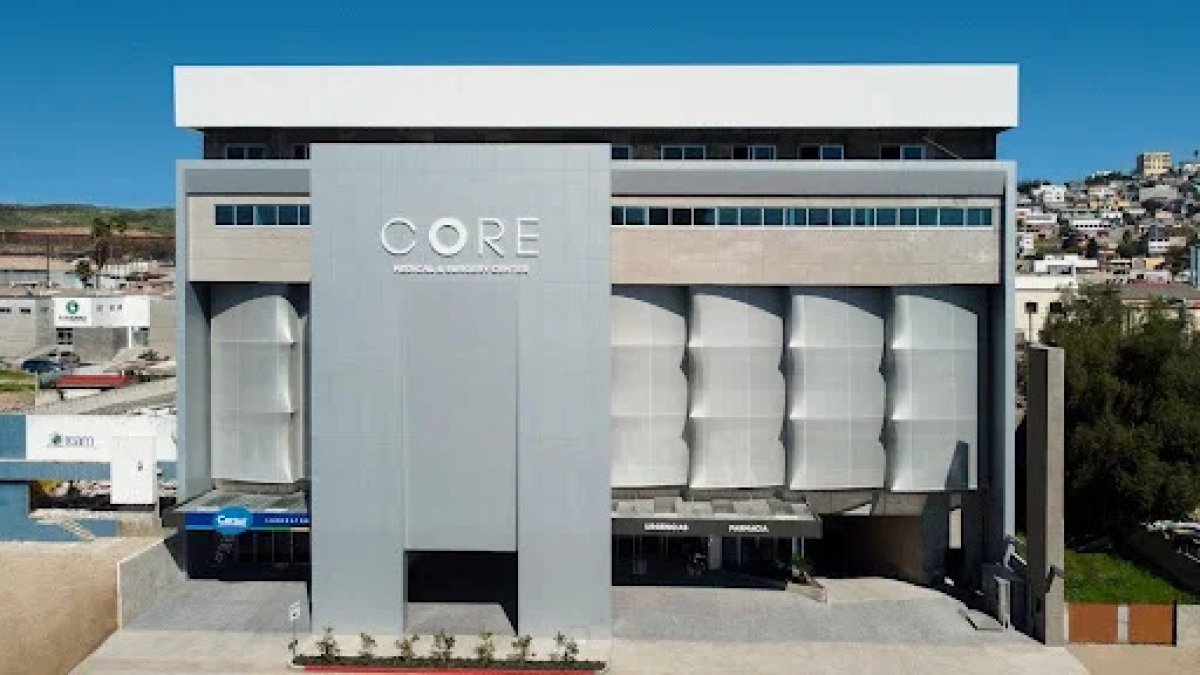
Advance Health Medical Center
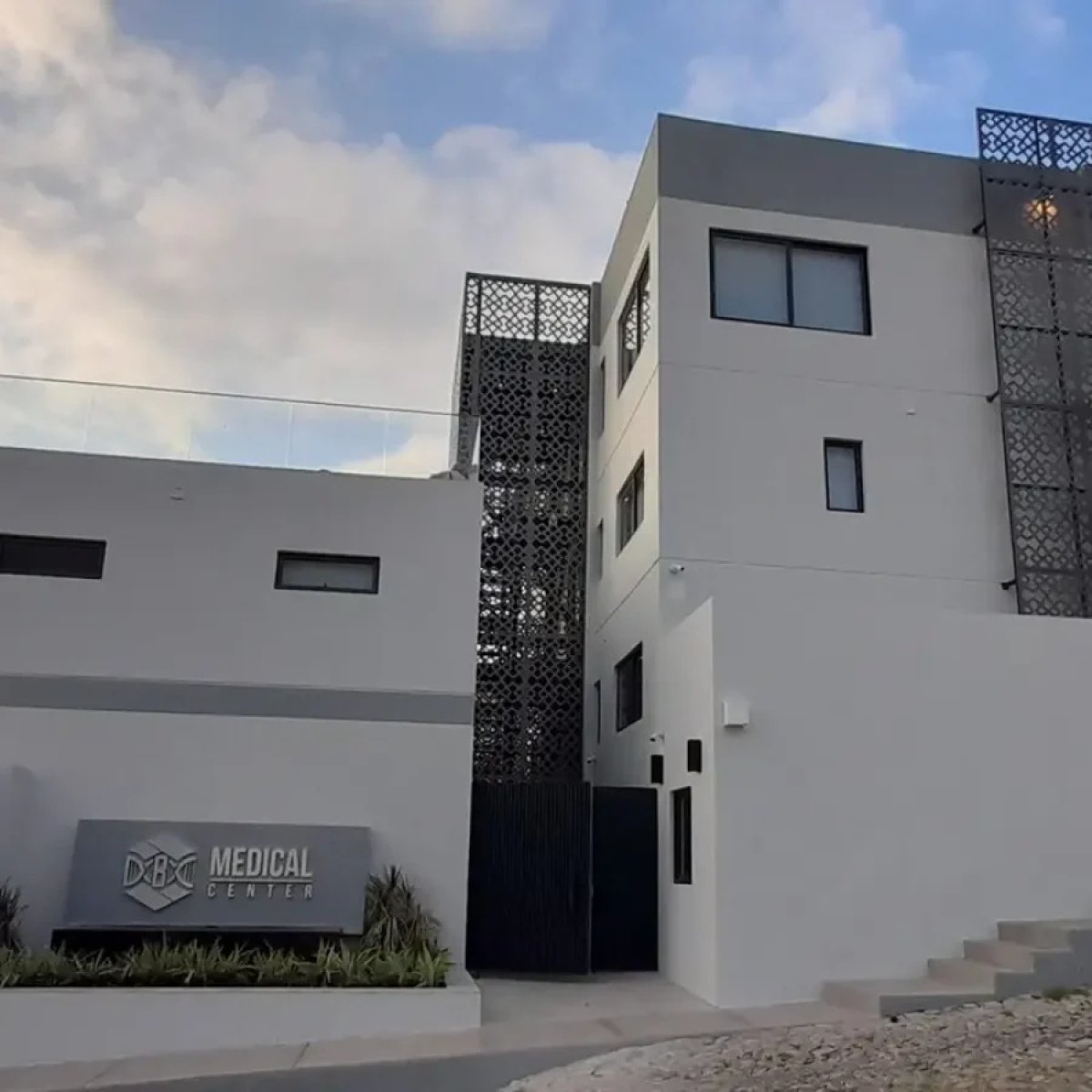

احصلوا على تقييم طبي لـ تضخم البروستاتا الحميد (BPH) في المكسيك: استشيروا أطباء ذوي خبرة الآن
عرض جميع الأطباء
Dr Alejandro Lira
الدكتور أليخاندرو ليرا طبيب مسالك بولية ذو خبرة في تيخوانا، باخا كاليفورنيا، المكسيك. حصل على درجة الطب من جامعة غوادالاخارا عام 2005. أكمل تدريب المسالك البولية في الجامعة الوطنية المستقلة في المكسيك (UNAM) بمدينة مكسيكو، ونال شهادة اعتماد كجرّاح عام 2011.
هو عضو في المجلس المكسيكي لأطباء المسالك البولية. يحضر فعاليات المسالك البولية بانتظام. بعد حصوله على الشهادة، عاد إلى تيخوانا ويعمل مع مستشفيات في مختلف أنحاء المدينة.
هو من أبناء تيخوانا ويتحدث الإنجليزية. متاح للاستشارات و

Dr Enrique Santiago
مواد ذات صلة

ما هي تكلفة علاج الورم الحميد (تضخم البروستاتا الحميد)؟
كتب بواسطة Veronika Kazina
مشاركة المحتوى
قصص فيديو من مرضى Bookimed
 Anna Leonova
أسئلة متكررة حول علاج تضخم البروستاتا الحميد (BPH) في المكسيك
هل جراحة تضخم البروستاتا الحميد (BPH) في المكسيك آمنة ويجريها أطباء مسالك بولية معتمدون؟
تعتبر جراحة تضخم البروستاتا الحميد في المكسيك آمنة عند إجرائها من قبل جراحين معتمدين من قبل المجلس المكسيكي للمسالك البولية. تستخدم المستشفيات المعتمدة مثل مستشفى دي لا فاميليا (Hospital de la Familia) ليزر GreenLight وأنظمة دافنشي الروبوتية. تتبع هذه المرافق معايير CSG و JCI لضمان نتائج مسالك بولية عالية الجودة.
- شهادة الجراح: يجب أن يحمل الأخصائيون شهادة من المجلس المكسيكي لأطباء المسالك البولية.
- التكنولوجيا المتقدمة: تستخدم المراكز استئصال البروستاتا بليزر هولميوم وأنظمة استئصال البروستاتا بمساعدة الروبوت.
- معايير المستشفى: غالبًا ما تحصل المرافق على اعتماد CSG من المجلس العام للصحة في المكسيك.
- الخبرة السريرية: أجرى كبار أطباء المسالك البولية مثل الدكتور إسماعيل أفيلا أكثر من 3000 عملية جراحية.
رؤية خبير Bookimed: يتجاهل العديد من المرضى عمق الخبرة الجراحية المتاحة في المدن الحدودية مثل مكسيكالي وتيخوانا. أجرى الدكتور إسماعيل أفيلا في مستشفى دي لا فاميليا أكثر من 3000 عملية جراحية وساعد في ريادة طب زراعة الأعضاء في المنطقة. يشير هذا الحجم الكبير من العمليات الجراحية المعقدة إلى مستوى من الدقة يوفر هامش أمان كبير لعلاجات تضخم البروستاتا الحميد القياسية.
إجماع المرضى: يجد المرضى أن قرب العيادات من الحدود مريح للغاية لزيارات المتابعة. وغالباً ما يسلطون الضوء على الأسلوب المهني لأطباء المسالك البولية والطابع العصري لأجنحة التعافي الخاصة.
ما هي الإجراءات طفيفة التوغل لتضخم البروستاتا الحميد (BPH) المتوفرة في المكسيك؟
تقدم المكسيك علاجات متنوعة طفيفة التوغل لتضخم البروستاتا الحميد، بما في ذلك استئصال البروستاتا بالليزر (HoLEP)، وتبخير الليزر الأخضر (GreenLight)، واستئصال الأنسجة ببخار الماء. تقلل هذه الإجراءات المتقدمة من فترات الإقامة في المستشفى وتحافظ على الوظيفة الجنسية. تستخدم مراكز المسالك البولية المتخصصة في مكسيكالي ومدينة مكسيكو معايير JCI وأنظمة دافنشي الروبوتية لضمان الدقة.
- تقنيات الليزر: يوفر استئصال البروستاتا بليزر الهولميوم (HoLEP) إزالة فعالة للأنسجة للبروستاتا بجميع أحجامها.
- استئصال ببخار الماء: يعمل العلاج بالبخار المعقم (Rezum) على تقليص أنسجة البروستاتا مع حماية الأعصاب السليمة المحيطة.
- الجراحة الروبوتية: تسمح أنظمة دافنشي الروبوتية بإجراء استئصال غدة البروستاتا بدقة عالية في الحالات المعقدة.
- الخيارات القياسية عبر الإحليل: توفر جراحة شق البروستاتا (TUIP) وعلاج البروستاتا بالموجات الدقيقة (TUMT) راحة فعالة للمرضى الذين يعانون من أحجام بروستاتا أصغر.
رؤية خبير Bookimed: غالبًا ما يتمتع الجراحون في أفضل المرافق المكسيكية مثل مستشفى دي لا فاميليا بخلفيات سريرية واسعة. أجرى الدكتور إسماعيل أفيلا شخصيًا أكثر من 3000 إجراء في المسالك البولية والأورام. غالبًا ما يترجم هذا الحجم الكبير إلى نتائج أفضل لجراحات تضخم البروستاتا الحميد المعقدة بالروبوت والليزر.
إجماع المرضى: يشير المرضى إلى أن اختيار العيادات القريبة من الحدود، مثل تلك الموجودة في مكسيكالي، يبسط الخدمات اللوجستية بشكل كبير. إنهم يقدرون أن العديد من أطباء
ما هي المضاعفات التي يجب أن أراقبها بعد جراحة البروستاتا في المكسيك؟
يجب على المرضى مراقبة الحمى التي تزيد عن 38 درجة مئوية، والبول الأحمر السميك، وتورم الساقين بعد جراحة البروستاتا في المكسيك. قد تشير هذه العلامات إلى وجود عدوى أو نزيف حاد أو تجلط الأوردة العميقة. يستعيد معظم الرجال السيطرة على المثانة في غضون 12 شهرًا. يقوم متخصصون مثل الدكتور إسماعيل أفيلا بإجراء تقنيات الحفاظ على الأعصاب للحفاظ على الوظيفة.
- علامات العدوى: راقب القشعريرة أو الحمى أو أي إفرازات كريهة الرائحة من أي شقوق جراحية.
- احتباس البول: اطلب الرعاية الفورية إذا انسد القسطرة أو لم تتمكن من التبول.
- جلطات الدم: راقب ألم الساق أو الاحمرار، والذي يزداد أثناء رحلات العودة إلى الوطن.
- الوظيفة الجنسية: قد يستمر ضعف الانتصاب المؤقت من 3 إلى 18 شهرًا بعد الإجراء.
رؤية خبير Bookimed: ركز على الجراحين الذين لديهم حجم كبير من الإجراءات لتقليل المخاطر طويلة المدى. أجرى الدكتور إسماعيل أفيلا في مستشفى دي لا فاميليا أكثر من 3000 إجراء مسالك بولية وأورام. غالبًا ما يحقق المتخصصون ذوو الحجم الكبير نتائج أفضل في حالات الحفاظ على الأعصاب. هذه الخبرة حيوية للحفاظ على وظيفة الانتصاب والتحكم في البول بعد علاجات تضخم البروستاتا الحميد المعقدة.
إجماع المرضى: يشير المرضى إلى أن ألم القسطرة وعدم الراحة يمكن أن يستمر لمدة أسبوعين. يوصون بوجود طبيب محلي جاهز في المنزل لإجراء اختبارات المتابعة وأي انسدادات غير متوقعة.
كم من الوقت سأبقى في المكسيك لإجراء جراحة تضخم البروستاتا الحميد (BPH)، وما هو الجدول الزمني النموذجي للتعافي؟
عادةً ما يبقى المرضى في المكسيك لمدة تتراوح بين 7 إلى 10 أيام لإجراء جراحة تضخم البروستاتا الحميد. تتراوح مدة الإقامة في المستشفى من يوم واحد إلى 3 أيام حسب الإجراء. يعود معظم الرجال إلى الأنشطة الخفيفة في غضون أسبوعين. يحدث التعافي الكامل عادةً بين 4 إلى 6 أسابيع بعد العملية.
- الإقامة في المستشفى: توقع من يوم واحد إلى 3 أيام لإجراءات استئصال البروستاتا عبر الإحليل (TURP) أو الليزر القياسية.
- التصريح الطبي: عادةً ما يسمح الجراحون للمرضى بالسفر جوًا بعد 5 إلى 7 أيام من العملية.
- مدة القسطرة: يتم إزالة القسطرة لدى معظم المرضى في غضون يوم واحد إلى 3 أيام بعد الجراحة.
- قيود النشاط: تجنب رفع الأثقال والتمارين الشاقة لمدة لا تقل عن 4 إلى 6 أسابيع.
رؤية خبير Bookimed: اختيار مدينة حدودية مثل مكسيكالي يمكن أن يبسط لوجستيات التعافي للمرضى من أمريكا الشمالية. أجرى الدكتور إسماعيل أفيلا في مستشفى دي لا فاميليا أكثر من 3000 إجراء. يشير حجم عملياته الكبير إلى بروتوكولات فعالة قد تؤدي إلى إزالة أسرع للقسطرة. غالبًا ما توفر العيادات القريبة من الحدود غرفًا خاصة لمرحلة تعافي أولية أكثر راحة.
إجماع المرضى: يشير المرضى إلى أن البقاء لمدة أسبوع واحد على الأقل أمر حيوي لتجنب المضاعفات أثناء السفر. يؤكد الكثيرون أنه على الرغم من أن التعافي يبدو سريعًا، إلا أن الالتزام بحد الـ 4 أسابيع لرفع الأثقال أمر ضروري.
ما هي الأوراق قبل الجراحة أو السجلات الطبية التي أحتاج إلى إحضارها من المنزل؟
يجب على المرضى المسافرين إلى المكسيك لعلاج تضخم البروستاتا الحميد (BPH) إحضار جواز سفر ساري المفعول وسجلات طبية حديثة. تشمل المستندات الأساسية نتائج اختبار PSA، وتقرير تنظير المثانة، ودرجة IPSS الخاصة بك. تسمح هذه السجلات لأطباء المسالك البولية المكسيكيين بتأكيد تشخيصك والمضي قدماً في الجراحة دون تأخير.
- وثائق السفر: أحضر جواز سفر ساري المفعول أو بطاقة هوية تحمل صورة صادرة عن الحكومة.
- تقارير التشخيص: قم بتضمين مستويات PSA الحديثة، وتقارير تنظير المثانة، ونتائج قياس تدفق البول.
- الملخص الطبي: قدم خطاباً من طبيب المسالك البولية يوضح تاريخ تضخم البروستاتا الحميد والأدوية التي لم تنجح.
- ملفات التصوير: احمل نسخاً مطبوعة أو أقراصاً مضغوطة من فحوصات الرنين المغناطيسي أو الموجات فوق الصوتية للبروستاتا الحديثة.
- الوصفات الطبية الحالية: اذكر جميع الأدوية والجرعات وأي حساسية معروفة تجاه اللاتكس أو الأدوية.
رؤية خبير Bookimed: غالباً ما يقوم المتخصصون المكسيكيون مثل الدكتور إسماعيل أفيلا بمراجعة السجلات رقمياً قبل وصولك. يمكن أن يوفر لك تقديم ملخص واضح للمسالك البولية ما يقرب من 300 إلى 500 دولار من اختبارات التشخيص الزائدة. تعد عملية الفحص المسبق هذه شائعة في العيادات الحدودية مثل مستشفى دي لا فاميليا في مكسيكالي.
إجماع المرضى: يؤكد المرضى أن وجود نسخ PDF رقمية من نتائج المختبر على الهاتف أمر حيوي. فقدان النسخ الورقية يمكن أن يؤخر إجراءك لمدة أسبوع إذا كان مطلوباً إجراء تنظير مثانة جديد.
هل سأحتاج إلى قسطرة بولية بعد الإجراء وكم من الوقت؟
يتضمن علاج تضخم البروستاتا الحميد في المكسيك عادةً استخدام قسطرة بولية لمدة تتراوح من 24 ساعة إلى أسبوعين. تعتمد المدة على التقنية المحددة المستخدمة. غالبًا ما تسمح الإجراءات طفيفة التوغل بإزالة القسطرة في غضون يوم واحد. تتطلب العمليات الجراحية الأكثر توغلاً أوقات شفاء أطول للأنسجة الداخلية.
- علاجات الليزر: يخضع العديد من المرضى لإزالة القسطرة في غضون 24 ساعة بعد إجراء GreenLight أو HoLEP.
- استئصال البروستاتا عبر الإحليل (TURP) القياسي: عادةً ما يبقي الجراحون قسطرة فولي في مكانها لمدة يومين تقريبًا.
- الجراحة الكبرى: تتطلب استئصال البروستاتا الروبوتي (da Vinci) عادةً قسطرة لمدة أسبوع إلى أسبوعين.
- الإجراءات طفيفة التوغل: قد تتطلب علاجات مثل Rezum الاستخدام ليلاً فقط أو قد لا تتطلب قسطرة على الإطلاق.
رؤية خبير Bookimed: غالبًا ما تستعين مراكز المسالك البولية المكسيكية بأخصائيين ذوي خبرة عالية مثل الدكتور إسماعيل أفيلا، الذي أجرى أكثر من 3000 إجراء. تعمل عيادات مثل مستشفى دي لا فاميليا (Hospital de la Familia) كمرافق بوتيك مع غرف خاصة. يسمح هذا الإعداد بمراقبة مخصصة لتصريف القسطرة خلال مرحلة التعافي الأولى التي تستغرق 24 ساعة.
إجماع المرضى: يشير المرضى إلى أنه من المفيد الاستعداد للتسرب البسيط من خلال تجهيز فوط صحية. يقترح معظمهم البقاء رطبًا جيدًا لضمان بقاء القسطرة خالية من الجلطات الصغيرة خلال اليوم الأول.
هل توجد حواجز لغوية أثناء الاستشارات والجراحات والمتابعة في المرافق الطبية المكسيكية؟
تعتبر الحواجز اللغوية في مرافق المسالك البولية المكسيكية ضئيلة في المستشفيات الخاصة. توظف المراكز الطبية الكبرى مثل تيخوانا ومكسيكالي منسقي مرضى ثنائيي اللغة. تلقى العديد من الجراحين تدريباً دولياً ويتحدثون الإنجليزية بطلاقة. تدير Bookimed جميع الخدمات اللوجستية والترجمات لضمان تواصل واضح طوال عملية العلاج.
- مؤهلات الموظفين: غالباً ما يحمل الجراحون الرائدون شهادات من المجلس المكسيكي لأطباء المسالك البولية.
- دعم اللغة: توفر المرافق المعتمدة بشكل متكرر مترجمين محترفين أثناء الإجراءات الجراحية.
- منسقون متخصصون: تستخدم العديد من العيادات الخاصة موظفين ثنائيي اللغة للتعامل مع الاستشارات الأولية.
- الفرق الجراحية: عادة ما يتمتع أطباء التخدير في المستشفيات الكبرى بمستوى عالٍ من إتقان اللغة الإنجليزية.
- رعاية المتابعة: تقدم المراكز ذات السمعة الطيبة غالباً دعماً متعدد اللغات على مدار الساعة طوال أيام الأسبوع لتعليمات التعافي بعد الجراحة.
رؤية خبير Bookimed: غالباً ما ترتبط إشارات الجودة للتواصل بقرب العيادة من الحدود. يقع مستشفى دي لا فاميليا في مكسيكالي على بعد خطوات من حدود كاليفورنيا. أجرى جراحون مثل الدكتور إسماعيل أفيلا أكثر من 3000 إجراء. حجم مرضاهم الدوليين المرتفع يجعل وجود موظفين يتحدثون الإنجليزية متطلباً تشغيلياً قياسياً وليس استثناءً.
إجماع المرضى: يلاحظ المرضى أن الجراحين يتحدثون الإنجليزية جيداً عادةً، لكن الممرضات قد يتحدثن الإسبانية فقط. يوصون باستخدام تطبيقات الترجمة للأسئلة السريعة أ