التهاب البروستاتا العلاج في ليتوانيا - التكاليف 2026


تمت مراجعة المقالة طبيا من قبل
فهد مولود
ما هي تكلفة التهاب البروستاتا إجراءات التشخيص والعلاج في ليتوانيا؟ اعرف الآن
مزاياك وضماناتك مع Bookimed
أسعار مباشرة
Bookimed لا يضيف رسوماً إضافية على أسعار علاج التهاب البروستاتا. الأسعار مأخوذة من قوائم الأسعار الرسمية للعيادات. تدفع مباشرة في العيادة مقابل علاجك عند وصولك إلى البلد.
عيادات وأطباء معتمدون فقط
Bookimed ملتزم بسلامتك. نحن نعمل فقط مع المؤسسات الطبية التي تحافظ على معايير دولية عالية في علاج التهاب البروستاتا ولديها التراخيص اللازمة لخدمة المرضى الدوليين في جميع أنحاء العالم.
مساعدة مجانية على مدار الساعة
Bookimed يقدم مساعدة خبراء مجانية. منسق طبي شخصي يدعمك قبل وأثناء وبعد العلاج، ويحل أي مشاكل. لن تكون وحيداً أبداً في رحلة علاج التهاب البروستاتا.

منسقك الطبي الشخصي في Bookimed
- يدعمك في كل مرحلة
- المساعدة في اختيار العيادة الطبية المناسبة والطبيب المناسب
- يضمن الوصول السريع والمريح إلى المعلومات
اكتشف أفضل التهاب البروستاتا العيادات في ليتوانيا: 3 خيارات معتمدة والأسعار
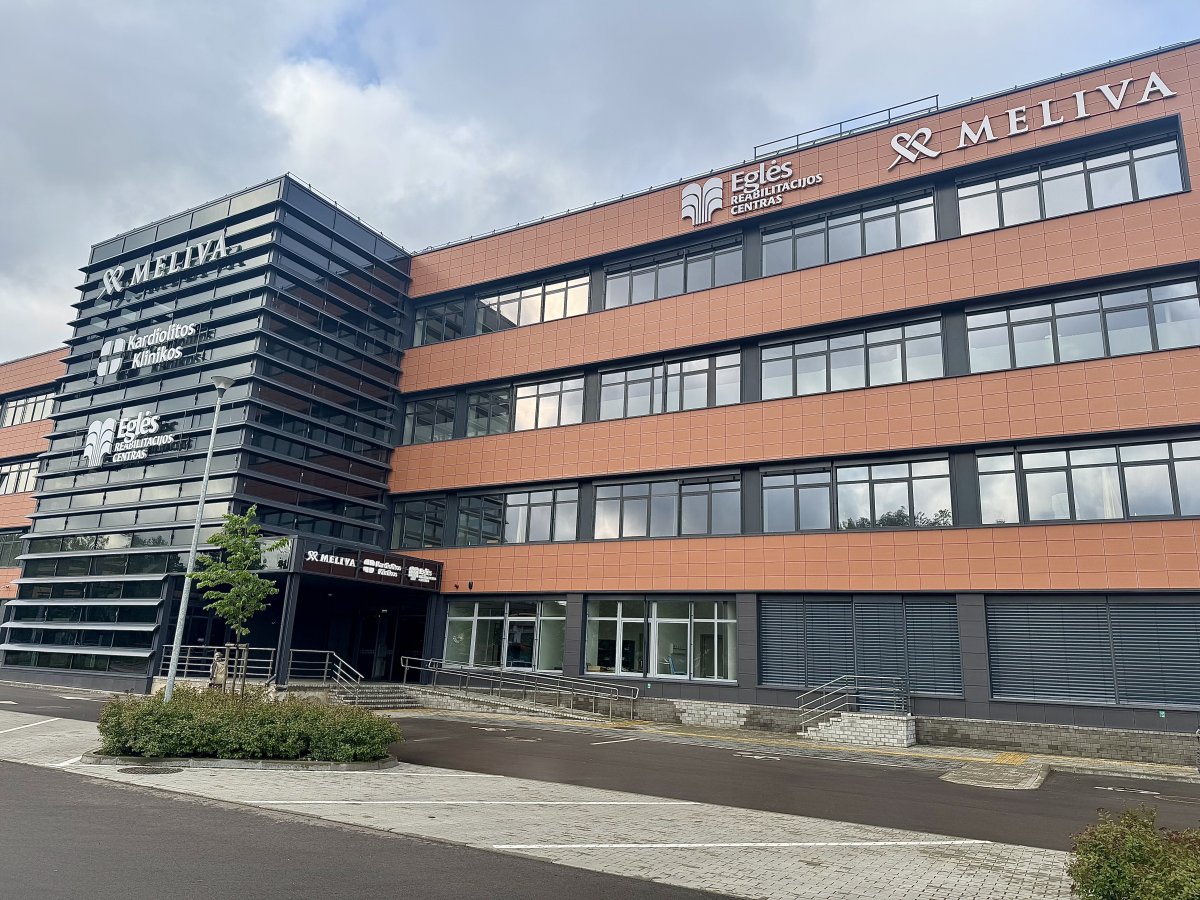




Fi Clinica
المراجعات
جميع المراجعاتمواد ذات صلة

ما هي تكلفة علاج التهاب البروستاتا؟
كتب بواسطة Veronika Kazina
مشاركة المحتوى
قصص فيديو من مرضى Bookimed
 Anna Leonova
أسئلة متكررة حول علاج التهاب البروستاتا في ليتوانيا
هل علاج التهاب البروستاتا في ليتوانيا آمن ويتم إجراؤه بواسطة أطباء مسالك بولية مؤهلين؟
علاج التهاب البروستاتا في ليتوانيا آمن ويتم إجراؤه بواسطة أطباء مسالك بولية مؤهلين تأهيلاً عالياً. تتبع المرافق الطبية لوائح الصحة الصارمة في الاتحاد الأوروبي. يكمل أطباء المسالك البولية الليتوانيون 11 عاماً من التدريب الطبي المتخصص. المراكز الخاصة مثل مستشفى ميليفا كارديوليتا حاصلة على اعتماد JCI. وهذا يضمن الالتزام ببروتوكولات السلامة السريرية العالمية.
- التدريب المتخصص: يكمل الأطباء درجة علمية مدتها 6 سنوات وإقامة في المسالك البولية مدتها 5 سنوات.
- معايير الاتحاد الأوروبي: تمتثل المرافق لقوانين النظافة وسلامة المرضى الأوروبية الصارمة.
- المراكز المعتمدة: مركز التشخيص والعلاج الطبي حاصل على اعتمادات Temos و JCI.
- أدوات متقدمة: تستخدم العيادات الفحوصات الموجهة بالموجات فوق الصوتية واختبارات PCR للتشخيص الدقيق.
رؤية خبير Bookimed: تشير بيانات حجم المرضى إلى ثقة عالية في البنية التحتية للرعاية الصحية الخاصة في ليتوانيا. يخدم مستشفى ميليفا كارديوليتا 298,000 مريض سنوياً من مناطق تشمل الولايات المتحدة وكندا. يفيد مركز التشخيص والعلاج الطبي في فيلنيوس أن مريضاً واحداً من كل 10 مرضى هو دولي. تشير الفرق السريرية الكبيرة التي تضم أكثر من 500 طبيب إلى خبرة عميقة في حالات المسالك البولية المعقدة. غالباً ما يؤدي هذا الحجم الكبير إلى مسارات تشخيصية أكثر كفاءة للحالات المزمنة.
إجماع المرضى: يلاحظ المرضى أن العيادات الليتوانية حديثة ومهنية. يؤكد الكثيرون أن أطباء مثل الدكتور أندريوس غايزاوسكاس يقدمون رعاية داعمة. يقترح البعض التحق
ما هي علاجات التهاب البروستاتا المتاحة وكيف تقرر العيادات الليتوانية أيها يجب استخدامه؟
تعالج العيادات الليتوانية التهاب البروستاتا باستخدام نهج متعدد الوسائط يتبع إرشادات الجمعية الأوروبية لجراحة المسالك البولية (EAU). تشمل العلاجات الأولية المضادات الحيوية الموجهة، وحاصرات ألفا، والعلاجات الفيزيائية مثل علاج الموجات التصادمية. يعطي المتخصصون في المراكز المعتمدة من JCI في فيلنيوس وكاوناس الأولوية للطرق غير الجراحية لإدارة الالتهاب والألم المزمن.
- المسار التشخيصي: يستخدم الأطباء الفحوصات الرقمية، واختبارات PSA، والموجات فوق الصوتية لتحديد الالتهاب.
- البروتوكولات البكتيرية: تتضمن البروتوكولات عادةً 4-6 أسابيع من الفلوروكينولونات بناءً على نتائج المزرعة.
- إدارة الأعراض: تساعد حاصرات ألفا مثل تامسولوسين على استرخاء العضلات لتحسين تدفق البول.
- خيارات متقدمة: توفر المرافق علاج الموجات التصادمية من خارج الجسم (ESWT) للألم المزمن المقاوم للعلاج.
رؤية خبير Bookimed: تظهر البيانات من المرافق الرائدة مثل مستشفى Meliva Kardiolita ومركز التشخيص والعلاج الطبي تركيزاً كبيراً على التشخيصات عالية الحجم. تخدم هذه المراكز أكثر من 350,000 مريض سنوياً بشكل جماعي وغالباً ما تستخدم تحليل السائل المنوي التفصيلي واختبار الأكواب الأربعة. يجب على المرضى اختيار العيادات ذات أقسام التشخيص الواسعة لضمان دقة التمييز بين الأنواع البكتيرية وغير البكتيرية قبل بدء العلاج طويل الأمد.
إجماع المرضى: يشير المرضى إلى أنه من المهم طلب اختبارات كاملة مثل تحليل السائل المنوي في وقت مبكر لتجنب العلاجات غير الفعالة. يجد الكثيرون أن العيادات الخاص
ما هو جدول التعافي والمتابعة النموذجي للزوار؟
يتطلب التعافي من التهاب البروستاتا في ليتوانيا عادةً إقامة تتراوح من 7 إلى 14 يومًا للمراقبة الأولية. يخضع المرضى لراحة مكثفة خلال أول 48 ساعة. توفر المراكز الطبية في فيلنيوس وكاوناس متابعات شخصية لفحص الجروح ومراجعة الأدوية قبل السماح للمرضى بالسفر.
- المراقبة الأولية: تتطلب معظم العيادات إقامة من 7 إلى 14 يومًا بعد الإجراء.
- رعاية المستشفى: يتلقى المرضى عادةً رعاية تمريضية وفحوصات يومية لمدة أسبوع واحد.
- تصريح السفر: تحدث متابعة شخصية حاسمة بحلول الأسبوع الثاني للموافقة على السفر الجوي.
- حدود النشاط: يتم تقييد النشاط البدني الشاق ورفع الأثقال لمدة 4 إلى 6 أسابيع.
رؤية خبير Bookimed: تعد دقة التشخيص عاملاً مميزاً رئيسياً في ليتوانيا. تؤكد مرافق مثل مركز التشخيص والعلاج الطبي على الفحص الدقيق قبل بدء العلاج. غالبًا ما يؤدي هذا التركيز إلى جداول زمنية أكثر تخصيصًا لتقليل الأدوية. يجب على المرضى طلب توجيهات مكتوبة أسبوعًا بأسبوع لتجنب الارتباك خلال مرحلة التعافي.
إجماع المرضى: غالبًا ما يلاحظ الرجال أن جداول التعافي يمكن أن تكون غير متوقعة. يؤكد الكثيرون على الحاجة إلى توضيح متى يجب استئناف ركوب الدراجات أو تمارين الصالة الرياضية لتجنب الانتكاسات.
ما هي المضاعفات أو الآثار الجانبية التي يجب أن يكون السياح الطبيون على دراية بها؟
ينطوي علاج التهاب البروستاتا في ليتوانيا على مخاطر ضئيلة عند إدارته في مرافق معتمدة من قبل اللجنة الدولية المشتركة (JCI). قد يعاني المرضى من إلحاح بولي مؤقت أو ألم في الحوض بعد تدليك البروستاتا. يتم منع المضاعفات الخطيرة مثل جلطات الدم من خلال التحرك المبكر وإرشادات السفر المحددة بعد العلاج للمسافرين الدوليين.
- السلامة المتعلقة بالسفر: يزيد الطيران من مخاطر الإصابة بتجلط الأوردة العميقة والانصمام الرئوي.
- ردود فعل العلاج: قد تسبب حاصرات ألفا أو التدليك ألمًا مستمرًا في الحوض أو إلحاحًا بوليًا.
- مكافحة العدوى: تحافظ المراكز الليتوانية مثل المركز الطبي للتشخيص والعلاج على معايير السلامة الخاصة بـ JCI.
- إدارة الأدوية: تتطلب المضادات الحيوية ذات الجرعات العالية استخدام البروبيوتيك لمنع اختلال توازن الفلورا المعوية أو الإصابة بالفطريات.
رؤية خبير Bookimed: مؤشرات الجودة في ليتوانيا عالية بشكل استثنائي بالنسبة لوجهة في السوق المتوسطة. يخدم مستشفى Meliva Kardiolita 298,000 مريض سنويًا مع 510 متخصصين في طاقم العمل. يشير هذا الحجم الكبير إلى أن بروتوكولات السلامة الموحدة مصقولة جيدًا. تستخدم عيادات مثل Fi Clinica أيضًا التخطيط ثلاثي الأبعاد لتقليل عدم اليقين الجراحي للضيوف الدوليين.
إجماع المرضى: يشير المرضى إلى أن الاحتفاظ بخطة طوارئ محلية لنوبات الألم أمر ضروري. كما يقترحون استخدام تطبيقات الترجمة عند التنسيق مع الموظفين غير الطبيين لتجنب سوء الفهم.
هل أحتاج إلى فحوصات خاصة قبل السفر إلى ليتوانيا لعلاج التهاب البروستاتا؟
لا تتطلب ليتوانيا شهادات طبية إلزامية للدخول. تتطلب العيادات الخاصة عادةً تشخيصات مسالك بولية محددة قبل بدء العلاج. يجب عليك تحضير فحص دم PSA ومزرعة بول. تعتبر فحوصات الموجات فوق الصوتية وفحوصات المستقيم الرقمية أيضًا معيارية لتشخيص الالتهاب.
- تشخيصات الدم: تساعد اختبارات PSA في تحديد التهاب أو عدوى البروستاتا.
- تحليل البول: تكتشف المزارع البكتيريا لاختيار المضادات الحيوية الصحيحة.
- التصوير الطبي: تصور الموجات فوق الصوتية (TRUS) حجم البروستاتا وأي تشوهات.
- السجلات الطبية: أحضر قائمة بالأدوية وتاريخ العلاج السابق.
رؤية خبير Bookimed: تخدم عيادات مثل مستشفى Meliva Kardiolita ومركز التشخيص والعلاج الطبي آلاف المرضى الدوليين. يجب عليك إرسال أحدث نتائجك عبر البريد الإلكتروني قبل 4 أسابيع من السفر. توفير نتائج حساسية المضادات الحيوية مبكرًا يساعد الأطباء على تجنب الاختبارات الزائدة. هذا يضمن بدء علاجك فور وصولك إلى فيلنيوس.
إجماع المرضى: يشير المرضى إلى أنه من الضروري إحضار فحوصات الأمراض المنقولة جنسياً ومزارع البول الحديثة. وجود هذه الوثائق جاهزة يتجنب التأخير غير الضروري أثناء استشارتك الأولى.
كم من الوقت يجب أن أخطط للبقاء في ليتوانيا وأين تقع المراكز الرئيسية؟
يجب على المرضى التخطيط للبقاء في ليتوانيا لمدة 5 إلى 7 أيام لعلاج التهاب البروستاتا. يسمح هذا الإطار الزمني بإجراء تشخيصات متخصصة واستشارات وعلاج أولي. قد تمتد الحالات المزمنة التي تتطلب علاجاً طبيعياً مكثفاً إلى 10 أيام. فيلنيوس وكاوناس هما المركزين الطبيين الرئيسيين.
- المراكز الرئيسية: تضم فيلنيوس وكاوناس أكثر أقسام المسالك البولية تطوراً في ليتوانيا.
- فترة التشخيص: توقع قضاء يومين إلى 3 أيام لإجراء فحوصات شاملة ومزارع مخبرية.
- مدة العلاج: تتطلب إجراءات مثل العلاج بالليزر عادةً إقامة في المستشفى لمدة 3 أيام.
- فترة التعافي: يوصي الجراحون بـ 4 إلى 10 أيام لمراقبة أي عدوى بعد الإجراء.
رؤية خبير Bookimed: تظهر البيانات السريرية تركيزاً عالياً للخبرة في كاوناس وفيلنيوس. يعالج مستشفى ميليفا كارديوليتا في فيلنيوس 298,000 مريض سنوياً عبر 33 قسماً. يضمن هذا الحجم الكبير تعامل أطباء المسالك البولية مع حالات التهاب البروستاتا المعقدة بشكل متكرر. يوفر اختيار المرافق المعتمدة من JCI في هذه المدن أعلى معايير السلامة للمرضى الدوليين.
إجماع المرضى: يشير المرضى إلى أن البقاء بالقرب من العيادة في كاوناس مريح لإجراء فحوصات المتابعة السريعة. يؤكد الكثيرون على أهمية التأكد من إتقان الجراح للغة الإنجليزية قبل الوصول للاستشارة الأولى.
هل سأحصل على وثائق طبية باللغة الإنجليزية وهل يغطي تأمين السفر علاج التهاب البروستاتا؟
توفر العيادات الليتوانية في مدن مثل فيلنيوس وكاوناس وثائق طبية باللغة الإنجليزية. يغطي تأمين السفر عادةً التهاب البروستاتا فقط في حالات الإصابة الحادة والمفاجئة. تستبعد معظم السياسات التغطية إذا كنت تسافر خصيصاً لتلقي العلاج. ترفض الخطط القياسية عادةً المطالبات المتعلقة بحالات المسالك البولية الموجودة مسبقاً.
- لغة الوثائق: تصدر العيادات في فيلنيوس عادةً سجلات طبية باللغة الإنجليزية كإجراء افتراضي.
- تغطية التأمين: تغطي السياسات القياسية غالباً اختبارات التشخيص الطارئة مثل الموجات فوق الصوتية للحالات الحادة.
- الحالات الموجودة مسبقاً: يتم رفض التغطية إذا تم علاجك من التهاب البروستاتا خلال الـ 180 يوماً الماضية.
- التفويض المسبق: يجب على المرضى تزويد شركات التأمين برموز ICD-10 N41 قبل بدء أي علاج.
رؤية خبراء Bookimed: تخدم المراكز الخاصة مثل مستشفى ميليفا كارديوليتا ومركز التشخيص والعلاج الطبي آلاف المرضى الدوليين سنوياً. يضمن اعتماد JCI الخاص بهم أن العمليات الإدارية تلبي المعايير العالمية. تظهر بياناتنا أن هذه المرافق توفر تلقائياً فواتير وملخصات مفصلة باللغة الإنجليزية. هذه الوثائق ضرورية لطلب استرداد جزئي من شركة التأمين المحلية الخاصة بك بعد العلاج.
إجماع المرضى: يؤكد المرضى على أهمية طلب السجلات باللغة الإنجليزية خلال الاستشارة الأولى لتجنب تكاليف الترجمة المستقبلية. يشير الكثيرون إلى أهمية التأكد مما إذا كانت سياستك تغطي العلاج الخارجي أم تقتصر فقط على التشخيص الطارئ.