علاج نقاص القلب في ليتوانيا: 1 مستشفى


تمت مراجعة المقالة طبيا من قبل
فهد مولود
ما هي تكلفة نقاص القلب إجراءات التشخيص والعلاج في ليتوانيا؟ اعرف الآن
| تركيا | إسبانيا | |
|---|---|---|
| إغلاق عيب الحاجز الأذيني (ASD) (انظر. جراحة عيب الحاجز الأذيني) | من $10,000 | ≈ $17,500 |
مزاياك وضماناتك مع Bookimed
أسعار مباشرة
Bookimed لا يضيف رسوماً إضافية على أسعار علاج نقاص القلب. الأسعار مأخوذة من قوائم الأسعار الرسمية للعيادات. تدفع مباشرة في العيادة مقابل علاجك عند وصولك إلى البلد.
عيادات وأطباء معتمدون فقط
Bookimed ملتزم بسلامتك. نحن نعمل فقط مع المؤسسات الطبية التي تحافظ على معايير دولية عالية في علاج نقاص القلب ولديها التراخيص اللازمة لخدمة المرضى الدوليين في جميع أنحاء العالم.
مساعدة مجانية على مدار الساعة
Bookimed يقدم مساعدة خبراء مجانية. منسق طبي شخصي يدعمك قبل وأثناء وبعد العلاج، ويحل أي مشاكل. لن تكون وحيداً أبداً في رحلة علاج نقاص القلب.

منسقك الطبي الشخصي في Bookimed
- يدعمك في كل مرحلة
- المساعدة في اختيار العيادة الطبية المناسبة والطبيب المناسب
- يضمن الوصول السريع والمريح إلى المعلومات
اكتشف أفضل نقاص القلب العيادات في ليتوانيا: 1 خيار معتمدة والأسعار

مشاركة المحتوى
قصص فيديو من مرضى Bookimed
 Anna Leonova
أسئلة متكررة حول علاج نقاص القلب في ليتوانيا
ما هي الأتيلوكارديا (atelocardia) بالضبط وكيف يتم تصنيفها اليوم؟
الأتيلوكارديا هو مصطلح سريري عفا عليه الزمن يشير إلى عدم اكتمال نمو القلب. يتم تصنيفها حاليًا على أنها عيب خلقي في القلب. يستخدم المتخصصون المعاصرون أطرًا تشريحية دقيقة بدلاً من ذلك. تحدد هذه الأنظمة تشوهات هيكلية محددة مثل عيوب الحاجز أو نقص تنسج الحجرات. وهذا يضمن التخطيط الجراحي والعلاج الدقيق.
- الإطار الزرقي: يجمع العيوب التي تسبب انخفاض مستويات الأكسجين، مثل رباعية فالو.
- الهيكل التشريحي: يصنف التشوهات حسب مواقع محددة، مثل صمامات القلب.
- ترميز ICD-11: يصنفها كتشوهات نمائية في الجهاز الدوري.
- معايير IPCCC: توفر رمزًا عالميًا لكل اختلاف تشريحي دقيق في القلب.
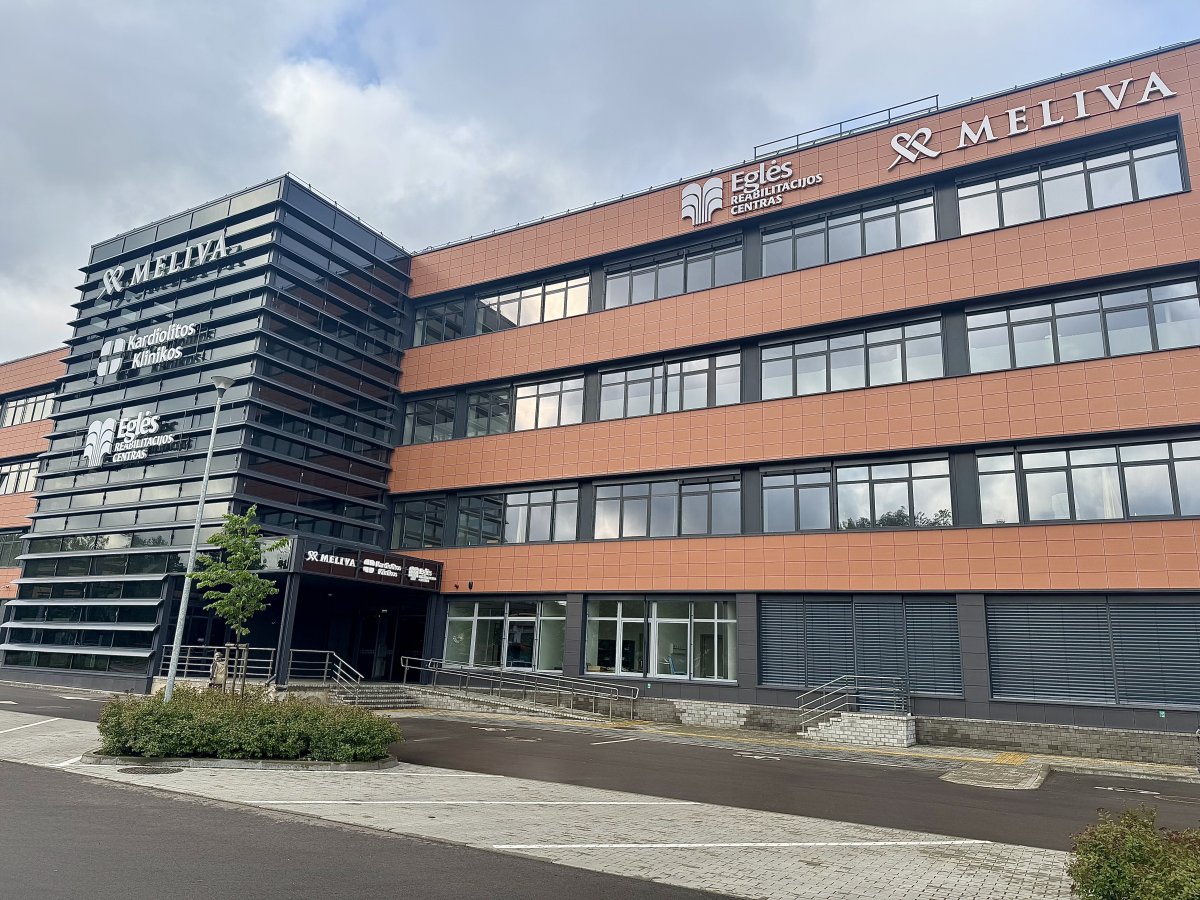
رؤية خبير Bookimed: تسلط البيانات السريرية من مراكز مثل مستشفى ميليفا كارديوليتا في فيلنيوس الضوء على التحول نحو التخصص عالي الحجم. تخدم هذه المنشأة 298,000 مريض سنويًا. كانت أول مستشفى معتمد من JCI في ليتوانيا. تعطي المراكز الكبيرة الآن الأولوية للتصوير التفصيلي على المصطلحات القديمة. يسمح هذا الحجم للجراحين بالحفاظ على الخبرة في الإصلاحات الهيكلية النادرة. يجب على المرضى التأكد من أن تشخيصهم يتوافق مع المعايير الدولية الحديثة لرعاية فعالة عبر الحدود.
إجماع المرضى: يؤكد المرضى أن شخصين لديهما نفس التشخيص التاريخي غالبًا ما يحتاجان إلى عمليات جراحية مختلفة. يوصون بإحضار تقارير صدى القلب والرنين المغناطيسي الفعلية لتجنب الارتباك أثناء الحصول على آراء ثانية.
ما هي المستشفيات في ليتوانيا المتخصصة في علاج عيوب القلب الخلقية المعقدة مثل "أتيلوكارديا" (atelocardia)؟
مستشفى جامعة فيلنيوس "سانتاروس كلينيكوس" (Santaros Klinikos) هو المؤسسة الرئيسية المتخصصة في عيوب القلب الخلقية المعقدة في ليتوانيا. وهو يدير المركز الوطني للتميز لأمراض القلب الخلقية. تجري هذه المنشأة ما يقرب من 200 إلى 300 عملية تصحيح للقلب سنويًا للرضع والأطفال والبالغين.
- مركز متخصص: سانتاروس كلينيكوس هو المركز الوحيد في ليتوانيا لجراحة قلب الأطفال.
- دعم متقدم: توفر المنشأة تقنيات دعم الحياة بما في ذلك الأكسجة الغشائية خارج الجسم (ECMO).
- شبكة دولية: يشارك المستشفى في شبكات مرجعية أوروبية مثل ERN GUARD-Heart.
- رعاية البالغين: يوفر مستشفى "ميليفا كارديوليتا" (Meliva Kardiolita) خدمات قلب معتمدة من اللجنة الدولية المشتركة (JCI) خصيصًا للمرضى البالغين.
رؤية خبير Bookimed: بينما تحتفظ "سانتاروس كلينيكوس" باحتكار جراحة الأطفال، يدير مستشفى "ميليفا كارديوليتا" حجمًا كبيرًا من المرضى البالغين. فهو يخدم أكثر من 290,000 فرد سنويًا بطاقم عمل يضم 510 طبيبًا. يشير هذا الحجم إلى كفاءة تشخيصية عالية لمتابعة الحالات الخلقية لدى البالغين ومضاعفات القلب الثانوية.
إجماع المرضى: يؤكد الآباء أنه بالنسبة للعيوب الأكثر ندرة، فإن الأولوية هي العثور على فريق يتمتع بخبرة محددة في التحويلات الجراحية لحديثي الولادة والإصلاحات على مراحل. وغالبًا ما يوصون بطلب مراجعة متعددة التخصصات تشمل متخصصين في الوراثة والعناية المركزة في وقت مبكر من العملية.
ما هي طرق التشخيص التي تستخدمها العيادات الليتوانية لتأكيد عيوب القلب الخلقية؟
تؤكد العيادات الليتوانية عيوب القلب الخلقية باستخدام تخطيط صدى القلب للجنين قبل الولادة وتخطيط صدى القلب عبر الصدر بعد الولادة. يستخدم المتخصصون أيضًا قياس التأكسج النبضي، وتخطيط كهربائية القلب (ECG)، والتصوير المتقدم للحالات المعقدة. تتبع هذه التشخيصات معايير أمراض القلب الأوروبية داخل المرافق المعتمدة من JCI مثل مستشفى Meliva Kardiolita في فيلنيوس.
- تخطيط صدى القلب للجنين: تكتشف فحوصات الموجات فوق الصوتية المستهدفة تشوهات القلب الهيكلية قبل الولادة.
- تخطيط صدى القلب عبر الصدر: يتتبع هذا الاختبار المعياري الذهبي تدفق الدم عبر حجرات القلب.
- قياس التأكسج النبضي: تقيس مستشعرات حديثي الولادة مستويات الأكسجين في الدم لتحديد العيوب الحرجة.
- التصوير القلبي المتقدم: توفر فحوصات التصوير بالرنين المغناطيسي والأشعة المقطعية إعادة بناء ثلاثية الأبعاد للهياكل المعقدة.
- قسطرة التشخيص: تقيس هذه الطريقة الغازية ضغوط الحجرات الداخلية ومستويات الأكسجين.
رؤية خبير Bookimed: تظهر البيانات أن مرافق مثل مستشفى Meliva Kardiolita تعمل بـ 510 أطباء. تسمح هذه الفرق واسعة النطاق برعاية متخصصة للبالغين المصابين بأمراض القلب الخلقية. بينما تعالج المراكز العامة جميع الأعمار، غالبًا ما تركز عيادات البالغين المتخصصة على تخطيط صدى القلب عبر المريء. توفر طريقة المسبار الداخلي هذه صورًا أكثر وضوحًا دون تداخل من العظام.
إجماع المرضى: يشير المرضى إلى أن لغط القلب غالبًا ما يكون الدليل الأول. ويؤكدون أنه على الرغم من أن قياس الت
ما مدى تأهيل جراحي القلب الليتوانيين في علاج عيوب القلب الهيكلية؟
يتمتع جراحو القلب الليتوانيون بمؤهلات عالية. فهم يتبعون معايير التدريب الطبي والاعتماد في الاتحاد الأوروبي. يظهر المتخصصون معدل نجاح يتراوح بين 95% إلى 98% في جراحات القلب التصحيحية الكبرى. يكمل العديد من الممارسين زمالات متقدمة في الولايات المتحدة وأوروبا الغربية.
- التدريب المتخصص: يخضع الجراحون لإقامة في جراحة القلب والصدر لعدة سنوات تركز على الإصلاح الهيكلي المعقد.
- الحجم السريري: أجرت مراكز مثل Santaros Klinikos أكثر من 8000 جراحة قلب هيكلية.
- معايير الجودة: تمتلك مرافق مثل مستشفى Meliva Kardiolita اعتماد اللجنة الدولية المشتركة (JCI).
- التوافق مع الاتحاد الأوروبي: المؤهلات الجراحية معترف بها بالكامل من قبل الجمعية الأوروبية لأمراض القلب.
رؤية خبير Bookimed: يعد حجم المرضى أقوى مؤشر على الخبرة الجراحية المتخصصة في ليتوانيا. يعالج مستشفى Meliva Kardiolita وحده حوالي 298,000 مريض سنويًا عبر أقسامه. بالنسبة للعيوب الهيكلية مثل قصور القلب، ابحث عن العيادات ذات هذا النطاق. عادة ما يرتبط الحجم الكبير ببروتوكولات تصوير أثناء الجراحة ووحدات العناية المركزة الأكثر دقة.
إجماع المرضى: يؤكد المرضى أن النجاح يعتمد على الحجم السنوي للجراح المحدد للإصلاحات الهيكلية النادرة. يوصون بالتأكد من أن المنشأة لديها مراقبة متقدمة بعد الجراحة وفرق تخدير متخصصة في الموقع.
ما هي خيارات العلاج المتاحة في ليتوانيا لعيوب القلب الخلقية مثل اتيلوكارديا (Atelocardia)؟
تقدم ليتوانيا علاجات جراحية وعلاجات تعتمد على القسطرة متقدمة لعيوب القلب الخلقية. تقوم المراكز المتخصصة بإجراء جراحات قلب مفتوح معقدة وإصلاحات طفيفة التوغل. تدير المرافق من المستوى الثالث حوالي 300 حالة جراحية للأطفال سنويًا. تتبع الرعاية المعايير الأوروبية للتصحيح التشريحي والمراقبة مدى الحياة.
- تدخلات القسطرة: يستخدم المتخصصون أجهزة إغلاق لسد عيوب الحاجز الأذيني بدون جراحة.
- الإصلاحات الجراحية: يقوم الجراحون بإجراء تصحيحات تشريحية معقدة لعيوب مثل رباعية فالو.
- إجراءات الصمامات: توفر الفرق عمليات إعادة بناء تحافظ على الصمامات أو استبدالها باستخدام أطراف صناعية بيولوجية أو ميكانيكية.
- العلاج الداعم: يشمل العلاج الطبي مثبطات الإنزيم المحول للأنجيوتنسين وحاصرات بيتا لاستقرار وظائف القلب.
رؤية خبير Bookimed: بينما تتعامل المستشفيات الجامعية العامة مع حالات قلب الأطفال، تركز المرافق الخاصة مثل مستشفى ميليفا كارديوليتا حصريًا على جراحة القلب للبالغين. هذا التقسيم حيوي للفهم. يجب على البالغين الذين يعانون من مشاكل خلقية تم تشخيصها في وقت متأخر استهداف مراكز خاصة متخصصة. غالبًا ما توفر هذه المرافق وصولاً أسرع إلى التصوير التشخيصي والاستشارات مع جراحين من مجموعة تضم 510 متخصصين.
إجماع المرضى: يؤكد المرضى على أهمية طلب الرعاية في المستشفيات الجامعية المركزية بدلاً من العيادات الإقليمية. بالنسبة للتشريح النادر، تقترح العديد من العائلات الحصول على رأي ثانٍ في وقت مبكر لاتخاذ قرار بين العلاج المحلي أو الإحالة الدولية.
هل يمكن للمرضى الناطقين بالإنجليزية التواصل بفعالية مع فرق القلب الليتوانية؟
يتواصل المرضى الناطقون بالإنجليزية بفعالية مع فرق القلب الليتوانية. يظهر الأخصائيون والجراحون كفاءة عالية. أكمل معظمهم تخصصاتهم في أوروبا الغربية أو الولايات المتحدة. تدرس أفضل الجامعات الطبية في فيلنيوس وكاوناس برامجها بالكامل باللغة الإنجليزية. كما يتم نشر المجلات الطبية المهنية باللغة الإنجليزية.
- مؤهلات الأطباء: يحمل العديد من أطباء القلب شهادات لغة إنجليزية بمستوى B2 أو أعلى.
- المعايير السريرية: تحافظ مؤسسات مثل مستشفى ميليفا كارديوليتا على اعتماد JCI للسلامة.
- طاقم الدعم: توظف العيادات الخاصة منسقين متعددي اللغات خصيصاً لرعاية المرضى الدوليين.
- إمكانية الوصول اللغوي: تخدم المرافق الرئيسية في فيلنيوس ما يقرب من 300,000 مريض كل عام.
رؤية خبير Bookimed: تتبع الكفاءة اللغوية نمطاً جيلياً وتخصصياً واضحاً في ليتوانيا. بينما يقدم 510 طبيباً في مستشفى ميليفا كارديوليتا خبرة عميقة، قد يكون لدى الموظفين الإداريين في المجمعات الأكبر مستويات متفاوتة. اختيار مرفق معتمد من JCI يضمن عادةً توفير أوراق الدخول والخروج باللغة الإنجليزية بشكل افتراضي.
إجماع المرضى: يلاحظ المرضى أن الأخصائيين يشرحون مخاطر القلب المعقدة بوضوح شديد باللغة الإنجليزية. يوصون بطلب جداول الأدوية المكتوبة وقيود النشاط لتجنب الارتباك أثناء التعافي بعد الجراحة.