نقاص القلب العلاج في ألمانيا - التكاليف 2026


تمت مراجعة المقالة طبيا من قبل
فهد مولود
ما هي تكلفة نقاص القلب إجراءات التشخيص والعلاج في ألمانيا؟ اعرف الآن
تختلف التكلفة الإجمالية لعلاج الأتيلوكارديا في ألمانيا اعتمادًا على الإجراءات والتشخيصات المحددة المطلوبة. تتراوح الإجراءات التشخيصية الأولية، بما في ذلك التاريخ الطبي والفحص البدني والتشخيصات المخبرية وتخطيط القلب والتشخيصات التصويرية (إيكو/الرنين المغناطيسي/التصوير المقطعي) والتشخيص الوظيفي والاستشارة مع أستاذ، بين 32,000$ و45,800$. في الحالات التي تتطلب تدخلًا جراحيًا، مثل إعادة بناء الصمام ثلاثي الشرفات وقسطرة القلب، يمكن أن تصل التكاليف إلى 73,750$. يتم تخصيص برنامج العلاج بعد تقييم طبي شامل واستشارة.
| تركيا | إسبانيا | ألمانيا | |
|---|---|---|---|
| إغلاق عيب الحاجز الأذيني (ASD) (انظر. جراحة عيب الحاجز الأذيني) | من $10,000 | من $32,800 | من $12,000 |
مزاياك وضماناتك مع Bookimed
أسعار مباشرة
Bookimed لا يضيف رسوماً إضافية على أسعار علاج نقاص القلب. الأسعار مأخوذة من قوائم الأسعار الرسمية للعيادات. تدفع مباشرة في العيادة مقابل علاجك عند وصولك إلى البلد.
عيادات وأطباء معتمدون فقط
Bookimed ملتزم بسلامتك. نحن نعمل فقط مع المؤسسات الطبية التي تحافظ على معايير دولية عالية في علاج نقاص القلب ولديها التراخيص اللازمة لخدمة المرضى الدوليين في جميع أنحاء العالم.
مساعدة مجانية على مدار الساعة
Bookimed يقدم مساعدة خبراء مجانية. منسق طبي شخصي يدعمك قبل وأثناء وبعد العلاج، ويحل أي مشاكل. لن تكون وحيداً أبداً في رحلة علاج نقاص القلب.

منسقك الطبي الشخصي في Bookimed
- يدعمك في كل مرحلة
- المساعدة في اختيار العيادة الطبية المناسبة والطبيب المناسب
- يضمن الوصول السريع والمريح إلى المعلومات
اكتشف أفضل نقاص القلب العيادات في ألمانيا: 29 خيارات معتمدة والأسعار



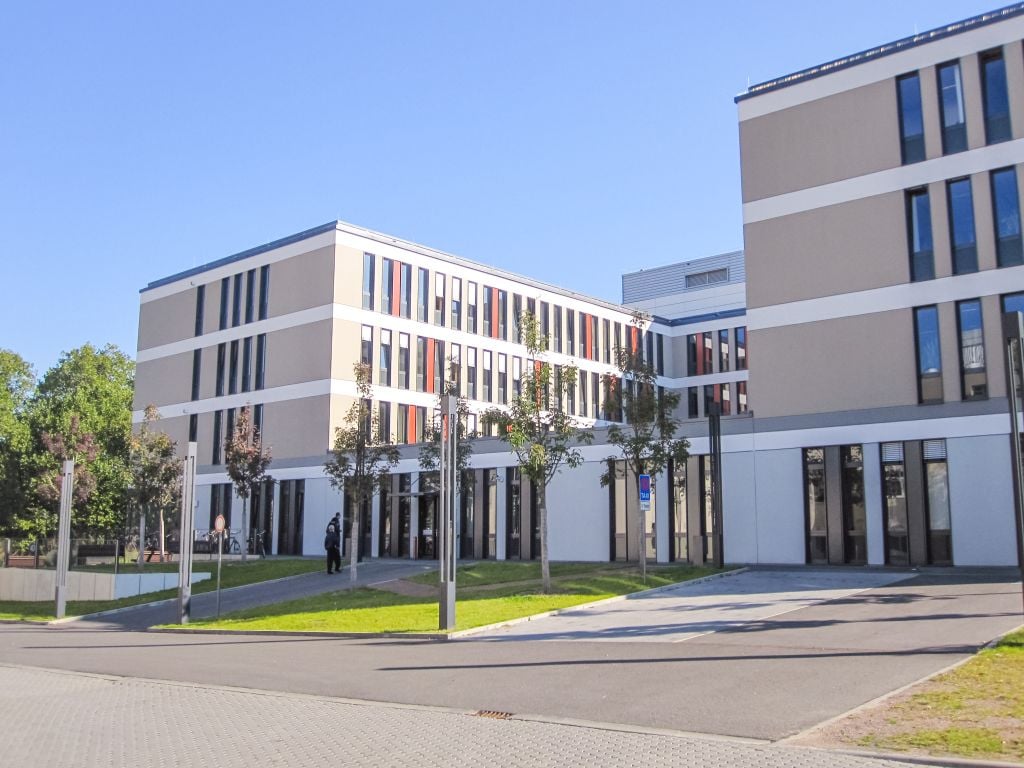

Heart Center Dresden University Hospital

Ev.Clinic Hubertus
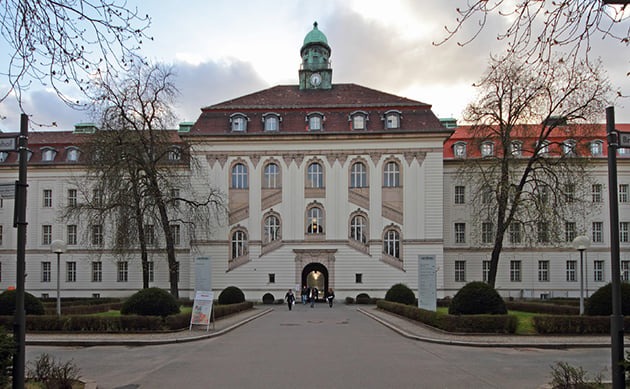


German Heart Centre Munich




Lippe Detmold Clinic
احصلوا على تقييم طبي لـ نقاص القلب في ألمانيا: استشيروا أطباء ذوي خبرة الآن
عرض جميع الأطباء
Felix Berger
_doctor_1207_سنوات_ من الخبرة في علاج أمراض القلب الخلقية – يتخصص الدكتور بيرغر في الحالات المعقدة بما في ذلك ارتفاع ضغط الدم الشرياني الرئوي في مركز القلب الألماني في برلين.
- رئيس الجمعية الألمانية لأمراض قلب الأطفال
- عضو في العديد من جمعيات القلب الأوروبية والدولية
- مؤلف للعديد من المقالات التي تمت مراجعتها من قبل الأقران حول حالات القلب الخلقية
- حاصل على دكتوراه في الطب من جامعة برلين ودكتوراه في الفلسفة من جامعة زيورخ
مشاركة المحتوى
قصص فيديو من مرضى Bookimed
 Anna Leonova
أسئلة متكررة حول علاج نقاص القلب في ألمانيا
تم تشخيص طفلي بـ "أتيلوكارديا" (قصور القلب الخلقي) - ما هو العيب الخلقي الدقيق الذي سيؤكده الأخصائيون الألمان، وكيف؟
سيقوم الأخصائيون الألمان بإعادة تعريف "أتيلوكارديا" كعيب خلقي محدد في القلب. فهم يحددون الشذوذات الهيكلية الدقيقة مثل عيوب الحاجز الأذيني أو رباعية فالو. يؤكد الأطباء ذلك باستخدام تخطيط صدى القلب عالي الدقة، وتخطيط كهربائية القلب (EKG)، والرنين المغناطيسي للقلب. تضمن هذه العملية تخطيطاً دقيقاً للجراحة أو الإجراءات القائمة على القسطرة للطفل.
- العيوب المحددة: يحدد الخبراء ثقوب الحاجز، أو تشوهات الصمامات، أو تشوهات الأوعية الدموية المعقدة.
- التصوير المتقدم: يوفر تخطيط صدى القلب للأطفال صوراً في الوقت الفعلي لحجرات القلب وتدفق الدم.
- التشخيص المتخصص: يكتشف قياس التأكسج النبضي وتخطيط كهربائية القلب مستويات الأكسجين ومشاكل الإيقاع الكهربائي.
- النمذجة الهيكلية: يقوم الرنين المغناطيسي أو الأشعة المقطعية للقلب والأوعية الدموية بإنشاء نماذج ثلاثية الأبعاد لتشريح القلب المعقد.
رؤية خبراء Bookimed: توفر مراكز القلب الألمانية ميزة كبيرة بفضل أحجام العمليات الجراحية العالية والقيادة المتخصصة. على سبيل المثال، يجري مركز القلب الألماني في برلين (Deutsches Herzzentrum Berlin) 5700 عملية سنوياً. ويتمتع البروفيسور الدكتور فيليكس بيرغر هناك بخبرة تزيد عن 30 عاماً كرئيس للجمعية الألمانية لأمراض القلب للأطفال. هذا التركيز في الخبرة يعني أن العيوب النادرة يتم علاجها من قبل جراحين يجرون آلاف الإصلاحات المماثلة.
إجماع المرضى: يؤكد الآباء أن التشخيصات الأولية غالباً ما تتغير بعد المراجعات الثانوية في المراكز الألمانية المتخصصة. ويوصون بإحضار
هل يمكن اكتشاف عيوب القلب الخلقية وإدارتها قبل الولادة في ألمانيا؟
يتم اكتشاف عيوب القلب الخلقية وإدارتها بشكل روتيني قبل الولادة في ألمانيا من خلال تشخيصات ما قبل الولادة المتخصصة. يحقق تخطيط صدى القلب للجنين على يد خبراء لتحديد هياكل القلب دقة تزيد عن 95%. تنسق المراكز الرائدة فرقاً متعددة التخصصات للتخطيط للتدخلات الجراحية لحديثي الولادة على الفور. هذا النهج المنظم يحسن بشكل كبير من نتائج البقاء على قيد الحياة.
- الجدول الزمني للتشخيص: تحدد فحوصات التشوهات بين الأسبوعين 18 و22 مشاكل القلب الهيكلية المحتملة.
- تخطيط صدى القلب للجنين: يقوم أطباء قلب الأطفال بإجراء فحوصات بالموجات فوق الصوتية عالية الدقة وموجهة لتأكيد عيوب القلب المعقدة.
- الإدارة الطبية: يعالج المتخصصون عدم انتظام ضربات القلب لدى الجنين عن طريق إعطاء الأدوية للأم مباشرة.
- الولادة الاستراتيجية: تضم مراكز الفترة المحيطة بالولادة من المستوى الأول وحدات العناية المركزة لحديثي الولادة والجراحة.
رؤية خبراء Bookimed: تكمن قوة ألمانيا في تركيز المستشفيات الجامعية الضخمة مثل مستشفى شاريتيه برلين ومستشفى جامعة إيسن. تعالج هذه المراكز أكثر من 370,000 مريض سنوياً. تظهر بياناتنا أن كبار المتخصصين مثل الدكتور فيليكس بيرجر، رئيس الجمعية الألمانية لطب قلب الأطفال، يعملون داخل هذه المجمعات الطبية. تضمن هذه الكثافة نقل الطفل من غرفة الولادة إلى غرفة عمليات القلب المتخصصة في دقائق، وليس ساعات.
إجماع المرضى: يؤكد المرضى أن الكشف المبكر لا يتعلق بإصلاح القلب داخل الرحم بقدر ما يتعلق باختيار المستشفى المناسب. الولادة في مركز من المستوى الث
ما هي الخيارات الجراحية أو التدخلية المتقدمة الموجودة في ألمانيا لهياكل القلب غير المتطورة؟
تعالج ألمانيا هياكل القلب غير المتطورة باستخدام تدخلات القلب الجنينية، ونهج جيسن الهجين، وإعادة البناء ثنائي البطين على مراحل. يستخدم المتخصصون قسطرة موجهة بالموجات فوق الصوتية لتوسيع الصمامات داخل الرحم. تعزز هذه التقنيات المتقدمة نمو حجرات القلب قبل الولادة. غالبًا ما تعطي المراكز الإقليمية الأولوية لتوظيف البطين لاستعادة الدورة الدموية ثنائية البطين.
- رأب الصمام الجنيني: تعمل القسطرة البالونية على توسيع الصمامات المتضيقة داخل الرحم لتحفيز نمو البطين.
- نهج جيسن الهجين: يجمع بين دعامة القناة الشريانية وربط الشريان الرئوي لتجنب التحويل القلبي الرئوي لحديثي الولادة.
- توظيف البطين: تعمل الجراحات المجهرية على مراحل وإزالة الندبات على إجبار البطينات غير المتطورة على الوصول إلى القدرة الوظيفية.
- النمذجة ثلاثية الأبعاد: يستخدم الجراحون نماذج قلب مطبوعة في مراكز برلين للمحاكاة قبل الجراحة.
رؤية خبير Bookimed: رعاية القلب للأطفال في ألمانيا مركزية للغاية. يقوم مركز القلب الألماني في برلين (Deutsches Herzzentrum Berlin) وحده بإجراء 5700 عملية سنويًا. يتمتع البروفيسور الدكتور فيليكس بيرجر بأكثر من 30 عامًا من الخبرة في العيوب الخلقية هناك. يسمح هذا الحجم الكبير للجراحين بإتقان تقنيات هجينة محددة. غالبًا ما تؤخر هذه الطرق إجراءات القلب المفتوح الكبرى حتى يصبح الرضيع أقوى.
إجماع المرضى: يؤكد المرضى أن وجود خطة منسقة بين التقييم الجنيني ورعاية وحدة العناية المركزة لحديثي الولادة أمر حيوي. يلاحظ الكثيرون أن الدعامات القائمة على ال
هل تتوفر زراعة القلب للمرضى الأطفال الدوليين في ألمانيا؟
يمكن للمرضى الأطفال الدوليين الحصول على زراعة القلب في ألمانيا بموجب لوائح صارمة. يتبع تخصيص الأعضاء قواعد Eurotransplant التي تعطي الأولوية للحالة الطبية الطارئة. على الرغم من وجود نقص محلي، توفر المراكز المتخصصة دعمًا ميكانيكيًا للدورة الدموية. تعمل هذه التكنولوجيا الجسرية على استقرار حالة الأطفال أثناء انتظارهم لقلب متبرع مناسب.
- الإطار القانوني: تشارك ألمانيا في Eurotransplant مما يضمن تخصيصًا عادلًا للأعضاء بناءً على الاستعجال.
- الدعم الميكانيكي: تستخدم المراكز جهاز Berlin Heart EXCOR لدعم المرضى خلال فترات قائمة الانتظار.
- الخبرة المتخصصة: يتخصص الدكتور فيليكس بيرجر في Deutsches Herzzentrum Berlin في الحالات الخلقية المعقدة.
- المتطلبات المالية: يجب على العائلات تأمين دفعة مقدمة تتجاوز غالبًا 800,000 دولار لجراحة الزرع.
رؤية خبير Bookimed: تتعامل مراكز القلب الألمانية مثل Charité و Deutsches Herzzentrum Berlin مع أحجام هائلة من المرضى تزيد عن 30,000 سنويًا. تؤكد هذه الكثافة العالية للبيانات أن الوصول إلى الزرع هو عملية إحالة طبية، وليس مسألة جنسية. غالبًا ما تطلب العيادات سجلات طبية كاملة قبل إصدار خطاب الدعوة اللازم لتأشيرة العلاج.
إجماع المرضى: يشير المرضى إلى أن الخدمات اللوجستية الطبية مثل الترجمة السريعة للسجلات غالبًا ما تكون أكثر تحديًا من الجراحة نفسها. ويؤكدون على الاتصال المباشر بمراكز قلب الأطفال الكبيرة والمتخصصة لإجراء مراجعات لكل حالة على حدة.
كم من الوقت يجب أن نخطط لإقامتنا في ألمانيا لجراحة القلب للأطفال والتعافي الآمن؟
خطط لإقامة إجمالية تتراوح من 4 إلى 6 أسابيع لجراحة القلب للأطفال في ألمانيا. يشمل ذلك 3 أيام للفحوصات قبل الجراحة و7 إلى 14 يوماً من الإقامة في المستشفى. يتطلب التعافي بعد الخروج من المستشفى 10 إلى 14 يوماً إضافية بالقرب من العيادة قبل الحصول على تصريح السفر الآمن.
- مرحلة ما قبل الجراحة: 2-3 أيام لتحاليل الدم والتصوير والاستشارات الجراحية.
- مدة الإقامة في المستشفى: 7-14 يوماً للإصلاحات القياسية أو 4 أسابيع للحالات المعقدة.
- فترة التعافي: 10-14 يوماً محلياً لمراقبة التئام الجروح واحتباس السوائل.
- تصريح السفر: يقدم أطباء القلب شهادات اللياقة للطيران فقط بعد استقرار إيقاع القلب والتغذية.
رؤية خبير Bookimed: تخدم المستشفيات الجامعية الألمانية مثل شاريتيه أو لايبزيغ أكثر من 430,000 مريض سنوياً. تؤدي الأحجام الكبيرة في هذه المراكز إلى بروتوكولات خروج صارمة. نلاحظ أن العائلات غالباً ما تغفل أن العيادات الجامعية قد يكون لديها أوقات معالجة أطول للطلبات الدولية. غالباً ما توفر المراكز المتخصصة مثل مركز القلب الألماني في ميونيخ تنسيقاً أسرع لحالات قلب الأطفال. احجز دائماً تذاكر مرنة لأن سرعة التعافي تختلف بشكل كبير بناءً على استقرار التغذية.
إجماع المرضى: يؤكد الآباء أن أول 72 ساعة بعد الخروج من المستشفى هي الأكثر توتراً. يوصون بالبقاء في سكن قريب لمراقبة تنفس الطفل ومعدل ضربات قلبه عن كثب. تقترح معظم العائلات حجز رحلات قابلة للاسترداد لأن التعديلات بعد الجراحة غالباً ما تمدد الإقامة لعدة أيام.
هل توفر المستشفيات الألمانية دعمًا مخصصًا للمرضى الدوليين وعائلاتهم؟
توفر المستشفيات الألمانية دعمًا متخصصًا للمرضى الدوليين من خلال مكاتب طبية دولية مخصصة. تدير هذه المراكز خطابات دعوة التأشيرة ومنسقين متعددي اللغات. تقدم مراكز القلب المتخصصة مثل Deutsches Herzzentrum Berlin رعاية مركزة لحالات القلب المعقدة. تقوم معظم المؤسسات بتنسيق المترجمين الطبيين المطلوبين وإقامة العائلات.
- المساعدة الإدارية: تصدر المكاتب خطابات دعوة رسمية لطلبات التأشيرة الطبية.
- خدمات اللغة: توظف المستشفيات موظفين متعددي اللغات وتنسق مع مترجمين طبيين محترفين.
- لوجستيات العائلة: يساعد الموظفون في حجز بيوت الضيافة أو الشقق القريبة للأقارب.
- التنسيق المالي: تدير الأقسام الدولية شفافية الفواتير ومعالجة تقديرات التكلفة الأولية.
رؤية خبير Bookimed: على الرغم من أن ألمانيا تحتل المرتبة الخامسة عالميًا في طلبات السياحة العلاجية، إلا أن الدعم يختلف بشكل كبير حسب نوع المستشفى. تخدم المراكز الجامعية الكبيرة مثل مستشفى جامعة إيسن أكثر من 370,000 مريض سنويًا ولديها أقسام دولية راسخة. المراكز المتخصصة مثل Deutsches Herzzentrum Berlin هي الأنسب للحالات النادرة مثل atelocardia. غالبًا ما تتمتع هذه المراكز بخبرة أكبر في التعامل مع احتياجات طب قلب الأطفال المحددة مقارنة بالمستشفيات متعددة التخصصات العامة.
إجماع المرضى: يشير المرضى إلى أنه على الرغم من أن الأطباء غالبًا ما يتحدثون الإنجليزية، إلا أن الموظفين في الإدارة أو التمريض قد لا يتحدثونها. من الضروري التأكد من توفر مترجمين فوريين خصيصًا لموافقات الجراحة وتعليمات الخروج قب
ما هي المستشفيات في ألمانيا التي تحظى بأعلى التقييمات في جراحة الأعصاب؟
تضم ألمانيا بعضًا من أرقى أقسام جراحة الأعصاب في العالم، بقيادة مستشفى شاريتيه الجامعي في برلين ومستشفى جامعة هايدلبرغ. وتتميز هذه المراكز بخبرتها الواسعة في علاج أورام الدماغ المعقدة وأمراض الأوعية الدموية الدماغية. ولتحقيق أقصى قدر من الفعالية في عملياتها، تستخدم هذه المراكز أحدث التقنيات، مثل التصوير بالرنين المغناطيسي أثناء الجراحة والتوجيه العصبي بمساعدة الحاسوب.
- مستشفى شاريتيه برلين: يُجري أكثر من 5000 عملية جراحية سنوياً. ويرأس العيادة جراح الأعصاب الشهير الدكتور بيتر فايكوتشي.
- المركز الطبي في سولينجن: أجرى الدكتور رالف بوهل أكثر من 4000 عملية جراحية، بما في ذلك جراحات العمود الفقري طفيفة التوغل.
- عيادة أسكليبيوس نورد: مجهزة بنظام التصوير بالرنين المغناطيسي الثنائي الوحيد في ألمانيا أثناء الجراحة لضمان الدقة الجراحية في الوقت الحقيقي أثناء إزالة الورم.
- عيادة نوردويست: تم الاعتراف بها من قبل مجلة نيوزويك كمستشفى رائد في مجال الابتكار في تكنولوجيا الموجات فوق الصوتية ثلاثية الأبعاد.
رأي خبراء بوكيمد: تشير البيانات إلى أن اختيار المراكز ذات الحجم الجراحي الكبير غالبًا ما يؤدي إلى توصيات علاجية أكثر تحفظًا. ففي مركز سولينجن الطبي، الذي يعالج أكثر من 60,000 مريض
ما هي نسب نجاح العمليات الجراحية العصبية المعقدة في ألمانيا؟
في ألمانيا، تتميز العمليات الجراحية العصبية بالغة التعقيد بمستوى أمان استثنائي. تصل نسبة نجاح عمليات دمج الفقرات إلى 99%، بينما تبلغ نسبة النجاة بعد استئصال أورام الدماغ الأولية 97%. كما يتمتع المرضى بقدرة عالية على الاعتماد على أنفسهم في أداء وظائفهم اليومية، حيث يغادر أكثر من 82% منهم المستشفى مباشرةً بعد العلاج. وتولي المراكز الألمانية اهتماماً بالغاً بالحفاظ على الوظائف العصبية باستخدام أحدث تقنيات التخطيط العصبي.
- استئصال الورم: يحقق الجراحون استئصالًا كاملاً للورم في 87.2% من حالات النقائل الدماغية.
- النجاح في علاج أمراض الأوعية الدموية: أفادت المستشفيات الألمانية بنسبة نجاة بلغت 98.7% لحالات تمدد الأوعية الدموية غير الممزقة.
- تحسن الحالة العصبية: يشهد ما يقرب من 43% من المرضى تحسناً في المعايير الوظيفية بعد عمليات الاستئصال المعقدة.
- سلامة التدخلات الجراحية: في المراكز الجراحية الكبيرة، تتراوح معدلات بقاء المرضى على قيد الحياة بعد جراحة العمود الفقري بين 98-99%.
رأي خبراء بوكيمد: يُجري جراحون ذوو خبرة، مثل الدكتور أوفه كولر من عيادة أسكليبيوس ألتونا، أكثر من 2000 عملية جراحية سنويًا. تُشير البيانات إلى أن هؤلاء المتخصصين يحافظون على معدلات نجاح تصل إلى 90%، حتى
ما هي التقنيات المتقدمة المتوفرة عادةً في عيادات جراحة الأعصاب الألمانية؟
تُدخل عيادات جراحة الأعصاب الألمانية بانتظام أدوات رقمية عالية الدقة وتقنيات تصوير فوري في الممارسة الجراحية. تشمل التقنيات الرئيسية الملاحة العصبية الحاسوبية لجراحات الدماغ والحبل الشوكي. تستخدم مؤسسات مثل عيادة أسكليبيوس نورد التصوير بالرنين المغناطيسي أثناء الجراحة للتحقق من استئصال الورم في الوقت الفعلي. توفر هذه الأنظمة للجراحين نظام ملاحة ثلاثي الأبعاد.
- الملاحة العصبية: توفر تصورًا ثلاثي الأبعاد وتتبعًا فوريًا للأدوات لتحقيق دقة جراحية تصل إلى مستوى أقل من المليمتر.
- التصوير أثناء العملية: تسمح أنظمة مثل التصوير بالرنين المغناطيسي أثناء العملية (iMRI) والتصوير المقطعي المحوسب ذي الذراع O (O-arm CT) بالتأكيد الفوري على نجاح عملية الاستئصال.
- المراقبة العصبية: تراقب الوظائف الحركية والحسية أثناء الجراحة لحماية الجهاز العصبي.
- التشخيص الفلوري: يتم استخدام صبغة 5-ALA لتسليط الضوء على حدود الورم من أجل إزالته بشكل أكثر اكتمالاً.
- المساعدة الروبوتية: تعمل أنظمة مثل نظام دافنشي على تحسين الدقة في الإجراءات المعقدة ذات التدخل الجراحي البسيط.
رأي خبراء بوكيمد: تُجري مراكز طبية كبيرة، مثل مستشفى شاريتيه الج
ما هي التدريبات المتخصصة التي يتلقاها جراحو الأعصاب الممارسون في ألمانيا؟
في ألمانيا، يتعين على جراحي الأعصاب إكمال برنامج إقامة تخصصي لمدة ست سنوات بعد التخرج من كلية الطب. يشمل هذا البرنامج المنظم العناية المركزة، والتدريب السريري، وكتابة مقالات في مجلة جراحية إلزامية. بعد ذلك، يجتاز المرشحون امتحانًا حكوميًا للحصول على لقب طبيب مقيم (Facharzt für Neurochirurgie).
- الإقامة السريرية: تتطلب من 48 إلى 72 شهرًا من الممارسة المتخصصة في جراحة الأعصاب.
- العناية المركزة: تتضمن فترة تدريب إلزامية لمدة 6 أشهر في وحدة العناية المركزة لجراحة الأعصاب.
- المجلة الجراحية: يوثق الجراحون مئات العمليات الجراحية، بما في ذلك عمليات فتح الجمجمة وجراحات العمود الفقري.
- امتحان الترخيص: يجب على المتقدمين اجتياز امتحان طبي شفوي وعملي تديره الدولة.
رأي خبراء بوكيميد: يركز التدريب الألماني في جراحة الأعصاب على الخبرة الجراحية الواسعة. فعلى سبيل المثال، أجرى الدكتور رالف بول من المركز الطبي في سولينجن أكثر من 4000 عملية جراحية. ويتمتع الدكتور يورغن كيويت من مستشفى ميوكلينيك بخبرة تزيد عن 25 عامًا. يضمن هذا النظام الدقيق أن يتعامل المتخصصون في المراكز الكبرى مع الحالات المعقدة بدقة مثبتة.
آراء المرضى: يشع