
Ruesch Clinic
إيطاليا, Naples


تمت مراجعة المقالة طبيا من قبل
فهد مولود
لماذا يختار المرضى إيطاليا لتركيب القدم الاصطناعية؟
احصل على حلول متقدمة للقدم الاصطناعية في عيادات موثوقة من $6,500.
| إيطاليا | تركيا | إسبانيا | |
|---|---|---|---|
| قدم اصطناعية | ≈ $6,500 | ≈ $2,500 | ≈ $4,500 |
Bookimed لا يضيف رسوماً إضافية على أسعار قدم اصطناعية. الأسعار مأخوذة من قوائم الأسعار الرسمية للعيادات. تدفع مباشرة في العيادة مقابل قدم اصطناعية عند وصولك.
Bookimed ملتزم بسلامتك. نحن نعمل فقط مع المؤسسات الطبية التي تحافظ على معايير دولية عالية في قدم اصطناعية ولديها التراخيص اللازمة لخدمة المرضى الدوليين في جميع أنحاء العالم.
Bookimed يقدم مساعدة خبراء مجانية. منسق طبي شخصي يدعمك قبل وأثناء وبعد العلاج، ويحل أي مشاكل. لن تكون وحيداً أبداً في رحلة قدم اصطناعية.

يتضمن الإجراء استبدال الأطراف المفقودة ، وتحسين الحركة ، واستخدام الأطراف الاصطناعية المصممة لأنشطة مختلفة.
يستبدل هذا العلاج الجزء السفلي من الساق ويحسن الحركة ويعزز نوعية الحياة بعد البتر.
يتضمن الإجراء ربط قدم صناعية لتمكين الحركة وتحسين نوعية الحياة.
تُركب العملية طرفًا اصطناعيًا عالي التقنية ، مما يحسن التنقل والتوازن للأشخاص الذين يعانون من فقدان الساق.
يزود هذا الإجراء المرضى بأرجل صناعية متطورة وقابلة للبرمجة ، مما يعزز الحركة والدقة والراحة.
يستبدل هذا العلاج الذراع المفقودة ، مما يحسن الحركة والوظائف من خلال طرف اصطناعي.
يوفر الإجراء استبدالًا جماليًا للذراع المفقودة مما يضمن المظهر الطبيعي ويعزز الثقة بالنفس.
يساعد هذا الإجراء في استبدال الأرقام المفقودة ، وتحسين وظيفة اليد والمظهر باستبدال قابل للتخصيص ومتحرك.
اليوم 1
اليوم الثاني
يوم 3
اليوم الرابع
الأسبوع 1
الأسبوع الثاني إلى الرابع
الأسبوع الخامس إلى الثامن
بعد 3 أشهر
كل حالة فردية ، وقد تختلف أوقات الشفاء بناءً على الصحة الشخصية والرعاية اللاحقة للعملية الجراحية.
 Anna Leonova
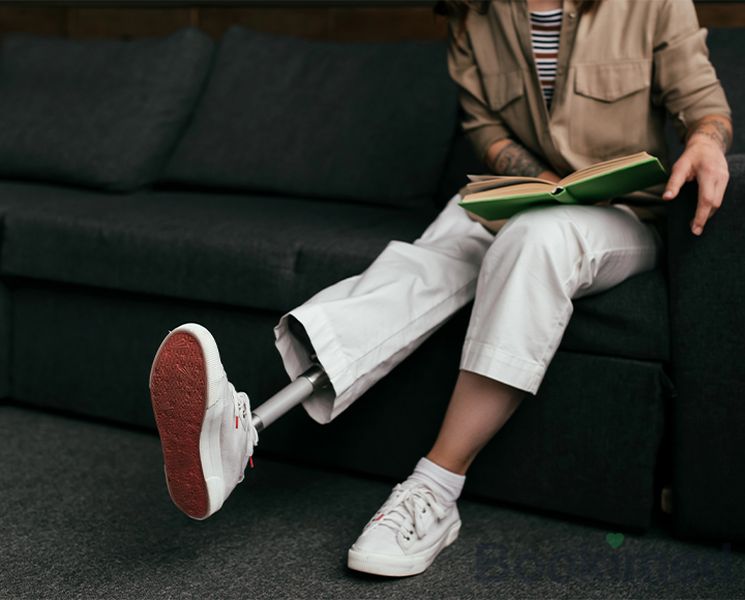
القدم الاصطناعية هي نوع من الأطراف الاصطناعية المصممة لاستبدال وظيفة ومظهر القدم المفقودة.
تتراوح الأقدام الاصطناعية في إيطاليا من نماذج SACH الأساسية لتحقيق الاستقرار إلى أنظمة ألياف الكربون المتقدمة الموفرة للطاقة وأنظمة المعالجات الدقيقة. يعتمد الاختيار على درجة نشاطك (K-level)، ووزن الجسم، والتضاريس المحلية. غالبًا ما تعطي العيادات الإيطالية الأولوية لتحليل المشية لضمان حركة متناظرة وصحة المفاصل على المدى الطويل.
رؤية خبير Bookimed: في حين أن الأطراف الاصطناعية الأساسية غالبًا ما تكون مدعومة، فإن الترقيات الخاصة لنماذج ألياف الكربون تكلف عادةً ما لا يقل عن 5000 دولار إضافية. تتراوح حلول الأقدام الاصطناعية المتطورة في إيطاليا من $6,500 إلى $12,500. للحصول على أحدث التقنيات، توفر عيادات شمال إيطاليا في مدن مثل ميلانو عمومًا وصولاً أسرع لتجارب العلامات التجارية المتخصصة.
إجماع المرضى: يوصي العديد من المرضى بنماذج امتصاص عزم الدوران للتنقل في شوارع إيطاليا المرصوفة بالحصى بشكل متكرر لمنع آلام الورك. ويؤكدون أن تجربة القياس لمدة
تستغرق عملية تركيب الطرف الصناعي للقدم وإعادة التأهيل في إيطاليا عادةً من 6 إلى 12 شهرًا لتحقيق التكامل الكامل. تبدأ العملية بـ 4 إلى 12 أسبوعًا من الشفاء الأولي. يتبع ذلك التصنيع المخصص والتدريب المكثف على المشي، مما يتطلب من 3 إلى 6 أشهر لتحقيق كفاءة وظيفية في المشي.
رؤية خبير Bookimed: غالبًا ما تستخدم مراكز إعادة التأهيل الإيطالية أخصائيي أطراف صناعية خاصين لتجاوز التأخيرات المؤسسية. في حين أن موافقات النظام العام قد تضيف 6 أشهر من الانتظار، تركز المرافق الخاصة مثل تلك الموجودة في نابولي على تكييف الطرف المتبقي في وقت مبكر. يمكن أن يؤدي بدء العلاج الطبيعي قبل التركيب النهائي إلى تقليل وقت التعافي الإجمالي بنسبة 50%.
إجماع المرضى: يؤكد المرضى على ضرورة تخصيص 6 أشهر على الأقل للمشي بثقة. يبلغ معظمهم عن حاجتهم إلى 2 إلى 3 مراجعات للطرف الصناعي خلال السنة الأولى للحصول على ملاءمة مري
تغطي الخدمة الصحية الوطنية (SSN) في إيطاليا وصفات الأطراف الصناعية للقدم للمقيمين ذوي الإعاقات المعترف بها. تتبع التغطية قائمة Nomenclatore Tariffario، التي تسرد الأجهزة المعتمدة. يجب على المقيمين الحصول على إحالة من أخصائي وتفويض من Azienda Sanitaria Locale (ASL) للحصول على جهاز من مزود تقويم عظام معتمد.
رؤية خبير Bookimed: يغير الموقع الجغرافي مدى سرعة حصولك على طرفك الصناعي. تظهر البيانات أن المناطق الشمالية مثل لومبارديا تعالج تفويضات ASL بشكل أسرع من المناطق الجنوبية. إذا كانت السرعة حاسمة، تساعد بعض العيادات الخاصة في نابولي في طلبات استرداد SSN الجزئي. يمكن أن يقلل هذا فترات الانتظار من 12 شهرًا إلى أسابيع.
إجماع المرضى: يفيد المرضى أنه على الرغم من تغطية النماذج الأساسية، فإن الخيارات التكنولوجية المتقدمة تتطلب عادةً مدفوعات كبيرة من الجيب. يوصي الكثيرون بالتحقق من قوائم الأسعار الإقليم
يجب أن تحصل مراكز الأطراف الصناعية الإيطالية عالية الجودة على شهادة ISO 13485 لإدارة جودة الأجهزة الطبية. يجب على المرضى إعطاء الأولوية للمرافق التي تمتثل لعلامة CE (EU MDR 2017/745)، والاعتماد المؤسسي من الخدمة الصحية الوطنية الإيطالية (SSN)، ووضع فني معتمد لعلامات تجارية مثل Ottobock أو Össur.
رؤية خبير Bookimed: ابحث عن حالة المعاهد العلمية للبحث والرعاية الصحية (IRCCS). يشير هذا التصنيف الإيطالي النادر من وزارة الصحة إلى أن المركز يجمع بين الجراحة والبحث المتقدم. غالبًا ما توفر المرافق ذات هذا التصنيف وصولاً مبكرًا إلى الابتكارات البيونية وتكنولوجيا تركيب المقبس المتفوقة.
إجماع المرضى: يؤكد المرضى أن الشهادات لا تعني الكثير بدون تركيب مثالي للمقبس. يوصي معظمهم بالتحقق من سجل وزارة الصحة الإيطالية مع إعطاء الأولوية للعيادات التي تقدم جلسات تركيب متعددة.
تشمل مضاعفات القدم الاصطناعية الفشل الميكانيكي، وانهيار الجلد، وعدم محاذاة المقبس بسبب تغيرات حجم الطرف. من الضروري الاتصال بالعيادة فوراً في حالة احمرار الجلد المستمر، أو أصوات طحن غير عادية، أو عدم الاستقرار. غالباً ما تنبع هذه المشكلات من الاحتكاك، أو تراكم العرق، أو تآكل المكونات مثل عارضة القدم.
رؤية خبراء Bookimed: تؤكد مراكز تقويم العظام الإيطالية على تعديلات الملاءمة الموسمية. غالباً ما يسبب حر الصيف تورم الأطراف وزيادة العرق. وهذا يؤدي إلى الانزلاق أو قروح الجلد في غضون أسبوعين. على العكس من ذلك، يؤدي برد الشتاء إلى ضيق الملاءمة. جدولة إعادة ضبط احترافية كل ستة أشهر تمنع آلام المفاصل على المدى الطويل.
إجماع المرضى: أفاد العديد من المستخدمين أن النظافة اليومية ومناديل الكحول تمنع العدوى. وينصحون بالاتصال بالمنشأة فوراً إذا استمرت العلامات الحمراء لأكثر من 20 دقيقة.
يتضمن الإعداد المناسب لأخذ مقاسات الطرف الصناعي للقدم في إيطاليا تثبيت طرفك وتجهيز المعدات الأساسية. يجب عليك إحضار أحذية محددة وسجلات طبية إلى موعدك. ارتدِ ملابس ضيقة مثل سراويل ركوب الدراجات لضمان حصول أخصائيي الأطراف الصناعية المحترفين على قالب دقيق وخالٍ من التشوهات لطرفك.
رؤية خبير Bookimed: على الرغم من أن إيطاليا تستخدم تقنية المسح الضوئي ثلاثي الأبعاد المتقدمة، إلا أن المواعيد في نهاية اليوم توفر ملاءمة أكثر وظيفية. يتقلب حجم الطرف بشكل طبيعي طوال اليوم. الحجز في وقت متأخر يضمن أن طرفك الصناعي يتكيف مع هذه التغيرات اليومية. هذا يمنع المشكلة الشائعة المتمثلة في شعور المقبس بالضيق الشديد بحلول المساء.
إجماع المرضى: يؤكد المرضى على أهمية إحضار طرفك الصناعي الحالي أو البطانات كمرجع. كما يوصون باستخدام تطبيقات الترجمة لمناقشة أهداف النشاط بوضوح مع الفريق السريري الإيطالي.
تعد ليغوريا، وإميليا رومانيا، ولومبارديا، وتوسكانا المراكز الرئيسية في إيطاليا لأبحاث الأقدام الاصطناعية. تقود هذه المناطق مجالات الروبوتات اللينة، وهندسة ألياف الكربون، والتكامل البيوني. وتدفع مؤسسات رئيسية مثل المعهد الإيطالي للتكنولوجيا (Istituto Italiano di Tecnologia) وجامعة البوليتكنيك في ميلانو (Politecnico di Milano) هذه الاختراقات الميكانيكية الحيوية.
رؤية خبير Bookimed: بينما تتعامل لومبارديا مع أحجام سريرية عالية من خلال شبكة ميلانو الصناعية، توفر ليغوريا وتوسكانا المزيد من فرص البحث التجريبي. غالباً ما تركز براءات الاختراع من بيزا وجنوة على القدرة على التكيف البديهي مع التضاريس غير المستوية. هذا التخصص يجعل هذه المناطق حيوية للمرضى الذين يبحثون عن حلول اصطناعية غير قياسية ومستوحاة بيولوجياً.
إجماع المرضى: غالباً ما يجد المرضى أن التمويل الصحي العام الإيطالي يغطي التركيبات