ساق آلية في إيطاليا — احصل على 3 عيادات مطابقة مع التكاليف


تمت مراجعة المقالة طبيا من قبل
فهد مولود
ما هي تكلفة ساق آلية في إيطاليا؟ اكتشف الآن
A bionic leg in Italy typically costs from $38,000 to $70,000. The final price depends on the amputation level, sensor technology, and required robotic microprocessor. Fees usually cover the prosthetic device, personalized socket fitting, and initial gait training.
- Amputation level: Above-knee systems cost significantly more than below-knee configurations.
- Microprocessor knees: High-end devices like the Genium X3 add substantial costs for waterproofing.
- Robotic components: Advanced stance and swing controls increase the price by 40-50%.
- Specialized techniques: Procedures like Targeted Muscle Reinnervation (TMR) add to surgical and fitting expenses.
Bookimed Expert Insight: Italy offers world-class expertise in neural limb control through Maria Cecilia Hospital. This JCI-accredited facility is among the few European centers performing Targeted Muscle Reinnervation. Choosing such a high-tier hub ensures access to advanced prosthetic software. It also provides a 95% success rate in preventing further amputations. The clinic is conveniently located near Bologna International Airport for global access.
المزايا الرئيسية
لماذا تختار إيطاليا لإجراءات الأطراف الاصطناعية البايونية؟
- عيادات معتمدة: المستشفيات المعتمدة من JCI تقدم معايير عالمية في رعاية الأطراف الاصطناعية البايونية.
- أحدث التقنيات: الأجهزة مثل Ottobock Genium X3 و Össur's Rheo Knee XC توفر وظائف مذهلة. تتكيف بشكل جيد مع التضاريس والأنشطة المتنوعة.
- نسب نجاح عالية: الأطراف الاصطناعية البايونية أظهرت فعالية بنسبة 85% في تحسين الحركة لذوي البتر. الحلول المخصصة تعزز بشكل كبير جودة الحياة.
- جراحون خبراء: جراحو العظام الرائدون، المعتمدون من قبل المجلس الأوروبي لجراحة العظام والإصابات (EBOT)، أجروا أكثر من 500 عملية للأطراف الاصطناعية البايونية. هذا يضمن رعاية خبيرة ونتائج ناجحة.
احصل على حلول متقدمة للأطراف الاصطناعية البايونية في عيادات موثوقة من $38,000.
| إيطاليا | تركيا | إسبانيا | |
|---|---|---|---|
| ساق آلية | ≈ $38,000 | ≈ $28,000 | ≈ $40,000 |
مزاياك وضماناتك مع Bookimed
أسعار مباشرة
Bookimed لا يضيف رسوماً إضافية على أسعار ساق آلية. الأسعار مأخوذة من قوائم الأسعار الرسمية للعيادات. تدفع مباشرة في العيادة مقابل ساق آلية عند وصولك.
عيادات وأطباء معتمدون فقط
Bookimed ملتزم بسلامتك. نحن نعمل فقط مع المؤسسات الطبية التي تحافظ على معايير دولية عالية في ساق آلية ولديها التراخيص اللازمة لخدمة المرضى الدوليين في جميع أنحاء العالم.
مساعدة مجانية على مدار الساعة
Bookimed يقدم مساعدة خبراء مجانية. منسق طبي شخصي يدعمك قبل وأثناء وبعد العلاج، ويحل أي مشاكل. لن تكون وحيداً أبداً في رحلة ساق آلية.

منسقك الطبي الشخصي في Bookimed
- يدعمك في كل مرحلة
- المساعدة في اختيار العيادة الطبية المناسبة والطبيب المناسب
- يضمن الوصول السريع والمريح إلى المعلومات
اكتشف أفضل ساق آلية العيادات في إيطاليا: 1 خيار معتمدة والأسعار





نظرة عامة على ساق آلية في إيطاليا
- الأطراف الاصطناعية - من $5,500
يتضمن الإجراء استبدال الأطراف المفقودة ، وتحسين الحركة ، واستخدام الأطراف الاصطناعية المصممة لأنشطة مختلفة.
- طرف اصطناعي تحت الركبة - من $6,500
يستبدل هذا العلاج الجزء السفلي من الساق ويحسن الحركة ويعزز نوعية الحياة بعد البتر.
- قدم اصطناعية - من $6,500
يتضمن الإجراء ربط قدم صناعية لتمكين الحركة وتحسين نوعية الحياة.
- ساق آلية - من $38,000
تُركب العملية طرفًا اصطناعيًا عالي التقنية ، مما يحسن التنقل والتوازن للأشخاص الذين يعانون من فقدان الساق.
- ساق اصطناعية الكترونية - من $18,000
يزود هذا الإجراء المرضى بأرجل صناعية متطورة وقابلة للبرمجة ، مما يعزز الحركة والدقة والراحة.
- ذراع اصطناعية - من $6,500
يستبدل هذا العلاج الذراع المفقودة ، مما يحسن الحركة والوظائف من خلال طرف اصطناعي.
- ذراع اصطناعية تجميلية - من $6,500
يوفر الإجراء استبدالًا جماليًا للذراع المفقودة مما يضمن المظهر الطبيعي ويعزز الثقة بالنفس.
- إصبع اصطناعي - من $3,200
يساعد هذا الإجراء في استبدال الأرقام المفقودة ، وتحسين وظيفة اليد والمظهر باستبدال قابل للتخصيص ومتحرك.
اليوم الأول - الوصول
- الوصول إلى المستشفى.
- قابل فني الأطراف الاصطناعية للاستشارة الأولية.
- إجراء الفحوصات الطبية الأولية (فحوصات الدم والأشعة السينية).
- تلقي نظرة عامة على إجراء الساق الإلكترونية.
اليوم 2 - ما قبل العملية
- قابل جراح العظام للتقييم.
- الخضوع لاختبارات ما قبل الجراحة النهائية.
- ناقش خيارات التخدير مع طبيب التخدير.
- تلقي جدول زمني مفصل للعملية من الجراح.
اليوم 3 - العملية
- إدارة التخدير المختار.
- تبدأ عملية الساق الإلكترونية (حوالي 4-6 ساعات).
- نقل إلى غرفة الإنعاش بعد العملية.
- مراقبة العلامات الحيوية ومستويات الألم.
من اليوم الرابع إلى اليوم الرابع عشر - ما بعد العملية
- مراقبة التعافي والمضاعفات المحتملة.
- ابدأ تمارين علاج طبيعي خفيفة تحت التوجيه.
- تعلم استخدام العكازات أو الكرسي المتحرك.
- الخروج من المستشفى بعد أسبوعين.
الأسبوع الثالث إلى الأسبوع السادس - إعادة التأهيل
- ابدأ العلاج الطبيعي المكثف في مركز إعادة التأهيل.
- ابدأ التدريب بالساق الإلكترونية.
- زيادة مستويات النشاط البدني تدريجيًا.
من الأسبوع السابع إلى الأسبوع الثاني عشر
- مواصلة العلاج الطبيعي وتدريب الساق الإلكترونية.
- العودة إلى العمل وأنشطة أقل مجهودًا.
- المتابعة المنتظمة مع أخصائي الأطراف الصناعية وأخصائي العلاج الطبيعي.
الأسبوع 13 وما بعده
- العودة إلى ممارسة الأنشطة والرياضات الأكثر شدة.
- التكيف مع الحياة مع الساق الإلكترونية.
- شاهد النتيجة النهائية لعملية الساق الإلكترونية.
يرجى ملاحظة أن هذا الجدول الزمني هو دليل عام. كل حالة فريدة وقد تختلف أوقات الشفاء.
- إيداع Bookimed: 200 دولار أو 200 يورو.
- وديعة العيادة: ادفع نسبة محددة مقدمًا.
المراجعات
جميع المراجعاتمشاركة المحتوى
قصص فيديو من مرضى Bookimed
 Anna Leonova
حقائق سريعة عن ساق آلية
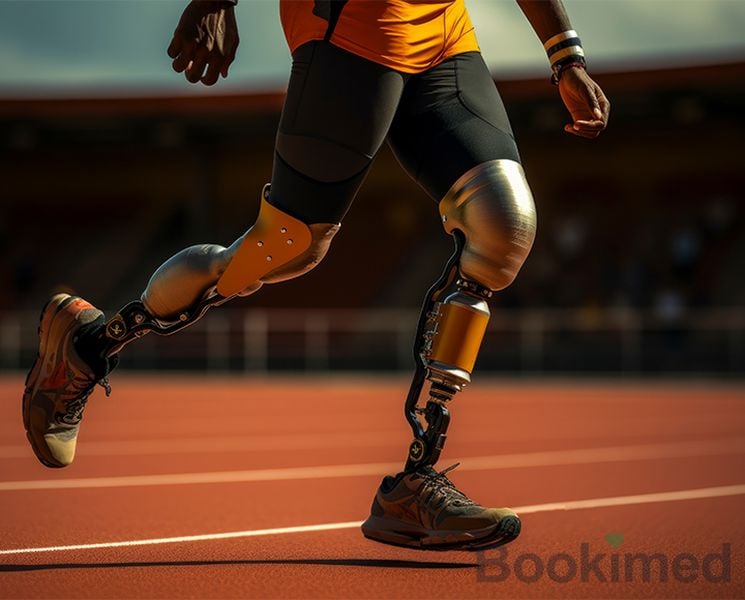
الساق الإلكترونية
الساق الإلكترونية هي طرف اصطناعي متطور مصمم لمحاكاة الحركة الطبيعية للساق البشرية، مما يعزز حركة مبتوري الأطراف.
أسئلة متكررة حول ساق آلية في إيطاليا
ما هي المخاطر والمضاعفات المرتبطة بجراحة الساق البيونية؟
تنطوي جراحة الساق البيونية على مخاطر تشمل العدوى العميقة في 20% من الحالات والتهابات الفغرة السطحية. تنطوي المخاطر الميكانيكية على ارتخاء الغرسة لدى 3% إلى 29% من المرضى وكسور العظام حول الطرف الاصطناعي. يمكن أن تحدث أيضًا مضاعفات عصبية مثل تلف الأعصاب وتدهور الإشارة.
- إدارة العدوى: الالتهابات السطحية شائعة وعادة ما تُشفى بالمضادات الحيوية الفموية القياسية.
- استقرار الغرسة: تظل معدلات ارتخاء الغرسة فوق الركبة منخفضة عند 3% مقارنة بمخاطر الغرس تحت الركبة الأعلى.
- صحة العظام: تؤثر الكسور الناتجة عن السقوط على 3% إلى 6% من المرضى، ويرجع ذلك أساسًا إلى السقوط.
- الفشل الميكانيكي: قد تنكسر المكونات عالية الضغط مثل الدعامات لحماية العظم الأساسي.
رؤية خبير Bookimed: تعطي المراكز الإيطالية مثل مستشفى ماريا سيسيليا الأولوية للسلامة متعددة التخصصات. وهي تحافظ على اعتماد JCI لتقليل المخاطر الجراحية. تظهر البيانات أن الغرسات تحت الركبة تواجه معدلات ارتخاء أعلى بكثير. يجب على المرضى اختيار جراحين لديهم معدلات مراجعة أقل من 20%. وهذا يضمن تكاملاً أفضل على المدى الطويل للأنظمة البيونية المعقدة.
إجماع المرضى: يبلغ العديد من المستخدمين عن التعثر والسقوط المتكرر بسبب تأخر المستشعرات. غالبًا ما تتطلب تقرحات المقبس المزمنة إعادة تركيب كل 3 إلى 6 أشهر.
من المؤهل للحصول على ساق بيونية في إيطاليا؟
يتأهل المرضى للحصول على ساق بيونية في إيطاليا من خلال استيفاء معايير وظيفية وطبية وتأمينية محددة. تكون الأهلية في أعلى مستوياتها لضحايا حوادث العمل عبر المعهد الوطني للتأمين ضد حوادث العمل (INAIL) أو للمعاقين مدنياً من خلال الخدمة الصحية الوطنية (SSN). يجب على المرشحين إثبات مستويات عالية من الحركة وصحة القلب والأوعية الدموية الواضحة.
- حالة التأمين: يتلقى العمال الذين يعانون من إصابات مهنية تمويلاً ذا أولوية من خلال مركز الأطراف الصناعية التابع لـ INAIL.
- المستوى الوظيفي: يجب على المرشحين إثبات مستوى حركة 3 أو 4 لاستخدام أنظمة المعالجات الدقيقة.
- الاستعداد الطبي: يركز التقييم على جودة الجذع، وقوة العضلات، والقدرة الإدراكية لصيانة الجهاز.
- الوصفة الطبية: يجب أن يصدر أخصائي من السلطة الصحية المحلية الوصفة الطبية الرسمية للأطراف الصناعية.
رؤية خبير Bookimed: بينما تعتبر الأطراف الصناعية الأساسية قياسية، يسلط مستشفى ماريا سيسيليا في بولونيا الضوء على خبرة إيطاليا في الرعاية متعددة التخصصات المعقدة. غالباً ما يجد المرضى أن مناطق شمال إيطاليا توافق على التكنولوجيا المتقدمة بشكل أسرع من المناطق الجنوبية. يجب عليك توثيق كل تقدم في العلاج الطبيعي بعناية لتجاوز رفض التمويل الأولي الشائع.
إجماع المرضى: غالباً ما يتطلب النجاح المثابرة لأن الرفض الأولي شائع أثناء عملية الموافقة العامة. يؤكد المرضى أن إظهار قدرة إدراكية قوية والتزام بدني أمر حيوي لتأمين أنظمة بيونية عالية التقنية.
كم تستغرق العملية بأكملها (من الجراحة إلى المشي الكامل)؟
يستغرق المشي الكامل بساق بيونيك في إيطاليا عادةً من 6 إلى 12 شهرًا. يقف معظم المرضى في غضون 24 ساعة بعد الجراحة. ويحققون حركة مستقلة بدون مساعدات بحلول الشهر الرابع إلى الثامن. غالبًا ما تتطلب الكفاءة الكاملة على التضاريس غير المستوية ما يصل إلى عام واحد من إعادة التأهيل.
- التعبئة الأولية: عادةً ما يقف المرضى ويتخذون خطوات في غضون 4 إلى 24 ساعة بعد الجراحة.
- التعافي المبكر: يعد استخدام المشايات أو العكازات أمرًا قياسيًا للأسابيع الثلاثة الأولى.
- التكامل البيونيكي: يستغرق إتقان عناصر التحكم القائمة على المستشعرات للمشي بدون مساعدة عادةً من 4 إلى 8 أشهر.
- الاستقلالية الوظيفية: تعود الأنشطة عالية التأثير وصعود السلالم بشكل مريح إلى طبيعتها عادةً بعد 6 إلى 12 شهرًا.
رؤية خبير Bookimed: تعطي المراكز الإيطالية مثل مستشفى ماريا سيسيليا الأولوية للرعاية متعددة التخصصات. تظهر البيانات أن المرضى الأصغر سنًا غالبًا ما يقللون وقت التعافي بمقدار 6 أشهر. التمارين المنزلية اليومية المتسقة تقلل من جدولك الزمني الإجمالي بمقدار 2 إلى 3 أشهر. اختر دائمًا المرافق المعتمدة من JCI لضمان تلبية إعادة التأهيل لمعايير السلامة العالمية.
إجماع المرضى: تسلط العديد من التقارير الضوء على أن التعبئة المبكرة أمر حيوي. ابدأ العلاج الطبيعي المكثف على الفور. يساعد هذا في إدارة أحاسيس الأطراف الوهمية ويبني الثقة مع مستشعرات الجهاز. خطط لمدة 6 أشهر على الأقل قبل تحقيق الاستقلالية في المنزل.
كيف ستبدو ساقي بعد الجراحة - ما مدى وضوح الندبات والغرسة؟
تؤدي جراحة الساق الإلكترونية (Bionic) في إيطاليا إلى ندبات مرئية بحد أدنى، والتي تتلاشى عادةً من اللون الأحمر الداكن أو الأرجواني إلى خط شاحب بلون الجلد في غضون 6 إلى 9 أشهر. الأنظمة الإلكترونية الداخلية الحديثة غير مرئية من خلال الجلد، على الرغم من أن نتوءات الأجهزة الصغيرة قد تحدث في المناطق ذات العضلات القليلة مثل قصبة الساق.
- نضج الندبة: يصل الاحمرار الأولي إلى ذروته عند شهرين ثم يتسطح بشكل ملحوظ بحلول 9 أشهر.
- إخفاء الغرسة: العضلات القوية في الفخذ أو الورك تخفي المكونات الإلكترونية الداخلية بشكل طبيعي.
- تقنية الشق: يستخدم الجراحون أساليب طفيفة التوغل للحفاظ على الندبات صغيرة وموضوعة بشكل استراتيجي.
- الرؤية المتغيرة: قد تخلق الأجهزة نتوءات سطحية طفيفة بالقرب من الكاحل أو عظام الساق.
رؤية خبير Bookimed: تعطي مراكز العظام الإيطالية مثل مستشفى ماريا سيسيليا الأولوية للتصاميم المعيارية الداخلية التي تحاكي ملامح الأطراف الطبيعية. على الرغم من وجود مكونات خارجية، فإن اختيار نظام إلكتروني داخلي بالكامل يلغي الضخامة تمامًا. وهذا يضمن احتفاظ الساق بشكل طبيعي تحت الملابس مع استخدام الروبوتات المتقدمة.
إجماع المرضى: يجد العديد من المرضى أن المكاسب الوظيفية تحل بسرعة محل أي قلق أولي بشأن الندبات. ويوصون باستخدام شرائح السيليكون والسؤال عن مكان الشق لضمان اندماج الندبات مع ثنايا الجلد الطبيعية.
هل سأستعيد قدرتي الطبيعية على المشي والجري والجلوس؟
يستعيد معظم المرضى قدرة شبه طبيعية على المشي والجلوس في غضون 6 إلى 12 شهرًا. توفر التكنولوجيا الإلكترونية المتقدمة في إيطاليا تماثلًا ممتازًا في المشي للأنشطة اليومية. على الرغم من أن الجري وظيفي، إلا أنه قد يبدو ميكانيكيًا ويتطلب مكونات خاصة لتخزين الطاقة من أجل الأداء الرياضي.
- التعافي في المشي: تصل المشية عادةً إلى 95% من وضعها الطبيعي على أرض مستوية في غضون عام واحد.
- القدرة على الجلوس: الجلوس ممكن فور التركيب، على الرغم من أن بعض النماذج قد تقيد وضعيات الجلوس مع تقاطع الساقين.
- الانتقال إلى الجري: يمكن تحقيق الهرولة الوظيفية، لكن الخطوات غالبًا ما تبدو غير طبيعية بدون شفرات متخصصة.
- الجدول الزمني لإعادة التأهيل: يستغرق العلاج الطبيعي المكثف عادةً 4 أشهر لتأسيس أنماط الحركة الأساسية.
رؤية خبراء Bookimed: تتخصص المراكز الإيطالية مثل مستشفى ماريا سيسيليا في إعادة التأهيل العظمي والعصبي المعقد. تشير البيانات إلى أن المرضى الذين يختارون المرافق المعتمدة من JCI في إيطاليا يستفيدون من مسارات رعاية متكاملة. تعمل هذه البرامج على مواءمة الدقة الجراحية مع معايرة الأطراف الصناعية لتقليل عدم تماثل المشية في وقت مبكر. هذا أمر حيوي لأن الأطراف الإلكترونية فوق الركبة غالبًا ما تتطلب تعديلات في المقبس أكثر من النسخ التي تحت الركبة.
إجماع المرضى: أفاد المستخدمون أن المشي يبدو طبيعيًا بسرعة كبيرة، لكن إتقان صعود الدرج يتطلب صبرًا إضافيًا. ينصح الكثيرون بأنه على الرغم من أن الأطراف الإلكترونية اليومية رائعة للمشي، إلا أن الشفرات ال
ما هي الرعاية اللاحقة للعمليات الجراحية والمتابعات المطلوبة في إيطاليا؟
تتطلب الرعاية اللاحقة للعمليات الجراحية للساق الإلكترونية في إيطاليا من 6 إلى 12 أسبوعًا من التعافي دون تحميل وزن. يخضع المرضى لمتابعات أسبوعية لمدة شهر لإزالة الغرز وإجراء أشعة سينية للاندماج العظمي. يستمر العلاج الطبيعي الإلزامي لمدة تصل إلى 6 أشهر في مراكز إعادة التأهيل الإيطالية المتخصصة.
- التحريك المبكر: تبدأ البروتوكولات الحركة في غضون 24 ساعة لتحسين الدورة الدموية والشفاء.
- إزالة الغرز: يقوم الطاقم الطبي عادةً بإزالة الغرز أو الدبابيس بعد 14 يومًا من الجراحة.
- العلاج الطبيعي المكثف: يحتاج المرضى إلى 3 إلى 5 جلسات أسبوعيًا تركز على المشي والألم الوهمي.
- المراقبة طويلة المدى: تضمن الفحوصات السنوية الملاءمة الصحيحة للمقبس ومراقبة صحة الجلد.
رؤية خبير Bookimed: على الرغم من أن نظام الصحة الوطني الإيطالي (SSN) يغطي إعادة التأهيل، إلا أن قوائم الانتظار الطويلة غالبًا ما تؤخر التدريب المبكر على المشي، وهو أمر بالغ الأهمية. تشير البيانات إلى حجز جلسات علاج طبيعي خاصة، والتي تتكلف عادةً من 50 إلى 70 يورو لكل جلسة. تؤكد المراكز المعتمدة من JCI مثل مستشفى ماريا سيسيليا على المراقبة الفورية بعد الجراحة لضمان استقرار الأجهزة.
إجماع المرضى: يؤكد المرضى على تتبع صور الجرح يوميًا وبروتوكولات العدوى الصارمة. يوصي الكثيرون بتخصيص ميزانية لإعادة التأهيل الخاص لتجنب تأخيرات النظام العام خلال الأشهر الثلاثة الأولى.
أين تقع المراكز الرائدة للأطراف الصناعية الساقية (الأرجل البيونية) في إيطاليا؟
تستضيف إيطاليا مراكز عالمية المستوى للأرجل البيونية بما في ذلك Centro Protesi Inail، ومستشفى ماريا سيسيليا، ومعهد جالياتزي لتقويم العظام. تستخدم هذه المرافق تكنولوجيا الأطراف التي تعمل بالذكاء الاصطناعي، وإعادة التعصيب العضلي المستهدف (TMR)، والاندماج العظمي. تعمل ميلانو وبولونيا وروما كمراكز رئيسية لتركيبات الأطراف الصناعية المتقدمة وإعادة التأهيل الروبوتية.
- مستشفى ماريا سيسيليا: يقدم جراحة TMR متقدمة لدمج الأطراف البيونية التي يتم التحكم فيها عن طريق العقل في بولونيا.
- معهد جالياتزي لتقويم العظام: متخصص في التنقل الذي يتم التحكم فيه بواسطة المعالجات الدقيقة وبرامج الجري لمسافات طويلة عالية الأداء لمدة ثمانية أشهر.
- Centro Protesi Inail: يعمل كمركز استراتيجي لأبحاث الأطراف الصناعية من خلال مركز التميز التابع له.
- مدرسة سانت آنا: تقود الابتكار العالمي في الروبوتات الحيوية، وتطور ردود فعل حسية من الجيل التالي وواجهات الآلة.
رؤية خبير Bookimed: نادراً ما تقوم المراكز الإيطالية مثل مستشفى ماريا سيسيليا بإجراء تركيبات مستقلة. فهي تدمج الأطراف الصناعية مع رعاية متخصصة للقدم السكرية وإنقاذ الأطراف المعقدة. هذا النهج المزدوج يحسن معدلات النجاح للمرضى الذين يعانون من مضاعفات الأوعية الدموية. اختيار مركز به حرم تدريب طبي في الموقع يضمن الوصول إلى أحدث التجارب الميكانيكية الحيوية.
إجماع المرضى: يؤكد المرضى أن جلسات العلاج الطبيعي الخاصة الإضافية ضرورية لإتقان الأطراف عالية التقنية بسرعة. يوصي الكثيرون بطلب تركيبات تجريبية من