استئصال الكلية مع دافنشي روبوت في إيطاليا — احصل على 3 عيادات مطابقة مع التكاليف


تمت مراجعة المقالة طبيا من قبل
فهد مولود
ما هي تكلفة استئصال الكلية مع دافنشي روبوت في إيطاليا؟ اكتشف الآن
تتراوح تكلفة استئصال الكلية بروبوت دافنشي في إيطاليا عادة بين $11,500 و $17,000. يعتمد السعر النهائي على تعقيد نوع الجراحة ومدة الإقامة بالمستشفى ومستوى المركز الطبي. تشمل الرسوم عادةً الجراحة الروبوتية والإقامة والتشخيص قبل العمليات في مدن رئيسية مثل روما وميلانو.
- التقنية الجراحية: قد يتطلب الاستئصال الجزئي للكلية روبوتياً أدوات مختلفة مقارنة بالاستئصال الجذري.
- مدة الإقامة: تشكل تكاليف الإقامة في المستشفى ما يقارب 42 % من إجمالي تكاليف الجراحة الروبوتية في أوروبا.
- استشارات الأخصائيين: تضيف اللقاءات الأولية مع كبار أطباء المسالك البولية في إيطاليا ما بين 250 $ و 600 $.
- التنوع الإقليمي: تعكس الأسعار في المراكز الطبية الكبرى مثل روما وميلانو استخدام أحدث التقنيات.
رأي خبراء Bookimed: يتيح اختيار المراكز الإيطالية عالية الكفاءة الوصول إلى خبرات عالمية بأسعار تنافسية. على سبيل المثال، أجرى البروفيسور فرانشيسكو مونتورسي في مستشفى سان رافاييل أكثر من 8,000 جراحة. وبدوره، يوفر مستشفى سان كارلو دي نانسي في روما رعاية روبوتية مصنفة بـ 5 نجوم. تجمع هذه المؤسسات بين معايير JCI ودقة نظام Da Vinci Xi للوصول إلى أفضل النتائج.
المزايا الرئيسية
لماذا تختار إيطاليا لإجراء استئصال الكلية باستخدام روبوت دا فينشي؟
- عيادات معتمدة: تحتضن إيطاليا مستشفيات معتمدة من JCI. تضمن هذه المؤسسات معايير عالية لرعاية المرضى والسلامة.
- أحدث التقنيات: تستخدم العيادات الإيطالية على نطاق واسع نظام الروبوت دا فينشي Xi. يُعرف بدقته ونهجه الجراحي الأقل تدخلاً، ويوفر رؤية ثلاثية الأبعاد محسنة ومرونة عالية.
- نسب نجاح عالية: تظهر العملية باستخدام روبوت دا فينشي فعالية بنسبة 95%. تحافظ بشكل فعال على وظيفة الكلى وتقلل من المضاعفات.
- جراحون خبراء: يعتبر أطباء المسالك البولية الرائدون في إيطاليا، والعديد منهم معتمدون من مؤسسات مرموقة، قد أجروا أكثر من 500 عملية استئصال كلية روبوتية ناجحة. خبرتهم وتجربتهم راسخة ومعترف بها.
احصل على حلول متقدمة لاستئصال الكلية باستخدام روبوت دا فينشي في عيادات موثوقة من $11,500.
| إيطاليا | تركيا | إسبانيا | |
|---|---|---|---|
| استئصال الكلية مع دافنشي روبوت | ≈ $11,500 | من $18,500 | من $24,800 |
مزاياك وضماناتك مع Bookimed
أسعار مباشرة
Bookimed لا يضيف رسوماً إضافية على أسعار استئصال الكلية مع دافنشي روبوت. الأسعار مأخوذة من قوائم الأسعار الرسمية للعيادات. تدفع مباشرة في العيادة مقابل استئصال الكلية مع دافنشي روبوت عند وصولك.
عيادات وأطباء معتمدون فقط
Bookimed ملتزم بسلامتك. نحن نعمل فقط مع المؤسسات الطبية التي تحافظ على معايير دولية عالية في استئصال الكلية مع دافنشي روبوت ولديها التراخيص اللازمة لخدمة المرضى الدوليين في جميع أنحاء العالم.
مساعدة مجانية على مدار الساعة
Bookimed يقدم مساعدة خبراء مجانية. منسق طبي شخصي يدعمك قبل وأثناء وبعد العلاج، ويحل أي مشاكل. لن تكون وحيداً أبداً في رحلة استئصال الكلية مع دافنشي روبوت.

منسقك الطبي الشخصي في Bookimed
- يدعمك في كل مرحلة
- المساعدة في اختيار العيادة الطبية المناسبة والطبيب المناسب
- يضمن الوصول السريع والمريح إلى المعلومات
اكتشف أفضل استئصال الكلية مع دافنشي روبوت العيادات في إيطاليا: 1 خيار معتمدة والأسعار



نظرة عامة على استئصال الكلية مع دافنشي روبوت في إيطاليا
- استئصال الكلية - من $18,000
يتم استئصال الكلية لعلاج أمراض مثل السرطان ، مما يوفر علاجًا محتملًا ويحسن نوعية الحياة.
- استئصال الكلية مع دافنشي روبوت - من $11,500
يستخدم الإجراء المساعدة الروبوتية لإزالة الكلى ، مما يضمن الدقة ، والحد الأدنى من التدخل الجراحي ، والتعافي بشكل أسرع.
- جراحة حفظ الكلى - من $9,500
يزيل هذا الإجراء أورام الكلى مع الحفاظ على الأنسجة السليمة وتقليل المخاطر وتعزيز التعافي بشكل أسرع.
اليوم الأول: الوصول
- الوصول إلى البلاد.
- نقل إلى المستشفى (مرتبة بشكل فردي).
- تحقق في غرفتك الفردية.
اليوم الثاني: ما قبل العملية
- التشاور مع طبيب المسالك البولية.
- الخضوع للفحوصات الطبية اللازمة.
- ناقش الإجراء والمخاطر والفوائد مع طبيبك.
اليوم الثالث: الجراحة
- اخضع لعملية استئصال الكلية باستخدام روبوت دافنشي.
- تستغرق الجراحة حوالي 2-3 ساعات.
- يستخدم التخدير العام للإجراء.
اليوم 4-7: ما بعد العملية
- ابق في المستشفى للمراقبة.
- استشارة متابعة مع طبيب المسالك البولية.
- ابدأ بحركة لطيفة بقدر ما تسمح به الراحة.
الأسبوع 1-2: إعادة التأهيل
- استمر في الحركة اللطيفة.
- زيادة النشاط تدريجيًا حسب ما تسمح به الراحة.
الأسبوع 3-4: إعادة التأهيل
- ارجع إلى العمل إذا لم يتضمن رفع أشياء ثقيلة.
- المتابعة مع مقدم الرعاية الصحية المحلي الخاص بك.
الأسبوع 5-6: النتيجة النهائية
- استأنف الأنشطة العادية.
- انظر النتيجة النهائية للجراحة.
ضع في اعتبارك أن عملية الشفاء لكل مريض فردية. اتبع دائمًا نصيحة مقدم الرعاية الصحية الخاص بك.
- إيداع Bookimed: 200 دولار أو 200 يورو.
- وديعة العيادة: ادفع نسبة محددة مقدمًا.
احصل على تقييم طبي لـ استئصال الكلية مع دافنشي روبوت في إيطاليا: اختر أخصائيك من بين الأفضل في هذا المجال
عرض جميع الأطباء
Carlo Saltutti
متخصص في الجراحة الروبوتية طفيفة التوغل لسرطان الكلى – يقوم الدكتور سالتوتي باستئصال الكلى باستخدام نظام دا فينشي في مستشفى ماريا سيسيليا.
- تدريب متقدم في جراحة المسالك البولية الروبوتية وبالمنظار
- يركز على سرطانات الكلى والبروستاتا والمثانة
- نهج مخصص لكل حالة جراحية
- يعمل بأحدث التقنيات في مرافق GVM

Alessandro Calarco
يتخصص الدكتور كالاركو في جراحة المسالك البولية طفيفة التوغل، بما في ذلك استئصال الكلية باستخدام روبوت دافنشي. يركز تدريبه الدولي وأبحاثه على التقنيات المتقدمة.
- تخرج بمرتبة الشرف الأولى من الجامعة الكاثوليكية للقلب المقدس
- حاصل على درجة الدكتوراه في جراحة المسالك البولية الأورامية مع أبحاث في سرطان البروستاتا
- رئيس وطني لجراحة المسالك البولية في SPIGC منذ عام 2015
- مبتكر براءة اختراع دولية لجراحة الكلى
- نشط في تدريب أطباء المسالك البولية المستقبليين من خلال ورش العمل والبرامج

Francesco Montorsi
يُصنف البروفيسور مونتورسي ضمن أكثر باحثي المسالك البولية تأثيراً في العقد الماضي، وهو يقود قسم الجراحة الروبوتية في مستشفى سان رافاييل.
- أجرى أكثر من 8000 عملية جراحية في المسالك البولية
- طوّر تقنية متخصصة لرقع الأوردة
- مدير معهد أبحاث المسالك البولية (URI)
- حاصل على جائزة هيو هامبتون يونغ المرموقة
- نشر أكثر من 1000 ورقة علمية
قصص فيديو من مرضى Bookimed
المراجعات
جميع المراجعات


مشاركة المحتوى
 Anna Leonova
حقائق سريعة عن استئصال الكلية مع دافنشي روبوت
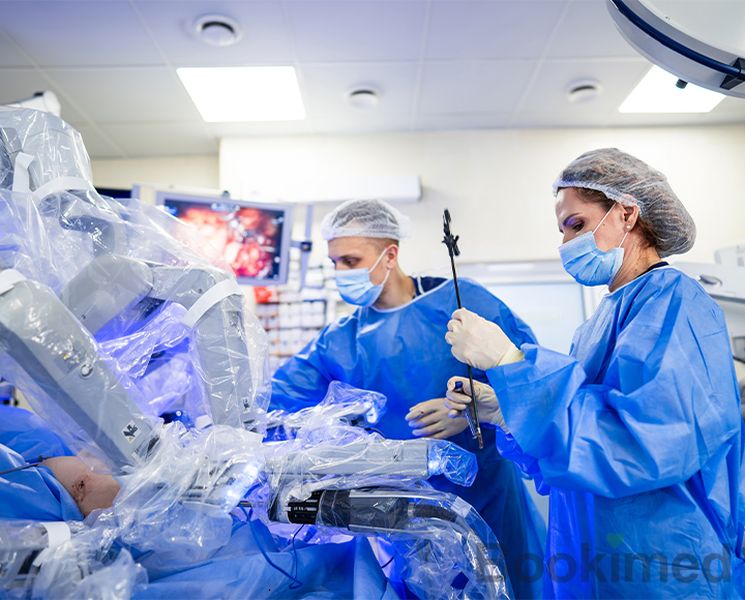
استئصال الكلية باستخدام روبوت دافنشي
يتضمن هذا الإجراء استئصال الكلية بمساعدة الروبوت باستخدام نظام دافنشي الجراحي لإجراء عملية جراحية دقيقة ومحدودة التدخل الجراحي.
أسئلة متكررة حول استئصال الكلية مع دافنشي روبوت في إيطاليا
هل استئصال الكلية الروبوتي (دا فينشي) أكثر أماناً من الجراحة المفتوحة التقليدية في إيطاليا؟
يوفر استئصال الكلية الروبوتي في إيطاليا أماناً فائقاً للنتائج المحيطة بالجراحة، حيث يتميز بمعدلات مضاعفات أثناء الجراحة أقل بـ 5 مرات من الجراحة المفتوحة وفقاً للبيانات السريرية. يقلل نظام دا فينشي بشكل كبير من فقدان الدم ومدة الإقامة في المستشفى بمقدار 2 إلى 3 أيام مع الحفاظ على تحكم مكافئ في السرطان ووظائف الكلى على المدى الطويل.
- خطر المضاعفات: معدلات المضاعفات الروبوتية هي 2% مقارنة بـ 10% في الإجراءات المفتوحة.
- نقل الدم: تقلل التكنولوجيا الروبوتية طفيفة التوغل من مخاطر نقل الدم بنسبة تصل إلى 75%.
- وقت التعافي: يعود المرضى عادةً إلى أنشطتهم اليومية بشكل أسرع مع شقوق جراحية أصغر.
- خبرة الجراح: أجرى كبار المتخصصين مثل البروفيسور فرانشيسكو مونتورسي أكثر من 8000 عملية جراحية في المسالك البولية.
رؤية خبير Bookimed: على الرغم من أن الجراحة الروبوتية تستغرق 30-40 دقيقة إضافية للإعداد، إلا أن المراكز الإيطالية ذات الحجم الكبير تستفيد من التخصص الشديد. على سبيل المثال، نشر البروفيسور الدكتور فرانشيسكو مونتورسي في مستشفى سان رافاييل أكثر من 1000 ورقة بحثية، مما يظهر أن السلامة السريرية الإيطالية مدفوعة بالجمع بين أحجام جراحية هائلة والوصول عالي الكثافة إلى أكثر من 200 منصة روبوتية على مستوى البلاد.
كيف يجب أن أستعد لاستئصال الكلية الروبوتي بنظام دافنشي في إيطاليا؟
يركز التحضير لاستئصال الكلية الروبوتي بنظام دافنشي في إيطاليا على التحسين البدني، والتوقف الصارم عن تناول الأدوية، وإجراء الفحوصات قبل الجراحة. يجب على المرضى تحقيق مؤشر كتلة جسم أقل من 25 والتوقف عن تناول مميعات الدم قبل 7 إلى 10 أيام. يستخدم المتخصصون الإيطاليون مثل البروفيسور فرانشيسكو مونتورسي نمذجة الأشعة المقطعية ثلاثية الأبعاد للتخطيط الجراحي.
- التهيئة البدنية: أكمل 40 دقيقة من التمارين الهوائية يومياً لتقوية القدرة القلبية الوعائية والرئوية.
- بروتوكول الأدوية: توقف عن تناول مضادات التخثر، ومضادات الالتهاب غير الستيروئيدية، والمكملات العشبية مثل فيتامين E قبل 10 أيام.
- القيود الغذائية: تناول السوائل الصافية فقط لمدة 24 ساعة قبل الجراحة وصم بعد منتصف الليل قبل العملية.
- الفحص السريري: خضع لتحاليل الدم، وتحليل البول، وتخطيط القلب، والأشعة السينية للصدر في المركز الجراحي الإيطالي.
رؤية خبير Bookimed: بينما تقدم العديد من المراكز الأوروبية الجراحة الروبوتية، تتخصص المستشفيات الإيطالية مثل مستشفى سان كارلو دي نانسي في برامج الروبوت ذات الحجم الكبير. تظهر بياناتنا أن كبار الجراحين الإيطاليين مثل البروفيسور فرانشيسكو مونتورسي قد أجروا أكثر من 8000 عملية. غالباً ما يترجم هذا الحجم الكبير إلى نمذجة افتراضية ثلاثية الأبعاد أكثر دقة، مما يعزز الدقة أثناء عملية إزالة الورم.
إجماع المرضى: يؤكد المرضى على التوقف عن الكحول والتدخين قبل 4 أسابيع على الأقل لضمان الشفاء المناسب. كما يقترحون ممارسة تمارين تقوية الجذع مثل اليوغا
ما الذي يحدث أثناء إجراء استئصال الكلية الروبوتي الفعلي؟
أثناء استئصال الكلية الروبوتي في إيطاليا، يستخدم الجراحون نظام دافنشي لإجراء عملية إزالة الكلية من خلال 3 إلى 4 شقوق صغيرة. يقوم الجراح بالعمل من وحدة تحكم، مستخدمًا تكبيرًا ثلاثي الأبعاد عالي الدقة وأدوات ذات مفاصل توفر دقة أكبر من أدوات تنظير البطن التقليدية.
- بروتوكول التخدير: يتلقى المرضى تخديرًا عامًا قبل وضعهم على جانبهم للوصول.
- نفخ البطن: يعمل غاز ثاني أكسيد الكربون على نفخ التجويف لخلق مساحة عمل واضحة.
- الالتحام الروبوتي: يتم توصيل أذرع روبوتية متخصصة مجهزة بكاميرا وأدوات بالمنافذ.
- التشريح الدقيق: يقوم الجراحون بعزل الكلية أو الورم مع إزاحة الأعضاء المحيطة بخبرة.
- الاستخراج الآمن: يتم وضع الأنسجة في كيس استرجاع وإزالتها من خلال شق صغير.
رؤية خبير Bookimed: بينما يركز الكثيرون على الروبوت، فإن حجم العمليات الشخصي للجراح في إيطاليا هو إشارة الأمان الحقيقية. أجرى البروفيسور الدكتور فرانشيسكو مونتورسي في مستشفى سان رافاييل أكثر من 8000 عملية جراحية في المسالك البولية. من المرجح أن يتعامل المتخصصون ذوو الحجم الكبير مثله مع عمليات تثبيت الأوعية الدموية المعقدة آليًا دون الحاجة أبدًا إلى التحويل إلى جراحة مفتوحة.
إجماع المرضى: توقع المشي في نفس اليوم بفضل الشقوق الصغيرة وعدم وجود قطع كبير في العضلات. قد تشعر بألم في الكتف لمدة يومين بسبب الغاز المستخدم، لكن المرضى يجدون أن الإيبوبروفين فعال بشكل ملحوظ لهذا الانزعاج المحدد.
كم تستغرق فترة التعافي، ومتى يمكنني السفر جوًا إلى المنزل، وما الذي يجب أن أراقبه؟
تستغرق فترة التعافي بعد استئصال الكلية الروبوتي في إيطاليا عادةً من أسبوعين إلى 6 أسابيع للأنشطة اليومية. يمكن لمعظم المرضى السفر جوًا بأمان بعد 10 إلى 14 يومًا من العملية. تشمل المراقبة الحاسمة التحقق من الحمى، وتغيرات لون البول، وعلامات تجلط الدم أثناء السفر.
- الإقامة في المستشفى: توقع الخروج بعد يوم إلى 3 أيام من جراحة دافنشي الروبوتية.
- الجدول الزمني للطيران: يوصي الجراحون بالانتظار لمدة 14 يومًا قبل السفر الدولي لمنع حدوث مضاعفات.
- حدود النشاط: استأنف التمارين الخفيفة بعد 6 أسابيع ورفع الأثقال بعد 8 أسابيع.
- علامات الخطر: راقب الحمى التي تزيد عن 38 درجة مئوية أو الانخفاض المفاجئ في حجم البول.
- سلامة الطيران: استخدم جوارب ضاغطة طبية وامشِ كل ساعة لمنع التجلطات.
رؤية خبير Bookimed: على الرغم من أن الجراحة الروبوتية تقلل من الصدمات، فإن قاعدة الـ 14 يومًا للطيران مخصصة بدقة للشفاء الداخلي. تستقبل عيادات مثل مستشفى سان كارلو دي نانسي في روما 15,000 مريض سنويًا. تشير بياناتهم إلى أن المرضى الذين يسافرون قبل اليوم العاشر غالبًا ما يبلغون عن تورم وعدم ارتياح كبيرين.
إجماع المرضى: يؤكد المرضى على الحاجة إلى مساعد خلال الأسبوع الأول في المنزل على الرغم من النهج الروبوتي. خطط لـ 4 أسابيع من الراحة، لأن الإجهاد الزائد يؤدي إلى تعب طويل الأمد.
من هو الشخص الذي لا يعتبر مرشحاً جيداً لاستئصال الكلية الروبوتي في إيطاليا؟
لا يعتبر المرضى مرشحين لاستئصال الكلية الروبوتي في إيطاليا إذا كانوا يعانون من أمراض قلبية رئوية حادة، أو اضطرابات نزيف غير مصححة، أو أورام متقدمة تغزو الوريد الأجوف. كما تعيق الندبات البطنية الواسعة والسمنة المفرطة قدرة الأذرع الروبوتية على المناورة وسلامة الجراحة في مراكز المسالك البولية الإيطالية.
- خصائص الورم: الكتل التي يزيد حجمها عن 10 سم أو تلك التي تشمل نقير الكلية.
- الحالات الصحية: أمراض القلب أو الرئة الشديدة التي تمنع تحمل التخدير العام بأمان.
- صحة العين: الجلوكوما غير المنضبطة تعد مانعاً للاستعمال في مراكز مثل سان رافاييل.
- التاريخ الجراحي: الالتصاقات البريتونية الكبيرة الناتجة عن عمليات جراحية سابقة متعددة في البطن تعقد الوصول الروبوتي.
رؤية خبير Bookimed: تركز مراكز الجراحة الروبوتية الإيطالية مثل مستشفى سان كارلو دي نانسي بشكل كبير على الفحص قبل الجراحة. تظهر بياناتنا أن المراكز المتخصصة غالباً ما توجه المرضى الذين لديهم مؤشر كتلة جسم يزيد عن 35 إلى برامج غذائية أولاً. يهدف هذا العمل التحضيري إلى تقليل مخاطر تحويل الإجراء الروبوتي إلى جراحة مفتوحة.
إجماع المرضى: يؤكد المرضى السابقون أن الجراحين الذين يجرون أكثر من 50 حالة روبوتية سنوياً يوفرون ثقة أكبر. ويوصون بمشاركة صور الأشعة الحديثة في وقت مبكر للتأكد مما إذا كان حجم الورم يسمح بنهج طفيف التوغل.
ما هي المستشفيات الإيطالية التي تجري أكبر عدد من عمليات استئصال الكلية بنظام دافنشي؟
تتركز عمليات استئصال الكلية الروبوتية ذات الحجم الكبير في إيطاليا في مراكز الرعاية الثالثية مثل مستشفى سان رافاييل في ميلانو ومستشفى سان كارلو دي نانسي في روما. تستخدم هذه المراكز أنظمة دافنشي لعلاج أورام المسالك البولية المعقدة، بقيادة جراحين يجرون بشكل متكرر أكثر من 50 حالة روبوتية سنويًا.
- مستشفى سان رافاييل: يضم ثلاثة أنظمة دافنشي ووحدات مسالك بولية عالية التصنيف بقيادة الخبير الدكتور فرانشيسكو مونتورسي.
- سان كارلو دي نانسي: صُنف كأفضل مركز لجراحة المسالك البولية الروبوتية بنظام دافنشي من قبل مرضى Bookimed في عام 2019.
- خبرة الجراح: أجرى الدكتور فرانشيسكو مونتورسي في سان رافاييل أكثر من 8000 عملية جراحية في المسالك البولية وأمراض الذكورة.
- القيادة الإقليمية: تمتلك لومبارديا أعلى تركيز للمرافق التي توفر تكنولوجيا الجراحة الروبوتية المتقدمة في إيطاليا.
رؤية خبير Bookimed: في حين أن سمعة المستشفى مهمة، فإن حجم الحالات الشخصي للجراح هو أقوى مؤشر على الجودة. يمتلك البروفيسور الدكتور فرانشيسكو مونتورسي في سان رافاييل أكثر من 1000 ورقة بحثية منشورة و8000 عملية جراحية. ترتبط هذه الخبرة المحددة في التقنيات الروبوتية ارتباطًا مباشرًا بمعدلات المضاعفات المنخفضة الموجودة في مراكز ميلانو ذات الحجم الكبير.
إجماع المرضى: غالبًا ما يوصي المرضى بتجاوز قوائم الانتظار العامة التي تستغرق 6 أشهر في المراكز الجامعية من خلال اختيار الرعاية الروبوتية الخاصة، والتي تكلف عادةً ما بين 15000 إلى 25000 دولار. ويؤكدون على ضرورة التأكد من أن ا
هل سيكون لدي ندوب مرئية بعد جراحة الكلى الروبوتية؟
تترك جراحة الكلى الروبوتية من 3 إلى 5 ندوب خطية صغيرة يبلغ طولها حوالي 8 إلى 12 ملم. يستخدم الجراحون في إيطاليا تقنيات طفيفة التوغل تتطلب فقط شقوقاً صغيرة جداً. قد يكون أحد المواقع أكبر قليلاً لإزالة الأنسجة، لكن هذه العلامات تتلاشى عادةً بشكل ملحوظ في غضون 12 شهراً.
- حجم الشق: يبلغ قياس معظم المنافذ من 8 إلى 12 مم، مما يقلل من تغير لون الجلد على المدى الطويل.
- موقع الاستخراج: يصل طول أحد الشقوق إلى 2.5 إلى 3 سم للإزالة الآمنة للعضو أو الورم.
- تقنية الإغلاق: غالباً ما يستخدم المتخصصون الإيطاليون غرزاً قابلة للامتصاص أو غراء جراحياً للحصول على نتائج تجميلية.
- جدول الشفاء: عادةً ما تستقر العلامات الوردية الأولية وتتلاشى لتصبح خطوطاً رفيعة بعد عام واحد.
رؤية خبير Bookimed: على الرغم من أن الندوب الصغيرة هي المعيار، إلا أن كبار أطباء المسالك البولية في إيطاليا مثل البروفيسور الدكتور فرانشيسكو مونتورسي في سان رافاييل أجروا أكثر من 8000 عملية جراحية. غالباً ما يترجم هذا المستوى من الخبرة إلى وضع أكثر دقة للمنافذ. يمكن للجراحين ذوي الخبرة الاستفادة بشكل أفضل من ثنيات الجلد الطبيعية لإخفاء هذه الشقوق الصغيرة. يضمن اختيار مركز ذي حجم كبير في ميلانو أو روما الوصول إلى تقنيات الإغلاق التجميلية المتقدمة هذه.