جراحة حفظ الكلى في إيطاليا — احصل على 3 عيادات مطابقة مع التكاليف


تمت مراجعة المقالة طبيا من قبل
فهد مولود
ما هي تكلفة جراحة حفظ الكلى في إيطاليا؟ اكتشف الآن
تتراوح تكلفة جراحة الحفاظ على الكلى في إيطاليا عادةً بين $9,500 و $14,500. يعتمد إجمالي النفقات على التقنية الجراحية، وسمعة المستشفى، والمدينة المعنية. تشمل باقات العلاج الإيطالية عادةً الإجراء الجراحي، والإقامة في المستشفى لمدة تتراوح بين 6 إلى 10 أيام، والفحوصات الأساسية قبل الجراحة.
- الجراحة بمساعدة الروبوت: تضيف عادةً 15-25% على السعر القياسي لاستخدام تقنية دافنشي.
- المراكز الطبية الكبرى: تشمل الوجهات الشهيرة كلاً من روما، وميلانو، وبولونيا، ونابولي.
- اعتماد JCI: غالباً ما تكون الأسعار أعلى في المستشفيات الحاصلة على شهادات اللجنة الدولية المشتركة (JCI).
- محتويات الباقة: تدمج العديد من المرافق خدمات التوصيل من المطار ومتابعة الحالة بعد الجراحة ضمن التكلفة الأولية.
رأي خبراء Bookimed: يتيح اختيار المراكز الإيطالية ذات الحجم التشغيلي الكبير الوصول إلى تقنيات عالمية بأسعار تنافسية. يعد مستشفى أوسبيدالي سان كارلو دي نانسي في روما رائداً في أنظمة دافنشي الروبوتية. يستفيد المرضى من خبرة متخصصين مثل الدكتور لوكا كارمينياني، الذي أجرى أكثر من 10,000 جراحة مسالك بولية. يضمن اختيار المرافق المعتمدة من JCI، مثل مستشفى ماريا سيسيليا، مستويات أمان عالية مع تحقيق وفورات كبيرة مقارنة بالتكاليف في المملكة العربية السعودية.
المزايا الرئيسية
لماذا تختار إيطاليا لجراحة الحفاظ على الكلى؟
- عيادات معتمدة: المستشفيات المعتمدة من JCI تقدم معايير استثنائية في رعاية المرضى والسلامة.
- أحدث التقنيات: استخدام تقنيات مثل استئصال الكلية الجزئي بالمنظار والجراحة بمساعدة الروبوت باستخدام نظام Da Vinci Xi يضمن الدقة وتقليل وقت التعافي.
- نسب نجاح عالية: جراحات الحفاظ على الكلى في إيطاليا تحقق نسبة فعالية تصل إلى 95%. وهذا يحسن بشكل كبير النتائج للمرضى الذين يعانون من أورام الكلى الموضعية.
- جراحون خبراء: أطباء المسالك البولية الرائدون، المعتمدون من المجلس الأوروبي للمسالك البولية، قاموا بأكثر من 2000 عملية للحفاظ على الكلى. وهذا يضمن أن تكون الأيدي الخبيرة هي التي توجه علاجك.
احصل على حلول متقدمة لجراحة الحفاظ على الكلى في عيادات موثوقة من $9,500.
| إيطاليا | تركيا | إسبانيا | |
|---|---|---|---|
| جراحة حفظ الكلى | ≈ $9,500 | من $7,000 | من $20,200 |
مزاياك وضماناتك مع Bookimed
أسعار مباشرة
Bookimed لا يضيف رسوماً إضافية على أسعار جراحة حفظ الكلى. الأسعار مأخوذة من قوائم الأسعار الرسمية للعيادات. تدفع مباشرة في العيادة مقابل جراحة حفظ الكلى عند وصولك.
عيادات وأطباء معتمدون فقط
Bookimed ملتزم بسلامتك. نحن نعمل فقط مع المؤسسات الطبية التي تحافظ على معايير دولية عالية في جراحة حفظ الكلى ولديها التراخيص اللازمة لخدمة المرضى الدوليين في جميع أنحاء العالم.
مساعدة مجانية على مدار الساعة
Bookimed يقدم مساعدة خبراء مجانية. منسق طبي شخصي يدعمك قبل وأثناء وبعد العلاج، ويحل أي مشاكل. لن تكون وحيداً أبداً في رحلة جراحة حفظ الكلى.

منسقك الطبي الشخصي في Bookimed
- يدعمك في كل مرحلة
- المساعدة في اختيار العيادة الطبية المناسبة والطبيب المناسب
- يضمن الوصول السريع والمريح إلى المعلومات
اكتشف أفضل جراحة حفظ الكلى العيادات في إيطاليا: 2 خيارات معتمدة والأسعار



Maria Cecilia Hospital
Carlo Saltutti






نظرة عامة على جراحة حفظ الكلى في إيطاليا
- استئصال الكلية - من $18,000
يتم استئصال الكلية لعلاج أمراض مثل السرطان ، مما يوفر علاجًا محتملًا ويحسن نوعية الحياة.
- استئصال الكلية مع دافنشي روبوت - من $11,500
يستخدم الإجراء المساعدة الروبوتية لإزالة الكلى ، مما يضمن الدقة ، والحد الأدنى من التدخل الجراحي ، والتعافي بشكل أسرع.
- جراحة حفظ الكلى - من $9,500
يزيل هذا الإجراء أورام الكلى مع الحفاظ على الأنسجة السليمة وتقليل المخاطر وتعزيز التعافي بشكل أسرع.
اليوم الأول: الوصول
- الوصول إلى البلاد.
- نقل من المطار إلى العيادة.
- استقر في غرفتك الفردية في العيادة.
- قابل فريق المساعدة اللغوية إذا لزم الأمر.
اليوم الثاني: ما قبل العملية
- اخضع لاستشارة طبية مع طبيب قلب.
- استكمال الفحوصات الطبية المطلوبة.
- مراجعة وفهم خطة الجراحة.
اليوم الثالث: جراحة استبقاء الكلى
- الوصول إلى المستشفى في الصباح الباكر.
- تلقي المهدئات عن طريق التخدير العام.
- اخضع لجراحة استبقاء الكلى ، وعادة ما تكون 2-3 ساعات.
- انتقل إلى غرفة الإنعاش بعد الجراحة.
اليوم 4-7: بعد العملية
- البقاء في العيادة للمراقبة.
- استأنف تدريجيًا الأنشطة الخفيفة.
- حضور استشارات المتابعة مع الجراحين.
الأسبوع 2-3: إعادة التأهيل
- تواصل التعافي في المنزل تحت التوجيه.
- استأنف المزيد من الأنشطة الشاقة على النحو الذي يسمح به.
الأسبوع الرابع: العودة إلى الأنشطة العادية
- العودة إلى العمل ، إذا لم يكن ذلك يتطلب جهدا بدنيا.
- العودة تدريجيًا إلى ممارسة الرياضة والأنشطة الأخرى.
الأسبوع السادس: النتيجة النهائية
- توقع رؤية النتيجة النهائية للجراحة.
ملحوظة: قد يختلف هذا الجدول الزمني اعتمادًا على الظروف الصحية الفردية ووتيرة التعافي.
- إيداع Bookimed: 200 دولار أو 200 يورو.
- وديعة العيادة: ادفع نسبة محددة مقدمًا.
احصل على تقييم طبي لـ جراحة حفظ الكلى في إيطاليا: اختر أخصائيك من بين الأفضل في هذا المجال
عرض جميع الأطباء
Caterina Lania
تتخصص الدكتورة كاترينا لانيا في جراحات الحفاظ على الكلى في مستشفى سان رافاييل، وتتمتع بخبرة واسعة في أمراض الجهاز البولي التناسلي.
- تخرجت من جامعة ميلانو بتخصص في طب الذكورة والمسالك البولية
- مؤلفة لأكثر من 150 مقالاً علمياً حول أبحاث الجهاز البولي التناسلي
- تجري إجراءات تشخيصية لأورام المثانة والعقم
- تحضر بانتظام مؤتمرات المسالك البولية الوطنية والدولية

Luca Carmignani
البروفيسور كارمينياني هو رئيس قسم المسالك البولية في مستشفى Policlinico San Donato، وقد أجرى أكثر من 10,000 عملية جراحية في الجهاز البولي.
- رئيس مؤسسة الجمعية الإيطالية للمسالك البولية
- متخصص في جراحة المناظير الروبوتية وجراحة الليزر بالمنظار
- أستاذ مشارك في جامعة ميلانو
- نشر أكثر من 100 مادة بحثية في جراحة المسالك البولية
Carlo Saltutti
متخصص في الجراحة الروبوتية والمنظارية طفيفة التوغل لعلاج سرطانات الكلى والبروستاتا والمثانة في مستشفى ماريا سيسيليا.
- خبير في تقنيات جراحة الحفاظ على الكلى
- يركز على خطط علاج مخصصة لكل مريض
- مشارك منتظم في مؤتمرات المسالك البولية الوطنية والدولية
- يعمل بأحدث التقنيات في مرافق GVM
قصص فيديو من مرضى Bookimed
المراجعات
جميع المراجعاتمشاركة المحتوى
 Anna Leonova
حقائق سريعة عن جراحة حفظ الكلى
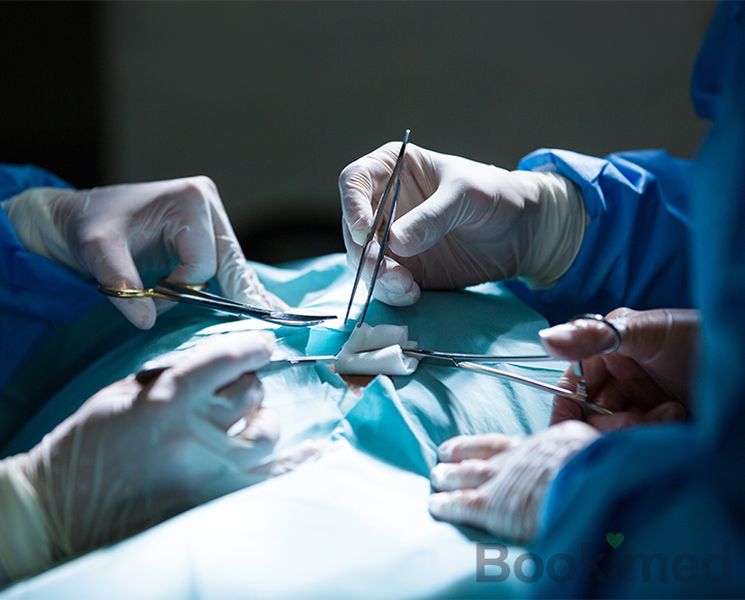
جراحة استبقاء الكلى
يتضمن الاستئصال الكلوي إزالة جزء من الكلية لعلاج حالات مثل الأورام مع الحفاظ على وظائف الكلى.
أسئلة متكررة حول جراحة حفظ الكلى في إيطاليا
هل جراحة الحفاظ على الكلى آمنة مقارنة باستئصال الكلية الكلي؟
تعتبر جراحة الحفاظ على الكلى آمنة مثل استئصال الكلية الكلي للكتل الكلوية الصغيرة التي يقل حجمها عن 4 سم. يوفر هذا النهج تحكماً مكافئاً للسرطان على المدى الطويل مع تقليل مخاطر الإصابة بأمراض الكلى المزمنة والمضاعفات القلبية الوعائية بشكل كبير من خلال الحفاظ على الأنسجة الوظيفية السليمة.
- السلامة الأورامية: توفر معدلات بقاء مماثلة لاستئصال الكلية الجذري للأورام الموضعية.
- وظائف الكلى: تحافظ على معدلات ترشيح كبيبي (eGFR) أفضل لحماية الصحة على المدى الطويل.
- التعقيد الجراحي: تتطلب مهارات تقنية متقدمة لإدارة النزيف المحتمل أو تسرب البول.
- الدقة الروبوتية: تستخدم المراكز الإيطالية أنظمة دافنشي لتقليل فقدان الدم وفترة الإقامة.
رؤية خبير Bookimed: حجم عمليات الجراح هو عامل الأمان الأكثر أهمية لإجراءات الحفاظ على الكلى. في إيطاليا، أجرى متخصصون مثل الدكتور لوكا كارميناني أكثر من 10,000 جراحة، مما يوفر مستوى من الخبرة يرتبط عادةً بمعدلات مضاعفات أقل. اختيار مركز ذو حجم كبير مثل مستشفى سان كارلو دي نانسي، الذي يخدم 15,000 مريض سنوياً، يضمن أن الفريق الجراحي يدير هذه العمليات الترميمية المعقدة يومياً.
إجماع المرضى: يؤكد العديد من المرضى أن الخطر الحقيقي هو فقدان وظائف الكلى في المستقبل بدلاً من الجراحة نفسها. يوصون بالتأكد من صحة الكلية الثانية قبل الانتهاء من الخطة الجراحية.
ما هي المؤهلات التي يجب أن أبحث عنها عند اختيار جراح أو مركز إيطالي لإجراء جراحة الحفاظ على الكلى (NSS)؟
اختر جراحين إيطاليين حاصلين على شهادة المجلس الأوروبي لجراحة المسالك البولية ولديهم سجل حافل بأكثر من 10,000 إجراء. أعط الأولوية للمرافق المعتمدة من قبل اللجنة الدولية المشتركة (JCI) والمجهزة بأنظمة دافنشي الروبوتية. يقود متخصصون بارزون مثل البروفيسور لوكا كارميناني في مستشفى سان دوناتو مجال تنظير البطن الروبوتي وأبحاث الأورام.
- مؤهلات الجراح: ابحث عن شهادة المجلس الأوروبي لجراحة المسالك البولية (EBU) لضمان جودة جراحية موحدة.
- حجم العمليات السريرية: اختر الجراحين الذين أجروا ما بين 2,000 إلى أكثر من 10,000 إجراء مسالك بولية ناجح.
- الخبرة في الروبوتات: تأكد من أن الخبراء متخصصون في أنظمة دافنشي للحصول على نتائج دقيقة تحافظ على الكلى.
- الريادة في الأبحاث: ابحث عن مؤلفي أكثر من 100 مقالة لضمان استخدام أحدث التقنيات الجراحية.
رؤية خبير Bookimed: توفر المراكز الإيطالية مثل مستشفى سان كارلو دي نانسي غالباً برامج روبوتية متخصصة بسعة سنوية تبلغ 15,000 مريض. في حين تقدم العديد من العيادات خيارات تنظير البطن، تستخدم المرافق ذات تصنيف 5 نجوم باستمرار النمذجة ثلاثية الأبعاد لرسم خرائط الأورام. تعد أدوات التصوير المتقدمة هذه حاسمة للحفاظ على أقصى قدر من أنسجة الكلى السليمة أثناء الجراحة.
إجماع المرضى: يقترح المرضى الذين خضعوا للجراحة بنجاح السؤال عن حجم الحالات الشهرية الشخصية للجراح بدلاً من الأرقام الإجمالية طوال حياته المهنية. كما يوصون بالتحقق من أن المستشفى لديه دعم في تخصص أمراض الكلى في الموقع على مدار الساعة طوال أيام الأ
متى تكون عملية الحفاظ على الكلى ممكنة ومتى يجب إزالة الكلية بأكملها بدلاً من ذلك؟
تعد جراحة الحفاظ على الكلى ممكنة للأورام التي يقل حجمها عن 7 سم والتي تظل محصورة في الحواف الخارجية للكلية. يجب على الجراحين إزالة الكلية بأكملها إذا تجاوز الورم 7 سم، أو إذا كان يشمل أوعية دموية رئيسية، أو إذا غزا الغدة الكظرية أو الأنسجة الدهنية المحيطة.
- حجم الورم: يفضل الحفاظ على الكلية في أورام المرحلة T1a التي يقل حجمها عن 4 سم.
- موقع الورم: تسمح الأورام المحيطية الموجودة على الحواف بإجراء استئصال أسهل من الأورام المركزية.
- وظائف الكلى: الحفاظ على الكلية إلزامي للمرضى الذين لديهم كلية واحدة أو يعانون من مرض مزمن.
- النهج الجراحي: تستخدم المراكز الإيطالية روبوتات Da Vinci للوصول إلى الأورام المعقدة والعميقة.
رؤية خبير Bookimed: تعطي أقسام المسالك البولية الإيطالية، وخاصة في ميلانو وروما، الأولوية للجراحة الروبوتية للحفاظ على الكلى للمرضى الذين تزيد أعمارهم عن 70 عاماً. في حين كان المرضى المسنون يخضعون سابقاً لاستئصال الكلية الكامل من أجل السرعة، تستخدم المراكز ذات الحجم الكبير مثل مستشفى سان دوناتو الآن تقنيات بمساعدة الروبوت للحفاظ على وظائف الكلى وتقصير فترة التعافي إلى 4 أسابيع.
إجماع المرضى: يؤكد المرضى الذين يعانون من حالات وراثية مثل فون هيبل-لينداو على أهمية المطالبة بجراحة الحفاظ على الكلى لإبقاء خيارات العلاج المستقبلية مفتوحة. أفاد الكثيرون أن الحصول على رأي ثانٍ أكد أن حتى الأورام الصغيرة التي كان من المقرر إزالتها سابقاً كانت مؤهلة للحفاظ عليها.
كيف يتم إجراء العملية وما هي الاختلافات بين جراحة الكلى المفتوحة وبالمنظار والجراحة الروبوتية للحفاظ على الكلى؟
تستخدم جراحة الحفاظ على الكلى في إيطاليا تقنيات مفتوحة أو بالمنظار أو بمساعدة الروبوت لإزالة الأورام مع الحفاظ على أنسجة الكلى السليمة. يقوم الجراحون بعزل الورم، وربط الأوعية الدموية، وخياطة الكلى. تعطي المراكز الإيطالية الأولوية للأنظمة الروبوتية لتحسين الدقة الجراحية والحفاظ على وظائف الكلى أثناء عمليات إعادة البناء المعقدة.
- الجراحة المفتوحة: توفر وصولاً مباشراً من خلال شق كبير في الخاصرة للأورام المعقدة أو الكبيرة.
- نهج المنظار: يستخدم 3-5 منافذ صغيرة وأدوات صلبة، مما يقلل من فقدان الدم والصدمات.
- الجراحة بمساعدة الروبوت: تستخدم نظام دا فينشي للتصور ثلاثي الأبعاد ومهارة فائقة للمعصم بـ 7 محاور.
- الحفاظ على الكلى: تحقق الطرق الروبوتية غالباً نتائج وظيفية أفضل من خلال خياطة أسرع وأكثر دقة.
رؤية خبراء Bookimed: غالباً ما تتحول أقسام المسالك البولية الإيطالية ذات الحجم الكبير، مثل مستشفى سان دوناتو، نحو المنصات الروبوتية للأورام التي يقل حجمها عن 4 سم. بينما تسمح الجراحة المفتوحة بتبريد الكلى، تسهل مهارة الروبوت تقنيات انعدام نقص التروية (zero-ischemia). هذا يمنع انقطاع تدفق الدم تماماً، مما يحسن بشكل كبير معدل الترشيح الكبيبي على المدى الطويل مقارنة بالمنظار القياسي.
إجماع المرضى: يفيد المرضى أنه بينما تتطلب الجراحة المفتوحة تعافياً لمدة 4-6 أسابيع، فإن النهج الروبوتي غالباً ما يسمح بالعودة إلى النشاط الخفيف في غضون أسبوعين. يؤكد الكثيرون على أهمية التحقق من خبرة الجراح في درجة قياس الكلى (RENAL nephrometry score) ل
ما هو الجدول الزمني النموذجي للتعافي بعد جراحة الحفاظ على النيفرون (NSS) في منشأة إيطالية؟
يتضمن التعافي النموذجي بعد جراحة الحفاظ على النيفرون في إيطاليا إقامة في المستشفى لمدة 48 إلى 72 ساعة للإجراءات الروبوتية. يستأنف المرضى عادةً النشاط الخفيف في غضون أسبوع إلى أسبوعين، بينما تتطلب العودة الكاملة للعمل الشاق أو ممارسة الرياضة من 4 إلى 12 أسبوعًا للشفاء التام.
- الخروج من المستشفى: يبقى المرضى من 2 إلى 3 أيام للجراحة الروبوتية أو 4 إلى 5 أيام للحالات المفتوحة.
- النشاط الأولي: يتم تشجيع المشي من اليوم الثاني لمنع مضاعفات مثل تجلط الأوردة العميقة أو الإمساك.
- الجدول الزمني للعمل: غالبًا ما يتم استئناف الوظائف المكتبية في غضون 10 أيام، بينما يتطلب العمل الشاق 6 أسابيع.
- استقرار الكلى: تستقر مستويات وظائف الكلى عادةً بين 6 و 12 أسبوعًا بعد العملية.
رؤية خبير Bookimed: تتخصص المراكز الإيطالية مثل Ospedale San Carlo di Nancy في الجراحة بمساعدة الروبوت، مما يقلل بشكل كبير من وقت التوقف عن العمل مقارنة بالتقنيات المفتوحة. تظهر البيانات أن المرضى الذين يختارون جراحة NSS الروبوتية في ميلانو أو روما غالبًا ما يختبرون فترة تعافي مدتها 4 أسابيع، وهي أسرع بنسبة 50% تقريبًا من جداول الجراحة المفتوحة التقليدية. يتم دعم هذه الكفاءة من قبل أقسام المسالك البولية ذات الحجم الكبير حيث أجرى جراحون مثل الدكتور لوكا كارمينياني أكثر من 10,000 إجراء.
إجماع المرضى: توقع أن يصل التعب إلى ذروته خلال الأسبوع الأول أثناء التعامل مع الألم والإمساك المحتمل بعد الجراحة. غالبًا ما يجد المرضى أن المصارف الجراحية تظل لفترة أطول من المتوقع،
هل توجد ندوب مرئية أو آثار جانبية بعد جراحة الحفاظ على النيفرون؟
من المتوقع وجود ندوب مرئية وآثار جانبية بعد جراحة الحفاظ على النيفرون، على الرغم من أن الأساليب الروبوتية وبالمنظار في إيطاليا تقلل من هذه النتائج. عادة ما تترك التقنيات طفيفة التوغل من 3 إلى 5 شقوق صغيرة يقل طولها عن 2.5 سم، بينما تتطلب الجراحة المفتوحة شقاً أكبر في الخاصرة يتراوح بين 25 إلى 30 سم.
- ندوب الجراحة الروبوتية: تلتئم الشقوق الصغيرة التي يتراوح حجمها عادةً بين 0.5 إلى 1 سم لتصبح خطوطاً باهتة بالكاد مرئية.
- ندوب الجراحة المفتوحة: قد تترك الشقوق الكبيرة في الخاصرة خطاً دائماً بارزاً أو بروزاً في البطن.
- الآثار الجانبية الشائعة: التعب الذي يستمر من 4 إلى 8 أسابيع والخدر المؤقت في موقع الشق هي أمور شائعة.
- المخاطر الجراحية: تجعل الأنسجة الكلوية عالية التوعية الدموية من النزيف بعد الجراحة أو تسرب البول مضاعفات محتملة.
رؤية خبير Bookimed: تؤكد مراكز المسالك البولية الإيطالية مثل مستشفى سان دوناتو أو مستشفى ماريا سيسيليا على الخبرة ذات الحجم الكبير لتقليل الآثار الجانبية. أجرى الدكتور لوكا كارميناني أكثر من 10,000 عملية جراحية، بما في ذلك إجراءات الأورام الكلوية المعقدة. يعد هذا المستوى من الخبرة عاملاً حاسماً في الحفاظ على وظائف الكلى المستقرة على المدى الطويل وتجنب آلام الأعصاب الدائمة.
إجماع المرضى: يسلط المرضى الذين يبلغون عن تجاربهم من إيطاليا الضوء على أن الإجراءات الروبوتية تسمح بالعودة إلى العمل في غضون 3 أسابيع دون ندوب كبيرة. يوصي الكثيرون بمتابعة فحوصات الكلى واستخدام الملينات في وقت مبكر للتحكم في ال
ما هي المناطق/المستشفيات الإيطالية التي تتمتع بأعلى حجم وأفضل بنية تحتية للمرضى الدوليين الذين يحتاجون إلى جراحة الحفاظ على الكلى؟
تعد لومبارديا ولاتسيو المنطقتين الرائدتين في إيطاليا لجراحات الحفاظ على الكلى، خاصة في ميلانو وروما. تتميز هذه المراكز بأعلى كثافة من الأنظمة الروبوتية والمرافق المعتمدة من قبل اللجنة الدولية المشتركة (JCI). تقوم المراكز المتخصصة بإجراء حجم كبير من عمليات استئصال الكلية الجزئي بمساعدة الروبوت وتقنيات انعدام نقص التروية.
- القادة الإقليميون: تهيمن لومبارديا على حجم العمليات المسالك البولية، تليها لاتسيو ومنطقة فينيتو.
- المرافق المتخصصة: يتعامل مستشفى سان رافاييل في ميلانو مع أكثر من 52,000 إجراء طبي متنوع سنوياً.
- التكنولوجيا المتقدمة: يستخدم الجراحون أنظمة دافنشي الروبوتية لاستئصال الأورام بدقة وبأقل تدخل جراحي.
- خبرة الطاقم: أجرى البروفيسور لوكا كارميناني في سان دوناتو أكثر من 10,000 جراحة مسالك بولية.
رؤية خبير Bookimed: بينما توفر ميلانو أعلى حجم من الإجراءات، توفر مرافق بولونيا مثل مستشفى ماريا سيسيليا دعماً لوجستياً متفوقاً. فهي توفر انتقالات مخصصة من مطار بولونيا الدولي، الذي يبعد 40 دقيقة فقط. هذه البنية التحتية المتخصصة تبسط السفر للمرضى الدوليين مقارنة بالتنقل عبر الأنظمة العامة المعقدة في المراكز الحضرية الكبرى.
إجماع المرضى: يؤكد المرضى على إعطاء الأولوية للمستشفيات الجامعية في الشمال للحصول على أكثر البرامج الروبوتية خبرة. يقترح الكثيرون الحجز قبل 3-6 أشهر والتنسيق عبر الأقسام الدولية لضمان الوصول السريع.