عيادات جراحة ورم الغدة النخامية في الهند


تمت مراجعة المقالة طبيا من قبل
فهد مولود
ما هي تكلفة جراحة ورم الغدة النخامية في الهند؟ اكتشف الآن
تتراوح تكلفة جراحة أورام الغدة النخامية في الهند عادةً بين السعر عند الطلب و السعر عند الطلب. تعتمد التكلفة الإجمالية على الأسلوب الجراحي، مثل جراحة المنظار عبر الأنف، وعلى المدينة المختارة. تشمل إقامة المستشفيات الهندية عادةً التصوير قبل الجراحة، وأجور جراحي الأعصاب، والمراقبة الدقيقة في وحدات متخصصة.
- الأسلوب الجراحي: تكلف الإجراءات التنظيرية طفيفة التوغل أكثر من بضع القحف التقليدي بسبب الحاجة لمعدات متخصصة.
- فئة المستشفى: تتقاضى المرافق الخاصة المتميزة في دلهي أو مومباي عادةً أسعاراً أعلى بنسبة 15-20% من المراكز الإقليمية.
- التصوير التشخيصي: يضيف التخطيط ما قبل الجراحة باستخدام 3 Tesla MRI أو PET-CT إلى ميزانية التشخيص الأولية.
- المراكز الطبية: تتركز مراكز العلاج الرئيسية في دلهي، ومومباي، وتشيناي، وبنغالور، وجورجاون.
رأي خبراء Bookimed: يتيح اختيار مركز طبي عالي الكثافة في الهند الوصول إلى تقنيات متطورة بتكاليف أقل بشكل ملحوظ. يوفر مستشفى جلوبال مومباي خيارات الجراحة الروبوتية بتكلفة أقل بنحو 30-50% عن المرافق الغربية. يوفر مستشفى إندرابراستا أبولو قيمة إضافية بكونه أول مرفق معتمد من JCI في الهند. يضمن استخدامه لنظام BrainLab للملاحة دقة جراحية عالية، وهو عامل حاسم لاستئصال الورم بنجاح.
مزاياك وضماناتك مع Bookimed
أسعار مباشرة
Bookimed لا يضيف رسوماً إضافية على أسعار جراحة ورم الغدة النخامية. الأسعار مأخوذة من قوائم الأسعار الرسمية للعيادات. تدفع مباشرة في العيادة مقابل جراحة ورم الغدة النخامية عند وصولك.
عيادات وأطباء معتمدون فقط
Bookimed ملتزم بسلامتك. نحن نعمل فقط مع المؤسسات الطبية التي تحافظ على معايير دولية عالية في جراحة ورم الغدة النخامية ولديها التراخيص اللازمة لخدمة المرضى الدوليين في جميع أنحاء العالم.
مساعدة مجانية على مدار الساعة
Bookimed يقدم مساعدة خبراء مجانية. منسق طبي شخصي يدعمك قبل وأثناء وبعد العلاج، ويحل أي مشاكل. لن تكون وحيداً أبداً في رحلة جراحة ورم الغدة النخامية.

منسقك الطبي الشخصي في Bookimed
- يدعمك في كل مرحلة
- المساعدة في اختيار العيادة الطبية المناسبة والطبيب المناسب
- يضمن الوصول السريع والمريح إلى المعلومات
اكتشف أفضل جراحة ورم الغدة النخامية العيادات في الهند: 7 خيارات معتمدة والأسعار










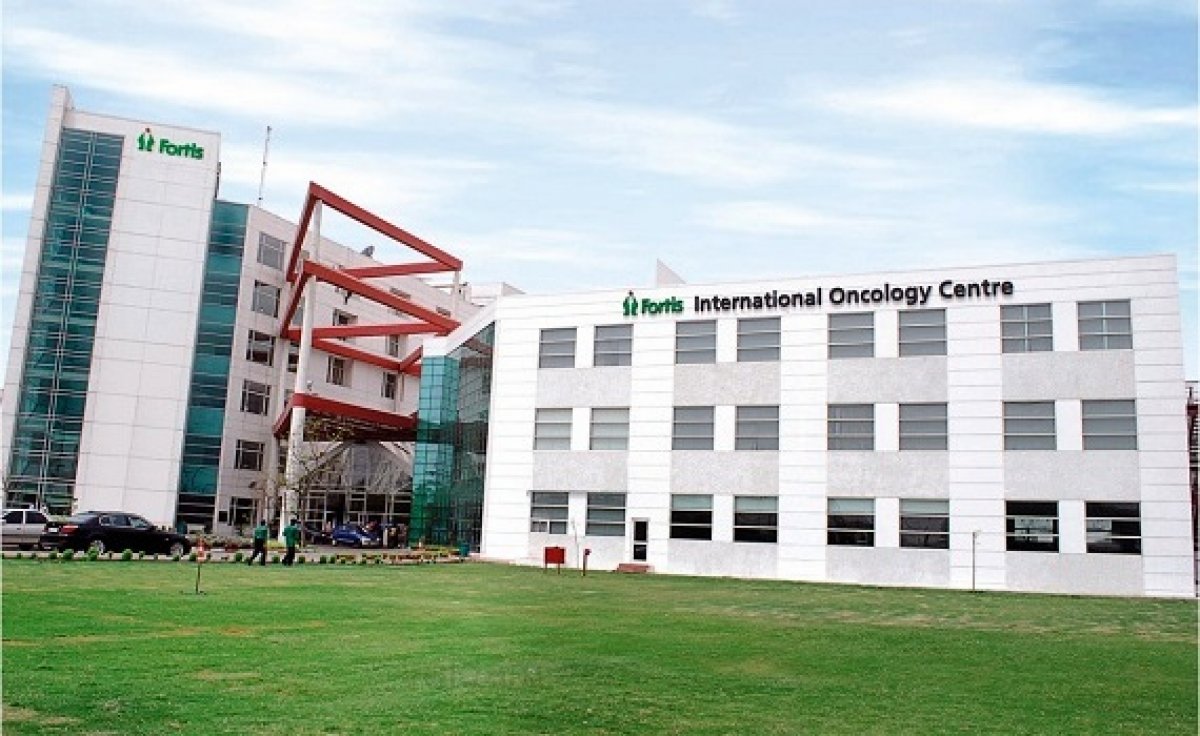
Fortis Hospital

Indraprastha Apollo Hospital
نظرة عامة على جراحة ورم الغدة النخامية في الهند
- إزالة ورم في المخ - من $7,000
تستخلص الجراحة الزيادات الضارة في الدماغ ، وتعزز صحة المريض وتقلل الأعراض مثل الصداع أو النوبات.
- استئصال ورم عبر الأنف - من $5,500
هذه العملية تزيل الأورام عن طريق الأنف وتقلل من وقت الشفاء وتقلل من الندبات الجراحية.
- الجراحة المجسمة - من $5,000
يستخدم الإجراء إحداثيات دقيقة للعمل في مناطق الدماغ الصغيرة ، مما يعزز الدقة ويقلل من المضاعفات.
- استئصال الورم السحائي - من $5,800
تهدف العملية إلى استئصال ورم حميد بالمخ جراحيًا ، وتعزيز الوظيفة العصبية وتقليل الأعراض.
- استئصال ورم دبقي - من $6,500
تزيل العملية أورام المخ ، وتعزز بقاء المريض وتقلل الأعراض بدقة وبأقل قدر من الضرر.
- استئصال ورم أرومي دبقي - من $6,500
يزيل هذا الإجراء أورام المخ ، ويحسن الأعراض والبقاء على قيد الحياة. إنها تنطوي على جراحة ، وتتطلب خبرة ، ويمكن أن تكون معقدة.
- استئصال ورم في قاعدة الجمجمة - من $8,500
يزيل الإجراء النتوءات بالقرب من قاع الجمجمة ، باستخدام التقنيات الجراحية ، مما يحسن صحة المريض وعمره.
اليوم 1
- الوصول الى البلاد.
- نقل من المطار إلى فندق 4 نجوم.
اليوم الثاني
- نقل من فندق إلى عيادة.
- استشارة أخصائي جراحة المخ والأعصاب.
- فحص الرأس بالرنين المغناطيسي قبل الجراحة.
يوم 3
- الفحص الصحي قبل العملية من قبل طبيب التخدير.
- استشارة إضافية إذا لزم الأمر.
اليوم الرابع
- جراحة ورم الغدة النخامية تحت التخدير العام.
- مدة الجراحة حوالي 2-4 ساعات.
- الانتعاش بعد العملية تحت الإشراف.
يوم 5-7
- فحص ما بعد الجراحة من قبل جراح الأعصاب.
- البقاء في العيادة للمراقبة.
الأسبوع 2
- الخروج من العيادة.
- نقل من عيادة للفندق.
الأسبوع 3-6
- إعادة التأهيل والشفاء في المنزل.
- العودة التدريجية للأنشطة الخفيفة.
الأسبوع السابع
- العودة إلى العمل والأنشطة العادية.
يرجى ملاحظة أن الجدول الزمني للتعافي لكل مريض قد يختلف بناءً على الحالة الصحية الفردية ومدى تعقيد الجراحة.
- إيداع Bookimed: 200 دولار أو 200 يورو.
- وديعة العيادة: ادفع نسبة محددة مقدمًا.
قصص فيديو من مرضى Bookimed
المراجعات
جميع المراجعاتمشاركة المحتوى
 Anna Leonova
حقائق سريعة عن جراحة ورم الغدة النخامية
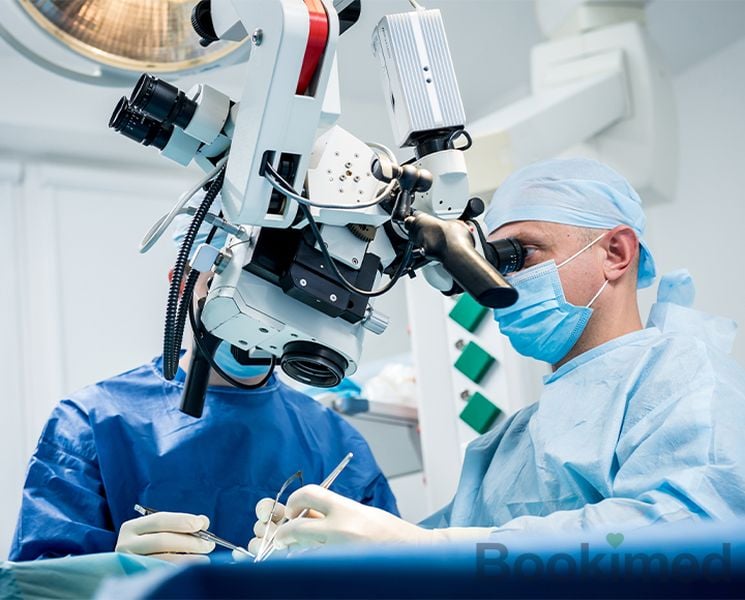
جراحة ورم الغدة النخامية
يتضمن هذا الإجراء إزالة ورم من الغدة النخامية، وغالبًا ما يتم إجراؤه باستخدام تقنيات طفيفة التوغل.
أسئلة متكررة حول جراحة ورم الغدة النخامية في الهند
متى يتطلب ورم الغدة النخامية تدخلاً جراحياً؟
تكون الجراحة ضرورية عندما يسبب ورم الغدة النخامية عجزاً عصبياً، مثل عمى شقي صدغي، أو ينتج هرمونات زائدة مثل ACTH أو هرمون النمو. يوصي جراحو الأعصاب بالتدخل إذا كان الورم الغدي الضخم يضغط على التصالب البصري، أو يقاوم الأدوية، أو يسبب حالات طارئة حادة مثل سكتة الغدة النخامية.
- تأثير الكتلة: تخفف الجراحة الضغط على التصالب البصري لاستعادة الرؤية المحيطية.
- التحكم الهرموني: يعالج الاستئصال مرض كوشينغ أو ضخامة الأطراف عن طريق إزالة الأنسجة المفرزة للهرمونات.
- مقاومة العلاج: التدخل ضروري عندما لا تستجيب أورام البرولاكتين لمنبهات الدوبامين.
- إزالة الضغط الطارئة: تعالج الجراحة الفورية سكتة الغدة النخامية لمنع العمى الدائم أو الوفاة.
رؤية خبير Bookimed: غالباً ما تركز مؤشرات الجودة لجراحة الغدة النخامية في الهند على حجم المؤسسة. تدير مرافق مثل مستشفيات مانيبال ومستشفى جلوبال تشيناي أكثر من 2,000,000 و 80,000 مريض سنوياً. يشير هذا العدد الكبير من الحالات إلى أن الفرق أكثر كفاءة في إدارة الحالات الهرمونية وجراحة الأعصاب المعقدة مقارنة بالمراكز ذات الحجم الأقل.
ما هو معدل نجاح جراحة أورام الغدة النخامية في المراكز الهندية؟
يتراوح معدل نجاح جراحة أورام الغدة النخامية في المراكز الطبية الهندية الرائدة بين 80% و95%. تستخدم معظم المرافق المتقدمة مثل مستشفيات مانيبال ومستشفى إندرابراستا أبولو جراحة المناظير الأنفية طفيفة التوغل. تتجنب هذه التقنية المتقدمة الشقوق الخارجية وتحافظ على كفاءة سريرية تزيد عن 93% لتحسين الرؤية.
- النجاح حسب الحجم: تظهر الأورام الغدية الدقيقة معدلات نجاح تتراوح بين 80% و90% في وحدات جراحة الأعصاب الهندية المتخصصة.
- استعادة الرؤية: تشير البيانات بعد الجراحة إلى أن 93.5% إلى 97.3% من المرضى يعانون من استقرار بصري كبير.
- كفاءة التقنية: تحقق إجراءات التنظير إزالة كاملة للورم في ما يصل إلى 81.3% من الحالات.
- السلامة الجراحية: تحافظ المراكز المتخصصة في قاعدة الجمجمة في الهند على معدلات وفيات منخفضة للغاية تقل عن 1.6%.
رؤية خبراء Bookimed: على الرغم من ارتفاع معدلات النجاح في جميع أنحاء الهند، إلا أن مراكز مثل مستشفى جلوبال تشيناي وميدانتا غالباً ما تتفوق على غيرها من خلال دمج فرق الغدد الصماء متعددة التخصصات. تظهر البيانات أن تطبيع الهرمونات يصل إلى 78.9% باستخدام الطرق التنظيرية مقارنة بـ 68.1% باستخدام الأدوات المجهرية التقليدية. يعد اختيار مركز ذو حجم كبير أمراً حيوياً لأن الجراحين الذين يجرون أكثر من 50 إجراءً للغدة النخامية سنوياً يحققون باستمرار نتائج سريرية أفضل.
إجماع المرضى: يؤكد المرضى أن تحسن الرؤية غالباً ما يكون العلامة الأولى للنجاح بعد الجراحة. يلاحظ الكثيرون أنه على الرغم من إزالة كتلة الورم، فإن المتابعة
ما هي مدة الإقامة في المستشفى والفترة الموصى بها في البلاد للمرضى الدوليين؟
عادةً ما يبقى المرضى الدوليون الذين يخضعون لجراحة ورم الغدة النخامية في الهند في المستشفى لمدة تتراوح بين 3 إلى 7 أيام. ويوصي معظم الجراحين بالبقاء في البلاد لمدة إجمالية تتراوح بين 10 إلى 14 يوماً. تسمح هذه الفترة بالمراقبة الدقيقة لمستويات الإلكتروليت والإزالة الآمنة للحشوات الأنفية.
- مدة الإقامة في المستشفى: تستمر الإقامة من 3 إلى 7 أيام بناءً على الاستقرار الهرموني ومخاطر حدوث مضاعفات.
- الإقامة في البلاد: اقضِ ما مجموعه 10-14 يوماً في الهند قبل ركوب رحلات الطيران الطويلة.
- المراقبة الطبية: يتابع الأطباء مستويات الصوديوم وإخراج البول للتحكم في مرض السكري الكاذب.
- الرعاية بعد الجراحة: يقوم الجراحون بإزالة الحشوات الأنفية وإجراء تصوير مبكر في غضون أسبوع واحد.
رؤية خبراء Bookimed: في حين تركز العديد من المواقع الإلكترونية على الجراحة نفسها، تُظهر بياناتنا من 92 عيادة هندية أن الأسبوع الثاني هو الأكثر أهمية للمرضى الدوليين. تؤكد عيادات مثل مستشفيات مانيبال (Manipal Hospitals) ومستشفى إندرابراستا أبولو (Indraprastha Apollo) المعتمد من اللجنة الدولية المشتركة (JCI) على مراقبة اختلالات الصوديوم المتأخرة. البقاء لمدة 14 يوماً كاملة يمنع حدوث مضاعفات خطيرة قد تحدث أثناء الرحلة الجوية بسبب تقلب مستويات الهرمونات.
إجماع المرضى: غالباً ما يجد المرضى أن الأسبوع الأول بعد الخروج من المستشفى لا يمكن التنبؤ به ويؤكدون على عدم التسرع في العودة إلى المنزل. ويقترحون أن وقت الانتظار الإضافي ضروري للتعامل مع ضغط الجيوب الأنفية الشديد
ما هي المخاطر والآثار الجانبية المحتملة لجراحة أورام الغدة النخامية؟
تعتبر جراحة أورام الغدة النخامية في الهند آمنة بشكل عام، ولكنها تنطوي على مخاطر محددة مثل التغيرات الهرمونية الدائمة، وتسرب السائل النخاعي، واحتقان الأنف. تشمل المضاعفات النادرة ضعف الرؤية أو التهاب السحايا. تستخدم معظم الإجراءات تقنيات تنظيرية طفيفة التوغل في مرافق معتمدة من NABH لتقليل التأثير العصبي ووقت التعافي.
- اختلال التوازن الهرموني: قد يتطلب تلف الغدة النخامية علاجاً هرمونياً تعويضياً مدى الحياة.
- مرض السكري الكاذب: يحدث عطش شديد وتبول مفرط، مؤقت أو دائم، في 2% من الحالات.
- تسرب السائل النخاعي: قد يتطلب تسرب سائل شفاف من الأنف إصلاحاً جراحياً ثانوياً.
- نقص صوديوم الدم: غالباً ما تظهر مستويات منخفضة من الصوديوم في الدم بعد 4 إلى 7 أيام من الجراحة.
رؤية خبير Bookimed: بينما يركز الكثيرون على الجراحة نفسها، تظهر بياناتنا أن اختيار المستشفيات التي تضم أقساماً داخلية للغدد الصماء، مثل مستشفيات مانيبال أو ميدانتا، أمر بالغ الأهمية. غالباً ما يركز الجراحون على إزالة الورم، لكن أخصائيي الغدد الصماء المتخصصين يديرون تقلبات الإلكتروليت المعقدة بعد الجراحة وتقليل الستيرويد الذي يمنع إعادة الإدخال. تعالج المراكز الرائدة المعتمدة من JCI في الهند أكثر من 20,000 مريض سنوياً، مما يوفر خبرة كبيرة لهذه الحالات الدقيقة.
إجماع المرضى: يبلغ العديد من المرضى عن إرهاق كبير وتحولات عاطفية خلال الأسابيع التي تلي الجراحة. يعد تكوّن القشور الأنفية المتكرر وفقدان حاسة الشم المؤقت من التحديات العملية الشائعة أثناء التعافي المبكر.
هل يمكن أن تتكرر أورام الغدة النخامية بعد جراحة ناجحة؟
يمكن أن تتكرر أورام الغدة النخامية بعد جراحة ناجحة لأن خلايا مجهرية قد تظل غير مكتشفة حتى بعد الاستئصال الكامل. يعاني حوالي 12% إلى 18% من المرضى من نمو جديد، عادة في غضون 1 إلى 5 سنوات، مما يجعل المراقبة طويلة المدى من خلال التصوير بالرنين المغناطيسي واختبارات الهرمونات أمراً ضرورياً.
- نافذة التكرار: تنمو معظم الأورام مرة أخرى في غضون 5 سنوات، على الرغم من أن التكرار المتأخر يمكن أن يحدث بعد عقود.
- الأنواع الأكثر خطورة: الأورام الوظيفية مثل أورام البرولاكتين ومرض كوشينغ لديها معدلات تكرار أعلى من الأنواع غير الوظيفية.
- غزو الورم: النمو في الجيب الكهفي أو العظام يزيد بشكل كبير من خطر التكرار.
- العلامات البيولوجية: غالباً ما ترتبط المستويات العالية من تكاثر الخلايا Ki-67 بنمو ورمي أكثر عدوانية.
رؤية خبير Bookimed: بينما تقدم الهند جراحة أعصاب متقدمة في مواقع مثل مستشفيات مانيبال أو ميدانتا، يعتمد التحكم الناجح على المدى الطويل على الرعاية متعددة التخصصات. تشير البيانات إلى أن اختيار العيادات ذات الأحجام الكبيرة، مثل مستشفى جلوبال تشيناي الذي يجري 18,000 عملية سنوياً، يضمن الوصول إلى علم الأمراض والغدد الصماء المتخصص اللازم لاكتشاف التكرارات الهرمونية الدقيقة في وقت مبكر.
إجماع المرضى: يؤكد المرضى أن التصوير بالرنين المغناطيسي الأولي النظيف لا يضمن الشفاء الدائم. ويشددون على أهمية المتابعة المنتظمة للغدد الصماء، حيث يمكن أن تعود أعراض مثل تغيرات الرؤية أو التعب تدريجياً.