ورم ويلمز (الورم الأرومي الكلوي) العلاج في الهند - التكاليف 2026


تمت مراجعة المقالة طبيا من قبل
فهد مولود
ما هي تكلفة ورم ويلمز (الورم الأرومي الكلوي) إجراءات التشخيص والعلاج في الهند؟ اعرف الآن
| الهند | تركيا | إسبانيا | |
|---|---|---|---|
| العلاج الكيميائي لسرطان الثدي | ≈ $3,200 | من $3,000 | من $1,700 |
| العلاج الإشعاعي لسرطان القولون والمستقيم | ≈ $4,500 | من $5,000 | من $7,500 |
مزاياك وضماناتك مع Bookimed
أسعار مباشرة
Bookimed لا يضيف رسوماً إضافية على أسعار علاج ورم ويلمز (الورم الأرومي الكلوي). الأسعار مأخوذة من قوائم الأسعار الرسمية للعيادات. تدفع مباشرة في العيادة مقابل علاجك عند وصولك إلى البلد.
عيادات وأطباء معتمدون فقط
Bookimed ملتزم بسلامتك. نحن نعمل فقط مع المؤسسات الطبية التي تحافظ على معايير دولية عالية في علاج ورم ويلمز (الورم الأرومي الكلوي) ولديها التراخيص اللازمة لخدمة المرضى الدوليين في جميع أنحاء العالم.
مساعدة مجانية على مدار الساعة
Bookimed يقدم مساعدة خبراء مجانية. منسق طبي شخصي يدعمك قبل وأثناء وبعد العلاج، ويحل أي مشاكل. لن تكون وحيداً أبداً في رحلة علاج ورم ويلمز (الورم الأرومي الكلوي).

منسقك الطبي الشخصي في Bookimed
- يدعمك في كل مرحلة
- المساعدة في اختيار العيادة الطبية المناسبة والطبيب المناسب
- يضمن الوصول السريع والمريح إلى المعلومات
اكتشف أفضل ورم ويلمز (الورم الأرومي الكلوي) العيادات في الهند: 16 خيارات معتمدة والأسعار










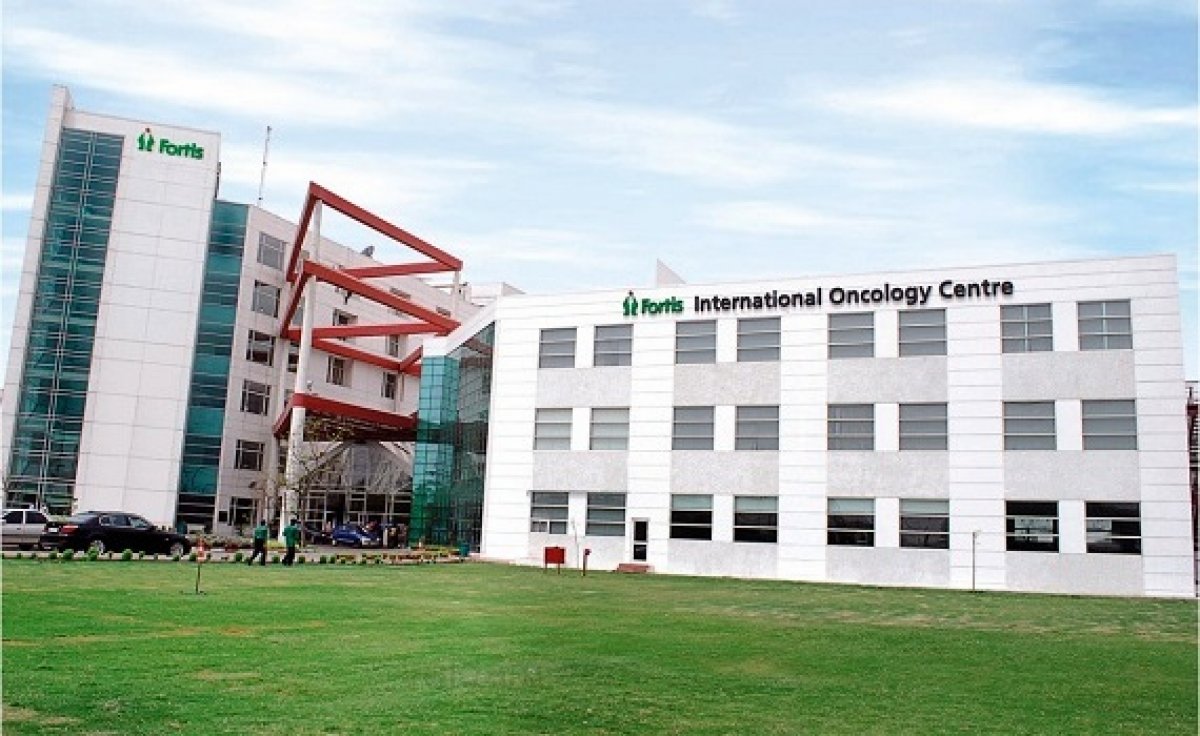
Fortis Hospital
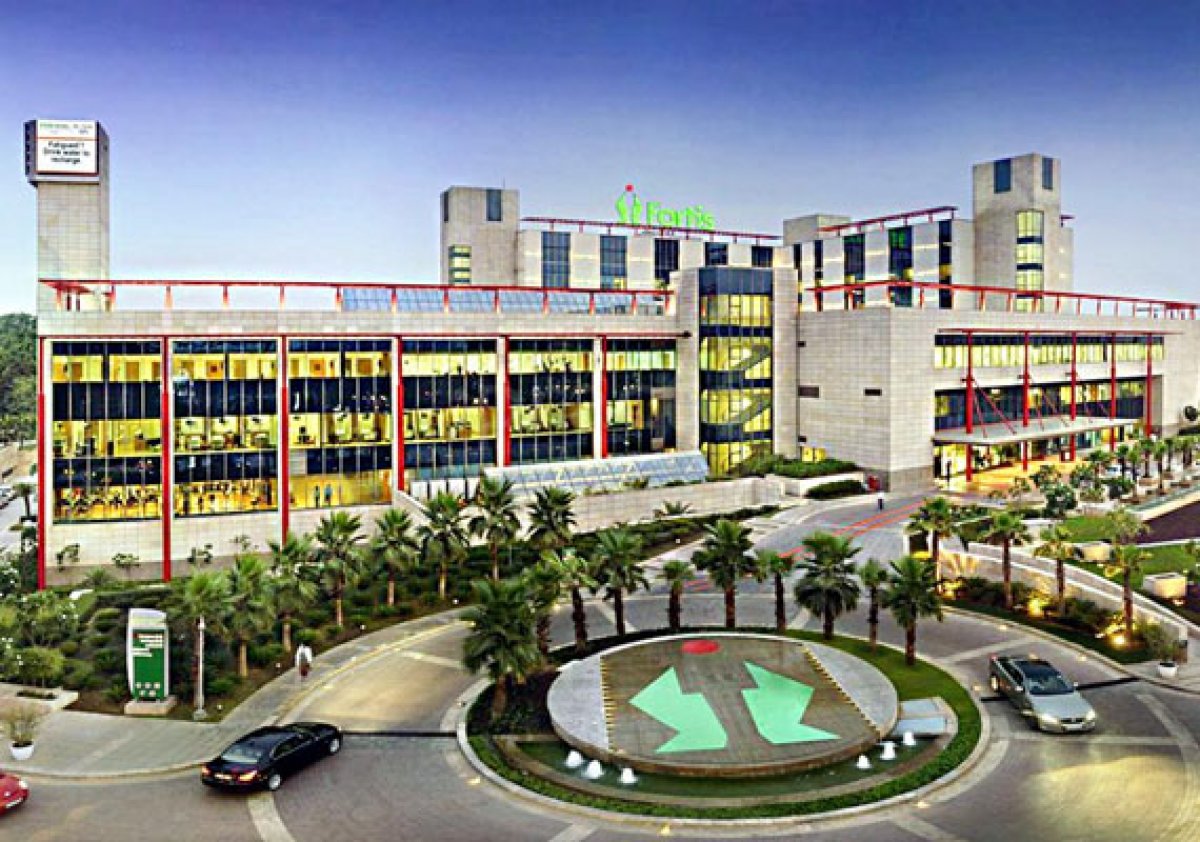
Fortis Memorial Research Institute

Indraprastha Apollo Hospital
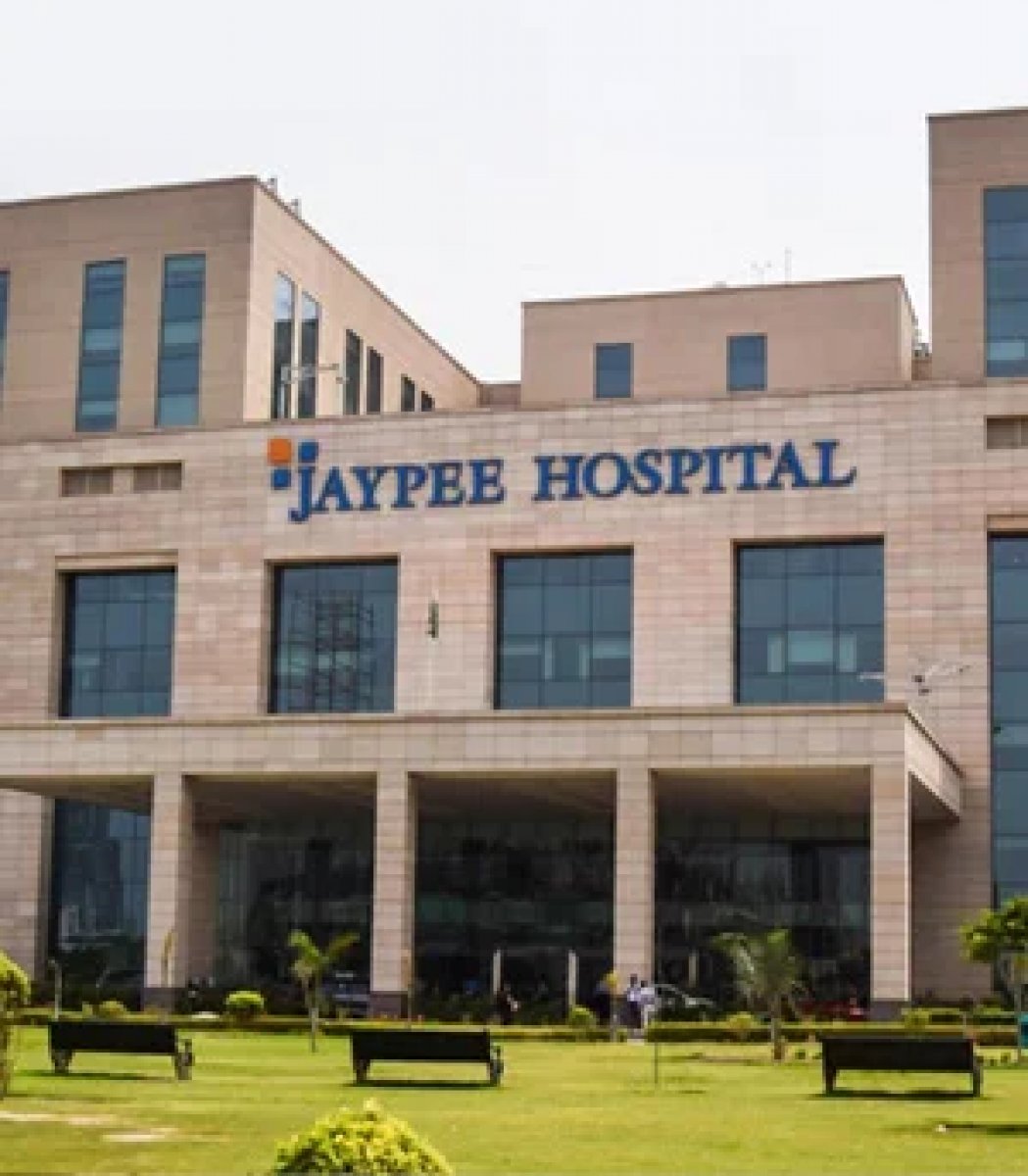
Jaypee Hospital
احصلوا على تقييم طبي لـ ورم ويلمز (الورم الأرومي الكلوي) في الهند: استشيروا أطباء ذوي خبرة الآن
عرض جميع الأطباء
Gaurav Kharya
الدكتور جوراف خاريا هو طبيب أورام وأمراض دم للأطفال متخصص في عمليات زرع نخاع العظم في مستشفيات أرتميس.
- متخصص في علاج سرطانات الأطفال، بما في ذلك ورم ويلمز
- خبرة في زراعة نخاع العظم
- يعمل في مستشفيات أرتميس، وهي مؤسسة رعاية صحية رائدة

Shruti Kate
تتخصص الدكتورة شروتي كيت في أورام الأطفال، بما في ذلك ورم ويلمز، وقد تلقت تدريبها في مستشفى تاتا التذكاري - المركز الرائد لعلاج السرطان في الهند.
- خبيرة في العلاج المناعي والعلاج المترونومي للسرطانات المتقدمة
- عضو في الجمعية الأمريكية لعلم الأورام السريري (ASCO)، والجمعية الأوروبية لعلم الأورام الطبي (ESMO)، وجمعيات أورام مرموقة أخرى
- قدمت أبحاثاً حول سرطان الرئة في المؤتمر العالمي لسرطان الرئة
- تعمل في مركز HCG Manavata للسرطان وتتمتع بخبرة شاملة في مجال الأورام
مشاركة المحتوى
قصص فيديو من مرضى Bookimed
 Anna Leonova
أسئلة متكررة حول علاج ورم ويلمز (الورم الأرومي الكلوي) في الهند
ما هو بروتوكول العلاج القياسي لورم ويلمز في الهند؟
تكيّف البروتوكولات القياسية في الهند إما أطر عمل COG لأمريكا الشمالية أو SIOP الأوروبية لعلاج ورم ويلمز. يجمع العلاج عادةً بين استئصال الكلية الجذري والعلاج الكيميائي المتكيف مع المخاطر. تقوم المراكز الرئيسية المعتمدة من JCI في دلهي ومومباي بتخصيص الكثافة بناءً على مرحلة الورم ونتائج الأنسجة المواتية أو غير المواتية.
- النهج الجراحي: تجري معظم المراكز استئصال الكلية الجذري عبر الصفاق للأورام أحادية الجانب والموضعية.
- بروتوكولات العلاج الكيميائي: تشمل الأنظمة فينكristin وداكتينومايسين، مع إضافة دوكسوروبيسين للمراحل المتقدمة.
- العلاج قبل الجراحة: يستخدم الأطباء العلاج الكيميائي أولاً للكتل الكبيرة لمنع التمزق أثناء الجراحة.
- مؤشرات الإشعاع: يُخصص العلاج الإشعاعي للمرحلة 3 أو 4 والحالات الكشمية.
رؤية خبير Bookimed: يؤثر حجم المرضى بشكل كبير على معدلات البقاء على قيد الحياة للحالات الطبية المعقدة مثل ورم ويلمز. على سبيل المثال، تعالج مستشفيات مانيبال حوالي 2,000,000 مريض سنويًا عبر شبكتها. غالبًا ما تُظهر المراكز ذات الحجم الكبير دقة جراحية أكثر دقة وإدارة أفضل للآثار الجانبية للعلاج الكيميائي بعد الجراحة لدى الأطفال.
إجماع المرضى: يشير المرضى إلى أنه من المهم اختيار مركز ثالثي متخصص لتجنب التأخير الناجم عن النقل أو الخدمات اللوجستية. تؤكد العائلات على أهمية العثور على منشأة يعمل فيها جراحو الأطفال وأطباء الأورام بشكل وثيق معًا لإدارة جدول العلاج المكثف.
ما هي معدلات الشفاء والبقاء على قيد الحياة لورم ويلمز الذي يتم علاجه في الهند؟
تتراوح معدلات البقاء على قيد الحياة لورم ويلمز في الهند عادةً بين 85% إلى 90% للحالات في المراحل المبكرة. توفر مراكز أورام الأطفال المتخصصة بروتوكولات علاجية مماثلة للمعايير الدولية. ومع ذلك، يختلف معدل البقاء الإجمالي بين 48% و 89% بناءً على المرحلة عند التشخيص والالتزام بالعلاج.
- البقاء في المرحلة المبكرة: يُظهر المرضى الذين تم تشخيصهم في المرحلة الأولى أو الثانية معدلات بقاء تتراوح بين 85% إلى 90%.
- نتائج المراحل المتقدمة: تُبلغ حالات المرحلة الثالثة والرابعة عن بقاء بنسبة 70% إلى 80% مع الرعاية الحديثة.
- البقاء بدون أحداث: تشير البيانات إلى معدل بقاء لمدة 3 سنوات بنسبة 70% إلى 73% دون تكرار السرطان.
- طريقة ظهور المرض: يأتي حجم أكبر من المرضى، حوالي 46%، بمرحلة متقدمة من الثالثة أو الرابعة.
رؤية خبير Bookimed: بينما معدلات البقاء مرتفعة، فإن حجم مقدمي الرعاية الصحية الهنود هو علامة جودة فريدة. تدير مرافق مثل مستشفيات مانيبال ومستشفى جلوبال تشيناي أكثر من 80,000 مريض سنويًا. غالبًا ما تمتلك المؤسسات واسعة النطاق أقسامًا مخصصة لأورام الأطفال يمكنها التعامل مع الرعاية متعددة التخصصات المعقدة المطلوبة لورم الأرومة الكلوية، وهو أمر بالغ الأهمية لأن العديد من الحالات في الهند تظهر بأحجام أورام أكبر.
كم من الوقت يجب أن تخطط العائلات الدولية للبقاء في الهند لعلاج ورم ويلمز بالكامل؟
يجب على العائلات الدولية التخطيط للبقاء في الهند لمدة تتراوح بين 3 إلى 9 أشهر لعلاج ورم ويلمز بالكامل. تعتمد المدة على مرحلة المرض ودورات العلاج الكيميائي المطلوبة. يوصي أخصائيو طب الأطفال بالبقاء بالقرب من المراكز المعتمدة من قبل اللجنة الدولية المشتركة (JCI) في دلهي أو مومباي لضمان المراقبة السريرية المستمرة.
- مرحلة التشخيص: تتطلب الفحوصات الأولية والخزعات من 5 إلى 10 أيام في المراكز الحضرية الرئيسية.
- التعافي الجراحي: تستمر الإقامة في المستشفى من 5 إلى 10 أيام تليها 3 أسابيع من التعافي المحلي.
- المراحل المتقدمة: تتطلب المرحلتان الثالثة والرابعة من 6 إلى 8 أشهر للعلاج الكيميائي والإشعاعي.
- الإدارة الثنائية: يمكن أن يؤدي علاج كلتا الكليتين إلى تمديد الإقامة لأكثر من 10 أشهر.
رؤية خبير Bookimed: تُظهر بيانات التنسيق أن اختيار منشأة متعددة التخصصات مثل مستشفى BLK Super Speciality أو مستشفيات Manipal أمر حيوي. تدمج هذه المراكز طب أورام الأطفال مع وحدات العناية المركزة لحديثي الولادة (NICU) وغسيل الكلى المتقدمة. هذا أمر بالغ الأهمية لحالات ورم ويلمز لأن الأطفال غالبًا ما يحتاجون إلى دعم عاجل متعلق بالكلى أو رعاية مكثفة أثناء دورات العلاج الكيميائي بجرعات عالية التي لا تستطيع العيادات الصغيرة توفيرها.
إجماع المرضى: يؤكد الآباء أن الجدول الزمني غالبًا ما يتغير بعد نتائج علم الأمراض. يوصون بحجز سكن مرن على بعد 20 دقيقة من المستشفى للتعامل بسرعة مع الحمى المفاجئة بعد العلاج الكيميائي.
هل يمكن للأطفال الحفاظ على متوسط عمر متوقع ومستوى نشاط طبيعي بعد استئصال الكلية بسبب ورم ويلمز؟
يحافظ الأطفال على متوسط عمر متوقع طبيعي ونمط حياة نشط بعد استئصال الكلية. تصل معدلات نجاح علاج ورم ويلمز إلى 90% إلى 96%. تخضع الكلية المتبقية لتضخم تعويضي للتعامل مع احتياجات الترشيح الكاملة. يواصل معظم الناجين حياة قياسية دون قيود طبية كبيرة على الوظائف اليومية.
- البقاء على قيد الحياة على المدى الطويل: تتجاوز معدلات البقاء على قيد الحياة لمدة خمس سنوات للأنسجة المواتية 90% في الهند.
- تكيف الأعضاء: تنمو الكلية المتبقية بشكل أكبر للقيام بعمل كليتين.
- إرشادات النشاط: يشارك الأطفال في معظم الألعاب الرياضية، باستثناء أنشطة التصادم عالية التأثير مثل الرغبي.
- الرعاية الوقائية: يضمن المراقبة السنوية لضغط الدم وبروتين البول الصحة على المدى الطويل.
رؤية خبير Bookimed: تجمع مراكز الأورام الهندية مثل مستشفى جلوبال في تشيناي وفورتيس جورجاون بين الخبرة الجراحية عالية الحجم والتشخيص المتقدم. نظرًا لأن جراحات ورم الأرومة الكلوية في الهند تتراوح بين حوالي 4200 دولار إلى 7500 دولار، يمكن للعائلات الوصول إلى رعاية معتمدة من JCI بتكاليف أقل بكثير مما هي عليه في أوروبا الغربية أو الولايات المتحدة. غالبًا ما تسمح هذه القدرة على تحمل التكاليف بزيارات متابعة طويلة الأجل أكثر تكرارًا، وهي ضرورية لمراقبة صحة الكلى مع نمو الطفل.
إجماع المرضى: يلاحظ الآباء أن الأطفال غالبًا ما يتكيفون بشكل جيد لدرجة أنهم يكونون مقيدين بالتعافي من العلاج الكيميائي أكثر من كونهم مقيدين بوجود كلية واحدة فقط. ويؤكدون أنه على الرغم من أن الحياة اليومية تبدو عادية، فإن الب
ما هي المستشفيات الرائدة في الهند المتخصصة في رعاية ورم ويلمز لدى الأطفال؟
تضم الهند مراكز متخصصة في أورام الأطفال لعلاج ورم ويلمز، حيث توفر رعاية متعددة التخصصات من خلال وحدات الأورام. تشمل أفضل المستشفيات مرافق معتمدة من اللجنة الدولية المشتركة (JCI) مثل BLK Super Speciality وIndraprastha Apollo. تجمع هذه المراكز بين جراحة الأطفال المتقدمة وبروتوكولات دقيقة للعلاج الكيميائي والإشعاعي.
- اعتمادات المستشفيات: تحافظ المرافق على شهادات JCI وNABH وNABL للجودة.
- الخبرة الجراحية: يقوم الجراحون بإجراء عمليات استئصال الكلية المعقدة لإزالة أورام الكلى لدى الأطفال.
- التشخيص المتقدم: تستخدم العيادات فحوصات الأشعة المقطعية للجسم واستشارات متخصصة في أورام الأطفال.
- طرق العلاج: تشمل الرعاية العلاج المناعي القائم على الأدوية والعلاج الإشعاعي المعدل الشدة (IMRT).
رؤية خبير Bookimed: يعد حجم المرضى مؤشراً رئيسياً للنجاح في حالات الأورام الصلبة لدى الأطفال. يخدم مركز HCG Manavata للسرطان 75,000 مريض سنوياً مع أكثر من 40 طبيب أورام. تدير مستشفيات مانيبال 2,000,000 مريض سنوياً عبر شبكتها. يضمن اختيار هذه المراكز ذات الحجم الكبير الوصول إلى وحدات العناية المركزة للأطفال (PICU) المتخصصة والفرق الجراحية ذات الخبرة.
إجماع المرضى: تشير العائلات إلى أن الانتقال من العيادات المحلية إلى المراكز الثالثية الكبيرة غالباً ما يكون ضرورياً للجراحة النهائية. ويؤكدون على اختيار المستشفيات التي يتم فيها التشخيص والعلاج الكيميائي في موقع واحد.