جراحة انفصال الشبكية في ألمانيا — احصل على 3 عيادات مطابقة مع التكاليف


تمت مراجعة المقالة طبيا من قبل
فهد مولود
ما هي تكلفة جراحة انفصال الشبكية في ألمانيا؟ اكتشف الآن
تتراوح تكلفة جراحة انفصال الشبكية في ألمانيا عادةً بين $4,800 و $8,000. يعتمد السعر النهائي على التقنية الجراحية، وشدة الانفصال، وموقع العيادة. تشمل التكاليف المعيارية عادةً العملية الجراحية، والمستلزمات الطبية المتخصصة للعين، والتخدير، وفحوصات المتابعة الأولية في العيادة.
- التخثير الضوئي بالليزر: من $4,800 إلى $8,000 لإغلاق تمزقات الشبكية البسيطة.
- تثبيت الشبكية الهوائي: من $4,800 إلى $8,000 باستخدام فقاعة غاز لإعادة الشبكية لموضعها.
- تطويق الصلبة: من $4,800 إلى $8,000 لعمل انبعاج مادي في جدار العين.
- استئصال الزجاجية: من $4,800 إلى $8,000 ويتضمن إزالة السائل الزجاجي واستبداله.
رأي خبراء Bookimed: يتيح اختيار مراكز متخصصة في برلين أو هامبورغ الوصول إلى نخبة من جراحي الشبكية. تقدم عيادات مثل عيادة سبري بوغن لطب العيون باقات جراحية تبدأ من حوالي 3,800 $. تعتبر هذه الأسعار تنافسية حتى وفقاً للمعايير الألمانية. يقود هذه الأقسام جراحون بارزون مثل كلاوس لوكي، مؤسس الجمعية الأوروبية للجراحة الزجاجية الشبكية. يضمن هذا التخصص الدقيق الحصول على رعاية متقدمة. توفر المستشفيات الجامعية متوسطة المستوى غالباً ذات المستويات التقنية الموجودة في العيادات الخاصة الفاخرة.
المزايا الرئيسية
لماذا تختار ألمانيا لجراحة انفصال الشبكية؟
- عيادات معتمدة: تُعرف العيادات في ألمانيا بجودة الرعاية التي تقدمها. فهي تحمل شهادات من KTQ ومنظمات موثوقة أخرى، مما يضمن معايير عالية في الخدمات الطبية.
- أحدث التقنيات: تستخدم ألمانيا تقنيات مثل تثبيت الصلبة واستئصال الزجاجية. كما تستخدم أجهزة مثل نظام الرؤية Alcon Constellation ومواد من علامات تجارية رائدة مثل Bausch + Lomb.
- نسب نجاح عالية: تبلغ فعالية جراحات انفصال الشبكية في ألمانيا 85-95%. يمكن أن تختلف نسب النجاح بناءً على حالة المريض.
- جراحون خبراء: يُعتبر أطباء العيون الرائدون في ألمانيا معتمدين من قبل المجلس الأوروبي لطب العيون. وقد أجروا آلاف العمليات الجراحية للشبكية، مما يدل على خبرتهم الواسعة وكفاءتهم.
احصل على حلول متقدمة لجراحة انفصال الشبكية في عيادات موثوقة من $4,800.
| تركيا | إسبانيا | ألمانيا | |
|---|---|---|---|
| جراحة انفصال الشبكية | من $2,600 | من $10,200 | ≈ $4,800 |
مزاياك وضماناتك مع Bookimed
أسعار مباشرة
Bookimed لا يضيف رسوماً إضافية على أسعار جراحة انفصال الشبكية. الأسعار مأخوذة من قوائم الأسعار الرسمية للعيادات. تدفع مباشرة في العيادة مقابل جراحة انفصال الشبكية عند وصولك.
عيادات وأطباء معتمدون فقط
Bookimed ملتزم بسلامتك. نحن نعمل فقط مع المؤسسات الطبية التي تحافظ على معايير دولية عالية في جراحة انفصال الشبكية ولديها التراخيص اللازمة لخدمة المرضى الدوليين في جميع أنحاء العالم.
مساعدة مجانية على مدار الساعة
Bookimed يقدم مساعدة خبراء مجانية. منسق طبي شخصي يدعمك قبل وأثناء وبعد العلاج، ويحل أي مشاكل. لن تكون وحيداً أبداً في رحلة جراحة انفصال الشبكية.

منسقك الطبي الشخصي في Bookimed
- يدعمك في كل مرحلة
- المساعدة في اختيار العيادة الطبية المناسبة والطبيب المناسب
- يضمن الوصول السريع والمريح إلى المعلومات
اكتشف أفضل جراحة انفصال الشبكية العيادات في ألمانيا: 4 خيارات معتمدة والأسعار


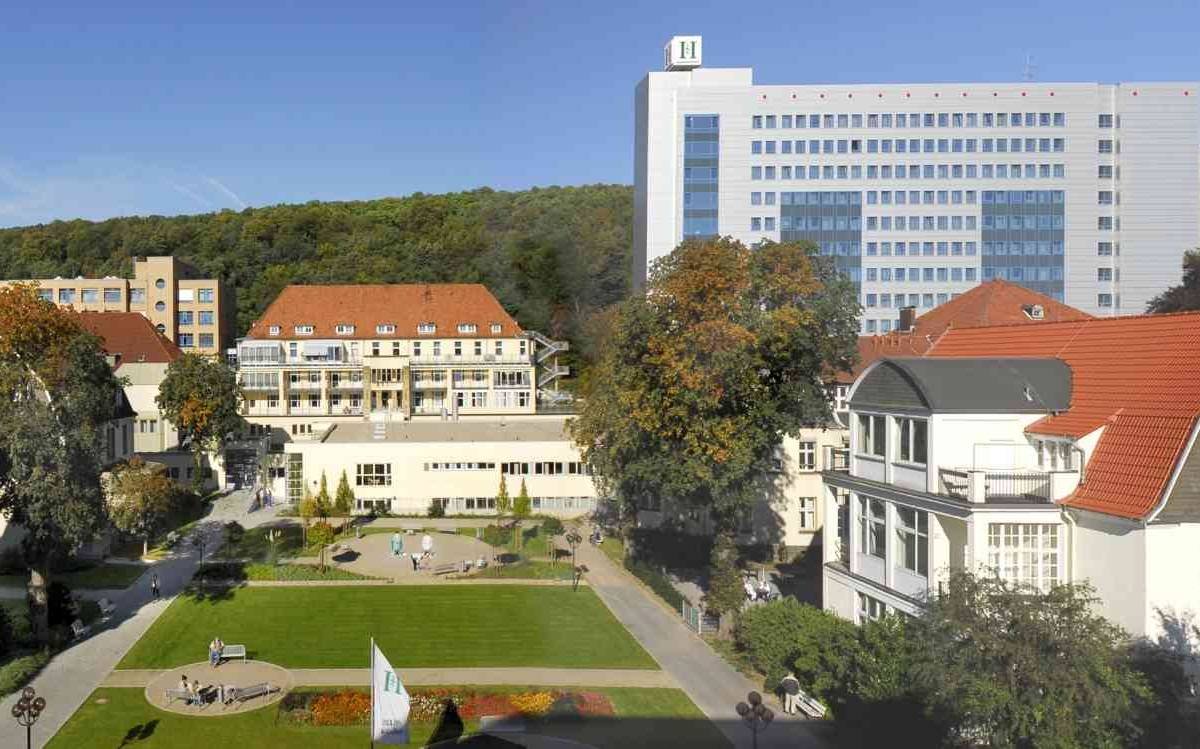



Spreebogen Ophthalmology Clinic
نظرة عامة على جراحة انفصال الشبكية في ألمانيا
- جراحة انفصال الشبكية - من $4,800
يعمل هذا الإجراء على تصحيح الشبكية المنفصلة ، وإعادة ضمها إلى الطبقة الخلفية للعين ، وتحسين الرؤية ومنع العمى.
اليوم الأول - الوصول
- قم بالوصول إلى البلد واستقر في مكان إقامتك.
- رتب وسيلة النقل الخاصة بك إلى العيادة.
اليوم 2 - ما قبل العملية
- استشارة أخصائي الشبكية.
- اخضع لفحص قاع العين.
- قم بإجراء فحوصات طبية أخرى ذات صلة.
- التواصل مع الطاقم الطبي عن طريق المساعدة اللغوية.
اليوم الثالث: جراحة انفصال الشبكية
- الوصول إلى العيادة في الصباح الباكر.
- اخضع لعملية جراحية تحت التخدير الموضعي.
- تستغرق الجراحة عادة 1-3 ساعات.
- البقاء في العيادة لمراقبة ما بعد العملية.
اليوم 4 - بعد العملية
- ابق في العيادة للمراقبة المستمرة.
- ابدأ بتناول الأدوية الموصوفة.
- اتبع التعليمات الخاصة بالعناية بالعيون.
الأسبوع الأول - إعادة التأهيل
- استرح وتجنب الأنشطة الشاقة.
- استمر في تناول الأدوية الموصوفة.
- حضور مواعيد المتابعة.
الأسبوع 2-4 - إعادة التأهيل
- استأنف تدريجيًا الأنشطة الخفيفة.
- حضور مواعيد المتابعة.
- لاحظ تحسنًا في الرؤية.
الأسبوع 5-6 - إعادة التأهيل
- استئناف العمل والأنشطة العادية الأخرى.
- انظر النتيجة النهائية للجراحة.
يرجى ملاحظة أن عملية الشفاء لكل مريض قد تختلف بناءً على الظروف الفردية والصحة العامة.
ماذا يحب المرضى:
- يكلف. تتراوح تكلفة جراحة انفصال الشبكية في ألمانيا بين 7000 دولار و 9000 دولار. هذا ميسور التكلفة مقارنة بالولايات المتحدة حيث يبلغ متوسط التكلفة 10000 دولار.
- احتراف الأطباء. يثني المرضى على المستوى العالي من الاحتراف الذي أظهره الأطباء الألمان. هم معتمدون من قبل هيئات مرموقة وأعضاء في المنظمات الدولية.
- مستوى الخدمة. تم تصنيف مستوى الخدمة بدرجة عالية. يتم التعامل مع المرضى بأقصى درجات الاحترام والرعاية منذ لحظة دخولهم المستشفى.
- فعالية جراحة انفصال الشبكية. الجراحة فعالة للغاية مع استخدام التقنيات الحديثة. يؤدي هذا إلى نتائج أفضل وفترات تعافي أسرع.
- الخدمات اللوجستية. تقدم ألمانيا خدمات لوجستية ممتازة. يمكن الوصول إلى المستشفيات بسهولة من خلال شبكات النقل الجيدة.
ما لا يحبه المرضى:
- وقت الانتظار. يضطر المرضى أحيانًا إلى الانتظار بعض الوقت قبل أن يتمكنوا من إجراء الجراحة بسبب ارتفاع الطلب.
- حاجز اللغة. أبلغ بعض المرضى عن صعوبات في التواصل بسبب الحواجز اللغوية.
- رعاية ما بعد الجراحة. أثار عدد قليل من المرضى مخاوف بشأن رعاية ما بعد الجراحة ، مشيرين إلى أنه يمكن تحسينها.
- إيداع Bookimed: 200 دولار أو 200 يورو.
- وديعة العيادة: ادفع نسبة محددة مقدمًا.
يوفر موقع Bookimed.com معلومات عن جراحة انفصال الشبكية في ألمانيا باتباع لوائح صارمة ومعايير عالية من الخبرة والسلطة والجدارة بالثقة. بصفتنا المنصة العالمية الرائدة في مجال السياحة العلاجية ، نهدف إلى توفير معلومات موضوعية وشفافة لعملائنا - المرضى والمراكز الطبية على حدٍ سواء.
نظام التصنيف التلقائي الذكي
يتم تشكيل قوائم العيادات والأطباء لدينا بمساعدة نظام التصنيف التلقائي الذكي الخاص بنا. يعتمد هذا النظام على الأسعار الحقيقية للمرضى التي توفرها Bookimed لضمان المعلومات الأكثر موضوعية وشفافية حول العيادات والخدمات الطبية لجراحة انفصال الشبكية في ألمانيا.
يجمع عالم البيانات ذو الخبرة لدينا البيانات يوميًا ، ويراقب ويحسن نظام التصنيف باستخدام التعلم الآلي والذكاء الاصطناعي لضمان تحديث نظام التصنيف وتقديم نتائج دقيقة.
تجربة الناس الحقيقية فقط
نقوم بجمع آراء عملاء Bookimed فقط بعد الحصول على خبرة طبية مع عيادة جراحة انفصال الشبكية في ألمانيا - لذلك يمكن لأي شخص على المنصة الوثوق بالمنشأة التي يختارونها. ننشر مراجعات إيجابية وسلبية ونهدف إلى أن نكون مصدرًا لاتخاذ قرارات مستنيرة لعملائنا في المستقبل.
مواضيع ذات مستويات عالية من الخبرة والسلطة والجدارة بالثقة
على موقع Bookimed.com ، قد تجد أفضل الحلول الطبية لجراحة انفصال الشبكية في ألمانيا من كبار مقدمي الخدمات الطبية. نحن نضمن تحديث المحتوى على منصتنا ، وتقوم العيادات بتحديث السير الذاتية للأطباء ، وقدرات العيادات ، والصور قبل وبعد ، والأسعار ، والحزم ، والعروض الخاصة بأنفسهم قريبًا. يمكنك مقابلة ممثل العيادة والتحقق من تاريخ المحتوى المحدث في صفحة كل عيادة للتأكد من مصداقيتها.
تم إنشاء مدونتنا والقطع الداعمة من قبل مؤلفين محترفين يتمتعون بخبرة لا تقل عن 3 سنوات في الكتابة الطبية ويتم تحريرها بواسطة متخصصين طبيين يتمتعون بخبرة إكلينيكية وبحثية ذات صلة. نحن نسعى جاهدين لتعزيز وصول المريض إلى المعلومات الصحية ، مما يجعلها خبيرة ولكن يسهل فهمها. تتبع جميع القطع إرشادات التحرير الخاصة بـ Bookimed.
القيم المحجوزة
نحن مصنوعون من الناس ومن أجلهم - وهذه هي قيمتنا الأساسية. لهذا السبب يتم جمع جميع البيانات المقدمة على المنصة وتحريرها ومراجعتها وتحديثها بانتظام من قبل مرضانا وعياداتنا الشريكة وفريقنا. لدينا مجلس استشاري طبي يتكون من أطباء مشهورين عالميًا يتمتعون بأكثر من 20 عامًا من الممارسة والسمعة الإيجابية. تعلم المزيد عنا وعن مهمتنا .
إذا وجدت أي أخطاء أو كان لديك أي أسئلة حول المعلومات المقدمة على Bookimed.com لجراحة انفصال الشبكية في ألمانيا ، فلا تتردد في الاتصال بنا على marketing@bookimed.com .
احصل على تقييم طبي لـ جراحة انفصال الشبكية في ألمانيا: اختر أخصائيك من بين الأفضل في هذا المجال
عرض جميع الأطباء
Marcel Dihne
كان البروفيسور ديني رائدًا في تقنيات تجديد الجهاز العصبي في المستشفى الأكاديمي في سولينجن، وحصل على جائزة أبحاث مؤسسة كريستيان وكلوديا هيمبل.
- أكثر من _doctor_6627_ عامًا من الخبرة في طب الأعصاب
- متخصص في أبحاث الخلايا الجذعية وعلاج الصرع
- رئيس سابق لقسم الأعصاب في عيادة سانت لوكاس في سولينجن
- مؤلف للعديد من المنشورات في المجلات الطبية الرائدة
- يستخدم مصفوفات الأقطاب الدقيقة للتشخيص المتقدم
André Rosentreter Chief Of Ophthalmology
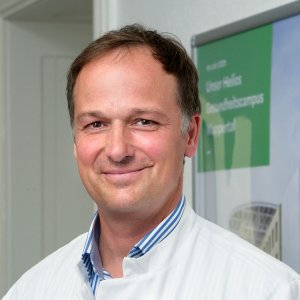
Ansgar Neußer
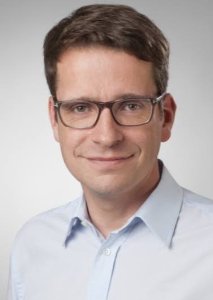
Gernot Rößler
قصص فيديو من مرضى Bookimed
المراجعات
جميع المراجعاتمشاركة المحتوى
 Anna Leonova
أسئلة متكررة حول جراحة انفصال الشبكية في ألمانيا
ما مدى سرعة إجراء جراحة انفصال الشبكية في ألمانيا؟
تعد جراحة انفصال الشبكية في ألمانيا حالة طبية طارئة تتطلب العلاج في غضون 24 إلى 72 ساعة. يعتمد التوقيت الدقيق على حالة التصاق البقعة الصفراء. تتطلب حالات البقعة الصفراء الملتصقة (Macula-on) إجراء جراحة في غضون 24 ساعة لمنع العمى الدائم. أما حالات البقعة الصفراء المنفصلة (Macula-off) فيتم إجراء الجراحة لها عادةً في غضون 3 أيام بواسطة فرق متخصصة في جراحة الجسم الزجاجي والشبكية.
- حالات الطوارئ (Macula-on): تتطلب جراحة فورية في نفس اليوم أو اليوم التالي لإنقاذ الرؤية المركزية.
- النافذة الزمنية (Macula-off): يهدف الجراحون إلى إعادة الالتصاق في غضون 72 ساعة لتحقيق أفضل تعافٍ.
- خطوات الطوارئ: توجه مباشرة إلى عيادة العيون الجامعية (Augenklinik) وابقَ صائماً.
- الأولوية السريرية: غالباً ما تحصل حالات الانفصال العلوي غير المستقرة للغاية على أولوية جراحية في غضون ساعات.
رؤية خبراء Bookimed: تظل طب العيون الألماني رائداً عالمياً، حيث تجري مراكز مثل عيادة سبري بوغن للعيون أكثر من 65,000 عملية. تظهر البيانات أن العيادات الجامعية الألمانية تعطي الأولوية للعمليات النهارية لحالات (Macula-off). انتظار فريق جراحة الشبكية المتمرس خلال ضوء النهار غالباً ما يؤدي إلى نتائج أفضل من جراحة الطوارئ في منتصف الليل. يقدم جراحون متخصصون مثل كلاوس لوك أو تيم شولتز عقوداً من الخبرة لهذه الحالات المعقدة.
إجماع المرضى: يؤكد المرضى أن هذه حالة طارئة في نفس اليوم حيث كل ساعة لها أهميتها. ينصح الكثيرون بتجاوز العيادات المحلية والتوجه مباشرة إلى مستشفيات
ما هو معدل النجاح السريري لجراحة انفصال الشبكية في مراكز العيون الألمانية؟
تحقق جراحة انفصال الشبكية في مراكز العيون الألمانية معدل نجاح أولي يتراوح بين 85% إلى 95% للإجراءات الفردية. يصل معدل إعادة الالتصاق التشريحي النهائي إلى 95% إلى 100% إذا كانت هناك حاجة لعملية ثانية. تحافظ المؤسسات الرائدة على هذه المعايير العالية من خلال جراحة استئصال الزجاجية الدقيقة المتقدمة وطاقم عمل خبير.
- النجاح على يد الخبراء: يحافظ جراحو الشبكية والجسم الزجاجي ذوو الخبرة على معدلات نجاح تبلغ حوالي 90% حتى في حالات الطوارئ.
- معدل النجاح الأولي: تظهر البيانات التاريخية حوالي 90% من إعادة الالتصاق للحالات غير المعقدة في العيادات الألمانية الكبرى.
- تكرار إعادة الجراحة: يحتاج حوالي 12% إلى 13% من المرضى إلى إجراء ثانٍ لتحقيق إعادة الالتصاق الكامل.
- التكنولوجيا الجراحية: يستخدم أكثر من 84% من الحالات أنظمة استئصال الزجاجية الدقيقة بدون خياطة بمقياس 23 أو 25.
رؤية خبير Bookimed: بينما يكون نجاح الجراحة الواحدة مرتفعاً، فإن معدل إعادة الالتصاق النهائي بنسبة 100% في ألمانيا مرتبط بتخصص العيادة. أجرت عيادة سبريبوجن لطب العيون في برلين أكثر من 65,000 عملية ناجحة. يسمح هذا الحجم الكبير للجراحين بإدارة الأنسجة الندبية المعقدة التي تسبب عادةً الفشل في أماكن أخرى.
إجماع المرضى: يؤكد العديد من المرضى أن النجاح يشير إلى إعادة الالتصاق الجسدي بدلاً من استعادة الرؤية الفورية. ويحذرون من أن استعادة الرؤية غالباً ما تكون بطيئة وتتطلب التزاماً صارماً بوضعيات ما بعد الجراحة وقيود السفر.
ما هو نوع التخدير المستخدم أثناء جراحة انفصال الشبكية؟
تستخدم جراحة انفصال الشبكية في ألمانيا بشكل عام التخدير الموضعي مع التخدير الوريدي، مما يوفر تجربة خالية من الألم مع الحفاظ على استرخاء المرضى. غالبًا ما يستخدم الجراحون كتل تحت غشاء تينون أو كتل حول المقلة لتخدير العين. يظل التخدير العام خيارًا للحالات المعقدة، أو مرضى الأطفال، أو الأفراد الذين يعانون من قلق شديد.
- أنواع التخدير: الكتل الموضعية مع التخدير هي المعيار لعمليات استئصال الزجاجية ومعظم إصلاحات الشبكية الحديثة.
- الكتل الإقليمية: تضمن كتل تحت غشاء تينون، وحول المقلة، وخلف المقلة تخديرًا كاملاً وشللًا مؤقتًا للعين.
- التخدير العام: إلزامي لجراحة ربط الصلبة لإدارة تغيرات معدل ضربات القلب أثناء التلاعب بالعضلات.
- السياق المالي: تتراوح تكاليف الإجراءات في ألمانيا من $4,800 إلى $8,000 للمرضى الدوليين.
رؤية خبير Bookimed: بينما يعتبر التخدير الموضعي هو المعيار، تؤكد المراكز الألمانية ذات الحجم الكبير مثل المركز الطبي في سولينغن على الاستشارات الفردية. غالبًا ما يفضل الجراحون الخبراء مثل الدكتور كلاوس لوك، الذي يرأس الجمعية الأوروبية لجراحة الشبكية والجسم الزجاجي، كتلًا إقليمية محددة تقلل من وقت التعافي بعد الجراحة مقارنة بالتخدير العام.
إجماع المرضى: غالبًا ما يصف المرضى شعورهم بالضغط بدلاً من الألم، مشيرين إلى أنهم كانوا يسمعون الأصوات لكنهم شعروا بالانفصال عن الإجراء. التحدي الرئيسي الذي تم الإبلاغ عنه هو وضعية النوم على الوجه بعد الجراحة وليس تجربة التخدير نفسها.
ما هي التقنيات الجراحية الحديثة المستخدمة لانفصال الشبكية في ألمانيا؟
تستخدم جراحة انفصال الشبكية الحديثة في ألمانيا تقنيات متقدمة وأقل تدخلاً جراحياً مثل استئصال الزجاجية عبر pars plana وتطويق الصلبة. يتخصص الجراحون في جراحة استئصال الزجاجية بالشق الدقيق باستخدام أدوات قياس 25 أو 27. يحافظ هذا النهج بدون خياطة على العدسة الطبيعية ويسهل التعافي البدني السريع للمرضى الدوليين.
- استئصال الزجاجية المتقدم: يعالج استئصال الزجاجية عبر pars plana (PPV) 84% من الحالات من خلال شقوق دقيقة.
- تطويق الصلبة: تقوم طريقة plombenchirurgie بضغط مقلة العين لتخفيف شد أنسجة الشبكية الداخلية.
- السدادات الداخلية: توفر فقاعات الغاز أو زيت السيليكون دعماً داخلياً طويل الأمد لإعادة الالتصاق.
- الليزر الدقيق: يقوم التخثير الضوئي بالليزر الداخلي بلحام حواف التمزق أثناء الجراحة لمنع المزيد من تسرب السوائل.
رؤية خبير Bookimed: غالباً ما تفضل مراكز طب العيون الألمانية تطويق الصلبة للمرضى الأصغر سناً الذين لديهم عدساتهم الطبيعية. تتجنب هذه الاستراتيجية تطور إعتام عدسة العين المبكر الشائع في جراحة استئصال الزجاجية. تقوم مرافق مثل عيادة Spreebogen لطب العيون في برلين بتحليل حالة العدسة قبل اختيار النهج المحدد.
إجماع المرضى: يؤكد المرضى أن وضعية التعافي بعد حقن الغاز متطلبة بدنياً. يجب عليك تأكيد قيود السفر، حيث يُمنع منعاً باتاً السفر جواً بوجود فقاعة غاز.
ما هي قواعد التعافي الحاسمة بعد جراحة انفصال الشبكية؟
يتطلب التعافي بعد جراحة انفصال الشبكية التزاماً صارماً بوضع الرأس وحظر السفر لمنع فقدان البصر. يجب على المرضى الحفاظ على وضعيات محددة إذا تم استخدام فقاعات الغاز وتجنب المرتفعات أو الرحلات الجوية. يستغرق الشفاء الكامل للعين عادةً من 2 إلى 8 أسابيع اعتماداً على التقنية الجراحية.
- وضع الرأس المحدد: حافظ على وضعية الوجه لأسفل أو الاستلقاء على الجانب لمدة 1-2 أسبوع إذا تم استخدام فقاعات الغاز.
- حظر السفر الإلزامي: تجنب الطيران والمرتفعات العالية حتى تذوب فقاعات الغاز لمنع العمى الدائم.
- رفع الأثقال والانحناء: حد من رفع الأثقال التي تزيد عن 4.5 كجم والانحناء عند الخصر لمدة 4 أسابيع.
- حدود النشاط البدني: توقف عن ممارسة التمارين عالية التأثير والركض والسباحة لمدة شهر واحد على الأقل بعد الجراحة.
رؤية خبير Bookimed: غالباً ما تستخدم العيادات الألمانية مثل عيادة Spreebogen للعيون جراحة استئصال الزجاجية (PPV). تظهر البيانات أن صرامة التعافي تعتمد كلياً على نوع السدادة (tamponade). بينما يتطلب الغاز حظراً صارماً على السفر، قد يوفر زيت السيليكون مرونة أكبر للمرضى الذين يحتاجون إلى السفر في وقت أقرب. تأكد دائماً من نوع السدادة مع جراحين مثل الدكتور تيم شولتز عند التخطيط لرحلات العودة الدولية.
إجماع المرضى: تعتمد النتائج الناجحة على الانضباط في اتباع اللوجستيات أكثر من إدارة الألم. يجد الكثيرون أن الانزعاج الجسدي الناتج عن وضعية الوجه لأسفل أصعب في التعامل معه من أعراض العين الفعلية.
متى يكون من الآمن السفر بالطائرة أو القيادة بعد جراحة انفصال الشبكية؟
السفر بالطائرة بعد جراحة انفصال الشبكية يكون آمناً فقط عندما تذوب فقاعات الغاز داخل العين تماماً، وعادة ما يستغرق ذلك من 3 إلى 12 أسبوعاً. الارتفاعات العالية تسبب تمدد الغاز، مما يؤدي إلى ارتفاع حاد في الضغط وفقدان دائم للرؤية. تتطلب القيادة تصريحاً من الجراح، عادة بعد 2 إلى 4 أسابيع عندما يستقر إدراك العمق.
- قيود فقاعات الغاز: لا تسافر بالطائرة أو إلى المرتفعات حتى يتم امتصاص الغاز بنسبة 100%.
- السفر بزيت السيليكون: يمكن للمرضى الذين لديهم زيت سيليكون عادة السفر بالطائرة بعد أيام من تأكيد الجراح.
- الاستعداد للقيادة: انتظر 24 ساعة على الأقل بعد التخدير وحتى تصبح الرؤية بكلتا العينين واضحة.
- الإصلاح بالليزر فقط: السفر بالطائرة آمن عموماً خلال 24 ساعة إذا لم يتم استخدام فقاعة غاز.
رؤية خبير Bookimed: بينما يركز العديد من المرضى على علامة الـ 3 أسابيع، تظهر بيانات Bookimed أن المتخصصين الألمان مثل أولئك في عيادة Spreebogen للعيون يعطون الأولوية لأنواع غاز محددة مثل SF6 أو C3F8 التي تحدد جداول السفر. اسأل دائماً جراحك عن اسم الغاز المحدد، حيث يبقى C3F8 في العين لفترة أطول بكثير من الهواء أو SF6.
إجماع المرضى: يحذر المرضى السابقون من أن متطلبات وضعية التعافي غالباً ما تجعل القيادة مستحيلة حتى لو بدت الرؤية واضحة. يوصي معظم الناجين بحجز خدمة سيارات للأسبوعين الأولين لتجنب ضغوط التنقل في حركة المرور مع إدراك عمق مشوه.
ما هي المستشفيات في ألمانيا التي تحظى بأعلى التقييمات في جراحة الأعصاب؟
تضم ألمانيا بعضًا من أرقى أقسام جراحة الأعصاب في العالم، بقيادة مستشفى شاريتيه الجامعي في برلين ومستشفى جامعة هايدلبرغ. وتتميز هذه المراكز بخبرتها الواسعة في علاج أورام الدماغ المعقدة وأمراض الأوعية الدموية الدماغية. ولتحقيق أقصى قدر من الفعالية في عملياتها، تستخدم هذه المراكز أحدث التقنيات، مثل التصوير بالرنين المغناطيسي أثناء الجراحة والتوجيه العصبي بمساعدة الحاسوب.
- مستشفى شاريتيه برلين: يُجري أكثر من 5000 عملية جراحية سنوياً. ويرأس العيادة جراح الأعصاب الشهير الدكتور بيتر فايكوتشي.
- المركز الطبي في سولينجن: أجرى الدكتور رالف بوهل أكثر من 4000 عملية جراحية، بما في ذلك جراحات العمود الفقري طفيفة التوغل.
- عيادة أسكليبيوس نورد: مجهزة بنظام التصوير بالرنين المغناطيسي الثنائي الوحيد في ألمانيا أثناء الجراحة لضمان الدقة الجراحية في الوقت الحقيقي أثناء إزالة الورم.
- عيادة نوردويست: تم الاعتراف بها من قبل مجلة نيوزويك كمستشفى رائد في مجال الابتكار في تكنولوجيا الموجات فوق الصوتية ثلاثية الأبعاد.
رأي خبراء بوكيمد: تشير البيانات إلى أن اختيار المراكز ذات الحجم الجراحي الكبير غالبًا ما يؤدي إلى توصيات علاجية أكثر تحفظًا. ففي مركز سولينجن الطبي، الذي يعالج أكثر من 60,000 مريض
ما هي نسب نجاح العمليات الجراحية العصبية المعقدة في ألمانيا؟
في ألمانيا، تتميز العمليات الجراحية العصبية بالغة التعقيد بمستوى أمان استثنائي. تصل نسبة نجاح عمليات دمج الفقرات إلى 99%، بينما تبلغ نسبة النجاة بعد استئصال أورام الدماغ الأولية 97%. كما يتمتع المرضى بقدرة عالية على الاعتماد على أنفسهم في أداء وظائفهم اليومية، حيث يغادر أكثر من 82% منهم المستشفى مباشرةً بعد العلاج. وتولي المراكز الألمانية اهتماماً بالغاً بالحفاظ على الوظائف العصبية باستخدام أحدث تقنيات التخطيط العصبي.
- استئصال الورم: يحقق الجراحون استئصالًا كاملاً للورم في 87.2% من حالات النقائل الدماغية.
- النجاح في علاج أمراض الأوعية الدموية: أفادت المستشفيات الألمانية بنسبة نجاة بلغت 98.7% لحالات تمدد الأوعية الدموية غير الممزقة.
- تحسن الحالة العصبية: يشهد ما يقرب من 43% من المرضى تحسناً في المعايير الوظيفية بعد عمليات الاستئصال المعقدة.
- سلامة التدخلات الجراحية: في المراكز الجراحية الكبيرة، تتراوح معدلات بقاء المرضى على قيد الحياة بعد جراحة العمود الفقري بين 98-99%.
رأي خبراء بوكيمد: يُجري جراحون ذوو خبرة، مثل الدكتور أوفه كولر من عيادة أسكليبيوس ألتونا، أكثر من 2000 عملية جراحية سنويًا. تُشير البيانات إلى أن هؤلاء المتخصصين يحافظون على معدلات نجاح تصل إلى 90%، حتى
ما هي التقنيات المتقدمة المتوفرة عادةً في عيادات جراحة الأعصاب الألمانية؟
تُدخل عيادات جراحة الأعصاب الألمانية بانتظام أدوات رقمية عالية الدقة وتقنيات تصوير فوري في الممارسة الجراحية. تشمل التقنيات الرئيسية الملاحة العصبية الحاسوبية لجراحات الدماغ والحبل الشوكي. تستخدم مؤسسات مثل عيادة أسكليبيوس نورد التصوير بالرنين المغناطيسي أثناء الجراحة للتحقق من استئصال الورم في الوقت الفعلي. توفر هذه الأنظمة للجراحين نظام ملاحة ثلاثي الأبعاد.
- الملاحة العصبية: توفر تصورًا ثلاثي الأبعاد وتتبعًا فوريًا للأدوات لتحقيق دقة جراحية تصل إلى مستوى أقل من المليمتر.
- التصوير أثناء العملية: تسمح أنظمة مثل التصوير بالرنين المغناطيسي أثناء العملية (iMRI) والتصوير المقطعي المحوسب ذي الذراع O (O-arm CT) بالتأكيد الفوري على نجاح عملية الاستئصال.
- المراقبة العصبية: تراقب الوظائف الحركية والحسية أثناء الجراحة لحماية الجهاز العصبي.
- التشخيص الفلوري: يتم استخدام صبغة 5-ALA لتسليط الضوء على حدود الورم من أجل إزالته بشكل أكثر اكتمالاً.
- المساعدة الروبوتية: تعمل أنظمة مثل نظام دافنشي على تحسين الدقة في الإجراءات المعقدة ذات التدخل الجراحي البسيط.
رأي خبراء بوكيمد: تُجري مراكز طبية كبيرة، مثل مستشفى شاريتيه الج
ما هي التدريبات المتخصصة التي يتلقاها جراحو الأعصاب الممارسون في ألمانيا؟
في ألمانيا، يتعين على جراحي الأعصاب إكمال برنامج إقامة تخصصي لمدة ست سنوات بعد التخرج من كلية الطب. يشمل هذا البرنامج المنظم العناية المركزة، والتدريب السريري، وكتابة مقالات في مجلة جراحية إلزامية. بعد ذلك، يجتاز المرشحون امتحانًا حكوميًا للحصول على لقب طبيب مقيم (Facharzt für Neurochirurgie).
- الإقامة السريرية: تتطلب من 48 إلى 72 شهرًا من الممارسة المتخصصة في جراحة الأعصاب.
- العناية المركزة: تتضمن فترة تدريب إلزامية لمدة 6 أشهر في وحدة العناية المركزة لجراحة الأعصاب.
- المجلة الجراحية: يوثق الجراحون مئات العمليات الجراحية، بما في ذلك عمليات فتح الجمجمة وجراحات العمود الفقري.
- امتحان الترخيص: يجب على المتقدمين اجتياز امتحان طبي شفوي وعملي تديره الدولة.
رأي خبراء بوكيميد: يركز التدريب الألماني في جراحة الأعصاب على الخبرة الجراحية الواسعة. فعلى سبيل المثال، أجرى الدكتور رالف بول من المركز الطبي في سولينجن أكثر من 4000 عملية جراحية. ويتمتع الدكتور يورغن كيويت من مستشفى ميوكلينيك بخبرة تزيد عن 25 عامًا. يضمن هذا النظام الدقيق أن يتعامل المتخصصون في المراكز الكبرى مع الحالات المعقدة بدقة مثبتة.
آراء المرضى: يشع