جراحة انفصال الشبكية في إسبانيا — احصل على 3 عيادات مطابقة مع التكاليف


تمت مراجعة المقالة طبيا من قبل
فهد مولود
ما هي تكلفة جراحة انفصال الشبكية في إسبانيا؟ اكتشف الآن
من $10,200. يعتمد السعر النهائي على التقنية الجراحية، ومستوى المنشأة، ومدى تعقيد الحالة. تغطي الأسعار القياسية عادةً غرفة العمليات، والتخدير، وزيارات المتابعة الأولية بعد الجراحة.
- التقنية الجراحية: غالباً ما تزيد تكلفة استئصال الزجاجية أو تطويق الصلبة بنسبة 20-30% عن السعر الأساسي.
- مستوى التعقيد: تزيد الحالات الحرجة التي تستدعي إقامة طويلة أو رعاية مركزة من التكاليف بشكل ملحوظ.
- موقع المنشأة: ترتفع الأسعار في برشلونة ومدريد عادةً مقارنةً بالمراكز الإقليمية الأخرى.
- فئة العيادة: توفر المستشفيات الخاصة الفاخرة خدمات متميزة ورعاية طبية مخصصة للارتقاء بسير العملية.
رأي خبراء Bookimed: يضمن اختيار المرافق الحاصلة على اعتماد JCI معايير أمان عالية مع الحفاظ على القيمة. يظل مركز سنتيرو ميديكو تكنون في برشلونة خياراً مفضلاً نظراً لخبرته الجراحية الواسعة. تقدم كلينيكا يونيفيرسيداد دي نافارا تسعيراً تنافسياً يبدأ عادةً من 3,800 $. توفر كيرونسالود ماربيا رعاية تخصصية للمرضى الدوليين في وجهة سياحية بارزة. قد تصل تكلفة الباقات المتقدمة في مستشفيات مدريد إلى 20,100 $ للحالات المعقدة للغاية.
المزايا الرئيسية
لماذا تختار إسبانيا لجراحة انفصال الشبكية؟
- عيادات معتمدة: المستشفيات المعتمدة من JCI تقدم رعاية عالية الجودة وتولي الأولوية لسلامة المرضى.
- إجراءات مبتكرة: استخدام إجراءات مثل تثبيت الشبكية الهوائي واستئصال الزجاجية، إلى جانب الأجهزة التقنية المتقدمة مثل نظام الرؤية Constellation من Alcon، يضمن الدقة وتحسين النتائج.
- نسب نجاح عالية: تتمتع جراحات انفصال الشبكية في إسبانيا بمعدل فعالية يتراوح بين 85-95%. هذا يضمن علاجًا فعالًا لمختلف حالات المرضى.
- جراحون خبراء: أطباء عيون مشهورون مثل الدكتور جوردي مونيس والدكتور فيران ماسكارó يتمتعون بخبرة واسعة في جراحات الشبكية. لقد أجروا أكثر من 1,500 حالة ناجحة، مدعومة بشهادات تخصصية.
احصل على حلول متقدمة لجراحة انفصال الشبكية في عيادات موثوقة من $10,200.
| تركيا | إسبانيا | ألمانيا | |
|---|---|---|---|
| جراحة انفصال الشبكية | من $2,600 | من $10,200 | ≈ $4,800 |
مزاياك وضماناتك مع Bookimed
أسعار مباشرة
Bookimed لا يضيف رسوماً إضافية على أسعار جراحة انفصال الشبكية. الأسعار مأخوذة من قوائم الأسعار الرسمية للعيادات. تدفع مباشرة في العيادة مقابل جراحة انفصال الشبكية عند وصولك.
عيادات وأطباء معتمدون فقط
Bookimed ملتزم بسلامتك. نحن نعمل فقط مع المؤسسات الطبية التي تحافظ على معايير دولية عالية في جراحة انفصال الشبكية ولديها التراخيص اللازمة لخدمة المرضى الدوليين في جميع أنحاء العالم.
مساعدة مجانية على مدار الساعة
Bookimed يقدم مساعدة خبراء مجانية. منسق طبي شخصي يدعمك قبل وأثناء وبعد العلاج، ويحل أي مشاكل. لن تكون وحيداً أبداً في رحلة جراحة انفصال الشبكية.

منسقك الطبي الشخصي في Bookimed
- يدعمك في كل مرحلة
- المساعدة في اختيار العيادة الطبية المناسبة والطبيب المناسب
- يضمن الوصول السريع والمريح إلى المعلومات
اكتشف أفضل جراحة انفصال الشبكية العيادات في إسبانيا: 4 خيارات معتمدة والأسعار











نظرة عامة على جراحة انفصال الشبكية في إسبانيا
- جراحة انفصال الشبكية - من $10,200
يعمل هذا الإجراء على تصحيح الشبكية المنفصلة ، وإعادة ضمها إلى الطبقة الخلفية للعين ، وتحسين الرؤية ومنع العمى.
اليوم الأول - الوصول
- قم بالوصول إلى البلد واستقر في مكان إقامتك.
- رتب وسيلة النقل الخاصة بك إلى العيادة.
اليوم 2 - ما قبل العملية
- استشارة أخصائي الشبكية.
- اخضع لفحص قاع العين.
- قم بإجراء فحوصات طبية أخرى ذات صلة.
- التواصل مع الطاقم الطبي عن طريق المساعدة اللغوية.
اليوم الثالث: جراحة انفصال الشبكية
- الوصول إلى العيادة في الصباح الباكر.
- اخضع لعملية جراحية تحت التخدير الموضعي.
- تستغرق الجراحة عادة 1-3 ساعات.
- البقاء في العيادة لمراقبة ما بعد العملية.
اليوم 4 - بعد العملية
- ابق في العيادة للمراقبة المستمرة.
- ابدأ بتناول الأدوية الموصوفة.
- اتبع التعليمات الخاصة بالعناية بالعيون.
الأسبوع الأول - إعادة التأهيل
- استرح وتجنب الأنشطة الشاقة.
- استمر في تناول الأدوية الموصوفة.
- حضور مواعيد المتابعة.
الأسبوع 2-4 - إعادة التأهيل
- استأنف تدريجيًا الأنشطة الخفيفة.
- حضور مواعيد المتابعة.
- لاحظ تحسنًا في الرؤية.
الأسبوع 5-6 - إعادة التأهيل
- استئناف العمل والأنشطة العادية الأخرى.
- انظر النتيجة النهائية للجراحة.
يرجى ملاحظة أن عملية الشفاء لكل مريض قد تختلف بناءً على الظروف الفردية والصحة العامة.
ماذا يحب المرضى:
- يكلف. تتراوح تكلفة جراحة انفصال الشبكية في إسبانيا بين 7000 دولار و 10000 دولار. هذا ميسور التكلفة مقارنة بمتوسط 13000 دولار في الولايات المتحدة.
- احتراف الأطباء . يقدر المرضى المستوى العالي من الاحتراف. الجراحون الإسبان معتمدون ولديهم خبرة واسعة.
- مستوى الخدمة. مستوى الخدمة في إسبانيا من الدرجة الأولى. يتم التعامل مع المرضى بلطف واحترام.
- فعالية جراحة انفصال الشبكية. يضمن استخدام التقنيات الحديثة الفعالية العالية للعمليات الجراحية.
- الخدمات اللوجستية. المستشفيات في إسبانيا مجهزة تجهيزًا جيدًا ويمكن الوصول إليها بسهولة.
ما لا يحبه المرضى:
- وقت الانتظار. في بعض الأحيان قد يكون هناك وقت انتظار طويل للجراحة.
- حاجز اللغة. يواجه بعض المرضى حواجز لغوية حيث لا يتحدث جميع الموظفين اللغة الإنجليزية.
- رعاية ما بعد الجراحة. قلة من المرضى يجدون أنه يمكن تحسين رعاية ما بعد الجراحة.
- إيداع Bookimed: 200 دولار أو 200 يورو.
- وديعة العيادة: ادفع نسبة محددة مقدمًا.
احصل على تقييم طبي لـ جراحة انفصال الشبكية في إسبانيا: اختر أخصائيك من بين الأفضل في هذا المجال
عرض جميع الأطباء
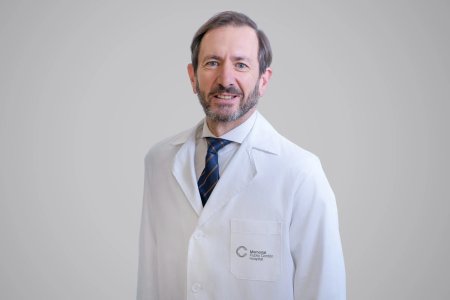
Ferran Mascaró Zamora
رئيس قسم جراحة الحجاج وتجميل العين في مركز تكنون الطبي (Centro Médico Teknon) – الدكتور ماسكارو زامورا متخصص في جراحات الشبكية والحجاج المعقدة.
- أكثر من _doctor_8658_عاماً_ من الخبرة في طب العيون
- خبير في جراحة تخفيف ضغط الحجاج لأمراض الغدة الدرقية
- نشر العديد من المقالات وشارك في تأليف 3 كتب في طب العيون
- عضو الجمعية الإسبانية لجراحة تجميل العين والحجاج
Juan José Torrent Correa
الدكتور خوان خوسيه تورنت كوريا هو جراح وأخصائي أورام نسائية في مستشفى بوبليو كوردون التذكاري في مدريد. يعالج الدكتور تورنت كوريا سرطانات البطن، بما في ذلك الأورام الخبيثة في المبيض والقولون والبنكرياس. كما يستخدم تقنية العلاج الكيميائي المسخن داخل الصفاق (HIPEC) للمرضى الذين يعانون من الانبثاث البريتوني.
- يُجري جراحات لسرطان المبيض والقولون.
- يعالج المرضى في مستشفى معتمد من قبل اللجنة الدولية المشتركة (JCI).
- يعمل في منشأة معترف بها من قبل الجمعية الأوروبية للتكاثر الب
قصص فيديو من مرضى Bookimed
المراجعات
جميع المراجعات
مشاركة المحتوى
 Anna Leonova
أسئلة متكررة حول جراحة انفصال الشبكية في إسبانيا
هل إسبانيا مكان جيد لجراحة انفصال الشبكية؟
تعد إسبانيا وجهة عالمية رائدة لجراحة انفصال الشبكية، حيث توفر معدل نجاح يتراوح بين 85% إلى 95%. تتميز البلاد بمرافق معتمدة من اللجنة الدولية المشتركة (JCI) وأخصائيين في الشبكية والجسم الزجاجي مشهورين عالمياً. يستفيد المرضى من تقنيات متقدمة مثل نظام Constellation Vision وسرعة الوصول إلى الرعاية الجراحية الخاصة.
- خبرة الجراحين: يدير متخصصون مثل الدكتور فيران ماسكارو في Centro Médico Teknon حالات معقدة.
- التكنولوجيا المتقدمة: تستخدم العيادات تثبيت الشبكية الهوائي واستئصال الزجاجية لإعادة تثبيت الشبكية بدقة عالية.
- المرافق المعتمدة: تحمل مراكز رائدة مثل Clínica Universidad de Navarra اعتماد JCI المرموق.
- حجم العمليات المرتفع: تجري المستشفيات الإسبانية الرائدة أكثر من 6000 عملية جراحية سنوياً، مما يضمن خبرة سريرية عميقة.
رؤية خبير Bookimed: تحتل إسبانيا المرتبة الثالثة عالمياً في بيانات السوق الخاصة بنا للسياحة العلاجية، ويرجع ذلك غالباً إلى المراكز ذات القدرة العالية. في حين يبحث الكثيرون عن برشلونة لعياداتها الشهيرة، كانت Clínica Universidad de Navarra في بامبلونا في الواقع أول من حصل على اعتماد JCI في إسبانيا. غالباً ما توفر هذه البيئة الأكاديمية مسارات جراحية أكثر تحفظاً وقائمة على الأدلة، والتي قد تكون أكثر أماناً لتمزقات الشبكية المعقدة.
إجماع المرضى: يؤكد المرضى على أهمية العثور على جراح متخصص في الشبكية والجسم الزجاجي بدلاً من طبيب عيون عام للحصول على نتائج أفضل. وغالباً ما يشيرون إلى أن استعادة الرؤية هي عملية تد
هل تعتبر جراحة انفصال الشبكية حالة طارئة في إسبانيا؟
تعد جراحة انفصال الشبكية في إسبانيا حالة طبية طارئة وحرجة تتطلب تدخلاً فورياً. توفر أقسام طب العيون المتخصصة في المستشفيات المعتمدة من اللجنة الدولية المشتركة (JCI) رعاية على مدار الساعة طوال أيام الأسبوع لمنع فقدان البصر الذي لا رجعة فيه. يجب على الجراحين إعادة تثبيت الشبكية بسرعة، خاصةً بينما لا تزال البقعة الصفراء (الماكولا) غير متأثرة، للحفاظ على الرؤية المركزية.
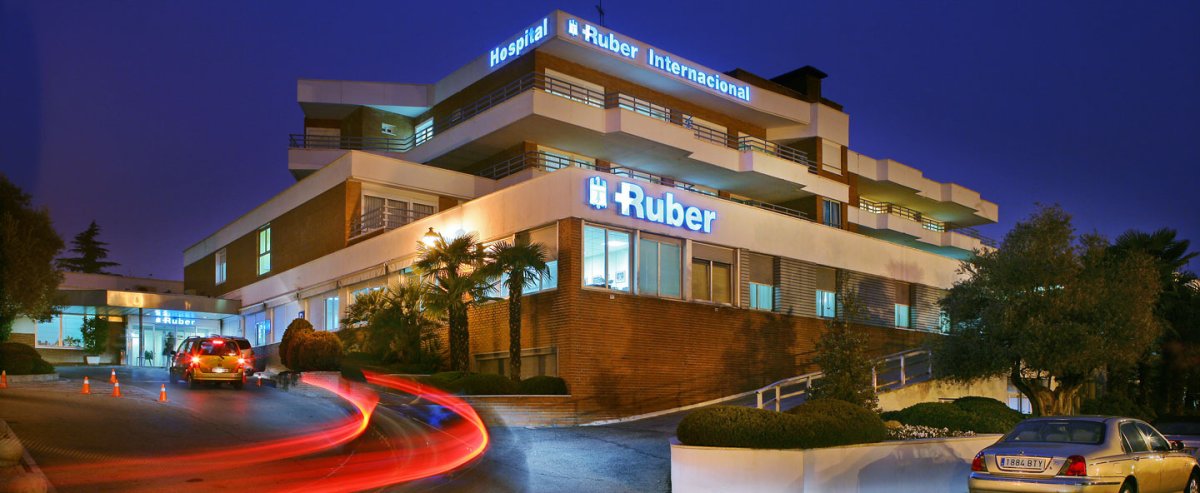
- التشخيص العاجل: تقدم مراكز مثل Hospital Ruber Internacional خدمات تشخيص عيون طارئة على مدار الساعة.
- التقنيات الجراحية: تستخدم العيادات استئصال الزجاجية عبر pars plana أو تطويق الصلبة لإغلاق تمزقات الشبكية.
- خبرة المتخصصين: يدير كبار المتخصصين مثل الدكتور فيران ماسكارو زامورا حالات العين والمحجر المعقدة.
- معايير الجودة: تحافظ المستشفيات الإسبانية الرائدة على اعتماد اللجنة الدولية المشتركة (JCI) للسلامة.
رؤية خبير Bookimed: على الرغم من أن إسبانيا تصنف كوجهة عالمية رائدة، إلا أن تغطية حالات الطوارئ المتعلقة بالشبكية تختلف حسب المنشأة. تشير البيانات إلى أن Clinica Universidad de Navarra كانت أول مستشفى معتمد من JCI في إسبانيا. يضمن اختيار مثل هذه المؤسسات الوصول الفوري إلى التصوير المتقدم والفرق الجراحية المتخصصة في الشبكية والجسم الزجاجي اللازمة لإجراءات إعادة التثبيت الطارئة في نفس اليوم.
إجماع المرضى: يؤكد المرضى أن أي تأخير يؤدي إلى تدهور النتائج البصرية بشكل كبير إذا تضررت البقعة الصفراء. ويوصون بتحديد مركز متخصص في الشبكية في إسبانيا قبل السفر لضمان
ما هي أنواع جراحات انفصال الشبكية التي يتم إجراؤها في إسبانيا؟
تتميز جراحة انفصال الشبكية في إسبانيا بتقنيات مجهرية متقدمة تشمل استئصال الزجاجية، وتطويق الصلبة، وتثبيت الشبكية الهوائي. تستخدم المراكز المتخصصة شقوقًا مجهرية أصغر من 0.5 ملم لإصلاح التمزقات. وغالبًا ما يجمع الجراحون بين هذه الأساليب والتخثير الضوئي بالليزر لتثبيت الشبكية ومنع انفصالها مستقبلاً.
- إجراء استئصال الزجاجية: يقوم الجراحون بإزالة هلام الجسم الزجاجي لتخفيف شد الشبكية باستخدام شقوق مجهرية.
- تطويق الصلبة (Scleral buckling): يتم وضع شريط مرن حول العين لإعادة الشبكية إلى مكانها.
- تثبيت الشبكية الهوائي: يتم حقن فقاعات غاز لدفع الشبكية مرة أخرى إلى وضعها الصحيح.
- التخثير الضوئي بالليزر: جلسات قصيرة مدتها 20 دقيقة لإغلاق الثقوب الصغيرة قبل حدوث انفصال كامل.
رؤية خبير Bookimed: تدمج أقسام طب العيون الرائدة في إسبانيا ضمن مراكز متعددة التخصصات مثل Centro Médico Teknon أو Hospital Ruber Internacional. توفر هذه العيادات تغطية تخصصية على مدار الساعة طوال أيام الأسبوع، وهو أمر حيوي لأن السرعة بالغة الأهمية لحماية الرؤية المركزية. إن اختيار مرفق معتمد من اللجنة الدولية المشتركة (JCI) في برشلونة أو مدريد يضمن الوصول إلى المعدات المحددة اللازمة لإجراءات إعادة التثبيت الهيدروليكية المعقدة.
إجماع المرضى: تختلف معدلات النجاح حسب تعقيد الحالة، وغالبًا ما يكون التعافي مع توجيه الوجه للأسفل على مدار الساعة لمدة 3 أسابيع هو الجانب الأكثر صعوبة. يؤكد المرضى على ضرورة اتخاذ إجراء فوري للحفاظ على البصر، على الرغم من أن الألم يتلاشى
كيف يتم إجراء الجراحة في إسبانيا؟
تستخدم جراحة انفصال الشبكية في إسبانيا تقنيات جراحية مجهرية متقدمة في مرافق معتمدة من قبل اللجنة الدولية المشتركة (JCI). يقوم الجراحون في المقام الأول بإجراء عمليات استئصال الزجاجية، أو تطويق الصلبة، أو الإصلاحات القائمة على الليزر تحت التخدير العام. توفر مراكز طب العيون الإسبانية أوقات استجابة سريعة لهذه الإجراءات الحرجة لضمان الحصول على نتائج بصرية مثالية.
- التقنيات المتاحة: يستخدم الجراحون استئصال الزجاجية، والعلاج بالليزر، وتطويق الصلبة، وطرق دكاك الغاز.
- الخبرة المتخصصة: يقود كبار الأخصائيين مثل الدكتور فيران ماسكارو زامورا أقسام طب العيون المتخصصة.
- البنية التحتية المتقدمة: توفر مرافق مثل Centro Médico Teknon رعاية عالية المستوى بمعايير معتمدة من JCI.
- النهج السريري: تعالج الإجراءات ثقوب الشبكية العاجلة من خلال الأساليب الجراحية أو المجمعة القائمة على الليزر.
رؤية خبير Bookimed: بينما تستغرق عمليات إصلاح الليزر الأساسية لثقوب الشبكية 20 دقيقة فقط، فإن عمليات استئصال الزجاجية المعقدة أكثر شيوعًا في إسبانيا. تُجري المراكز الكبرى مثل مستشفى روبر الدولي (Hospital Ruber Internacional) أو تكنون (Teknon) آلاف العمليات الجراحية سنويًا. يضمن هذا الحجم الكبير احتفاظ الجراحين بالدقة اللازمة لعمليات إعادة التثبيت الدقيقة.
إجماع المرضى: يؤكد المرضى أن انفصال الشبكية يعامل كحالة طارئة في إسبانيا. ويبلغون عن تعافٍ صعب يتضمن وضعية النوم على الوجه بشكل صارم وتحسن تدريجي في الرؤية على مدى عدة أسابيع.
كيف تبدو عملية التعافي؟
يركز التعافي من جراحة انفصال الشبكية في إسبانيا على الشفاء البدني والنظافة العينية الصارمة داخل المنشآت المعتمدة من قبل JCI. يجب على المرضى إدارة الالتهاب مع اتباع بروتوكولات التموضع بدقة لضمان إعادة التصاق الشبكية بشكل صحيح. يستعيد معظم المرضى وضوحاً بصرياً كبيراً في غضون 3 إلى 4 أشهر بعد الإجراء.
- التقدم البصري: غالباً ما يكون الرؤية الأولية ضعيفة جداً بعد الجراحة. يبدأ التحسن بعد 3 أسابيع.
- متطلبات التموضع: تتطلب حقن فقاعات الغاز وضعية الوجه لأسفل بدقة على مدار 24 ساعة طوال أيام الأسبوع لعدة أسابيع.
- إدارة الألم: عادة ما تبلغ ذروة الانزعاج الشديد خلال الأيام الثلاثة الأولى. وعادة ما يزول بسرعة.
- توقعات النتائج: يعتمد النجاح على شدة الانفصال. قد يستغرق استعادة الرؤية الكاملة 120 يوماً.
رؤية خبير Bookimed: غالباً ما تستخدم مراكز طب العيون الرائدة في إسبانيا مثل Centro Médico Teknon أو Ruber Internacional شهادات مزدوجة من JCI وISO. يوفر هذا وسادة أمان لعمليات استئصال الزجاجية المعقدة. تظهر البيانات في 83 عيادة إسبانية لدينا حجماً كبيراً يزيد عن 4,800 طلب. وهذا يشير إلى خبرة سريرية عميقة في إدارة مهام التعافي الحرجة مثل امتصاص فقاعات الغاز.
إجماع المرضى: يؤكد المرضى أن النجاح يعتمد على الالتزام الصارم بجدول وضع الوجه لأسفل وروتين قطرات العين. على الرغم من صعوبة الـ 48 ساعة الأولى، تعود الرؤية عادةً بثبات بمجرد تبدد فقاعة الغاز.