Septoplasty في ألمانيا — احصل على 3 عيادات مطابقة مع التكاليف


تمت مراجعة المقالة طبيا من قبل
فهد مولود
ما هي تكلفة Septoplasty في ألمانيا؟ اكتشف الآن
من $4,500. يعتمد السعر النهائي على التقنية الجراحية، ومستوى تخصص العيادة، والحاجة لتصحيحات إضافية في الجيوب الأنفية. تشمل التكاليف عادةً الفحوصات قبل الجراحة، والتخدير، والعملية، والإقامة في المستشفى.
- تعديل الحاجز الأنفي بالمنظار: من $3,200 إلى $5,600 للتصحيح الداخلي البسيط.
- تصغير القرينات: من $2,200 إلى $3,800 لتحسين تدفق الهواء عبر الأنف.
- جراحة القرينات: من $2,600 إلى $4,800 لإعادة التشكيل الهيكلي للقرينات الأنفية.
- تكاليف التقنيات: قد تؤدي التدخلات الروبوتية أو المناظير عبر شقوق بطول 1 سم إلى زيادة التكلفة.
رأي خبراء Bookimed: توفر ألمانيا دقة جراحية عالية بأسعار متوسطة للمرضى الدوليين. يضمن اختيار مركز معتمد مثل مركز سولينغن الطبي الحصول على رعاية من خبراء مصنفين في مجلة Focus. فعلى سبيل المثال، يتخصص البروفيسور أندرياس سيسترن في جراحات الأنف بالمنظار. غالباً ما تضم العيادات في هامبورغ وبرلين أقساماً متخصصة في الأنف والأذن والحنجرة. تتعامل هذه المرافق مع أعداد كبيرة من المرضى مع الالتزام بمعايير ISO و JCI. للحصول على أفضل قيمة، يُنصح باختيار المراكز الأكاديمية التي تدرج تكاليف التشخيص ضمن السعر الأساسي.
المزايا الرئيسية
لماذا يختار المرضى ألمانيا لإجراء عملية تصحيح انحراف الحاجز الأنفي (جراحة الحاجز الأنفي المنحرف)؟
- عيادات معتمدة: تشتهر العيادات الألمانية بمعاييرها العالية. العديد منها يحمل شهادة KTQ، التي تضمن إدارة الجودة وسلامة المرضى.
- طرق مبتكرة: تساهم إجراءات مثل جراحة الحاجز الأنفي بالمنظار واستخدام مواد حديثة مثل ألواح PDS لدعم الغضروف في تحسين نتائج الجراحة.
- نسب نجاح عالية: تتميز جراحة الحاجز الأنفي في ألمانيا بنسبة فعالية 85-90% في تخفيف أعراض انسداد الأنف.
- جراحون خبراء: يقوم كبار جراحي الأنف والأذن والحنجرة في ألمانيا، الذين غالباً ما يظهرون في مجلة FOCUS، بإجراء مئات العمليات كل عام. يدعمهم تدريب واسع وشهادات متقدمة.
احصل على حلول متقدمة لجراحة تصحيح انحراف الحاجز الأنفي في عيادات موثوقة من $4,500.
| ألمانيا | تركيا | تايلاند | |
|---|---|---|---|
| Septoplasty | من $4,500 | من $1,800 | من $2,300 |
| رأب الجيوب الأنفية بالبالون | ≈ $3,600 | من $4,400 | ≈ $2,800 |
| رأب التوربينات | ≈ $2,600 | من $2,000 | ≈ $1,900 |
| جراحة رأب الحاجز الأنفي بالمنظار | ≈ $3,200 | من $2,300 | ≈ $2,600 |
| تصغير التوربينات | ≈ $2,200 | من $2,400 | من $5,800 |
مزاياك وضماناتك مع Bookimed
أسعار مباشرة
Bookimed لا يضيف رسوماً إضافية على أسعار Septoplasty. الأسعار مأخوذة من قوائم الأسعار الرسمية للعيادات. تدفع مباشرة في العيادة مقابل Septoplasty عند وصولك.
عيادات وأطباء معتمدون فقط
Bookimed ملتزم بسلامتك. نحن نعمل فقط مع المؤسسات الطبية التي تحافظ على معايير دولية عالية في Septoplasty ولديها التراخيص اللازمة لخدمة المرضى الدوليين في جميع أنحاء العالم.
مساعدة مجانية على مدار الساعة
Bookimed يقدم مساعدة خبراء مجانية. منسق طبي شخصي يدعمك قبل وأثناء وبعد العلاج، ويحل أي مشاكل. لن تكون وحيداً أبداً في رحلة Septoplasty.

منسقك الطبي الشخصي في Bookimed
- يدعمك في كل مرحلة
- المساعدة في اختيار العيادة الطبية المناسبة والطبيب المناسب
- يضمن الوصول السريع والمريح إلى المعلومات
اكتشف أفضل Septoplasty العيادات في ألمانيا: 16 خيارات معتمدة والأسعار
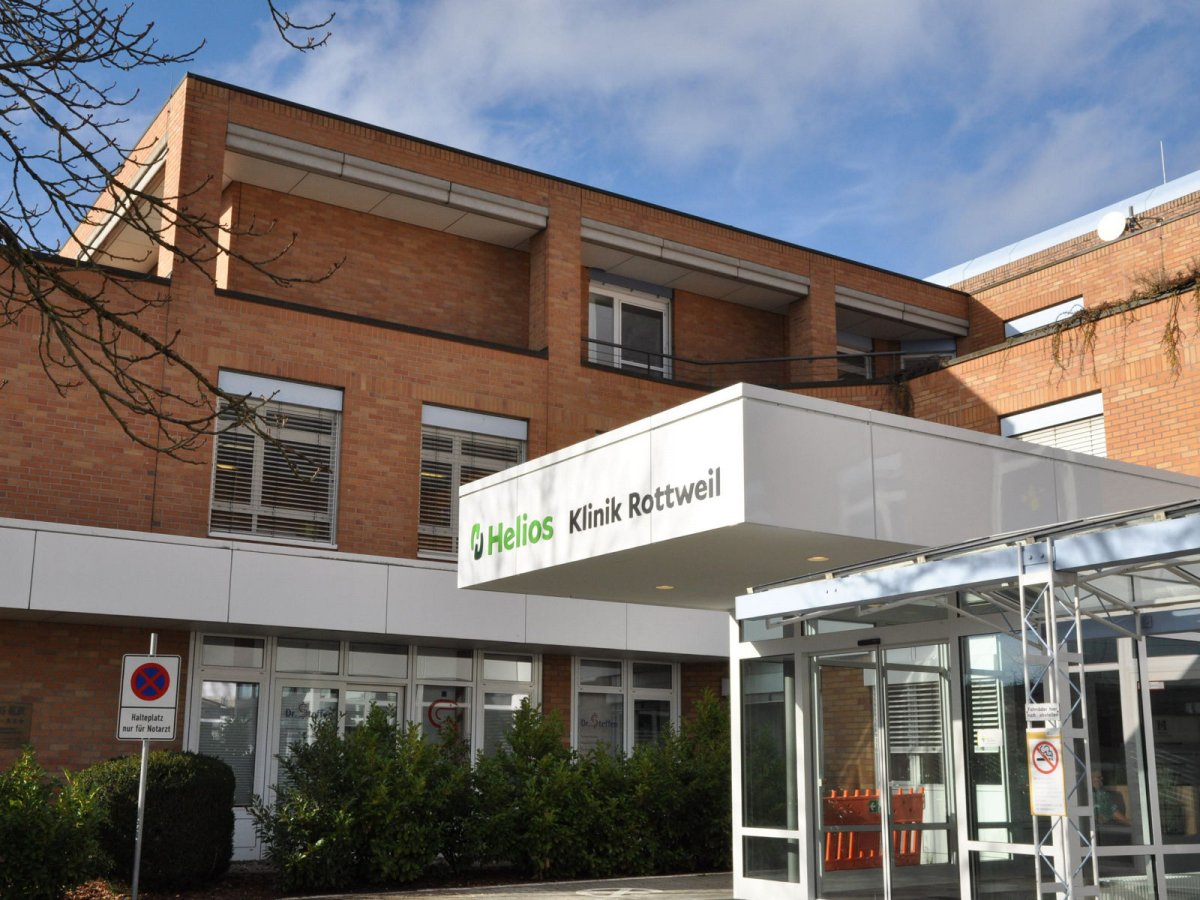



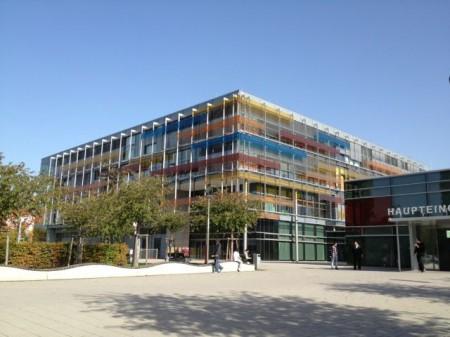
Medical Center in Solingen
Andreas Sesterhenn





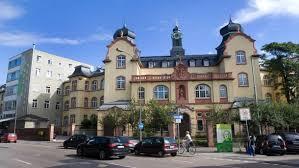
University Hospital in Haydelberge

Department of Urology at Dortmund Clinic

Hospital in the Pfeiffer`s foundations

University Hospital of Giessen and Marburg

Elbland Clinic
Septoplasty في ألمانيا: جدول زمني يومي
اليوم 1: الوصول إلى ألمانيا
- عند الهبوط، يجب أن تتأكد من حصولك على جميع المستندات اللازمة، بما في ذلك جواز سفرك، وسجلاتك الطبية، وتفاصيل النقل إلى مكان إقامتك.
- استقر في الفندق أو مكان إقامتك. تحتاج إلى الراحة وترطيب جسمك بعد رحلتك للاستعداد للإجراءات الطبية القادمة.
- اتصل بالعيادة لتأكيد وصولك وتحديد موعد للفحص التشخيصي والاستشارة الطبية.
- تعرّف على المرافق المحلية، مثل الصيدليات ومحلات البقالة، في حال احتجت إلى أي مستلزمات أثناء إقامتك.
اليوم 2: الفحص التشخيصي قبل الجراحة
- احضر الفحص التشخيصي المقرر في العيادة. قد يشمل ذلك اختبارات التصوير مثل التصوير المقطعي المحوسب لتقييم درجة انحراف الحاجز الأنفي.
- شارك في مناقشة مفصلة مع الجراح لوضع اللمسات الأخيرة على التكتيكات الجراحية بناءً على نتائج الفحص.
- وضح أي أسئلة قد تكون لديك حول إجراء رأب الحاجز الأنفي وعملية التعافي والرعاية التفقدية.
- تأكد من فهمك لتعليمات ما قبل الجراحة، مثل الصيام أو تعديل الأدوية، للاستعداد للجراحة.
اليوم 3: جراحة رأب الحاجز الأنفي
- الوصول إلى العيادة في الوقت المحدد لإجراء جراحة رأب الحاجز الأنفي.
- قد يتضمن الإجراء تقنيات مثل جراحة رأب الحاجز الأنفي بالمنظار، وهي أقل توغلاً وتسمح بالشفاء بشكل أسرع.
- بعد الجراحة، ستتم مراقبتك في غرفة الإفاقة لضمان عدم حدوث مضاعفات فورية.
- توقع البقاء في العيادة لمدة 3 أيام تقريباً للمراقبة والتعافي الأولي.
- اتبع تعليمات الفريق الطبي فيما يتعلق بإدارة الألم وتعبئة الأنف وتمارين التنفس.
اليوم 4-5: التعافي بعد العملية في العيادة
- استمر في الإقامة في العيادة للمراقبة والرعاية. ويشمل ذلك الفحوصات المنتظمة من قبل الطاقم الطبي.
- التزم بنظام غذائي خفيف إذا أوصي به. أبقِ رأسك مرفوعًا لتقليل التورم.
- مارس العناية اللطيفة بالأنف حسب التعليمات. تجنب نفخ الأنف لمنع النزيف.
- مارس أنشطة خفيفة مثل المشي لتعزيز الدورة الدموية، ولكن تجنب الأنشطة الشاقة.
اليوم 6: الخروج من العيادة
- عند الخروج من المستشفى، احصل على تعليمات مفصلة للرعاية بعد الجراحة، بما في ذلك كيفية التعامل مع أي جبائر أو ضمادات أنفية.
- حدد موعدًا للمتابعة مع العيادة لإجراء مزيد من التقييم وإزالة الغرز إذا لزم الأمر.
- تأكد من حصولك على معلومات الاتصال بالعيادة في حال وجود أي مخاوف أو مضاعفات بعد الجراحة.
- رتب وسيلة مواصلات للعودة إلى مكان إقامتك. تجنب وسائل النقل العام إن أمكن لتقليل التعرض للجراثيم.
اليوم 7-9: استمرار التعافي
- الراحة والاستشفاء في مكان إقامتك. استمر في اتباع جميع تعليمات الرعاية بعد العملية الجراحية بعناية.
- تجنب الأنشطة التي قد تزيد من ضغط الدم، مثل الانحناء أو رفع الأشياء الثقيلة.
- راقب أي علامات للعدوى أو المضاعفات، مثل زيادة الألم أو التورم أو الحمى. اتصل بالعيادة إذا لزم الأمر.
- حافظ على رطوبة جسمك وحافظ على نظام غذائي متوازن لدعم الشفاء.
اليوم 10: العودة إلى المنزل
- تأكد من حصولك على تصريح من العيادة للسفر. لا يُنصح عادةً بالسفر بالطائرة لمدة 7 أيام على الأقل بعد الجراحة.
- استعد لرحلتك إلى المنزل، وتأكد من حصولك على جميع الوثائق الطبية اللازمة ومعلومات الاتصال اللازمة لمتابعة الرعاية.
- فكر في ترتيب المساعدة في المطار إذا كنت لا تزال تعاني من عدم الراحة أو محدودية الحركة.
- وبمجرد عودتك إلى المنزل، استمر في المتابعة مع مقدم الرعاية الصحية الخاص بك وحضور أي مواعيد موصى بها بعد الجراحة.
تلتزم Bookimed، وهي منصة عالمية رائدة في مجال السياحة الطبية، بمساعدة العملاء الذين يبحثون عن جراحة الحاجز الأنفي في ألمانيا من خلال تقديم مساعدة الخبراء والحلول الطبية الجديرة بالثقة لكل حالة. يُستخدم نظام التصنيف التلقائي الذكي لإنشاء قوائم عيادات شفافة، ويتم صيانتها بدقة بواسطة عالم بيانات يستخدم الذكاء الاصطناعي للتأكد من دقتها. تضمن المنصة الأصالة من خلال نشر مراجعات من مرضى حقيقيين بعد علاجهم. يقدم Bookimed حلولاً طبية شاملة، مع تحديثات من العيادات لضمان الثقة. المحتوى الخاص بجراحة الحاجز الأنفي في ألمانيا، والذي وضعه مؤلفون طبيون ذوو خبرة ومراجعته من قبل متخصصين، يلتزم بإرشادات التحرير الخاصة بـ Bookimed ، مما يعكس التزام المنصة بتقديم معلومات صحية واضحة وعالية الجودة. لمزيد من التفاصيل أو الاستفسارات، لا تتردد في الاتصال بنا على Marketing@bookimed.com أو معرفة المزيد عنا وعن مهمتنا عن Bookimed .
احصل على تقييم طبي لـ Septoplasty في ألمانيا: اختر أخصائيك من بين الأفضل في هذا المجال
عرض جميع الأطباء
Ralf Buhl
الدكتور بول هو جراح أعصاب مشهور متخصص في جراحات الدماغ والحبل الشوكي المعقدة، مع تركيز قوي على التقنيات طفيفة التوغل.
- مؤلف 47 ورقة علمية في علم الأمراض العصبية
- خبير في الملاحة العصبية بمساعدة الكمبيوتر لتحقيق نتائج جراحية دقيقة
- مؤسس صندوق أبحاث مخصص لدراسات أورام الدماغ
- متخصص في علاج الأمراض الوعائية وأمراض الأقراص الفقرية
Andreas Sesterhenn
يقوم البروفيسور سيسترين بإجراء جراحة الأنف بالمنظار بدقة روبوتية – شقوق صغيرة تصل إلى 1 سم. متخصص في الأنف والأذن والحنجرة والجراحة التجميلية في عيادة سولينغن.
- _doctor_315_عاماً_ من الخبرة الجراحية في طب الأنف والأذن والحنجرة
- رئيس قسم الأنف والأذن والحنجرة منذ عام 2012
- مؤلف 78 منشوراً علمياً
- تدرب في جامعة العلوم الصحية في بيثيسدا
قصص فيديو من مرضى Bookimed
المراجعات
جميع المراجعاتمواد ذات صلة

ما هو سعر رأب الحاجز الأنفي في 2025؟
كتب بواسطة Olena Sikoza

رأب الحاجز الأنفي - ما هو ومتى يكون ضرورياً؟
كتب بواسطة Olena Sikoza
مشاركة المحتوى
 Anna Leonova
أسئلة متكررة حول Septoplasty في ألمانيا
كيف يتم إجراء عملية رأب الحاجز الأنفي من قبل الجراحين الألمان؟
يقوم الجراحون الألمان بإجراء عملية رأب الحاجز الأنفي باستخدام تقنيات تنظيرية محافظة تركز على استعادة تدفق الهواء الأنفي من خلال شقوق داخلية. يستخدم متخصصون مثل الدكتور أندرياس سيسترين في المركز الطبي في سولينجن تنظيرًا عالي الدقة لتقويم العظام والغضاريف تحت التخدير العام، مما يضمن عدم وجود ندبات خارجية وتصحيح هيكلي دقيق.
- النهج الجراحي: يستخدم الجراحون تقنيات داخل الأنف مغلقة لتجنب أي ندبات وجهية خارجية مرئية.
- أدوات التصوير: توفر المناظير عالية الدقة رؤية فائقة لرسم خرائط دقيقة للانحرافات الأنفية الداخلية.
- التصحيح الهيكلي: تزيل الاستئصال الموجه الشظايا المسببة للانسداد فقط مع الحفاظ على أكبر قدر ممكن من الغضروف.
- التثبيت المتقدم: تستبدل العديد من العيادات الحشوات التقليدية بجبائر سيليكون للسماح بالتنفس الفوري بعد الجراحة.
رؤية خبير Bookimed: بينما تفضل الإجراءات في الولايات المتحدة غالبًا العيادات الخارجية، تعطي البروتوكولات الألمانية في المرافق رفيعة المستوى مثل شاريتيه برلين الأولوية للسلامة مع ليلة إلى ليلتين من المراقبة الداخلية. وهذا يضمن رعاية مهنية فورية للتورم أو تكون القشور، وهو ما يبلغ عنه المرضى غالبًا كأصعب جزء في أول 48 ساعة.
إجماع المرضى: يؤكد المرضى أن الليالي القليلة الأولى تتطلب النوم في وضع مستقيم والتعامل مع التنفس عن طريق الفم بسبب التورم المؤقت. تسلط التعليقات الواقعية الضوء على أن تحسينات التنفس تدريجية، وغالبًا ما تستغرق عدة أسابيع لتتحقق بالكامل مع التئام الأنسجة الداخلية.
هل يغطي التأمين الصحي الألماني هذا الإجراء؟
عادةً ما يتم تغطية عملية رأب الحاجز الأنفي (Septoplasty) من قبل التأمين الصحي القانوني الألماني عندما يتم توثيقها كضرورة طبية. تنطبق التغطية إذا كان انحراف الحاجز الأنفي يسبب مشاكل وظيفية مثل صعوبة التنفس المزمنة، أو انسداد الأنف، أو انقطاع النفس أثناء النوم. التغييرات التجميلية البحتة في شكل الأنف مستثناة عمومًا من تعويض التأمين العام.
- الضرورة الطبية: مغطاة إذا أكد طبيب الأنف والأذن والحنجرة وجود ضعف وظيفي أو مضاعفات التهاب الجيوب الأنفية المزمن.
- الاستثناء التجميلي: الإجراءات التي تهدف فقط إلى تغيير المظهر تتطلب دفعًا خاصًا من جيب المريض.
- متطلبات التوثيق: تقارير المتخصصين التفصيلية التي تظهر فشل العلاجات التحفظية تحسن فرص الموافقة.
- التأمين الخاص: يعوض وفقًا لشروط البوليصة المحددة وقد يتطلب موافقة مسبقة.
رؤية خبير Bookimed: بينما يغطي التأمين العام الإصلاح الوظيفي، غالبًا ما تجري المراكز الألمانية الكبرى مثل المركز الطبي في سولينغن أكثر من 60,000 إجراء سنويًا. يعني هذا الحجم الكبير أن الجراحين غالبًا ما يتعاملون مع حالات معقدة تنطوي على احتياجات وظيفية وجمالية. يجب على المرضى الذين يتطلعون إلى الجمع بينهما طلب تقدير فواتير مقسمة في وقت مبكر لفصل التكاليف الطبية المغطاة عن الرسوم التجميلية الخاصة.
إجماع المرضى: وجد العديد من المرضى أن موافقة التأمين تعتمد بشكل كبير على توثيق أخصائي الأنف والأذن والحنجرة بوضوح لكيفية تأثير الانحراف على الحياة اليومية. يوصون بالتأكد مما إذا كانت هناك حاجة إلى اختبارات تشخيصية إضافية
ما هو الجدول الزمني النموذجي للتعافي ومتى يمكنني العودة إلى الأنشطة الطبيعية؟
يستغرق التعافي من جراحة الحاجز الأنفي في ألمانيا عادةً من 7 إلى 14 يومًا للعودة إلى العمل المكتبي. يعاني المرضى عادةً من احتقان الأنف بسبب الجبائر لمدة أسبوع واحد. استأنف معظم الأفراد المشي الخفيف في غضون 24 ساعة في مرافق مثل المركز الطبي في سولينغن وشاريتيه برلين.
- التعافي الأولي: عادةً ما يتم إزالة جبائر الأنف بعد 5 إلى 7 أيام.
- العودة للعمل: يستأنف معظم المرضى المهام المكتبية بعد أسبوع واحد من الراحة.
- النشاط البدني: تتطلب التمارين الشاقة الانتظار من 2 إلى 4 أسابيع للسلامة.
- الشفاء الكامل: تستقر أنسجة الأنف في غضون 3 إلى 6 أشهر بعد الجراحة.
رؤية خبير Bookimed: تُظهر البيانات أن العديد من المرضى في العيادات الألمانية رفيعة المستوى يختارون الجمع بين جراحة الحاجز الأنفي وتصغير القرينات. يمكن أن يؤدي هذا المزيج إلى إطالة مرحلة الاحتقان الأولية قليلاً. غالبًا ما يؤدي اختيار متخصص ذي خبرة مثل الدكتور أندرياس سيسترين، الذي يستخدم تقنيات التنظير الداخلي، إلى تقليل صدمة الأنسجة وفترة تعافي مبكرة أكثر راحة.
إجماع المرضى: غالبًا ما تكون الأيام القليلة الأولى غير مريحة بسبب التنفس عن طريق الفم واضطراب النوم. ومع ذلك، أفاد الكثيرون أن الإجراء كان أقل إيلامًا مما توقعوا في البداية بمجرد إزالة الجبائر.
ما هي التقنيات الجراحية التي تستخدمها العيادات الألمانية؟
تستخدم العيادات الألمانية تقنيات وظيفية متقدمة وأقل تدخلاً جراحياً لعمليات تجميل الحاجز الأنفي، مع التركيز بشكل أساسي على الأساليب التنظيرية والحفاظ على الهيكل. يعطي الجراحون الأولوية لإعادة بناء الأنف داخلياً باستخدام أدوات متخصصة لتقويم الغضروف المنحرف مع الحفاظ على السلامة الهيكلية، وغالباً ما يجمعون الإجراءات مع جراحة المحارات الأنفية أو رأب الجيوب الأنفية بالبالون لتحسين الأداء التنفسي.
- رأب الحاجز الأنفي بالمنظار: يستخدم الجراحون كاميرات عالية الدقة للحصول على رؤية دقيقة أثناء إصلاحات الأنف الداخلية.
- نهج الحفاظ على الهيكل: تزيد التقنيات من الاحتفاظ بالغضاريف للحفاظ على قوة وشكل الأنف على المدى الطويل.
- جراحة المحارات الأنفية المدمجة: يقوم الأطباء غالباً بتقليص المحارات الأنفية المتضخمة في نفس الوقت لضمان وضوح مجرى الهواء.
- إعادة البناء الوظيفي: يظل الهدف الأساسي هو تحسين التنفس من خلال إعادة المحاذاة التشريحية الدقيقة.
رؤية خبير Bookimed: غالباً ما تدمج أقسام الأنف والأذن والحنجرة الألمانية، مثل تلك الموجودة في المركز الطبي في سولينغن، عملية تجميل الحاجز الأنفي في رعاية متعددة التخصصات أوسع. على سبيل المثال، يقوم البروفيسور أندرياس سيسترين بإجراء تدخلات روبوتية من خلال شقوق صغيرة لا تتجاوز 1 سم. يفسر هذا الدقة سبب نجاح المستشفيات الجامعية الكبيرة في ألمانيا، مثل شاريتيه أو هايدلبرغ، في إدارة أكثر من 300,000 حالة سنوياً مع الحفاظ على معايير سلامة عالية.
إجماع المرضى: يبلغ المرضى أن التنفس عادة ما يشعرون بأنه أك
هل تقدم ألمانيا إجازة مدفوعة الأجر للتعافي بعد عملية رأب الحاجز الأنفي؟
توفر ألمانيا إجازة مرضية مدفوعة الأجر بنسبة 100% لعمليات رأب الحاجز الأنفي الضرورية طبيًا بموجب قانون استمرار الأجور. يدفع أصحاب العمل الراتب الكامل لمدة تصل إلى 6 أسابيع. بعد ذلك، يوفر التأمين الصحي القانوني إعانات مرضية تغطي حوالي 70% من الراتب الإجمالي لاحتياجات التعافي الممتدة.
- استمرار الراتب: يدفع أصحاب العمل 100% من الأجور لمدة تصل إلى 42 يومًا تقويميًا للتعافي.
- إعانات المرض: يدفع التأمين القانوني حوالي 70% من الراتب الإجمالي بعد 6 أسابيع.
- التوثيق الإلزامي: يجب على الأطباء إصدار شهادة إلكترونية للعجز عن العمل (eAU).
- مدة التعافي: عادة ما تغطي الإجازة الطبية من أسبوع إلى أسبوعين لمعظم المرضى.
رؤية خبير Bookimed: على الرغم من أن التأمين الصحي الألماني يغطي عملية رأب الحاجز الأنفي الوظيفية، يجب على المرضى ملاحظة أن المستشفيات الأكاديمية ذات الحجم الكبير مثل Charité أو Solingen تعالج أكثر من 60,000 مريض سنويًا. يضمن هذا النطاق الهائل أن الجراحين مثل البروفيسور أندرياس سيسترين في سولينجن يحافظون على معدلات نجاح عالية، مما يقلل غالبًا من احتمالية الحاجة إلى تمديد الإجازة لأكثر من 14 يومًا القياسية.
إجماع المرضى: يؤكد المرضى أن التعافي يُعالج بصرامة كإجازة مرضية وليس كإجازة سنوية. وينصحون بالتأكد من حصول الموارد البشرية على ملاحظة الطبيب الرسمية على الفور لتفعيل استمرار الراتب التلقائي دون تأخير.
كم تستغرق الجراحة وما هو نوع التخدير المستخدم؟
تستغرق عملية رأب الحاجز الأنفي في ألمانيا عادةً من 30 إلى 90 دقيقة. يقوم الجراحون عادةً بإجراء العملية تحت التخدير العام لضمان راحة المريض. إذا تم دمجها مع تصغير القرينات أو رأب الحاجز والأنف، فقد تمتد مدة الجراحة إلى ساعتين في المستشفيات الجامعية أو المعتمدة من قبل اللجنة الدولية المشتركة (JCI).
- مدة الإجراء: تكتمل معظم الجراحات التصحيحية القياسية في غضون 30 إلى 90 دقيقة.
- نوع التخدير: التخدير العام هو المعيار للمرضى الدوليين لضمان تجربة خالية من الألم.
- التقنيات المدمجة: إضافة تصغير القرينات أو جراحة الجيوب الأنفية تزيد الوقت إلى 120 دقيقة.
- الإقامة في المستشفى: تتطلب المراكز الجراحية مثل المركز الطبي في سولينغن غالبًا إقامة في المستشفى لمدة 1-3 أيام.
رؤية خبراء Bookimed: غالبًا ما تستخدم المستشفيات الجامعية الألمانية مثل شاريتيه أو هيليوس فوبرتال رأب الحاجز الأنفي بالمنظار لتصحيح أكثر دقة. هذا النهج طفيف التوغل، والذي غالبًا ما يقوده خبراء مثل الدكتور أندرياس سيسترين، قد يطيل وقت الجراحة قليلاً ولكنه يقلل بشكل كبير من صدمة الأنسجة الداخلية بعد الجراحة.
إجماع المرضى: يذكر المرضى أنه على الرغم من أن الجراحة تبدو فورية بسبب التخدير العام، فإن الوقت الإجمالي في المستشفى يمتد لعدة ساعات. يسلط الكثيرون الضوء على أن الحشوات الأنفية بعد الجراحة والتورم أكثر وضوحًا من مدة الإجراء نفسه.
إذا سافرت إلى ألمانيا لإجراء جراحة، فمتى يكون من الآمن العودة إلى المنزل بالطائرة؟
يمكن لمعظم المرضى السفر جواً بأمان بعد 7 إلى 14 يوماً من جراحة الحاجز الأنفي في ألمانيا. تسمح هذه الفترة باستقرار الشفاء الداخلي الأولي وتضمن قدرة الجراحين على إزالة أي جبائر أنفية أثناء زيارة المتابعة. يعتمد التعافي التام على مخاطر النزيف والحساسية تجاه ضغط المقصورة.
- جدول السفر: انتظر من 7 إلى 14 يوماً لتجنب المضاعفات الناتجة عن تغيرات ضغط المقصورة.
- متطلبات المتابعة: لا تحجز رحلة الطيران إلا بعد إجراء فحص ما بعد الجراحة الأول وإزالة الجبائر.
- خطر النزيف: تأكد من عدم وجود نزيف نشط قبل الصعود إلى رحلتك الطويلة للعودة إلى المنزل.
- التصريح الجراحي: احصل أولاً على شهادة اللياقة للطيران (Fit-to-Fly) الإلزامية من فريقك الجراحي الألماني.
رؤية خبير Bookimed: اختيار مستشفى جامعي مثل شاريتيه برلين أو هيليوس فوبرتال يوفر الوصول إلى خبراء ذوي خبرة عالية. يقوم الدكتور أندرياس سيسترهين في سولينغن بإجراء عمليات أنفية تنظيرية متقدمة من خلال شقوق طولها 1 سم. غالباً ما يؤدي هذا النهج طفيف التوغل إلى استقرار أسرع مقارنة بالتقنيات التقليدية.
إجماع المرضى: يعطي العديد من المسافرين الأولوية للبقاء لفترة كافية لإجراء المتابعة الأولى لتحديد المضاعفات المحتملة. غالباً ما يذكر المرضى أن التعامل مع التورم والاحتقان يكون أسهل عند الانتظار لمدة 10 أيام على الأقل.
كم من الوقت أحتاج للبقاء في ألمانيا لإجراء العملية؟
يحتاج المرضى عادةً إلى البقاء في ألمانيا لمدة تتراوح بين 3 إلى 7 أيام لإجراء عملية رأب الحاجز الأنفي. تغطي هذه الفترة الإجراء الجراحي، والمراقبة الأولية للنزيف، وموعد المتابعة الأول حيث يقوم الجراحون بفحص الشفاء الداخلي أو إزالة دعامات الأنف قبل عودتك إلى الوطن.
- التعافي الأولي: خطط ليوم أو يومين من المراقبة السريرية بعد جراحة الأنف.
- توقيت المتابعة: حدد موعدًا للمراجعة بعد العملية في غضون 3 إلى 5 أيام لضمان الشفاء المناسب.
- سلامة السفر: تجنب السفر بالطائرة فورًا لمنع حدوث مضاعفات بسبب ضغط المقصورة والنزيف الأنفي المحتمل.
- الحالات المعقدة: قم بتمديد إقامتك إذا كنت تجمع بين رأب الحاجز الأنفي وإجراءات تصغير القرينات أو تجميل الأنف التجميلي.
رؤية خبير Bookimed: بينما يفكر الكثيرون في ألمانيا لعلاج الأورام المعقدة، تظهر بياناتنا أحجامًا هائلة في رعاية الأنف والأذن والحنجرة، حيث يعالج مستشفى شاريتيه برلين أكثر من 845,000 مريض سنويًا. بالنسبة لرأب الحاجز الأنفي، غالبًا ما يوفر التركيز على سولينجن أو إيسن تواريخ قبول أسرع من المراكز الجامعية الكبيرة مع الحفاظ على المعايير الطبية الألمانية العالية.
إجماع المرضى: يؤكد المرضى على البقاء لمدة أسبوع على الأقل للتعامل مع التورم والاحتقان الأولي بشكل مريح. يوصي معظمهم بتأكيد التاريخ المحدد لإزالة الجبائر الداخلية قبل حجز رحلة العودة لتجنب تأخيرات السفر.
ما هو الجدول الزمني المعتاد للتعافي؟
يتطلب التعافي من عملية رأب الحاجز الأنفي في ألمانيا عادةً من أسبوع إلى أسبوعين للعودة إلى الأنشطة اليومية الخفيفة والعمل المكتبي. في حين أن الشفاء الجراحي الأولي يحدث بسرعة، يختبر المرضى تحسنًا تدريجيًا في التنفس على مدار شهر إلى 3 أشهر مع زوال التورم الداخلي والحساسية الأنفية تمامًا.
- المرحلة الحادة: تتضمن أول 72 ساعة احتقانًا شديدًا، والتنفس عن طريق الفم، واضطراب النوم.
- الشفاء الأولي: يشعر معظم المرضى بالقدرة على ممارسة وظائفهم والعودة إلى العمل في غضون 7 إلى 14 يومًا.
- قيود النشاط: تجنب التمارين الشاقة ورفع الأثقال لمدة 2 إلى 6 أسابيع بعد الجراحة.
- الاستقرار الكامل: تستغرق النتائج النهائية وإعادة تشكيل الأنسجة بالكامل عمومًا من شهر إلى 3 أشهر.
رؤية خبير Bookimed: غالبًا ما يستخدم أخصائيو الأنف والأذن والحنجرة الألمان مثل البروفيسور الدكتور أندرياس سيسترين تقنيات التنظير التي يمكن أن تقلل من صدمة الأنسجة مقارنة بالجراحة المفتوحة التقليدية. تشير بيانات الأداء من أفضل العيادات مثل سولينجن إلى أن اختيار الأساليب طفيفة التوغل غالبًا ما يؤدي إلى سهولة أكبر في إدارة الأيام الثلاثة الأولى الصعبة من التعافي.
إجماع المرضى: الأيام القليلة الأولى صعبة بسبب انسداد الأنف الكامل، مما يجعل النوم في وضع مستقيم واستخدام غسول المحلول الملحي أمرًا ضروريًا. في حين يشعر معظم المرضى بالعودة إلى طبيعتهم بحلول الأسبوع الثاني، غالبًا ما يستمر الاحتقان المتبقي لفترة أطول من المتوقع قبل التحسن النهائي.
هل ستغير عملية رأب الحاجز الأنفي (Septoplasty) المظهر الخارجي لأنفي؟
تعمل عملية رأب الحاجز الأنفي بشكل أساسي على تقويم الحاجز الأنفي الداخلي لتحسين التنفس دون تغيير المظهر الخارجي لأنفك. يقوم الجراحون بإجراء العملية من خلال نهج أنفي داخلي، مما يعني عدم إجراء أي شقوق خارجية وبقاء الهيكل الأنفي الخارجي دون تغيير إلى حد كبير.
- النهج الجراحي: تضمن التقنيات الأنفية الداخلية أو التنظيرية بقاء جميع الشقوق مخفية داخل فتحتي الأنف.
- استثناءات المظهر: الانحرافات الحاجزية الشديدة التي تسحب طرف الأنف قد تؤدي إلى توسيط أفضل.
- التركيز الوظيفي: تستهدف الإجراءات انسداد مجرى الهواء بدلاً من الحدبة الظهرية أو العرض التجميلي.
- آثار التعافي: يمكن أن يؤدي التورم أو الكدمات المؤقتة إلى جعل الأنف يبدو أعرض خلال فترة الشفاء المبكرة.
رؤية خبير Bookimed: على الرغم من أن عملية رأب الحاجز الأنفي وظيفية، إلا أن المرضى في ألمانيا يختارون غالبًا عيادات مثل المركز الطبي في سولينغن لأن أقسام الأنف والأذن والحنجرة لديهم يقودها جراحون مثل الدكتور أندرياس سيسترين، وهو أيضًا حاصل على شهادة في الجراحة التجميلية. هذه الخبرة المزدوجة حيوية لأن حتى عملية رأب الحاجز الأنفي القياسية تتطلب إدارة دقيقة للغضاريف لمنع انخفاض جسر الأنف، وهو خطأ هيكلي قد يغير مظهرك دون قصد.
إجماع المرضى: يلاحظ العديد من المرضى أن أنفهم يبدو أكثر استقامة بمجرد إزالة الجبائر الداخلية، على الرغم من أن معظمهم يحذرون من أن التغييرات التجميلية الحقيقية تتطلب عملية رأب الحاجز والأنف مجتمعة. ويؤكدون أن أي عرض فوري بعد العملية عادة ما يكون مجرد تورم يزول في غ