استئصال المرارة في ألمانيا — احصل على 3 عيادات مطابقة مع التكاليف


تمت مراجعة المقالة طبيا من قبل
فهد مولود
ما هي تكلفة استئصال المرارة في ألمانيا؟ اكتشف الآن
من $9,300. يعتمد السعر النهائي على التقنية الجراحية، سواء كانت بالمنظار أو بالجراحة المفتوحة، ومستوى المركز الطبي. تشمل التكلفة عادةً الفحوصات قبل الجراحة، والتخدير، وأتعاب الجراح، والإقامة لعدة أيام تحت المراقبة الطبية.
- جراحة المنظار: تعد هذه الطريقة طفيفة التوغل، وتكلفتها عادةً أقل بنسبة 15-20 % من الجراحة المفتوحة.
- استئصال المرارة المفتوح: يُطلب غالباً للحالات المعقدة من الالتهاب، مما يزيد التكاليف بسبب فترات الإقامة الطويلة.
- الجراحة بمساعدة روبوت: تزيد أنظمة مثل دافنشي التكلفة بنسبة 30 % مقارنة بجراحة المنظار التقليدية.
- المراكز الطبية الكبرى: تشمل الوجهات الرئيسية لهذا الإجراء هامبورغ، وسولينغن، وفرانكفورت، ودويسبورغ.
رأي خبراء Bookimed: اختيار مركز متعدد التخصصات يوفر أفضل قيمة للحالات المعقدة. على سبيل المثال، يحتل مستشفى أسكليبيوس بارمبيك المرتبة الأولى للمرضى الأجانب بحسب تصنيف MTQUA. يوفر المستشفى خبرات جراحية متخصصة في هامبورغ. وبالمثل، يُعد المركز الطبي في سولينغن منشأة مصنفة من مجلة فوكس. يتخصص الجراح الأول بيتر شينكر هناك في التقنيات طفيفة التوغل والروبوتية. توفر هذه العيادات الرائدة رعاية عالية التقنية ومعايير سلامة معتمدة من JCI أو ISO بأسعار ألمانية منظمة.
المزايا الرئيسية
لماذا تختار ألمانيا لاستئصال المرارة؟
- عيادات معتمدة: تشتهر العيادات في ألمانيا بجودتها العالية. العديد منها يحمل شهادة KTQ، مما يضمن الالتزام بأعلى المعايير الطبية.
- أحدث التقنيات: تستخدم ألمانيا تقنيات مثل استئصال المرارة بالمنظار. كما يستخدمون أجهزة مثل Olympus Thunderbeat وEthicon Harmonic scalpel لتحقيق الدقة وتقليل وقت التعافي.
- معدلات نجاح عالية: تُعتبر فعالية عمليات استئصال المرارة في ألمانيا ملحوظة. حيث تصل نسبة النجاح إلى 95-98% للحالات غير المعقدة، ونسبة المضاعفات أقل من 5% للمرضى الذين يعانون من أمراض مصاحبة .
- جراحون خبراء: يتمتع الجراحون الألمان الرائدون، وغالبًا ما يكونون أعضاء في الجمعية الألمانية للجراحة العامة والجراحة الحشوية (DGAV)، بخبرة واسعة. يقومون بإجراء أكثر من 500 عملية استئصال مرارة سنويًا، مما يضمن رعاية ونتائج متميزة.
احصل على حلول متقدمة لاستئصال المرارة في عيادات موثوقة من $9,300.
| تركيا | إسبانيا | ألمانيا | |
|---|---|---|---|
| استئصال المرارة | من $3,000 | من $9,200 | من $9,300 |
مزاياك وضماناتك مع Bookimed
أسعار مباشرة
Bookimed لا يضيف رسوماً إضافية على أسعار استئصال المرارة. الأسعار مأخوذة من قوائم الأسعار الرسمية للعيادات. تدفع مباشرة في العيادة مقابل استئصال المرارة عند وصولك.
عيادات وأطباء معتمدون فقط
Bookimed ملتزم بسلامتك. نحن نعمل فقط مع المؤسسات الطبية التي تحافظ على معايير دولية عالية في استئصال المرارة ولديها التراخيص اللازمة لخدمة المرضى الدوليين في جميع أنحاء العالم.
مساعدة مجانية على مدار الساعة
Bookimed يقدم مساعدة خبراء مجانية. منسق طبي شخصي يدعمك قبل وأثناء وبعد العلاج، ويحل أي مشاكل. لن تكون وحيداً أبداً في رحلة استئصال المرارة.

منسقك الطبي الشخصي في Bookimed
- يدعمك في كل مرحلة
- المساعدة في اختيار العيادة الطبية المناسبة والطبيب المناسب
- يضمن الوصول السريع والمريح إلى المعلومات
اكتشف أفضل استئصال المرارة العيادات في ألمانيا: 5 خيارات معتمدة والأسعار



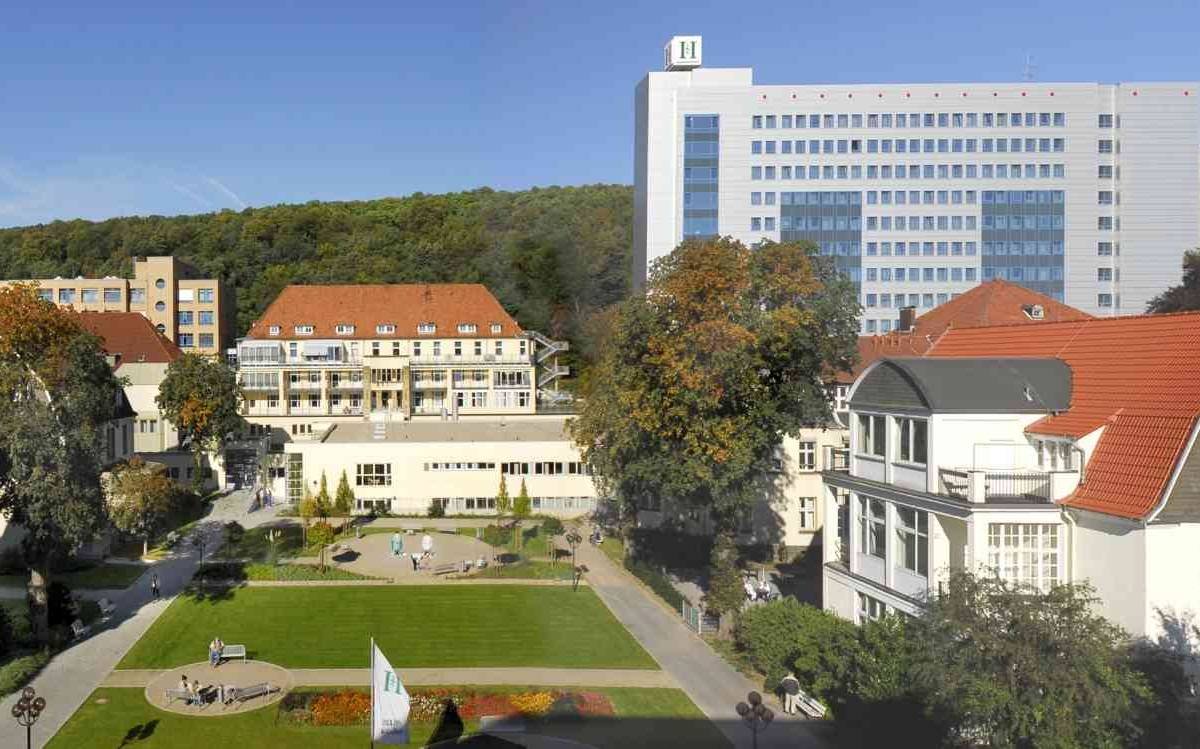


نظرة عامة على استئصال المرارة في ألمانيا
- استئصال المرارة - من $9,300
يزيل الإجراء المرارة للتخلص من حصوات المرارة أو الالتهاب باستخدام شقوق صغيرة للتعافي بشكل أسرع.
اليوم 1
- الوصول إلى المطار.
- نقل الشخصيات المهمة إلى المستشفى.
- استشارة أولية مع الأخصائي.
- يتم إجراء اختبارات ما قبل العملية.
اليوم الثاني
- مراجعة نتائج الاختبار من قبل المختص.
- مناقشة حول تفاصيل الجراحة.
- يبدأ التحضير للجراحة.
يوم 3
- يتم إجراء استئصال جراحة المرارة.
- يستخدم التخدير العام في هذه العملية.
- تستغرق العملية عادة حوالي ساعة إلى ساعتين.
اليوم الرابع
- مراقبة ما بعد العملية في وحدة العناية المركزة.
- فحوصات منتظمة من قبل الطاقم الطبي.
يوم 5-7
- فترة النقاهة في المستشفى تحت الملاحظة.
- يتم توفير المساعدة اللغوية إذا لزم الأمر.
الأسبوع 2
- الخروج من المستشفى.
- نقل إلى الفندق لمزيد من الراحة.
الأسبوع 3-4
- العودة إلى الأنشطة اليومية الخفيفة.
- فحوصات منتظمة من قبل طبيب محلي.
الأسبوع السادس
- العودة إلى العمل حسب طبيعة الوظيفة.
- العودة التدريجية لأنشطة الحياة الطبيعية.
الأسبوع الثامن
- الشفاء التام والعودة إلى الرياضة.
يرجى ملاحظة أن عملية الشفاء لكل مريض قد تختلف تبعًا لحالته الصحية.
- إيداع Bookimed: 200 دولار أو 200 يورو.
- وديعة العيادة: ادفع نسبة محددة مقدمًا.
بصفتها المنصة العالمية الرائدة في مجال السياحة العلاجية ، فإن Bookimed.com يتحمل مسؤولية كبيرة أمام عملائنا ، سواء المرضى أو المراكز الطبية. جميع المعلومات المقدمة على Bookimed.com حول استئصال المرارة تستند إلى البحث والتبصر والخبرة وتفي بالاهتمام الكبير المتعلق بالمنتج.
نظام التصنيف التلقائي الذكي
نحن نشكل قوائمنا للعيادات والأطباء مع لوائح صارمة لنظام التصنيف التلقائي الذكي الخاص بنا لاستئصال المرارة في ألمانيا. يعتمد النظام على أسعار Bookimed الحقيقية للمرضى لتوفير المعلومات الأكثر موضوعية وشفافية حول العيادات والخدمات الطبية هناك.
يجمع عالم البيانات ذو الخبرة لدينا البيانات يوميًا ، ويراقب ويحسن نظام التصنيف باستخدام التعلم الآلي والذكاء الاصطناعي لضمان تحديث نظام التصنيف وتقديم نتائج دقيقة.
تجربة الناس الحقيقية فقط
نقوم بجمع آراء عملاء Bookimed فقط بعد الحصول على خبرة طبية مع عيادة استئصال المرارة في ألمانيا - لذلك يمكن لأي شخص على المنصة الوثوق بالمنشأة التي يختارونها. نحن نسعى جاهدين لجعل المحتوى على منصتنا مفيدًا قدر الإمكان ونضمن حرية التعبير عن الآراء النقدية. وبالتالي ، ننشر مراجعات إيجابية وسلبية ، بهدف أن نكون مصدرًا لاتخاذ قرارات مستنيرة لعملائنا في المستقبل.
مواضيع ذات مستويات عالية من الخبرة والسلطة والجدارة بالثقة
على موقع Bookimed.com ، قد تجد الخيار والراحة للعثور على أفضل الحلول الطبية من أفضل مزودي الخدمات الطبية لاستئصال المرارة في ألمانيا في مكان واحد فقط ، وغالبًا بأسعار تنافسية. للتأكد من تقديم أحدث المعلومات ، يقوم ممثلو العيادة بتحديث السير الذاتية للأطباء ، وقدرات العيادات ، والصور قبل وبعد ، والأسعار ، والحزم ، والعروض الخاصة بأنفسهم قريبًا. يمكنك مقابلة ممثل العيادة والتحقق من تاريخ المحتوى المحدث في صفحة كل عيادة للتأكد من مصداقيتها.
تم إنشاء مدونتنا والقطع الداعمة من قبل مؤلفين محترفين يتمتعون بخبرة لا تقل عن 3 سنوات في الكتابة الطبية ويتم تحريرها بواسطة متخصصين طبيين يتمتعون بخبرة إكلينيكية وبحثية ذات صلة - تم تعيينهم جميعًا بعناية في الفريق. نحن نسعى جاهدين لتعزيز وصول المريض إلى المعلومات الصحية ، مما يجعلها خبيرة ولكن يسهل فهمها. تتبع جميع القطع إرشادات التحرير الخاصة بـ Bookimed.
القيم المحجوزة
نحن مصنوعون من الناس ومن أجلهم - وهذه هي قيمتنا الأساسية. لهذا السبب يتم جمع جميع البيانات المقدمة على المنصة وتحريرها ومراجعتها وتحديثها بانتظام من قبل مرضانا وعياداتنا الشريكة وفريقنا ، بما في ذلك المجلس الاستشاري الطبي Bookimed ، الذي يتكون من أطباء مشهورين عالميًا يتمتعون بخبرة قيمة تزيد عن 20 سنوات من الممارسة ، وسمعة طيبة. تعلم المزيد عنا وعن مهمتنا .
في حال وجدت أي خطأ أو لديك أي أسئلة حول المعلومات المقدمة على Bookimed.com حول استئصال المرارة في ألمانيا ، فلا تتردد في الاتصال بنا على marketing@bookimed.com .
احصل على تقييم طبي لـ استئصال المرارة في ألمانيا: اختر أخصائيك من بين الأفضل في هذا المجال
عرض جميع الأطباء
Viktor Alexander Krol
يرأس الدكتور كرول قسم أمراض الجهاز الهضمي والطب الباطني في مستشفى سانت مارتينوس، وهو متخصص في حالات المرارة باستخدام تقنيات جراحية وتنظيرية متقدمة.
- مدير مركز معتمد لعلاج السمنة
- يستخدم أحدث طرق التشخيص والعلاج لاضطرابات الجهاز الهضمي
- متخصص في الأساليب الجراحية وغير الجراحية
- يقود فريقاً يقدم رعاية طبية باطنية شاملة

Peter Schenker
رائد في تقنيات الجراحة طفيفة التوغل – قام البروفيسور شينكر بتحديث قسم الجراحة في مستشفى سولينغن الأكاديمي باستخدام أساليب روبوتية وتنظيرية متقدمة.
- متخصص في جراحات الجهاز الهضمي والأورام
- 19 سنة من الخبرة في جراحة الأحشاء
- نسق مركز سرطان البنكرياس وأول مركز معتمد لسرطان القولون والمستقيم في أوروبا
- عضو في الجمعية الطبية الألمانية
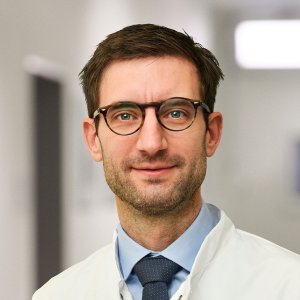
Florian Gebauer Chief Of General And Visceral Surgery
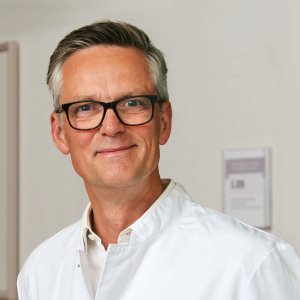
Wolfgang Schröder
قصص فيديو من مرضى Bookimed
المراجعات
جميع المراجعاتمشاركة المحتوى
 Anna Leonova
أسئلة متكررة حول استئصال المرارة في ألمانيا
ما هي الطريقة الأكثر شيوعاً لاستئصال المرارة في ألمانيا؟
استئصال المرارة بالمنظار هو الطريقة القياسية لاستئصال المرارة في ألمانيا، حيث يمثل 92% إلى 98% من جميع الحالات. يستخدم هذا النهج طفيف التوغل 4 شقوق صغيرة لتقليل الصدمة. كان الجراح الألماني الدكتور إريك موهي رائداً في هذه التقنية، حيث أجرى أول عملية منظار في العالم عام 1985.
- نهج طفيف التوغل: يقوم الجراحون بعمل 4 شقوق صغيرة يبلغ قياس كل منها 5 إلى 10 مليمترات.
- تعافي سريع للمريض: انخفاض معدلات الألم والعدوى بعد الجراحة يسمح بخروج أسرع من المستشفى.
- معدل نجاح مرتفع: تصل الحالات غير المعقدة في العيادات الألمانية إلى معدلات نجاح تتراوح بين 95% إلى 98%.
- بروتوكولات التحويل الآمنة: تظل الجراحة المفتوحة خياراً احتياطياً في حالات الالتهاب الشديد أو الأنسجة الندبية الكثيفة.
رؤية خبير Bookimed: تعطي العيادات الألمانية مثل المركز الطبي في سولينغن وعيادة نوردويست الأولوية للتخصص الدقيق، وغالباً ما تدمج جراحة المرارة ضمن أقسام الجراحة الحشوية. في حين أن المنظار الأساسي هو المعيار، تستخدم عيادات مثل نوردراين فيستفالن أنظمة روبوتية لتعزيز الدقة. اختيار مركز حاصل على شهادة الجمعية الألمانية للسرطان يضمن الوصول إلى جراحين مثل الدكتور بيتر شنكر، المتخصصين في التقنيات المعقدة طفيفة التوغل.
إجماع المرضى: يجد المرضى أن التعافي سريع، على الرغم من أن الكثيرين يعانون من ألم مؤقت في الكتف بسبب الغاز المستخدم أثناء المنظار. يقدر معظمهم أن الجراحين يهدفون إلى إجراء أصغر شقوق ممكنة لضمان السلامة.
متى يوصى بإجراء جراحة حصوات المرارة في ألمانيا؟
توصي المبادئ التوجيهية الألمانية بجراحة المرارة بشكل أساسي للمرضى الذين يعانون من أعراض مثل المغص المراري المتكرر أو مضاعفات مثل الالتهاب الحاد. كما ينصح الجراحون بإجراء الجراحة للحالات التي لا تظهر عليها أعراض مع وجود عوامل خطر عالية، بما في ذلك المرارة الخزفية أو حصوات المرارة التي يزيد حجمها عن 3 سم للوقاية من سرطان المرارة.
- المغص المصحوب بأعراض: يوصى بالجراحة في حالات الألم الشديد المتكرر في الجزء العلوي الأيمن من البطن.
- المضاعفات الحادة: تعطي العيادات الأولوية للإزالة في غضون 24 ساعة في حالات التهاب المرارة الحاد.
- حصوات القناة الصفراوية: يحدد الجراحون موعد الاستئصال في غضون 72 ساعة بعد تنظيف القنوات الصفراوية المسدودة بالمنظار.
- المؤشرات الوقائية: يوصى بالإزالة الاستباقية لزوائد المرارة التي تتجاوز 1 سم مع وجود حصوات.
رؤية خبير Bookimed: بينما تستخدم العديد من البلدان نهج الانتظار اليقظ، تتخصص المراكز الألمانية ذات الحجم الكبير مثل مستشفى هيليوس الجامعي في فوبرتال في الاستئصال بمساعدة الروبوت. تظهر البيانات أن هذه المرافق الأكاديمية غالباً ما تفضل التدخل المبكر لمرضى التمثيل الغذائي. يساعد هذا النهج في تجنب مضاعفات الطوارئ التي تظهر بشكل متكرر في حالاتهم البالغ عددها 150,000 مريض سنوياً.
إجماع المرضى: وجد العديد من المرضى أن توثيق النوبات المتكررة بعد الوجبات الدهنية كان ضرورياً للموافقة على الجراحة. وأشاروا إلى أن ألم المرارة توقف فوراً بعد الإجراء، على الرغم من اتباع فترة قصيرة من التكيف الهضمي.
ما هي استئصال المرارة الموسع في ألمانيا؟
استئصال المرارة الموسع في ألمانيا هو جراحة أورام متخصصة تُستخدم لعلاج سرطان المرارة في المرحلة T1b أو أعلى. على عكس الاستئصال القياسي، يقوم الجراحون بإجراء استئصال جذري يشمل استئصال جزء من الكبد (إسفين) واستئصال الغدد الليمفاوية الإقليمية لضمان حواف نظيفة ومنع تكرار المرض.
- المكونات الجراحية: تشمل إزالة المرارة، واستئصال قطاعات الكبد IVb/V، وتشريح دقيق للغدد الليمفاوية.
- المبادئ التوجيهية السريرية: تتبع الإجراءات بدقة معايير S3-Leitlinie الألمانية لزيادة معدلات البقاء على قيد الحياة لمدة خمس سنوات.
- الطرق المتقدمة: تستخدم المراكز المتخصصة تقنيات DaVinci الروبوتية أو التنظيرية لتعافي أسرع للمريض.
- الاكتشاف العرضي: غالبًا ما يتم إجراؤها كإعادة استئصال جذرية فورية إذا وجد علم الأمراض سرطانًا بعد جراحة روتينية.
رؤية خبير Bookimed: مراكز الأورام الألمانية مثل المركز الطبي في سولينغن تحمل شهادة Oncocert، وهي نادرة خارج أوروبا. تظهر بياناتنا أن أقسام الجراحة الحشوية المعتمدة هذه تدير أكثر من 60,000 مريض سنويًا. يرتبط هذا الحجم الكبير ارتباطًا مباشرًا بدقة استئصال إسفين الكبد. غالبًا ما يختار المرضى ألمانيا لأن جراحين مثل الدكتور بيتر شينكر متخصصون تحديدًا في أورام الكبد والقنوات الصفراوية المعقدة، متجاوزين الجراحة العامة.
إجماع المرضى: يؤكد المرضى على أهمية توضيح ما إذا كان الجراح يستخدم مصطلح "erweiterte Cholezystektomie" لتحديد مرحلة السرطان أو للالتهاب المعقد. يلاحظ الكثيرون أن هذا النهج الجذري يتطلب غالبًا التحول من الج
متى يمكنني العودة إلى العمل بعد الجراحة؟
يعود معظم المرضى إلى العمل المكتبي في غضون 3 إلى 7 أيام بعد استئصال المرارة بالمنظار في ألمانيا. يتطلب التعافي للأدوار التي تتطلب مجهوداً بدنياً عادةً من 2 إلى 4 أسابيع. يعتمد هذا الجدول الزمني على النهج الجراحي، والمتطلبات البدنية للوظيفة، وتصريح الطبيب الجراح الرسمي بالعودة للعمل.
- التعافي من المنظار: يستأنف الموظفون المكتبيون مهامهم غالباً في غضون أسبوع واحد بعد الجراحة طفيفة التوغل.
- العمل اليدوي: يتطلب رفع الأثقال أو الأدوار النشطة من 2 إلى 4 أسابيع للشفاء.
- الجراحة المفتوحة: تؤدي شقوق البطن التقليدية إلى تأخير عودتك للعمل لمدة تتراوح بين 4 إلى 8 أسابيع.
- قيود الرفع: يجب على المرضى عادةً تجنب رفع الأشياء الثقيلة لعدة أسابيع لمنع حدوث فتق.
رؤية خبراء Bookimed: تعطي المستشفيات الجامعية الألمانية مثل Helios Wuppertal أو Medical Center Solingen الأولوية للتقنيات طفيفة التوغل لتسريع الخروج. تظهر بياناتنا أن كبار الجراحين الألمان، مثل الدكتور بيتر شينكر، يقدمون غالباً إجازة مرضية محددة (Krankschreibung) تغطي أسبوعين في البداية. يتيح لك ذلك التعامل مع التعب بعد الجراحة والتعديلات الهضمية التي تختفي عادةً في غضون الأيام العشرة الأولى.
إجماع المرضى: يجد العديد من المرضى أن آلام الكتف الناتجة عن غاز الجراحة والتعب العام تشكل عوائق أكبر من ألم الشق الجراحي. من المفيد التخطيط لساعات عمل أقصر أو الوصول إلى الحمام خلال الأسبوع الأول من العودة بسبب التغيرات الهضمية المؤقتة.
كم تستغرق الجراحة وما هي مدة الإقامة في المستشفى؟
تستغرق عملية استئصال المرارة في ألمانيا عادةً من 30 إلى 90 دقيقة. يقضي معظم المرضى فترة إقامة في المستشفى تتراوح من يوم إلى يومين في حالات الجراحة بالمنظار غير المعقدة. قد تتطلب الحالات المعقدة التي تنطوي على التهاب أو التحول إلى جراحة مفتوحة من 2 إلى 4 أيام من المراقبة داخل المستشفى.
- مدة الجراحة: تستغرق عملية الاستئصال بالمنظار القياسية عادةً ما بين 30 و 90 دقيقة.
- الإقامة القياسية: غالبًا ما تتضمن الحالات غير المعقدة الخروج في نفس اليوم أو المبيت لليلة واحدة.
- التعافي المعقد: يمكن أن يؤدي الالتهاب أو الالتصاقات إلى تمديد الإقامة في المستشفى إلى 4 أيام.
- نوع التخدير: يقوم الجراحون بإجراء العملية تحت التخدير العام لضمان سلامة المريض.
رؤية خبير Bookimed: غالبًا ما تعطي العيادات الألمانية مثل Solingen وNordwest الأولوية للمراقبة الليلية حتى في الحالات الروتينية. على الرغم من إمكانية الخروج في نفس اليوم، إلا أن المعايير الطبية الألمانية تفضل في كثير من الأحيان فترة مراقبة مدتها 24 ساعة. وهذا يضمن الإدارة الفورية لأي تغيرات صفراوية بعد الجراحة قبل عودة المريض إلى المنزل.
إجماع المرضى: يذكر المرضى أن التحضير قبل الجراحة وأوراق الخروج غالبًا ما تطيل الوقت الإجمالي الذي يقضونه في المستشفى. يشعر معظمهم بالاطمئنان بسبب المبيت الروتيني الشائع في المرافق الألمانية.
لماذا قد أحتاج إلى جراحة مفتوحة بدلاً من جراحة بالمنظار؟
يوصي الجراحون في ألمانيا باستئصال المرارة المفتوح عندما تمنع التشريح المعقد، أو الأنسجة الندبية الكثيفة، أو الالتهاب الشديد الوصول الآمن بالمنظار. على الرغم من أن جراحة المنظار هي المعيار، إلا أن الإجراءات المفتوحة تضمن التصور المباشر والتحكم اليدوي أثناء الحالات عالية الخطورة لإعطاء الأولوية لسلامة المريض ومنع إصابة الأعضاء.
- الأنسجة الندبية الكثيفة: تخلق جراحات البطن السابقة التصاقات تعيق الإدخال الآمن لأدوات المنظار.
- الالتهاب الشديد: يمكن للعدوى الحادة أن تحجب رؤية الكاميرا وتشوه تشريح المرارة.
- التحويل للسلامة: قد يقوم الجراحون بالتحويل أثناء الجراحة للسيطرة على نزيف غير متوقع أو توضيح التشريح.
- الضرورة الطبية: قد لا يتحمل المرضى الذين يعانون من أمراض القلب أو الرئة ضغط غاز المنظار.
رؤية خبير Bookimed: تتعامل المستشفيات الجامعية الألمانية مثل هيليوس فوبرتال غالبًا مع حالات معقدة حيث يكون معدل التحويل من جراحة المنظار إلى الجراحة المفتوحة أعلى بطبيعته. بينما تركز العيادات الأصغر على إجراءات ثقب المفتاح الروتينية، تحتفظ هذه المراكز الأكاديمية بأقسام جراحة أحشاء متخصصة خصيصًا للمرضى الذين يعانون من مؤشر كتلة جسم مرتفع أو مرض متقدم في المرارة.
إجماع المرضى: غالبًا ما ينظر المرضى إلى التحول إلى الجراحة المفتوحة كعلامة على حسن تقدير جراحهم. وهم يؤكدون بشكل متكرر أن منع إصابة القناة الصفراوية أهم من تجنب ندبة أكبر.
هل يمكنني تناول الطعام بشكل طبيعي بعد استئصال المرارة؟
يعود معظم المرضى إلى نظام غذائي منتظم في غضون 4 أسابيع بعد استئصال المرارة. على الرغم من أن الكبد لا يزال ينتج العصارة الصفراوية للهضم، إلا أن الجسم يحتاج إلى وقت للتكيف مع تقطر العصارة الصفراوية مباشرة في الأمعاء الدقيقة. الانتقال عبر مراحل السوائل والأطعمة الخفيفة يمنع الانتفاخ وعدم الراحة.
- المرحلة المبكرة: ابدأ بالسوائل الصافية والجيلاتين خلال أول 24 ساعة بعد الجراحة.
- مرحلة الأطعمة الخفيفة: أدخل الأطعمة الصلبة قليلة الدسم مثل الخبز المحمص والأرز الأبيض والشوفان مع عودة الشهية.
- تكرار الوجبات: تناول 4 إلى 6 وجبات صغيرة يومياً لتجنب إرهاق الجهاز الهضمي.
- تقييد الدهون: قلل من الأطعمة المقلية واللحوم الدهنية ومنتجات الألبان كاملة الدسم لمدة شهر واحد على الأقل.
رؤية خبير Bookimed: تركز العيادات الألمانية مثل المركز الطبي في سولينجن على التقنيات طفيفة التوغل التي تسرع التعافي. غالباً ما يطبق الجراحون ذوو الخبرة مثل بيتر شنكر بروتوكولات التعافي السريع لتطبيع الهضم بشكل أسرع. اختيار المستشفيات القائمة على الأبحاث في فرانكفورت أو دوسلدورف يضمن الوصول إلى المتخصصين الذين يعطون الأولوية لطرق التعافي الحديثة بعد الجراحة.
إجماع المرضى: يجد العديد من المرضى أن الاحتفاظ بمذكرات طعام يساعد في تحديد محفزات معينة. يبلغ معظمهم عن عودة ناجحة لتناول جميع أطعمتهم المفضلة بعد فترة تكيف قصيرة.
ما هي المستشفيات في ألمانيا التي تحظى بأعلى التقييمات في جراحة الأعصاب؟
تضم ألمانيا بعضًا من أرقى أقسام جراحة الأعصاب في العالم، بقيادة مستشفى شاريتيه الجامعي في برلين ومستشفى جامعة هايدلبرغ. وتتميز هذه المراكز بخبرتها الواسعة في علاج أورام الدماغ المعقدة وأمراض الأوعية الدموية الدماغية. ولتحقيق أقصى قدر من الفعالية في عملياتها، تستخدم هذه المراكز أحدث التقنيات، مثل التصوير بالرنين المغناطيسي أثناء الجراحة والتوجيه العصبي بمساعدة الحاسوب.
- مستشفى شاريتيه برلين: يُجري أكثر من 5000 عملية جراحية سنوياً. ويرأس العيادة جراح الأعصاب الشهير الدكتور بيتر فايكوتشي.
- المركز الطبي في سولينجن: أجرى الدكتور رالف بوهل أكثر من 4000 عملية جراحية، بما في ذلك جراحات العمود الفقري طفيفة التوغل.
- عيادة أسكليبيوس نورد: مجهزة بنظام التصوير بالرنين المغناطيسي الثنائي الوحيد في ألمانيا أثناء الجراحة لضمان الدقة الجراحية في الوقت الحقيقي أثناء إزالة الورم.
- عيادة نوردويست: تم الاعتراف بها من قبل مجلة نيوزويك كمستشفى رائد في مجال الابتكار في تكنولوجيا الموجات فوق الصوتية ثلاثية الأبعاد.
رأي خبراء بوكيمد: تشير البيانات إلى أن اختيار المراكز ذات الحجم الجراحي الكبير غالبًا ما يؤدي إلى توصيات علاجية أكثر تحفظًا. ففي مركز سولينجن الطبي، الذي يعالج أكثر من 60,000 مريض
ما هي نسب نجاح العمليات الجراحية العصبية المعقدة في ألمانيا؟
في ألمانيا، تتميز العمليات الجراحية العصبية بالغة التعقيد بمستوى أمان استثنائي. تصل نسبة نجاح عمليات دمج الفقرات إلى 99%، بينما تبلغ نسبة النجاة بعد استئصال أورام الدماغ الأولية 97%. كما يتمتع المرضى بقدرة عالية على الاعتماد على أنفسهم في أداء وظائفهم اليومية، حيث يغادر أكثر من 82% منهم المستشفى مباشرةً بعد العلاج. وتولي المراكز الألمانية اهتماماً بالغاً بالحفاظ على الوظائف العصبية باستخدام أحدث تقنيات التخطيط العصبي.
- استئصال الورم: يحقق الجراحون استئصالًا كاملاً للورم في 87.2% من حالات النقائل الدماغية.
- النجاح في علاج أمراض الأوعية الدموية: أفادت المستشفيات الألمانية بنسبة نجاة بلغت 98.7% لحالات تمدد الأوعية الدموية غير الممزقة.
- تحسن الحالة العصبية: يشهد ما يقرب من 43% من المرضى تحسناً في المعايير الوظيفية بعد عمليات الاستئصال المعقدة.
- سلامة التدخلات الجراحية: في المراكز الجراحية الكبيرة، تتراوح معدلات بقاء المرضى على قيد الحياة بعد جراحة العمود الفقري بين 98-99%.
رأي خبراء بوكيمد: يُجري جراحون ذوو خبرة، مثل الدكتور أوفه كولر من عيادة أسكليبيوس ألتونا، أكثر من 2000 عملية جراحية سنويًا. تُشير البيانات إلى أن هؤلاء المتخصصين يحافظون على معدلات نجاح تصل إلى 90%، حتى
ما هي التقنيات المتقدمة المتوفرة عادةً في عيادات جراحة الأعصاب الألمانية؟
تُدخل عيادات جراحة الأعصاب الألمانية بانتظام أدوات رقمية عالية الدقة وتقنيات تصوير فوري في الممارسة الجراحية. تشمل التقنيات الرئيسية الملاحة العصبية الحاسوبية لجراحات الدماغ والحبل الشوكي. تستخدم مؤسسات مثل عيادة أسكليبيوس نورد التصوير بالرنين المغناطيسي أثناء الجراحة للتحقق من استئصال الورم في الوقت الفعلي. توفر هذه الأنظمة للجراحين نظام ملاحة ثلاثي الأبعاد.
- الملاحة العصبية: توفر تصورًا ثلاثي الأبعاد وتتبعًا فوريًا للأدوات لتحقيق دقة جراحية تصل إلى مستوى أقل من المليمتر.
- التصوير أثناء العملية: تسمح أنظمة مثل التصوير بالرنين المغناطيسي أثناء العملية (iMRI) والتصوير المقطعي المحوسب ذي الذراع O (O-arm CT) بالتأكيد الفوري على نجاح عملية الاستئصال.
- المراقبة العصبية: تراقب الوظائف الحركية والحسية أثناء الجراحة لحماية الجهاز العصبي.
- التشخيص الفلوري: يتم استخدام صبغة 5-ALA لتسليط الضوء على حدود الورم من أجل إزالته بشكل أكثر اكتمالاً.
- المساعدة الروبوتية: تعمل أنظمة مثل نظام دافنشي على تحسين الدقة في الإجراءات المعقدة ذات التدخل الجراحي البسيط.
رأي خبراء بوكيمد: تُجري مراكز طبية كبيرة، مثل مستشفى شاريتيه الج