تفتيت الحصى بالليزر في ألمانيا — احصل على 3 عيادات مطابقة مع التكاليف


تمت مراجعة المقالة طبيا من قبل
فهد مولود
ما هي تكلفة تفتيت الحصى بالليزر في ألمانيا؟ اكتشف الآن
تتراوح تكلفة تفتيت الحصى بالليزر في ألمانيا عادةً من $3,600 إلى $5,800. تختلف الأسعار حسب العيادة، خبرة طبيب المسالك البولية، تعقيد الحصى، وما إذا كانت العملية خارجية أم تتطلب إقامة في المستشفى.
تشمل العيادات الألمانية عادةً الاستشارة قبل العملية، التخدير، استخدام ليزر الهولميوم:YAG أو الثوليوم المتقدم، الإقامة في المستشفى إذا لزم الأمر، وزيارات المتابعة. في الولايات المتحدة، غالبًا ما تُفرض رسوم منفصلة على التخدير، استخدام المستشفى، والرعاية بعد العملية. يجب دائمًا التأكد من تفاصيل ما يشمله العرض في كل عيادة.
| تركيا | إسبانيا | ألمانيا | |
|---|---|---|---|
| تفتيت الحصى بالليزر | ≈ $1,500 | ≈ $3,600 | ≈ $3,600 |
| تنظير الحالب مع تفتيت الحصوات بالليزر (إزالة حصوات الكلى) | من $10,300 | ≈ $3,600 | ≈ $4,000 |
مزاياك وضماناتك مع Bookimed
أسعار مباشرة
Bookimed لا يضيف رسوماً إضافية على أسعار تفتيت الحصى بالليزر. الأسعار مأخوذة من قوائم الأسعار الرسمية للعيادات. تدفع مباشرة في العيادة مقابل تفتيت الحصى بالليزر عند وصولك.
عيادات وأطباء معتمدون فقط
Bookimed ملتزم بسلامتك. نحن نعمل فقط مع المؤسسات الطبية التي تحافظ على معايير دولية عالية في تفتيت الحصى بالليزر ولديها التراخيص اللازمة لخدمة المرضى الدوليين في جميع أنحاء العالم.
مساعدة مجانية على مدار الساعة
Bookimed يقدم مساعدة خبراء مجانية. منسق طبي شخصي يدعمك قبل وأثناء وبعد العلاج، ويحل أي مشاكل. لن تكون وحيداً أبداً في رحلة تفتيت الحصى بالليزر.

منسقك الطبي الشخصي في Bookimed
- يدعمك في كل مرحلة
- المساعدة في اختيار العيادة الطبية المناسبة والطبيب المناسب
- يضمن الوصول السريع والمريح إلى المعلومات
اكتشف أفضل تفتيت الحصى بالليزر العيادات في ألمانيا: 1 خيار معتمدة والأسعار
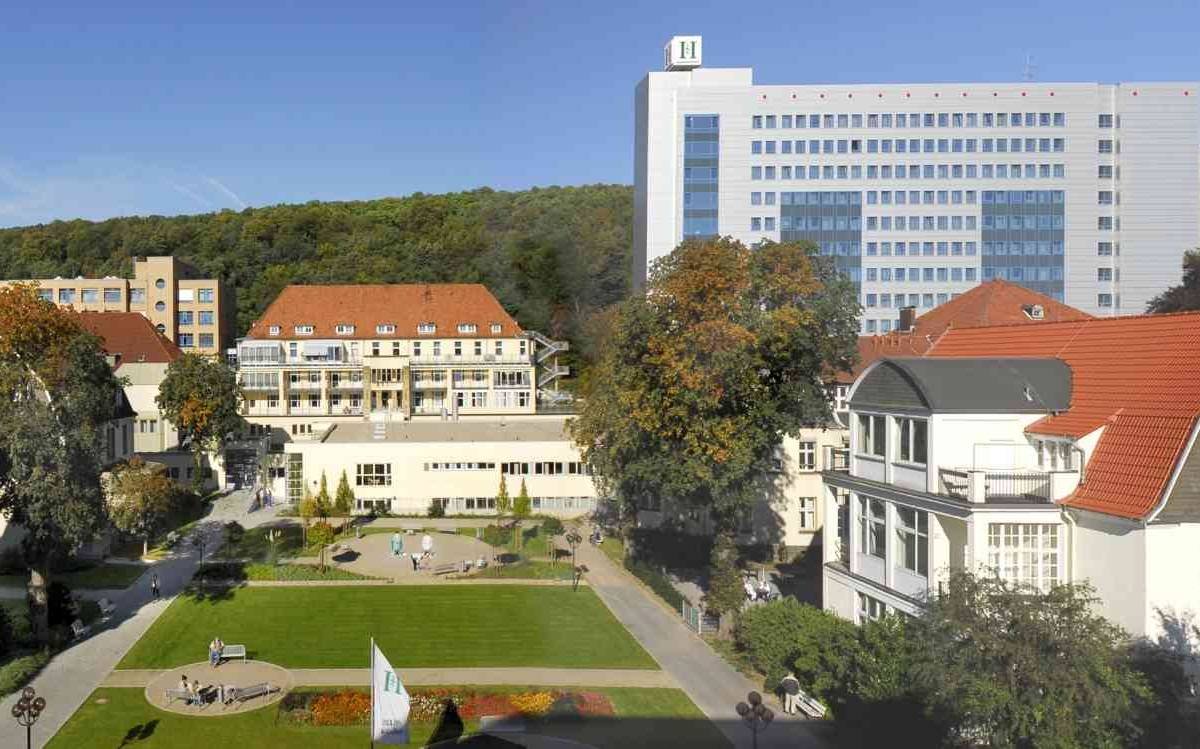
نظرة عامة على تفتيت الحصى بالليزر في ألمانيا
- إيداع Bookimed: 200 دولار أو 200 يورو.
- وديعة العيادة: ادفع نسبة محددة مقدمًا.
قصص فيديو من مرضى Bookimed
المراجعات
جميع المراجعاتمشاركة المحتوى
 Anna Leonova
أسئلة متكررة حول تفتيت الحصى بالليزر في ألمانيا
ما هو تفتيت الحصى بالليزر وكيف يعمل؟
تفتيت الحصى بالليزر هو إجراء طفيف التوغل يستخدم طاقة الليزر المركزة لتفتيت حصوات الكلى. يقوم الجراحون بإدخال منظار حالب رفيع عبر الإحليل، متجنبين الشقوق الخارجية. تكسر هذه الطريقة الدقيقة الحصوات إلى غبار ناعم أو أجزاء لا يمكن الوصول إليها إلا من خلال الرؤية المباشرة في المسالك البولية.
- الوصول إلى الإجراء: يمرر الجراحون منظار الحالب عبر المثانة إلى الحالب أو الكلية.
- تقنية الليزر: تقوم ألياف ليزر الهوليوم المرنة بتوصيل نبضات ضوئية مباشرة ضد الحصوة.
- إزالة الحصوات: يستخدم الأطباء سلالاً سلكية للأجزاء الكبيرة بينما يخرج الغبار عبر البول.
- التعافي بعد الجراحة: غالباً ما يحتاج المرضى إلى دعامة حالب مؤقتة لضمان الشفاء والتصريف الآمن.
رؤية خبراء Bookimed: تدير العيادات الألمانية مثل مستشفى هيليوس الجامعي في فوبرتال أعداداً كبيرة من المرضى تحت إشراف جامعي. بينما يعد تفتيت الحصى بالليزر فعالاً لجميع أنواع الحصوات، تسبب الدعامة أحاسيس ما بعد الجراحة أكثر وضوحاً من الليزر نفسه. يجب على المرضى التأكد من الجدول الزمني لإزالة الدعامة قبل الخروج لضمان مرحلة تعافي أكثر سلاسة.
إجماع المرضى: يتفاجأ العديد من المرضى أن هذه الجراحة بدون شقوق تتطلب خروج الأجزاء بشكل طبيعي بعد ذلك. يفيد معظمهم أن الدعامة المؤقتة تسبب عدم ارتياح وإلحاحاً أكثر من عملية تفتيت الحصوات الفعلية.
هل هناك أي مخاطر مرتبطة بتفتيت الحصى بالليزر؟
يعتبر تفتيت الحصى بالليزر في ألمانيا آمناً وينطوي على مخاطر ضئيلة عند إجرائه في المستشفيات الجامعية المعتمدة. تشمل الآثار الجانبية المؤقتة الشائعة وجود دم في البول، وحرقة أثناء التبول، وعدم ارتياح خفيف. تشمل المضاعفات النادرة التهابات المسالك البولية، أو تهيجاً بسبب الدعامة، أو انسداداً مؤقتاً في الحالب بسبب أجزاء الحصى.
- معدلات النجاح: تضمن تقنية الليزر المتقدمة معدلات عالية لتفتيت الحصى مع الحد الأدنى من التأثير على الأنسجة.
- مكافحة العدوى: تلتزم العيادات الألمانية مثل مستشفى هيليوس الجامعي في فوبرتال بصرامة بمعايير جمعية السرطان الألمانية.
- إدارة الدعامة: تمنع الدعامات المؤقتة انسداد الحالب بينما تمر أجزاء الحصى بعد الإجراء.
- السلامة الحرارية: يستخدم الجراحون إعدادات ليزر محكومة لمنع التسخين أو الإصابة للأنسجة الحساسة.
رؤية خبراء Bookimed: بينما يركز الكثيرون على الليزر نفسه، فإن الإقامة في المستشفى هي الأكثر أهمية للسلامة. تعالج العيادات مثل مستشفى هيليوس الجامعي في فوبرتال 150,000 مريض سنوياً. يعني حجم العمل المرتفع لديهم أن الموظفين يديرون الدعامات بعد الجراحة والالتهابات المحتملة بدقة متناهية. غالباً ما يضمن اختيار منشأة أكبر مراقبة أفضل وفورية لمرور أجزاء الحصى.
إجماع المرضى: أفاد معظم المرضى أن الإجراء غير مؤلم تحت التخدير. غالباً ما تتضمن فترة التعافي التعامل مع تشنجات المثانة والبقاء رطباً بشكل جيد لمساعدة أجزاء الحصى على الخروج بشكل أسرع.
ماذا يحدث أثناء إجراء تفتيت الحصوات بالليزر؟
يتضمن تفتيت الحصوات بالليزر تكسير حصوات الكلى أو المثانة أو الحالب باستخدام ليف ليزر عالي الطاقة. يصل أخصائي المسالك البولية إلى المسالك البولية عبر الإحليل دون إجراء شقوق. تجري معظم العيادات الألمانية هذا الإجراء كعملية طفيفة التوغل تحت التخدير العام أو التخدير العميق.
- الوصول إلى الحصوات: يمرر الجراحون منظار الحالب المرن عبر المثانة إلى الحالب أو الكلية.
- تفتيت الليزر: يوصل ليف رفيع طاقة الليزر لسحق الحصوات إلى غبار يشبه الرمل.
- إزالة الشظايا: يستخدم الأطباء سلالاً متخصصة لاستخراج القطع أو السماح لها بالمرور في البول.
- وضع الدعامة: يضمن أنبوب مؤقت تدفق البول ويمنع الانسداد أثناء مرحلة الشفاء.
رؤية خبير Bookimed: تعالج المستشفيات الجامعية الألمانية مثل هيليوس فوبرتال 150,000 مريض سنوياً باستخدام بروتوكولات موحدة للغاية. تُظهر البيانات أن نجاح إزالة الحصوات يعتمد بشكل كبير على الوصول عبر منظار الحالب. غالباً ما تستخدم العيادات في ألمانيا مناظير داخلية أرق وأكثر مرونة، مما قد يقلل من صدمات الحالب بعد العملية.
إجماع المرضى: يذكر المرضى أنه على الرغم من أن الجراحة غير مؤلمة، إلا أن التعافي يتضمن حرقاناً كبيراً أثناء التبول. يجد الكثيرون الدعامة الداخلية غير مريحة أكثر من إجراء الليزر نفسه.
ما مدى فعالية تفتيت الحصوات بالليزر مقارنة بالعلاجات البديلة؟
يحقق تفتيت الحصوات بالليزر معدلات نجاح في إزالة الحصوات تتراوح بين 90% و95%، مما يجعله فعالاً للغاية لحصوات الكلى. على عكس موجات الصدمة الخارجية، يستخدم الجراحون مناظير مرنة وليزر هولميوم لتفتيت الحصوات تحت الرؤية المباشرة. تزيل هذه الطريقة الحصوات عادةً في جلسة واحدة.
- معدل النجاح: يحقق الجراحون معدلات نجاح تتراوح بين 90% و95% لمعظم أنواع حصوات المسالك البولية.
- نطاق الحجم: الأكثر فعالية للحصوات الكثيفة أو الكبيرة التي يتراوح حجمها من 1 سم إلى 2 سم.
- سرعة العلاج: تتيح تقنية الليزر الاستخراج الفوري أو تفتيت الشظايا أثناء الإجراء.
- مستوى التوغل: يتطلب استخدام منظار عبر الإحليل، مما يجنب المريض الشقوق الخارجية أو ندوب الجلد.
رؤية خبير Bookimed: تعالج المستشفيات الجامعية الألمانية مثل هيليوس فوبرتال 150,000 مريض سنوياً. تستخدم هذه المراكز ذات الحجم الكبير غالباً تقنيات تفتيت متقدمة. هذا يحول الحصوات إلى مسحوق ناعم بدلاً من شظايا. يقلل هذا النهج بشكل كبير من الحاجة إلى إجراءات ثانوية مقارنة بالعلاج بموجات الصدمة.
إجماع المرضى: يرى الكثيرون أن هذا هو الخيار الأفضل لإتمام المهمة بعد فشل العلاجات الأخرى. يقدر المرضى اليقين في إزالة الانسدادات في جلسة واحدة على الرغم من استخدام المنظار التوغلي.
كيف تبدو فترة التعافي بعد تفتيت الحصوات بالليزر؟
يتضمن التعافي من تفتيت الحصوات بالليزر في ألمانيا عودة سريعة إلى الحياة اليومية في غضون يومين إلى ثلاثة أيام. يعاني المرضى عادةً من تهيج بولي موضعي ودم في البول لمدة 48 ساعة تقريباً. تستخدم المستشفيات الجامعية الألمانية منظار الحالب المتقدم لتقليل صدمات الأنسجة وضمان مرور شظايا الحصوات بكفاءة.
- الشفاء الأولي: يستأنف معظم المرضى العمل والأنشطة الأساسية بعد 48 ساعة.
- الأعراض البولية: عادةً ما يصل الحرقان وكثرة التبول إلى ذروته ثم يزول في غضون 24 ساعة.
- مرور الشظايا: غالباً ما تخرج غبار حصوات الكلى خلال يومين إلى ثلاثة أيام بعد الإجراء.
- إدارة الدعامة: يقوم الأطباء عادةً بإزالة الدعامات الداخلية في غضون أسبوع إلى أسبوعين.
رؤية خبير Bookimed: على الرغم من أن تفتيت الحصوات بالليزر أكثر توغلاً من العلاج بموجات الصدمة، إلا أن التعافي غالباً ما يكون أكثر سلاسة. تعالج المراكز الألمانية الكبيرة مثل مستشفى هيليوس الجامعي في فوبرتال 150,000 مريض سنوياً بكفاءة عالية. تظهر البيانات أن منظار الحالب بالليزر يقلل بشكل كبير من خطر تراكم شظايا الحصوات مقارنة بالطرق الأخرى.
إجماع المرضى: يجد الكثيرون اليوم الأول هو الأكثر صعوبة بسبب الحرقان البولي. ومع ذلك، يُفضل الانزعاج المؤقت من الدعامة على الألم المستمر للحصوات.
لماذا يسافر المرضى إلى ألمانيا لإجراء تفتيت الحصوات بالليزر؟
يختار المرضى ألمانيا لإجراء تفتيت الحصوات بالليزر للوصول إلى ليزر ألياف الهولميوم أو الثوليوم المتقدم وأخصائيي المسالك البولية المتخصصين للغاية.
- شهادة الخبراء: غالباً ما يحمل أخصائيو المسالك البولية الألمان شهادات تخصصية من الجمعية الألمانية للسرطان أو شهادات الأورام من IASIOS.
- التكنولوجيا المتقدمة: تستخدم العيادات تقنيات تفتيت الليزر عالية الطاقة لتقليل الصدمات ووقت التشغيل.
- النطاق السريري: تعالج مرافق مثل مستشفى هيليوس الجامعي في فوبرتال 150,000 مريض سنوياً من خلال 28 قسماً.
- مستوى التوغل الأدنى: تعطي طرق تنظير الحالب بالليزر الأولوية لفترات إقامة أقصر وتقليل مخاطر تضيق الإحليل.
رؤية خبير Bookimed: توفر ألمانيا قيمة فريدة للحالات المعقدة لأن أسعار تفتيت الحصوات بالليزر مستقرة بشكل ملحوظ. في حين أن التكاليف في الولايات المتحدة يمكن أن تتقلب من 1200 دولار إلى 28000 دولار، فإن العيادات الألمانية تحافظ عموماً على نطاق ضيق بين $3,600 و $5,800. تساعد هذه القدرة على التنبؤ المرضى الدوليين على إدارة الميزانيات دون التعرض لخطر فواتير طبية ضخمة غير متوقعة للتخدير أو التصوير.
إجماع المرضى: يقدر المرضى النتائج النهائية للعلاج بالليزر مقارنة بطرق موجات الصدمة الأبطأ. وهم يوصون بشكل خاص بالاس
ما هي المستشفيات في ألمانيا التي تحظى بأعلى التقييمات في جراحة الأعصاب؟
تضم ألمانيا بعضًا من أرقى أقسام جراحة الأعصاب في العالم، بقيادة مستشفى شاريتيه الجامعي في برلين ومستشفى جامعة هايدلبرغ. وتتميز هذه المراكز بخبرتها الواسعة في علاج أورام الدماغ المعقدة وأمراض الأوعية الدموية الدماغية. ولتحقيق أقصى قدر من الفعالية في عملياتها، تستخدم هذه المراكز أحدث التقنيات، مثل التصوير بالرنين المغناطيسي أثناء الجراحة والتوجيه العصبي بمساعدة الحاسوب.
- مستشفى شاريتيه برلين: يُجري أكثر من 5000 عملية جراحية سنوياً. ويرأس العيادة جراح الأعصاب الشهير الدكتور بيتر فايكوتشي.
- المركز الطبي في سولينجن: أجرى الدكتور رالف بوهل أكثر من 4000 عملية جراحية، بما في ذلك جراحات العمود الفقري طفيفة التوغل.
- عيادة أسكليبيوس نورد: مجهزة بنظام التصوير بالرنين المغناطيسي الثنائي الوحيد في ألمانيا أثناء الجراحة لضمان الدقة الجراحية في الوقت الحقيقي أثناء إزالة الورم.
- عيادة نوردويست: تم الاعتراف بها من قبل مجلة نيوزويك كمستشفى رائد في مجال الابتكار في تكنولوجيا الموجات فوق الصوتية ثلاثية الأبعاد.
رأي خبراء بوكيمد: تشير البيانات إلى أن اختيار المراكز ذات الحجم الجراحي الكبير غالبًا ما يؤدي إلى توصيات علاجية أكثر تحفظًا. ففي مركز سولينجن الطبي، الذي يعالج أكثر من 60,000 مريض
ما هي نسب نجاح العمليات الجراحية العصبية المعقدة في ألمانيا؟
في ألمانيا، تتميز العمليات الجراحية العصبية بالغة التعقيد بمستوى أمان استثنائي. تصل نسبة نجاح عمليات دمج الفقرات إلى 99%، بينما تبلغ نسبة النجاة بعد استئصال أورام الدماغ الأولية 97%. كما يتمتع المرضى بقدرة عالية على الاعتماد على أنفسهم في أداء وظائفهم اليومية، حيث يغادر أكثر من 82% منهم المستشفى مباشرةً بعد العلاج. وتولي المراكز الألمانية اهتماماً بالغاً بالحفاظ على الوظائف العصبية باستخدام أحدث تقنيات التخطيط العصبي.
- استئصال الورم: يحقق الجراحون استئصالًا كاملاً للورم في 87.2% من حالات النقائل الدماغية.
- النجاح في علاج أمراض الأوعية الدموية: أفادت المستشفيات الألمانية بنسبة نجاة بلغت 98.7% لحالات تمدد الأوعية الدموية غير الممزقة.
- تحسن الحالة العصبية: يشهد ما يقرب من 43% من المرضى تحسناً في المعايير الوظيفية بعد عمليات الاستئصال المعقدة.
- سلامة التدخلات الجراحية: في المراكز الجراحية الكبيرة، تتراوح معدلات بقاء المرضى على قيد الحياة بعد جراحة العمود الفقري بين 98-99%.
رأي خبراء بوكيمد: يُجري جراحون ذوو خبرة، مثل الدكتور أوفه كولر من عيادة أسكليبيوس ألتونا، أكثر من 2000 عملية جراحية سنويًا. تُشير البيانات إلى أن هؤلاء المتخصصين يحافظون على معدلات نجاح تصل إلى 90%، حتى
ما هي التقنيات المتقدمة المتوفرة عادةً في عيادات جراحة الأعصاب الألمانية؟
تُدخل عيادات جراحة الأعصاب الألمانية بانتظام أدوات رقمية عالية الدقة وتقنيات تصوير فوري في الممارسة الجراحية. تشمل التقنيات الرئيسية الملاحة العصبية الحاسوبية لجراحات الدماغ والحبل الشوكي. تستخدم مؤسسات مثل عيادة أسكليبيوس نورد التصوير بالرنين المغناطيسي أثناء الجراحة للتحقق من استئصال الورم في الوقت الفعلي. توفر هذه الأنظمة للجراحين نظام ملاحة ثلاثي الأبعاد.
- الملاحة العصبية: توفر تصورًا ثلاثي الأبعاد وتتبعًا فوريًا للأدوات لتحقيق دقة جراحية تصل إلى مستوى أقل من المليمتر.
- التصوير أثناء العملية: تسمح أنظمة مثل التصوير بالرنين المغناطيسي أثناء العملية (iMRI) والتصوير المقطعي المحوسب ذي الذراع O (O-arm CT) بالتأكيد الفوري على نجاح عملية الاستئصال.
- المراقبة العصبية: تراقب الوظائف الحركية والحسية أثناء الجراحة لحماية الجهاز العصبي.
- التشخيص الفلوري: يتم استخدام صبغة 5-ALA لتسليط الضوء على حدود الورم من أجل إزالته بشكل أكثر اكتمالاً.
- المساعدة الروبوتية: تعمل أنظمة مثل نظام دافنشي على تحسين الدقة في الإجراءات المعقدة ذات التدخل الجراحي البسيط.
رأي خبراء بوكيمد: تُجري مراكز طبية كبيرة، مثل مستشفى شاريتيه الج
ما هي التدريبات المتخصصة التي يتلقاها جراحو الأعصاب الممارسون في ألمانيا؟
في ألمانيا، يتعين على جراحي الأعصاب إكمال برنامج إقامة تخصصي لمدة ست سنوات بعد التخرج من كلية الطب. يشمل هذا البرنامج المنظم العناية المركزة، والتدريب السريري، وكتابة مقالات في مجلة جراحية إلزامية. بعد ذلك، يجتاز المرشحون امتحانًا حكوميًا للحصول على لقب طبيب مقيم (Facharzt für Neurochirurgie).
- الإقامة السريرية: تتطلب من 48 إلى 72 شهرًا من الممارسة المتخصصة في جراحة الأعصاب.
- العناية المركزة: تتضمن فترة تدريب إلزامية لمدة 6 أشهر في وحدة العناية المركزة لجراحة الأعصاب.
- المجلة الجراحية: يوثق الجراحون مئات العمليات الجراحية، بما في ذلك عمليات فتح الجمجمة وجراحات العمود الفقري.
- امتحان الترخيص: يجب على المتقدمين اجتياز امتحان طبي شفوي وعملي تديره الدولة.
رأي خبراء بوكيميد: يركز التدريب الألماني في جراحة الأعصاب على الخبرة الجراحية الواسعة. فعلى سبيل المثال، أجرى الدكتور رالف بول من المركز الطبي في سولينجن أكثر من 4000 عملية جراحية. ويتمتع الدكتور يورغن كيويت من مستشفى ميوكلينيك بخبرة تزيد عن 25 عامًا. يضمن هذا النظام الدقيق أن يتعامل المتخصصون في المراكز الكبرى مع الحالات المعقدة بدقة مثبتة.
آراء المرضى: يشع