جراحة العيون بالليزر في ألمانيا — احصل على 3 عيادات مطابقة مع التكاليف


تمت مراجعة المقالة طبيا من قبل
فهد مولود
ما هي تكلفة جراحة العيون بالليزر في ألمانيا؟ اكتشف الآن
تتراوح تكلفة جراحة العيون بالليزر في ألمانيا في المتوسط بين $1,700 و $2,500. يعتمد السعر النهائي على التقنية المختارة، وخبرة الجراح، وموقع العيادة. تشمل التغطية القياسية عادةً الفحوصات قبل الجراحة، وعملية الليزر، والرعاية اللاحقة الضرورية.
- ليزر فيمتوثانية: من $1,600 لإنشاء شريحة قرنية دون شفرات.
- جراحة LASEK: من $1,900 إلى $3,200 للمرضى الذين لديهم قرنيات رقيقة.
- جراحة LASIK: من $3,000، وهي الطريقة الأكثر شيوعاً لتصحيح الإبصار.
- جراحة ReLEx SMILE: من $5,400 للتصحيح بأقل تدخل جراحي.
رأي خبراء Bookimed: يوفر اختيار مراكز العيون المتخصصة في مدن مثل هامبورغ أو ميونخ قيمة كبيرة. عالجت عيادة يورو آيز في هامبورغ أكثر من 500,000 مريض باستخدام تقنية ReLEx SMILE المتقدمة. توفر المستشفيات الجامعية مثل شاريتيه برلين مكانة مرموقة، لكن العيادات الخاصة تتيح مواعيد أسرع. تحمل بعض العيادات الألمانية شهادات TÜV NORD ISO، مما يضمن معايير جودة صارمة للسلامة والنتائج.
المزايا الرئيسية
لماذا تختار ألمانيا لجراحة العيون بالليزر؟
- العيادات المعتمدة: تشتهر العيادات في ألمانيا بجودتها وأمانها. فهي تحمل شهادات من KTQ ومنظمات موثوقة أخرى، مما يضمن رعاية ممتازة.
- أحدث التقنيات: تستخدم ألمانيا طرقًا مبتكرة مثل ReLEx SMILE وLASIK. تعتمد هذه الإجراءات على أجهزة مثل ليزر الفيمتو ثانية Zeiss VisuMax، مما يوفر دقة عالية ووقت تعافي قصير.
- نسب نجاح عالية: تتمتع جراحة العيون بالليزر في ألمانيا بنسبة نجاح مذهلة تصل إلى 98% في تصحيح عيوب الإبصار. تقدم نتائج ممتازة للمرضى الذين يعانون من قصر النظر، وطول النظر، والاستجماتيزم.
- جراحون خبراء: قام أطباء العيون الرائدون في ألمانيا بإجراء آلاف العمليات الناجحة. يحملون شهادات من مؤسسات مرموقة ويساهمون في تحقيق رضا عالي للمرضى.
احصل على حلول متقدمة لجراحة العيون بالليزر في عيادات موثوقة من $1,700.
| تركيا | إسبانيا | ألمانيا | |
|---|---|---|---|
| جراحة العيون بالليزر | من $1,200 | من $3,600 | من $1,700 |
| فيمتوثانية الليزر | من $890 | من $1,000 | من $1,600 |
| علاج الضمور البقعي | من $4,000 | من $2,300 | ≈ $2,400 |
| جراحة العيون بالليزك | من $1,000 | من $3,900 | من $3,000 |
| جراحة العيون بالليزك | من $900 | من $3,800 | ≈ $1,900 |
مزاياك وضماناتك مع Bookimed
أسعار مباشرة
Bookimed لا يضيف رسوماً إضافية على أسعار جراحة العيون بالليزر. الأسعار مأخوذة من قوائم الأسعار الرسمية للعيادات. تدفع مباشرة في العيادة مقابل جراحة العيون بالليزر عند وصولك.
عيادات وأطباء معتمدون فقط
Bookimed ملتزم بسلامتك. نحن نعمل فقط مع المؤسسات الطبية التي تحافظ على معايير دولية عالية في جراحة العيون بالليزر ولديها التراخيص اللازمة لخدمة المرضى الدوليين في جميع أنحاء العالم.
مساعدة مجانية على مدار الساعة
Bookimed يقدم مساعدة خبراء مجانية. منسق طبي شخصي يدعمك قبل وأثناء وبعد العلاج، ويحل أي مشاكل. لن تكون وحيداً أبداً في رحلة جراحة العيون بالليزر.

منسقك الطبي الشخصي في Bookimed
- يدعمك في كل مرحلة
- المساعدة في اختيار العيادة الطبية المناسبة والطبيب المناسب
- يضمن الوصول السريع والمريح إلى المعلومات
اكتشف أفضل جراحة العيون بالليزر العيادات في ألمانيا: 8 خيارات معتمدة والأسعار

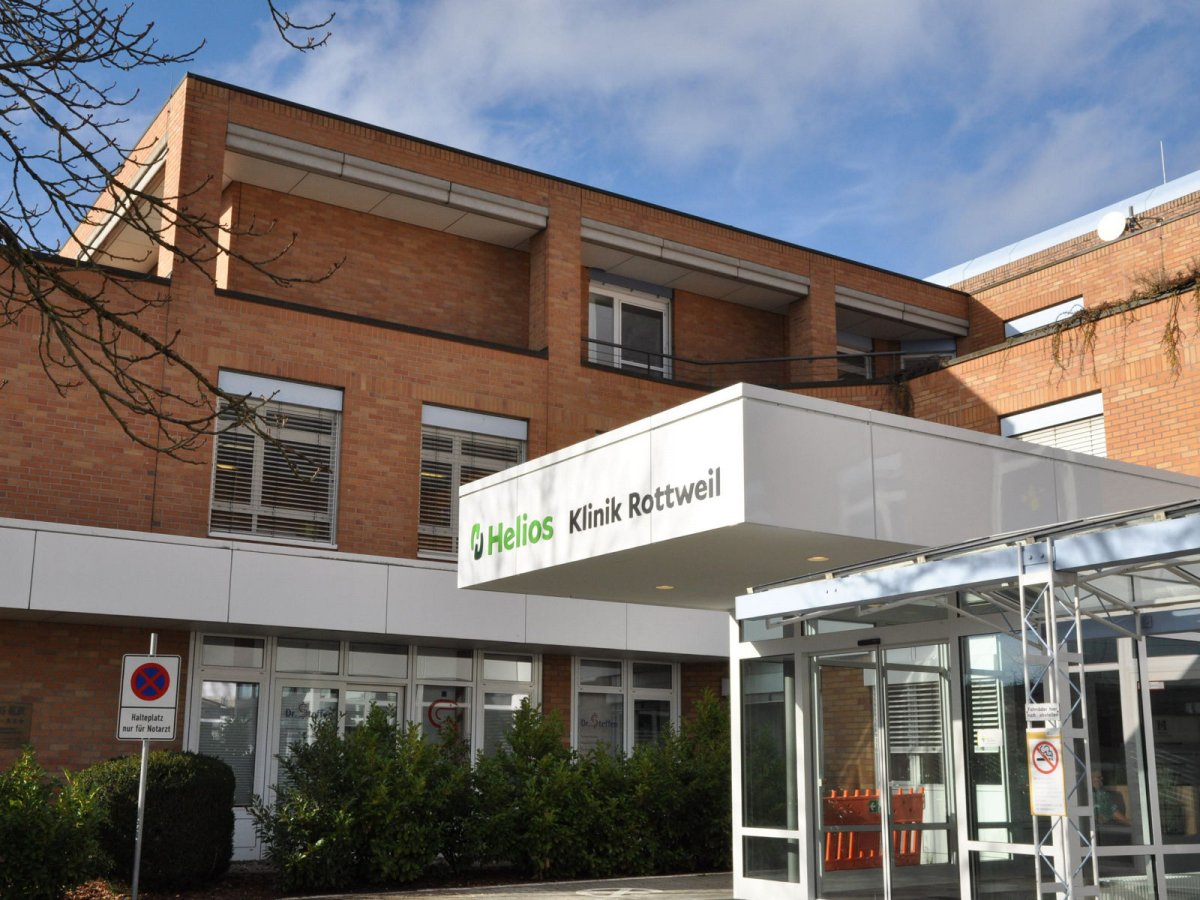



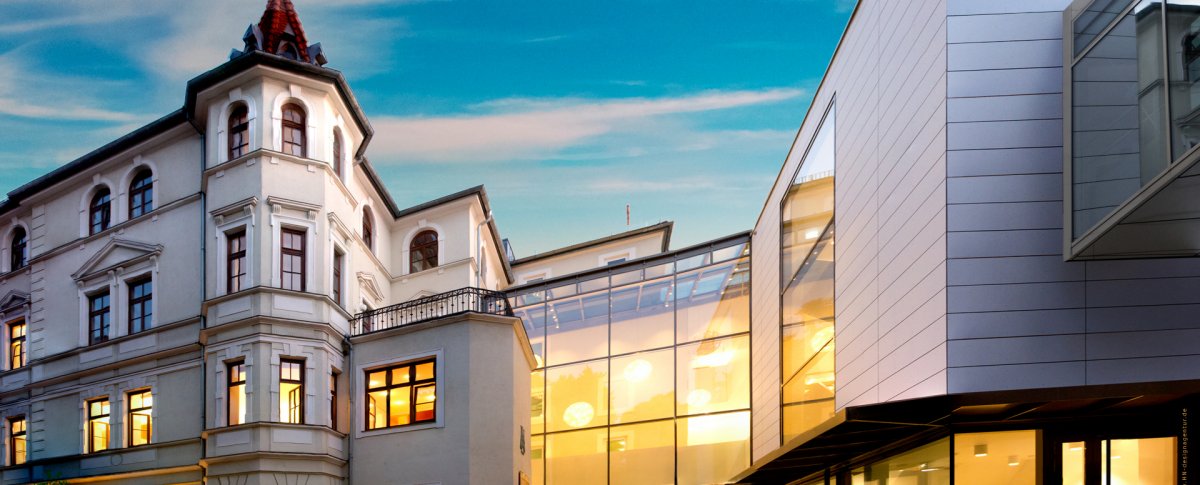
Eye Surgeries Professor Schaller's Private Practice in Eye Clinic of Herzog Carl Theodor-Munich





Spreebogen Ophthalmology Clinic



جراحة العيون بالليزر في ألمانيا: جدول زمني يومي
اليوم 1: الوصول إلى ألمانيا
- عند الهبوط، يجب أن تكون جميع المستندات اللازمة جاهزة، بما في ذلك جواز السفر والتأشيرة (إن وجدت) وأي سجلات طبية مطلوبة للعيادة.
- قم بتسجيل الدخول إلى فندقك واستقر. يجب أن ترتاح جيداً للاستعداد للاستشارات والإجراءات الطبية القادمة.
- راجع أي تعليمات من العيادة فيما يتعلق بالرعاية قبل العملية، مثل تجنب العدسات اللاصقة قبل الإجراء.
- اتصل بالعيادة لتأكيد موعدك لليوم التالي. تأكد من حصولك على العنوان الصحيح وتفاصيل المواصلات.
اليوم 2: استشارة ما قبل العملية
- احضر الاستشارة المقررة في العيادة. هذا أمر بالغ الأهمية لتحديث حالة عينيك وصياغة خطة العلاج.
- تتضمن الاستشارة عادةً فحصاً شاملاً لسيرة المريض وفحصاً شاملاً لطب العيون وتشخيصاً مخبرياً.
- ناقش الإجراءات المحتملة مثل الليزك أو سمايل أو عدسات الليزك القابلة للزراعة أو عدسات فيزيان القابلة للزراعة (EVO+) حسب حالتك وسُمك القرنية.
- إذا كنت تعاني من اللابؤرية، فقد يوصى باستخدام العدسات اللاصقة الحيدية لتعويض عدم انتظام القرنية.
- احصل على شرح مفصل للإجراء، بما في ذلك ما يمكن توقعه قبل الجراحة وأثناءها وبعدها. اطرح أي أسئلة قد تكون لديك.
اليوم 3: جراحة العيون بالليزر
- الوصول إلى العيادة في الوقت المحدد لإجراء جراحة العيون بالليزر، مثل الليزك أو سمايل.
- اتبع جميع تعليمات ما قبل الجراحة التي تقدمها لك العيادة، مثل الصيام أو تجنب تناول أدوية معينة.
- عادةً ما تكون العملية سريعة، وتستغرق حوالي 30 دقيقة، ويتم إجراؤها تحت التخدير الموضعي.
- سيتم تقديم تعليمات الرعاية بعد العملية الجراحية، بما في ذلك استخدام قطرات العين الموصوفة لمنع العدوى وتقليل الالتهاب.
- رتب أمر نقلك إلى الفندق، حيث لن تتمكن من القيادة مباشرةً بعد العملية.
اليوم 4: فحص ما بعد الجراحة
- ارجع إلى العيادة لإجراء فحص ما بعد الجراحة للتأكد من أن عملية الشفاء تسير على الطريق الصحيح.
- سيقوم طبيب العيون بفحص عينيك وتقييم نجاح العملية وإجراء أي تعديلات ضرورية على خطة التعافي.
- الاستمرار في استخدام قطرات العين الموصوفة واتباع أي تعليمات رعاية إضافية يقدمها الطبيب.
- استرح وتجنب الأنشطة التي قد تجهد عينيك، مثل القراءة أو استخدام الأجهزة الرقمية لفترات طويلة.
اليوم 5-6: فترة التعافي
- حافظ على التواصل مع العيادة للمتابعة في حالة وجود أي مخاوف أو أعراض غير عادية.
- التزم بجميع إرشادات التعافي، مثل ارتداء النظارات الواقية على النحو الموصى به وتجنب حمامات السباحة أو أحواض الاستحمام الساخنة.
- استئناف الأنشطة العادية تدريجيًا، ولكن تجنب ممارسة التمارين الشاقة أو رفع الأحمال الثقيلة لمدة أسبوع على الأقل.
- راقب رؤيتك وأبلغ العيادة على الفور عن أي تغيرات مهمة.
اليوم 7: مغادرة ألمانيا
- قبل المغادرة، احرص على إجراء استشارة أخيرة مع العيادة للتأكد من أن تعافيك يسير على النحو المتوقع.
- احصل على ملخص لعلاجك وأي تعليمات رعاية طويلة الأمد تحتاج إلى اتباعها عند عودتك إلى المنزل.
- خطط لرعاية المتابعة مع طبيب العيون في بلدك لضمان المتابعة المستمرة لصحة عينيك.
- احزم جميع الأدوية ومنتجات العناية بالعين اللازمة لرحلتك إلى بلدك.
- غادر ألمانيا باتباع أي توصيات سفر يقدمها لك فريق الرعاية الصحية الخاص بك.
تلتزم Bookimed، وهي منصة عالمية رائدة في مجال السياحة الطبية، بمساعدة العملاء الذين يبحثون عن جراحة العيون بالليزر في ألمانيا من خلال تقديم مساعدة الخبراء والحلول الطبية الجديرة بالثقة لكل حالة. يُستخدم نظام التصنيف التلقائي الذكي لإنشاء قوائم عيادات شفافة، ويتم صيانتها بدقة بواسطة عالم بيانات يستخدم الذكاء الاصطناعي للتأكد من دقتها. تضمن المنصة الأصالة من خلال نشر مراجعات من مرضى حقيقيين بعد علاجهم. يقدم Bookimed حلولاً طبية شاملة، مع تحديثات من العيادات لضمان الثقة. المحتوى الخاص بجراحة العيون بالليزر في ألمانيا، والذي تم صياغته من قبل مؤلفين طبيين ذوي خبرة ومراجعته من قبل متخصصين، يلتزم بإرشادات التحرير الخاصة بـ Bookimed ، مما يعكس التزام المنصة بتقديم معلومات صحية واضحة وعالية الجودة. لمزيد من التفاصيل أو الاستفسارات، لا تتردد في الاتصال بنا على Marketing@bookimed.com أو معرفة المزيد عنا وعن مهمتنا عن Bookimed .
احصل على تقييم طبي لـ جراحة العيون بالليزر في ألمانيا: اختر أخصائيك من بين الأفضل في هذا المجال
عرض جميع الأطباء
Sebastian Keil
تخرج الطبيب بامتياز في عام 2004 من جامعة يوليوس ماكسيميليان في فورتسبورغ. بدأ مسيرته المهنية في هامبورغ، حيث اكتسب خبرة في علم الأشعة في عيادة هامبورغ-ألتونا. واصل تطوير خبرته في مستشفى جامعة آخن، حيث عمل مع محترفين مشهورين وأتقن تقنيات التصوير الحديثة مثل الموجات فوق الصوتية، والأشعة المقطعية، والرنين المغناطيسي للتدخلات المعقدة.<\/p>
في عام 2010، أصبح الطبيب الرائد في عيادة الأشعة التشخيصية والتداخلية، ثم عمل كطبيب رائد تحت إشراف البروفيسور كول حتى عام 2022. حاليًا، هو الطبيب ال
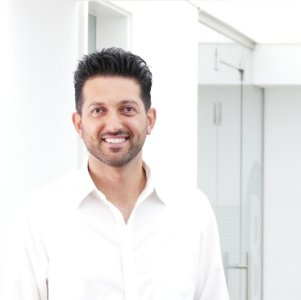
Kadir Kocadag
Dr. med. Kadir Kocadag طبيب عيون معتمد من البورد الألماني. تدرّب في جامعة دويسبورغ-إسن ومستشفى العيون الجامعي في إسن تحت إشراف البروفيسور Bornfeld والبروفيسور Steuhl. شغل منصباً سريرياً قيادياً تركز عمله على أمراض البقعة والشبكية وأورام العين، ويتمتّع بخبرة في جراحات تصحيح الإبصار والعلاجات الليزرية العينية.
عمل مستشاراً في مستشفى إليزابيث بإسن. ومنذ عام 2015 يمارس عمله في زولينغن وكولونيا، ويقدّم الاستشارات أيضاً في المستشفى البلدي بزولينغن (Städtisches Klinikum Solingen). تناولت أطرو
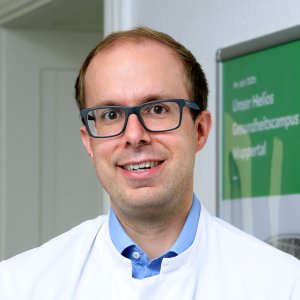
André Rosentreter Chief Of Ophthalmology
قصص فيديو من مرضى Bookimed
المراجعات
جميع المراجعاتمشاركة المحتوى
 Anna Leonova
أسئلة متكررة حول جراحة العيون بالليزر في ألمانيا
هل يغطي التأمين الصحي الألماني (Gesetzliche Krankenversicherung) جراحة العيون بالليزر؟
لا يغطي التأمين الصحي القانوني الألماني جراحة العيون بالليزر لتصحيح الإبصار. تصنف شركات التأمين العامة مثل TK أو Barmer أو AOK عمليات LASIK وSMILE وPRK كإجراءات اختيارية تتعلق بنمط الحياة. وهم يؤكدون أن ضعف البصر القياسي مثل قصر النظر أو الاستجماتيزم يتم التعامل معه بشكل كافٍ من خلال النظارات أو العدسات اللاصقة.
- الاستثناءات الطبية: تتطلب التغطية توثيقاً لحالة عدم تحمل شديدة لكل من النظارات والعدسات اللاصقة.
- عدم الانتظام العالي: قد تنظر شركات التأمين في حالات وجود اختلافات شديدة في قوة الانكسار بين العينين.
- حالات أخرى: تغطي صناديق الصحة العامة علاجات الليزر للجلوكوما أو المياه البيضاء أو ندبات القرنية.
- المزايا الضريبية: يمكن للمرضى المطالبة بتكاليف الجراحة كأعباء مالية استثنائية في الإقرارات الضريبية السنوية.
رؤية خبير Bookimed: في حين يظل التأمين العام مقيداً، تقدم مراكز متخصصة مثل عيادة EuroEyes أو عيادة Spreebogen للعيون تقنيات متقدمة مثل ReLEx SMILE وFemto-LASIK.
إجماع المرضى: يجد العديد من المرضى أنه على الرغم من أن الاستشارات الأولية تبدو واعدة فيما يتعلق بالتغطية، إلا أن التعويض الفعلي نادر الحدوث بدون توثيق متخصص شامل. يوصي معظم المتقدمين الناجحين بالحصول على موافقة كتابية من شركة التأمين قبل الإجر
من هو المؤهل لتصحيح الإبصار بالليزر في ألمانيا؟
تتطلب الأهلية لتصحيح الإبصار بالليزر في ألمانيا أن يكون عمر المريض 18 عاماً على الأقل وأن يحافظ على وصفة طبية مستقرة لمدة تتراوح بين 12 إلى 24 شهراً. يجب أن يتمتع المرشحون بقرنيات سليمة وأن يستوفوا حدود ديوبتر محددة لقصر النظر أو طول النظر أو الاستجماتيزم لضمان نتائج جراحية آمنة.
- متطلبات العمر: يجب أن يكون عمر المرضى 18 عاماً فما فوق، على الرغم من أن العديد من الأطباء الألمان يفضلون المرشحين الذين تتراوح أعمارهم بين 20 و45 عاماً.
- استقرار الرؤية: يجب أن تظل وصفتك الطبية دون تغيير لمدة سنة إلى سنتين قبل الإجراء.
- حدود الانكسار: تتعامل التصحيحات عادةً مع قصر النظر حتى -10.00، وطول النظر حتى +4.00، والاستجماتيزم حتى 6.00 ديوبتر.
- صحة القرنية: سماكة القرنية الكافية إلزامية لإنشاء سديلة أو استخراج الأنسجة بأمان.
رؤية خبير Bookimed: في حين تقدم العديد من العيادات مجموعة واسعة من الإجراءات، فإن الجراحين الألمان محافظون بشكل ملحوظ فيما يتعلق برقة القرنية. حتى إذا تم استبعادك من إجراء LASIK، تشير بيانات من متخصصين مثل الدكتور يوهانس جونرمان في AugenCentrum am Rothenbaum إلى أن الطرق البديلة مثل ReLEx SMILE أو No-Touch-Trans-PRK قد تظل خيارات قابلة للتطبيق للحالات الحدودية. غالباً ما تتمتع المراكز المتخصصة في ألمانيا بمعدل نجاح أعلى من خلال مطابقة تقنية الليزر المحددة مع تضاريس القرنية الفريدة للمريض.
إجماع المرضى: يؤكد المرضى أن كونك مؤهلاً لجراحة الليزر لا يضمن الأهلية لإجراء LASIK. تم توجيه الكثيرين إلى PRK أو SMILE بعد أن
ما هي تقنيات الليزر الرئيسية المقدمة في العيادات الألمانية؟
توفر العيادات الألمانية تقنيات ليزر متقدمة بما في ذلك ReLEx SMILE وFemto-LASIK وTrans-PRK لتصحيح الرؤية. كما تستخدم المراكز المتخصصة ليزر CO2 والليزر المجزأ (Fractional) في الأمراض الجلدية، بينما تستخدم الطب التجديدي علاجات الليزر الخلالي والوريدي لعلاج آلام المفاصل والحالات المزمنة بدقة عالية.
- معايير طب العيون: يوفر ReLEx SMILE تصحيحاً طفيف التوغل بينما يظل Femto-LASIK هو المعيار المتميز.
- الأمراض الجلدية التجميلية: تعالج ليزرات CO2 الاستئصالية والأجهزة المجزأة الندبات العميقة والتجاعيد بفعالية.
- العلاج التجديدي: تقوم قسطرة الليزر الخلالي بتوصيل الفوتونات مباشرة إلى الغضروف لتحفيز إصلاح الخلايا.
- الدقة الجراحية: يعالج العلاج بالليزر في أمراض الشرج (LHP) البواسير مع ألم أقل بكثير بعد الجراحة.
رؤية خبير Bookimed: تحتل ألمانيا المرتبة الثانية عالمياً في الطلبات الطبية في شبكتنا. تظهر بيانات عيادة EuroEyes حجماً هائلاً يزيد عن 500,000 مريض تمت معالجتهم. يسمح هذا المعدل المرتفع للجراحين الألمان مثل الدكتور يوهانس جونرمان بإجراء أكثر من 30,000 عملية، مما يضمن مستوى من الإتقان التقني نادراً ما يوجد في الأسواق الأصغر.
إجماع المرضى: يؤكد المرضى أن اختيار التقنية يعتمد على سمك القرنية ونمط الحياة وليس على التسويق. في حين يوفر LASIK أسرع تعافٍ، يجد الكثيرون أن الأيام الثلاثة إلى الخمسة الأولى بعد علاجات السطح مثل Trans-PRK أصعب بكثير مما كان متوقعاً.
هل الإجراء مؤلم؟
جراحة العيون بالليزر في ألمانيا ليست مؤلمة لأن الجراحين يستخدمون قطرات تخدير قبل بدء الإجراء. على الرغم من أنك تظل مستيقظًا، إلا أن هذه القطرات تحيد الأحاسيس الحادة. قد تشعر بضغط خفيف أو شد أثناء العملية التي تستغرق من 10 إلى 15 دقيقة، لكن الألم الفعلي نادر الحدوث.
- طريقة التخدير: يستخدم الجراحون قطرات تخدير متخصصة لضمان عدم حدوث أي ألم حاد.
- الأحاسيس الجسدية: قد تشعر بضغط خفيف أو إحساس بشيء يلمس العين.
- سرعة الإجراء: يستغرق تطبيق الليزر عادةً أقل من 60 ثانية لكل عين لتقليل الانزعاج.
- الشعور بعد العملية: يتضمن التعافي الأولي عادةً شعورًا بوجود رمل في العين بدلاً من الألم الشديد.
رؤية خبير Bookimed: غالبًا ما تعطي العيادات الألمانية مثل EuroEyes أو Spreebogen الأولوية للإجراءات طفيفة التوغل مثل SMILE pro أو Femto-LASIK. الخبرة المهنية هي أفضل وسيلة لتقليل الألم. على سبيل المثال، أجرى الدكتور يوهانس جونرمان 30,000 عملية. يعمل الجراحون ذوو الخبرة العالية بشكل أسرع، مما يقلل بشكل كبير من الوقت الذي تتعرض فيه عيناك للأدوات الجراحية.
إجماع المرضى: يصف معظم المرضى الإحساس بأنه ضغط قصير ومكثف بدلاً من كونه ألمًا. غالبًا ما يجدون الليلة الأولى من التعافي أكثر إزعاجًا من الجراحة نفسها بسبب الحساسية للضوء.
ما هي مدة الإجازة المطلوبة من العمل أو ممارسة الرياضة؟
يعود معظم المرضى إلى العمل المكتبي في غضون يوم إلى 3 أيام بعد جراحة العيون بالليزر في ألمانيا. يجب عليك التوقف عن ممارسة الرياضة والتدريب البدني لمدة أسبوع إلى أسبوعين لضمان التئام سديلة القرنية بشكل مناسب وتجنب التهيج أو المضاعفات.
- العمل المكتبي: العودة في غضون يوم إلى 3 أيام إذا كان إجهاد الشاشة قابلاً للتحكم.
- العمل البدني: انتظر أسبوعاً واحداً للوظائف التي تنطوي على الغبار أو الرفع أو الإجهاد الشديد.
- التمارين الخفيفة: استأنف الركض أو تمارين الصالة الرياضية الخفيفة بعد 3 إلى 4 أيام.
- رياضات التلامس: تجنبها لمدة أسبوعين أو أكثر لمنع إزاحة السديلة الناتجة عن الصدمات.
رؤية خبير Bookimed: أجرت العيادات الألمانية مثل EuroEyes أكثر من 500,000 إجراء، مما كشف أن سرعة التعافي تعتمد بشكل كبير على التقنية. غالباً ما يبلغ المرضى الذين يختارون تقنية ReLEx SMILE عن راحة أسرع من تقنية LASIK. ويرجع ذلك إلى الشق الأصغر، الذي يقلل من أعراض جفاف العين أثناء العمل على الشاشة.
إجماع المرضى: يقترح العديد من المرضى تخصيص أيام راحة إضافية بدلاً من العودة المتسرعة. غالباً ما يبدو التعافي في الواقع أبطأ بسبب الحساسية المستمرة للضوء ووهج الشاشة خلال الأسبوع الأول.
هل يمكن خصم التكاليف من ضريبة الدخل الألمانية؟
تكاليف جراحة العيون بالليزر في ألمانيا قابلة للخصم الضريبي كأعباء استثنائية (außergewöhnliche Belastungen) إذا كان الإجراء ضروريًا طبيًا. في حين أن النفقات التي تتراوح من $1,700 إلى $2,500 مؤهلة، فإن الخصومات لا تنطبق إلا بعد تجاوز حد معين من العبء المالي المعقول القائم على الدخل.
- الفئة الضريبية: تندرج المطالبات تحت الأعباء الاستثنائية، مما يقلل من قاعدة الدخل الخاضع للضريبة بشكل عام في ألمانيا.
- الضرورة الطبية: عادة ما يطلب مسؤولو Finanzamt توصية طبية للتمييز بين الجراحة والراحة التجميلية.
- حد الخصم: الجزء الذي يتجاوز حد العبء المعقول المحسوب الخاص بك هو فقط القابل للخصم الضريبي فعليًا.
- التوثيق: احتفظ بجميع الفواتير وكشوف الحسابات المصرفية حيث أن إثبات الدفع مطلوب بدقة.
رؤية خبير Bookimed: على الرغم من أن جراحة العيون بالليزر هي إجراء قياسي في المؤسسات الكبرى مثل عيادة EuroEyes، إلا أن مكتب الضرائب غالبًا ما يدقق في الفرق بين "الراحة" و"الضرورة". غالبًا ما يحقق المرضى الذين يختارون تقنيات متقدمة مثل ReLEx SMILE نجاحًا أكبر في الخصومات عندما يقدمون أدلة سريرية على أن النظارات أو العدسات اللاصقة التقليدية تسببت في تهيج مزمن أو أعاقت المهام المهنية.
إجماع المرضى: يجد العديد من المرضى أن الاحتفاظ بتوثيق مفصل أمر حيوي لأن القبول يعتمد كليًا على مكتب الضرائب المحلي. غالبًا ما يبدو الأمر كمقامرة ما لم يكن لديك مبرر طبي قوي من جراحك.
ما هي المستشفيات في ألمانيا التي تحظى بأعلى التقييمات في جراحة الأعصاب؟
تضم ألمانيا بعضًا من أرقى أقسام جراحة الأعصاب في العالم، بقيادة مستشفى شاريتيه الجامعي في برلين ومستشفى جامعة هايدلبرغ. وتتميز هذه المراكز بخبرتها الواسعة في علاج أورام الدماغ المعقدة وأمراض الأوعية الدموية الدماغية. ولتحقيق أقصى قدر من الفعالية في عملياتها، تستخدم هذه المراكز أحدث التقنيات، مثل التصوير بالرنين المغناطيسي أثناء الجراحة والتوجيه العصبي بمساعدة الحاسوب.
- مستشفى شاريتيه برلين: يُجري أكثر من 5000 عملية جراحية سنوياً. ويرأس العيادة جراح الأعصاب الشهير الدكتور بيتر فايكوتشي.
- المركز الطبي في سولينجن: أجرى الدكتور رالف بوهل أكثر من 4000 عملية جراحية، بما في ذلك جراحات العمود الفقري طفيفة التوغل.
- عيادة أسكليبيوس نورد: مجهزة بنظام التصوير بالرنين المغناطيسي الثنائي الوحيد في ألمانيا أثناء الجراحة لضمان الدقة الجراحية في الوقت الحقيقي أثناء إزالة الورم.
- عيادة نوردويست: تم الاعتراف بها من قبل مجلة نيوزويك كمستشفى رائد في مجال الابتكار في تكنولوجيا الموجات فوق الصوتية ثلاثية الأبعاد.
رأي خبراء بوكيمد: تشير البيانات إلى أن اختيار المراكز ذات الحجم الجراحي الكبير غالبًا ما يؤدي إلى توصيات علاجية أكثر تحفظًا. ففي مركز سولينجن الطبي، الذي يعالج أكثر من 60,000 مريض
ما هي نسب نجاح العمليات الجراحية العصبية المعقدة في ألمانيا؟
في ألمانيا، تتميز العمليات الجراحية العصبية بالغة التعقيد بمستوى أمان استثنائي. تصل نسبة نجاح عمليات دمج الفقرات إلى 99%، بينما تبلغ نسبة النجاة بعد استئصال أورام الدماغ الأولية 97%. كما يتمتع المرضى بقدرة عالية على الاعتماد على أنفسهم في أداء وظائفهم اليومية، حيث يغادر أكثر من 82% منهم المستشفى مباشرةً بعد العلاج. وتولي المراكز الألمانية اهتماماً بالغاً بالحفاظ على الوظائف العصبية باستخدام أحدث تقنيات التخطيط العصبي.
- استئصال الورم: يحقق الجراحون استئصالًا كاملاً للورم في 87.2% من حالات النقائل الدماغية.
- النجاح في علاج أمراض الأوعية الدموية: أفادت المستشفيات الألمانية بنسبة نجاة بلغت 98.7% لحالات تمدد الأوعية الدموية غير الممزقة.
- تحسن الحالة العصبية: يشهد ما يقرب من 43% من المرضى تحسناً في المعايير الوظيفية بعد عمليات الاستئصال المعقدة.
- سلامة التدخلات الجراحية: في المراكز الجراحية الكبيرة، تتراوح معدلات بقاء المرضى على قيد الحياة بعد جراحة العمود الفقري بين 98-99%.
رأي خبراء بوكيمد: يُجري جراحون ذوو خبرة، مثل الدكتور أوفه كولر من عيادة أسكليبيوس ألتونا، أكثر من 2000 عملية جراحية سنويًا. تُشير البيانات إلى أن هؤلاء المتخصصين يحافظون على معدلات نجاح تصل إلى 90%، حتى
ما هي التقنيات المتقدمة المتوفرة عادةً في عيادات جراحة الأعصاب الألمانية؟
تُدخل عيادات جراحة الأعصاب الألمانية بانتظام أدوات رقمية عالية الدقة وتقنيات تصوير فوري في الممارسة الجراحية. تشمل التقنيات الرئيسية الملاحة العصبية الحاسوبية لجراحات الدماغ والحبل الشوكي. تستخدم مؤسسات مثل عيادة أسكليبيوس نورد التصوير بالرنين المغناطيسي أثناء الجراحة للتحقق من استئصال الورم في الوقت الفعلي. توفر هذه الأنظمة للجراحين نظام ملاحة ثلاثي الأبعاد.
- الملاحة العصبية: توفر تصورًا ثلاثي الأبعاد وتتبعًا فوريًا للأدوات لتحقيق دقة جراحية تصل إلى مستوى أقل من المليمتر.
- التصوير أثناء العملية: تسمح أنظمة مثل التصوير بالرنين المغناطيسي أثناء العملية (iMRI) والتصوير المقطعي المحوسب ذي الذراع O (O-arm CT) بالتأكيد الفوري على نجاح عملية الاستئصال.
- المراقبة العصبية: تراقب الوظائف الحركية والحسية أثناء الجراحة لحماية الجهاز العصبي.
- التشخيص الفلوري: يتم استخدام صبغة 5-ALA لتسليط الضوء على حدود الورم من أجل إزالته بشكل أكثر اكتمالاً.
- المساعدة الروبوتية: تعمل أنظمة مثل نظام دافنشي على تحسين الدقة في الإجراءات المعقدة ذات التدخل الجراحي البسيط.
رأي خبراء بوكيمد: تُجري مراكز طبية كبيرة، مثل مستشفى شاريتيه الج
ما هي التدريبات المتخصصة التي يتلقاها جراحو الأعصاب الممارسون في ألمانيا؟
في ألمانيا، يتعين على جراحي الأعصاب إكمال برنامج إقامة تخصصي لمدة ست سنوات بعد التخرج من كلية الطب. يشمل هذا البرنامج المنظم العناية المركزة، والتدريب السريري، وكتابة مقالات في مجلة جراحية إلزامية. بعد ذلك، يجتاز المرشحون امتحانًا حكوميًا للحصول على لقب طبيب مقيم (Facharzt für Neurochirurgie).
- الإقامة السريرية: تتطلب من 48 إلى 72 شهرًا من الممارسة المتخصصة في جراحة الأعصاب.
- العناية المركزة: تتضمن فترة تدريب إلزامية لمدة 6 أشهر في وحدة العناية المركزة لجراحة الأعصاب.
- المجلة الجراحية: يوثق الجراحون مئات العمليات الجراحية، بما في ذلك عمليات فتح الجمجمة وجراحات العمود الفقري.
- امتحان الترخيص: يجب على المتقدمين اجتياز امتحان طبي شفوي وعملي تديره الدولة.
رأي خبراء بوكيميد: يركز التدريب الألماني في جراحة الأعصاب على الخبرة الجراحية الواسعة. فعلى سبيل المثال، أجرى الدكتور رالف بول من المركز الطبي في سولينجن أكثر من 4000 عملية جراحية. ويتمتع الدكتور يورغن كيويت من مستشفى ميوكلينيك بخبرة تزيد عن 25 عامًا. يضمن هذا النظام الدقيق أن يتعامل المتخصصون في المراكز الكبرى مع الحالات المعقدة بدقة مثبتة.
آراء المرضى: يشع