عيادات تثبيت جهاز تنظيم ضربات القلب في ألمانيا


تمت مراجعة المقالة طبيا من قبل
فهد مولود
ما هي تكلفة تثبيت جهاز تنظيم ضربات القلب في ألمانيا؟ اكتشف الآن
من $13,000. تعتمد الأسعار على مدى تعقيد الجهاز ومدة الإقامة بالمستشفى والمركز الطبي المختار. تشمل الباقات عادةً الجهاز والعملية الجراحية والتخدير والتشخيصات الأولية.
- الجهاز أحادي الحجرة: أقل تكلفة بنسبة 40% تقريباً مقارنة بنماذج البطينين لتنظيم إيقاع القلب الأساسي.
- تركيب جهاز للبطينين: تزيد تكلفته نظراً لتعقيد إجراء وضع الأقطاب الثلاثة للمصابين بفشل القلب.
- الإقامة بالمستشفى: تؤدي زيادة المدة عن النطاق القياسي من 1-5 أيام إلى إضافة رسوم إقامة يومية.
- المراكز الطبية الكبرى: تضم مدن برلين وهامبورغ وفرانكفورت ودويسبورغ المراكز الرئيسية التخصصية للقلب.
رأي خبراء Bookimed: تقدم ألمانيا قيمة استثنائية لحالات القلب المعقدة. يُعد مجمع نوردراين فيستفالن الطبي أكبر مركز للقلب في ألمانيا. ويقوم المركز بإجراء فحوصات القلب لطياري الطيران المدني. توفر عيادة بريمن ميته للمرضى الدوليين باقات منظمة تبدأ من 20,000 $. تشمل هذه الباقات عادةً إقامة تصل إلى 10 أيام. يضمن ذلك فترة تعافٍ آمنة نادراً ما تتوفر في دول أخرى.
| تركيا | إسبانيا | ألمانيا | |
|---|---|---|---|
| تثبيت جهاز تنظيم ضربات القلب | من $6,500 | من $33,700 | من $13,000 |
مزاياك وضماناتك مع Bookimed
أسعار مباشرة
Bookimed لا يضيف رسوماً إضافية على أسعار تثبيت جهاز تنظيم ضربات القلب. الأسعار مأخوذة من قوائم الأسعار الرسمية للعيادات. تدفع مباشرة في العيادة مقابل تثبيت جهاز تنظيم ضربات القلب عند وصولك.
عيادات وأطباء معتمدون فقط
Bookimed ملتزم بسلامتك. نحن نعمل فقط مع المؤسسات الطبية التي تحافظ على معايير دولية عالية في تثبيت جهاز تنظيم ضربات القلب ولديها التراخيص اللازمة لخدمة المرضى الدوليين في جميع أنحاء العالم.
مساعدة مجانية على مدار الساعة
Bookimed يقدم مساعدة خبراء مجانية. منسق طبي شخصي يدعمك قبل وأثناء وبعد العلاج، ويحل أي مشاكل. لن تكون وحيداً أبداً في رحلة تثبيت جهاز تنظيم ضربات القلب.

منسقك الطبي الشخصي في Bookimed
- يدعمك في كل مرحلة
- المساعدة في اختيار العيادة الطبية المناسبة والطبيب المناسب
- يضمن الوصول السريع والمريح إلى المعلومات
اكتشف أفضل تثبيت جهاز تنظيم ضربات القلب العيادات في ألمانيا: 4 خيارات معتمدة والأسعار








نظرة عامة على تثبيت جهاز تنظيم ضربات القلب في ألمانيا
- تثبيت جهاز تنظيم ضربات القلب - من $13,000
تقوم هذه العملية بوضع جهاز في الصدر لتنظيم ضربات القلب غير المنتظمة وتحسين كفاءة القلب ونوعية الحياة.
اليوم الأول: الوصول
- الوصول إلى البلاد عبر تحويل VIP.
- تحقق في إقامتك في فندق 5 نجوم.
- تعرف على مزود المساعدة اللغوية الخاص بك.
اليوم الثاني: ما قبل العملية
- استشر طبيب القلب وجراح القلب.
- اخضع لاختبار فحص القلب والاختبارات الطبية الأخرى اللازمة.
- تلقي إحاطة ما قبل العملية من الفريق الطبي.
اليوم 3: الإجراء
- الوصول إلى المستشفى لتركيب جهاز تنظيم ضربات القلب.
- اخضع للتخدير الموضعي أو العام كما هو موصى به.
- تستغرق العملية من ساعة إلى ساعتين ، حسب الحالات الفردية.
- بعد العملية ، ابق تحت الملاحظة في غرفة الإنعاش.
اليوم 4-7: بعد العملية
- البقاء في المستشفى للمراقبة والتعافي.
- اخضع لفحص ما بعد الجراحة من قبل الجراح.
- ابدأ نشاطًا بدنيًا لطيفًا حسب إرشادات الفريق الطبي.
الأسبوع 1-6: إعادة التأهيل
- تواصل الزيادة التدريجية في الأنشطة البدنية.
- عد إلى العمل في الأسبوع الثالث تقريبًا ، حسب وظيفتك.
- استأنف الرياضات الخفيفة في الأسبوع الرابع ، والرياضات الثقيلة بعد الأسبوع السادس.
- تظهر النتيجة النهائية بعد 6 أسابيع تقريبًا من العملية.
يرجى ملاحظة أن هذا دليل عام وقد تختلف الحالات الفردية. اتبع دائمًا نصيحة فريقك الطبي.
- إيداع Bookimed: 200 دولار أو 200 يورو.
- وديعة العيادة: ادفع نسبة محددة مقدمًا.
بصفتها المنصة العالمية الرائدة في مجال السياحة العلاجية ، تأخذ Bookimed.com مسؤوليتها الضخمة على محمل الجد عندما يتعلق الأمر بالعملاء - المرضى والمراكز الطبية على حدٍ سواء. تستند جميع المعلومات المقدمة على Bookimed.com إلى البحث والاستبصار والخبرة وتفي بالاهتمام الكبير المتعلق بالمنتج وما يلي:
نظام التصنيف التلقائي الذكي
تشكل Bookimed.com قوائمها للعيادات والأطباء مع لوائح صارمة لنظام التصنيف التلقائي الذكي الخاص بنا. يعتمد النظام على أسعار Bookimed الحقيقية للمرضى لتوفير المعلومات الأكثر موضوعية وشفافية حول العيادات والخدمات الطبية هناك. يستخدم نظام التصنيف هذا أيضًا في تركيب جهاز تنظيم ضربات القلب في ألمانيا ويقدم نتائج دقيقة.
يجمع عالم البيانات ذو الخبرة لدينا البيانات يوميًا ، ويراقب ويحسن نظام التصنيف باستخدام التعلم الآلي والذكاء الاصطناعي لضمان تحديث نظام التصنيف وتقديم نتائج دقيقة.
تجربة الناس الحقيقية فقط
لا يجمع موقع Bookimed.com آراء عملاء Bookimed إلا بعد الحصول على خبرة طبية مع العيادة - لذلك يمكن للجميع على المنصة الوثوق بالمنشأة التي يختارونها. نحن نسعى جاهدين لجعل المحتوى على منصتنا مفيدًا قدر الإمكان ونضمن حرية التعبير عن الآراء النقدية. وبالتالي ، ننشر مراجعات إيجابية وسلبية ، بهدف أن نكون مصدرًا لاتخاذ قرارات مستنيرة لعملائنا في المستقبل. تشمل المراجعات أيضًا تجارب حول تركيب جهاز تنظيم ضربات القلب في ألمانيا.
مواضيع ذات مستويات عالية من الخبرة والسلطة والجدارة بالثقة
على موقع Bookimed.com ، قد تجد الاختيار والراحة للعثور على أفضل الحلول الطبية من كبار مزودي الخدمات الطبية في مكان واحد فقط ، وغالبًا بأسعار تنافسية. للتأكد من تقديم أحدث المعلومات ، يقوم ممثلو العيادة بتحديث السير الذاتية للأطباء ، وقدرات العيادات ، والصور قبل وبعد ، والأسعار ، والحزم ، والعروض الخاصة بأنفسهم قريبًا. يمكنك مقابلة ممثل العيادة والتحقق من تاريخ المحتوى المحدث في صفحة كل عيادة للتأكد من مصداقيتها. تتضمن المعلومات أيضًا تفاصيل حول تركيب جهاز تنظيم ضربات القلب في ألمانيا.
تم إنشاء مدونتنا والقطع الداعمة من قبل مؤلفين محترفين يتمتعون بخبرة لا تقل عن 3 سنوات في الكتابة الطبية ويتم تحريرها بواسطة متخصصين طبيين يتمتعون بخبرة إكلينيكية وبحثية ذات صلة - تم تعيينهم جميعًا بعناية في الفريق. نحن نسعى جاهدين لتعزيز وصول المريض إلى المعلومات الصحية ، مما يجعلها خبيرة ولكن يسهل فهمها. تتبع جميع القطع إرشادات التحرير الخاصة بـ Bookimed.
القيم المحجوزة
نحن مصنوعون من الناس ومن أجلهم - وهذه هي قيمتنا الأساسية. هذا هو السبب في أن جميع البيانات المقدمة على المنصة يتم جمعها وتحريرها ومراجعتها وتحديثها بانتظام من قبل مرضانا وعياداتنا الشريكة وفريقنا ، بما في ذلك المجلس الاستشاري الطبي Bookimed ، الذي يتكون من أطباء مشهورين عالميًا يتمتعون بخبرة قيمة في أكثر من 20 عاما من الممارسة وسمعة طيبة. تعرف على المزيد عنا وعن مهمتنا ، بما في ذلك معلومات حول تركيب جهاز تنظيم ضربات القلب في ألمانيا.
في حال وجدت أي خطأ أو لديك أي أسئلة حول المعلومات المقدمة على Bookimed.com ، فلا تتردد في الاتصال بنا على marketing@bookimed.com .
احصل على تقييم طبي لـ تثبيت جهاز تنظيم ضربات القلب في ألمانيا: اختر أخصائيك من بين الأفضل في هذا المجال
عرض جميع الأطباء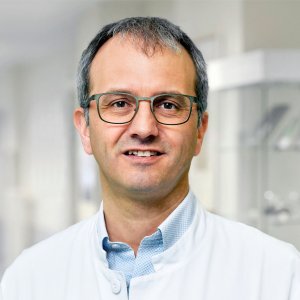
Armin Sause Chief Physician Of Cardiology And Cardiac Electrophysiology
الدكتور (Dr. med.) آرمين زاوزه هو كبير أطباء طب القلب وعلم نظم القلب في مستشفى هيليوس الجامعي في ووبرتال، أحد أبرز مراكز القلب في ألمانيا. وبقيادته أصبح القسم مركزاً متخصصاً في علم نظم القلب والفيزيولوجيا الكهربائية للقلب، ويعتمد الفريق تقنيات حديثة وبروتوكولات علاجية قائمة على الأدلة.
تشمل خبرته علاج الرجفان الأذيني، والاستئصال بالقسطرة وبالترددات الراديوية مع التخطيط ثلاثي الأبعاد، وزراعة أجهزة تنظيم ضربات القلب ومقوِّم نظم القلب ومزيل الرجفان القابل للزرع (ICD)، إضافةً إلى التشخيصات

Dieter Hammel
الدكتور ديتر هامل هو جراح قلب ورئيس قسم جراحة القلب في مستشفى "لينكس دير فيزر" (Links der Weser) في مدينة بريمن. يقوم الدكتور هامل بإجراء عمليات استبدال صمامات القلب، وجراحات مجازة الشريان التاجي، وتركيب دعامات الشريان التاجي، وزراعة أجهزة تنظيم ضربات القلب.
يعمل الدكتور هامل في مستشفى "لينكس دير فيزر"، وهو مركز متخصص في أمراض القلب والأوعية الدموية في ألمانيا يضم ما يقرب من 500 سرير. يستقبل المرفق 27,000 مريض سنوياً، وهو مدرج ضمن تصنيف مجلة "نيوزويك" لأفضل المستشفيات في العالم.
قصص فيديو من مرضى Bookimed
مشاركة المحتوى
 Anna Leonova
أسئلة متكررة حول تثبيت جهاز تنظيم ضربات القلب في ألمانيا
هل يغطي التأمين الصحي القانوني الألماني (GKV) زراعة جهاز تنظيم ضربات القلب؟
يغطي التأمين الصحي القانوني الألماني (GKV) بالكامل تكاليف زراعة جهاز تنظيم ضربات القلب عند وصفها طبياً. وبموجب مبدأ المزايا العينية في نظام الضمان الاجتماعي، يقوم التأمين بالدفع للعيادات مباشرة. تشمل التغطية الإجراء الجراحي، والتخدير، والجهاز الطبي، وجميع فحوصات المتابعة القلبية اللازمة أو استبدال البطارية.
- تغطية الجهاز: يتضمن كتالوج GKV جميع الأجهزة القابلة للزراعة المدرجة في قائمة المساعدات الطبية.
- التكاليف الجراحية: الجراحة الداخلية والخارجية، والتخدير، والتعافي مغطاة بالكامل من قبل التأمين.
- المساهمات القانونية: يدفع البالغون 10 يورو لكل يوم في المستشفى ورسوماً صغيرة للأدوية الموصوفة.
- رعاية المتابعة: فحص الجهاز الروتيني، وإعادة البرمجة، ومتابعات طبيب القلب مشمولة في التغطية.
رؤية خبير Bookimed: بينما يغطي GKV الرعاية القياسية، فإن اختيار المنشأة يؤثر على تجربتك طويلة المدى. يضم مجمع عيادات شمال الراين-وستفاليا أكبر مركز للقلب في ألمانيا، ويقدم خبرة متخصصة. إذا كنت تبحث عن متخصصين محددين مثل الدكتور ديتر هامل في عيادة Links der Weser، فتأكد من أن إحالتك تذكر رئيس القسم تحديداً لتجنب الفواتير الخاصة.
إجماع المرضى: يفيد المرضى أنه على الرغم من أن العملية الطبية روتينية بمجرد الموافقة عليها، فإن تأمين موعد أولي مع طبيب القلب هو العقبة الرئيسية. يقترح معظمهم التركيز على حجم العمليات الجراحية في العيادة كعامل رئيسي لضمان التعافي السلس ورعاية المتابعة.
ما هو معدل النجاح الجراحي في ألمانيا ولماذا يختار المرضى الدوليون العيادات الألمانية؟
تحافظ ألمانيا على معدلات نجاح جراحي رائدة عالمياً، بما في ذلك معدل بقاء على قيد الحياة بنسبة 97.6% لإجراءات القلب. يفضل المرضى الدوليون العيادات الألمانية بسبب معدل الخطأ الطبي البالغ 0.3%، وشفافية الجودة الإلزامية، والوصول إلى فرق أمراض القلب النخبوية في مستشفيات مثل مجمع عيادات شمال الراين-وستفاليا.
- السلامة السريرية: تسجل ألمانيا أدنى معدل خطأ طبي موثق في العالم بنسبة 0.3%.
- الشفافية الإلزامية: يجب على المستشفيات قانوناً نشر بيانات إدارة الجودة ومعدلات النجاح الجراحي.
- مراكز ذات حجم كبير: يعالج مجمع عيادات شمال الراين-وستفاليا 145,000 مريض سنوياً في أكبر مركز للقلب في ألمانيا.
- التسعير المنظم: تضمن فواتير DRG على مستوى الولاية أن يدفع المرضى الدوليون نفس أسعار السكان المحليين.
رؤية خبير Bookimed: بينما تسوق العديد من الدول للسياحة الطبية، فإن ميزة ألمانيا هي الحجم المتخصص. يدير مجمع عيادات شمال الراين-وستفاليا خمسة مستشفيات مترابطة، مما يخلق مجموعة بيانات ضخمة لنتائج القلب. يسمح هذا النطاق للعيادات باستضافة برامج متخصصة، مثل فحوصات القلب لطياري الطيران المدني، والتي تتطلب أعلى معايير السلامة الممكنة.
إجماع المرضى: يقدر المرضى النهج المتوقع والمتحفظ تجاه المضاعفات وينصحون بالتأكد مما إذا كان جهازك يدعم المراقبة عن بعد قبل السفر إلى المنزل. غالباً ما يكون التنسيق سلساً، على الرغم من أن التعافي يتطلب صبراً أكثر مما توحي به الطبيعة "الروتينية" لجراحة منظم ضربات القلب.
هل يتم إيقاف القلب أثناء جراحة منظم ضربات القلب؟
لا يتم إيقاف القلب أثناء جراحة منظم ضربات القلب. بل يستمر في النبض بشكل طبيعي طوال الإجراء بأكمله. يقوم الأطباء بإجراء هذه الجراحة كجراحة طفيفة التوغل، مما يغني عن الحاجة إلى جهاز القلب والرئة. يستخدم الجراحون عادةً التخدير الموضعي والتخدير الخفيف لراحة المريض.
- النهج الجراحي: يقوم الجراحون بعمل شق صغير تحت عظمة الترقوة أو في الفخذ.
- الملاحة الوريدية: يتم توجيه الأسلاك عبر الأوردة مباشرة إلى حجرات القلب باستخدام التنظير التألقي.
- المراقبة في الوقت الفعلي: تتابع الفرق الطبية إيقاع القلب في كل ثانية باستخدام مخطط كهربية القلب (ECG).
- التحفيز المؤقت: يستخدم الأطباء التحفيز الخارجي إذا أصبح معدل ضربات القلب الطبيعي ضعيفاً بشكل استثنائي.
رؤية خبير Bookimed: تجري العيادات الألمانية مثل مجمع عيادات شمال الراين-وستفاليا عدداً هائلاً من إجراءات القلب. مركز القلب لديهم هو الأكبر في ألمانيا. تضمن هذه الخبرة قدرة الجراحين على إدارة إيقاعات القلب الطبيعية أثناء الزرع دون اللجوء إلى تقنيات جراحة القلب المفتوح الغازية. غالباً ما تحقق المراكز ذات الحجم الكبير نتائج سلامة أفضل.
إجماع المرضى: يصف معظم المرضى العملية بأنها إجراء محتمل بل وممل. قد تشعر ببعض الضغط أو الشد بالقرب من عظمة الترقوة، لكنك لن تشعر بتوقف قلبك.
ما هو التخدير المستخدم أثناء الإجراء؟
تتضمن الممارسة القياسية لتركيب منظم ضربات القلب في ألمانيا تخديرًا موضعيًا في موقع الشق مع تخدير خفيف. يضمن هذا النهج راحة المريض مع تجنب مخاطر التخدير العام. يقوم الجراحون بتخدير منطقة الصدر حيث يتم إنشاء جيب الجهاز، مما يجعل المرضى مسترخين ولكن واعين.
- نوع التخدير: التخدير الموضعي بالإضافة إلى التخدير الخفيف هو المعيار لمعظم مراكز القلب الألمانية.
- حالة الوعي: يظل المرضى ناعسين وهادئين ولكن يمكنهم الاستجابة للفريق الطبي.
- التركيز على السلامة: التخدير العام مخصص فقط لمراجعات الأسلاك المعقدة أو احتياجات المريض المحددة.
- راحة المريض: تعطي الفرق الطبية في مراكز مثل عيادة نوردويست الأولوية للتخدير غير المؤلم قبل بدء الإجراء.
رؤية خبير Bookimed: بينما يعد التخدير الموضعي هو الأساس، غالبًا ما تقوم العيادات الألمانية مثل مجمع عيادات شمال الراين-وستفاليا بتخصيص عمق التخدير. تظهر البيانات أن مركز القلب الخاص بهم يخدم 145,000 مريض، بما في ذلك طيارو الطيران المدني، مما يسلط الضوء على التركيز على الدقة. إذا كنت قلقًا، فاطلب مستوى تخدير أقوى أثناء استشارتك الأولية مع متخصصين مثل الدكتور ديتر هامل.
إجماع المرضى: يصف الكثيرون التجربة بأنها شعور بالضغط أو الشد بدلاً من الألم الحاد. يوصي معظمهم بإبلاغ الفريق مبكرًا إذا شعرت أن مفعول دواء التخدير بدأ يتلاشى خلال الخطوات النهائية.
ما هي القيود الفورية على النشاط البدني بعد الجراحة؟
تركز القيود البدنية الفورية بعد جراحة منظم ضربات القلب في ألمانيا على حماية وضع الأسلاك والتئام الشق الجراحي. يجب على معظم المرضى تجنب رفع الذراع الموجودة في جانب الغرسة فوق مستوى الكتف لمدة تتراوح بين أسبوعين إلى 6 أسابيع. يمنع هذا الإجراء الوقائي الأسلاك الداخلية من التحرك قبل تثبيتها بالكامل.
- حركة الذراع: مقيدة تحت مستوى الكتف في الجانب الذي أجريت فيه الجراحة لعدة أسابيع.
- حدود الوزن: لا ترفع أو تدفع أو تسحب أشياء تزيد عن 4.5 إلى 7 كجم (10 إلى 15 رطلاً).
- الأنشطة عالية التأثير: تجنب الجري والقفز وحركات الذراع المتكررة مثل الجولف أو السباحة.
- العناية بالجرح: حافظ على موقع الشق جافاً وتجنب الغمر في أحواض الاستحمام أو المسابح.
- القيادة بعد الجراحة: يجب على المرضى الامتناع عن القيادة حتى يسمح لهم طبيب القلب أو الجراح بذلك.
رؤية خبير Bookimed: تؤكد مراكز القلب الألمانية مثل مجمع عيادات شمال الراين-وستفاليا على قيود الذراع تحديداً لمنع إزاحة الأسلاك. وبينما تختلف المعايير الدولية، غالباً ما تعطي البروتوكولات الألمانية الأولوية للفحوصات المجدولة خلال الأسبوع الأول. تضمن هذه الزيارات المبكرة في المراكز المتخصصة عمل الجهاز بشكل صحيح قبل زيادة النشاط.
إجماع المرضى: يجد العديد من المرضى أن تقييد حركة الذراع عند مستوى الكتف هو أصعب تعديل خلال فترة التعافي المبكرة. ويوصون بإبقاء الذراع الموجودة في جانب الغرسة قريبة من الجسم حتى عند ارتداء الملابس أو العناية الشخصية.
كم تستغرق العملية وما هي مدة الإقامة المعتادة في المستشفى؟
عادةً ما يستغرق تركيب جهاز تنظيم ضربات القلب في ألمانيا من ساعة إلى ساعتين من وقت الجراحة. يبقى المرضى عادةً في المستشفى لليلة واحدة للمراقبة. تعطي المراكز المتخصصة مثل مجمع عيادات شمال الراين-وستفاليا الأولوية للمراقبة الليلية لضمان استقرار الأسلاك والأداء السليم للجهاز.
- مدة الإجراء: تستغرق معظم العمليات الجراحية من 45 إلى 120 دقيقة حسب تعقيد الأسلاك.
- مدة الإقامة في المستشفى: توقع قضاء ليلة واحدة في المستشفى للمراقبة القلبية الروتينية بعد الجراحة.
- التحضير قبل الجراحة: غالبًا ما يستغرق الإعداد، بما في ذلك وضع الوريد وتحضير الصدر، عدة ساعات.
- معايير الخروج: يؤكد الأطباء إعدادات الجهاز ويتحققون من عدم وجود إزاحة للأسلاك قبل الخروج.
رؤية خبير Bookimed: تتعامل أكبر مراكز القلب في ألمانيا، مثل مركز شمال الراين-وستفاليا، مع أعداد كبيرة من المرضى مما يبسط مرحلة التحضير. على الرغم من أن الجراحة سريعة، إلا أن الإقامة الليلية ضرورية للسلامة. غالبًا ما تستخدم العيادات الحاصلة على تصنيفات Newsweek الموجات فوق الصوتية ثلاثية الأبعاد لتأكيد التوضع الدقيق للأسلاك على الفور.
إجماع المرضى: يجد العديد من المرضى أن عملية الزرع الفعلية سريعة بشكل مدهش ولكنهم يشعرون أن التحضير يستغرق اليوم بأكمله. التحدي الرئيسي بعد الجراحة غالبًا ما يكون تقييد حركة الذراع المؤقت بدلاً من الألم الجراحي.
كم تدوم بطارية جهاز تنظيم ضربات القلب وماذا يحدث أثناء الاستبدال؟
تدوم بطارية جهاز تنظيم ضربات القلب عادةً من 5 إلى 15 عامًا، بمتوسط 7 إلى 10 سنوات اعتمادًا على وتيرة التحفيز. أثناء الاستبدال، يقوم الجراحون بتبديل مولد النبضات المحكم الإغلاق مع إبقاء أسلاك القلب الأصلية في مكانها. هذا يجعل الإجراء أسرع وأقل توغلاً.
- مدة الإجراء: تستغرق معظم عمليات استبدال المولد الاختيارية أقل من ساعة واحدة تحت التخدير الموضعي.
- الوصول الجراحي: يقوم الجراحون بإعادة فتح الندبة الأصلية للوصول إلى جيب الجهاز تحت الجلد.
- اختبار الأسلاك: يتحقق الأطباء من أن أسلاكك الحالية تعمل بشكل جيد قبل توصيل المولد الجديد.
- المعايير الألمانية: تتبع العيادات مثل مجمع شمال الراين-وستفاليا بروتوكولات الجودة المعتمدة من KTQ لجراحة القلب.
رؤية خبير Bookimed: تجذب ألمانيا مرضى القلب الاختياريين لأن مرافق مثل عيادة نوردويست أو لينكس دير ويسر تحافظ على أحجام تخصص عالية للغاية. على سبيل المثال، يتعامل مجمع شمال الراين-وستفاليا مع 45,000 مريض داخلي سنويًا. يؤدي هذا التكرار إلى كفاءة محسنة أثناء عمليات تبديل البطارية الروتينية. من $13,000.
إجماع المرضى: يجد المرضى الجراحة الثانية أقل توتراً بكثير من الأولى لأنها تبدو مهمة ولكنها روتينية. يبلغ معظمهم عن تعافٍ سريع مع ألم خفيف فقط لبضعة أيام بدلاً من أسابيع.
ما هي المستشفيات في ألمانيا التي تحظى بأعلى التقييمات في جراحة الأعصاب؟
تضم ألمانيا بعضًا من أرقى أقسام جراحة الأعصاب في العالم، بقيادة مستشفى شاريتيه الجامعي في برلين ومستشفى جامعة هايدلبرغ. وتتميز هذه المراكز بخبرتها الواسعة في علاج أورام الدماغ المعقدة وأمراض الأوعية الدموية الدماغية. ولتحقيق أقصى قدر من الفعالية في عملياتها، تستخدم هذه المراكز أحدث التقنيات، مثل التصوير بالرنين المغناطيسي أثناء الجراحة والتوجيه العصبي بمساعدة الحاسوب.
- مستشفى شاريتيه برلين: يُجري أكثر من 5000 عملية جراحية سنوياً. ويرأس العيادة جراح الأعصاب الشهير الدكتور بيتر فايكوتشي.
- المركز الطبي في سولينجن: أجرى الدكتور رالف بوهل أكثر من 4000 عملية جراحية، بما في ذلك جراحات العمود الفقري طفيفة التوغل.
- عيادة أسكليبيوس نورد: مجهزة بنظام التصوير بالرنين المغناطيسي الثنائي الوحيد في ألمانيا أثناء الجراحة لضمان الدقة الجراحية في الوقت الحقيقي أثناء إزالة الورم.
- عيادة نوردويست: تم الاعتراف بها من قبل مجلة نيوزويك كمستشفى رائد في مجال الابتكار في تكنولوجيا الموجات فوق الصوتية ثلاثية الأبعاد.
رأي خبراء بوكيمد: تشير البيانات إلى أن اختيار المراكز ذات الحجم الجراحي الكبير غالبًا ما يؤدي إلى توصيات علاجية أكثر تحفظًا. ففي مركز سولينجن الطبي، الذي يعالج أكثر من 60,000 مريض
ما هي نسب نجاح العمليات الجراحية العصبية المعقدة في ألمانيا؟
في ألمانيا، تتميز العمليات الجراحية العصبية بالغة التعقيد بمستوى أمان استثنائي. تصل نسبة نجاح عمليات دمج الفقرات إلى 99%، بينما تبلغ نسبة النجاة بعد استئصال أورام الدماغ الأولية 97%. كما يتمتع المرضى بقدرة عالية على الاعتماد على أنفسهم في أداء وظائفهم اليومية، حيث يغادر أكثر من 82% منهم المستشفى مباشرةً بعد العلاج. وتولي المراكز الألمانية اهتماماً بالغاً بالحفاظ على الوظائف العصبية باستخدام أحدث تقنيات التخطيط العصبي.
- استئصال الورم: يحقق الجراحون استئصالًا كاملاً للورم في 87.2% من حالات النقائل الدماغية.
- النجاح في علاج أمراض الأوعية الدموية: أفادت المستشفيات الألمانية بنسبة نجاة بلغت 98.7% لحالات تمدد الأوعية الدموية غير الممزقة.
- تحسن الحالة العصبية: يشهد ما يقرب من 43% من المرضى تحسناً في المعايير الوظيفية بعد عمليات الاستئصال المعقدة.
- سلامة التدخلات الجراحية: في المراكز الجراحية الكبيرة، تتراوح معدلات بقاء المرضى على قيد الحياة بعد جراحة العمود الفقري بين 98-99%.
رأي خبراء بوكيمد: يُجري جراحون ذوو خبرة، مثل الدكتور أوفه كولر من عيادة أسكليبيوس ألتونا، أكثر من 2000 عملية جراحية سنويًا. تُشير البيانات إلى أن هؤلاء المتخصصين يحافظون على معدلات نجاح تصل إلى 90%، حتى
ما هي التقنيات المتقدمة المتوفرة عادةً في عيادات جراحة الأعصاب الألمانية؟
تُدخل عيادات جراحة الأعصاب الألمانية بانتظام أدوات رقمية عالية الدقة وتقنيات تصوير فوري في الممارسة الجراحية. تشمل التقنيات الرئيسية الملاحة العصبية الحاسوبية لجراحات الدماغ والحبل الشوكي. تستخدم مؤسسات مثل عيادة أسكليبيوس نورد التصوير بالرنين المغناطيسي أثناء الجراحة للتحقق من استئصال الورم في الوقت الفعلي. توفر هذه الأنظمة للجراحين نظام ملاحة ثلاثي الأبعاد.
- الملاحة العصبية: توفر تصورًا ثلاثي الأبعاد وتتبعًا فوريًا للأدوات لتحقيق دقة جراحية تصل إلى مستوى أقل من المليمتر.
- التصوير أثناء العملية: تسمح أنظمة مثل التصوير بالرنين المغناطيسي أثناء العملية (iMRI) والتصوير المقطعي المحوسب ذي الذراع O (O-arm CT) بالتأكيد الفوري على نجاح عملية الاستئصال.
- المراقبة العصبية: تراقب الوظائف الحركية والحسية أثناء الجراحة لحماية الجهاز العصبي.
- التشخيص الفلوري: يتم استخدام صبغة 5-ALA لتسليط الضوء على حدود الورم من أجل إزالته بشكل أكثر اكتمالاً.
- المساعدة الروبوتية: تعمل أنظمة مثل نظام دافنشي على تحسين الدقة في الإجراءات المعقدة ذات التدخل الجراحي البسيط.
رأي خبراء بوكيمد: تُجري مراكز طبية كبيرة، مثل مستشفى شاريتيه الج