استئصال الورم العضلي بالمنظار في ألمانيا: 1 عيادة


تمت مراجعة المقالة طبيا من قبل
فهد مولود
ما هي تكلفة استئصال الورم العضلي بالمنظار في ألمانيا؟ اكتشف الآن
تتراوح تكلفة استئصال الورم الليفي الرحمي بالمنظار في ألمانيا عادةً من $3,300 إلى $5,400. تختلف الأسعار حسب المستشفى، وخبرة الجراح، وعدد وحجم الأورام الليفية التي تتم إزالتها، وما إذا كان يتم استخدام معدات متقدمة.
عادةً ما تشمل المستشفيات الألمانية التقييم قبل العملية، والتخدير، والجراحة نفسها، والإقامة في المستشفى (عادةً ليوم واحد)، والمتابعة القياسية. في الولايات المتحدة، غالبًا ما يغطي السعر المعلن أتعاب الجراح فقط، بينما يتم احتساب التخدير والمرافق والفحوصات المرضية بشكل منفصل. يجب دائمًا التأكد مما هو مشمول في السعر مع العيادة التي تم اختيارها.
مزاياك وضماناتك مع Bookimed
أسعار مباشرة
Bookimed لا يضيف رسوماً إضافية على أسعار استئصال الورم العضلي بالمنظار. الأسعار مأخوذة من قوائم الأسعار الرسمية للعيادات. تدفع مباشرة في العيادة مقابل استئصال الورم العضلي بالمنظار عند وصولك.
عيادات وأطباء معتمدون فقط
Bookimed ملتزم بسلامتك. نحن نعمل فقط مع المؤسسات الطبية التي تحافظ على معايير دولية عالية في استئصال الورم العضلي بالمنظار ولديها التراخيص اللازمة لخدمة المرضى الدوليين في جميع أنحاء العالم.
مساعدة مجانية على مدار الساعة
Bookimed يقدم مساعدة خبراء مجانية. منسق طبي شخصي يدعمك قبل وأثناء وبعد العلاج، ويحل أي مشاكل. لن تكون وحيداً أبداً في رحلة استئصال الورم العضلي بالمنظار.

منسقك الطبي الشخصي في Bookimed
- يدعمك في كل مرحلة
- المساعدة في اختيار العيادة الطبية المناسبة والطبيب المناسب
- يضمن الوصول السريع والمريح إلى المعلومات
اكتشف أفضل استئصال الورم العضلي بالمنظار العيادات في ألمانيا: 1 خيار معتمدة والأسعار

نظرة عامة على استئصال الورم العضلي بالمنظار في ألمانيا
- إيداع Bookimed: 200 دولار أو 200 يورو.
- وديعة العيادة: ادفع نسبة محددة مقدمًا.
احصل على تقييم طبي لـ استئصال الورم العضلي بالمنظار في ألمانيا: اختر أخصائيك من بين الأفضل في هذا المجال
عرض جميع الأطباء
Séverine Iborra
ترأس الدكتورة سيفيرين إيبورا قسم أمراض النساء والتوليد في مستشفى شتاتيشس كلينيكوم زولينغن، وتتخصص في الإجراءات طفيفة التوغل مثل استئصال الورم العضلي بالمنظار الرحمي.
- حاصلة على شهادة البورد في أمراض النساء والتوليد مع خبرة تزيد عن 15 عاماً
- حاصلة على شهادة في أورام النساء والتوليد الخاص
- تستخدم تقنيات متقدمة تشمل تنظير البطن ونظام دا فينشي الروبوتي
- عضو نشط في الجمعيات الطبية الألمانية الرائدة
قصص فيديو من مرضى Bookimed
مشاركة المحتوى
 Anna Leonova
أسئلة متكررة حول استئصال الورم العضلي بالمنظار في ألمانيا
ما هي عملية استئصال الورم الليفي بالمنظار الرحمي (Hysteroscopic myomectomy) ولمن تصلح؟
استئصال الورم الليفي بالمنظار الرحمي هو إجراء جراحي بدون شقوق جراحية لإزالة الأورام الليفية تحت المخاطية من خلال القناة المهبلية وعنق الرحم. وهي مثالية للمريضات اللواتي يعانين من أورام ليفية تبرز في تجويف الرحم وتسبب نزيفًا حيضيًا حادًا، أو فقر دم، أو عقم، مع الرغبة في الحفاظ على الرحم والخصوبة.
- النهج الجراحي: يستخدم الأطباء منظار رحمي دقيق وجهاز استئصال دون إجراء أي شقوق في البطن.
- المرشحات المناسبات: هي الأنسب للأورام الليفية تحت المخاطية المصنفة ضمن FIGO من النوع 0 أو 1 أو 2.
- وقت التعافي: عادة ما تعود المريضات إلى المنزل في نفس اليوم مع فترة تعافي إجمالية تتراوح بين يومين إلى 3 أيام.
- التركيز على الخصوبة: تزيل هذه الطريقة بفعالية النمو الذي يشوه التجويف الرحمي لتحسين نتائج الحمل.
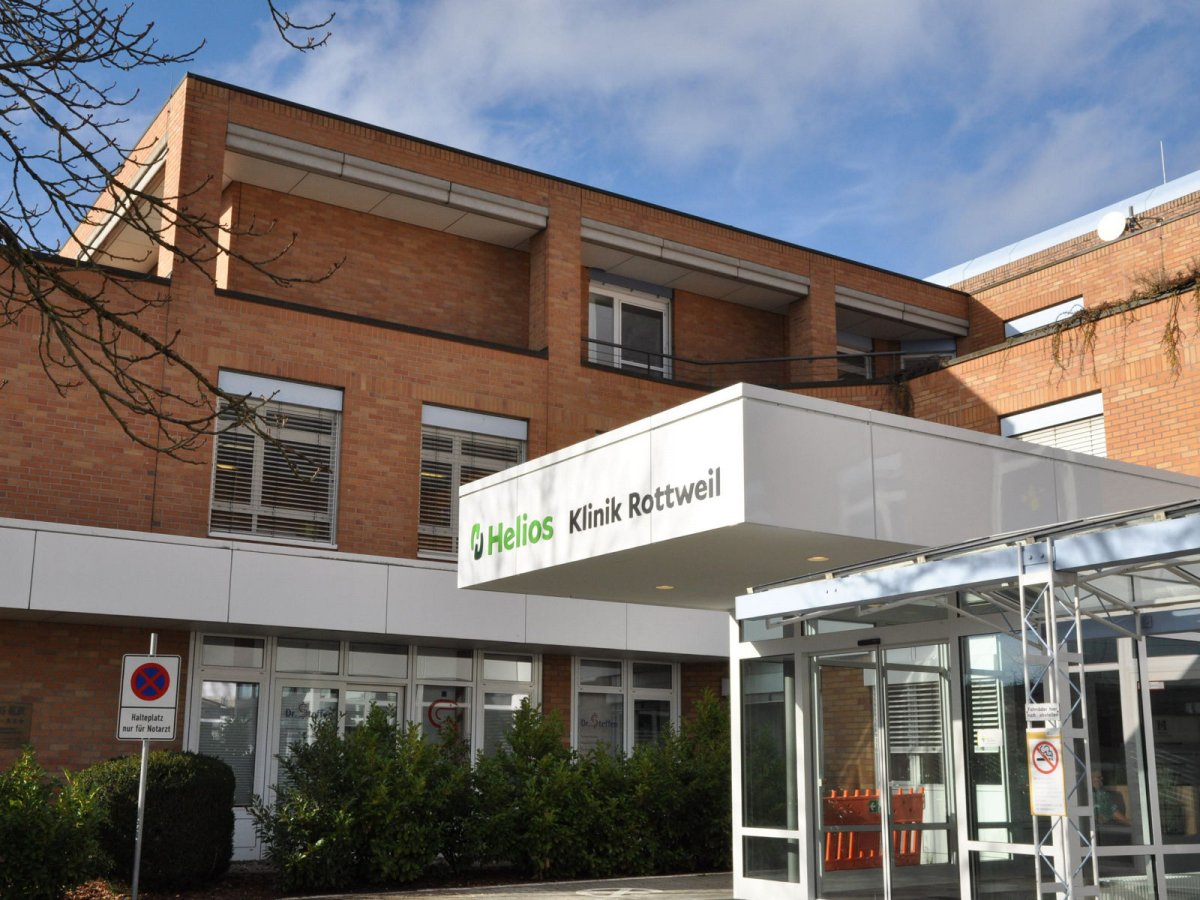
رؤية خبير Bookimed: تعالج العيادات الألمانية مثل مستشفى هيليوس الجامعي في فوبرتال (Helios University Hospital Wuppertal) 150 ألف مريض سنويًا باستخدام تشخيصات متقدمة. يؤكد أخصائيون مثل الدكتورة سيفيرين إيبورا في المركز الطبي في سولينغن (Solingen) على إجراء التصوير بالرنين المغناطيسي أو تصوير الرحم بالسونار أولاً. تضمن هذه الدقة أن الورم الليفي يمكن الوصول إليه عبر منظار الرحم بدلاً من الحاجة إلى جراحة تنظير البطن الأكثر توغلاً.
إجماع المرضى: تسلط العديد من التقارير الضوء على الارتياح الناتج عن العودة إلى العمل بسرعة دون ندوب مرئية. توقعي حدوث تقلصات خفيفة وإفرازات مائية لبضعة أيام بعد إزالة الورم الليفي.
هل يمكنني الحمل بعد استئصال الورم العضلي عبر تنظير الرحم؟
يمكنك الحمل بعد استئصال الورم العضلي عبر تنظير الرحم. يحافظ هذا الإجراء على الرحم ويحسن الخصوبة عن طريق إزالة الأورام الليفية تحت المخاطية التي تعيق الانغراس. تتراوح معدلات النجاح بين 60% إلى 90% في ألمانيا، حيث يؤكد الجراحون على التقنيات ذات الحد الأدنى من التدخل الجراحي لحماية بطانة الرحم.
- آفاق الخصوبة: إزالة الأورام الليفية التي تبرز في التجويف تزيد بشكل كبير من معدلات الحمل الطبيعي.
- الشفاء النموذجي: تحتاج معظم المريضات إلى 3 أشهر حتى يلتئم جدار الرحم تمامًا.
- النهج الجراحي: يستخدم المتخصصون الألمان مثل الدكتورة سيفيرين إيبورا تنظير الرحم المتقدم لتجنب الندبات.
- فحص ما بعد الجراحة: غالبًا ما يقوم الجراحون بإجراء مسوحات متابعة للتأكد من أن التجويف نظيف.
رؤية خبير Bookimed: بينما يركز الكثيرون على الجراحة، فإن مرحلة الشفاء هي العامل المميز الحقيقي. في ألمانيا، تستفيد المستشفيات الجامعية مثل هيليوس فوبرتال من معايير الأورام التداخلية للحالات الحميدة. وهذا يضمن دقة تقلل من الالتصاقات داخل الرحم. هذا المستوى من الدقة التقنية هو السبب في أن العيادات الألمانية تظل خيارًا عالميًا أول للحفاظ على الخصوبة.
إجماع المرضى: تبلغ العديد من النساء عن الحمل بشكل طبيعي في غضون دورات قليلة بمجرد الحصول على موافقة الطبيب. وتجد معظمهن أن التعافي الأسرع وغياب ندبات البطن يمثلان ارتياحًا عاطفيًا كبيرًا.
هل توجد أنواع أو أحجام معينة من الأورام الليفية يمكن علاجها؟
يعالج أطباء أمراض النساء في ألمانيا الأورام الليفية تحت المخاطية، والجدارية، وتحت المصلية التي تتراوح من 1 إلى أكثر من 10 سنتيمترات. يستهدف استئصال الورم العضلي عبر تنظير الرحم تحديدًا الأورام الليفية تحت المخاطية داخل تجويف الرحم. تعطي قرارات العلاج الأولوية للموقع والأعراض مثل النزيف الحاد أو مشاكل الخصوبة على الحجم وحده لضمان أفضل النتائج.
- الأورام الليفية تحت المخاطية: تنمو هذه داخل تجويف الرحم وهي مثالية للإزالة عبر تنظير الرحم.
- حجم الورم الليفي: يعالج الجراحون الأورام الصغيرة من 1-5 سم والأورام الليفية الكبيرة المصحوبة بأعراض والتي تتجاوز 10 سم.
- تصنيف FIGO: يستخدم الأطباء مراحل FIGO لتحديد مدى عمق انغراس الأورام الليفية في العضلات.
- الإجراءات على مراحل: قد يقوم الجراحون بإزالة الأورام الليفية الكبيرة أو المنغرسة بعمق على جلستين منفصلتين.
رؤية خبير Bookimed: تدير المراكز الألمانية مثل مستشفى هيليوس الجامعي في فوبرتال أعدادًا كبيرة تصل إلى 150,000 مريض سنويًا. نرى أن كبار المتخصصين مثل الدكتورة سيفيرين إيبورا في المركز الطبي بسولينغن يحملون شهادات مزدوجة في علم الأورام والتوليد. تسمح لهم هذه الخبرة المتقدمة بعلاج الأورام الليفية المعقدة التي قد تصنفها عيادات أخرى على أنها غير قابلة للجراحة.
إجماع المرضى: تؤكد المريضات أن التصوير بالموجات فوق الصوتية الملحي أو الرنين المغناطيسي حيوي لرسم الخريطة قبل الجراحة. أفادت الكثيرات بأن الأورام الليفية الأصغر ذات الالتصاق العضلي العميق كانت أكثر صعوبة من الأورام الأكبر ال
ما هي مدة التعافي، وهل سأحصل على ندبات مرئية؟
لا تتضمن استئصال الورم العضلي عبر تنظير الرحم في ألمانيا أي شقوق خارجية، مما يترك ندبات غير مرئية تمامًا. تتعافى معظم المريضات في غضون 1 إلى 3 أيام. هذا النهج التنظيري عبر المهبل يسمح لجراحين مثل الدكتورة سيفيرين إيبورا بإزالة الأورام الليفية مع الحفاظ على الرحم بالكامل.
- لا توجد ندبات مرئية: تستخدم الإجراءات الفتحات الطبيعية للجسم، مما يضمن عدم وجود شقوق في البطن أو الجلد الخارجي.
- تعافٍ سريع: تعود المريضات عادةً إلى ممارسة الأنشطة اليومية الخفيفة في غضون 24 إلى 72 ساعة.
- إقامة قصيرة في المستشفى: غالبًا ما توفر العيادات الألمانية خروجاً في نفس اليوم أو مراقبة لمدة ليلة واحدة.
- إدارة الأعراض: تعتبر التشنجات الخفيفة، والتبقيع، والانتفاخ أمورًا شائعة ولكنها تتلاشى في غضون أيام قليلة.
رؤية خبير Bookimed: على الرغم من سرعة التعافي، فإن حجم الورم الليفي يحدد مستوى راحتك الفوري. تظهر البيانات أن عمليات الاستئصال الكبيرة غالبًا ما تؤدي إلى تقلصات مؤقتة أكثر كثافة. تركز المراكز المتخصصة مثل المركز الطبي في سولينغن على التقنيات المحافظة التي تحافظ على الرحم لتقليل هذه الآثار بعد الجراحة.
إجماع المرضى: غالبًا ما تشعر المريضات بالعودة إلى طبيعتهن في غضون 3 أيام. تتفاجأ الكثيرات بقلة وقت التوقف عن العمل، على الرغم من أن بعضهن يحذرن من أن تشنجات ما بعد الإجراء قد تكون أقوى مما كان متوقعًا.
ما هي التقنيات المتقدمة التي يستخدمها الجراحون الألمان؟
يستخدم الجراحون الألمان تقنيات متقدمة طفيفة التوغل مثل استئصال الورم العضلي الروبوتي (Da Vinci myomectomy) وتنظير الرحم عالي الدقة لإزالة الألياف الرحمية. تستفيد هذه الطرق من التوسيع الدقيق بالمحلول الملحي وأدوات الاستئصال الإلكترونية، مما يضمن فترات تعافي أقصر وأقصى قدر من الحفاظ على أنسجة الرحم السليمة للمريضات.
- التركيز على التدخل الجراحي البسيط: تجري مرافق مثل المركز الطبي في سولينغن (Medical Center in Solingen) جميع الإجراءات النسائية تقريباً عن طريق تنظير البطن.
- الأنظمة الروبوتية: يستخدم الجراحون منصات Da Vinci للاستئصال عالي الدقة للألياف الرحمية المعقدة أو العميقة.
- التصوير عالي الدقة: توفر مناظير الرحم المتقدمة رؤية فائقة للإزالة الميكانيكية أو الجراحية الكهربائية للألياف.
- معايير الأورام المعتمدة: يحتفظ مستشفى جامعة هيليوس فوبرتال (Helios University Hospital Wuppertal) بشهادات الجمعية الألمانية للسرطان وشهادات IASIOS للتدخلات الجراحية.
رؤية خبير Bookimed: غالباً ما تتفوق العيادات الألمانية على غيرها من خلال الجمع بين أبحاث الأورام الجزيئية والممارسة الجراحية. يحمل كبار الأطباء مثل الدكتورة سيفيرين إيبورا (Dr. Séverine Iborra) في سولينغن شهادات دكتوراه في الأبحاث الجزيئية. يساعدهم هذا في تحديد الألياف الرحمية تحت المخاطية الأنسب للاستئصال بالمنظار في مرحلة واحدة مقارنة بالإجراءات متعددة المراحل.
إجماع المرضى: تقدر المريضات النهج المعتمد على البروتوكول والتصوير الشامل قبل الجراحة المستخدم لتحديد أنواع الأليا
ما الذي يجعل ألمانيا وجهة مفضلة لاستئصال الأورام الليفية بالمنظار الرحمي؟
تظل ألمانيا رائدة عالميًا في استئصال الأورام الليفية بالمنظار الرحمي نظرًا لتحقيق مراكز أمراض النساء المتخصصة معدلات فعالية تتراوح بين 90-95%. يركز الأخصائيون الألمان على الحفاظ على الخصوبة باستخدام تقنيات طفيفة التوغل تزيل الأورام الليفية عبر القناة الطبيعية، مما يلغي الحاجة إلى شقوق في البطن ويسمح عادةً بالتعافي في غضون أسبوعين.
- الدقة التكنولوجية: يستخدم الجراحون التصوير عالي الدقة وأدوات الجراحة الكهربائية المتقدمة لرسم خرائط الأورام الليفية المعقدة.
- الخبرة المتخصصة: يستخدم أخصائيون بارزون مثل الدكتورة سيفرين إيبورا في المركز الطبي سولينجن أنظمة المساعدة الروبوتية.
- اعتماد الجودة: تلتزم المرافق بمعايير سلامة صارمة تم التحقق منها من قبل جمعية السرطان الألمانية وشهادات KTQ.
- التنسيق الفعال: يستفيد المرضى من تشخيصات مبسطة بما في ذلك التصوير بالموجات فوق الصوتية الملحية ومراجعات الرنين المغناطيسي قبل الجراحة.
رؤية خبير Bookimed: تحتل ألمانيا المرتبة الثانية عالميًا في السياحة الطبية على Bookimed، ويرجع ذلك إلى حد كبير إلى القدرة على التنبؤ السريري. بينما تركز مناطق أخرى على التكلفة، تستفيد المستشفيات الجامعية الألمانية مثل هيليوس ووبيرتال من 150,000 حالة مريض سنويًا لتحسين بروتوكولات الحفاظ على الرحم. يرتبط هذا الحجم الكبير ارتباطًا مباشرًا بالرعاية الموحدة والواقعية التي يعطيها المرضى الدوليون الأولوية على الأسعار المنخفضة.
إجماع المرضى: يقدر المرضى النهج المحافظ للحفاظ على الرحم وأوقات الانتظار الأقصر بكثير مقارنة
ما هي المستشفيات في ألمانيا التي تحظى بأعلى التقييمات في جراحة الأعصاب؟
تضم ألمانيا بعضًا من أرقى أقسام جراحة الأعصاب في العالم، بقيادة مستشفى شاريتيه الجامعي في برلين ومستشفى جامعة هايدلبرغ. وتتميز هذه المراكز بخبرتها الواسعة في علاج أورام الدماغ المعقدة وأمراض الأوعية الدموية الدماغية. ولتحقيق أقصى قدر من الفعالية في عملياتها، تستخدم هذه المراكز أحدث التقنيات، مثل التصوير بالرنين المغناطيسي أثناء الجراحة والتوجيه العصبي بمساعدة الحاسوب.
- مستشفى شاريتيه برلين: يُجري أكثر من 5000 عملية جراحية سنوياً. ويرأس العيادة جراح الأعصاب الشهير الدكتور بيتر فايكوتشي.
- المركز الطبي في سولينجن: أجرى الدكتور رالف بوهل أكثر من 4000 عملية جراحية، بما في ذلك جراحات العمود الفقري طفيفة التوغل.
- عيادة أسكليبيوس نورد: مجهزة بنظام التصوير بالرنين المغناطيسي الثنائي الوحيد في ألمانيا أثناء الجراحة لضمان الدقة الجراحية في الوقت الحقيقي أثناء إزالة الورم.
- عيادة نوردويست: تم الاعتراف بها من قبل مجلة نيوزويك كمستشفى رائد في مجال الابتكار في تكنولوجيا الموجات فوق الصوتية ثلاثية الأبعاد.
رأي خبراء بوكيمد: تشير البيانات إلى أن اختيار المراكز ذات الحجم الجراحي الكبير غالبًا ما يؤدي إلى توصيات علاجية أكثر تحفظًا. ففي مركز سولينجن الطبي، الذي يعالج أكثر من 60,000 مريض
ما هي نسب نجاح العمليات الجراحية العصبية المعقدة في ألمانيا؟
في ألمانيا، تتميز العمليات الجراحية العصبية بالغة التعقيد بمستوى أمان استثنائي. تصل نسبة نجاح عمليات دمج الفقرات إلى 99%، بينما تبلغ نسبة النجاة بعد استئصال أورام الدماغ الأولية 97%. كما يتمتع المرضى بقدرة عالية على الاعتماد على أنفسهم في أداء وظائفهم اليومية، حيث يغادر أكثر من 82% منهم المستشفى مباشرةً بعد العلاج. وتولي المراكز الألمانية اهتماماً بالغاً بالحفاظ على الوظائف العصبية باستخدام أحدث تقنيات التخطيط العصبي.
- استئصال الورم: يحقق الجراحون استئصالًا كاملاً للورم في 87.2% من حالات النقائل الدماغية.
- النجاح في علاج أمراض الأوعية الدموية: أفادت المستشفيات الألمانية بنسبة نجاة بلغت 98.7% لحالات تمدد الأوعية الدموية غير الممزقة.
- تحسن الحالة العصبية: يشهد ما يقرب من 43% من المرضى تحسناً في المعايير الوظيفية بعد عمليات الاستئصال المعقدة.
- سلامة التدخلات الجراحية: في المراكز الجراحية الكبيرة، تتراوح معدلات بقاء المرضى على قيد الحياة بعد جراحة العمود الفقري بين 98-99%.
رأي خبراء بوكيمد: يُجري جراحون ذوو خبرة، مثل الدكتور أوفه كولر من عيادة أسكليبيوس ألتونا، أكثر من 2000 عملية جراحية سنويًا. تُشير البيانات إلى أن هؤلاء المتخصصين يحافظون على معدلات نجاح تصل إلى 90%، حتى
ما هي التقنيات المتقدمة المتوفرة عادةً في عيادات جراحة الأعصاب الألمانية؟
تُدخل عيادات جراحة الأعصاب الألمانية بانتظام أدوات رقمية عالية الدقة وتقنيات تصوير فوري في الممارسة الجراحية. تشمل التقنيات الرئيسية الملاحة العصبية الحاسوبية لجراحات الدماغ والحبل الشوكي. تستخدم مؤسسات مثل عيادة أسكليبيوس نورد التصوير بالرنين المغناطيسي أثناء الجراحة للتحقق من استئصال الورم في الوقت الفعلي. توفر هذه الأنظمة للجراحين نظام ملاحة ثلاثي الأبعاد.
- الملاحة العصبية: توفر تصورًا ثلاثي الأبعاد وتتبعًا فوريًا للأدوات لتحقيق دقة جراحية تصل إلى مستوى أقل من المليمتر.
- التصوير أثناء العملية: تسمح أنظمة مثل التصوير بالرنين المغناطيسي أثناء العملية (iMRI) والتصوير المقطعي المحوسب ذي الذراع O (O-arm CT) بالتأكيد الفوري على نجاح عملية الاستئصال.
- المراقبة العصبية: تراقب الوظائف الحركية والحسية أثناء الجراحة لحماية الجهاز العصبي.
- التشخيص الفلوري: يتم استخدام صبغة 5-ALA لتسليط الضوء على حدود الورم من أجل إزالته بشكل أكثر اكتمالاً.
- المساعدة الروبوتية: تعمل أنظمة مثل نظام دافنشي على تحسين الدقة في الإجراءات المعقدة ذات التدخل الجراحي البسيط.
رأي خبراء بوكيمد: تُجري مراكز طبية كبيرة، مثل مستشفى شاريتيه الج
ما هي التدريبات المتخصصة التي يتلقاها جراحو الأعصاب الممارسون في ألمانيا؟
في ألمانيا، يتعين على جراحي الأعصاب إكمال برنامج إقامة تخصصي لمدة ست سنوات بعد التخرج من كلية الطب. يشمل هذا البرنامج المنظم العناية المركزة، والتدريب السريري، وكتابة مقالات في مجلة جراحية إلزامية. بعد ذلك، يجتاز المرشحون امتحانًا حكوميًا للحصول على لقب طبيب مقيم (Facharzt für Neurochirurgie).
- الإقامة السريرية: تتطلب من 48 إلى 72 شهرًا من الممارسة المتخصصة في جراحة الأعصاب.
- العناية المركزة: تتضمن فترة تدريب إلزامية لمدة 6 أشهر في وحدة العناية المركزة لجراحة الأعصاب.
- المجلة الجراحية: يوثق الجراحون مئات العمليات الجراحية، بما في ذلك عمليات فتح الجمجمة وجراحات العمود الفقري.
- امتحان الترخيص: يجب على المتقدمين اجتياز امتحان طبي شفوي وعملي تديره الدولة.
رأي خبراء بوكيميد: يركز التدريب الألماني في جراحة الأعصاب على الخبرة الجراحية الواسعة. فعلى سبيل المثال، أجرى الدكتور رالف بول من المركز الطبي في سولينجن أكثر من 4000 عملية جراحية. ويتمتع الدكتور يورغن كيويت من مستشفى ميوكلينيك بخبرة تزيد عن 25 عامًا. يضمن هذا النظام الدقيق أن يتعامل المتخصصون في المراكز الكبرى مع الحالات المعقدة بدقة مثبتة.
آراء المرضى: يشع