العودة إلى الصفحة الرئيسية
820К+ مريضًا حصلوا على المساعدة منذ عام 2014
50 دول
1,500 عيادات
6K+ تقييمات
3K+ طبيب مؤهل

ما هي تكلفة استئصال الورم العضلي بالمنظار في كوريا الجنوبية؟ اكتشف الآن

تتراوح تكلفة عملية استئصال الورم الليفي بالمنظار في جمهورية كوريا بين $5,000 و $11,000. يعتمد السعر النهائي على فئة العيادة، والتقنية الجراحية، وحجم الورم الليفي أو موقعه. يحقق المرضى توفيراً يبلغ نحو _price_percent_discount_% مقارنة بالمملكة العربية السعودية، حيث يبلغ متوسط تكلفة الإجراء _price_compare_SA_average_. تشمل الباقات القياسية في سول اختبارات ما قبل الجراحة، وأتعاب الجراح، والتخدير، وإقامة بالمستشفى تتراوح بين يومين وأربعة أيام.

  • تكلفة الموقع: قد تفرض المنشآن في أحياء مثل جانجنام في سول رسوماً أعلى بنسبة 20 % من المستشفيات الإقليمية.
  • نوع المستشفى: غالباً ما تقدم عيادات النساء المتخصصة هياكل تسعير مختلفة مقارنة بالمستشفيات الجامعية الكبرى.
  • الخدمات المساعدة: قد تؤدي التصوير المتقدم مثل MRI أو التحاليل الهرمونية الشاملة إلى زيادة التكلفة الإجمالية.
  • خيارات الجراحة الروبوتية: عادة ما يضيف استخدام تقنية Da Vinci تكلفة إضافية كبيرة مقارنة بطرق التنظير القياسية.

رأي خبراء Bookimed: اختيار مراكز النساء المتخصصة مثل مستشفى سول ميز يوفر قيمة أعلى بفضل الخبرة التخصصية. أجرى هذا المركز أكثر من 10,000 عملية ناجحة للورم الليفي، ويقدم باقات Da Vinci الروبوتية الفاخرة. تبلغ تكلفة هذه الخيارات المتميزة 20,000 $ تقريباً، وتشمل غرف VVIP وعلاجاً بالأكسجين عالي الضغط. تقدم المستشفيات الجامعية الكبرى أسعاراً تنافسية للغاية للمرضى الدوليين عند إجراء العمليات القياسية.

كوريا الجنوبيةتركياإسبانيا
استئصال الورم العضلي بالمنظارمن $5,000من $2,000من $4,000
تم التحقق من البيانات بواسطة Bookimed اعتبارًا من August 2026، استنادًا إلى طلبات المرضى والعروض الرسمية من 17 عيادة حول العالم. تستند التكاليف المتوسطة إلى الفواتير الحقيقية (2025–2026) ويتم تحديثها شهريًا. قد تختلف الأسعار الفعلية.

مزاياك وضماناتك مع Bookimed

أسعار مباشرة

Bookimed لا يضيف رسوماً إضافية على أسعار استئصال الورم العضلي بالمنظار. الأسعار مأخوذة من قوائم الأسعار الرسمية للعيادات. تدفع مباشرة في العيادة مقابل استئصال الورم العضلي بالمنظار عند وصولك.

عيادات وأطباء معتمدون فقط

Bookimed ملتزم بسلامتك. نحن نعمل فقط مع المؤسسات الطبية التي تحافظ على معايير دولية عالية في استئصال الورم العضلي بالمنظار ولديها التراخيص اللازمة لخدمة المرضى الدوليين في جميع أنحاء العالم.

مساعدة مجانية على مدار الساعة

Bookimed يقدم مساعدة خبراء مجانية. منسق طبي شخصي يدعمك قبل وأثناء وبعد العلاج، ويحل أي مشاكل. لن تكون وحيداً أبداً في رحلة استئصال الورم العضلي بالمنظار.

لماذا نحن؟

منسقك الطبي الشخصي في Bookimed

  • يدعمك في كل مرحلة
  • المساعدة في اختيار العيادة الطبية المناسبة والطبيب المناسب
  • يضمن الوصول السريع والمريح إلى المعلومات

لا تفوت الصفقات الحصرية استئصال الورم العضلي بالمنظار في كوريا الجنوبية لمدة أغسطس 2026

استئصال الورم العضلي بالروبوت دا فينشي في جناح VVIP — إقامة كاملة وعلاج بالأكسجين عالي الضغط

كوريا الجنوبية, سول

Yeoun E Park

37سنة خبره ١٦ سنة

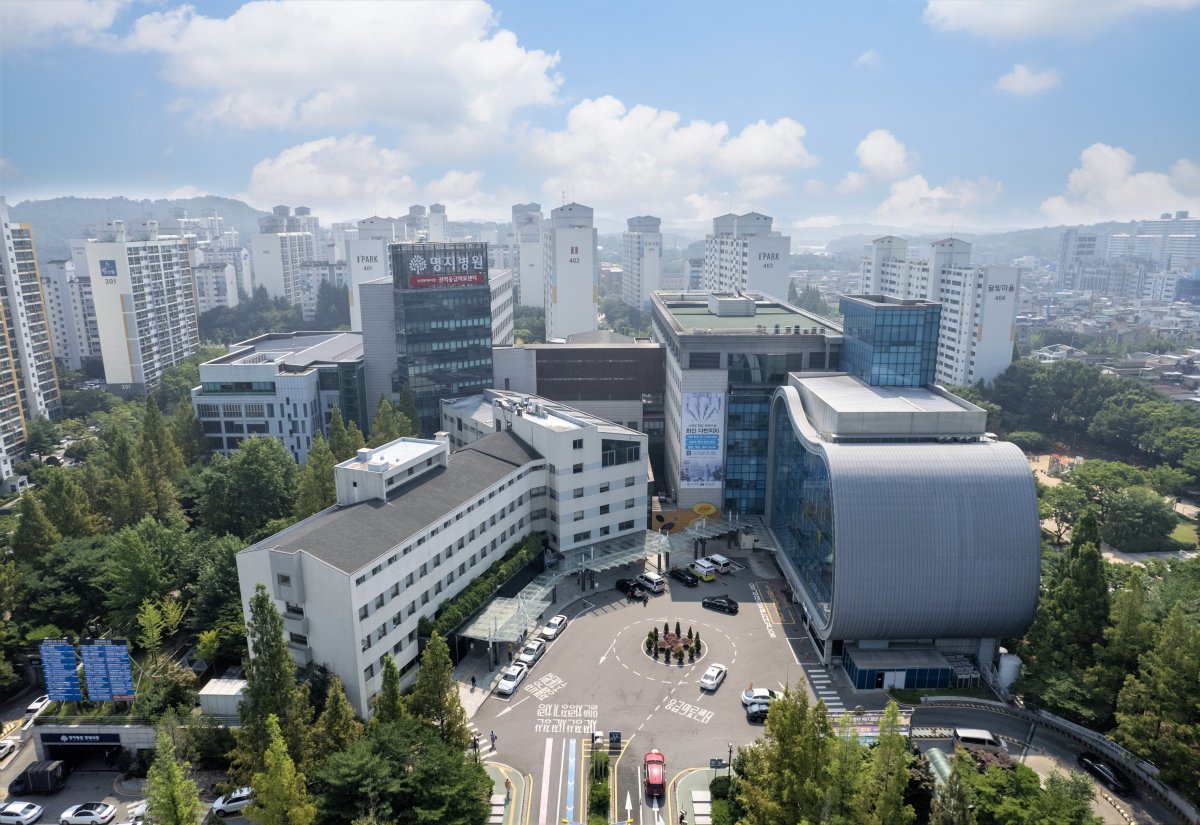
يتخصص مستشفى سيول ميز (Seoul Miz Hospital) في الجراحة الروبوتية للأمراض النسائية، مع إجراء أكثر من 10,000 علاج للأورام الليفية الرحمية. تقوم الدكتورة يون إي بارك بإجراء العملية طفيفة التوغل باستخدام روبوت دافنشي لزيادة الدقة في مستشفى سيول ميز. تبلغ تكلفة الباقة حوالي 20,000 دولار، وتغطي إقامة في المستشفى لمدة 4 أيام في جناح VVIP، وجميع الوجبات، والعلاج بالأكسجين عالي الضغط، ومتابعات ما بعد الخروج. وتتأكد الثقة العالمية في العيادة من خلال علاج 200,000 مريض سنوياً من خمس قارات.

اكتشف أفضل استئصال الورم العضلي بالمنظار العيادات في كوريا الجنوبية: 1 خيار معتمدة والأسعار

تم تصنيف العيادات بواسطة نظام Bookimed الذكي، باستخدام تحليل علوم البيانات عبر 5 معايير رئيسية.

نظرة عامة على استئصال الورم العضلي بالمنظار في كوريا الجنوبية

الوجبات الجاهزة
الإجراءات والتكاليف ذات الصلة
كيف نعمل؟
المزايا
دفع
مرضى يوصي -
85%
تمت معالجة الطلبات - 7852
رسوم الحجز - $0

احصل على تقييم طبي لـ استئصال الورم العضلي بالمنظار في كوريا الجنوبية: اختر أخصائيك من بين الأفضل في هذا المجال

عرض جميع الأطباء
يؤكد

Yeoun E Park

37سنة خبره ١٦ سنة

كبير المسؤولين الطبيين في مستشفى سيول ميز، الدكتور بارك متخصص في العمليات الجراحية النسائية، بما في ذلك استئصال الورم العضلي الرحمي بالمنظار.

  • أستاذ مساعد في العديد من الجامعات الطبية الكورية
  • عضو الجمعية الكورية لأمراض النساء والتوليد
  • متخصص في جراحة المناظير للأورام الليفية الرحمية
  • خبير في إدارة حالات الحمل عالية الخطورة
يؤكد

Heeseok Kang

27سنة خبره ١٦ سنة

أستاذ مساعد في مركز سامسونج الطبي مع خبرة واسعة في جراحات أمراض النساء، بما في ذلك استئصال الورم العضلي الرحمي بمنظار الرحم.

  • خريج كلية الطب بجامعة يونسي
  • رئيس سابق لقسم التوليد وأمراض النساء في العديد من المستشفيات
  • نشر العديد من الأوراق البحثية حول أورام النساء والتقنيات طفيفة التوغل
  • حصل على جائزة الأطروحة المتميزة من الجمعية الكورية لأورام النساء
يؤكد

Na Young Bae

8سنة خبره ١٦ سنة

تتخصص الدكتورة نا يونغ باي في جراحات أمراض النساء طفيفة التوغل، بما في ذلك استئصال الورم العضلي بالمنظار الرحمي، في مستشفى سيول ميز.

  • تدربت في المركز الطبي بجامعة كوريا وجامعة كاليفورنيا، بيركلي
  • عضو في الجمعية الكورية لتنظير أمراض النساء
  • خبير في التقنيات الجراحية الروبوتية وبالمنظار
  • أستاذ سريري في مستشفى غورو بجامعة كوريا
يؤكد

Ye Ji Lee

10سنة خبره ١٦ سنة

الدكتورة يي جي لي هي طبيبة نساء وتوليد في مستشفى سيول ميز في كوريا الجنوبية. وهي متخصصة في العلاجات طفيفة التوغل للأورام الليفية الرحمية وأكياس المبيض. أكملت الدكتورة لي تدريبها السريري في مستشفى جامعة سيول الوطنية. وهي تعالج المرضى الدوليين وحاصلة على درجة الماجستير في العلوم الطبية الحيوية.

  • تستخدم الذكاء الاصطناعي في تحليل تخطيط كهربية القلب للكشف عن اعتلال عضلة القلب المحيط بالولادة.
  • عضو في الجمعية الكورية لطب الأم والجنين.
  • متطوعة مع منظمة أطباء بلا حدود لدعم صحة المرأة عالمياً.
  • تعمل في مستشفى سيول ميز، وهو مرفق يجري أكثر من 10,000 علاج للحالات النسائية.

قصص فيديو من مرضى Bookimed

Valentina
كانت رحلتي من إسبانيا إلى إسطنبول لإجراء شفط الدهون تجربة غيرت حياتي.
إجراء: شفط الدهون
Randolph
ابقَ قويًا، وكن على دراية، ولا تستهين أبدًا بقوة العلاجات المتقدمة ونظام الدعم المتين.
إجراء: التجميع الإشعاعي لسرطان الكبد

مشاركة المحتوى

Twitter XLinkedinFacebookWhatsAppEmail
أحصل على الرابط
محدث: 06/30/2026
تأليف
Anna Leonova
Anna Leonova
رئيس فريق تسويق المحتوى
محررة طبية معتمدة لديها خبرة تزيد عن 10 سنوات، طوّرت محتوى Bookimed الموثوق، مدعومة بماجستير في علم اللغة ومقابلات مع خبراء طبيين من جميع أنحاء العالم.
تمت المراجعة من قبل المستشار الطبي في Bookimed
فهد مولود
محرر طبي وعالم بيانات
طبيب عام. حاصل على 4 جوائز علمية. خدم في غرب آسيا. رئيس الفريق الطبي الناطق بالعربية سابقا ومسؤول عن معالجة البيانات ودقة المحتوى الطبي حاليا.
فهد مولود Linkedin
قد تحتوي هذه الصفحة على معلومات تتعلق بمختلف الحالات الطبية والعلاجات وخدمات الرعاية الصحية المتوفرة في بلدان مختلفة. يرجى العلم أن المحتوى مقدم لأغراض إعلامية فقط ولا ينبغي تفسيره على أنه نصيحة أو إرشادات طبية. يرجى استشارة طبيبك أو أخصائي طبي مؤهل قبل البدء أو تغيير العلاج الطبي.

أسئلة متكررة حول استئصال الورم العضلي بالمنظار في كوريا الجنوبية

هذه الأسئلة الشائعة مأخوذة من مرضى حقيقيين يبحثون عن رعاية طبية عبر Bookimed. يتم تقديم الإجابات من قبل منسقين طبيين ذوي خبرة وممثلين موثوقين من العيادات.

Can I keep my uterus after a hysteroscopic myomectomy in the Republic of Korea?

Patients definitely keep their uterus after a hysteroscopic myomectomy in the Republic of Korea. This minimally invasive surgery specifically targets submucosal fibroids by removing them through the cervix. Leading Seoul clinics use this technique to preserve fertility and avoid abdominal incisions. This leaves the uterine muscle intact.

  • Uterus-sparing approach: Procedures focus on removing fibroids while keeping the womb completely functional.
  • No external scarring: Accessing fibroids through the cervix means no abdominal or uterine cuts.
  • Fertility focus: Specialists like Dr Heeseok Kang lead dedicated clinics for uterine preservation.
  • Robotic technology: Surgeons use the Da Vinci robotic system for precise fibroid removal.
  • Rapid recovery: Most patients return home within 24 hours after the hysteroscopic procedure.

Bookimed Expert Insight: Leading Korean centres like Seoul Miz Hospital have performed 10,000+ uterine fibroid treatments. This massive volume means surgeons routinely handle complex cases that might lead to hysterectomy elsewhere. For robotic-assisted packages, patients often receive hyperbaric oxygen therapy to speed up internal healing.

Patient Consensus: Patients in the Republic of Korea confirm the uterus remains in place. Hysterectomy is only a separate, definitive choice if cancer is suspected. Experts suggest confirming the uterus-preserving plan in writing before travelling.

What are the risks of a hysteroscopic myomectomy in the Republic of Korea?

Hysteroscopic myomectomy in the Republic of Korea is a safe, incision-free technique. Complication rates are typically between 1% and 13%. Specialists at facilities like Seoul Miz Hospital use saline distension and hysteroscopes. They remove fibroids while preserving the uterus and fertility for Australian patients.

  • Uterine perforation: Occurs in 1–2 per 1,000 cases when instruments puncture the uterine wall.
  • Fluid overload: Absorption of distension liquid can cause electrolyte imbalances or kidney issues.
  • Haemorrhage risk: Excessive bleeding may require intervention or, in rare cases, emergency hysterectomy.
  • Incomplete removal: Fibroids over 3–5 cm often require a second planned surgical session.
  • Future pregnancy: A small risk of uterine rupture exists during subsequent labour and delivery.

Bookimed Expert Insight: While hysteroscopy is standard, Seoul Miz Hospital performs over 10,000 fibroid treatments using the Da Vinci robotic system. This is a vital alternative for deep myometrial invasion cases. In those cases, traditional hysteroscopy might lead to incomplete removal or uterine scarring.

Patient Consensus: Surgeons in South Korea carefully monitor saline absorption limits. This prevents fluid overload during longer procedures. Patients report quick recoveries. However, they suggest planning for potential spotting or a second session if fibroids are large.

Can fibroids grow back after a hysteroscopic myomectomy in the Republic of Korea?

Uterine fibroids can grow back after a hysteroscopic myomectomy in the Republic of Korea. While specialists like Dr Yeoun E Park at Seoul Miz Hospital effectively remove submucosal fibroids, the surgery does not alter genetic or hormonal factors. These factors trigger new growth in 15%–33% of cases.

  • Biological recurrence: New fibroids often develop within a few years due to underlying tissue predispositions.
  • Partial resection: If fibroid fragments remain in the uterine cavity, they may enlarge shortly after surgery.
  • Monitoring: Korean specialists use regular ultrasound scans to catch new developments before symptoms return.
  • Specialist expertise: Seoul centres have performed 10,000+ uterine treatments, achieving high precision during removal.

Bookimed Expert Insight: Bookimed data shows that leading Seoul clinics often bundle hyperbaric oxygen therapy and VVIP suites into surgical packages. This focus on intensive recovery support aims to reduce inflammation, which is a significant added benefit compared to standard outpatient care in other regions.

Patient Consensus: Patients in the Republic of Korea report that regrowth sometimes appears as a missed fragment rather than a new lesion. Patients should ask their surgeon to confirm complete removal. They should also plan follow-up ultrasounds with their GP once back in Australia.

How soon can I get pregnant after a hysteroscopic myomectomy in the Republic of Korea?

Women can typically begin trying to conceive 2 to 3 months after a hysteroscopic myomectomy in South Korea. This scarless, minimally invasive procedure allows for faster healing of the uterine lining compared to laparoscopic methods. Specialists often recommend waiting for 1 to 2 menstrual cycles for full recovery.

  • Healing timeline: Most doctors advise 3 months for the endometrium to recover before pregnancy.
  • Fibroid type: Removing submucosal fibroids via hysteroscopy reduces uterine rupture risks during later childbirth.
  • Clinical stay: Standard packages at centres like Seoul Miz Hospital include 4 days of hospitalisation.
  • Recovery support: Post-operative care often includes hyperbaric oxygen therapy to speed up tissue regeneration.

Bookimed Expert Insight: South Korean specialists often use 3D pelvic CT scans and AMH hormone tests before surgery. This data helps surgeons like Dr Yeoun E Park tailor recovery plans specifically for fertility. This level of diagnostics confirms the uterine cavity is optimal for implantation before patients start trying.

Patient Consensus: Many women describe returning to their normal routine quickly because there are no external incisions. They frequently mention that surgeons in Korea confirm healing during a follow-up review before clearing them to conceive.

What is a hysteroscopic myomectomy and is it suitable for all fibroids in the Republic of Korea?

Hysteroscopic myomectomy is a minimally invasive surgery performed through the cervix. It removes submucosal fibroids within the uterine cavity. In the Republic of Korea, specialist surgeons use this camera-guided approach to treat fibroids under 5 cm without making external abdominal incisions.

  • Suitability criteria: Best for submucosal fibroids growing inside the cavity, not intramural or subserosal types.
  • Clinical benchmarks: Specialist clinics such as Seoul Miz Hospital have performed over 10,000 successful fibroid treatments.
  • Technological alternatives: Korean centres like Naeun Hospital offer Da Vinci robotic surgery for deeper or larger fibroids.
  • Swift recovery: Patients often undergo same-day surgery. They may return to work within 24 to 48 hours.

Bookimed Expert Insight: Hysteroscopic surgery is the least invasive. Still, Korean specialists often recommend a combined approach for complex cases. Data shows clinics like Seoul Miz Hospital integrate hyperbaric oxygen therapy into recovery packages. This speeds up tissue healing. This level of post-operative care is a unique standard in Seoul. It helps international patients travel home sooner.

Patient Consensus: Patients in the Republic of Korea report lighter periods and reduced pain immediately after this camera-guided procedure. Most enjoyed a quick return to daily life. However, some noted that deeper fibroids required a second session or robotic assistance for complete removal.

Are there different types of hysteroscopic procedures for fibroids in the Republic of Korea?

The Republic of Korea offers several hysteroscopic techniques for fibroids. These primarily target submucosal types located within the uterine cavity. Specialist centres provide traditional resectoscopy, mechanical morcellation, and tiered approaches for deeper fibroids. These minimally invasive procedures involve no external incisions and often allow for same-day discharge.

  • Traditional resectoscopy: Surgeons use a resectoscope to slice and remove fibroids with electrical current.
  • Mechanical morcellation: Non-electrical tools shave fibroid tissue, which may reduce surgical complications and time.
  • Two-step procedures: Doctors initially detach larger fibroids, allowing uterine contractions to push them out later.
  • Diagnostic mini-hysteroscopy: Specialists remove small polyps or peduncled fibroids without requiring general anaesthesia.

Bookimed Expert Insight: Seoul Miz Hospital has performed over 10,000 successful uterine treatments. Their approach often includes technology like the Da Vinci robot. This is used for complex cases alongside standard hysteroscopy. Such high-volume centres typically provide comprehensive aftercare. This includes hyperbaric oxygen therapy to speed up internal healing.

Patient Consensus: Patients in South Korea appreciate receiving multiple options like UFE or HIFU alongside hysteroscopic surgery. Most report returning to daily life within 2 days after their transvaginal procedure.

What is the recovery time after a hysteroscopic myomectomy in the Republic of Korea?

Recovery follows a fast timeline in the Republic of Korea. Most patients return to routine light activities within 1–3 days. This incision-free procedure allows for same-day discharge or a 24-hour hospital stay. Full internal healing and activity restrictions usually conclude by 2 weeks.

  • Activity return: Most patients resume light daily tasks and sedentary work within about 48 hours.
  • Hospital stay: Patients typically leave the clinic within 1 day, depending on the case complexity.
  • Routine activities: Most individuals return to their full normal routine within approximately 1 week.
  • Physical restrictions: Avoid heavy lifting, swimming, and sexual activity for at least 14 days post-surgery.

Bookimed Expert Insight: High-volume Seoul clinics, like Seoul Miz Hospital, integrate recovery-boosting therapies into post-op care. These include hyperbaric oxygen. These facilities have handled 10,000+ fibroid cases. This provides a safety buffer that often allows for faster discharge than general hospitals.

Patient Consensus: Recovery feels low-burden in Korea compared to traditional surgery. However, anaesthesia wear-off and period-like cramping are common. Most recommend taking a full week off work to manage unpredictable fatigue and spotting.

احصل على استشارة مجانية

حدد أفضل طريقة للاتصال بك