رأب الأوعية التاجية في ألمانيا — احصل على 3 عيادات مطابقة مع التكاليف


تمت مراجعة المقالة طبيا من قبل
فهد مولود
ما هي تكلفة رأب الأوعية التاجية في ألمانيا؟ اكتشف الآن
تتراوح تكلفة قسطرة الشرايين التاجية في ألمانيا عادة بين $25,000 و $45,000. يعتمد السعر النهائي على عدد الدعامات المستخدمة ونوع العيادة ومدى تعقيد الانسداد الشرياني. تشمل معظم الباقات الألمانية الفحوصات قبل العملية والإجراء الجراحي والإقامة في المستشفى ليوم أو يومين.
- دعامة الشريان التاجي: من $8,000 لإجراءات تركيب الدعامات الروتينية.
- دعامات الأبهر: من $32,000 إلى $47,000 للتدخلات الوعائية المتخصصة.
- جراحة مجازة الشريان التاجي: من $44,800 عند الحاجة لإعادة التروية الجراحية بدلاً من القسطرة.
- النبض الخارجي المعزز (EECP): من $1,800 إلى $3,500 لعلاج الذبحة الصدرية المزمنة دون جراحة.
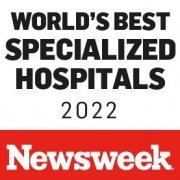
رأي خبراء Bookimed: يضمن اختيار المستشفيات الجامعية أحياناً الحصول على أحدث الابتكارات بسعر ثابت. على سبيل المثال، صُنفت مستشفى آخن الجامعي وعيادة نوردويست ضمن الأفضل من قبل نيوزويك وفوكوس. تقدم هذه المرافق رعاية عالية التقنية مثل التصوير بالموجات فوق الصوتية ثلاثي الأبعاد. يجد المرضى قيمة أفضل في عيادات برلين أو هامبورغ التي توفر رعاية قلب متخصصة مع شهادات ISO دولية.
المزايا الرئيسية
لماذا تختار ألمانيا لإجراء عملية رأب الأوعية التاجية؟
- عيادات معتمدة: تُعرف العيادات في ألمانيا من قبل KTQ (التعاون من أجل الشفافية والجودة في الرعاية الصحية) ومنظمات دولية أخرى. يضمن ذلك معايير عالية للرعاية.
- أحدث التقنيات: استخدام تقنيات مثل الدعامات المغلفة بالأدوية (DES) والهياكل الوعائية القابلة للامتصاص الحيوي (BVS) من العلامات التجارية الرائدة مثل Abbott وBoston Scientific يعزز نتائج العلاج.
- نسب نجاح عالية: تتميز عمليات رأب الأوعية التاجية في ألمانيا بنسبة فعالية تصل إلى 95%. فهي تحسن تدفق الدم وتقلل الأعراض لدى المرضى الذين يعانون من مرض الشريان التاجي.
- جراحون خبراء: يقوم أطباء القلب الرائدون، المعتمدون من الجمعية الألمانية لأمراض القلب، بإجراء أكثر من 500 عملية رأب أوعية ناجحة سنويًا. وهذا يدل على خبرتهم الواسعة وكفاءتهم.
احصل على حلول متقدمة لرأب الأوعية التاجية في عيادات موثوقة من $25,000.
| تركيا | إسبانيا | ألمانيا | |
|---|---|---|---|
| رأب الأوعية التاجية | من $4,100 | من $44,800 | ≈ $25,000 |
| جراحة مجازة الشريان التاجي | من $12,500 | ≈ $25,000 | من $44,800 |
| الضربات المعاكسة الخارجية المحسنة | ≈ $1,100 | ≈ $1,500 | ≈ $1,800 |
| الدعامة التاجية | من $2,800 | من $19,500 | من $8,000 |
| الأبهر الدعامة التطعيم | من $24,800 | ≈ $25,000 | ≈ $32,000 |
مزاياك وضماناتك مع Bookimed
أسعار مباشرة
Bookimed لا يضيف رسوماً إضافية على أسعار رأب الأوعية التاجية. الأسعار مأخوذة من قوائم الأسعار الرسمية للعيادات. تدفع مباشرة في العيادة مقابل رأب الأوعية التاجية عند وصولك.
عيادات وأطباء معتمدون فقط
Bookimed ملتزم بسلامتك. نحن نعمل فقط مع المؤسسات الطبية التي تحافظ على معايير دولية عالية في رأب الأوعية التاجية ولديها التراخيص اللازمة لخدمة المرضى الدوليين في جميع أنحاء العالم.
مساعدة مجانية على مدار الساعة
Bookimed يقدم مساعدة خبراء مجانية. منسق طبي شخصي يدعمك قبل وأثناء وبعد العلاج، ويحل أي مشاكل. لن تكون وحيداً أبداً في رحلة رأب الأوعية التاجية.

منسقك الطبي الشخصي في Bookimed
- يدعمك في كل مرحلة
- المساعدة في اختيار العيادة الطبية المناسبة والطبيب المناسب
- يضمن الوصول السريع والمريح إلى المعلومات
اكتشف أفضل رأب الأوعية التاجية العيادات في ألمانيا: 14 خيارات معتمدة والأسعار





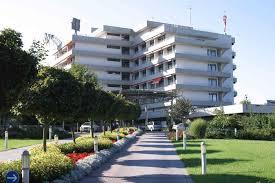
Heart Center Bad Krozingen


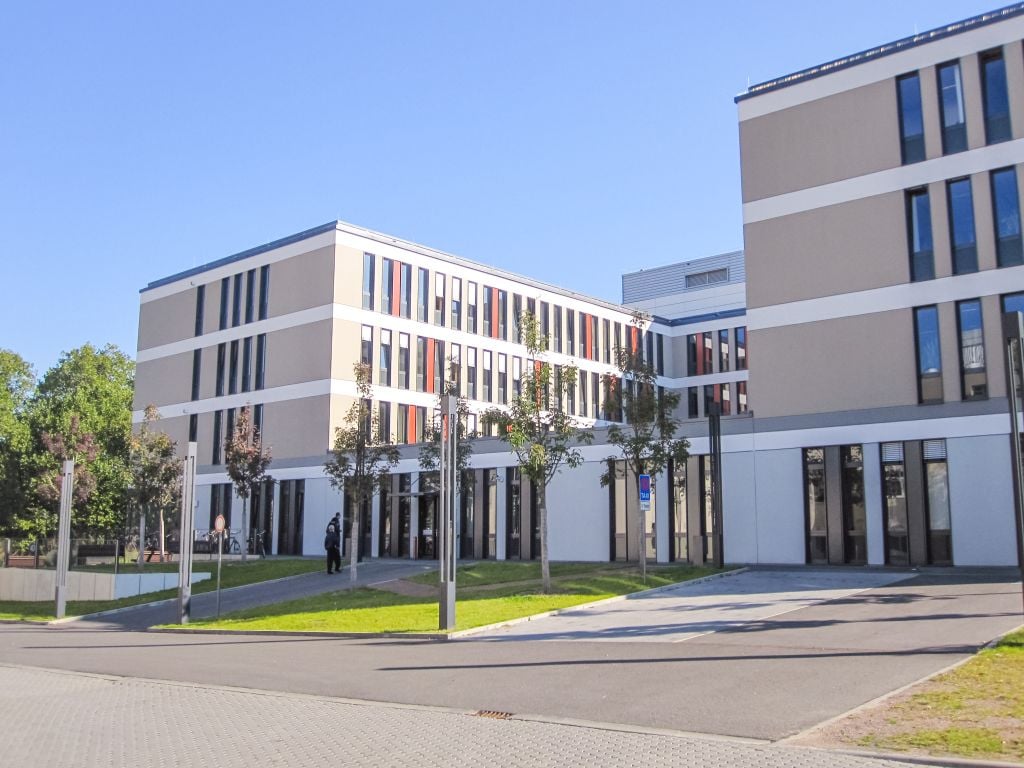
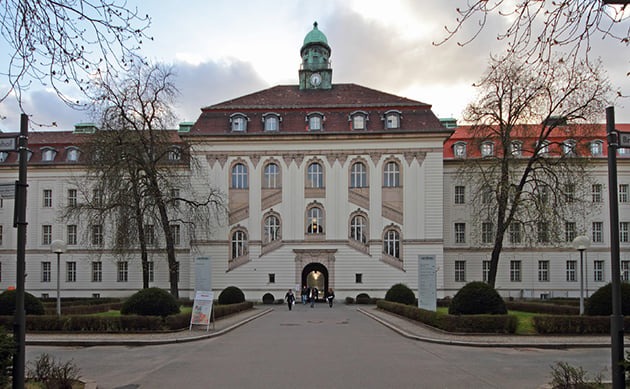




نظرة عامة على رأب الأوعية التاجية في ألمانيا
- رأب الأوعية التاجية - من $25,000
يقوم هذا الإجراء بفك انسداد شرايين القلب باستخدام بالون صغير ، مما يقلل من خطر الإصابة بأمراض القلب ويحسن تدفق الدم. إنها طفيفة التوغل مع التعافي السريع.
- الدعامة التاجية - من $8,000
تتضمن العملية وضع أنبوب صغير لفتح شرايين القلب المسدودة ، وتحسين تدفق الدم لقلب أكثر صحة.
- الأبهر الدعامة التطعيم - من $32,000
تتضمن هذه العملية وضع دعامة في الشريان الأورطي لمنع التمزق ، مما يوفر تعافيًا أقل توغلاً وأسرع.
اليوم الأول: الوصول
- الوصول إلى قسم أمراض القلب بالمستشفى.
- قابل طبيب القلب الخاص بك للحصول على استشارة.
- اخضع لفحوصات الدم و EKG والأشعة السينية على الصدر.
- الحصول على تعليمات صيام الليلة السابقة للجراحة.
اليوم الثاني: ما قبل العملية
- قابل طبيب التخدير لاستشارة التخدير.
- اخضع لفحص طبي نهائي.
اليوم الثالث: رأب الأوعية التاجية
- الوصول إلى غرفة العمليات.
- الحصول على تخدير موضعي.
- اخضع لعملية رأب الأوعية الدموية ، وتستمر من ساعة إلى ساعتين.
- ابق في غرفة الإنعاش للمراقبة.
اليوم الرابع: ما بعد العملية
- البقاء في المستشفى للمراقبة.
- احصل على علاج للألم إذا لزم الأمر.
- ابدأ بحركات خفيفة لمنع تجلط الدم.
اليوم 5-7: الخروج من المنزل واستعادة عافيته
- الخروج من المستشفى.
- استمر في التعافي في المنزل.
- اتبع نظام الدواء الموصوف.
الأسبوع 2-4: إعادة التأهيل
- ابدأ برنامج إعادة تأهيل القلب.
- العودة تدريجيًا إلى الأنشطة المعتادة.
- حضور مواعيد المتابعة مع طبيب القلب.
الأسبوع 5-8: النتيجة النهائية
- استئناف العمل حسب طبيعة الوظيفة.
- استئناف الأنشطة الرياضية تحت إشراف الطبيب.
- جرب الشفاء التام وانظر النتيجة النهائية.
يرجى ملاحظة أن عملية الشفاء لكل مريض تختلف وتخضع للظروف الصحية الفردية.
- إيداع Bookimed: 200 دولار أو 200 يورو.
- وديعة العيادة: ادفع نسبة محددة مقدمًا.
بصفتها المنصة العالمية الرائدة للسياحة الطبية ، تلتزم Bookimed.com بتقديم معلومات موثوقة وشاملة لكل من المرضى والمراكز الطبية. تضمن منصتنا معلومات عالية الجودة تتعلق بالخدمات والمرافق الطبية في رأب الأوعية التاجية في ألمانيا ، وتتبع السياسات المذكورة أدناه:
نظام التصنيف التلقائي الذكي
تقوم Bookimed بقوائم العيادات والأطباء بناءً على لائحة صارمة لنظام التصنيف التلقائي الذكي الخاص بنا. يستخدم النظام معدلات حقيقية من مرضى Bookimed لتوفير معلومات موضوعية وشفافة حول العيادات والخدمات الطبية في رأب الأوعية التاجية في ألمانيا.
يقوم عالم البيانات المتمرس لدينا بجمع البيانات ومراقبتها يوميًا وتحسين نظام التصنيف باستخدام التعلم الآلي والذكاء الاصطناعي لضمان نتائج دقيقة ومحدثة.
تجربة الناس الحقيقية فقط
في Bookimed ، نقوم بجمع الآراء من عملائنا فقط بعد أن يكون لديهم خبرة طبية مع العيادة ، مما يضمن الثقة في المنشأة التي يختارونها. ننشر المراجعات الإيجابية والسلبية ، ونسعى جاهدين لجعل المحتوى على منصتنا مفيدًا قدر الإمكان لاتخاذ قرارات مستنيرة لعملائنا في المستقبل.
مواضيع ذات مستويات عالية من الخبرة والسلطة والجدارة بالثقة
على موقع Bookimed.com ، يمكنك العثور على أفضل الحلول الطبية من كبار مقدمي الخدمات الطبية في رأب الأوعية التاجية في ألمانيا ، غالبًا بأسعار تنافسية. يقوم ممثلو العيادة بتحديث السير الذاتية للأطباء ، وقدرات العيادات ، والصور قبل وبعد ، والأسعار ، والحزم ، والعروض الخاصة بأنفسهم ، مع ضمان أحدث المعلومات. يمكنك مقابلة ممثل العيادة والتحقق من تاريخ المحتوى المحدث على صفحة كل عيادة للتأكد من مصداقيتها.
تم إنشاء مدونتنا والقطع الداعمة من قبل مؤلفين محترفين يتمتعون بخبرة لا تقل عن 3 سنوات في الكتابة الطبية ، ويتم تحريرها من قبل المتخصصين الطبيين ذوي الخبرة السريرية والبحثية ذات الصلة ، ويتم تعيينهم بعناية في الفريق. نحن نهدف إلى تعزيز وصول المرضى إلى المعلومات الصحية ، مما يجعلها متخصصة وسهلة الفهم. تتبع جميع القطع إرشادات التحرير الخاصة بـ Bookimed.
القيم المحجوزة
في Bookimed ، نقدر الأشخاص ونسعى جاهدين لتوفير معلومات موثوقة وشاملة على المنصة. يتم جمع جميع البيانات المقدمة على المنصة وتحريرها ومراجعتها وتحديثها بانتظام من قبل مرضانا والعيادات الشريكة وفريقنا ، بما في ذلك المجلس الاستشاري الطبي Bookimed ، الذي يتألف من أطباء مشهورين عالميًا يتمتعون بخبرة تزيد عن 20 عامًا من الممارسة و سمعة إيجابية. تعلم المزيد عنا وعن مهمتنا .
إذا وجدت أي أخطاء أو كان لديك أي أسئلة حول المعلومات المقدمة على Bookimed.com ، فلا تتردد في الاتصال بنا على marketing@bookimed.com .
قصص فيديو من مرضى Bookimed
مشاركة المحتوى
 Anna Leonova
أسئلة متكررة حول رأب الأوعية التاجية في ألمانيا
ما هي معدلات النجاح والسلامة لعملية رأب الأوعية التاجية في ألمانيا؟
تحافظ عملية رأب الأوعية التاجية في ألمانيا على معدل نجاح أولي يتراوح بين 92% و95%. تظل السلامة أولوية مع خطر الوفاة الاختيارية داخل المستشفى بنسبة 0.4%. تضمن أحجام الجراحة العالية ومراقبة الجمعية الألمانية لأمراض القلب جودة متسقة عبر مراكز القلب المتخصصة والمستشفيات الجامعية.
- نجاح الإجراء: تحقق الحالات الاختيارية معدلات استعادة تدفق الدم بنسبة 94% إلى 95%.
- التدخلات الحادة: يتراوح نجاح الطوارئ للنوبات القلبية النشطة من 91% إلى 92.6%.
- سلامة الوصول الشعاعي: يقلل الدخول عبر الشريان الكعبري من الأحداث القلبية الضارة الرئيسية إلى 0.12% فقط.
- النتائج طويلة المدى: تقلل الدعامات الدوائية المتقدمة بشكل كبير من مخاطر إعادة تضيق الشرايين في العيادات.
رؤية خبير Bookimed: تمتلك ألمانيا ثاني أعلى معدل لرأب الأوعية في الاتحاد الأوروبي. يخلق هذا الحجم الكبير فجوة في الخبرة تفيد المرضى. تخدم المراكز الكبيرة مثل مستشفى جامعة آخن 250,000 مريض سنوياً. يسمح هذا النطاق للجراحين بالحفاظ على شهاداتهم من خلال الممارسة عالية التردد، مما يقلل بشكل مباشر من معدلات المضاعفات السريرية.
إجماع المرضى: يبلغ المرضى أن التعافي أسرع مما كان متوقعاً، خاصة مع إجراءات الوصول عبر المعصم. يشير الكثيرون إلى المشي في نفس اليوم ولكنهم يؤكدون أن الدعامة تعالج الانسداد، وليس مرض القلب الأساسي.
ما هي أنواع التكنولوجيا والدعامات التي تستخدمها العيادات الألمانية لعمليات القسطرة؟
توفر العيادات الألمانية قسطرة قلبية متقدمة باستخدام أحدث جيل من الدعامات الدوائية (DES) والدعامات القابلة للامتصاص الحيوي. تدمج هذه المؤسسات التصوير داخل الأوعية الدموية (IVUS و OCT) وتفتيت الحصى بالموجات الصدمية لعلاج الآفات المتكلسة المعقدة بدقة عالية في مراكز القلب والأوعية الدموية المصنفة من قبل JCI و Newsweek.
- الغرسات الذكية: تستخدم دعامات Orsiro الهجينة المصممة في ألمانيا بوليمرات قابلة للتحلل الحيوي لشفاء أسرع للأوعية الدموية.
- الدعامات المتلاشية: هياكل قابلة للامتصاص الحيوي مصنوعة من سبائك المغنيسيوم تذوب بشكل طبيعي بعد التئام الوعاء الدموي.
- التصوير الدقيق: يستخدم المتخصصون OCT و IVUS للتصوير الداخلي ثلاثي الأبعاد وتحديد حجم الدعامة بشكل مثالي.
- إدارة الكالسيوم: يستخدم تفتيت الحصى داخل الأوعية الدموية موجات صدمية صوتية لتكسير الرواسب الصلبة دون الإضرار بالأنسجة.
رؤية خبير Bookimed: تجري مراكز القلب الألمانية مثل Deutsches Herzzentrum Berlin أكثر من 5000 عملية سنويًا، مما يتجاوز بكثير متطلبات الحجم القياسية. يعني هذا العدد الكبير من الحالات أن الجراحين يفضلون غالبًا البالونات المطلية بالدواء (DCB) للشرايين التي تضيق مرة أخرى. تتجنب هذه التقنية إضافة المزيد من المعدن مع توصيل الدواء اللازم مباشرة إلى جدار الوعاء الدموي.
إجماع المرضى: يقدر المرضى كيف يعطي المتخصصون الألمان الأولوية للإجراءات الموجهة بالتصوير مثل FFR للتأكد من أن الدعامة ضرورية حقًا. وغالبًا ما يلاحظون أن الدعامات الدوائية هي الخيار القياسي مقا
هل سأحتاج إلى تناول الدواء على المدى الطويل بعد تركيب دعامة؟
يحتاج المرضى الذين يتلقون دعامة تاجية دائمًا تقريبًا إلى دواء طويل الأمد لمنع جلطات الدم وإدارة أمراض القلب والأوعية الدموية. عادةً ما يتم وصف جرعة منخفضة يومية من الأسبرين مدى الحياة، بينما تحمي مميعات الدم الإضافية والستاتينات المخفضة للكوليسترول جدار الشريان من الانسدادات المستقبلية بعد رأب الأوعية.
- العلاج المزدوج المضاد للصفيحات: يتناول معظم المرضى مميعين للدم لمدة تتراوح بين 6 إلى 12 شهرًا.
- العلاج الأحادي مدى الحياة: ينتقل المرضى عادةً إلى مضاد صفيحات يومي واحد، غالبًا الأسبرين، إلى أجل غير مسمى.
- علاج الستاتين: تعمل هذه الأدوية على تثبيت اللويحات الشريانية ومنع تكون انسدادات جديدة.
- إدارة القلب: تساعد حاصرات بيتا أو مثبطات الإنزيم المحول للأنجيوتنسين في التحكم في الضغط وتقليل إجهاد القلب.
رؤية خبير Bookimed: غالبًا ما تعالج مراكز القلب الألمانية مثل Deutsches Herzzentrum Berlin أو Heart Center Bad Krozingen أكثر من 30,000 مريض سنويًا. يسمح هذا الحجم الكبير لأطباء القلب بتحسين بروتوكولات الأدوية بناءً على أنواع دعامات محددة. يضمن اختيار عيادة مصنفة من قبل Newsweek الوصول إلى أحدث الدعامات المطلية بالدواء والتي قد تقصر فترات العلاج الأولية.
إجماع المرضى: يجد العديد من المرضى أن نظام الدواء يتبسط بشكل كبير بعد السنة الأولى. الشاغل الرئيسي الذي يشاركه معظمهم هو الحفاظ على الالتزام الصارم بالأسبرين لتجنب المضاعفات المفاجئة.
كيف يبدو الجدول الزمني للتعافي بعد قسطرة الشرايين التاجية؟
يستغرق التعافي بعد قسطرة الشرايين التاجية عادةً من أسبوع إلى أسبوعين للعودة إلى الأنشطة الطبيعية. على الرغم من أن المرضى غالبًا ما يغادرون المستشفى في غضون 24 ساعة، إلا أن التئام موقع الوخز ومستويات الطاقة تتطلب عدة أيام من الراحة قبل استئناف القيادة أو العمل أو ممارسة الرياضة.
- الإقامة في المستشفى: يتم خروج معظم المرضى في نفس اليوم أو في اليوم التالي بعد الإجراءات الاختيارية غير المعقدة.
- النشاط الأولي: يُشجع على المشي الخفيف في غضون 6 ساعات، بينما يتم تقييد رفع الأثقال.
- موقع الوصول: يسمح الوصول عبر المعصم بحركة أسرع من الوصول عبر الفخذ، والذي يتطلب قيودًا أكثر صرامة على الحركة.
- العودة للعمل: غالبًا ما يمكن استئناف مهام المكتب المستقرة في غضون يومين إلى 7 أيام.
رؤية خبير Bookimed: تستفيد مراكز القلب الألمانية مثل Deutsches Herzzentrum Berlin من أحجام الجراحات العالية لتحسين بروتوكولات التعافي. تُظهر البيانات الواردة من العيادات التي تخدم أكثر من 60,000 مريض سنويًا أن الوصول الشعاعي (عبر المعصم) أصبح الآن المعيار لتقليل فترات الإقامة في المستشفى. غالبًا ما يمنح اختيار مستشفى جامعي ذي حجم عمل كبير إمكانية الوصول إلى مراقبة متقدمة يمكنها تقصير فترة الملاحظة الإلزامية بأمان.
إجماع المرضى: يتفاجأ العديد من المرضى بالتعب الكبير الذي يستمر حتى بعد زوال ضيق الصدر. يبدو التعافي أسرع عند استخدام الوصول عبر المعصم، لكن الكدمات والآثار الجانبية لمميعات الدم الإلزامية تظل التحديات المبكرة الأكثر شيوعًا.
كم تستغرق عملية القسطرة وكم تبلغ مدة الإقامة في المستشفى؟
تستغرق عملية القسطرة التاجية في ألمانيا عادةً من 30 دقيقة إلى ساعتين. يتم خروج معظم المرضى في نفس اليوم أو بعد المراقبة ليلة واحدة. تعتمد جداول التعافي والإقامة في المستشفى على ما إذا كانت الحالة إجراءً مخططاً له لعلاج الذبحة الصدرية المزمنة أو تدخلاً طارئاً.
- مدة الإجراء: تستغرق معظم الجلسات ما بين 30 و 120 دقيقة حسب تعقيد الشرايين.
- الإقامة المعتادة: تتطلب الحالات المخطط لها عادةً الخروج في نفس اليوم أو المراقبة لمدة 12 إلى 24 ساعة.
- الإقامة الطارئة: غالباً ما يبقى المرضى الذين يتم علاجهم بعد النوبات القلبية لعدة أيام للمراقبة المكثفة.
- جدول الحركة: عادة ما يصبح المرضى قادرين على الحركة في غضون 24 إلى 48 ساعة بعد إجراء القلب.
رؤية خبراء Bookimed: في حين أن العديد من العيادات مثل عيادة نوردويست أو المركز الطبي سولينجن تجري الآلاف من هذه الإجراءات، فإن سرعة التعافي غالباً ما تعتمد على نقطة الدخول. اختيار الوصول الشعاعي عبر المعصم يسمح عادةً بحركة أسرع وخروج مبكر مقارنة بالوصول الفخذي التقليدي عبر الأربية. تأكد دائماً من موقع الوصول مع طبيب القلب الخاص بك أثناء الاستشارة قبل الجراحة في ألمانيا.
إجماع المرضى: توقع أن تستغرق تجربة المستشفى بأكملها يوماً كاملاً حتى لو كان التدخل سريعاً. يلاحظ العديد من المرضى أن علاج الانسداد يحدث غالباً أثناء جلسة تصوير الأوعية التشخيصية الأولية.
ما هي أفضل المستشفيات في ألمانيا لعمليات قسطرة الشرايين التاجية؟
تشمل أفضل المستشفيات الألمانية لعمليات قسطرة الشرايين التاجية مركز القلب الألماني في برلين (Deutsches Herzzentrum Berlin)، وعيادة نوردويست (Nordwest Clinic)، ومستشفى جامعة لايبزيغ. توفر هذه المؤسسات معدلات تدخل عالية، ومختبرات قسطرة قلبية متطورة، وفرق قلب متخصصة متعددة التخصصات معترف بها في تصنيفات مجلة نيوزويك وفوكوس.
- مركز القلب الألماني في برلين: يجري 5700 عملية سنويًا ويصنف ضمن أفضل العيادات المتخصصة في العالم وفقًا لمجلة نيوزويك.
- عيادة نوردويست: مؤسسة معتمدة من مجلة فوكوس في فرانكفورت تعالج 61000 مريض باستخدام تقنية الموجات فوق الصوتية ثلاثية الأبعاد المتقدمة.
- مستشفى جامعة لايبزيغ: مركز أكاديمي عالي القدرة يدير أكثر من 430000 مريض سنويًا مع أقسام متخصصة في أمراض القلب.
- المركز الطبي في سولينغن: مستشفى تابع للجامعة معترف به لرعايته متعددة التخصصات وبنيته التحتية المصممة للمرضى الدوليين.
رؤية خبراء Bookimed: على الرغم من أهمية السمعة، فإن حجم عدد المرضى هو أقوى مؤشر على الأمان في عمليات القسطرة. تخدم مراكز مثل مستشفى جامعة آخن أو لايبزيغ أكثر من 250000 مريض سنويًا. يضمن هذا النطاق الواسع أن تحافظ فرق مختبر القسطرة على أعلى مستويات الكفاءة للحالات المعقدة مثل الانسدادات المزمنة الكلية.
إجماع المرضى: يؤكد المرضى على أهمية اختيار المراكز التي توفر تغطية تدخلية على مدار الساعة طوال أيام الأسبوع لضمان الدعم في حالات الطوارئ. ينصح الكثيرون بتأكيد خطط العلاج المزدوج المضاد للصفيحات قبل الخروج من المستشفى لمنع حدوث مضاع
هل يغطي التأمين الدولي هذا الإجراء؟
يعتمد تغطية رأب الأوعية التاجية في ألمانيا على نوع بوليصة التأمين الخاصة بك والضرورة الطبية. تغطي معظم خطط التأمين الصحي الدولية الشاملة هذا الإجراء إذا تم الحصول على تفويض مسبق. عادةً ما يدفع تأمين السفر فقط مقابل التدخلات القلبية الطارئة، بينما تتطلب الجراحات الاختيارية المخطط لها للمرضى الدوليين غالبًا دفعًا مقدمًا أو ملحقات خاصة للسياحة العلاجية.
- نوع البوليصة: تغطي الخطط الشاملة الرعاية الاختيارية؛ بينما يغطي تأمين السفر حالات الطوارئ الطبية فقط.
- التفويض المسبق: تتطلب شركات التأمين تقارير تشخيصية وتقديرات للتكاليف قبل الموافقة على إجراءات القلب.
- الفواتير المباشرة: غالبًا ما تتطلب المستشفيات الجامعية الألمانية ضمانًا للدفع أو وديعة مقدمًا.
- الاستثناءات: يرفض معظم مقدمي الخدمة التغطية لحالات القلب الموجودة مسبقًا والتي لم يتم الإفصاح عنها أثناء التسجيل.
رؤية خبير Bookimed: على الرغم من أن ألمانيا وجهة رائدة لرعاية القلب، إلا أن العيادات الجامعية مثل إيسن أو آخن تعطي الأولوية للحالات التي لديها اتفاقيات فواتير مباشرة. إذا لم يكن لدى شركة التأمين الخاصة بك عقد مع مستشفى ألماني معين، فقد تحتاج إلى دفع مبلغ يتراوح بين 25,000 إلى 45,000 دولار أمريكي من جيبك الخاص وطلب استرداد المبلغ لاحقًا. غالبًا ما يؤدي اختيار مركز متخصص مثل Deutsches Herzzentrum Berlin إلى تبسيط عملية التوثيق لشركات التأمين الدولية.
إجماع المرضى: يفيد العديد من المرضى بأن الحصول على ضمان دفع مكتوب أمر ضروري لتجنب التأخير. حتى مع وجود تأمين ساري ال
ما هي المستشفيات في ألمانيا التي تحظى بأعلى التقييمات في جراحة الأعصاب؟
تضم ألمانيا بعضًا من أرقى أقسام جراحة الأعصاب في العالم، بقيادة مستشفى شاريتيه الجامعي في برلين ومستشفى جامعة هايدلبرغ. وتتميز هذه المراكز بخبرتها الواسعة في علاج أورام الدماغ المعقدة وأمراض الأوعية الدموية الدماغية. ولتحقيق أقصى قدر من الفعالية في عملياتها، تستخدم هذه المراكز أحدث التقنيات، مثل التصوير بالرنين المغناطيسي أثناء الجراحة والتوجيه العصبي بمساعدة الحاسوب.
- مستشفى شاريتيه برلين: يُجري أكثر من 5000 عملية جراحية سنوياً. ويرأس العيادة جراح الأعصاب الشهير الدكتور بيتر فايكوتشي.
- المركز الطبي في سولينجن: أجرى الدكتور رالف بوهل أكثر من 4000 عملية جراحية، بما في ذلك جراحات العمود الفقري طفيفة التوغل.
- عيادة أسكليبيوس نورد: مجهزة بنظام التصوير بالرنين المغناطيسي الثنائي الوحيد في ألمانيا أثناء الجراحة لضمان الدقة الجراحية في الوقت الحقيقي أثناء إزالة الورم.
- عيادة نوردويست: تم الاعتراف بها من قبل مجلة نيوزويك كمستشفى رائد في مجال الابتكار في تكنولوجيا الموجات فوق الصوتية ثلاثية الأبعاد.
رأي خبراء بوكيمد: تشير البيانات إلى أن اختيار المراكز ذات الحجم الجراحي الكبير غالبًا ما يؤدي إلى توصيات علاجية أكثر تحفظًا. ففي مركز سولينجن الطبي، الذي يعالج أكثر من 60,000 مريض
ما هي نسب نجاح العمليات الجراحية العصبية المعقدة في ألمانيا؟
في ألمانيا، تتميز العمليات الجراحية العصبية بالغة التعقيد بمستوى أمان استثنائي. تصل نسبة نجاح عمليات دمج الفقرات إلى 99%، بينما تبلغ نسبة النجاة بعد استئصال أورام الدماغ الأولية 97%. كما يتمتع المرضى بقدرة عالية على الاعتماد على أنفسهم في أداء وظائفهم اليومية، حيث يغادر أكثر من 82% منهم المستشفى مباشرةً بعد العلاج. وتولي المراكز الألمانية اهتماماً بالغاً بالحفاظ على الوظائف العصبية باستخدام أحدث تقنيات التخطيط العصبي.
- استئصال الورم: يحقق الجراحون استئصالًا كاملاً للورم في 87.2% من حالات النقائل الدماغية.
- النجاح في علاج أمراض الأوعية الدموية: أفادت المستشفيات الألمانية بنسبة نجاة بلغت 98.7% لحالات تمدد الأوعية الدموية غير الممزقة.
- تحسن الحالة العصبية: يشهد ما يقرب من 43% من المرضى تحسناً في المعايير الوظيفية بعد عمليات الاستئصال المعقدة.
- سلامة التدخلات الجراحية: في المراكز الجراحية الكبيرة، تتراوح معدلات بقاء المرضى على قيد الحياة بعد جراحة العمود الفقري بين 98-99%.
رأي خبراء بوكيمد: يُجري جراحون ذوو خبرة، مثل الدكتور أوفه كولر من عيادة أسكليبيوس ألتونا، أكثر من 2000 عملية جراحية سنويًا. تُشير البيانات إلى أن هؤلاء المتخصصين يحافظون على معدلات نجاح تصل إلى 90%، حتى
ما هي التقنيات المتقدمة المتوفرة عادةً في عيادات جراحة الأعصاب الألمانية؟
تُدخل عيادات جراحة الأعصاب الألمانية بانتظام أدوات رقمية عالية الدقة وتقنيات تصوير فوري في الممارسة الجراحية. تشمل التقنيات الرئيسية الملاحة العصبية الحاسوبية لجراحات الدماغ والحبل الشوكي. تستخدم مؤسسات مثل عيادة أسكليبيوس نورد التصوير بالرنين المغناطيسي أثناء الجراحة للتحقق من استئصال الورم في الوقت الفعلي. توفر هذه الأنظمة للجراحين نظام ملاحة ثلاثي الأبعاد.
- الملاحة العصبية: توفر تصورًا ثلاثي الأبعاد وتتبعًا فوريًا للأدوات لتحقيق دقة جراحية تصل إلى مستوى أقل من المليمتر.
- التصوير أثناء العملية: تسمح أنظمة مثل التصوير بالرنين المغناطيسي أثناء العملية (iMRI) والتصوير المقطعي المحوسب ذي الذراع O (O-arm CT) بالتأكيد الفوري على نجاح عملية الاستئصال.
- المراقبة العصبية: تراقب الوظائف الحركية والحسية أثناء الجراحة لحماية الجهاز العصبي.
- التشخيص الفلوري: يتم استخدام صبغة 5-ALA لتسليط الضوء على حدود الورم من أجل إزالته بشكل أكثر اكتمالاً.
- المساعدة الروبوتية: تعمل أنظمة مثل نظام دافنشي على تحسين الدقة في الإجراءات المعقدة ذات التدخل الجراحي البسيط.
رأي خبراء بوكيمد: تُجري مراكز طبية كبيرة، مثل مستشفى شاريتيه الج