جراحة الساد (عين واحدة) في ألمانيا — احصل على 3 عيادات مطابقة مع التكاليف


تمت مراجعة المقالة طبيا من قبل
فهد مولود
ما هي تكلفة جراحة الساد (عين واحدة) في ألمانيا؟ اكتشف الآن
من $2,200. تختلف الأسعار حسب العيادة، وخبرة الجراح، ونوع العدسة داخل العين (أحادية البؤرة القياسية أو متعددة البؤر/اللابؤرية المميزة).
عادةً ما تشمل العيادات الألمانية الفحوصات قبل العملية، وعدسة أحادية البؤرة قياسية، والتخدير الموضعي، والإجراء الجراحي، وزيارة أو زيارتين للمتابعة. في الولايات المتحدة، يشمل السعر الأساسي غالبًا الجراحة والعدسة القياسية فقط، مع رسوم إضافية للعدسات المميزة، والتخدير، والمتابعات الإضافية. يجب دائمًا التأكد من تفاصيل ما هو مشمول مع العيادة المختارة.
المزايا الرئيسية
لماذا يختار المرضى ألمانيا لجراحة الساد (عين واحدة)؟
- العيادات المعتمدة: العيادات في ألمانيا معترف بها من قبل شهادة KTQ. هذا يضمن معايير عالية في خدمات الرعاية الصحية.
- أحدث التقنيات: تقنيات مثل جراحة الساد بمساعدة الليزر الفيمتوثانية والعدسات داخل العين المتميزة (IOLs)، مثل AcrySof IQ PanOptix من Alcon، توفر نتائج بصرية محسنة.
- نسب نجاح عالية: تتميز جراحة الساد في ألمانيا بنسبة فعالية مذهلة تصل إلى 98%. تقدم العملية نتائج ممتازة عبر حالات المرضى المختلفة.
- جراحون خبراء: أطباء العيون الرائدون في ألمانيا معتمدون من قبل المجلس الأوروبي لطب العيون (EBO). لقد أجروا آلاف العمليات الناجحة لجراحة الساد، مما يضمن الخبرة والدقة.
احصل على حلول متقدمة لجراحة الساد (عين واحدة) في عيادات موثوقة من $2,200.
| تركيا | إسبانيا | ألمانيا | |
|---|---|---|---|
| جراحة الساد (عين واحدة) | من $1,200 | من $3,500 | من $2,200 |
مزاياك وضماناتك مع Bookimed
أسعار مباشرة
Bookimed لا يضيف رسوماً إضافية على أسعار جراحة الساد (عين واحدة). الأسعار مأخوذة من قوائم الأسعار الرسمية للعيادات. تدفع مباشرة في العيادة مقابل جراحة الساد (عين واحدة) عند وصولك.
عيادات وأطباء معتمدون فقط
Bookimed ملتزم بسلامتك. نحن نعمل فقط مع المؤسسات الطبية التي تحافظ على معايير دولية عالية في جراحة الساد (عين واحدة) ولديها التراخيص اللازمة لخدمة المرضى الدوليين في جميع أنحاء العالم.
مساعدة مجانية على مدار الساعة
Bookimed يقدم مساعدة خبراء مجانية. منسق طبي شخصي يدعمك قبل وأثناء وبعد العلاج، ويحل أي مشاكل. لن تكون وحيداً أبداً في رحلة جراحة الساد (عين واحدة).

منسقك الطبي الشخصي في Bookimed
- يدعمك في كل مرحلة
- المساعدة في اختيار العيادة الطبية المناسبة والطبيب المناسب
- يضمن الوصول السريع والمريح إلى المعلومات
اكتشف أفضل جراحة الساد (عين واحدة) العيادات في ألمانيا: 5 خيارات معتمدة والأسعار









نظرة عامة على جراحة الساد (عين واحدة) في ألمانيا
- جراحة الساد (عين واحدة) - من $2,200
يزيل الإجراء عدسة غائمة في عين واحدة واستبدالها بعدسة اصطناعية لاستعادة الرؤية.
- جراحة الساد (كلتا العينين) - من $3,600
تعمل عملية العين المزدوجة هذه على إزالة العدسات الضبابية واستبدالها بأخرى اصطناعية ، مما يعزز وضوح الرؤية وجودتها.
- جراحة الساد مع زرع عدسة متعددة البؤر - من $4,200
تستبدل العملية عدسة العين الغائمة بزرع متعدد البؤر ، مما يعزز وضوح الرؤية والتركيز على مسافات متعددة.
اليوم الأول: الوصول
- لا يتم توفير النقل من المطار من قبل العيادة.
- عند وصولك إلى العيادة ، سيتم تسجيلك.
- سيتم توفير مترجم إذا لزم الأمر.
اليوم الثاني: ما قبل العملية
- سوف تستشير طبيب عيون.
- سيتم إجراء قياس الانكسار الذاتي لقياس انكسار العين.
- ستخضع لفحوصات طبية أخرى ضرورية.
اليوم الثالث: جراحة الساد
- ستحصل على تخدير موضعي.
- تستغرق العملية حوالي ساعة إلى ساعتين.
- سيقوم الجراح باستبدال العدسة الغائمة بعدسة شفافة.
اليوم الرابع: ما بعد العملية
- بعد الجراحة ، ستتم مراقبتك بحثًا عن المضاعفات.
- قد تكون هناك حاجة إلى الإقامة في المستشفى طوال الليل ، بناءً على حالتك.
اليوم الخامس: التفريغ
- ستخرج من المستشفى.
- سيتم تحديد موعد متابعة.
الأسبوع 1-2: إعادة التأهيل
- تجنب الأنشطة الشاقة ورفع الأشياء الثقيلة.
- ارتدِ نظارة شمسية لحماية عينك.
الأسبوع 3-4: إعادة التأهيل
- يمكنك العودة إلى العمل واستئناف الأنشطة العادية.
- المتابعة مع طبيب العيون الخاص بك.
يرجى ملاحظة أن كل حالة فردية وأن الجدول الزمني قد يختلف بناءً على حالتك الشخصية وسرعة الشفاء.
ماذا يحب المرضى:
- يكلف. تتراوح تكلفة جراحة الساد (عين واحدة) في ألمانيا بين 3500 دولار و 5000 دولار. هذا أقل نسبيًا مقارنة بمتوسط تكلفة يتراوح بين 5000 و 7000 دولار في دول مثل الولايات المتحدة الأمريكية.
- احتراف الأطباء. يتمتع جراحو العيون الألمان بمهارات عالية ، وغالبًا ما يحملون شهادات مرموقة. هم في كثير من الأحيان أعضاء في منظمات طب العيون الدولية ، مما يعزز ثقة المريض.
- مستوى الخدمة. يقدّر المرضى مستوى الخدمة الاستثنائي. من موظفي الاستقبال إلى الممرضات ، يظهر الجميع أقصى درجات الاحتراف والرعاية.
- فعالية جراحة الساد (عين واحدة). تضمن التقنيات الحديثة المستخدمة في ألمانيا معدلات نجاح عالية للجراحة. غالبًا ما يعاني المرضى من تحسينات جذرية في الرؤية بعد الجراحة.
- الخدمات اللوجستية. يضمن نظام الرعاية الصحية الفعال في ألمانيا لوجستيات سلسة. نادرًا ما يواجه المرضى مشكلات في تحديد المواعيد أو زيارات المستشفى.
ما لا يحبه المرضى:
- _cost_link_ على الرغم من انخفاض التكاليف مقارنة بالدول الأخرى ، لا يزال بعض المرضى يجدون الجراحة باهظة الثمن.
- وقت الانتظار. يبلغ المرضى أحيانًا عن فترات انتظار طويلة لإجراء الجراحة ، مما يؤثر على تجربتهم بشكل عام.
- رعاية ما بعد الجراحة. يشعر بعض المرضى أن رعاية ما بعد الجراحة يمكن أن تكون أفضل ، وتتطلب المزيد من الاهتمام الشخصي.
- إيداع Bookimed: 200 دولار أو 200 يورو.
- وديعة العيادة: ادفع نسبة محددة مقدمًا.
تلتزم Bookimed، وهي منصة عالمية رائدة في مجال السياحة الطبية، بمساعدة العملاء الذين يبحثون عن جراحة إزالة المياه البيضاء (عين واحدة) في ألمانيا من خلال تقديم مساعدة الخبراء والحلول الطبية الجديرة بالثقة لكل حالة. يُستخدم نظام التصنيف التلقائي الذكي لإنشاء قوائم عيادات شفافة، ويتم صيانتها بدقة بواسطة عالم بيانات يستخدم الذكاء الاصطناعي للتأكد من دقتها. تضمن المنصة الأصالة من خلال نشر مراجعات من مرضى حقيقيين بعد علاجهم. يقدم Bookimed حلولاً طبية شاملة، مع تحديثات من العيادات لضمان الثقة. المحتوى الخاص بجراحة إعتام عدسة العين (عين واحدة) في ألمانيا، والذي تم صياغته من قبل مؤلفين طبيين ذوي خبرة ومراجعته من قبل متخصصين، يلتزم بإرشادات Bookimed التحريرية ، مما يعكس التزام المنصة بتقديم معلومات صحية واضحة وعالية الجودة. لمزيد من التفاصيل أو الاستفسارات، لا تتردد في الاتصال بنا على Marketing@bookimed.com أو معرفة المزيد عنا وعن مهمتنا عن Bookimed .
احصل على تقييم طبي لـ جراحة الساد (عين واحدة) في ألمانيا. استشر الآن 6 أطباء ذوي الخبرة.
عرض جميع الأطباء
Kadir Kocadag
Dr. med. Kadir Kocadag طبيب عيون معتمد من البورد الألماني. تدرّب في جامعة دويسبورغ-إسن ومستشفى العيون الجامعي في إسن تحت إشراف البروفيسور Bornfeld والبروفيسور Steuhl. شغل منصباً سريرياً قيادياً تركز عمله على أمراض البقعة والشبكية وأورام العين، ويتمتّع بخبرة في جراحات تصحيح الإبصار والعلاجات الليزرية العينية.
عمل مستشاراً في مستشفى إليزابيث بإسن. ومنذ عام 2015 يمارس عمله في زولينغن وكولونيا، ويقدّم الاستشارات أيضاً في المستشفى البلدي بزولينغن (Städtisches Klinikum Solingen). تناولت أطرو
André Rosentreter Chief Of Ophthalmology
Randolf Widder
Ansgar Neußer
قصص فيديو من مرضى Bookimed
المراجعات
جميع المراجعاتمشاركة المحتوى
 Anna Leonova
حقائق سريعة عن جراحة الساد (عين واحدة)
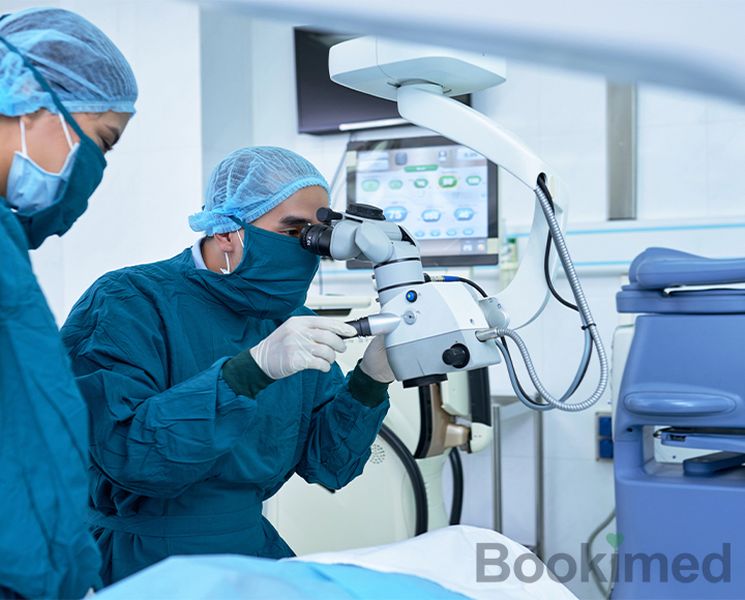
جراحة إعتام عدسة العين (عين واحدة)
يتضمن هذا الإجراء الجراحي في طب العيون إزالة العدسة الغائمة من عين واحدة واستبدالها بعدسة اصطناعية شفافة داخل العين لاستعادة الرؤية.
أسئلة متكررة حول جراحة الساد (عين واحدة) في ألمانيا
كم تستغرق فترة التعافي للعين الواحدة؟
يعاني معظم المرضى من تحسن أولي في الرؤية خلال يوم إلى 3 أيام بعد جراحة إزالة المياه البيضاء (الكاتاركت) في ألمانيا. في حين أن الشفاء التشريحي الكامل والاستقرار البصري يستغرقان عادةً من 4 إلى 8 أسابيع، يمكنك عادةً استئناف الأنشطة اليومية الخفيفة مثل القراءة أو مشاهدة التلفزيون في غضون 24 ساعة.
- المراحل الأولية: تتضح الرؤية بسرعة بعد أول 24 ساعة من الحساسية للضوء والشعور بوجود رمل في العين.
- استئناف الأنشطة: يعود معظم المرضى إلى العمل المكتبي والمشي الخفيف في غضون يومين إلى 3 أيام.
- القيود البدنية: تجنب رفع الأشياء الثقيلة، والانحناء، ووضع مكياج العيون لمدة أسبوع واحد على الأقل.
- الاستقرار الكامل: يتم إصدار وصفات النظارات النهائية عادةً بين 4 و 8 أسابيع بعد الجراحة.
من $4,200. أجرى جراحون مثل الدكتور يوهانس جونرمان أكثر من 30,000 عملية، مما يسلط الضوء على أن حجم العمليات الكبير غالبًا ما يترجم إلى تعافٍ أكثر سلاسة ومضاعفات أقل.
إجماع المرضى: توقع حدوث خلل بصري مؤقت بين العين المعالجة وغير المعالجة، مما قد يؤثر على إدراك العمق والتوازن في البداية. يجد العديد من المرضى أن التباين في الوصفات الطبية أكثر صعوبة من التعافي الجراحي الفعلي خلال الأسبوع الأول.
ماذا يحدث أثناء جراحة المياه البيضاء (الكاتاراكت) لعين واحدة في ألمانيا؟
تعد جراحة المياه البيضاء في ألمانيا إجراءً خارجيًا قياسيًا يستغرق 15 دقيقة. يقوم الجراحون باستبدال العدسة الطبيعية المعتمة بعدسة اصطناعية واضحة داخل العين تحت التخدير الموضعي. عادةً ما يشهد المرضى تحسنًا كبيرًا في الرؤية في غضون 24 إلى 72 ساعة ويعودون إلى منازلهم في نفس اليوم.
- التقنيات الجراحية: تقدم العيادات تقنية تفتيت العدسة بالموجات فوق الصوتية أو الجراحة المتقدمة بمساعدة ليزر الفيمتو ثانية لضمان الدقة.
- طريقة التخدير: يستخدم الجراحون قطرات مخدرة أو حقنًا موضعية بحيث لا يشعر المرضى سوى بضغط خفيف.
- خيارات العدسات: يختار المرضى بين العدسات أحادية البؤرة، أو متعددة البؤر، أو ثلاثية البؤر بناءً على الاحتياجات البصرية.
- بروتوكول التعافي: يتم الخروج من المستشفى بعد فترة وجيزة من الجراحة مع غطاء واقٍ وجدول زمني لاستخدام قطرات المضادات الحيوية.
رؤية خبير Bookimed: تركز طب العيون الألماني بشكل كبير على التخصص عالي الكثافة لضمان السلامة. على سبيل المثال، أجرى الدكتور يوهانس جونرمان في مركز AugenCentrum am Rothenbaum أكثر من 30,000 جراحة. تؤدي هذه الخبرة السريرية الهائلة غالبًا إلى نتائج أكثر قابلية للتنبؤ مقارنة بالمراكز الجراحية العامة. عند اختيار عيادة، تحقق مما إذا كان الجراح حاصلًا على شهادة FEBO، والتي تشير إلى أعلى معيار أوروبي في طب العيون.
إجماع المرضى: يصف معظم المرضى العين الأولى بأنها تجربة مفيدة تجعل العين الثانية أقل ترويعًا. يوصون بترتيب وسائل النقل مسبقًا والالتزام الصارم بجدول قطرات العين للتحكم في حساسية
ما هي القيود التي تنطبق بعد الجراحة؟
بعد جراحة المياه البيضاء (الكاتاركت) في ألمانيا، تعطي القيود القياسية الأولوية لحماية الشق المجهري ومنع ارتفاع ضغط العين. يجب على المرضى تجنب فرك العين، ورفع أشياء تزيد عن 10 أرطال (4.5 كجم)، وممارسة التمارين الشاقة لمدة 4 أسابيع تقريبًا. يعود معظم الأفراد إلى الأنشطة الخفيفة مثل القراءة أو مشاهدة التلفاز في غضون 24 ساعة.
- الإجهاد البدني: تجنب الانحناء، أو رفع الأثقال، أو تمارين النادي الرياضي لمنع زيادة ضغط العين.
- بروتوكول النظافة: ابقِ الصابون والشامبو ومياه الصنبور بعيدًا عن العين لمدة أسبوع واحد.
- السلامة البيئية: ابتعد عن المناطق المتربة أو المليئة بالدخان أو الرياح لتقليل مخاطر العدوى.
- الحماية أثناء النوم: استخدم غطاءً واقيًا للعين في الليل وتجنب النوم على الجانب الذي أجريت فيه الجراحة.
رؤية خبير Bookimed: تؤكد العيادات الألمانية مثل EuroEyes أو AugenCentrum am Rothenbaum على `الانضباط في استخدام قطرات العين` أكثر من الراحة البدنية. تشير بيانات جراحين مثل الدكتور يوهانس جونرمان، الذي أجرى 30,000 عملية، إلى أن تفويت القطرات الموصوفة يمثل عامل خطر أعلى من استئناف المشي الخفيف. تأكد دائمًا من جاهزيتك للقيادة في متابعة الـ 24 ساعة قبل الجلوس خلف عجلة القيادة.
إجماع المرضى: يجد العديد من المرضى أنه على الرغم من قدرتهم على الرؤية بوضوح في غضون يومين، فإن قاعدة `عدم الفرك` هي الأصعب في الالتزام بها. يوصون بشدة باستخدام غطاء العين الليلي لمنع التلامس العرضي أثناء النوم.
هل يمكن إجراء عملية جراحية للعينين في نفس الوقت؟
يمكن للجراحين إجراء عملية جراحية للعينين في نفس اليوم من خلال جراحة الساد الثنائية المتسلسلة الفورية (ISBCS). ومع ذلك، يفضل المتخصصون الألمان غالبًا ترك مسافة زمنية تتراوح بين أسبوع إلى 4 أسابيع بين الإجراءين. يضمن هذا النهج المتدرج السلامة، ويسمح بالتكيف البصري، ويتيح للأطباء ضبط حسابات العدسة للعين الثانية بدقة.
- بروتوكول السلامة: يعامل الجراحون كل عين كعملية منفصلة باستخدام مجموعات أدوات جديدة ومعقمة.
- الفائدة السريرية: يمكن للأطباء تعديل قوة عدسة العين الثانية بناءً على شفاء العين الأولى.
- راحة المريض: تمنع الجراحة المتدرجة ضعف البصر المؤقت الكامل بينما تتعافى العينان في وقت واحد.
- معايير المرشحين: يحتاج المرضى ذوو المخاطر العالية المصابون بالجلوكوما أو السكري عادةً إلى مواعيد جراحية منفصلة.
رؤية خبير Bookimed: تؤكد العيادات الألمانية مثل شبكة EuroEyes الطبية أو AugenCentrum am Rothenbaum على الدقة من خلال إجراء أكثر من 20,000 إجراء سنويًا. باستخدام هذه البيانات ذات الحجم الكبير، يوصي الجراحون غالبًا بفجوة قصيرة مدتها أسبوع واحد. هذه النافذة هي سر النجاح لأنها تتجنب مشاكل إدراك العمق طويلة المدى مع السماح للقرنية بالاستقرار من أجل مطابقة أفضل للعدسة.
إجماع المرضى: يجد الكثيرون أن إجراء العملية لعين واحدة في كل مرة يقلل من القلق بشأن عدم القدرة على الرؤية مؤقتًا. على الرغم من أن الانتظار بين العمليات الجراحية يسبب عدم تطابق بصري قصير أو صداعًا، إلا أن معظمهم يقدرون الفرصة لضمان شفاء العين الأولى تمامًا.
هل يغطي التأمين الصحي القانوني الألماني (GKV) الجراحة؟
يغطي التأمين الصحي القانوني الألماني (GKV) جراحة المياه البيضاء (الكاتاركت) عندما تكون ضرورية طبياً. تتم تغطية غرسات العدسات أحادية البؤرة القياسية بالكامل من خلال بطاقتك الصحية في المرافق المعتمدة. يشمل ذلك التقييمات قبل الجراحة ورعاية المتابعة الأساسية التي يقوم بها جراحو العيون المشاركون أو المستشفيات داخل شبكة الصحة العامة.
- الضرورة الطبية: يجب أن يبرر ضعف البصر الموثق أو القيود الوظيفية التدخل الجراحي.
- نوع العدسة: يغطي التأمين (GKV) العدسات أحادية البؤرة القياسية فقط، مما يوفر رؤية واضحة أساسية.
- الترقيات المميزة: تتطلب العدسات متعددة البؤر أو ثلاثية البؤر أو العدسات الحيدية دفع تكاليف خاصة من جيبك الخاص.
- شبكة مقدمي الخدمة: يجب إجراء الجراحة في العيادات أو المستشفيات المعتمدة من قبل (GKV) لضمان التغطية.
رؤية خبير Bookimed: غالباً ما يفترض المرضى أن جميع الخيارات الجراحية مغطاة، ولكن هناك فجوة واضحة بين الرعاية الأساسية والمميزة. تعالج العيادات المتخصصة مثل EuroEyes 20,000 مريض بالمياه البيضاء سنوياً باستخدام الليزر المتقدم. بينما يغطي التأمين (GKV) الإجراء الأساسي، يختار العديد من المرضى الدفع بشكل خاص للحصول على عدسات متعددة البؤر للتخلص من النظارات تماماً.
إجماع المرضى: أفاد معظم المرضى أن العلاج القياسي مباشر ومغطى بالكامل. ومع ذلك، يوصي الكثيرون بطلب عرض سعر مكتوب ومفصل إذا كنت تفكر في أي تقنيات ليزر حديثة أو ترقيات عدسات مميزة.
ما هي فترة التعافي، ومتى سيصبح بصري واضحاً؟
يستغرق التعافي من جراحة المياه البيضاء (الكاتاركت) في ألمانيا عادةً من 4 إلى 8 أسابيع لتحقيق الاستقرار الكامل، بينما يبدأ البصر في الوضوح خلال 24 إلى 72 ساعة. يحقق معظم المرضى رؤية وظيفية للأنشطة اليومية في غضون 3 إلى 5 أيام مع تراجع الالتهاب الجراحي وتكيف الدماغ.
- الوضوح الأولي: تحدث تحسينات ملحوظة في الحدة وسطوع الألوان عادةً بعد يوم إلى 3 أيام من الجراحة.
- الرؤية الوظيفية: يستأنف المرضى عادةً القراءة ومشاهدة التلفاز والعمل الخفيف في غضون 3 إلى 5 أيام.
- الاستقرار الكامل: تلتئم العين وتستقر الرؤية تماماً في غضون 4 إلى 8 أسابيع بعد الجراحة.
- الرعاية بعد الجراحة: استخدم قطرات المضادات الحيوية الموصوفة وتجنب رفع الأشياء الثقيلة لمدة أسبوع إلى أسبوعين.
رؤية خبير Bookimed: تؤكد العيادات الألمانية مثل AugenCentrum am Rothenbaum وEuroEyes على الجراحين ذوي الخبرة العالية، حيث يتجاوز عدد إجراءاتهم غالباً 30,000 عملية. تظهر البيانات أن المتخصصين ذوي الخبرة الكبيرة مثل الدكتور يوهانس جونرمان يساهمون في أوقات تعافي أسرع من خلال تقنيات دقيقة طفيفة التوغل. اختيار مركز عيون متخصص في مدن مثل هامبورغ أو برلين يضمن الوصول إلى هؤلاء الجراحين من مستوى الخبراء.
إجماع المرضى: غالباً ما يذكر المرضى أنه على الرغم من أن الرؤية تبدو قابلة للاستخدام في غضون ساعات، إلا أن التفاصيل الدقيقة والرؤية القريبة تستغرق وقتاً أطول للعودة. يعاني الكثيرون من عدم تطابق مؤقت بين العينين حتى يتم علاج العين الثانية أو تحديث النظارات.
ما هي الرعاية المتوقعة بعد الجراحة في ألمانيا؟
تعتبر الرعاية بعد الجراحة في ألمانيا منظمة للغاية ومنظمة قانونياً من خلال بروتوكول Entlassmanagement الرسمي. يتلقى المرضى خطاب خروج يوضح خطط الأدوية الفورية، والوصفات الطبية الأساسية للمتابعة، وتقرير طبي شامل. ينتقل التعافي من بيئة المستشفى إلى إشراف خارجي متخصص من قبل أطباء عيون معتمدين.
- بروتوكول الخروج: توفر العيادات خطاب ملخص والأدوية الفورية قبل مغادرتك.
- إدارة الأدوية: يقوم المرضى بإدارة قطرات العين المضادة للحيوية أو المضادة للالتهابات بأنفسهم وفق جدول زمني صارم.
- متابعة المتخصصين: يقوم طبيب متخصص (Facharzt) في المجتمع عادةً بإجراء فحوصات العين خلال الأسبوع الأول.
- إرشادات النشاط: تتضمن الحماية تجنب فرك العين واستخدام غطاء واقي أثناء النوم.
رؤية خبراء Bookimed: غالباً ما تستعين العيادات الألمانية مثل EuroEyes أو Spreebogen بجراحين ذوي حجم عمليات هائل، مثل الدكتور يوهانس جونرمان الذي أجرى 30,000 عملية جراحية. تسمح هذه الخبرة ذات الحجم الكبير للمراكز الألمانية بتقديم رعاية خارجية موحدة وفعالة تلغي الحاجة إلى إقامات طويلة في المستشفى. بينما تركز العيادات الفاخرة في بلدان أخرى على التمريض، تركز المراكز الألمانية على الدقة الجراحية والتعافي المستقل في المنزل.
إجماع المرضى: يبلغ المرضى عن عودة سريعة للروتين ولكنهم يؤكدون على الحاجة إلى إدارة جداول قطرات العين بشكل مستقل. ينصب التركيز على الحماية العملية، مثل إبقاء الصابون بعيداً عن العين وتجنب البيئات المتربة.
ما الفرق بين العدسات داخل العين القياسية والمتميزة في العيادات الألمانية؟
الفرق الرئيسي بين العدسات داخل العين القياسية والمتميزة في ألمانيا هو نطاق الرؤية. تعمل العدسات أحادية البؤرة القياسية على إصلاح الرؤية البعيدة ولكنها تتطلب نظارات قراءة. توفر الخيارات المتميزة مثل العدسات ثلاثية البؤرة أو عدسات EDOF رؤية واضحة على المسافات القريبة والمتوسطة، مما يلغي غالبًا الحاجة إلى النظارات تمامًا.
- المرونة البصرية: توفر العدسات القياسية نقطة تركيز واحدة، بينما تغطي العدسات متعددة البؤر وثلاثية البؤر ثلاث نقاط.
- تصحيح الاستجماتيزم: تعمل العدسات التوريكية المتميزة على تحييد استجماتيزم القرنية، وهو ما لا يمكن للعدسات أحادية البؤرة القياسية إصلاحه.
- هيكل التكلفة: يغطي التأمين العام العدسات القياسية بالكامل؛ تتطلب العدسات المتميزة دفع مبالغ إضافية من جيب المريض.
- الآثار الجانبية المحتملة: قد تسبب العدسات المتميزة هالات طفيفة أو وهجًا أثناء القيادة ليلاً.
رؤية خبير Bookimed: تتعامل العيادات الألمانية مثل EuroEyes مع أكثر من 20,000 حالة إعتام عدسة العين وجراحة الانكسار سنويًا بنجاح كبير. أجرى جراحون ذوو خبرة مثل الدكتور يوهانس جونرمان 30,000 عملية جراحية، مما يجعلهم خبراء في مطابقة أنواع العدسات مع تشريح العين. غالبًا ما تدرج المراكز المتقدمة تشخيصات متطورة في باقاتها المتميزة لضمان دقة العدسة.
إجماع المرضى: يشير المرضى إلى أن العدسات القياسية تستعيد رؤية بعيدة حادة ولكنهم يوصون بالتخطيط لنظارات القراءة. أولئك الذين يختارون العدسات المتميزة يقدرون التحرر من النظارات ولكنهم يقترحون مناقشة هالات القيادة
هل أحتاج إلى إحالة من طبيب عام في ألمانيا؟
لا تحتاج إلى إحالة من طبيب عام لزيارة طبيب عيون في ألمانيا. يحتفظ المرضى بحرية اختيار الطبيب ويمكنهم الحجز مباشرة مع أخصائيي العيون لتقييمات المياه البيضاء (الكاتاركت). قد يكون للتأمين الخاص ونماذج الصحة العامة المحددة متطلبات مختلفة للتغطية.
- الوصول المباشر: أطباء العيون معفون من الإحالات الإلزامية بموجب نظام التأمين الصحي القانوني الألماني.
- أنواع التأمين: تتطلب خطط «Hausarztmodell» زيارة الطبيب العام أولاً للخدمات الطبية غير المعفاة.
- رموز الطوارئ: يقدم الأطباء العامون رموز طوارئ لضمان مواعيد مع الأخصائيين في غضون أربعة أسابيع.
- تشخيص الخبراء: يقوم أطباء العيون مثل الدكتور يوهانس جونرمان بإجراء فحوصات سريرية لتأكيد الضرورة الجراحية.
رؤية خبير Bookimed: على الرغم من أن الإحالات ليست إلزامية، إلا أن مراكز العيون المتخصصة مثل عيادة EuroEyes تعالج أكثر من 20,000 مريض سنوياً. غالباً ما تؤدي أحجام المرضى الكبيرة إلى فترات انتظار أقصر في العيادات الخاصة مقارنة بالمستشفيات العامة. اختيار مركز عيون متخصص غالباً ما يبسط عملية التشخيص دون الحاجة إلى أي أوراق سابقة من الطبيب العام.
إجماع المرضى: يتجاوز معظم المرضى الأطباء العامين ويتوجهون مباشرة إلى أطباء العيون لمشاكل المياه البيضاء. إحضار الوصفات الطبية السابقة وتاريخ الأعراض يساعد الأخصائيين على تسريع عملية جدولة الجراحة بشكل كبير.
ما هي المستشفيات في ألمانيا التي تحظى بأعلى التقييمات في جراحة الأعصاب؟
تضم ألمانيا بعضًا من أرقى أقسام جراحة الأعصاب في العالم، بقيادة مستشفى شاريتيه الجامعي في برلين ومستشفى جامعة هايدلبرغ. وتتميز هذه المراكز بخبرتها الواسعة في علاج أورام الدماغ المعقدة وأمراض الأوعية الدموية الدماغية. ولتحقيق أقصى قدر من الفعالية في عملياتها، تستخدم هذه المراكز أحدث التقنيات، مثل التصوير بالرنين المغناطيسي أثناء الجراحة والتوجيه العصبي بمساعدة الحاسوب.
- مستشفى شاريتيه برلين: يُجري أكثر من 5000 عملية جراحية سنوياً. ويرأس العيادة جراح الأعصاب الشهير الدكتور بيتر فايكوتشي.
- المركز الطبي في سولينجن: أجرى الدكتور رالف بوهل أكثر من 4000 عملية جراحية، بما في ذلك جراحات العمود الفقري طفيفة التوغل.
- عيادة أسكليبيوس نورد: مجهزة بنظام التصوير بالرنين المغناطيسي الثنائي الوحيد في ألمانيا أثناء الجراحة لضمان الدقة الجراحية في الوقت الحقيقي أثناء إزالة الورم.
- عيادة نوردويست: تم الاعتراف بها من قبل مجلة نيوزويك كمستشفى رائد في مجال الابتكار في تكنولوجيا الموجات فوق الصوتية ثلاثية الأبعاد.
رأي خبراء بوكيمد: تشير البيانات إلى أن اختيار المراكز ذات الحجم الجراحي الكبير غالبًا ما يؤدي إلى توصيات علاجية أكثر تحفظًا. ففي مركز سولينجن الطبي، الذي يعالج أكثر من 60,000 مريض