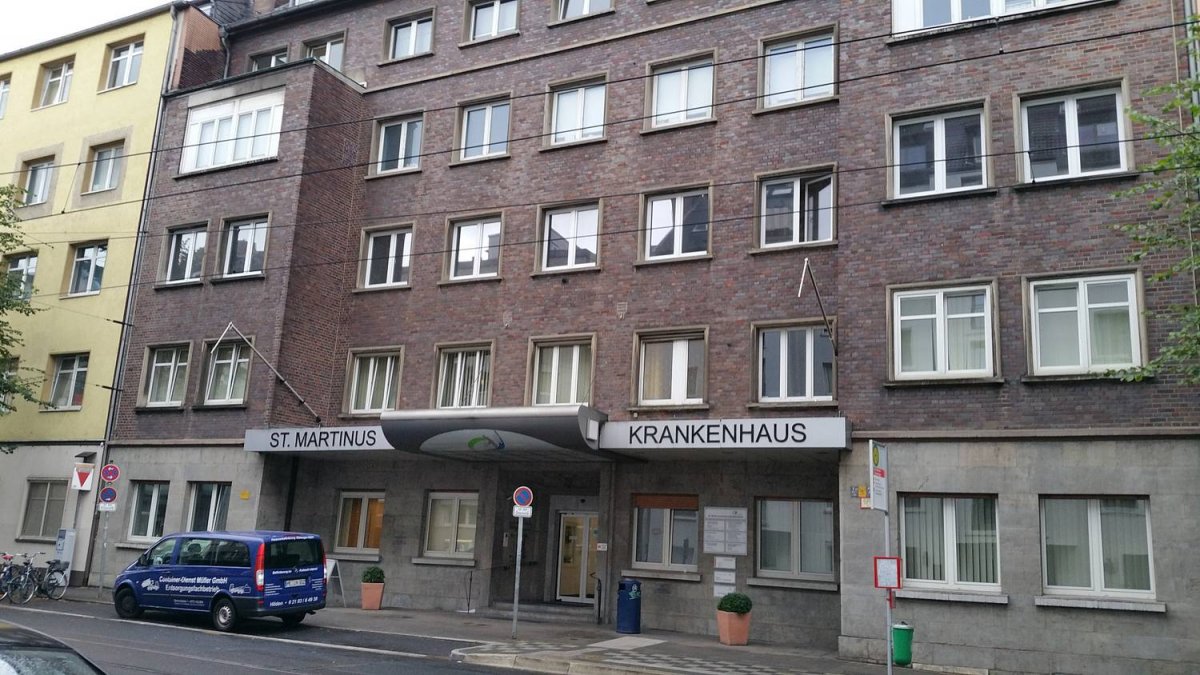
St. Martinus-Krankenhaus Düsseldorf
ألمانيا, دوسلدورف


تمت مراجعة المقالة طبيا من قبل
فهد مولود
تتراوح تكلفة عملية حزام المعدة في ألمانيا عادةً بين $7,200 و $10,200. يعتمد السعر النهائي على مستوى العيادة، وفترة الإقامة في المستشفى، وطبيعة الحالة الصحية للمريض. تشمل معظم الباقات الطبية الألمانية الجراحة، والتخدير، وإقامة بالمستشفى لمدة تتراوح بين يومين إلى 3 أيام.
رأي خبراء Bookimed: يمنح اختيار مرفق مثل مستشفى سانت مارتينوس في دوسلدورف قيمة استثنائية. فهذه العيادة واحدة من اثنتين فقط في ألمانيا حاصلتين على اعتماد الاتحاد الدولي لعلاج السمنة والاضطرابات الأيضية. وعلى الرغم من أن الأسعار في المراكز المرموقة، مثل مستشفى أسكليبيوس بارمبيك، قد تكون أعلى، إلا أنها تقدم رعاية ذات تصنيف 5 نجوم. يضمن ذلك الوصول إلى أقسام متخصصة تستقبل 80,000 مريض سنوياً وفق معايير الجودة ISO.
تتضمن العملية وضع شريط قابل للتعديل حول الجزء العلوي من المعدة للحد من تناول الطعام وتقليل السمنة.
اليوم 1
اليوم الثاني
يوم 3
اليوم الرابع
يوم 5
الأسبوع 1
الأسبوع 2-4
الأسبوع 5-8
بعد 8 اسابيع
يرجى ملاحظة أن كل حالة فردية وقد تختلف الجداول الزمنية بناءً على الظروف الصحية الشخصية ومعدل الشفاء.
ماذا يحب المرضى:
ما لا يحبه المرضى:
بصفتنا المنصة العالمية الرائدة في مجال السياحة العلاجية ، فإننا نتحمل مسؤولية كبيرة أمام عملائنا - المرضى والمراكز الطبية على حد سواء. تستند جميع المعلومات المقدمة على Bookimed.com إلى البحث والاستبصار والخبرة وتفي بالاهتمام الكبير المتعلق بالمنتج وما يلي:
نحن نشكل قوائمنا للعيادات والأطباء في ألمانيا مع لوائح صارمة لنظام التصنيف التلقائي الذكي الخاص بنا. يعتمد النظام على أسعار Bookimed الحقيقية للمرضى لتوفير المعلومات الأكثر موضوعية وشفافية حول العيادات والخدمات الطبية هناك.
يجمع عالم البيانات ذو الخبرة لدينا البيانات يوميًا ، ويراقب ويحسن نظام التصنيف باستخدام التعلم الآلي والذكاء الاصطناعي لضمان تحديث نظام التصنيف وتقديم نتائج دقيقة.
نحن نجمع آراء عملاء Bookimed فقط بعد الحصول على خبرة طبية مع العيادة في ألمانيا - لذلك يمكن للجميع على المنصة الوثوق بالمنشأة التي يختارونها. نحن نسعى جاهدين لجعل المحتوى على منصتنا مفيدًا قدر الإمكان ونضمن حرية التعبير عن الآراء النقدية. وبالتالي ، ننشر مراجعات إيجابية وسلبية ، بهدف أن نكون مصدرًا لاتخاذ قرارات مستنيرة لعملائنا في المستقبل.
قد تجد على Bookimed.com الاختيار والراحة للعثور على أفضل الحلول الطبية من كبار مزودي الخدمات الطبية في ألمانيا في مكان واحد فقط ، وغالبًا بأسعار تنافسية. للتأكد من تقديم أحدث المعلومات ، يقوم ممثلو العيادة بتحديث السير الذاتية للأطباء ، وقدرات العيادات ، والصور قبل وبعد ، والأسعار ، والحزم ، والعروض الخاصة بأنفسهم قريبًا. يمكنك مقابلة ممثل العيادة والتحقق من تاريخ المحتوى المحدث في صفحة كل عيادة للتأكد من مصداقيتها.
تم إنشاء مدونتنا والقطع الداعمة من قبل مؤلفين محترفين يتمتعون بخبرة لا تقل عن 3 سنوات في الكتابة الطبية ويتم تحريرها بواسطة متخصصين طبيين يتمتعون بخبرة إكلينيكية وبحثية ذات صلة - تم تعيينهم جميعًا بعناية في الفريق. نحن نسعى جاهدين لتعزيز وصول المريض إلى المعلومات الصحية ، مما يجعلها خبيرة ولكن يسهل فهمها. تتبع جميع القطع إرشادات التحرير الخاصة بـ Bookimed.
نحن مصنوعون من الناس ومن أجلهم - وهذه هي قيمتنا الأساسية. هذا هو السبب في أن جميع البيانات المقدمة على المنصة يتم جمعها وتحريرها ومراجعتها وتحديثها بانتظام من قبل مرضانا وعياداتنا الشريكة في ألمانيا وفريقنا ، بما في ذلك المجلس الاستشاري الطبي Bookimed ، الذي يتكون من الأطباء المشهورين عالميًا ذوي القيمة خبرة تزيد عن 20 عامًا من الممارسة ، وسمعة طيبة. تعلم المزيد عنا وعن مهمتنا .
في حال وجدت أي خطأ أو لديك أي أسئلة حول المعلومات المقدمة على Bookimed.com ، فلا تتردد في الاتصال بنا على marketing@bookimed.com .

كبير الجراحين في أول مركز معتمد لسرطان القولون والمستقيم في ألمانيا – البروفيسور شينكر يرأس قسم الجراحة في مستشفى زولينجن الأكاديمي.

يقود الدكتور فيكتور ألكسندر كرول مركز علاج السمنة المعتمد في مستشفى مارتينوس، وهو متخصص في إجراءات جراحة السمنة المتقدمة.
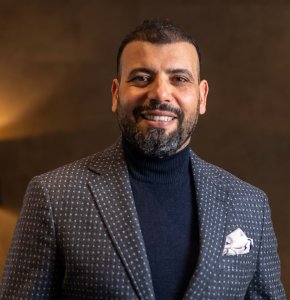
الدكتور الجابو حاصل على ثلاث شهادات تخصصية في الجراحة التجميلية والترميمية، وجراحة اليد، وجراحة الإصابات - وهو مزيج نادر يضمن الدقة في إجراءات ربط المعدة.
 Anna Leonova
يغطي التأمين الصحي القانوني الألماني جراحة ربط المعدة كحل أخير على أساس كل حالة على حدة. تتطلب الموافقة استيفاء معايير طبية صارمة، بما في ذلك مؤشر كتلة الجسم (BMI) الذي يزيد عن 40 وفشل العلاجات التحفظية الموثق. تعتمد تغطية التأمين الخاص على عقد البوليصة الفردي الخاص بك.
رؤية خبير Bookimed: على الرغم من أن تغطية التأمين ممكنة، إلا أن عمليات ربط المعدة أصبحت نادرة بشكل متزايد في ألمانيا. تركز المراكز الكبرى مثل مستشفى سانت مارتينوس في دوسلدورف بشكل كبير على البدائل طفيفة التوغل. إذا كنت تتقدم بطلب للحصول على تغطية، فإن استخدام مركز معتمد لعلاج السمنة يزيد بشكل كبير من احتمالات الموافقة. تتخصص هذه المراكز في الوثائق المعقدة التي تتطلبها الخدمة الطبية لصناديق التأمين الصحي (MD).
إجماع المرضى: يفيد المرضى بأن رفض التأمين الأولي أمر شائع ولكن يمكن إلغاؤه من خلال الاستئنافات الرسمية. يجد الكثيرون أن المراكز المتخصصة في جراحة السمنة تقدم مساعدة حاسمة في التنقل في عملية التقديم الصعبة.
ينطوي ربط المعدة على مخاطر طويلة المدى كبيرة بما في ذلك انزلاق الرباط، والتآكل في جدار المعدة، ومعدل فشل الجهاز بنسبة 35% إلى 54% على مدى 10 سنوات. يعاني المرضى بشكل متكرر من ارتجاع حمضي مزمن، وتوسع المريء، وأعطال ميكانيكية في منفذ الحقن تتطلب إزالة جراحية أو تحويلاً إلى مجازة معدية.
رؤية خبير Bookimed: بينما تعد ألمانيا رائدة عالمياً في جراحة السمنة، تعطي المرافق الحديثة مثل مستشفى سانت مارتينوس في دوسلدورف الأولوية الآن لعمليات تكميم المعدة أو المجازة طفيفة التوغل. تظهر البيانات أن العيادات تقوم بشكل متزايد بإزالة الأربطة وإجراء التحويلات لأن هذه البدائل توفر حفاظاً على الوزن على المدى الطويل بشكل أكثر قابلية للتنبؤ دون الحاجة إلى صيانة عالية لجهاز غريب.
إجماع المرضى: يبلغ الكثيرون عن عبء نفسي كبير وقلق مستمر بشأن انحشار الطعام أو القيء في الأماكن العامة. غالباً ما يصف المستخدمون على المدى الطويل الجهاز بأنه يتطلب صيانة عالية، ويسعون في النهاية إلى إزالته بسبب حرقة المعدة المستمرة أو نتائج فقدان الوزن غير الكافية.
للتأهل لعملية ربط المعدة في ألمانيا، يحتاج المرضى عمومًا إلى مؤشر كتلة جسم (BMI) يبلغ 40 أو أكثر. كما يتأهل الأفراد الذين يتراوح مؤشر كتلة الجسم لديهم بين 35 و 39.9 إذا كانوا يعانون من أمراض مصاحبة للسمنة مثل داء السكري من النوع 2، أو انقطاع النفس النومي، أو أمراض القلب والأوعية الدموية.
رؤية خبير Bookimed: بينما تحدد ألمانيا عتبات واضحة لمؤشر كتلة الجسم، فإن مستشفى سانت مارتينوس في دوسلدورف هو واحد من عيادتين فقط على مستوى البلاد الحاصلتين على اعتماد IFSO. تظهر البيانات أن الجراحين هنا غالبًا ما يوصون باستئصال المعدة الطولي (Sleeve) بدلاً من الربط للمرضى الذين لديهم مؤشر كتلة جسم 40+ لضمان نتائج أفضل على المدى الطويل.
إجماع المرضى: يشير المرضى إلى أن استيفاء عتبة مؤشر كتلة الجسم 40 هو المسار الأكثر مباشرة للحصول على الموافقة. يذكر الكثيرون أن العيادات الألمانية تقترح بشكل متكرر جراحات سمنة بديلة لتجنب مشاكل المتابعة طويلة المدى الشائعة مع أحزمة المعدة.
تفرض ألمانيا متطلبات ترشح طبية صارمة لإجراءات ربط المعدة من خلال عملية فحص متعددة التخصصات. يجب على المرضى تقديم دليل موثق على السمنة طويلة الأمد، ومحاولات سابقة فاشلة لإنقاص الوزن، والخضوع لتقييمات نفسية وتغذوية إلزامية داخل المراكز المعتمدة من قبل الاتحاد الدولي لجراحة السمنة (IFSO).
رؤية خبير Bookimed: تحافظ العيادات الألمانية على حواجز دخول أعلى من العديد من المراكز الأوروبية الأخرى. في حين تسمح بعض المناطق بإجراء الجراحة بناءً على مؤشر كتلة الجسم وحده، غالبًا ما تتطلب المراكز الألمانية برنامجًا خاضعًا للإشراف لمدة 6 أشهر أولاً. تظهر البيانات أن عيادات مثل Nordwest تعطي الأولوية لهذه البروتوكولات الصارمة للحفاظ على تصنيفاتها في مجلة Top Focus لسلامة المرضى.
إجماع المرضى: يفيد المرضى بأن الأوراق لا تقل أهمية عن الصحة البدنية. إن إحضار ملف طبي كامل للأمراض المصاحبة والتشخيصات السابقة أمر ضروري لتجنب التأخير في عملية الموافقة.
إجراء ربط المعدة هو جراحة بالمنظار حيث يتم وضع حلقة سيليكون حول الجزء العلوي من المعدة. تعمل هذه التقنية التقييدية، دون استخدام دبابيس أو قطع، على إنشاء كيس بحجم 30 مل يبطئ الهضم ويحد من أحجام الوجبات. يصل الجراحون إلى تجويف البطن عبر شقوق صغيرة تحت التخدير العام.
رؤية خبير Bookimed: الاعتماد يهم أكثر من الحجم لهذا الإجراء المحدد. مستشفى سانت مارتينوس في دوسلدورف هو واحد من عيادتين ألمانيتين فقط معترف بهما من قبل الاتحاد الدولي للسمنة. وهذا يعكس إتقانهم لبروتوكولات التعديل طويلة المدى اللازمة لنجاح الرباط.
إجماع المرضى: يقدر العديد من المرضى عدم إزالة أي أنسجة من المعدة، مما يجعل العملية قابلة للعكس. ومع ذلك، يتفق معظمهم على أن النتائج طويلة المدى تعتمد كليًا على الالتزام بجدول تعديلات المتابعة.
يتضمن التعافي إقامة قصيرة في المستشفى تليها برنامج إعادة تأهيل طبي إلزامي مدته 3 أسابيع يسمى Anschlussheilbehandlung. يعود المرضى عادةً إلى الأنشطة الخفيفة في غضون أسبوع واحد. يضمن القانون الألماني إدارة منظمة للخروج من خلال الخدمات الاجتماعية بالمستشفى لتنسيق جميع احتياجات الانتقال السريري والإداري الفورية.
رؤية خبير Bookimed: بينما تعالج العديد من البلدان ربط المعدة كجراحة يوم واحد، غالبًا ما تدمج العيادات الألمانية مثل مستشفى سانت مارتينوس في دوسلدورف المرضى في مراكز متخصصة للسمنة. هذه المرافق معتمدة من قبل الاتحاد الدولي لجراحة السمنة. هذا يعني أن تعافيك يتم إدارته من قبل فريق متعدد التخصصات من أخصائيي التغذية والجراحين بدلاً من طبيب واحد فقط.
إجماع المرضى: أفاد المرضى بأنهم قادرون على المشي في غضون 24 ساعة، لكنهم يؤكدون أن النجاح يتطلب تنظيم الوجبات بصرامة لتجنب الانزعاج. التعافي يتعلق بتعلم الانضباط الإلزامي للأكل بلقمات صغيرة وبطيئة أكثر من كونه يتعلق بالألم الجراحي.
يبتعد الجراحون الألمان عن ربط المعدة بسبب ارتفاع معدلات المضاعفات طويلة الأمد وفشل الجهاز المتكرر. تشير البيانات الحديثة إلى انخفاض حاد من 23.5 بالمائة إلى 0.2 بالمائة فقط من إجراءات السمنة الأولية. توفر البدائل الموثوقة مثل تكميم المعدة نتائج أيضية متفوقة ومخاطر أقل لإعادة الجراحة.
رؤية خبير Bookimed: بينما تبتعد العديد من العيادات عن الأربطة، تركز المراكز المتخصصة مثل مستشفى سانت مارتينوس في دوسلدورف على جراحة المراجعة. إنهم واحد من مرفقين ألمانيين فقط معتمدين من قبل الاتحاد الدولي للسمنة. يعكس هذا اتجاهاً حيث تنتقل الخبرة الألمانية من الربط الأولي إلى تصحيحات عالية المخاطر للغرسات القديمة.
إجماع المرضى: غالباً ما يندم المرضى الذين اختاروا الرباط في البداية لقابليته للعكس على القرار بسبب قيود الأكل المستمرة. يصف الكثيرون الآن الإجراء بأنه محبط بسبب الاحتمالية العالية للحاجة إلى جراحة ثانية أكثر ديمومة.
تضم ألمانيا بعضًا من أرقى أقسام جراحة الأعصاب في العالم، بقيادة مستشفى شاريتيه الجامعي في برلين ومستشفى جامعة هايدلبرغ. وتتميز هذه المراكز بخبرتها الواسعة في علاج أورام الدماغ المعقدة وأمراض الأوعية الدموية الدماغية. ولتحقيق أقصى قدر من الفعالية في عملياتها، تستخدم هذه المراكز أحدث التقنيات، مثل التصوير بالرنين المغناطيسي أثناء الجراحة والتوجيه العصبي بمساعدة الحاسوب.
رأي خبراء بوكيمد: تشير البيانات إلى أن اختيار المراكز ذات الحجم الجراحي الكبير غالبًا ما يؤدي إلى توصيات علاجية أكثر تحفظًا. ففي مركز سولينجن الطبي، الذي يعالج أكثر من 60,000 مريض
في ألمانيا، تتميز العمليات الجراحية العصبية بالغة التعقيد بمستوى أمان استثنائي. تصل نسبة نجاح عمليات دمج الفقرات إلى 99%، بينما تبلغ نسبة النجاة بعد استئصال أورام الدماغ الأولية 97%. كما يتمتع المرضى بقدرة عالية على الاعتماد على أنفسهم في أداء وظائفهم اليومية، حيث يغادر أكثر من 82% منهم المستشفى مباشرةً بعد العلاج. وتولي المراكز الألمانية اهتماماً بالغاً بالحفاظ على الوظائف العصبية باستخدام أحدث تقنيات التخطيط العصبي.
رأي خبراء بوكيمد: يُجري جراحون ذوو خبرة، مثل الدكتور أوفه كولر من عيادة أسكليبيوس ألتونا، أكثر من 2000 عملية جراحية سنويًا. تُشير البيانات إلى أن هؤلاء المتخصصين يحافظون على معدلات نجاح تصل إلى 90%، حتى
تُدخل عيادات جراحة الأعصاب الألمانية بانتظام أدوات رقمية عالية الدقة وتقنيات تصوير فوري في الممارسة الجراحية. تشمل التقنيات الرئيسية الملاحة العصبية الحاسوبية لجراحات الدماغ والحبل الشوكي. تستخدم مؤسسات مثل عيادة أسكليبيوس نورد التصوير بالرنين المغناطيسي أثناء الجراحة للتحقق من استئصال الورم في الوقت الفعلي. توفر هذه الأنظمة للجراحين نظام ملاحة ثلاثي الأبعاد.
رأي خبراء بوكيمد: تُجري مراكز طبية كبيرة، مثل مستشفى شاريتيه الج