تختلف تكلفة علاج الورم السحائي في ألمانيا اعتمادًا على الخدمات المقدمة. يمكن أن تكلف الفحوصات الأولية والاستشارات حوالي $850، بينما يمكن أن تصل تكلفة التدخلات الجراحية العصبية أو العمليات الجراحية إلى $30,000. وتُسعر الإجراءات المتقدمة مثل الإشعاع التجسيمي للأورام بين $1,300 و $7,800. يتم تخصيص خطة العلاج بعد تقييم شامل من قبل الفريق الطبي.
متخصص في العلاج الشامل للأورام، بما في ذلك العلاج المناعي المتطور والتشخيص الجزيئي في المركز الطبي في زولينجن.
يتخصص البروفيسور كيل في تقنيات التصوير المتقدمة للتدخلات المعقدة، ويقود حاليًا عيادة الأشعة التشخيصية والتداخلية في زولينغن.
تعد البروفيسورة إلكي ييجر واحدة من أفضل أطباء الأورام في ألمانيا وفقاً لتصنيف فوكوس، وهي متخصصة في الساركوما وترأس قسم الأورام في مستشفى نوردويست.
يقود الدكتور نويباور قسم جراحة الأعصاب في عيادة بريمن ميتي، حيث يتخصص في الحالات المعقدة للدماغ والنخاع الشوكي.
تشمل علاجات الورم السحائي الأولية في ألمانيا الاستئصال بالجراحة المجهرية، والجراحة الإشعاعية التجسيمية، والمراقبة النشطة. يستخدم جراحو الأعصاب الألمان الملاحة العصبية والتلوين الفلوري لإزالة الأورام بدقة عالية. توفر المراكز المتخصصة إشعاعاً متطوراً مثل CyberKnife وGamma Knife والعلاج بالبروتونات للحفاظ على الوظيفة العصبية.
رؤية خبير Bookimed: تؤكد مراكز الأورام الألمانية على أحجام المرضى الكبيرة كمؤشر جودة لإجراءات الدماغ المعقدة. على سبيل المثال، تخدم عيادة Asklepios Nord 72,000 مريض سنوياً. وتتعامل Charité Berlin مع أكثر من 800,000. غالباً ما توفر هذه المستشفيات الجامعية ذات القدرة العالية إمكانية الوصول إلى مجالس الأورام متعددة التخصصات. تراجع هذه المجالس الحالات الفردية لضمان ضرورة الجراحة أو الإشعاع قبل المتابعة.
إجماع المرضى: يشير المرضى إلى أهمية طلب آراء ثانية في المستشفيات الجامعية الكبرى لتحديد ما إذا كان الانتظار اليقظ آمناً. يقدر الكثيرون التنسيق المهني في العيادات الألمانية، حيث توصف الفرق الجراحية بأنها منظمة للغاية ومهتمة أثناء التعافي.
تعد مستشفى شاريتيه الجامعي في برلين، ومستشفى جامعة هايدلبرغ، ومستشفى أسكليبيوس بارمبيك المؤسسات الألمانية الرائدة في مجال جراحة الأعصاب. تقود هذه المراكز العالم في علاج أورام المخ المعقدة واضطرابات الأوعية الدموية. وهي حاصلة على جوائز مرموقة من JCI وISO وNewsweek لنتائجها الجراحية المتفوقة.
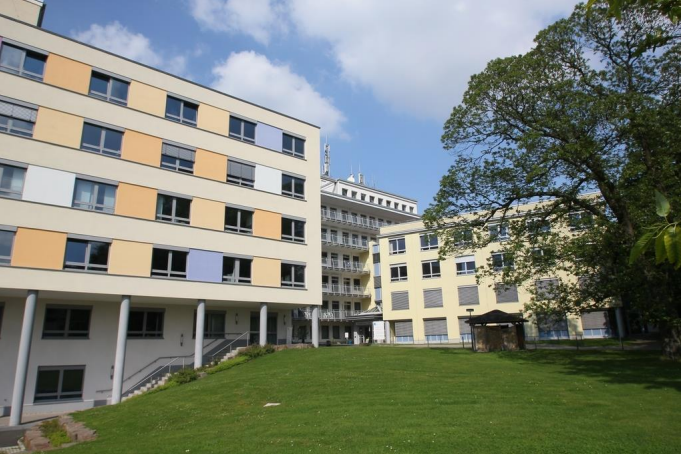
رؤية خبير Bookimed: بينما تتعامل المستشفيات الجامعية الكبيرة مثل شاريتيه مع أكثر من 845,000 مريض سنوياً، توفر الشراكات الأكاديمية المتخصصة الأصغر ميزة واضحة. تخدم المراكز ذات الحجم الكبير مثل المركز الطبي في سولينجن، وهو مستشفى أكاديمي تابع لجامعة كولونيا، 60,000 مريض وتحافظ على فترات انتظار أقصر لاستئصال الأورام المعقدة. هذا التوازن بين البحث على المستوى الجامعي والوصول الأسرع هو نمط رئيسي للمرضى الدوليين الذين يبحثون عن رعاية جراحية عصبية متخصصة.
إجماع المرضى: يشير المرضى إلى أن الفرق الجراحية في المراكز الكبيرة مثل سولينجن منظمة للغاية وتوفر رعاية احترافية بعد الجراحة. يؤكد الكثيرون أن الأطباء ودودون للغاية ويشرحون الإجراءات بوضوح، مما يساعدهم على الشعور بالراحة أثناء التعافي.
تحقق جراحة الورم السحائي في ألمانيا معدل فعالية يصل إلى 95% في مراكز جراحة الأعصاب المتخصصة. على الصعيد الوطني، تتم إزالة الورم بالكامل في أكثر من 90% من الحالات. وأبلغت المرافق المتقدمة عن نجاح جراحي بنسبة 98% للأورام التي يمكن الوصول إليها. تظل معدلات الوفيات داخل المستشفى للأورام السحائية الحميدة منخفضة بشكل استثنائي عند 1.3%.
رؤية خبير Bookimed: في حين توفر مراكز جراحة الأعصاب الألمانية مثل مستشفى شاريتيه أو المركز الطبي في سولينغن معدلات نجاح عالية، فإن حجم المرضى يعد إشارة رئيسية للجودة. تتعامل مرافق مثل مستشفى أسكليبيوس بارمبيك مع أكثر من 80,000 مريض داخلي سنوياً. غالباً ما يرتبط هذا التردد العالي بمعدلات النجاح البالغة 98% التي تظهر في الأقسام الألمانية المتخصصة. قد يؤدي اختيار مركز ذو حجم كبير إلى تقليل مخاطر المضاعفات بعد الجراحة بشكل أكبر.
إجماع المرضى: يؤكد المرضى أن النجاح يعتمد بشكل كبير على موقع الورم. يبلغ أولئك الذين يعانون من أورام على سطح الدماغ عن إزالة تقترب من 100%. يلاحظ الكثيرون أن الرعاية الدقيقة بعد الجراحة في الأجنحة الألمانية ضرورية للتعافي السلس.
يبدأ علاج الورم السحائي في ألمانيا عادةً في غضون 31 يومًا للرعاية المتخصصة المجدولة. تتلقى حالات الطوارئ تدخلًا جراحيًا فوريًا. تتطلب الإجراءات الاختيارية في مراكز الأورام ذات الحجم الكبير عادةً فترة انتظار تتراوح من أربعة إلى ستة أسابيع. التصوير التشخيصي السريع مثل التصوير بالرنين المغناطيسي للدماغ مع التباين متاح على نطاق واسع.
رؤية خبير Bookimed: تعالج المراكز الجامعية ذات الحجم الكبير مثل شاريتيه برلين أو عيادة أسكليبيوس نورد أكثر من 70,000 مريض سنويًا. تظهر بياناتنا أن اختيار العيادات في مدن مثل سولينجن أو هامبورغ غالبًا ما يؤدي إلى جدولة أسرع من مراكز برلين. أجرى الدكتور سام زابولي أكثر من 3,000 إجراء جراحي عصبي، مما يثبت أن المرافق ذات السعة العالية تدير قوائم الانتظار بكفاءة أكبر.
إجماع المرضى: يلاحظ المرضى أن ترجمة السجلات الطبية بشكل احترافي قبل الوصول تسرع عملية القبول بشكل كبير. وجد معظمهم أن التنسيق بين فحوصات الرنين المغناطيسي واستشارات الجراحة العصبية استغرق أقل من أسبوعين.
German clinics achieve a 95% surgical efficacy rate for meningioma treatment. Specialists report 5-year survival rates between 85% and 92% across all tumour grades. High-volume university centres reach 98% complete resection for accessible tumours. The in-hospital survival rate for benign cases is high at 98.7%.
Bookimed Expert Insight: Success often depends on treatment at a certified interdisciplinary cancer centre. For example, the Medical Center in Solingen is certified by the German Cancer Society. This means neurosurgeons and oncologists plan treatment together. Academic hospitals like Charité or Dusseldorf manage higher volumes. This typically results in better surgical outcomes.
Patient Consensus: Patients in Germany express high satisfaction with professional bedside care and organised recovery steps. They highlight that success means long-term stability on follow-up scans rather than just one surgery.
German neurosurgeons use real-time monitoring and neuronavigation to protect healthy brain tissue. They employ microsurgical techniques to remove tumours in small pieces. This method preserves critical blood vessels and nerves. High-resolution imaging helps surgeons follow the safest path during complex procedures.
Bookimed Expert Insight: University hospitals like Charité Berlin or Essen offer immense technical depth. However, their patient volume often exceeds 800,000 annually. For meningioma cases, smaller certified centres like Medical Center in Solingen provide a more personalised ratio. They maintain academic links to major universities. They also provide direct access to senior surgeons like Dr Ralf Buhl.
Patient Consensus: Patients in Germany note that specialists prioritise safe tumour debulking over aggressive removal to prevent deficits. They often mention the professional care in wards. They also value clear explanations from neurosurgical teams regarding post-operative requirements.
Meningioma recurrence in Germany depends on the tumour grade and how much is surgically removed. For Grade 1 tumours, the recurrence risk is 7% to 25% over 10 years. Removing the whole tumour drops regrowth risk by 75% compared to partial removals.
Bookimed Expert Insight: German university hospitals like Charité or Solingen use interdisciplinary boards to plan treatments. They decide between surgery and radiosurgery. Data shows specialists like Dr Sam Zaboli have performed 3,000+ procedures. Choosing a centre with neurosurgery and Gamma Knife capacity helps treat residual tissue immediately. This lowers long-term risk.
Patient Consensus: Patients in Germany say that achieving a complete removal is vital. They recommend keeping all pathology reports for MRI follow-up back in Australia.
Meningioma diagnosis in Germany uses neuroimaging and molecular profiling to map tumour boundaries. Specialists perform contrast-enhanced MRI and CT scans to identify bone invasion. Complex cases involve PET-CT and DNA methylation testing. This helps distinguish tumour tissue from scars and predict recurrence rates.
Bookimed Expert Insight: German academic hospitals prioritise volume-based expertise. This is vital for complex skull-base scans. Dr Sam Zaboli has contributed to 3,000+ neurosurgical procedures, including Gamma Knife. High throughput means radiologists and surgeons have likely seen your specific tumour location before. This leads to more accurate pre-surgical planning.
Patient Consensus: Patients in Germany appreciate the professional surgical teams and well-organised post-operative care. They note that doctors are friendly and hear all questions. Surgeons and their assistants explain procedures clearly.
German clinics treat meningioma using microsurgical resection and precision radiation therapies. Specialist centres focus on total tumour removal while sparing critical brain functions. Surgeons use neuronavigation and intraoperative monitoring. Targeted radiation like CyberKnife or Gamma Knife treats inoperable cases or prevents recurrence.
Bookimed Expert Insight: Germany attracts complex neurosurgery cases due to high surgical volumes. For example, the Nordrhein-Westfalen Clinic Complex serves 145,000 patients annually. This massive throughput allows surgeons to maintain high proficiency in rare skull-base meningiomas. Patients should prioritise these high-volume academic centres for better functional preservation.
Patient Consensus: Patients note that German surgical teams balance complete tumour removal with protecting their movement and speech. Experience at clinics like Solingen shows that well-organised post-operative care in the ward is just as vital as the surgery itself.
Patients typically recover from a meningioma craniotomy in 6 to 12 weeks. Most spend 3 to 7 days in German hospitals like Medical Center in Solingen. Full recovery involves structured rehabilitation and a gradual return to activity to manage neuro-fatigue.
Bookimed Expert Insight: German clinics like Nordwest Clinic and Charité report serving over 60,000 patients annually. This volume allows surgeons like Dr Sam Zaboli to perform thousands of procedures. Patients benefit from the Hamburger Modell. This legal framework allows for part-time work while recovery continues.
Patient Consensus: Patients in Germany note that wound healing is fast. However, internal recovery like concentration takes much longer. They suggest arranging help for cooking and transport early, as post-operative fatigue often lasts longer than expected.
Most meningiomas are non-cancerous. They do not need immediate treatment unless they compress vital brain structures. Approximately 80% to 90% are benign Grade 1 tumours. German neurosurgeons typically recommend active surveillance for small tumours found incidentally on scans.
Bookimed Expert Insight: Germany attracts complex neuro-oncology cases because its academic hospitals report high patient volumes. The Medical Center in Solingen and Nordwest Klinik each treat over 60,000 patients annually. This high volume means German surgeons have handled virtually every tumour location. This experience is vital for tumours near the brainstem.
Patient Consensus: Patients in Germany find the term "cancerous" confusing. They suggest focusing on the WHO grade instead. They note that providing MRI reports and imaging files early helps German specialists confirm if a watch-and-see approach is safe.