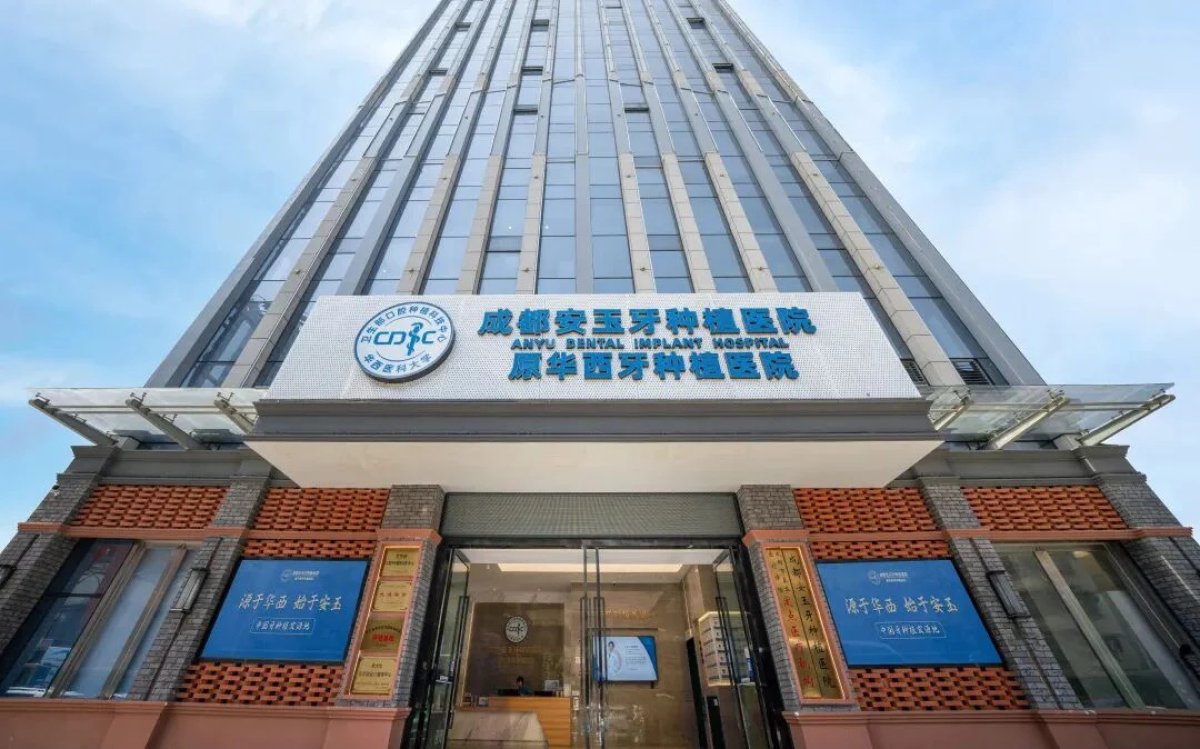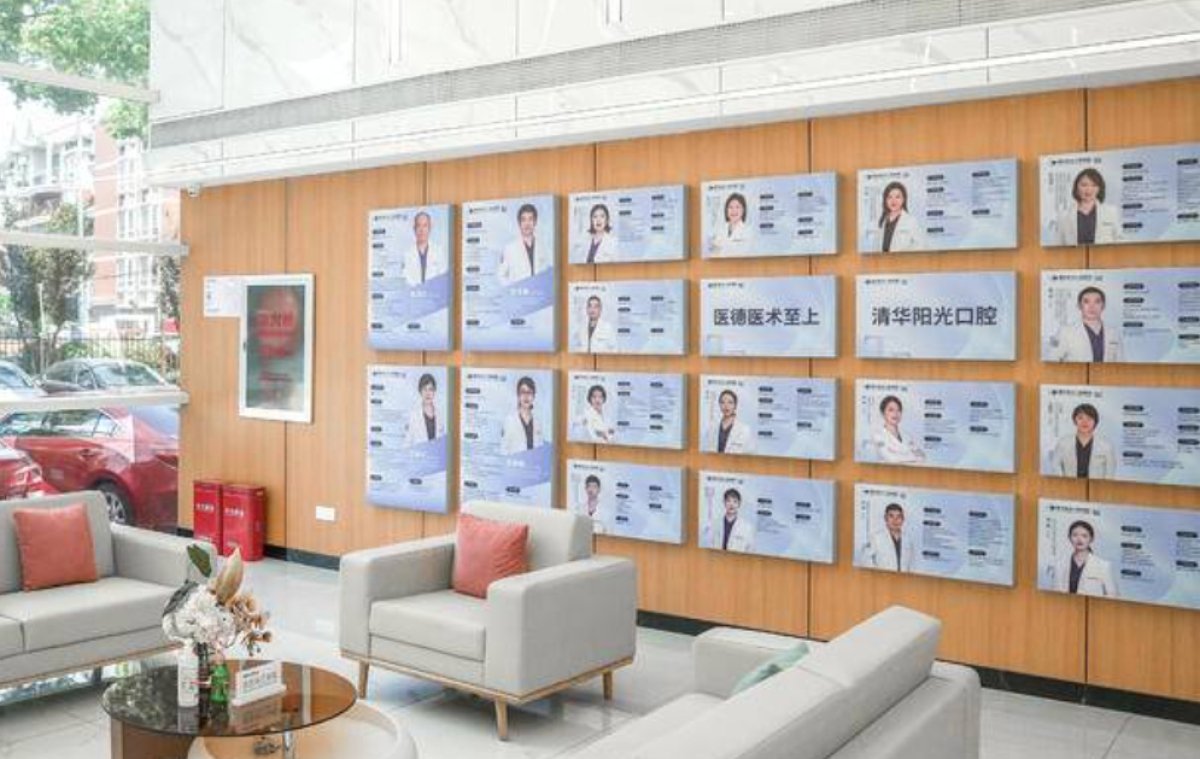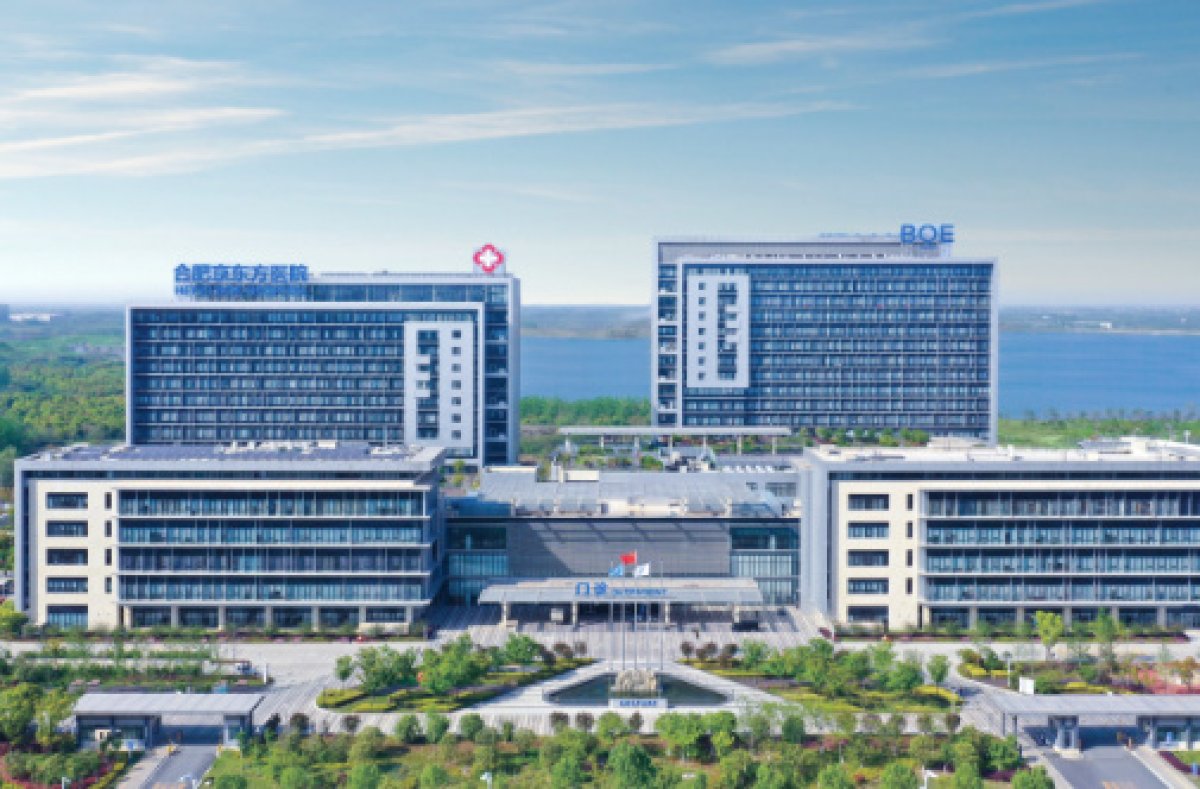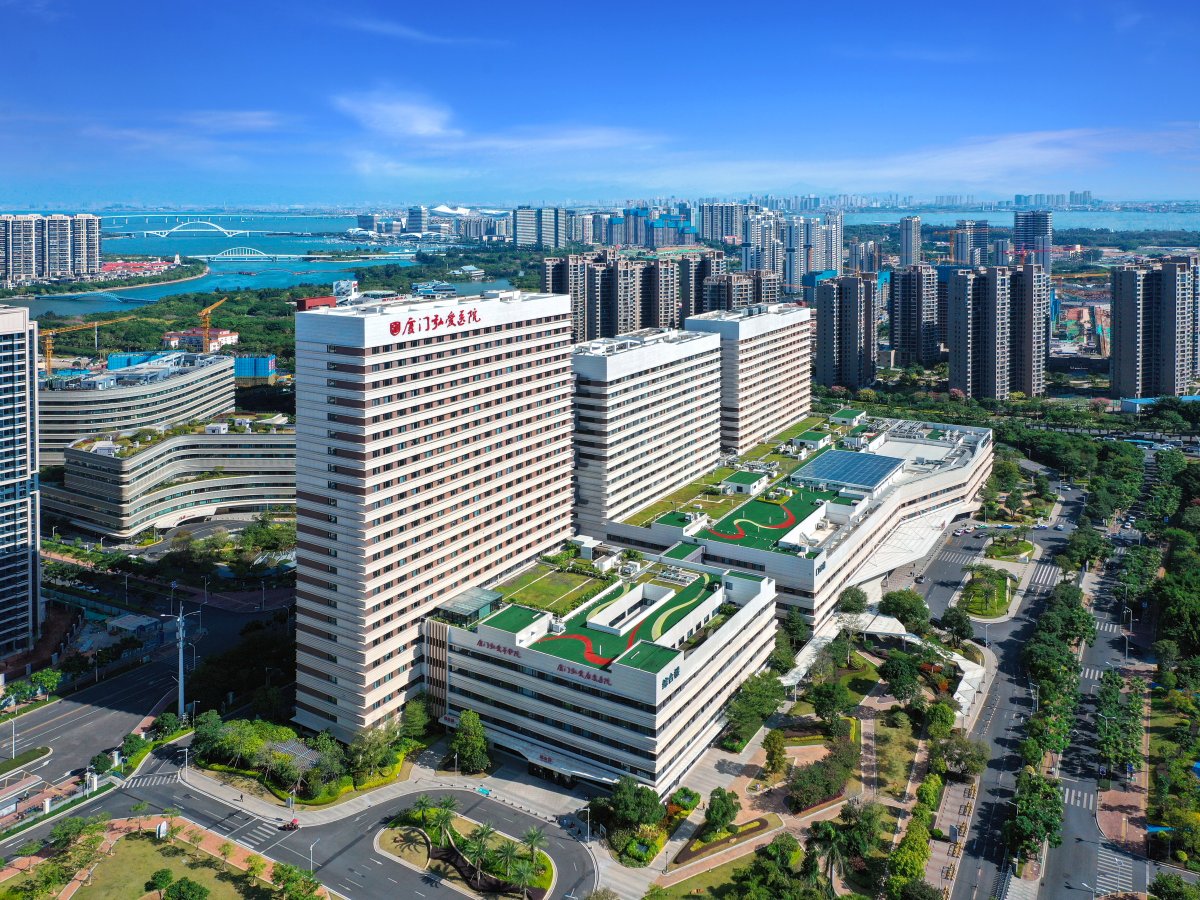
مستشفى شيامن هيومانيتي
الصين, شيامن


تمت مراجعة المقالة طبيا من قبل
فهد مولود
تتراوح تكلفة الجراحة في الصين عادة بين $4,500 و $8,500، وذلك حسب تعقيد الحالة ونوع المرفق والمدينة. تكون الأسعار في المراكز الحضرية كبكين وشنغهاي وقوانغتشو أعلى بنسبة تتراوح بين 10 % و30 % مقارنة بالمراكز الإقليمية. تغطي تكاليف الجراحة عادةً العملية والمستلزمات الطبية والإقامة القياسية في المستشفى.
رأي خبراء Bookimed: يضمن اختيار عيادات الفئة (أ) المستوى الثالث أعلى المعايير الطبية في الصين. توفر مرافق مثل مستشفى ياندا الدولي رعاية معتمدة من JCI مع استقبال أعداد كبيرة من المرضى. يسمح هذا النطاق بالتشخيص السريع، وغالباً ما تُنجز الاستشارات والتصوير في اليوم نفسه. للحالات المعقدة، يوفر مستشفى فودا للسرطان تقنيات متخصصة مثل NanoKnife والجراحة بالتبريد. تُقدم هذه العلاجات المتقدمة بجزء بسيط من تكاليفها في الدول الغربية.
| الصين | تركيا | إسبانيا | |
|---|---|---|---|
| الجراحة | ≈ $4,500 | من $3,000 | ≈ $4,200 |
| جراحة الفتق الإربي | ≈ $2,800 | من $4,300 | من $4,500 |
| ترميم الفتق السري بالمنظار (انظر. ترميم الفتق السري) | ≈ $2,300 | من $3,300 | من $6,200 |
| البتر | ≈ $3,500 | من $1,800 | ≈ $6,500 |
| استئصال المعدة | ≈ $18,500 | من $3,100 | من $20,000 |
Bookimed لا يضيف رسوماً إضافية على أسعار الجراحة. الأسعار مأخوذة من قوائم الأسعار الرسمية للعيادات. تدفع مباشرة في العيادة مقابل الجراحة عند وصولك.
Bookimed ملتزم بسلامتك. نحن نعمل فقط مع المؤسسات الطبية التي تحافظ على معايير دولية عالية في الجراحة ولديها التراخيص اللازمة لخدمة المرضى الدوليين في جميع أنحاء العالم.
Bookimed يقدم مساعدة خبراء مجانية. منسق طبي شخصي يدعمك قبل وأثناء وبعد العلاج، ويحل أي مشاكل. لن تكون وحيداً أبداً في رحلة الجراحة.

تُصلح العملية انتفاخًا بالقرب من السرة ، مما يقلل الانزعاج ويمنع حدوث مضاعفات خطيرة.
يتضمن الإجراء إزالة جزء من المعدة لعلاج حالات مثل السرطان ، مما يوفر نتائج علاجية محتملة.
يتضمن الإجراء إزالة جزء من الجسم لإنقاذ الأرواح أو تخفيف الألم أو معالجة تقدم المرض.
يعالج هذا الإجراء انتفاخًا في منطقة الفخذ عن طريق دفعه للخلف وتقوية جدار البطن.
يقوم الإجراء بإصلاح نتوءات أنسجة البطن من خلال الحجاب الحاجز ، مما يحسن الهضم ويقلل الانزعاج.
تزيل العملية المرارة لعلاج حصوات المرارة والالتهابات والسرطان مع تندب أقل وشفاء أسرع.
يتضمن الإجراء تصحيح عيوب الجسم أو الأمراض من خلال العمليات اليدوية ، وعادة ما تكون تحت التخدير.
يزيل هذا الإجراء الترسبات من الشرايين ، ويحسن تدفق الدم ، ويقلل من مخاطر الإصابة بأمراض القلب ، مع إجراء جراحات طفيفة التوغل.
اليوم الأول - الوصول
اليوم 2 - ما قبل العملية
اليوم الثالث - الجراحة
اليوم 4 - بعد العملية
من اليوم الخامس إلى اليوم السابع - الاستشفاء
الأسبوع الأول إلى الأسبوع الثاني - إعادة التأهيل
الأسبوع الثالث
الأسبوع الرابع
الأسبوع السادس
قد تختلف عملية التعافي والجدول الزمني لكل فرد. اتبع دائمًا نصيحة طبيبك.

 Anna Leonova
يُعدّ الطب الصيني والغربي المتكامل ممارسة شائعة في الصين، حيث يجمع بين الطب الصيني التقليدي والجراحة الحديثة لتحسين نتائج العلاج. ويستخدم الجراحون في كثير من الأحيان الوخز بالإبر لتسكين الألم، مع الحرص الشديد على تنظيم استخدام العلاجات العشبية لمدة أسبوعين إلى ثلاثة أسابيع قبل الجراحة لضمان سلامة المريض.
يقول خبراء بوكيمد: تتخصص عيادات مثل مستشفى فودا للسرطان في قوانغتشو، أول مركز معتمد من اللجنة الدولية المشتركة لعلاج السرطان في الصين، في دمج العلاجات الحديثة طفيفة التوغل مع العلاجات التقليدية الداعمة. وتشير البيانات إلى أن المرضى الدوليين في هذه المراكز يحققون أكبر فائدة من الوخز بالإبر، لا سيما فيما يتعلق بالقلق ومشاك
تتميز العمليات الجراحية في المؤسسات الطبية الصينية بمعايير أمان عالية، لا سيما عند اختيار مرافق من الطراز الأول. وتستخدم المستشفيات الرائدة في مدن مثل قوانغتشو وبكين تقنيات متطورة مثل تقنية النانو نايف والجراحة بالتبريد. وتضمن المراكز المعتمدة من قبل اللجنة الدولية المشتركة (JCI) السلامة من خلال إجراء عدد كبير من العمليات الجراحية، وتطبيق بروتوكولات موحدة للوقاية من العدوى، واستخدام أجهزة تشخيص عالمية المستوى تفي بالمعايير الغربية.
رأي خبراء بوكيمد: في الحالات المعقدة، يُفضّل اللجوء إلى المراكز المتخصصة المعتمدة من قبل اللجنة الدولية المشتركة (JCI)، مثل مستشفى فودا للسرطان في قوانغتشو. عالجت هذه المؤسسات
تُعدّ المستشفيات الحكومية من الفئة الثالثة (سان جيا) الخيار الأمثل لإجراء العمليات الجراحية المعقدة في الصين. تضمّ هذه المؤسسات المرموقة نخبة من الأخصائيين الطبيين وتستقبل أعدادًا كبيرة من المرضى الجراحيين. وفي مجال الأورام، تقدّم مراكز متخصصة مثل مستشفى فودا للسرطان في قوانغتشو رعاية متطورة معتمدة من قبل اللجنة الدولية المشتركة (JCI).
رأي خبراء بوكيمد: على الرغم من أن المستشفيات الحكومية من الفئة 3A تُعدّ المعيار الذهبي للعلاج السريري، إلا أن المرضى الدوليين غالبًا ما يجدون عروضًا أفضل في العيادات المتخصصة المعتمدة من قبل اللجنة الدولية المشتركة (JCI). فعلى سبيل المث
تشتهر الصين عالميًا بخبرتها الواسعة في الجراحة الروبوتية عن بُعد بتقنية الجيل الخامس، وجراحة الأورام طفيفة التوغل، وعمليات إعادة زرع الأطراف المعقدة بالجراحة المجهرية. ويستفيد الجراحون في المراكز الرئيسية مثل قوانغتشو وشنغهاي من قاعدة مرضاهم الواسعة لتطبيق أحدث التقنيات في استئصال الكبد والقنوات الصفراوية وجراحة العمود الفقري بالمنظار.
رأي خبراء بوكيمد: تُظهر البيانات السريرية أن المراكز الجراحية الصينية تُولي اهتمامًا كبيرًا للتقنيات المتخصصة مثل تقنية نانو نايف والعلاج التدخلي للأوعية الدموية. وقد عالج مستشفى فودا للسرطان وحده مرضى من أكثر من 1
يحتاج الأجانب القادمون إلى الصين لإجراء عمليات جراحية عمومًا إلى تأشيرة S2 للإقامات التي تقل عن 180 يومًا، أو تأشيرة S1 للعلاجات الأطول. وبينما لا يوجد في الصين تأشيرة طبية مخصصة، فإن فئة تأشيرات S للحالات الخاصة تغطي بوضوح الخدمات الطبية والإقامة في المستشفيات المرخصة.
نصيحة خبراء بوكيمد: يُعدّ التنسيق مع المؤسسات المعتمدة من قبل اللجنة الدولية المشتركة (JCI)، مثل مستشفى فودا للسرطان في قوانغتشو، أمرًا بالغ الأهمية لضمان الحصول على التأشيرة. فقد عالجت هذه المراكز الرائدة أكثر من 30,000 مريض دولي، وتُقدّم دعوات معتمدة مطلوبة لطلبات تأشيرة الفئة S. تضمن خبرتهم أن تعكس وثائقك بدقة المدة الزمنية اللازمة للعلاجات المتقدمة كالجراحة البردية أو تقنية نانو نايف، مما يقلل
قد تؤثر حواجز اللغة على سلامة العمليات الجراحية إذا لم يتم التغلب عليها بمساعدة مترجمين طبيين محترفين ووثائق سريرية مترجمة. يُعد التواصل الدقيق أمرًا بالغ الأهمية للحصول على الموافقة المستنيرة، والالتزام بتعليمات الصيام قبل الجراحة، وإدارة الألم بعد الجراحة أو اتباع تعليمات التعافي لتجنب المضاعفات أو إعادة دخول المستشفى.
رأي خبراء بوكيمد: غالبًا ما تعتمد جودة الرعاية الطبية في الصين على المستشفى الذي تختاره. وقد عالجت المراكز المعتمدة من قبل اللجنة الدولية المشتركة (JCI)، مثل مستشفى فودا للسرطان في قوانغتشو، أكثر من 30,000 مريض دولي. وتضم هذه المؤسسات الطبية الكبيرة عادةً أقسامًا دولية متخصصة. وتضمن هذه البنية التحتية ترجمة ط
يستغرق حجز موعد لإجراء عملية جراحية في الصين عادةً ما بين 3 أيام و4 أسابيع، وذلك بحسب مدى تعقيد العملية. ورغم أن البنية التحتية المتطورة في البلاد وكثرة المرضى تُسهم في تجنب قوائم الانتظار الطويلة، إلا أنه يتعين على المرضى الأجانب مراعاة إجراءات الحصول على التأشيرة، وترجمة السجلات الطبية، وإجراء فحوصات تشخيصية متابعة إلزامية في مرافق طبية معتمدة من اللجنة الدولية المشتركة (JCI).
رأي خبراء بوكيمد: بينما تعمل المرافق الطبية العامة بوتيرة سريعة، تستقبل مراكز رائدة مثل مستشفى فودا للسرطان في قوانغتشو أكثر من 30,000 مريض دولي، مما يُسهّل المرحلة التحضيرية للعملية الجراحية. تُشير البيانات إلى أن التأخيرات الرئيسية نادرًا ما تكون مرتبطة بجدولة العمليات الجراح