جراحة الناسور بالليزر في إسبانيا — احصل على 3 عيادات مطابقة مع التكاليف


تمت مراجعة المقالة طبيا من قبل
فهد مولود
ما هي تكلفة جراحة الناسور بالليزر في إسبانيا؟ اكتشف الآن
تتراوح تكلفة جراحة الناسور بالليزر في إسبانيا عادةً من $7,300 إلى $7,300. تختلف الأسعار حسب العيادة، وخبرة الجراح، وتعقيد الناسور (بسيط مقابل معقد، الحالات المتكررة أو المسارات المتعددة).
عادةً ما تشمل العيادات الإسبانية التقييم قبل العملية، إجراء الليزر (غالبًا باستخدام FiLaC® أو أجهزة مماثلة)، التخدير الموضعي أو العام، وزيارات المتابعة ضمن السعر. في ألمانيا، غالبًا ما يتم احتساب التخدير، ورسوم المستشفى، والمتابعة بشكل منفصل عن أتعاب الجراح. يجب دائمًا التأكد مما يشمله العرض في كل عيادة.
مزاياك وضماناتك مع Bookimed
أسعار مباشرة
Bookimed لا يضيف رسوماً إضافية على أسعار جراحة الناسور بالليزر. الأسعار مأخوذة من قوائم الأسعار الرسمية للعيادات. تدفع مباشرة في العيادة مقابل جراحة الناسور بالليزر عند وصولك.
عيادات وأطباء معتمدون فقط
Bookimed ملتزم بسلامتك. نحن نعمل فقط مع المؤسسات الطبية التي تحافظ على معايير دولية عالية في جراحة الناسور بالليزر ولديها التراخيص اللازمة لخدمة المرضى الدوليين في جميع أنحاء العالم.
مساعدة مجانية على مدار الساعة
Bookimed يقدم مساعدة خبراء مجانية. منسق طبي شخصي يدعمك قبل وأثناء وبعد العلاج، ويحل أي مشاكل. لن تكون وحيداً أبداً في رحلة جراحة الناسور بالليزر.

منسقك الطبي الشخصي في Bookimed
- يدعمك في كل مرحلة
- المساعدة في اختيار العيادة الطبية المناسبة والطبيب المناسب
- يضمن الوصول السريع والمريح إلى المعلومات
اكتشف أفضل جراحة الناسور بالليزر العيادات في إسبانيا: 3 خيارات معتمدة والأسعار
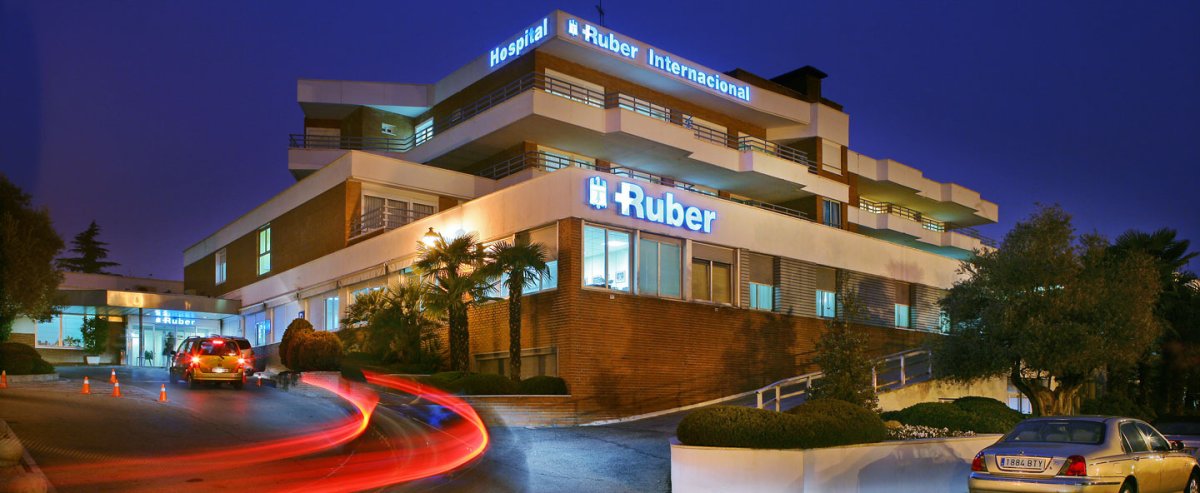


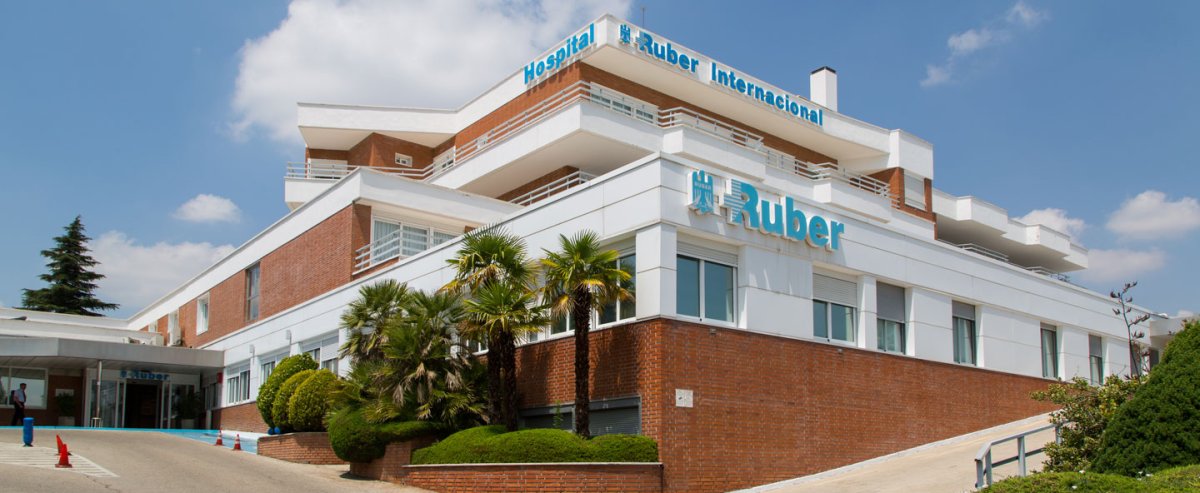
Dr. Santos Jiménez de los Galanes
عيادة أمراض الجهاز الهضمي وجراحة القولون Centro PAD
Carlos Garcia Vasquez

نظرة عامة على جراحة الناسور بالليزر في إسبانيا
تُصلح العملية انتفاخًا بالقرب من السرة ، مما يقلل الانزعاج ويمنع حدوث مضاعفات خطيرة.
- استئصال المعدة - من $20,000
يتضمن الإجراء إزالة جزء من المعدة لعلاج حالات مثل السرطان ، مما يوفر نتائج علاجية محتملة.
- البتر - من $6,500
يتضمن الإجراء إزالة جزء من الجسم لإنقاذ الأرواح أو تخفيف الألم أو معالجة تقدم المرض.
- جراحة الفتق الإربي - من $7,300
يعالج هذا الإجراء انتفاخًا في منطقة الفخذ عن طريق دفعه للخلف وتقوية جدار البطن.
- إصلاح فتق الحجاب الحاجز - من $12,000
يقوم الإجراء بإصلاح نتوءات أنسجة البطن من خلال الحجاب الحاجز ، مما يحسن الهضم ويقلل الانزعاج.
- استئصال المرارة بالمنظار - من $7,800
تزيل العملية المرارة لعلاج حصوات المرارة والالتهابات والسرطان مع تندب أقل وشفاء أسرع.
- الجراحة - من $5,600
يتضمن الإجراء تصحيح عيوب الجسم أو الأمراض من خلال العمليات اليدوية ، وعادة ما تكون تحت التخدير.
- Atherectomy - من $16,800
يزيل هذا الإجراء الترسبات من الشرايين ، ويحسن تدفق الدم ، ويقلل من مخاطر الإصابة بأمراض القلب ، مع إجراء جراحات طفيفة التوغل.
- إيداع Bookimed: 200 دولار أو 200 يورو.
- وديعة العيادة: ادفع نسبة محددة مقدمًا.
احصل على تقييم طبي لـ جراحة الناسور بالليزر في إسبانيا: اختر أخصائيك من بين الأفضل في هذا المجال
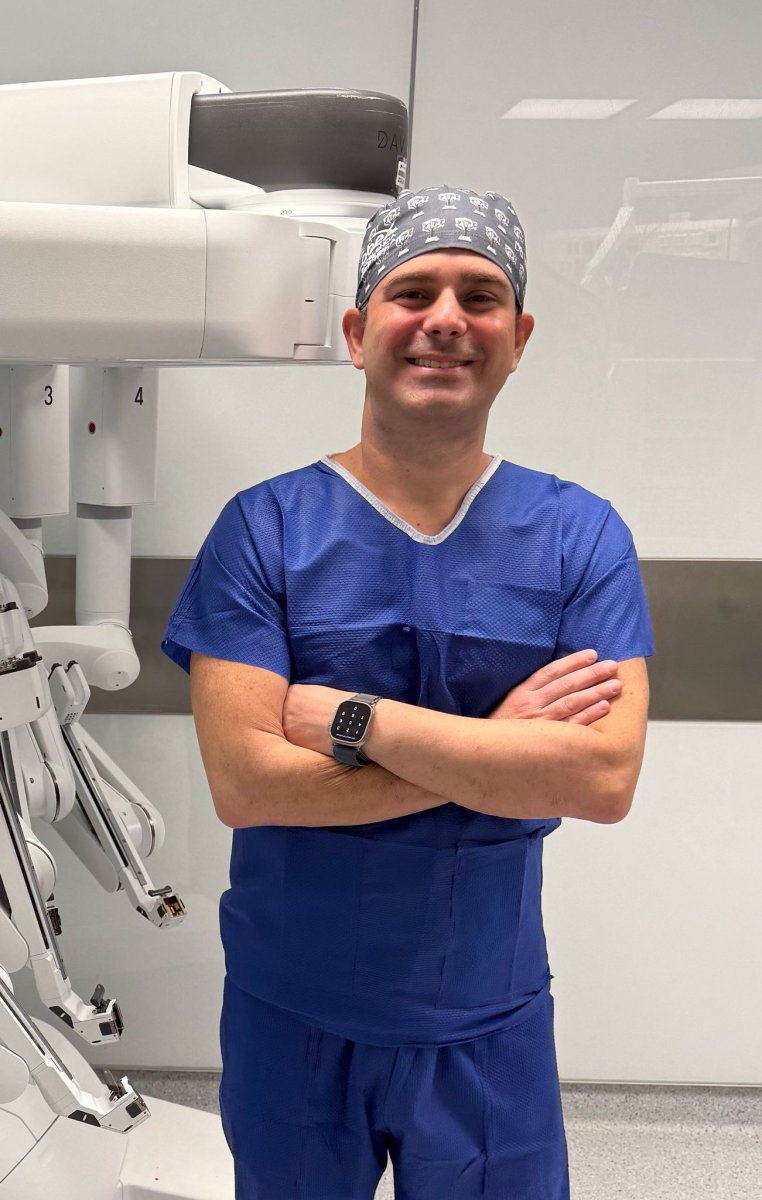
عرض جميع الأطباءCarlos Garcia Vasquez
أخصائي في جراحة القولون والمستقيم والشرج طفيفة التوغل – يجلب الدكتور غارسيا فاسكيز تقنيات متقدمة لحالات النواسير المعقدة.
- حاصل على شهادة الجراحة الروبوتية على منصات دا فينشي
- دكتوراه في الجراحة بامتياز مع مرتبة الشرف
- تدرب على تقنيات تنظير البطن في IRCAD ستراسبورغ
- حضر ورش عمل متخصصة في النواسير في مستشفى سانت مارك بلندن

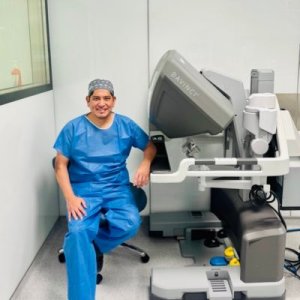
Xavier Centeno Fornies
الدكتور كزافييه سنتينو فورنيس هو جراح قولون ومستقيم وجهاز هضمي في مركز تكنون الطبي. أكمل تدريباً متخصصاً في عيادة مايو في روتشستر، الولايات المتحدة الأمريكية. يركز الدكتور سنتينو على علاج البواسير والفتق وأورام الجهاز الهضمي. ممارسته في تكنون مدعومة باعتمادات الجودة JCI و EFQM الخاصة بالعيادة.
- عضو الجمعية الأمريكية لجراحي القولون والمستقيم.
- معتمد من قبل جمعية ERAS في السويد للتعافي المعزز بعد الجراحة.
- أستاذ مشارك سابق في جامعة بلانكيرنا.
- يجري عمليات استئصال
Cesar Levano Linares
يتخصص الدكتور سيزار ليفانو ليناريس في جراحة القولون والمستقيم بالمنظار - وهو نهج دقيق طفيف التوغل ومثالي لحالات النواسير المعقدة. تدرب في أفضل المؤسسات في إسبانيا وفرنسا.
- دكتوراه في الطب والجراحة من جامعة مدريد المستقلة
- الاعتماد الأوروبي في جراحة المناظير (EACCME)
- خبير في تحويل الإجراءات التنظيرية إلى إجراءات بالمنظار
- يمارس عمله في مستشفى جامعة ري خوان كارلوس
- باحث منشور حول التقنيات الجراحية المتقدمة
مشاركة المحتوى
قصص فيديو من مرضى Bookimed
 Anna Leonova
أسئلة متكررة حول جراحة الناسور بالليزر في إسبانيا
ما هي جراحة الناسور بالليزر (FiLaC) وكيف يتم إجراؤها في إسبانيا؟
جراحة الناسور بالليزر (FiLaC) هي إجراء طفيف التوغل يحافظ على العضلة العاصرة ويستخدم لعلاج النواسير الشرجية. يستخدم الجراحون الإسبان ألياف ليزر ديود بطول موجي 1470 نانومتر لإغلاق مسار الناسور حرارياً من الداخل. تتجنب هذه التقنية قطع العضلات، مما يقلل بشكل كبير من خطر سلس البراز.
- آلية الإجراء: تحفز ألياف الليزر ذات الانبعاث الشعاعي التخثر الضوئي الحراري لتقليص وإغلاق البطانات الظهارية.
- مدة الجراحة: يستغرق تطبيق الليزر النشط عادةً 30 دقيقة تحت التخدير الشوكي أو العام.
- مدة الإقامة في المستشفى: معظم المرضى مؤهلون للخروج في نفس اليوم أو البقاء في المستشفى لمدة يوم واحد كحد أقصى.
- المراكز السريرية: تستخدم المراكز الرائدة في مدريد وفالنسيا أدوات مساعدة روبوتية للحالات الشرجية المعقدة.
رؤية خبراء Bookimed: تستفيد مراكز طب الشرج الإسبانية مثل Centro PAD وHospital Ruber Internacional من أعداد المرضى الكبيرة لتحسين البروتوكولات متعددة الخطوات. على الرغم من فعالية FiLaC، تظهر بيانات Bookimed أن أفضل النتائج تحدث عندما يجمع الجراحون بين استئصال الليزر والغرز الداخلية على شكل حرف Z. يساعد هذا النهج المزدوج في إدارة الإفرازات التي يبلغ المرضى غالباً عن استمرارها لفترة أطول مما كان متوقعاً في البداية.
إجماع المرضى: يقدر المرضى العودة السريعة إلى النشاط الخفيف ولكنهم يؤكدون أن الإفرازات قد تستمر لعدة أسابيع. غالباً ما يتضمن التعافي العملي التعامل مع انزعاج بسيط لأشهر، حتى عند الخروج في نفس اليوم.
ما هي الفوائد الرئيسية للعلاج بالليزر مقارنة بالجراحة التقليدية؟
يوفر العلاج بالليزر دقة فائقة من خلال استهداف أنسجة محددة مع كي الأوعية الدموية لتقليل النزيف. يقلل هذا النهج من مخاطر العدوى والالتهابات بعد الجراحة، مما يتيح تعافياً أسرع. في إسبانيا، توفر التقنيات المتقدمة مثل FiLaC بديلاً طفيف التوغل يحافظ على العضلة العاصرة مقارنة بالجراحة التقليدية لإغلاق الناسور.
- نزيف أقل: تعمل طاقة الليزر على إغلاق الأوعية الدموية أثناء القطع، مما يوفر للجراح مجالاً جراحياً واضحاً.
- ألم أقل: تؤدي الشقوق الصغيرة وتقليل صدمات الأنسجة إلى انخفاض كبير في الالتهابات بعد الجراحة.
- تعافٍ أسرع: عادة ما يخرج المرضى في نفس اليوم ويعودون إلى روتينهم اليومي بشكل أسرع بكثير.
- الحفاظ على العضلة العاصرة: تحمي الأساليب طفيفة التوغل مثل FiLaC وظيفة العضلات وتقلل من مخاطر سلس البول.
رؤية خبير Bookimed: تجمع العيادات الإسبانية مثل Centro PAD في مدريد بين أعداد المرضى الكبيرة والسلامة المعتمدة من ISO. تظهر البيانات أن تكلفة جراحة الناسور بالليزر هنا تتراوح من السعر عند الطلب إلى السعر عند الطلب.
إجماع المرضى: يقدر المرضى إمكانية الخروج في نفس اليوم وتقليل الألم مقارنة بالجراحة التقليدية. يؤكد الكثيرون أن الجروح الأصغر وتقليل الندبات أمر حيوي لراحتهم.
ما هو معدل النجاح ومعدل تكرار الإصابة لتقنية FiLaC؟
تحقق تقنية إغلاق الناسور بالليزر (FiLaC) في إسبانيا معدل نجاح أولي يتراوح بين 57% و67% للناسور الشرجي. وعلى الرغم من أن معدلات تكرار الإصابة تتراوح بين 15% و19%، إلا أن الإجراء قابل للتكرار. يصل معدل النجاح التراكمي إلى 74% إلى 90% عند تضمين جلسات الليزر الثانوية أو التقنيات الجراحية المشتركة.
- معدل الشفاء الأولي: يبلغ متوسط نجاح الجلسة الواحدة عادةً من 57% إلى 67% في الأدبيات السريرية.
- معدل النجاح التراكمي: تزيد إجراءات الليزر المتكررة أو المراجعات البسيطة من النجاح الإجمالي إلى 74%–90%.
- تكرار الإصابة: يعاني حوالي 15% إلى 19% من المرضى من تكرار الإصابة بعد الشفاء الأولي.
- خطر سلس البول: يحافظ هذا التصميم الذي يحمي العضلة العاصرة على معدل حدوث سلس بول جديد أقل من 1%.
رؤية خبراء Bookimed: تعطي المراكز الإسبانية مثل Centro PAD وHospital Ruber Internacional الأولوية للحفاظ على العضلة العاصرة بدلاً من القطع الجراحي الجذري. تظهر البيانات أنه على الرغم من تذبذب النجاح الأولي، فإن التخصص العالي في إسبانيا في طب المستقيم يسمح بتخطيط احتياطي فعال. غالبًا ما يستخدم جراحون مثل الدكتور غارسيا فاسكيز أساليب هجينة لتعظيم النتائج في الحالات المعقدة.
إجماع المرضى: ينظر الكثيرون إلى الإجراء كخيار مدروس حيث يحدث تخفيف الأعراض في وقت مبكر. قد يستمر التصريف لمدة 6 أشهر، لذا فإن الصبر أمر حيوي قبل إعلان فشل الجراحة.
ما هي مدة التعافي بعد جراحة الناسور بالليزر؟
يسمح التعافي بعد جراحة الناسور بالليزر لمعظم المرضى بالعودة إلى العمل المكتبي في غضون أسبوع إلى أسبوعين. الإجراء طفيف التوغل، حيث يستخدم طاقة الليزر لإغلاق المسار دون الحاجة إلى شقوق كبيرة. في حين أن الانزعاج الخارجي يزول بسرعة، فإن الشفاء الداخلي الكامل وتقييم النجاح يتطلبان عادةً من 6 إلى 12 أسبوعًا.
- استئناف العمل: العودة إلى الأدوار المكتبية تحدث عادةً في غضون 7 إلى 14 يومًا.
- القيود البدنية: تجنب رفع الأثقال أو النشاط الشاق لمدة شهر واحد على الأقل.
- العناية بالجروح: استخدم ضمادات الشاش للتحكم في الإفرازات البسيطة لعدة أسابيع.
- التقييم النهائي: يقوم الأطباء بتقييم الإغلاق الدائم للمسار بين 6 و 12 أسبوعًا بعد العملية.
رؤية خبير Bookimed: تتخصص عيادات مثل Centro PAD في مدريد في التقنيات الروبوتية والليزر التي تعطي الأولوية للتعافي السريع. تشير البيانات إلى أنه على الرغم من أن مرضى الليزر يشعرون بتحسن أسرع من حالات الجراحة التقليدية، فإن علامة 3 أشهر هي المؤشر الحقيقي للنجاح على المدى الطويل. يجب على المرضى الدوليين إعطاء الأولوية للجراحين مثل الدكتور سيزار ليفانو ليناريس الذين يحملون درجات ماجستير متخصصة في جراحة القولون والمستقيم وقاع الحوض.
إجماع المرضى: يلاحظ العديد من المرضى أن الإفرازات البنية تستمر لأسابيع، وهو جزء طبيعي من عملية الشفاء. في حين أن الأسبوع الأول غالبًا ما يكون الأكثر إزعاجًا أثناء حركات الأمعاء، يتفق معظمهم على أن الشعور بالتحسن لا يعني الشفاء الداخلي الكامل.
لماذا تختار إسبانيا لعلاج الناسور الشرجي بالليزر؟
تعد إسبانيا خياراً أول لعلاج الناسور الشرجي بالليزر نظراً لتركيز المتخصصين في الحفاظ على العضلة العاصرة والمرافق المعتمدة من قبل اللجنة الدولية المشتركة (JCI). تستخدم العيادات في مدريد وفالنسيا ليزر ديود متطور لاستهداف المسارات مع منع سلس البول، مما يوفر أوقات تعافي أسرع مقارنة بالجراحات التقليدية المفتوحة.
- تقنيات متخصصة: يستخدم أطباء المستقيم الإسبان استئصال الناسور بالليزر لإغلاق المسارات بأقل تدخل جراحي.
- اعتمادات النخبة: تحافظ مرافق مثل مستشفى روبر الدولي على معايير السلامة الخاصة باللجنة الدولية المشتركة (JCI) وISO.
- جراحون خبراء: يحمل أطباء مثل سيزار ليفانو ليناريس درجات الماجستير في جراحة القولون والمستقيم وقاع الحوض.
رؤية خبير Bookimed: بينما تقدم العديد من العيادات جراحة الليزر، تعالج المراكز ذات الحجم الكبير في مدريد مثل Centro PAD 600 مريض سنوياً. تشير البيانات إلى أن اختيار جراح لديه عدد كبير من حالات الناسور هو أكثر أهمية للنجاح من العلامة التجارية لمعدات الليزر المستخدمة. غالباً ما تجمع المراكز الإسبانية بين تقنية الليزر وأنظمة دافنشي الروبوتية لرسم خرائط الحوض المعقدة.
إجماع المرضى: يقدر المرضى فوائد التعافي الكبيرة لاستئصال الليزر، لكنهم يؤكدون أن رسم خرائط المسار الشامل ضروري للنجاح على المدى الطويل. يتقبل معظمهم أنه على الرغم من سرعة