علاج حصوات اللعاب في تركيا: 4 مستشفيات


تمت مراجعة المقالة طبيا من قبل
فهد مولود
كيف نعمل؟
ما هي تكلفة حصوات اللعاب إجراءات التشخيص والعلاج في تركيا؟ اعرف الآن
اكتشف أفضل حصوات اللعاب العيادات في تركيا: 4 خيارات معتمدة والأسعار



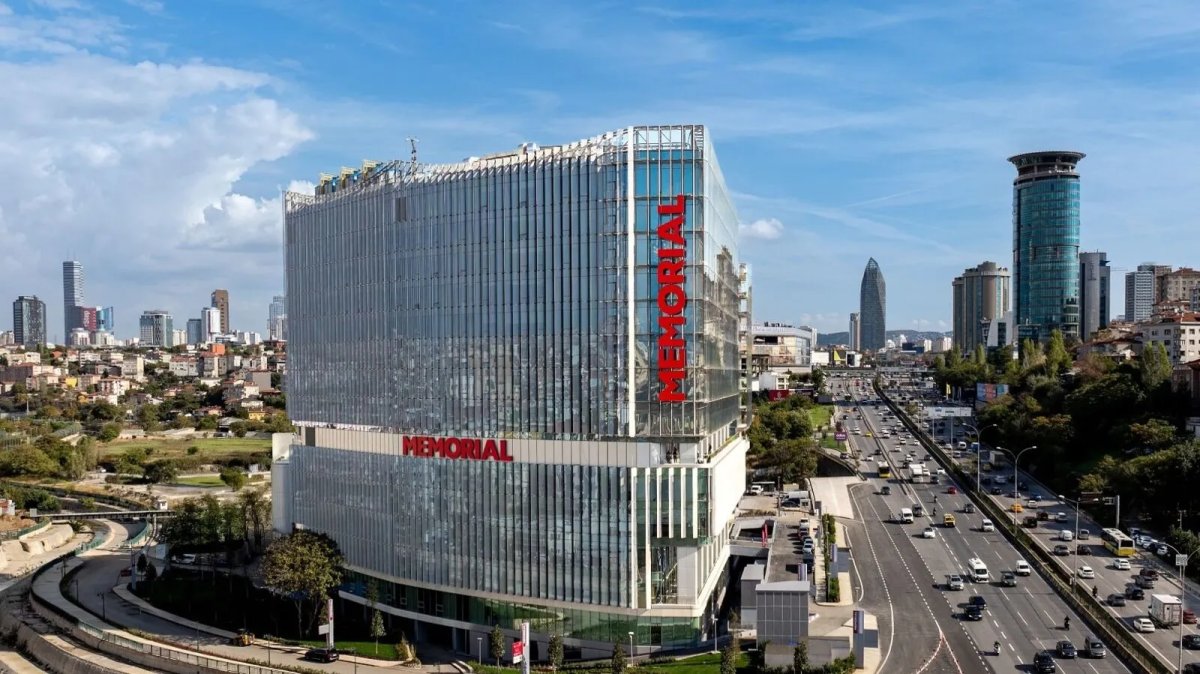
Memorial Göztepe Hospital
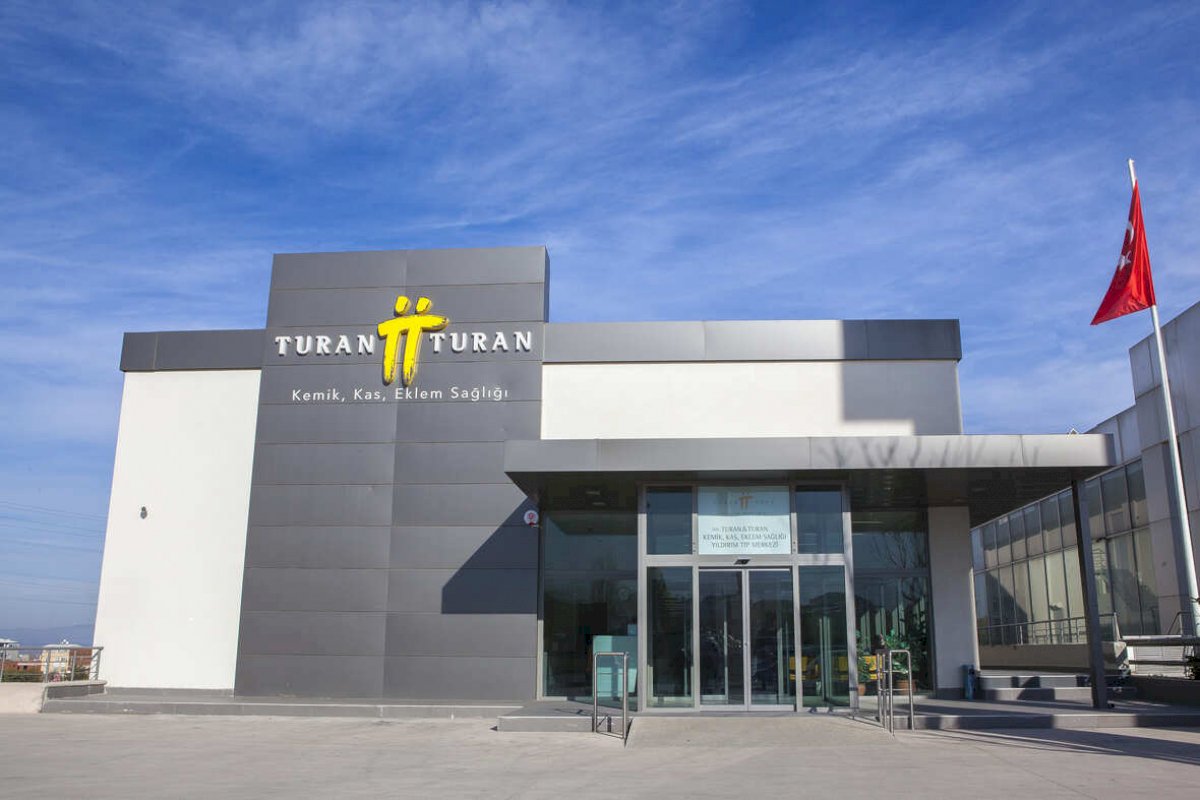
Turan Turan Health Group
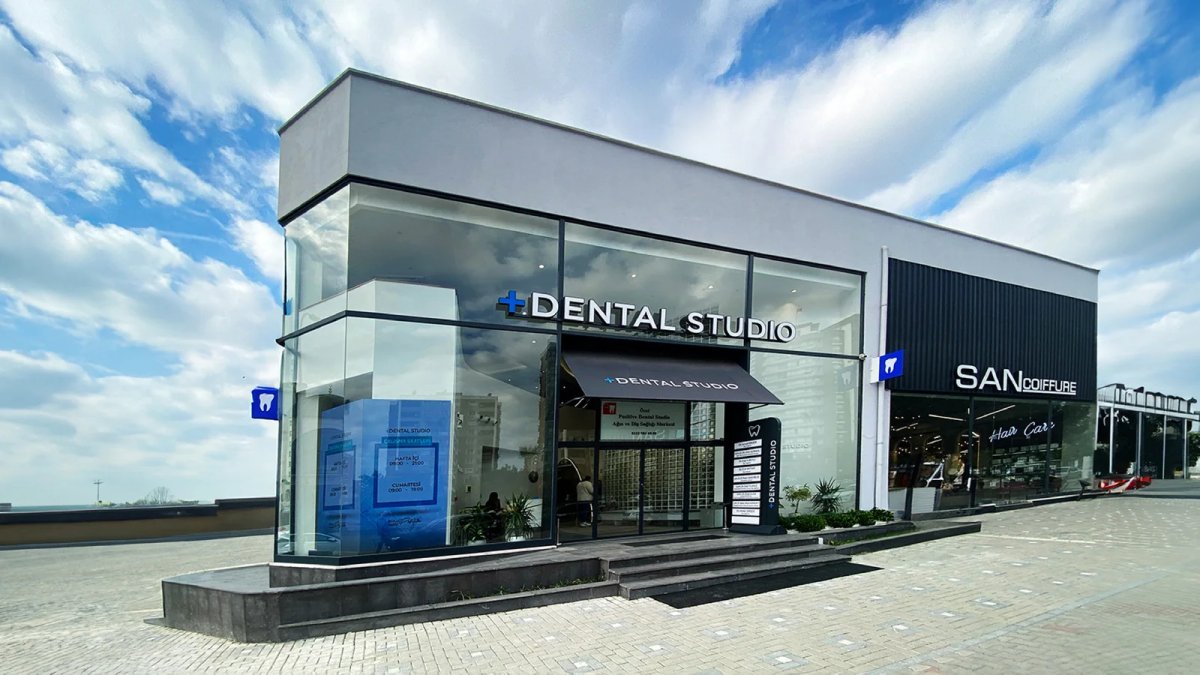
Positive Dental Studio
احصلوا على تقييم طبي لـ حصوات اللعاب في تركيا: استشيروا أطباء ذوي خبرة الآن
عرض جميع الأطباء
Halil Alis
الدكتور خليل أليس هو جراح جهاز هضمي والمدير الطبي في مستشفى VM Medical Park Florya. وهو مدرب في الجراحة الروبوتية باستخدام نظام دافنشي (Da Vinci). يعالج الدكتور أليس السمنة، وأمراض القولون والمستقيم، وأمراض الجهاز الهضمي المعقدة. وقد ألف أكثر من 70 ورقة علمية في مجلات طبية دولية.
- عضو نشط في SAGES وEAES وIASGO وISSO وIFSO.
- يجري عمليات تكميم وتحويل مسار المعدة الروبوتية باستخدام نظام دافنشي.
- يقدم إجراءات تنظيرية تشخيصية وعلاجية مثل ERCP وEUS.
- شغل منصب مدير في
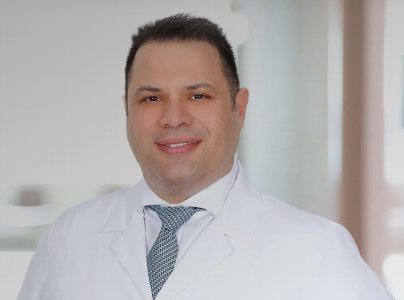
Soykan Barlas
الأستاذ المشارك الدكتور سويكان بارلاس هو جراح عام وجراح زراعة أعضاء في مستشفى ميديكال بارك جوزتيبي. وهو متخصص في عمليات زراعة الكلى وإجراءات جراحة السمنة مثل تكميم المعدة. أكمل الدكتور بارلاس تدريبه في الجراحة بالمنظار في اسكتلندا. وهو حاصل على شهادة تقدير من وزارة الصحة التركية.
- يعمل كمحاضر أكاديمي في جامعة ديمير أوغلو للعلوم.
- نشر أكثر من 20 مقالاً في مجلات طبية دولية.
- مؤلف فصول في كتب حول زراعة الكلى والبنكرياس.
- يعمل في VM Medical Park، وهو مرفق معتمد من ا
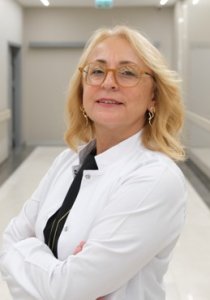
Selin Kapan
الأستاذة الدكتورة سيلين كابان أستاذة جراحة عامة منذ عام 2017. تعمل حالياً في جامعة إسطنبول آيدن، كلية الطب، قسم الجراحة العامة (2022–حتى الآن). عملت سابقاً في مستشفى باكيركوي د. سادي كونوق للتدريب والبحوث كاختصاصية وأستاذة مشاركة. كما شغلت منصب المشرفة التعليمية والإدارية في مستشفى قانوني سلطان سليمان للتدريب والبحوث. إضافةً إلى ذلك، عملت منسقة طبية وجرّاحة عامة في مستشفى إسطنبول للجراحة.
لها أكثر من 50 مقالة محكّمة ألّفتها أو شاركت في تأليفها. تشمل أبحاثها إصلاح الفتق، الناسور حول الش
مشاركة المحتوى
قصص فيديو من مرضى Bookimed
 Anna Leonova
أسئلة متكررة حول علاج حصوات اللعاب في تركيا
ما هي طريقة العلاج الرائدة لحصوات الغدد اللعابية في تركيا؟
يعد تنظير الغدد اللعابية (Sialendoscopy) العلاج الرائد لحصوات الغدد اللعابية في تركيا. تستخدم هذه التقنية طفيفة التوغل كاميرات دقيقة للتنقل داخل القنوات وإزالة الحصوات بدون شقوق جراحية. تبلغ مراكز متخصصة في تركيا عن معدلات نجاح تصل إلى 90%. تحافظ هذه الطريقة على وظيفة الغدة وتمنع الجراحة الجذرية التقليدية.
- أدوات طفيفة التوغل: مناظير دقيقة بحجم 0.8 مم إلى 1.3 مم تصور أنظمة القنوات الداخلية.
- استخراج الحصوات: يستخدم الجراحون ملقطًا أو سلالًا متخصصة لالتقاط واستخراج الحصوات.
- التفتيت المتقدم: تعمل تقنية الليزر أو تفتيت الحصوات الهوائي على كسر الحصوات الكبيرة إلى قطع أصغر.
- النهج الهجين: قد تجمع الحالات المعقدة بين التنظير وشقوق جراحية صغيرة عبر الفم لتجنب استئصال الغدة.
رؤية خبير Bookimed: تستخدم المراكز الطبية التركية مثل مستشفى ميموريال جوزتيبي (Memorial Göztepe Hospital) تقنيات متطورة مثل التصوير المقطعي المحوسب بـ 512 شريحة والرنين المغناطيسي 3 تسلا لتحديد موقع الحصوات بدقة. يُظهر التحليل أن المراكز ذات الكثافة العالية تعطي الأولوية للحفاظ على الغدة من خلال تقنيات التصوير هذه. وهذا يمنع الاستئصال غير الضروري للغدة لدى 90% من المرضى الذين يعانون من حصوات القناة.
إجماع المرضى: يؤكد المرضى على أهمية السؤال عن توفر تنظير الغدد اللعابية قبل الموافقة على الاستئصال الكامل للغدة. غالبًا ما يعتمد النجاح على ما إذا كانت الحصوة في القناة أو في الغدة نفسها.
هل سأصاب بندوب واضحة في الوجه بعد إزالة حصوات الغدد اللعابية في تركيا؟
من غير المحتمل حدوث ندوب واضحة في الوجه بعد إزالة حصوات الغدد اللعابية في تركيا. يعطي الجراحون الأولوية لتنظير الغدد اللعابية، الذي يستخدم فتحات الفم الطبيعية للوصول إلى الحصوات دون شقوق خارجية. إذا كانت الجراحة التقليدية مطلوبة، يقوم المتخصصون بعمل شقوق صغيرة داخل ثنايا الجلد الطبيعية تحت الفك لإخفاء العلامات.
- بروتوكول تنظير الغدد اللعابية: تدخل كاميرات دقيقة عبر الفم، مما يضمن عدم حدوث ندوب خارجية في الوجه.
- الإزالة من داخل الفم: غالبًا ما يقوم الجراحون بإزالة الحصوات من خلال شقوق داخلية لا تترك ندوبًا جلدية مرئية.
- الشقوق تحت الفك: قد تتطلب الحصوات الكبيرة وصولًا خارجيًا مخفيًا بشكل استراتيجي داخل ثنايا الرقبة الطبيعية.
- التصوير المتقدم: تستخدم عيادات مثل ميموريال جوزتيبي الأشعة المقطعية بـ 512 شريحة لتخطيط دقيق وبحد أدنى من التدخل الجراحي.
رؤية خبراء Bookimed: يستفيد المرضى من التركيز التكنولوجي في إسطنبول. غالبًا ما تضم المراكز عالية المستوى أنظمة الأشعة المقطعية بـ 512 شريحة وأجهزة الرنين المغناطيسي بقوة 3 تسلا في منشأة واحدة. تسمح هذه القوة التشخيصية، الموجودة في عيادات مثل ميموريال جوزتيبي، للجراحين بتحديد عمق الحصوة قبل الشق الأول. غالبًا ما يمنع هذا الحاجة إلى شقوق خارجية كبيرة في الحالات المعقدة.
إجماع المرضى: يشير المرضى إلى أن الجراحين عادة ما يحاولون الإزالة من داخل الفم أولاً لتجنب علامات الوجه. ويجدون أنه عند الضرورة لإجراء شقوق خارجية، فإن الندوب الصغيرة الناتجة تمتزج مع خطوط الرقبة الطبيعية.
كيف يتم التعامل مع الحصوات الكبيرة جدًا أو المحشورة إذا تعذر الإمساك بها وإزالتها كاملة؟
يتعامل المتخصصون مع حصوات الغدد اللعابية الكبيرة أو المحشورة عن طريق تفتيتها إلى قطع أصغر قبل إزالتها. تمنع هذه العملية تلف القناة وتجنب الجراحة الغازية. يستخدم الجراحون تفتيت الحصوات بالليزر أو التكسير الميكانيكي عبر منظار الغدد اللعابية لتكسير الحصوة بكفاءة داخل القناة اللعابية الضيقة.
- التفتيت بالليزر: يستخدم الجراحون ألياف الليزر لاستهداف الحصوات وتكسيرها إلى أجزاء دقيقة يمكن التعامل معها.
- تفتيت الحصوات الميكانيكي: تقوم سلة سلكية متخصصة بالتقاط الحصوة وسحقها قبل استخراجها بشكل احترافي.
- التوسيع بالمنظار: يقوم منظار الغدد اللعابية بتوسيع القناة للوصول إلى الحصوات العالقة في زوايا صعبة.
- الأساليب المشتركة: قد تساعد الشقوق الخارجية الصغيرة في استخدام المناظير إذا كانت الحصوات مغروسة بعمق أو محشورة.
رؤية خبراء Bookimed: تستخدم المرافق التركية مثل مستشفى ميموريال جوزتيبي تصوير الأشعة المقطعية المتقدم بـ 512 شريحة لتحديد موقع الحصوة بدقة قبل التفتيت. يسمح التصوير عالي الدقة للجراحين بحساب القوة الدقيقة اللازمة لتفتيت الحصوات. تساعد هذه الدقة في الحفاظ على وظيفة الغدة حتى في الحالات التي تحتوي على حصوات متعددة محشورة.
- إجماع المرضى: يشير المرضى إلى أنه من الشائع أن يقوم الجراحون بتكسير الحصوات بأجهزة الليزر بدلاً من سحبها كاملة. ويؤكد معظمهم أن الحفاظ على الغدة هو الأولوية، معتبرين إزالتها الملاذ الأخير فقط.
لماذا يتم اختيار تركيا دوليًا لعلاج حصوات الغدد اللعابية؟
تعد تركيا وجهة رائدة لعلاج حصوات الغدد اللعابية نظرًا للخبرة العالية في مجال تنظير الغدد اللعابية الذي يحافظ على الغدة. يستخدم الجراحون المتخصصون في المرافق المعتمدة من قبل اللجنة الدولية المشتركة في إسطنبول أدوات تنظيرية متقدمة لإزالة الحصوات دون جراحة خارجية. هذا النهج يحافظ على وظيفة الغدة بالكامل ولا يترك أي ندبات وجهية مرئية.
- الحفاظ على الغدة: يلغي تنظير الغدد اللعابية الحاجة إلى إزالة الغدة بالكامل عند علاج تحصي اللعاب.
- تدخل طفيف التوغل: تستخدم الإجراءات الوصول عبر القناة الداخلية لتجنب الشقوق الخارجية والندبات.
- تكنولوجيا متقدمة: تستخدم مرافق مثل مستشفى Memorial Göztepe تصوير مقطعي محوسب بـ 512 شريحة لرسم خرائط دقيقة للحصوات.
- جراحون خبراء: نشر متخصصون مثل البروفيسور سيلين كابان أبحاثًا حول علاجات الغدد ذات التدخل الطفيف التوغل.
رؤية خبير Bookimed: بينما تقدم العديد من العيادات خدمات الأنف والأذن والحنجرة العامة، يجب إعطاء الأولوية للمراكز مثل Memorial Göztepe التي تتميز بغرف عمليات هجينة. تسمح هذه البيئات المتخصصة للجراحين بالتبديل الفوري بين التنظير والتصوير عالي الدقة. يعد هذا الإعداد المتكامل أمرًا بالغ الأهمية لإدارة الحصوات الضخمة التي تتطلب تفتيتًا بالليزر أو بالهواء المضغوط لضمان التفتيت الناجح.
إجماع المرضى: يقدر المرضى سرعة الوصول إلى العلاج في تركيا مقارنة ببلدانهم الأصلية. ويؤكدون على أهمية تأمين خطة مكتوبة تحدد ما إذا كان التخدير وتصوير المتابعة مشمولين في الحزمة.
ما هو الجدول الزمني النموذجي للتعافي بعد تنظير الغدد اللعابية (sialendoscopy) في تركيا؟
التعافي بعد تنظير الغدد اللعابية في تركيا يكون سريعًا عادةً. يعود معظم المرضى إلى روتينهم الطبيعي في غضون 2 إلى 7 أيام. يسمح هذا الإجراء طفيف التوغل بالخروج في نفس اليوم. يعاني المرضى عمومًا من تورم عابر وانزعاج بسيط بدلاً من ألم جراحي شديد.
- التعافي الأولي: يغادر معظم المرضى العيادة في يوم الإجراء.
- استئناف الأنشطة: الأنشطة الخفيفة آمنة في غضون 24 إلى 72 ساعة.
- التعديلات الغذائية: يوصي الجراحون بأطعمة لينة لمدة 3 إلى 14 يومًا.
- الشفاء التام: عادة ما تختفي حساسية الغدة أو الألم في غضون 1 إلى 3 أسابيع.
رؤية خبير Bookimed: يستخدم مستشفى Memorial Göztepe وغيرها من المراكز التركية الكبرى تصوير مقطعي محوسب بـ 512 شريحة لرسم خرائط دقيقة للحصوات قبل العملية. غالبًا ما يؤدي هذا التشخيص عالي الدقة إلى تقصير وقت العملية. تؤدي الإجراءات الأقصر إلى صدمة أقل للأنسجة وسرعة أكبر بكثير في زوال التورم بعد الجراحة.
إجماع المرضى: يشير المرضى إلى أن التعافي يشبه الشعور بالضغط أكثر من كونه ألمًا حادًا. يؤكد الكثيرون أن البقاء رطبًا واختيار أطعمة لينة مثل الزبادي يساعد في إدارة تيبس الفك الأولي.
من هم كبار المتخصصين لهذا الإجراء في تركيا؟
كبار المتخصصين في حصوات الغدد اللعابية في تركيا هم جراحو الفم والوجه والفكين والأنف والأذن والحنجرة المدربون تدريبًا عاليًا والذين يجرون تنظير القنوات اللعابية طفيف التوغل. يستخدم الخبراء في مراكز إسطنبول، مثل مستشفى ميموريال جوزتيبي (Memorial Göztepe Hospital)، تصويرًا متقدمًا مثل الأشعة المقطعية بـ 512 شريحة والرنين المغناطيسي المدعوم بالذكاء الاصطناعي لتحديد موقع الحصوات بدقة قبل التدخل.
- خبرة تنظير القنوات اللعابية: يستخدم المتخصصون مناظير دقيقة لإزالة الحصوات مع الحفاظ على الغدة اللعابية.
- التصوير التشخيصي: تساعد الأشعة المقطعية بـ 512 شريحة الجراحين في التخطيط لإزالة الحصوات تحت الفكية العميقة.
- الحفاظ على الغدد: يركز كبار الجراحين على الاستخراج بالمنظار باستخدام السلة لتجنب الندبات الوجهية الخارجية.
- سعة المستشفى: يقدم مستشفى ميموريال جوزتيبي رعاية شاملة متعددة التخصصات بوجود 94 طبيبًا متخصصًا.
رؤية خبير Bookimed: غالبًا ما يشير حجم المرضى إلى المكان الذي تُستخدم فيه التكنولوجيا المتقدمة بشكل أكبر. في حين أن مجموعة توران توران الصحية (Turan Turan Health Group) تخدم 18,000 مريض سنويًا، يقدم العديد من المتخصصين في مستشفيات إسطنبول خيارات بمساعدة الروبوت للحالات المعقدة. اختيار مركز يضم أقسام أنف وأذن وحنجرة متخصصة يضمن الوصول إلى تنظير القنوات اللعابية بدلاً من مجرد استئصال الغدة التقليدي.
إجماع المرضى: يؤكد المرضى على أهمية العثور على طبيب يعطي الأولوية للحفاظ على الغدة من خلال تنظير القنوات اللعابية. يلاحظ الك