علاج ورم نخاعي في النمسا — احصل على 3 عيادات مختارة خصيصاً لك


تمت مراجعة المقالة طبيا من قبل
فهد مولود
كيف نعمل؟
ما هي تكلفة ورم نخاعي إجراءات التشخيص والعلاج في النمسا؟ اعرف الآن
تتضمن تكلفة علاج المايلوما في النمسا عادةً تشخيصات أساسية مثل تحليل الدم الكيميائي الحيوي، والذي يتراوح سعره من $70 إلى $160، والرعاية المتخصصة مثل استشارة طبيب أورام الدم التي تتراوح من $300 إلى $450. تعتمد النفقات الإجمالية على مرحلة المرض، وأنظمة الأدوية المحددة، ومستوى المستشفى. تتركز معظم رعاية أمراض الدم المتقدمة في فيينا.
تكاليف علاج المايلوما النموذجية في النمسا
- تحليل الدم الكيميائي الحيوي: $70 – $160
- استشارة طبيب أورام الدم: $300 – $450
- استشارة طبيب أمراض الدم: $190 – $340
- تحليل دم موسع: $150 – $400
- خزعة العقدة الليمفاوية الخافرة: $1,300 – $2,600
- اختبار تخثر الدم (كواغولوجرام): $50 – $150
- تخطيط كهربية القلب (ECG): من $60
رؤية خبراء Bookimed: يجب على المرضى الذين يبحثون عن بروتوكولات علاجية مخصصة إعطاء الأولوية للمتخصصين ذوي الخلفيات البحثية في اعتلالات غاما أحادية النسيلة. يقود البروفيسور يوهانس دراخ في مستشفى كونفراتيرنيتات الخاص برنامجاً مخصصاً للمايلوما، ويقدم خبرة عميقة في التغيرات الكروموسومية. بالنسبة للحالات المعقدة للغاية، يوفر مستشفى فيينا العام (AKH) أماناً هائلاً من خلال 42 عيادة جامعية. تُعد هذه المرافق رفيعة المستوى مثالية للمرضى الدوليين الذين يحتاجون إلى تنسيق متعدد التخصصات أو الوصول إلى التجارب السريرية.
| النمسا | تركيا | إسبانيا | |
|---|---|---|---|
| فصادة البلازما ذات الترشيح المزدوج | ≈ $1,400 | ≈ $1,900 | ≈ $1,100 |
| تبادل البلازما | ≈ $3,800 | ≈ $3,900 | ≈ $2,400 |
| الفصل العلاجي للدم | ≈ $1,800 | من $4,500 | ≈ $1,400 |
| البلازما | ≈ $2,000 | من $3,200 | من $12,300 |
اكتشف أفضل ورم نخاعي العيادات في النمسا: 3 خيارات معتمدة والأسعار


احصلوا على تقييم طبي لـ ورم نخاعي في النمسا: استشيروا أطباء ذوي خبرة الآن
عرض جميع الأطباء
Wolfgang Köstler
الأستاذ الجامعي الدكتور فولفغانغ كوستلر هو خبير رائد في علاجات السرطان الموجهة، ويتمتع بخبرة تزيد عن عقدين في طب الأورام.
- متخصص في سرطان الثدي والأورام الخبيثة النسائية
- نائب رئيس القسم السريري للأورام في جامعة فيينا الطبية
- يركز على العلاج الجهازي الفردي للسرطان والعلاج المناعي
- نشر أبحاثاً حول تطوير المؤشرات الحيوية وبيولوجيا الأورام

Johannes Drach
قاد برنامج المايلوما المتعددة والأورام اللمفاوية الخبيثة في مستشفى فيينا الجامعي. الدكتور دراخ هو أستاذ ومدير عيادة خاصة.
- أجرى أكثر من 900 علاج للمايلوما وسرطانات الدم ذات الصلة
- حاصل على درجة الدكتوراه في التغيرات الكروموسومية في اعتلالات غاما أحادية النسيلة من جامعة فيينا الطبية
- تدرب في طب الأورام الدموية والطب الباطني في مستشفى AKH، وهو أكبر مستشفى عام في أوروبا
- نشر أكثر من 120 ورقة علمية حول طب الأورام الدموية
- عضو مجلس إدارة الجمعية النمساوية لأمراض الدم والأورام
Alexander Hauswirth
الأستاذ المشارك Priv.-Doz. د. ألكسندر دبليو. هاوسويرث اختصاصي في الطب الباطني وأمراض الدم والأورام في JUVENIS. ومنذ عام 2010 يتولى منصب الطبيب الاستشاري المسؤول عن أمراض الدم/علم الإرقاء والأورام في قسم الطب الباطني الأول بجامعة فيينا الطبية/مستشفى فيينا العام (AKH)، أكبر مستشفيات النمسا.
حصل على شهادة الطب من جامعة فيينا عام 1999. نال التأهيل الجامعي (venia docendi) عام 2010 وعُيّن أستاذاً مشاركاً عام 2012. أكمل تأهيلاً إضافياً في أمراض الدم والأورام عام 2014. كزميل بمنحة شرودنغر في س
مشاركة المحتوى
قصص فيديو من مرضى Bookimed
 Anna Leonova
أسئلة متكررة حول علاج ورم نخاعي في النمسا
ما هي العلاجات الرئيسية المقدمة كخط أول لعلاج المايلوما في النمسا؟
في النمسا، يُجرى علاج المايلوما كخط أول وفقًا للمعايير الدولية، بناءً على أهلية المريض لزراعة الخلايا الجذعية. يتلقى المرضى المؤهلون علاجًا تحريضيًا رباعيًا يتبعه زرع الخلايا الجذعية الذاتية. وتُقدم مراكز متخصصة، مثل مستشفى فيينا العام (AKH)، رعاية شاملة لأمراض الدم والأورام. وتُعطي بروتوكولات العلاج الأولوية للعلاج البيولوجي الموجه على العلاج الكيميائي التقليدي في البداية.
- العلاج التحريضي: يتضمن النظام العلاجي القياسي المكون من أربعة أدوية داراتوماب، وبورتيزوميب، وليناليدوميد، وديكساميثازون للمرضى الأصغر سناً.
- معايير الاختيار لعملية الزرع: عادةً ما يتم علاج المرضى الذين تقل أعمارهم عن 70 عامًا بجرعات عالية من علاج الميلفالان وزرع الخلايا الجذعية.
- العلاج غير القائم على الزرع: يتلقى المرضى المسنون أو الضعفاء نظام علاج ثلاثي، مثل داراتوماب بالاشتراك مع ليناليدوميد.
- نصيحة الخبراء: يتخصص كبار المتخصصين مثل الدكتور يوهانس دراخ في التغيرات الكروموسومية في المايلوما.
رأي خبراء بوكيميد: تُظهر البيانات السريرية من فيينا تركيزًا قويًا على الخبرة الأكاديمية في علاج المايلوما. ويحافظ أخصائيون مثل الدكتور يوهانس دراخ من مستشفى كونفراتيرنيتات الخاص على علاقات وثيقة مع جامعة فيي
هل تتوفر علاجات المناعة المتقدمة مثل علاج الخلايا التائية CAR والأجسام المضادة ثنائية الخصوصية في النمسا؟
في النمسا، تتوفر أساليب العلاج المناعي المتقدمة، مثل العلاج بالخلايا التائية المعدلة وراثيًا (CAR-T) والأجسام المضادة ثنائية الخصوصية، في مراكز أكاديمية متخصصة. ويتم تنسيق العلاج من خلال الشبكة النمساوية للعلاج بالخلايا التائية المعدلة وراثيًا. وتقدم مؤسسات مثل مستشفى فيينا العام (AKH) هذه العلاجات المعتمدة من وكالة الأدوية الأوروبية (EMA) لعلاج الورم النخاعي المتعدد والأورام الدموية الخبيثة الأخرى.
- المراكز المتخصصة: متوفرة في مستشفى فيينا العام (AKH) وجامعة إنسبروك الطبية.
- الأجسام المضادة ثنائية التخصص: تستخدم بعض المراكز أدوية مثل تيكليستاماب لعلاج الورم النخاعي المتعدد المتكرر أو المقاوم للعلاج.
- بروتوكولات CAR-T: تقوم فرق متخصصة بجمع الخلايا وإعطائها لعلاج الورم النخاعي الموجه الذي يستهدف BCMA.
- معايير الاختيار: تُعطى الأولوية في الوصول للمرضى الذين ثبت عدم فعالية العلاجات الجهازية القياسية بالنسبة لهم.
رأي خبراء بوكيمد: يُعدّ مستشفى فيينا العام (AKH) مركزًا رئيسيًا لعلاج الورم النخاعي المتعدد، حيث يعالج ما يقارب 600,000 مريض سنويًا، ويُعتبر بمثابة مدينة طبية متكاملة. ويتخصص أطباء مثل البروفيسور يوهانس دراخ في علاج هذا المرض. وتضمن خبرته الدولية في مراكز مثل مرك
ما هي المستشفيات النمساوية المتخصصة في علاج الورم النخاعي المتعدد؟
تضمّ المستشفيات النمساوية الرائدة المتخصصة في علاج الورم النخاعي المتعدد مستشفى فيينا العام (AKH) ومراكز خاصة متخصصة مثل مستشفى دوبلينغ الخاص. وتتميز هذه المؤسسات بأقسام أمراض الدم المتطورة، وتُجري عمليات زرع الخلايا الجذعية الذاتية، وتُشرف على التجارب السريرية. كما أن العديد منها حاصل على شهادات ISO وJCI، مما يؤكد سلامة المرضى فيها.
- مستشفى فيينا العام: يعالج هذا المركز الطبي الذي يبلغ عمره 300 عام 595000 مريض سنوياً بفضل عمل المتخصصين فيه.
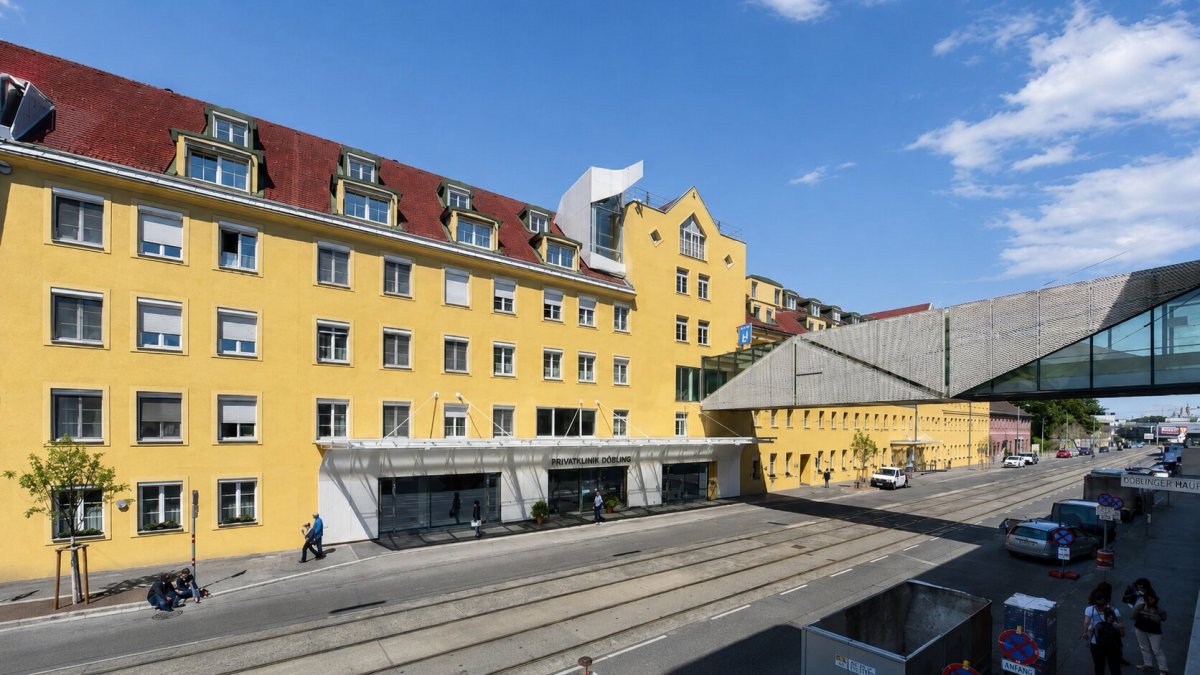
- مستشفى دوبلينغ الخاص: تتميز هذه المؤسسة المعتمدة من قبل اللجنة الدولية المشتركة (JCI) بمعدلات مضاعفات أقل بكثير من القيم الاسمية القياسية.
- العيادة الخاصة للأخوية: يقود البروفيسور الدكتور يوهانس دراخ برامج علاج المايلوما ولديه معرفة واسعة باعتلالات الغلوبولين المناعي.
- عيادة فيينا الخاصة: الدكتور فولفغانغ كوستلر متخصص في العلاج الموجه للسرطان والبحوث الدموية المبتكرة.
رأي خبراء بوكيمد: في حين تتمتع المستشفيات الجامعية الكبيرة، مثل مستشفى آخن الجامعي (AKH)، بإمكانيات بحثية هائلة، توفر العيادات الخاصة في فيينا وصولاً أسرع إلى نفس الأساتذة المتخصصين. فعلى سبيل المثال، يطبق البروفيسور يوهانس دراخ خبرته المكتسبة في نظام المستشفيات الج
ماذا تُظهر بيانات السجل النمساوي حول النتائج الفعلية لعلاج الورم النخاعي المتعدد؟
تُظهر بيانات السجل النمساوي لمرضى المايلوما أن معدل البقاء على قيد الحياة لمدة عشر سنوات بين أحدث مجموعات المرضى قد بلغ 56%. ويمثل هذا تحسناً ملحوظاً مقارنةً بنسبة 21% المسجلة في عام 2005. ويعود هذا النجاح إلى توفير الأدوية للجميع وسرعة تغطية تكاليف العلاجات المركبة الحديثة، مثل مثبطات البروتيازوم.
- تحسن معدل البقاء على قيد الحياة: ارتفع معدل البقاء على قيد الحياة الإجمالي المتوقع لمدة 10 سنوات من 21٪ إلى 56٪.
- معدل التسرب المنخفض: 22% فقط من المرضى لا ينتقلون إلى المرحلة التالية من العلاج.
- أعلى معدل استجابة: يُظهر بروتوكول MAIA للرعاية الأولية معدل استجابة إجمالي قدره 95.6%.
- أساليب العلاج المتقدمة: في الممارسة السريرية الواقعية، يصل متوسط البقاء على قيد الحياة مع العلاج من الخط الثالث إلى 27 شهرًا.
رأي خبراء بوكيمد: على الرغم من أن بيانات السجلات تعكس الاتجاهات الوطنية، إلا أن ارتفاع معدلات البقاء على قيد الحياة في النمسا يرتبط بمراكز البنية التحتية الرئيسية مثل مستشفى فيينا العام (AKH). يعالج هذا المستشفى 595,000 مريض سنويًا، ويضم 42 قسمًا جامعيًا. تشير البيانات إلى نظام تُطبّق فيه المستشفيات الجامعية الكبيرة بروتوكولات العلاج الجديدة بسرعة أكبر بكثير من العيادات