العودة إلى الصفحة الرئيسية
820К+ مريضًا حصلوا على المساعدة منذ عام 2014
50 دول
1,500 عيادات
6K+ تقييمات
3K+ طبيب مؤهل

ما هي تكلفة إصابات العظام والمفاصل إجراءات التشخيص والعلاج في الصين؟ اعرف الآن

السعر يقدم بعد الطلب
الصينتركياإسبانيا
مراجعة تقويم مفصل الوركمن $26,000من $13,500من $22,000
مراجعة تقويم مفصل الركبةمن $19,500من $6,000من $15,000
مراجعة استبدال مفصل الورك بالكامل (رأب مفصل الورك)من $25,500من $10,800من $22,000
مراجعة استبدال مفصل الركبة بالكامل (رأب مفصل الركبة)من $22,500من $6,974من $22,000
جراحة تصحيح تشوه العظاممن $13,500من $2,500من $15,000
تم التحقق من البيانات بواسطة Bookimed اعتبارًا من May 2026، استنادًا إلى طلبات المرضى والعروض الرسمية من 216 عيادة حول العالم. تستند التكاليف المتوسطة إلى الفواتير الحقيقية (2025–2026) ويتم تحديثها شهريًا. قد تختلف الأسعار الفعلية.

مزاياك وضماناتك مع Bookimed

أسعار مباشرة

Bookimed لا يضيف رسوماً إضافية على أسعار علاج إصابات العظام والمفاصل. الأسعار مأخوذة من قوائم الأسعار الرسمية للعيادات. تدفع مباشرة في العيادة مقابل علاجك عند وصولك إلى البلد.

عيادات وأطباء معتمدون فقط

Bookimed ملتزم بسلامتك. نحن نعمل فقط مع المؤسسات الطبية التي تحافظ على معايير دولية عالية في علاج إصابات العظام والمفاصل ولديها التراخيص اللازمة لخدمة المرضى الدوليين في جميع أنحاء العالم.

مساعدة مجانية على مدار الساعة

Bookimed يقدم مساعدة خبراء مجانية. منسق طبي شخصي يدعمك قبل وأثناء وبعد العلاج، ويحل أي مشاكل. لن تكون وحيداً أبداً في رحلة علاج إصابات العظام والمفاصل.

لماذا نحن؟

منسقك الطبي الشخصي في Bookimed

  • يدعمك في كل مرحلة
  • المساعدة في اختيار العيادة الطبية المناسبة والطبيب المناسب
  • يضمن الوصول السريع والمريح إلى المعلومات

احصلوا على تقييم طبي لـ إصابات العظام والمفاصل في الصين: استشيروا أطباء ذوي خبرة الآن

عرض جميع الأطباء
يؤكد

Li Guo Qiang

36سنة خبره ١٦ سنة

يجمع الدكتور لي غوو تشيانغ بين 34 عامًا من الخبرة في مجال جراحة العظام والأبحاث الرائدة في الأجهزة الطبية ومركبات البوليمر.

  • التخصص في العلاج المحافظ للجذع وإعادة تأهيل إصابات الحبل الشوكي
  • إجراء أكثر من 1100 عملية جراحية في مستشفى ياندا الدولي
  • العمل ككبير أخصائيي العلاج اليدوي في قسم الطب الصيني التقليدي
  • الحصول على جائزة أستاذ البحث المتميز من جامعة ولاية لويزيانا (2023)
يؤكد

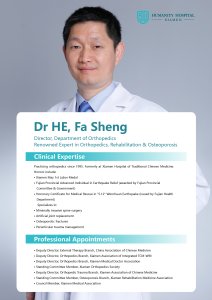
He Fa Sheng

31سنة خبره ١٦ سنة

الدكتور خه فا شنغ مدير قسم جراحة العظام. يختص في جراحة العظام والتأهيل وهشاشة العظام، ويمارس المهنة منذ عام 1995. عمل سابقًا في مستشفى الطب الصيني التقليدي في شيامن.

تشمل مجالات تركيزه السريرية جراحة العمود الفقري طفيفة التوغل، واستبدال المفاصل، وكسور الهشاشة، ورعاية الإصابات.

تشمل الجوائز والتعيينات وسام عيد العمال (الأول من مايو) في شيامن وجوائز على مستوى المقاطعة عن الإنقاذ الطبي. يشغل منصب نائب رئيس في عدة جمعيات لجراحة العظام، كما أنه عضو في اللجنة الدائمة لجراحة العظام والتأهيل.

مشاركة المحتوى

Twitter XLinkedinFacebookWhatsAppEmail
أحصل على الرابط

قصص فيديو من مرضى Bookimed

Dayana
جمعت بين إجازتي في أنطاليا والفحص الطبي.
إجراء: فحص صحة الإناث (انظر فحص النساء)
Igor
كان رائعاً! التنقلات والإقامة والعلاج - كل شيء مشمول.
إجراء: زرع الأسنان
مستشفى: WestDent Clinic
Marina
قام Bookimed بكل شيء من أجلي. لم أضطر للقلق بشأن أي شيء.
إجراء: فحص صحة الإناث (انظر فحص النساء)
مستشفى: Severance Hospital
محدث: 05/27/2022
تأليف
Anna Leonova
Anna Leonova
رئيس فريق تسويق المحتوى
محررة طبية معتمدة لديها خبرة تزيد عن 10 سنوات، طوّرت محتوى Bookimed الموثوق، مدعومة بماجستير في علم اللغة ومقابلات مع خبراء طبيين من جميع أنحاء العالم.
تمت المراجعة من قبل المستشار الطبي في Bookimed
فهد مولود
محرر طبي وعالم بيانات
طبيب عام. حاصل على 4 جوائز علمية. خدم في غرب آسيا. رئيس الفريق الطبي الناطق بالعربية سابقا ومسؤول عن معالجة البيانات ودقة المحتوى الطبي حاليا.
فهد مولود Linkedin
قد تحتوي هذه الصفحة على معلومات تتعلق بمختلف الحالات الطبية والعلاجات وخدمات الرعاية الصحية المتوفرة في بلدان مختلفة. يرجى العلم أن المحتوى مقدم لأغراض إعلامية فقط ولا ينبغي تفسيره على أنه نصيحة أو إرشادات طبية. يرجى استشارة طبيبك أو أخصائي طبي مؤهل قبل البدء أو تغيير العلاج الطبي.

أسئلة متكررة حول علاج إصابات العظام والمفاصل في الصين

هذه الأسئلة الشائعة مأخوذة من مرضى حقيقيين يبحثون عن رعاية طبية عبر Bookimed. يتم تقديم الإجابات من قبل منسقين طبيين ذوي خبرة وممثلين موثوقين من العيادات.

What is the difference between Traditional Chinese Medicine (TCM) and Western orthopedics in China?

Traditional Chinese Medicine (TCM) in China focuses on holistic balance and non-invasive bone-setting to restore qi flow. In contrast, Western orthopedics prioritizes anatomical repair using surgery and imaging. Most JCI-accredited Chinese hospitals now integrate both systems to optimize recovery through personalized treatment protocols.

  • Diagnostic focus: TCM uses pulse-taking and palpation. Western providers rely on X-rays and MRI.
  • Treatment methods: Western orthopedics uses internal fixation. TCM uses herbal decoctions and manual tui-na.
  • Recovery role: Patients use TCM acupuncture and cupping to manage post-surgical pain and swelling.
  • Clinical status: Level III Class A hospitals often combine international protocols with traditional approaches.

Bookimed Expert Insight: Data suggests the most effective results come from hospitals like Yanda International, which treat over 2,500,000 patients annually. They bridge the gap by using Western surgery for immediate structural repair and TCM for long-term rehabilitation. Leading specialists like Dr. He Fa Sheng hold credentials in both fields. This dual expertise ensures that surgical outcomes are supported by traditional methods to accelerate bone healing and functional mobility.

Patient Consensus: Patients usually choose Western surgery for urgent fractures. They then switch to TCM herbal remedies and massage to handle recovery and chronic joint stiffness.

What are the latest innovations in Chinese orthopedic treatment?

Chinese orthopedic innovations prioritize bio-absorbable materials and robotic precision to eliminate secondary surgeries. Key breakthroughs include injectable bone glue and metal-free knee implants. These advancements integrate with 5G-enabled telemedicine and AI-driven 3D reconstruction. This ensures surgical accuracy within 1.5mm while minimizing radiation exposure.

  • Bio-adhesive materials: Injectable bone glue bonds fractures within 3 minutes and naturally dissolves.
  • Metal-free implants: Polyetheretherketone (PEEK) knee implants offer superior bone compatibility and imaging.
  • Surgical robotics: Domestic systems like Honghu ensure bone cutting precision within 1.5mm.
  • Neural bypass: Brain-spinal implants help paralyzed patients regain walking ability within 24 hours.

Bookimed Expert Insight: High-volume clinics like Yanda International Hospital serve 2,500,000 patients annually. They combine these high-tech protocols with traditional Chinese medicine. This hybrid approach is common in Class A Level III centers. It often results in more aggressive early mobilization during recovery. Surgeons like Prof. Yong Wu have performed over 1,000 ankle replacements. This specific experience exceeds many Western clinical averages.

Patient Consensus: Patients note that major urban centers offer robotic surgery comparable to Western facilities. Many emphasize confirming JCI-accredited status and arranging independent post-operative rehabilitation before traveling.

Are there specialized bone and joint hospitals for complex surgeries in China?

China hosts specialized orthopedic centers for complex surgeries. Beijing Jishuitan Hospital and Shanghai Sixth People's Hospital lead in trauma and joint reconstruction. Facilities like Yanda International Hospital offer Joint Commission International (JCI) accreditation. Experts like Prof Yong Wu perform over 1,000 successful ankle replacements.

  • Specialized expertise: Beijing Jishuitan Hospital has ranked first in orthopedics for 13+ years.
  • Advanced technology: Shanghai Sixth People's Hospital uses robot-assisted precision for complex fractures.
  • High volume: Yanda International Hospital serves approximately 2,500,000 patients every year.
  • International standards: JCI-accredited facilities ensure quality safety protocols for international patients.

Bookimed Expert Insight: Clinical data highlights a significant expertise gap in niche procedures. Prof Yong Wu at Amcare has completed more total ankle arthroplasty surgeries than any other provider globally. Patients seeking rare joint reconstructions should prioritize doctors with documented 1,000+ procedure counts rather than just hospital reputation. This ensures access to specialists who handle the highest global volumes for specific complex cases.

Patient Consensus: Patients note that tier-1 hospitals in Beijing or Shanghai offer superior equipment. It is important to confirm if your home country's doctors recognize the specific implant brands used in China.

Is orthopedic acupuncture effective for joint pain in China?

Orthopedic acupuncture is effective for joint pain in China. It is a standard clinical practice within Traditional Chinese Medicine (TCM). Clinical trials show it significantly reduces pain intensity and improves function. Chinese protocols often use higher dosages. These treatments successfully target knee osteoarthritis and rheumatoid arthritis.

  • Treatment frequency: Clinical practice typically involves 3–5 sessions per week for better outcomes.
  • Clinical duration: Guidelines recommend a course of 4 to 8 weeks for relief.
  • Biological impact: Procedures release natural endorphins and inhibit inflammatory factors like IL-6.
  • Combined therapies: Practitioners often combine needling with moxibustion or Tuina massage for synergy.

Bookimed Expert Insight: Top-tier hospitals like Yanda International Hospital integrate international JCI standards with traditional approaches. This clinic alone serves 2,500,000 patients annually. Choosing a Class A Level III facility ensures access to both modern diagnostics and experienced practitioners. Specialists like Dr. Li Guo Qiang focus specifically on complex rehabilitation cases.

Patient Consensus: Patients note the treatment feels more aggressive than wellness acupuncture. Many report significant pain reduction within two weeks for sports injuries. They advise staying at major hospitals to ensure high clinical standards.

Can I find English-speaking orthopedic specialists in China?

English-speaking orthopedic specialists are primarily found in international hospitals and private clinics in Beijing, Shanghai, and Guangzhou. Top-tier facilities like Jiahui International and United Family Healthcare employ internationally trained experts. These specialists handle complex joint replacements, spine surgeries, and sports injuries using global medical protocols.

  • Regional availability: English-fluent specialists are concentrated in tier-1 cities like Beijing and Shanghai.
  • Hospital types: Seek English support in JCI-accredited private centers or international medical departments.
  • Specialized expertise: Professionals like Prof. Yong Wu perform high-volume procedures, including total ankle replacements.
  • Language accessibility: Private clinics like Parkway Health provide multilingual staff for bone and joint care.

Bookimed Expert Insight: High-volume centers in Beijing provide a unique advantage by blending international safety standards with massive clinical experience. For instance, Yanda International Hospital maintains JCI accreditation while serving 2,500,000 patients annually. This scale allows surgeons to refine techniques far more quickly than in lower-volume Western clinics. When selecting a specialist, prioritize those at `Class A level III` institutions. This is the highest medical ranking in China and ensures access to the most advanced diagnostic technologies.

Patient Consensus: Patients note that while top private clinics offer seamless English communication, public hospital emergency rooms often lack bilingual support. Many suggest using expat networks to find direct contacts for trusted surgeons in Shanghai or Beijing after sustaining sports injuries.

What should I bring to my first appointment for orthopedic treatment in China?

Patients visiting Chinese orthopedic centers must bring their original passport and previous medical imaging. Digital scans on CD or film are preferred over phone photos. Documenting symptoms in a one-page summary helps doctors who follow fast-paced, structured protocols in high-volume facilities.

  • Identity documents: Bring your original passport and copies for registration and hospital check-in.
  • Medical imaging: Provide original MRI, CT, or X-ray films rather than digital phone photos.
  • Payment methods: Set up WeChat Pay or Alipay as foreign credit cards often fail.
  • Medication list: Include generic names of current prescriptions to ensure accurate cross-referencing by specialists.

Bookimed Expert Insight: Yanda International Hospital serves 2,500,000 patients annually and holds JCI accreditation for safety. This massive volume means doctors like Dr. He Fa Sheng manage thousands of trauma cases. Choose Class A Level III clinics to ensure access to both modern surgery and traditional therapy.

Patient Consensus: Patients emphasize wearing loose clothing to allow quick access for joint examinations during busy consultations. Many recommend carrying a portable charger and water because wait times for specialized orthopedic tests can reach 8 hours.

Do I need a specific visa for orthopedic treatment in China?

You need a visa to receive orthopedic treatment in China. While no specific medical visa category exists, patients typically use S2, M, or L visas. The choice depends on your recovery time. Most bone and joint procedures require an official hospital invitation letter for the application.

  • Short-term stay: S2 visas cover medical treatments lasting up to 180 days.
  • Business and medical: M visas are used for consultations or quick orthopedic check-ups.
  • Tourist option: L visas suit minor outpatient services staying under 30 days.
  • Required documents: A registered Chinese hospital must provide an official treatment invitation.

Bookimed Expert Insight: While many countries have dedicated medical visas, China integrates orthopedic care into standard categories. Data from top-tier facilities like Yanda International Hospital shows they manage over 2,500,000 patients annually. These Class A Level III centers are highly experienced in providing the specific invitation letters required for S2 or L visa approvals. For complex cases like the 1,000+ total ankle replacements performed by Dr. Prof Yong Wu, securing a 60-day visa upfront is better than relying on extensions during physical therapy.

Patient Consensus: Patients note that standard tourist visas work for short procedures but warn that overstaying during recovery leads to heavy fines. They emphasize getting the official hospital paperwork early to avoid scrutiny at immigration when arriving for non-emergency care.

احصل على استشارة مجانية

حدد أفضل طريقة للاتصال بك