علاج الربو في النمسا — احصل على 3 عيادات مختارة خصيصاً لك


تمت مراجعة المقالة طبيا من قبل
فهد مولود
كيف نعمل؟
ما هي تكلفة الربو إجراءات التشخيص والعلاج في النمسا؟ اعرف الآن
اكتشف أفضل الربو العيادات في النمسا: 2 خيارات معتمدة والأسعار




المراجعات
جميع المراجعاتمشاركة المحتوى
قصص فيديو من مرضى Bookimed
 Anna Leonova
أسئلة متكررة حول علاج الربو في النمسا
هل تحتاج إلى وصفة طبية لشراء أدوية الربو في النمسا؟
لشراء أدوية الربو في النمسا، يلزم الحصول على وصفة طبية من طبيب مرخص. معظم الأدوية، بما في ذلك أجهزة الاستنشاق مثل فنتولين، لا تُصرف إلا بوصفة طبية. مع أن الوصفات الطبية الصادرة من دول الاتحاد الأوروبي مقبولة عمومًا، إلا أنه يتعين على المسافرين من خارج الاتحاد الأوروبي استشارة طبيب محلي للحصول على وصفة طبية نمساوية.
- صلاحية الوصفة الطبية: تظل الوصفة الطبية صالحة لمدة 12 شهرًا إذا تم استخدام الدواء في غضون 30 يومًا من تاريخ إصداره.
- الوصفات الطبية في دول الاتحاد الأوروبي: تقوم الصيدليات النمساوية عموماً بتلبية الوصفات الطبية التي يكتبها الأطباء من دول الاتحاد الأوروبي أو المنطقة الاقتصادية الأوروبية.
- الوصول في حالات الطوارئ: في حالات الطوارئ، يمكن للصيادلة صرف أصغر عبوة متوفرة بدون وصفة طبية.
- التكاليف المحلية: يدفع السكان رسومًا قياسية تبلغ حوالي 8.25 دولارًا لكل دواء.
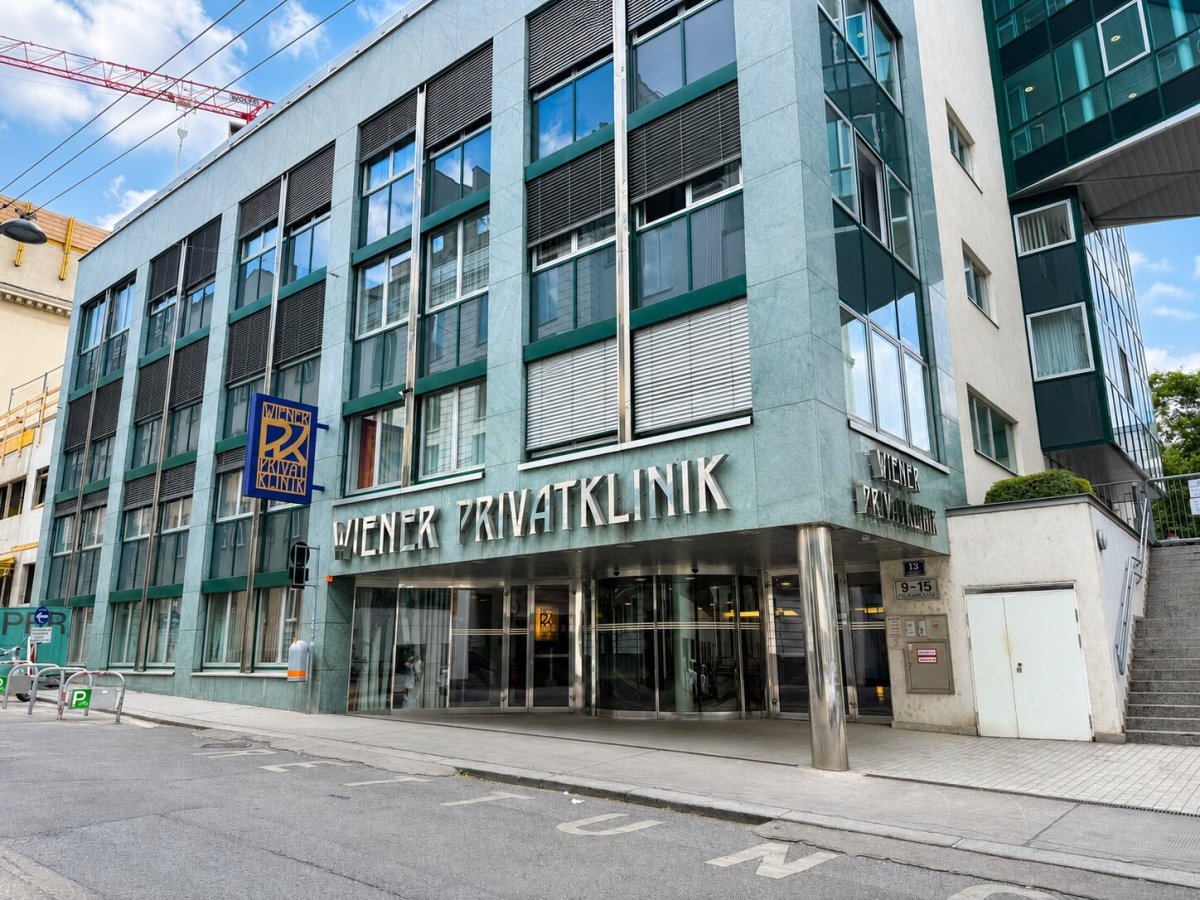
رأي خبراء بوكيميد: تُبرز بيانات أعداد المرضى مكانة النمسا كمركز طبي رئيسي. يُعالج مستشفى فيينا العام (AKH) أكثر من 595,000 مريض سنويًا في 42 عيادة جامعية. تضمن هذه البنية التحتية الواسعة إمكانية وصول حتى السياح إلى أخصائيي أمراض الرئة في مراكز رئيسية مثل عيادة فيينا الخاصة. كما تُقدم أكثر من 30 قسمًا خد
هل تقبل الصيدليات النمساوية الوصفات الطبية المكتوبة في بلد آخر؟
لا تقبل الصيدليات النمساوية إلا الوصفات الطبية الصادرة في الاتحاد الأوروبي أو المنطقة الاقتصادية الأوروبية. أما الوصفات الطبية الصادرة من دول خارج الاتحاد الأوروبي، كالولايات المتحدة أو المملكة المتحدة، فهي غير صالحة. يجب على المرضى استشارة طبيب نمساوي للحصول على وصفة طبية محلية للعلاج.
- صلاحية الوصفات الطبية في دول الاتحاد الأوروبي/المنطقة الاقتصادية الأوروبية: الوصفات الطبية الصادرة في دول الاتحاد الأوروبي/المنطقة الاقتصادية الأوروبية صالحة في الصيدليات النمساوية.
- المعلومات المطلوبة: يجب أن تحتوي الوصفة الطبية على الاسم الكامل للمريض وتاريخ ميلاده وتوقيع الطبيب الذي وصف الدواء.
- الأسماء العامة: ينبغي على الأطباء استخدام الأسماء العامة للمواد بدلاً من الأسماء التجارية المحلية.
- حقوق الصيادلة: يمكن للصيادلة رفض صرف الدواء إذا شكوا في صحة الوثيقة.
رأي خبراء بوكيمد: تعالج مؤسسات كبيرة مثل مستشفى فيينا العام (AKH) حوالي 600 ألف مريض سنويًا. في حالات الوصفات الطبية العاجلة، غالبًا ما يكون التوجه إلى مركز متعدد التخصصات مثل عيادة فيينا الخاصة أسرع. تضم هذه العيادة 400 طبيب، من بينهم العديد من أساتذة الجامعات، الذين يتولون الحالات الدولية المعقدة ويكتبون وصفات طبية نمساوية
ماذا أفعل إذا نفد مني دواء الربو أثناء وجودي في النمسا؟
للحصول على وصفة طبية جديدة لأدوية الربو، يجب الحصول على وصفة طبية محلية من طبيب نمساوي مرخص. لا تقبل الصيدليات المحلية عادةً الوصفات الطبية الأجنبية. للحصول على مساعدة فورية، تواصل مع طبيبك العام أو استخدم خدمة التطبيب عن بُعد لإرسال وصفة طبية إلكترونية مباشرةً إلى الصيدلية.
- الوصفة المحلية: قم بزيارة Hausarzt أو Luungenfacharzt للحصول على وصفة نمساوية حقيقية.
- الوصول إلى الصيدليات: ابحث عن صيدلية (Apotheke)؛ للتواصل على مدار 24 ساعة، اتصل بالخط الساخن 1455.
- صرف الأدوية في حالات الطوارئ: في الحالات القصوى والعاجلة، يمكن للصيادلة صرف أصغر عبوة متوفرة.
- نصيحة طبية: اتصل بالرقم 1450 للحصول على خدمة استشارية صحية مجانية على مدار 24 ساعة وإحالة إلى أخصائي.
رأي خبراء بوكيمد: بينما تعالج مراكز كبيرة مثل مستشفى فيينا العام 595,000 مريض سنويًا، توفر مرافق متخصصة أصغر حجمًا مثل مستشفى فيينا الخاص وصولًا أسرع إلى العلاج الخارجي. غالبًا ما يجد المرضى أن العيادات الخاصة، التي تضم أكثر من 30 قسمًا متخصصًا، توفر استشارات متخصصة عاجلة أسرع من المستشفيات الجامعية العامة الكبيرة. هذه السرعة بالغة الأهمية عند علاج أمراض الجهاز التنفسي المزمنة أثناء السفر.
هل يمكنني استيراد أجهزة الاستنشاق الخاصة بي إلى النمسا؟ وما هي الوثائق المطلوبة من قبل الجمارك؟
يُسمح باستيراد أجهزة استنشاق الربو الشخصية إلى النمسا دون تصريح مسبق. تشترط الجمارك تقديم تقرير طبي أو وصفة طبية سارية للتحقق. يُرجى الاحتفاظ بالأدوية في عبواتها الأصلية مع ملصقات الصيدلية. يُسمح للمسافرين بحمل ما يصل إلى ثلاث عبوات قياسية من كل دواء للاستخدام الشخصي.
- المستندات المطلوبة: يجب أن يكون لديك خطاب موقع من طبيبك يوضح اسمك والجرعة.
- تعليمات التعبئة والتغليف: خزّن أجهزة الاستنشاق في علبها الأصلية مع وضع ملصقات الصيدلية بشكل واضح.
- قيود الكمية: يجب ألا تتجاوز الكمية 3 عبوات بيع بالتجزئة كحد أدنى من كل نوع من أنواع المنتجات الطبية.
- التخزين أثناء النقل: قم بتعبئة أجهزة الاستنشاق في حقائب اليد لمنع التلف الناتج عن تغيرات الضغط.
رأي خبراء بوكيمد: على الرغم من أن الكميات الصغيرة هي المعيار، إلا أنه ينبغي على المسافرين لفترات طويلة أن يضعوا في اعتبارهم أن مستشفى فيينا العام (AKH) يعالج أكثر من 595,000 مريض سنويًا. وتضم المراكز الأكبر، مثل مستشفى فيينا العام أو عيادة فيينا الخاصة، صيدليات خاصة بها. توفر هذه المرافق بدائل محلية في حال نفاد مخزونك من الأدوية خلال إقامتك الطويلة.
رأي المرضى: يلاحظ المرضى
كيف يتم علاج الربو في النمسا وما هي المعايير المتبعة؟
في النمسا، يُعالج الربو وفقًا لمعايير المبادرة العالمية للربو (GINA). ويستخدم الأخصائيون في مؤسسات مثل مستشفى فيينا العام (AKH) اختبارات وظائف الرئة وقياس التنفس لتشخيص المرض. ويركز العلاج على الكورتيكوستيرويدات المستنشقة والعوامل البيولوجية الحديثة. وتضمن الجمعية النمساوية لأمراض الرئة امتثال جميع البروتوكولات للمعايير الدولية للطب القائم على الأدلة.
- المعيار التشخيصي: يقيس جهاز قياس التنفس وظائف الرئة، وتُعد المراقبة الأداة التشخيصية الذهبية.
- العلاج البيولوجي: يصف الأطباء مضادات IL-5 أو مضادات IgE للمرضى الذين يعانون من الربو الحاد.
- الرعاية الطبية للأطفال: توجد إرشادات وطنية متخصصة تحكم علاج الربو لدى الأطفال والمراهقين.
- الأساس السريري: تقوم الجمعية النمساوية لأمراض الرئة بتكييف إرشادات GINA المحدثة للممارسة اليومية.
رأي خبراء بوكيمد: يوفر الهيكل الجامعي النمساوي مزايا كبيرة في الحالات المعقدة. فعلى سبيل المثال، يضم مستشفى فيينا العام (AKH) 42 عيادة جامعية وستة مختبرات. ويساعد هذا التركيز للموارد المرضى المصابين بالربو الحاد غير المسيطر عليه على الوصول بشكل أسرع إلى التجارب السريرية. كما أن العديد من الأطباء في مستشفى فيينا العام هم أساتذة في جامعة فيينا الطبية،
هل سيتم قبول تأميني الصحي غير الأوروبي أم سأضطر إلى دفع تكاليف العلاج بنفسي؟
في النمسا، نادراً ما تُقبل وثائق التأمين الصحي الصادرة من خارج الاتحاد الأوروبي للدفع المباشر. تُعامل معظم المستشفيات الخاصة والجامعية المرضى من خارج الاتحاد الأوروبي كمرضى خاصين، حيث يتعين عليك دفع التكاليف بنفسك وقت تلقي العلاج. بعد ذلك، تُقدم طلب استرداد إلى شركة التأمين الخاصة بك، مع إرفاق فواتير مفصلة.
- الفوترة المباشرة: لا تقوم المستشفيات عموماً بإصدار فواتير مباشرة لشركات التأمين غير التابعة للاتحاد الأوروبي مقابل علاج الربو.
- الوضع الخاص: يُعتبر الزوار من خارج الاتحاد الأوروبي مرضى خاصين بغض النظر عما إذا كان لديهم تغطية تأمينية عالمية أم لا.
- الدفع المسبق: من المتوقع دفع رسوم الاستشارات والفحوصات التشخيصية قبل تلقي الخدمات.
- الرعاية الطارئة: في المؤسسات الطبية النمساوية، يتم تقديم الرعاية اللازمة لتحقيق الاستقرار أولاً، ثم يتم محاسبة المرضى.
رأي خبراء بوكيمد: في فيينا، غالبًا ما يحدد نطاق الخدمات السريرية والانتماء الجامعي آلية الدفع. يعالج مستشفى مدينة فيينا (AKH) 595,000 مريض سنويًا، ويُعد مركزًا أكاديميًا رئيسيًا. ورغم امتلاك هذه المؤسسات قدرات تشخيصية متقدمة، إلا أنها تخضع للوائح الإدارية الصارمة للقطاع العام. يجد المرضى عادةً إجراءات مالية أكثر ملاءمة في