العودة إلى الصفحة الرئيسية
4.6/5
TrustPilot

أفضل الاورام الحميدة في الانف في تايلاند - توب -1 طبيب

قارن بين أفضل أطباء الاورام الحميدة في الانف والأسعار في تايلاند. اعثر على أفضل تطابق لك هنا.

احصل على عروض من أفضل 3 أخصائيي في تايلاند

سنختار لك أفضل الأطباء حسب احتياجاتك وميزانيتك.
تمت مراجعة المقالة طبيا من قبل فهد مولود

محرر طبي وعالم بيانات

أفضل الأطباء

1

تايلاند

التقييمات

14000+

من مرضى حقيقيين

احصل على خطط علاجية مخصصة مجانية واختر أفضل خيار. بدون التزام · بدون دفعات لخدماتنا
Dr Prapas Teerakul

  • جديد
  • 36سنة خبره ١٦ سنة
  • الموقع: تايلاند, بانكوك
  • العيادة:
    4.8
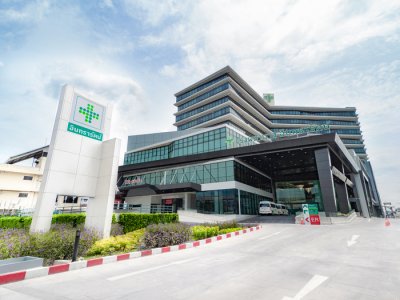
    Intrarat Hospital
  • يتخصص الدكتور براباس تيراكول في السلائل الأنفية وحالات الأنف والأذن والحنجرة مع تدريب مكثف في طب الأنف والأذن والحنجرة، حيث يجمع بين الدقة الأكاديمية والممارسة السريرية في مستشفى إنترارات.

    • التخرج من كلية الطب بجامعة ماهيدول
    • إكمال شهادة التخصص في طب الأنف والأذن والحنجرة في مستشفى راماثيبودي
    • العمل سابقاً كأستاذ مساعد في مستشفى راماثيبودي
    • عضوية مجتمع جراحة الأنف والأذن والحنجرة مع تدريب متخصص في الرأس والرقبة
  • اقرأ المزيد
تكلفة استشارة الطبيب
السعر عند الطلب

قد يكون اختيار العيادة في الخارج أمرًا مرهقًا. في Bookimed، حيث ساعدنا أكثر من 800 ألف مريض، نحن نتفهم مخاوفك. نعرف كيفية العثور على الأطباء الموثوقين، وأفضل خيارات الجودة والسعر، وحلول حتى للحالات المعقدة. نحن هنا لإرشادك في كل خطوة على الطريق.
Yan Matsiivskiy

رئيس فريق المنسق الطبي

تم توجيه أكثر من 4300+ رحلة مرضى

3 سنة في Bookimed

1 مريض من تايلاند وجدوا طبيبهم عبرنا هذا الشهر

كيف ستحصل على مطابقة الطبيب المثالي لك

1

اختبار لمدة دقيقتين

أخبرنا بهدفك، ميزانيتك، وخطتك الزمنية

2

مطابقة بشرية + ذكاء اصطناعي

يجد خوارزمينا التطابقات، ويؤكد المنسق مدى الملاءمة

3

خياراتك جاهزة

قارن الأسعار، الباقات، والتواريخ. تحدث مع منسقك

تشعر بالحيرة لكثرة الخيارات؟

الشخصي الخاص بك يساعدك منسق Bookimed في إيجاد الجراح المثالي الملائم لاحتياجاتك

  • يدعمك 24/7 في كل مرحلة
  • يساعدك في مطابقة الطبيب ويتولى جميع الاتصالات مع العيادات
  • ينسق سفرك، إقامتك، وعمليات النقل

يوجه علاجك

منسقون شخصيون مدربون طبياً

Peguy Beaugris
Tetyana Hyrych
Zekra Eldeeb
Victoria Olayinka
Iryna Sydorchuk
Tetiana Ihnatiuk

اختيار الطبيب الأيمن والعيادة الطبية: نصائح الإدراك

عند تحديد الطبيب أو العيادة الطبية، ضع هذه النقاط الرئيسية في الاعتبار:
التحقق من أوراق الاعتماد
التحقق من الشهادات من هيئات مثل ISAPS، JCI، إلخ.
استعراض معدلات النجاح
اختر أطباء لديهم خبرة قوية وسجل مثبت في علاجك المحدد.
آراء المرضى
مراجعات Bookimed من مرضى حقيقيين لتصفح تجربتهم.
ضمان التواصل الفعال
اختيار العيادات التي تقدم الدعم اللغوي للعلاج السلس.
اسأل عن الخدمات
تأكد من أن السعر يشمل الخدمات مثل الإقامة، والتنقلات المحلية، والرعاية بعد العلاج لتفادي التكاليف الخفية.

رؤى Bookimed: أفضل أخصائيي الاورام الحميدة في الانف في تايلاند (2026)

نسقّت Bookimed 1 طلبًا لعلاج الاورام الحميدة في الانف في تايلاند، بالتعاون مع 1 من أفضل الأخصائيين. تم اختيار الأطباء في هذا الجدول بناءً على مؤهلاتهم الدولية، وخبراتهم السريرية، ونتائج المرضى. تم تشكيل التصنيف لعام 2026 باستخدام بيانات موثقة من حالات مرضى حقيقية وبرامج حالية من عياداتنا الشريكة.
الترتيب.طبيبخبرةمناسب لـما الذي يميزهم عن غيرهمالعيادة والموقعالاستشارة
#136سنة خبره ١٦ سنةأمراض الأنف والأذن والحنجرة المعقدةأخصائي جراحة الأنف والأذن والحنجرة ذو خلفية أكاديمية من أفضل كلية طب في تايلاند. يجمع بين الخبرة التعليمية والممارسة الإكلينيكية النشطة في اضطرابات الأنف والرأس والرقبة.
تايلاند
السعر عند الطلب

FAQ

هذه الأسئلة الشائعة مأخوذة من مرضى حقيقيين يبحثون عن رعاية طبية عبر Bookimed. يتم تقديم الإجابات من قبل منسقين طبيين ذوي خبرة وممثلين موثوقين من العيادات.

Is nasal polyp surgery always necessary, or can polyps be treated without surgery?

Surgery is not always necessary for nasal polyps. Doctors usually trial medical management first. Corticosteroids reduce inflammation to shrink small polyps. Biologic drugs like dupilumab target specific immune pathways. Minimally invasive stents also manage symptoms. Surgery is reserved for severe physical blockages or chronic infections.

  • First-line therapy: Corticosteroid sprays or short-term oral steroids shrink existing polyps.
  • Biological treatments: Injectable medications like omalizumab treat severe, recurring polyp cases.
  • Surgical triggers: FESS surgery is used when breathing or sleep is significantly obstructed.
  • Post-care maintenance: Long-term saline rinses and sprays prevent polyps from returning after treatment.

Bookimed Expert Insight: Thai clinics like Bumrungrad International Hospital and Bangkok Hospital offer advanced ENT diagnostics. These centers serve over 100,000 international patients annually. They prioritize non-surgical immunotherapy before recommending invasive procedures. This conservative approach is standard at JCI-accredited facilities in Bangkok.

Patient Consensus: Patients note that following a strict post-procedure spray routine is vital. Many mention that restoring their sense of smell was a major relief.

What are the main surgical techniques used in Thailand to remove nasal polyps?

Thai surgeons primarily use Functional Endoscopic Sinus Surgery (FESS) to treat nasal polyps. This minimally invasive approach uses endoscopes for precision. It requires no external incisions and speeds up recovery. Specialized Thai centers also employ image-guided navigation for complex cases near the eyes or brain.

  • FESS technique: Surgeons use thin camera tubes to remove polyps through the nostrils.
  • Micro-debrider tools: Motorized shavers cut and suction tissue while protecting healthy sinus linings.
  • Full-House FESS: This method clears all five sinus pairs for severe or recurring cases.
  • Surgical navigation: Computer-assisted systems provide real-time guidance during delicate procedures for higher safety.

Bookimed Expert Insight: Thai medical centers often combine FESS with steroid-eluting implants to prevent polyp regrowth. This dual approach is common in Bangkok facilities holding JCI accreditation. Patients should look for surgeons who use micro-debrider technology for cleaner tissue removal. Traditional techniques without these tools may lead to longer healing times.

Patient Consensus: Patients often mention the rapid transition from surgery to breathing freely again. Many appreciate that Thai specialists provide detailed post-operative cleaning instructions to ensure long-term success.

How long will I need to stay in Thailand for assessment, surgery, and safe post-operative follow-up?

Patients should plan for a 10 to 14 day stay in Thailand for nasal polyp surgery. This allows 2 days for pre-operative nasal endoscopy and CT scans. You must wait 10 days post-surgery before flying to prevent cabin pressure complications.

  • Diagnostic phase: Pre-surgical tests and blood work usually take 1 to 2 days.
  • Hospital stay: Most sinus procedures require 1 night of inpatient monitoring.
  • Recovery window: Surgeons require 7 to 10 days for initial wound healing.
  • Flight clearance: Doctors provide a fit-to-fly certificate after the final follow-up.

Bookimed Expert Insight: Our data shows most patients choose Bangkok for sinus surgery. Clinics here like Bumrungrad or Bangkok Hospital provide results quickly. You can often complete scans and consults in one morning. This efficiency can save you 2 days compared to local waits.

Patient Consensus: Patients note that the tropical humidity in Thailand helps ease nasal dryness after surgery. Many suggest staying in a hotel near the hospital for easy check-ups.

How painful is the procedure and what level of discomfort should I expect during recovery?

Nasal polyp removal in Thailand is generally performed under local or general anesthesia. Patients typically feel no sharp pain during the surgery. Post-surgical discomfort feels like a dull ache or heavy nasal congestion. Most symptoms subside within 3 to 7 days.

  • Procedure sensation: You may feel pressure or tugging if under local anesthesia.
  • Peak discomfort: Swelling and congestion typically reach their peak around day 3.
  • Pain management: Doctors usually prescribe acetaminophen or ibuprofen to manage mild soreness.
  • Recovery timeline: Nasal puffiness and tenderness significantly decrease within 1 week.

Bookimed Expert Insight: Thai clinics prioritize comfort by using endoscopic techniques for polyp removal. These minimally invasive methods reduce tissue trauma compared to traditional surgery. Patients often report breathing improves immediately once initial packing is removed. Choose JCI-accredited facilities to ensure high pain management standards.

Patient Consensus: Patients note the most annoying part is feeling like you have a bad cold. They suggest keeping your head elevated to reduce pressure during the first few nights.

How quickly can I expect to recover and return to regular activity after nasal polyp surgery?

Most patients resume work and school within 7 days after endoscopic nasal surgery. Light activity is safe after 24 hours. Full physical recovery typically takes 14 to 21 days. Nasal congestion and fatigue often last through the first week after treatment.

  • Light movement: Walking and light chores are encouraged 1 day after the procedure.
  • Intense exercise: You can resume full-intensity workouts 2 weeks post-surgery.
  • Physical limits: Avoid lifting over 10 lbs for the first 10 days.
  • Air travel: Surgeons generally recommend waiting 30 days before flying due to pressure.
  • Internal healing: Complete tissue recovery inside the sinuses takes 1 to 2 months.

Bookimed Expert Insight: Our data shows Thai clinics use advanced micro-debriders for polyp removal. These precise tools minimize tissue trauma during endoscopic surgery. This often leads to less swelling than older techniques. Patients can expect a smoother first week of recovery. This precision is a hallmark of JCI-accredited centers in Bangkok.

Patient Consensus: Patients note the first 3 days feel like a heavy cold. They emphasize following the no-nose-blowing rule to prevent bleeding. Most feel significantly better by the 10th day.

What does a typical Thai hospital package for international patients include?

Thai hospital packages for nasal polyp treatment provide a comprehensive medical and logistical solution. They typically cover functional endoscopic sinus surgery (FESS), surgical fees, and anesthesia. These bundles include private hospital rooms, preoperative screenings, and dedicated international patient coordination to ensure smooth communication.

  • Medical services: Covers surgeon fees, anesthesiology, and nursing care for the procedure.
  • Hospital stay: Includes 1–2 nights in a private room with specialized medical monitoring.
  • Diagnostics: Bundles blood work, nasal endoscopy, and necessary imaging like CT scans.
  • Logistics: Features airport transfers and interpretation services for non-Thai speaking international patients.

Bookimed Expert Insight: Analysis of Thai hospital offerings shows a focus on comprehensive inpatient care. Top facilities in Bangkok often include 2-day hospital stays in standard packages. This is longer than the typical outpatient approach in Western clinics. Extra time allows for better monitoring of postoperative drainage and early healing. This reduces the risk of minor issues becoming complications after discharge.

Patient Consensus: Patients often highlight the helpfulness of personal coordinators who manage every city transfer. They also express relief that translators accompany them to every doctor meeting.

Do nasal polyps tend to recur after treatment, and what follow-up is needed to minimise recurrence?

Nasal polyps often recur because treatment targets growths rather than underlying chronic inflammation. Studies show 35% to 40% of patients see regrowth within 18 months. Long-term recurrence reaches 60% to 76% over 12 years. Strict follow-up and maintenance therapy are vital for prevention.

  • Endoscopic monitoring: Regular in-office nasal endoscopies detect early regrowth before symptoms restart.
  • Steroid maintenance: Daily corticosteroid sprays or high-volume rinses reduce local inflammation levels.
  • Saline irrigation: Routine nasal rinsing clears allergens and improves steroid drug delivery.
  • Biologic therapy: Injectable biologics like Dupixent help manage severe cases of polyp regrowth.
  • Trigger management: Controlling asthma and allergies reduces the inflammatory fuel for polyps.

Bookimed Expert Insight: Thai medical centers often integrate allergy panels into standard polyp follow-up. Our data indicates clinics like Bumrungrad International Hospital serve high patient volumes. They emphasize early post-op endoscopic checks at 10, 20, and 40 days. This proactive schedule helps stabilize the nasal lining more effectively than delayed monitoring.

Patient Consensus: Patients note that consistency with daily nasal rinses makes the biggest difference. Many emphasize that missing even a few days of sprays leads to noticeable congestion.