

العودة إلى الصفحة الرئيسية
4.6/5
TrustPilot

أفضل القرنية المخروطية في تسالونيكي - توب -1 طبيب

قارن بين أفضل أطباء القرنية المخروطية والأسعار في اليونان. اعثر على أفضل تطابق لك هنا.

احصل على عروض من أفضل 3 أخصائيي في اليونان

سنختار لك أفضل الأطباء حسب احتياجاتك وميزانيتك.

تمت مراجعة المقالة طبيا من قبل فهد مولود

محرر طبي وعالم بيانات

أفضل الأطباء

1

اليونان

التقييمات

14000+

من مرضى حقيقيين

احصل على خطط علاجية مخصصة مجانية واختر أفضل خيار. بدون التزام · بدون دفعات لخدماتنا

عرض أولاً:

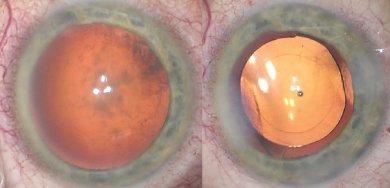
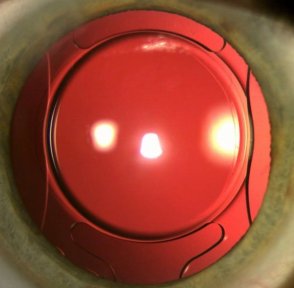
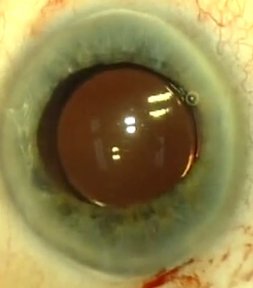
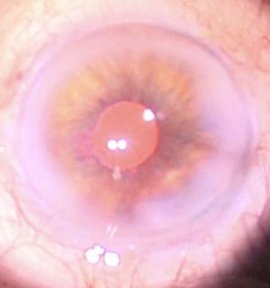
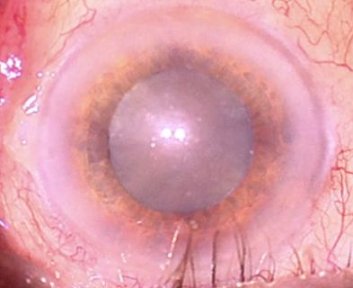
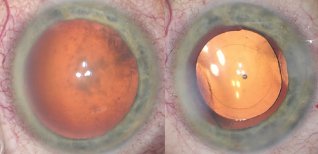
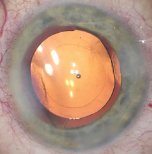
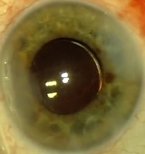
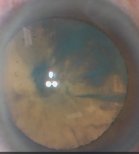
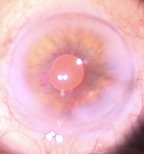
نتائج قبل وبعد جراحة الساد مع زرع عدسة في عيادة Dr Nikolaos I Dervenis
نتائج قبل وبعد زراعة الشبكية في عيادة Dr Nikolaos I Dervenis، تحسن الشبكية
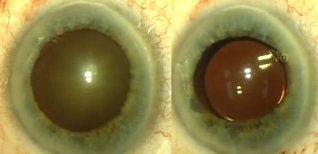
نتيجة قبل وبعد جراحة الساد مع استبدال العدسة في عيادة Dr Nikolaos I Dervenis
نتيجة جراحة الساد بعد زرع عدسة متعددة البؤر في عيادة Dr Nikolaos I Dervenis
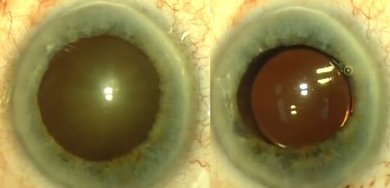
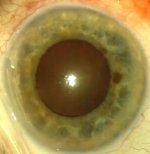
نتيجة جراحة الساد في عين واحدة في عيادة Dr Nikolaos I Dervenis MD, MSc, PhD, FEBO
نتيجة جراحة انفصال الشبكية في عيادة Dr Nikolaos I Dervenis، استعادة بنية الشبكية
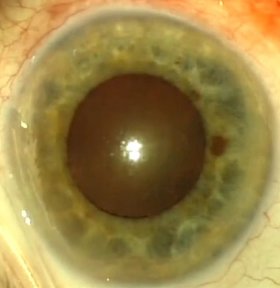
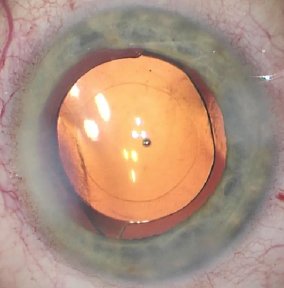
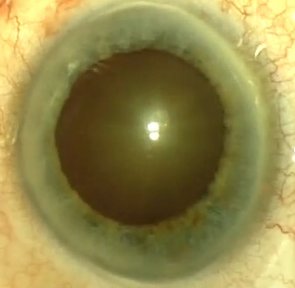
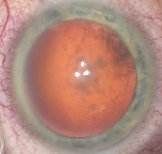
نتيجة جراحة الساد في عيادة Dr Nikolaos I Dervenis MD, MSc, PhD, FEBO – عدسة شفافة
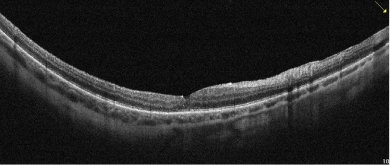
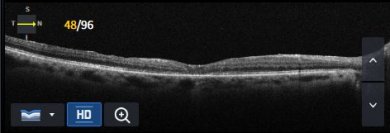
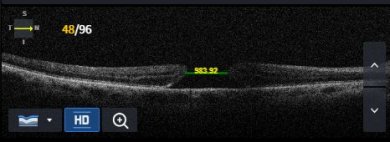
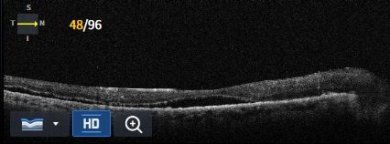
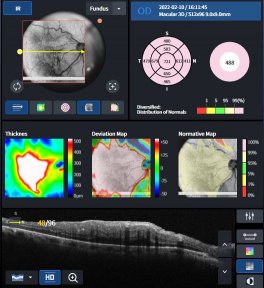
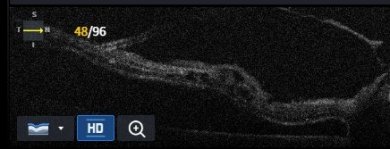
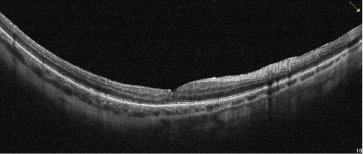
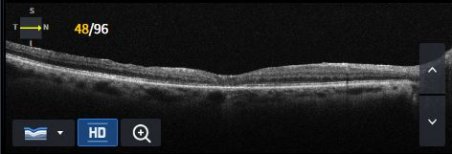
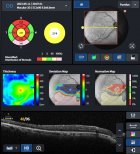
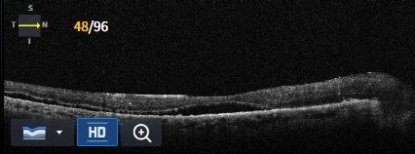
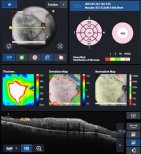
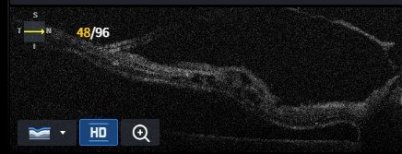
فحص OCT بعد استئصال الجسم الزجاجي لدى Dr Nikolaos I Dervenis MD, MSc, PhD, FEBO - تحسن الشبكية
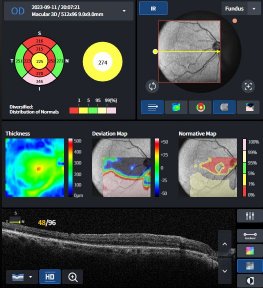
مسح OCT للبقعة بعد استئصال الجسم الزجاجي لدى Dr Nikolaos I Dervenis MD, MSc, PhD, FEBO – تحسن الشبكية
نتيجة بعد جراحة إزالة المياه البيضاء وزرع عدسة متعددة البؤر في عيادة الدكتور ديرفينيس
نتيجة بعد جراحة الساد في عيادة Dr Nikolaos I Dervenis MD, MSc, PhD, FEBO - عدسة عين صافية
نتيجة جراحة إزالة المياه البيضاء في كلتا العينين لدى Dr Nikolaos I Dervenis MD، استبدال العدسة
نتيجة جراحة الساد مع عدسة متعددة البؤر في عيادة Dr Nikolaos I Dervenis
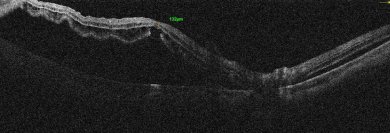
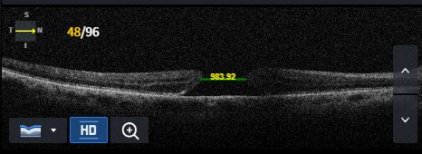
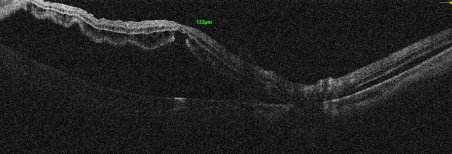
مسح OCT يظهر انفصال الشبكية قبل الجراحة في عيادة Dr Nikolaos I Dervenis، النتيجة
نتيجة فحص OCT بعد استئصال الجسم الزجاجي لدى Dr Nikolaos I Dervenis MD, MSc, PhD, FEBO - تحسن الشبكية
نتيجة جراحة الساد مع استبدال العدسة في عيادة Dr Nikolaos I Dervenis MD, MSc, PhD, FEBO
مسح OCT يُظهر انفصال الشبكية قبل الجراحة في عيادة الدكتور نيكولاوس ديرفينيس
نتيجة جراحة انفصال الشبكية لدى Dr Nikolaos I Dervenis MD, MSc, PhD, FEBO - صورة OCT
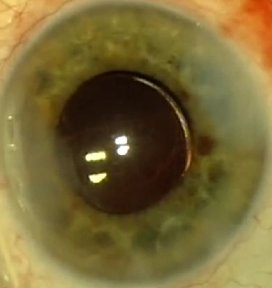
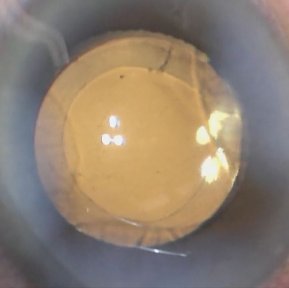
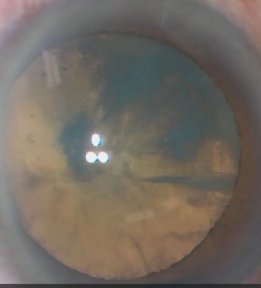
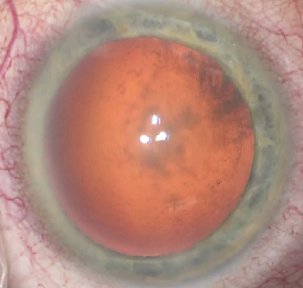
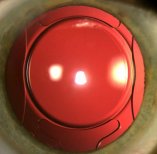
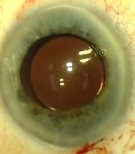
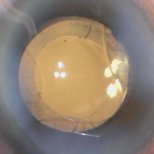
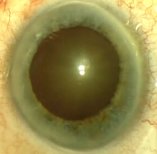
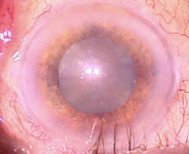
إعتام عدسة العين قبل الجراحة في عيادة Dr Nikolaos I Dervenis MD, MSc, PhD, FEBO - عدسة غائمة
نتيجة استئصال الجسم الزجاجي لدى Dr Nikolaos I Dervenis MD, MSc, PhD, FEBO - تحسن سمك الشبكية
نتيجة جراحة الساد مع عدسة متعددة البؤر في عيادة الدكتور نيكولاوس ديرفينيس للعيون
إعتام عدسة العين قبل الجراحة في عيادة Dr Nikolaos I Dervenis MD, MSc, PhD, FEBO - عتامة العدسة
Nikolaos Dervenis

Nikolaos Dervenis

5 ممتاز1 تقييم
12سنة خبره ١٦ سنة
الموقع: اليونان, تسالونيكي

مع خبرة تزيد عن 15 عاماً في طب العيون، يتخصص الدكتور ديرفينيس في جراحات المياه البيضاء وجراحة العيون بالليزر، بما في ذلك تقنية الليزك لمرضى القرنية المخروطية.

  • العمل كاستشاري في نظام الصحة الوطني البريطاني (NHS)
  • التخرج من جامعة أرسطو في سالونيك
  • الحصول على درجتي الماجستير والدكتوراه في طب العيون
  • تأليف أكثر من 55 مقالاً في مجلات علمية محكمة
تكلفة استشارة الطبيبالسعر عند الطلب

قد يكون اختيار العيادة في الخارج أمرًا مرهقًا. في Bookimed، حيث ساعدنا أكثر من 800 ألف مريض، نحن نتفهم مخاوفك. نعرف كيفية العثور على الأطباء الموثوقين، وأفضل خيارات الجودة والسعر، وحلول حتى للحالات المعقدة. نحن هنا لإرشادك في كل خطوة على الطريق.

Yan Matsiivskiy

رئيس فريق المنسق الطبي

تم توجيه أكثر من 4300+ رحلة مرضى

3 سنة في Bookimed

1 مريض من اليونان وجدوا طبيبهم عبرنا هذا الشهر

كيف ستحصل على مطابقة الطبيب المثالي لك

1

اختبار لمدة دقيقتين

أخبرنا بهدفك، ميزانيتك، وخطتك الزمنية

2

مطابقة بشرية + ذكاء اصطناعي

يجد خوارزمينا التطابقات، ويؤكد المنسق مدى الملاءمة

3

خياراتك جاهزة

قارن الأسعار، الباقات، والتواريخ. تحدث مع منسقك

تشعر بالحيرة لكثرة الخيارات؟

الشخصي الخاص بك يساعدك منسق Bookimed في إيجاد الجراح المثالي الملائم لاحتياجاتك

  • يدعمك 24/7 في كل مرحلة
  • يساعدك في مطابقة الطبيب ويتولى جميع الاتصالات مع العيادات
  • ينسق سفرك، إقامتك، وعمليات النقل

يوجه علاجك

منسقون شخصيون مدربون طبياً

Peguy Beaugris
Tetyana Hyrych
Zekra Eldeeb
Victoria Olayinka
Iryna Sydorchuk
Tetiana Ihnatiuk

اختيار الطبيب الأيمن والعيادة الطبية: نصائح الإدراك

عند تحديد الطبيب أو العيادة الطبية، ضع هذه النقاط الرئيسية في الاعتبار:
التحقق من أوراق الاعتماد
التحقق من الشهادات من هيئات مثل ISAPS، JCI، إلخ.
استعراض معدلات النجاح
اختر أطباء لديهم خبرة قوية وسجل مثبت في علاجك المحدد.
آراء المرضى
مراجعات Bookimed من مرضى حقيقيين لتصفح تجربتهم.
ضمان التواصل الفعال
اختيار العيادات التي تقدم الدعم اللغوي للعلاج السلس.
اسأل عن الخدمات
تأكد من أن السعر يشمل الخدمات مثل الإقامة، والتنقلات المحلية، والرعاية بعد العلاج لتفادي التكاليف الخفية.

رؤى Bookimed: أفضل أخصائيي القرنية المخروطية في اليونان (2026)

نسقّت Bookimed 1 طلبًا لعلاج القرنية المخروطية في اليونان، بالتعاون مع 1 من أفضل الأخصائيين. تم اختيار الأطباء في هذا الجدول بناءً على مؤهلاتهم الدولية، وخبراتهم السريرية، ونتائج المرضى. تم تشكيل التصنيف لعام 2026 باستخدام بيانات موثقة من حالات مرضى حقيقية وبرامج حالية من عياداتنا الشريكة.
الترتيب.طبيبخبرةمناسب لـما الذي يميزهم عن غيرهمالعيادة والموقعالاستشارة
#112سنة خبره ١٦ سنةجراحة العيون بالليزر لعلاج القرنية المخروطيةمتخصص في جراحات الليزك والمياه البيضاء وحاصل على درجة الدكتوراه في تدفق الدم في العين. يشغل منصب استشاري في هيئة الخدمات الصحية الوطنية (NHS) ومؤلف لأكثر من 55 مقالاً في طب العيون.
اليونان
السعر عند الطلب

FAQ

هذه الأسئلة الشائعة مأخوذة من مرضى حقيقيين يبحثون عن رعاية طبية عبر Bookimed. يتم تقديم الإجابات من قبل منسقين طبيين ذوي خبرة وممثلين موثوقين من العيادات.

What is the Athens Protocol and why is it used for keratoconus in Greece?

The Athens Protocol is a specialized Greek procedure combining topography-guided PRK laser reshaping with corneal collagen cross-linking. This same-day synergy stabilizes the cornea while improving vision. It serves as a highly effective alternative to corneal transplants for patients with advanced keratoconus.

  • Corneal normalization: PRK laser removes irregularities to reduce astigmatism and glare.
  • Enhanced stabilization: Cross-linking uses riboflavin and UV light to strengthen tissue.
  • Transplant prevention: This method reportedly reduces the need for transplants by 90%.
  • Rapid recovery: Most patients return to normal activities within 2 days.

Bookimed Expert Insight: While Dr. Nikolaos Dervenis at his Thessaloniki clinic performs over 1,200 procedures yearly, patients should note that peak results appear after 6 months. Our data shows specialized Greek centers often favor this protocol for thinner corneas under 450 micrometers. This specific expertise makes Greece a primary destination for complex corneal cases.

Patient Consensus: Patients describe the treatment as a painless alternative to traditional methods. They often report sharp visual improvements and appreciate avoiding the long recovery times typically associated with standard cross-linking.

Is keratoconus treatment in Greece safe and effective for international patients?

Keratoconus treatment in Greece is safe and highly effective. The country is a global pioneer and home to the Athens Protocol. This specialized procedure stabilizes the cornea in over 94% of cases. Facilities adhere to strict European Union medical and safety regulations.

  • Athens Protocol: Combines topography-guided partial PRK laser with cross-linking to halt disease.
  • Surgery prevention: Advanced Greek protocols reduce the need for corneal transplants by 90%.
  • Modern diagnostics: Clinics use Alcon WaveLight platforms and precise corneal topography for planning.
  • Expert surgeons: Specialists like Dr. Nikolaos Dervenis hold Fellow of the European Board of Ophthalmology (FEBO) credentials.

Bookimed Expert Insight: While many countries offer cross-linking, Greek surgeons often have unique dual training. For example, Dr. Nikolaos Dervenis at his Thessaloniki clinic trained in both Greece and the UK NHS. This cross-border experience is common among Greek experts. They often serve over 1,200 patients annually. This high volume ensures they handle complex, advanced cases that smaller clinics might decline.

Patient Consensus: Patients note that stabilization of the disease is routine and successful. Many recommend arranging a clear remote follow-up plan with your home doctor before traveling.

Will I still need glasses or contact lenses after keratoconus surgery in Greece?

Most patients still require glasses or contact lenses after keratoconus surgery in Greece. Procedures like the Athens Protocol stabilize the cornea to prevent vision loss. While these treatments improve corneal shape, they typically target stability rather than total visual independence from corrective aids.

  • Corneal cross-linking: Strengthens corneal tissues to stop disease progression. Most patients need lenses afterward.
  • Athens Protocol: Combines topography-guided laser with cross-linking. It significantly reduces dependence on specialty lenses.
  • Intracorneal rings: Flatten the corneal cone for better vision. These make lens fitting more comfortable.
  • Corneal transplant: Replaces donor tissue in advanced cases. Residual astigmatism usually requires post-surgical correction.

Bookimed Expert Insight: Greek specialists like Dr. Nikolaos Dervenis often manage over 1,200 patients annually using advanced NHS-standard protocols. Data shows that performing topography-guided PRK alongside cross-linking offers the best chance at better unaided vision. Patients should choose surgeons with Fellow of the European Board of Ophthalmology (FEBO) credentials for these complex combined procedures.

Patient Consensus: Patients note that while vision improves dramatically, many still use glasses for night driving or sports. Most emphasize that the real victory is switching from uncomfortable hard contacts to standard soft lenses or glasses.

How long does recovery take after the Athens Protocol?

Recovery from the Athens Protocol takes 6 to 12 months for full visual stabilization. Initial epithelial healing occurs within 4 to 7 days. Most patients return to light activities after 1 week. Visual sharpness fluctuates for the first month as the corneal surface normalizes.

  • Acute phase: Discomfort and light sensitivity typically last 1 to 3 days.
  • Bandage removal: Surgeons remove protective contact lenses after 4 to 7 days.
  • Visual stabilization: Vision usually improves significantly by the 1-month follow-up visit.
  • Long-term care: Patients must wear UV-blocking sunglasses outdoors for at least 3 months.

Bookimed Expert Insight: Clinics in Greece, such as Dr Nikolaos I Dervenis’s facility in Thessaloniki, manage high patient volumes with over 1,200 annual cases. Data suggests that choosing a Fellow of the European Board of Ophthalmology (FEBO) ensures adherence to standardized recovery protocols. These protocols typically involve a strict antibiotic and steroid drop regimen to prevent corneal haze during the first 8 weeks.

Patient Consensus: Patients note a vision rollercoaster during the first month and emphasize stocking up on artificial tears. They often find comfort improves significantly after the third day and recommend taking 1 full week off work.

Who is a candidate for topography-guided PRK plus CXL in Greece?

Candidates for topography-guided PRK plus CXL in Greece include patients with progressive keratoconus or post-LASIK ectasia. Ideal patients have a corneal thickness of 400–450 µm before treatment. Greek surgical protocols require documenting progression over 3 months. Candidates must show clear corneas without central scarring.

  • Corneal thickness: Requires minimum 400 micrometers pre-op to maintain structural integrity.
  • Vision status: Indicated for those with high irregular astigmatism or contact lens intolerance.
  • Ablation limits: Laser removal is strictly limited to 50 micrometers during the procedure.
  • Age group: Most common in young adults whose vision shows active progression.

Bookimed Expert Insight: Data from Greek centers shows a focus on high-academic credentials for this surgery. Dr. Nikolaos Dervenis has over 20,000 research citations and NHS experience. This depth of expertise is vital for the Athens Protocol. It involves balancing precise tissue removal with corneal stabilization. Patients should select clinics where the surgeon actively publishes research on corneal biomechanics.

Patient Consensus: Patients mention that centers often provide free initial topography scans to check eligibility. Many note it is wise to plan two separate trips for thorough screening and recovery.

Where in Greece is keratoconus treatment most experienced?

Athens is the primary global center for keratoconus treatment in Greece. It is the birthplace of the Athens Protocol for corneal stabilization. Thessaloniki and Crete also host specialized clinics. These facilities offer cross-linking and topography-guided laser resurfacing. Many centers hold ISO and JCI certifications.

  • Athens hub: Birthplace of the Athens Protocol combining laser resurfacing with cross-linking.
  • Thessaloniki expertise: Dr. Nikolaos Dervenis at his specialized center treats 1,200 patients annually.
  • Crete innovation: Emmetropia Eye Clinic integrated cross-linking (CXL) technology as early as 2006.
  • Superior outcomes: Greek protocols have reduced the need for corneal transplants by 90%.

Bookimed Expert Insight: Patient volume serves as a critical quality indicator in Greek ophthalmology. While Athens leads in research, Thessaloniki centers like Veselibu Clinic handle 2,000 patients every year. High-volume clinical practice often correlates with faster access to specialized corneal diagnostic imaging. This can significantly speed up the pre-surgical assessment process.

Patient Consensus: Patients note that private clinics in Athens offer faster access to specialized staff than public hospitals. Many emphasize confirming whether a center uses accelerated or standard cross-linking protocols before traveling.



