التهاب بطانة الرحم العلاج في الولايات المتحدة الامريكيه - التكاليف 2026


تمت مراجعة المقالة طبيا من قبل
فهد مولود
ما هي تكلفة التهاب بطانة الرحم إجراءات التشخيص والعلاج في الولايات المتحدة الامريكيه؟ اعرف الآن
تبدأ تكلفة علاج بطانة الرحم المهاجرة في الولايات المتحدة الأمريكية عادةً بالتصوير التشخيصي أو استشارة طبيب أمراض النساء بتكلفة تتراوح بين $250 و $450. أما التدخل الجراحي الأولي، مثل جراحة المناظير لعلاج بطانة الرحم المهاجرة، فيتراوح عادةً بين $14,000 و $24,000. تعتمد التكاليف الإجمالية على التغطية التأمينية الصحية، ومرحلة المرض، ورسوم المستشفى. تشمل المراكز الطبية الرائدة لهذا العلاج ماريلاند وبرينستون.
تكاليف علاج بطانة الرحم المهاجرة النموذجية في الولايات المتحدة الأمريكية
- استشارة طبيب أمراض النساء: $250 – $450
- تنظير الرحم: $1,800 – $4,000
- تحليل دم شامل: من $250
- جراحة المناظير لعلاج بطانة الرحم المهاجرة: $14,000 – $24,000
- عملية فيرثيم-ميغز (Wertheim-Meigs): $40,000 – $65,000
- استئصال مخروطي لعنق الرحم: $6,500 – $11,000
رؤية خبراء Bookimed: يجب على المرضى الذين يبحثون عن خبرة عالية المستوى التفكير في المستشفيات الأكاديمية متعددة التخصصات. يخدم مستشفى جونز هوبكنز المرضى من 49 ولاية، مما يجعله مثالياً للحالات المعقدة. تم تصنيف مستشفى برينستون في بلينسبورو ضمن أفضل 5% من المستشفيات الأمريكية. تقدم هذه المؤسسات التعليمية أحدث التقنيات الجراحية لعلاج حالات بطانة الرحم المهاجرة المتقدمة. إن اختيار مركز يضم فرقاً متخصصة في الأورام أو أمراض النساء يضمن الحصول على رعاية منسقة ومتعددة التخصصات.
| الولايات المتحدة الامريكيه | تركيا | إسبانيا | |
|---|---|---|---|
| جراحة ڤرتهايم - ميغز (Wertheim-Meigs) | ≈ $40,000 | من $8,000 | من $28,000 |
| الجراحة بالمنظار لعلاج بطانة الرحم | ≈ $14,000 | من $6,900 | من $13,400 |
| استئصال مخروطي عنقي | ≈ $6,500 | من $900 | ≈ $1,500 |
مزاياك وضماناتك مع Bookimed
أسعار مباشرة
Bookimed لا يضيف رسوماً إضافية على أسعار علاج التهاب بطانة الرحم. الأسعار مأخوذة من قوائم الأسعار الرسمية للعيادات. تدفع مباشرة في العيادة مقابل علاجك عند وصولك إلى البلد.
عيادات وأطباء معتمدون فقط
Bookimed ملتزم بسلامتك. نحن نعمل فقط مع المؤسسات الطبية التي تحافظ على معايير دولية عالية في علاج التهاب بطانة الرحم ولديها التراخيص اللازمة لخدمة المرضى الدوليين في جميع أنحاء العالم.
مساعدة مجانية على مدار الساعة
Bookimed يقدم مساعدة خبراء مجانية. منسق طبي شخصي يدعمك قبل وأثناء وبعد العلاج، ويحل أي مشاكل. لن تكون وحيداً أبداً في رحلة علاج التهاب بطانة الرحم.

منسقك الطبي الشخصي في Bookimed
- يدعمك في كل مرحلة
- المساعدة في اختيار العيادة الطبية المناسبة والطبيب المناسب
- يضمن الوصول السريع والمريح إلى المعلومات
اكتشف أفضل التهاب بطانة الرحم العيادات في الولايات المتحدة الامريكيه: 4 خيارات معتمدة والأسعار
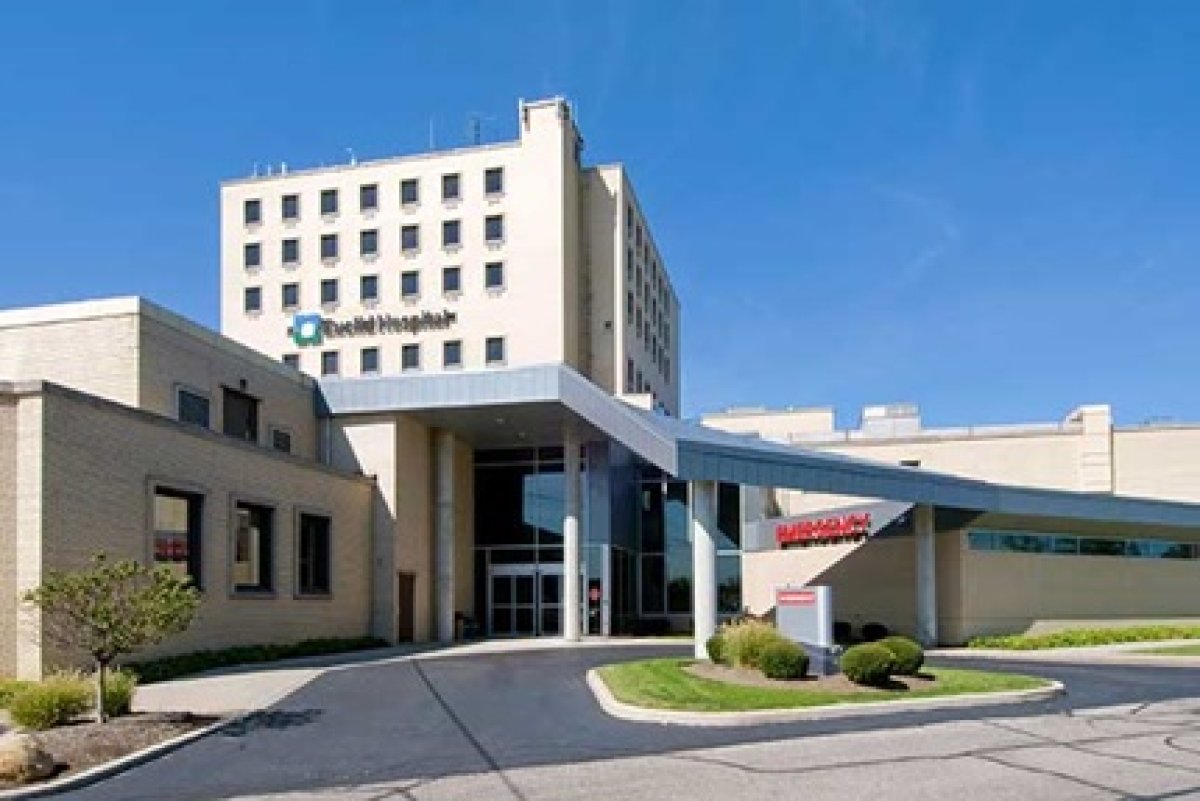





Princeton Hospital at Plainsboro

Johns Hopkins Hospital
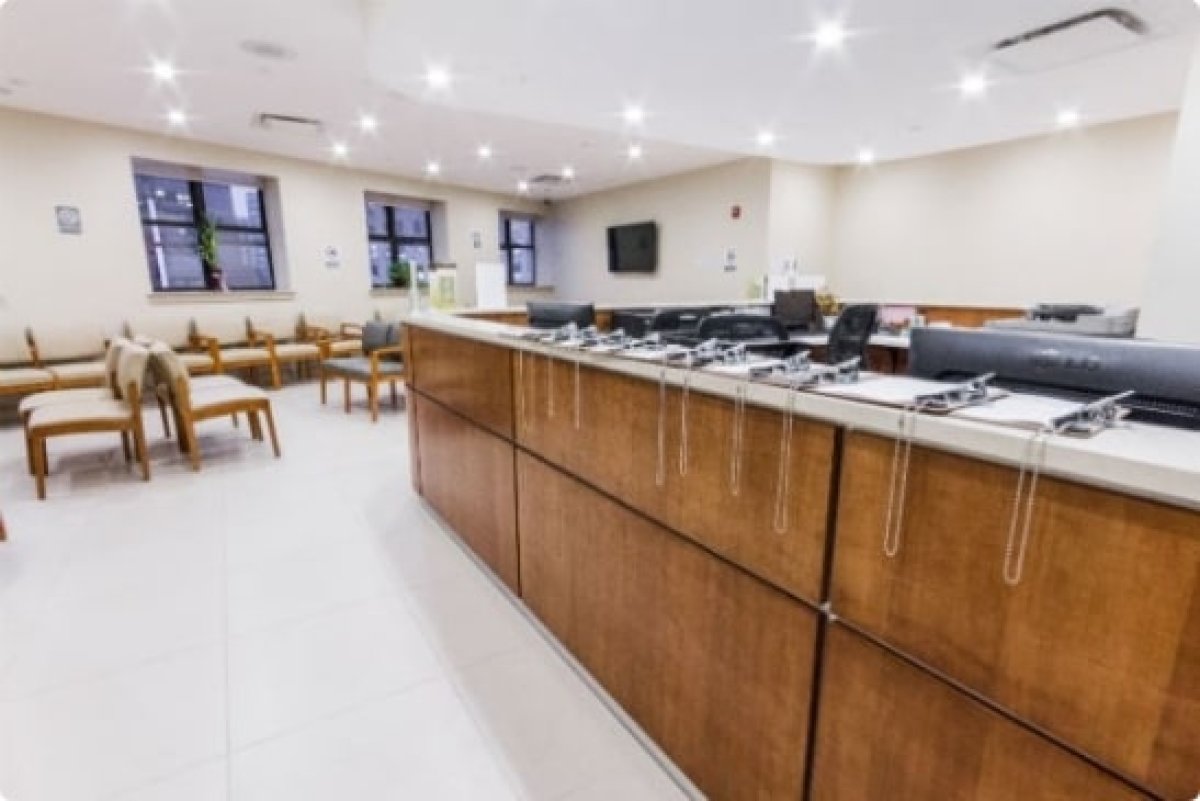
Brooklyn Abortion Clinic
احصلوا على تقييم طبي لـ التهاب بطانة الرحم في الولايات المتحدة الامريكيه: استشيروا أطباء ذوي خبرة الآن
عرض جميع الأطباء
Dmitriy Bronfman
مشاركة المحتوى
قصص فيديو من مرضى Bookimed
 Anna Leonova
أسئلة متكررة حول علاج التهاب بطانة الرحم في الولايات المتحدة الامريكيه
كيف يتم تشخيص بطانة الرحم المهاجرة بشكل نهائي في الولايات المتحدة؟
يتطلب التشخيص النهائي لبطانة الرحم المهاجرة في الولايات المتحدة إجراء جراحة بالمنظار مع أخذ خزعة. يقوم الجراحون بإدخال كاميرا من خلال شقوق صغيرة لتصوير الآفات. هذه هي الطريقة الذهبية الوحيدة. غالبًا ما تبدو نتائج التصوير مثل التصوير بالرنين المغناطيسي طبيعية حتى في الحالات المتقدمة.
- التصور الجراحي: يقوم الجراحون بتحديد الأنسجة الشبيهة ببطانة الرحم فعليًا أثناء تنظير البطن طفيف التوغل.
- التحليل النسيجي المرضي: يقوم أخصائيو علم الأمراض بفحص عينات الأنسجة تحت المجهر لتأكيد التشخيص.
- القيود التشخيصية: غالبًا ما تفوت الموجات فوق الصوتية والتصوير بالرنين المغناطيسي الآفات السطحية أو النمو في المراحل المبكرة.
- الاشتباه السريري: قد يقترح الأطباء تشخيصًا بناءً على الأعراض قبل الجراحة.
رؤية خبير Bookimed: تعتمد الدقة بشكل كبير على نوع المنشأة والحجم السريري. تخدم المراكز الأكاديمية الكبرى مثل مستشفى جونز هوبكنز المرضى من 49 ولاية سنويًا. توفر هذه المؤسسات مختبرات علم أمراض متخصصة ضرورية لتأكيد بطانة الرحم المهاجرة المجهرية. غالبًا ما يؤدي اختيار المستشفيات الأكاديمية ذات الحجم الكبير إلى تحديد مرحلة أكثر دقة أثناء الإجراء الأولي.
إجماع المرضى: غالبًا ما يبلغ المرضى أن فحوصاتهم كانت واضحة تمامًا على الرغم من إصابتهم بمرض شديد. ويؤكدون أنه على الرغم من أن الجراحة جراحية، إلا أنها توفر الإجابة الوحيدة المؤكدة وطريق العلاج.
ما هي الطريقة الجراحية المفضلة لعلاج بطانة الرحم المهاجرة - الاستئصال أم الكي؟
يُعد الاستئصال بالمنظار المعيار الذهبي لعلاج بطانة الرحم المهاجرة في الولايات المتحدة. تتضمن هذه الطريقة قطع الآفات وجذورها. وهي توفر معدلات تكرار أقل ودقة تشخيصية أعلى من الكي. يعطي المتخصصون في مؤسسات مثل مستشفى جونز هوبكنز الأولوية للاستئصال في حالات المرض المتوغل بعمق.
- عمق الإزالة: يزيل الاستئصال الآفات بالكامل والجذور الأساسية لمنع نموها مرة أخرى.
- الدقة التشخيصية: يجمع الجراحون عينات من الأنسجة أثناء الاستئصال لتأكيد التشخيص النهائي عن طريق خزعة المختبر.
- خطر التكرار: يرتبط الاستئصال بانخفاض معدل التكرار على المدى الطويل مقارنة بالكي السطحي.
- الوصول إلى المتخصصين: توفر المستشفيات الأمريكية الرائدة الحاصلة على اعتماد مجلس المستشفيات التعليمية (COTH) عمليات استئصال متخصصة.
رؤية خبير Bookimed: غالبًا ما يواجه المرضى خيارًا بين أطباء أمراض النساء العامين والمراكز عالية التخصص مثل مستشفى جونز هوبكنز. في حين أن العيادات العامة أكثر سهولة في الوصول إليها، تركز المراكز المتخصصة في ماريلاند أو نيوجيرسي على الاستئصال لعلاج المرض العميق. يضمن اختيار مركز يتمتع بمؤهلات أكاديمية مثل عضوية COTH الوصول إلى جراحين مدربين على الاستئصال المعقد بدلاً من الكي الأساسي.
إجماع المرضى: يجد العديد من المرضى أن الكي فشل في معالجة آلامهم على المدى الطويل لأنه عالج السطح فقط. ويؤكدون أنه على الرغم من أن قوائم الانتظار لمتخصصي الاستئصال أطول، فإن النتائج الشاملة تستحق عناء السفر إلى المراكز الطبية الكبرى.
ما هو وقت التعافي النموذجي بعد جراحة طفيفة التوغل لبطانة الرحم المهاجرة؟
يتراوح التعافي من جراحة بطانة الرحم المهاجرة طفيفة التوغل عادةً من 2 إلى 4 أسابيع. تستأنف معظم المريضات الأنشطة اليومية الخفيفة في غضون 7 أيام. يتطلب الشفاء الداخلي الكامل للأنسجة عادةً من 6 إلى 12 أسبوعًا. تسهل المراكز الأمريكية المتخصصة مثل مستشفى جونز هوبكنز هذه الإجراءات بالمنظار للمريضات في جميع أنحاء البلاد.
- النشاط الأولي: غالبًا ما تبدأ المريضات في المشي في نفس يوم إجراء العملية.
- العودة إلى العمل: يعود المحترفون الذين يعملون في المكاتب عادةً إلى العمل في غضون 5 إلى 10 أيام.
- القيود البدنية: تجنبي رفع أكثر من 10 أرطال (حوالي 4.5 كجم) لمدة أسبوعين على الأقل.
- زوال الأعراض: عادة ما يزول ألم الكتف الناتج عن الغاز الجراحي في غضون 2 إلى 4 أيام.
رؤية خبير Bookimed: ركزي على العيادات ذات المكانة الأكاديمية العالية مثل مستشفى برينستون في بلينسبورو. هذه المؤسسات من بين أفضل 5% من المستشفيات في الولايات المتحدة. غالبًا ما تدمج فرقًا متعددة التخصصات بما في ذلك أطباء أمراض النساء والمتخصصين. هذا النهج حيوي عندما تشمل بطانة الرحم المهاجرة مواقع مثل المثانة أو الأمعاء. تظهر بياناتنا أن هذه الفرق المتكاملة تساعد في إدارة الحالات المعقدة بشكل أكثر فعالية.
إجماع المريضات: تؤكد المريضات على أهمية تخزين وجبات سهلة التحضير لفترة ذروة التعب في منتصف فترة التعافي. تلاحظ الكثيرات أن بدء العلاج الطبيعي لقاع الحوض بحلول الأسبوع الثاني يحسن بشكل كبير من راحتهن على المدى الطويل.
ما هي الأعراض التي تؤدي عادةً إلى إحالة علاج بطانة الرحم المهاجرة؟
تتبع إحالات علاج بطانة الرحم المهاجرة في الولايات المتحدة عادةً آلام الدورة الشهرية المنهكة. يقوم الأطباء بإحالة المرضى عندما تقاوم الأعراض الأدوية التي لا تستلزم وصفة طبية أو العلاج الهرموني. تشمل المحفزات الرئيسية آلام الحوض المزمنة التي تستمر لأكثر من 3 أشهر والألم العميق أثناء الجماع. كما تدفع صعوبة الحمل إلى إجراء تقييم متخصص.
- عسر الطمث الشديد: تقلصات تبدأ قبل الحيض وتستمر لأكثر من 72 ساعة.
- آلام الحوض المزمنة: انزعاج مستمر في أسفل البطن يحدث خارج فترة الحيض.
- عسر الجماع العميق: ألم شديد أثناء أو بعد ممارسة الجنس يؤثر على العلاقة الحميمة.
- خلل إخراجي: ألم أثناء التبرز أو التبول يزداد سوءًا أثناء فترات الحيض.
- فشل العلاج: استمرار الأعراض بعد 3 إلى 6 أشهر من الإدارة الأولية.
رؤية خبير Bookimed: غالبًا ما يتجاوز المرضى في المؤسسات رفيعة المستوى مثل مستشفى جونز هوبكنز العيادات العامة. تخدم هذه المراكز الأكاديمية مرضى من 49 ولاية لحالات بطانة الرحم المهاجرة المعقدة. تشير بياناتنا إلى البحث عن مراكز ضمن مجلس مستشفيات التدريس والأنظمة الصحية. تعطي هذه المرافق الأولوية للجراحة بالمنظار على الإدارة الدوائية البحتة لتخفيف الألم على المدى الطويل.
إجماع المرضى: تبلغ العديد من المريضات عن ألم شديد لدرجة أنه يبدو أسوأ من الولادة. يقترحن تتبع الأعراض اليومية في تطبيق لإثبات أن الألم ليس طبيعيًا.
ما هي العلاجات الطبية الأكثر شيوعاً قبل الجراحة؟
تركز العلاجات الطبية الأولية قبل جراحة بطانة الرحم المهاجرة على التثبيط الهرموني والتطهير المنهجي قبل الجراحة. تشمل البروتوكولات القياسية ناهضات GnRH، والبروجستينات، وتحديد المراحل التشخيصية الشاملة. تضمن هذه الخطوات سلامة المريض تحت التخدير وتحدد مواقع الآفات بدقة من أجل الاستئصال بالمنظار في المراكز متعددة التخصصات في الولايات المتحدة.
- التثبيط الهرموني: تعمل ناهضات أو مضادات GnRH على تقليل حجم الآفة والالتهاب الحوضي.
- تحديد المراحل التشخيصية: تؤكد تحاليل الدم الموسعة والملفات الهرمونية الجاهزية للجراحة.
- بروتوكولات التصوير: يحدد التصوير بالموجات فوق الصوتية أو الرنين المغناطيسي مواقع بطانة الرحم المهاجرة العميقة (DIE).
- الاستشارات السريرية: تنسق التقييمات النسائية ومتعددة التخصصات الرعاية في المراكز الطبية الأكاديمية.
رؤية خبير Bookimed: غالباً ما يخضع المرضى الذين يزورون مؤسسات أمريكية رفيعة المستوى مثل مستشفى جونز هوبكنز لاستراتيجية تحضير متدرجة. في حين يتوقع الكثيرون إجراء جراحة فورية، تعكس البيانات الداخلية اتجاهاً قوياً نحو 3 إلى 6 أشهر من التثبيط الطبي أولاً. هذا يضيق المجال الجراحي عن طريق تقليل الالتهاب النشط. يساعد هذا النهج الجراحين على تمييز الأنسجة السليمة عن بطانة الرحم المهاجرة النشطة أثناء إجراءات المنظار المعقدة.
إجماع المرضى: يلاحظ العديد من المرضى أن تتبع الأعراض بدقة باستخدام التطبيقات يساعدهم على تجاوز بروتوكولات تحديد النسل القياسية نحو الجراحة. ويؤكد آخرون على طلب أدوية GnRH قصيرة المدى لإدار
ما هي الجراحة بمساعدة الروبوت في علاج بطانة الرحم المهاجرة؟
الجراحة بمساعدة الروبوت لعلاج بطانة الرحم المهاجرة هي إجراء دقيق طفيف التوغل. يستخدم الجراحون نظاماً روبوتياً لإزالة أنسجة بطانة الرحم من خلال شقوق صغيرة. توفر هذه التقنية رؤية ثلاثية الأبعاد مكبرة لمنطقة الحوض. وهي تسمح بالتشريح الدقيق للآفات في المناطق عالية الخطورة.
- دقة معززة: توفر الأدوات ذات المفاصل نطاقاً أكبر من الحركة مقارنة بأيدي البشر.
- رؤية فائقة: تساعد الكاميرات ثلاثية الأبعاد عالية الدقة في تحديد آفات بطانة الرحم الصغيرة أو غير النمطية.
- تعافٍ أسرع: غالباً ما يعود المرضى إلى منازلهم في غضون يوم إلى يومين بعد الجراحة.
- الحفاظ على الأنسجة: تساعد الرؤية عالية الدقة الجراحين على حماية أعصاب الحوض والأعضاء التناسلية الحساسة.
رؤية خبير Bookimed: تجذب المؤسسات الأمريكية رفيعة المستوى مثل مستشفى جونز هوبكنز مرضى من 49 ولاية للحالات المعقدة. تشير البيانات إلى أن 5% من المستشفيات الرائدة، مثل مستشفى برينستون في بلينسبورو، تستخدم هذه الأنظمة المتقدمة بشكل متكرر. يضمن اختيار المراكز الأكاديمية متعددة التخصصات الوصول إلى جراحين يجرون عدداً كبيراً من عمليات الاستئصال الروبوتية سنوياً.
إجماع المرضى: يشير المرضى إلى أن الاستئصال الروبوتي يمكن أن يغير قواعد اللعبة بالنسبة للألم الشديد. يؤكد الكثيرون على أهمية بدء العلاج الطبيعي للحوض بعد الجراحة مباشرة للحصول على أفضل النتائج على المدى الطويل.
هل يحسن العلاج الجراحي فرص الخصوبة لدى النساء المصابات بالانتباذ البطاني الرحمي (بطانة الرحم المهاجرة)؟
يعمل العلاج الجراحي على تحسين فرص الخصوبة من خلال استعادة التشريح وتقليل الالتهاب. يمكن للاستئصال بالمنظار أن يضاعف معدلات الحمل التلقائي للمرض في المرحلة 1 أو 2. قد تصل معدلات الحمل الطبيعي للمرحلة 3 أو 4 إلى 50% بعد إزالة الأنسجة الندبية. تصل معدلات النجاح إلى ذروتها في غضون 6 أشهر بعد الجراحة.
- معدلات النجاح: يمكن للجراحة أن تضاعف احتمالات الحمل الطبيعي للمريضات المصابات بالانتباذ البطاني الرحمي الخفيف.
- المراحل المتقدمة: إزالة الأكياس الكبيرة والالتصاقات تزيد من فرص الحمل الطبيعي بشكل كبير.
- مخزون المبيض: الجراحة للأكياس التي يزيد حجمها عن 4 سم قد تقلل من مخزون البويضات لديك.
- نتائج التلقيح الصناعي (IVF): الجراحة الروتينية قبل التلقيح الصناعي لا تحسن عادةً معدلات المواليد الأحياء.
رؤية خبير Bookimed: في حين أن المستشفيات العامة مثل مستشفى برينستون في بلينسبورو أو مستشفى جونز هوبكنز تقدم رعاية للانتباذ البطاني الرحمي، يجب على المريضات إعطاء الأولوية للمراكز التي تركز على الاستئصال بالمنظار بدلاً من الكي. تظهر البيانات أن الاستئصال يستهدف الآفات العميقة بشكل أكثر فعالية. وهذا يحافظ على الأنسجة السليمة بشكل أفضل من الكي الحراري. إذا كان مخزون البويضات لديك منخفضًا، فإن تجميد البويضات قبل أي تدخل جراحي هو خطوة أمان حاسمة لضمان خيارات تخطيط الأسرة في المستقبل.
إجماع المريضات: غالبًا ما تشهد المريضات زيادة في الخصوبة على المدى القصير في غضون عام. وهن ينصحن بشدة بالتحقق من مستويات مخزون المبيض قبل الجراحة. تنصح الكثيرات